
5383 Marine Heavy Duty Aluminum Plate
5383 marine heavy duty aluminum plate is a high-magnesium aluminum alloy designed for ships, offshore structures, patrol craft, ferries, and demanding marine fabrications where strength and seawater durability must work together. It belongs to the 5xxx Al-Mg alloy family, but it is engineered for heavier structural duty than many standard marine plates. For builders who need lighter weight than steel, reliable weld performance, and excellent resistance to saltwater attack, 5383 is a strong candidate for modern vessel construction.
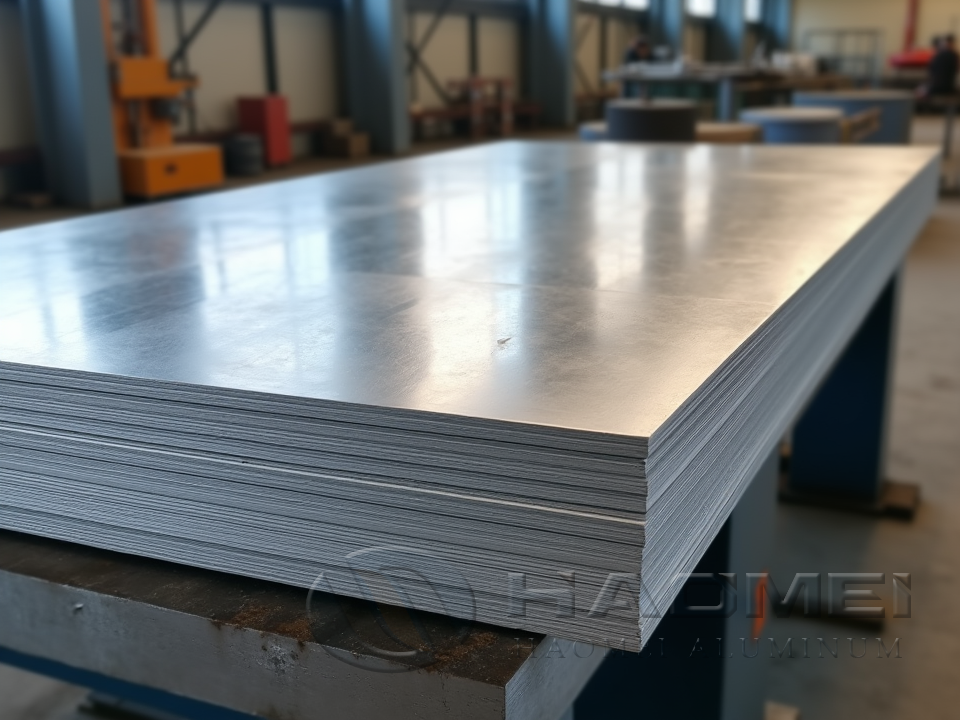
In marine service, plate selection is not only about tensile strength. The alloy must resist corrosion along welds, tolerate forming and cutting, remain stable after fabrication, and support long inspection intervals. 5383 performs well in these areas because its chemistry balances magnesium, manganese, chromium, and controlled impurities to improve durability in chloride-rich environments.
Material Character and Marine Value
5383 is often selected when a design requires higher mechanical performance than conventional 5083 while retaining excellent weldability. It is not heat-treatable; its strength is developed through controlled rolling and strain hardening. Common marine tempers include H116 and H321, both widely used for plates exposed to seawater, spray zones, bilge areas, and offshore weather.
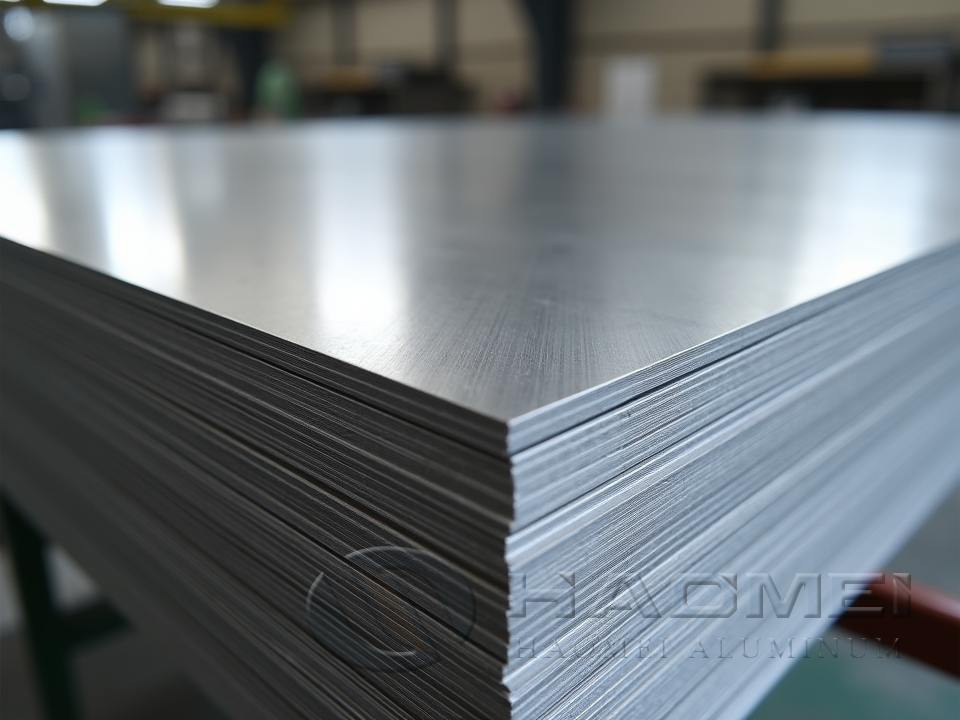
Compared with standard Marine 5383 aluminum sheet for lighter panels, heavy duty 5383 plate is supplied in thicker gauges for main hull members, bottom structures, deck supports, ramps, and structural modules. It gives shipyards the ability to reduce deadweight while maintaining structural confidence.
Typical Chemical Composition
Actual values are confirmed by mill test certificate, but the following range reflects common 5383 marine plate production practice.
| Element | Typical Content | Function in Marine Plate |
|---|---|---|
| Aluminum | Balance | Base metal for low density and corrosion resistance |
| Magnesium | 4.0-5.2 percent | Raises strength and improves marine corrosion resistance |
| Manganese | 0.7-1.0 percent | Supports strength, grain control, and weld performance |
| Chromium | Up to 0.25 percent | Helps control structure and corrosion behavior |
| Zinc | Up to 0.25 percent | Limited to maintain corrosion resistance |
| Iron | Up to 0.25 percent | Controlled impurity for cleaner plate quality |
| Silicon | Up to 0.25 percent | Controlled impurity affecting workability |
| Copper | Up to 0.20 percent | Kept low for seawater resistance |
| Titanium | Up to 0.15 percent | Grain refinement during casting |
The restricted copper and iron levels are important for marine use. Excessive impurity levels can reduce corrosion resistance, especially in welded structures exposed to stagnant saltwater or alternating wet and dry conditions.
Typical Mechanical Properties
Mechanical values vary with thickness, temper, specification, and test direction. The table gives practical reference ranges for procurement discussion.
| Temper | Tensile Strength | Yield Strength | Elongation | Typical Use |
|---|---|---|---|---|
| O | 275-350 MPa | 125-165 MPa | 16-22 percent | Formed components, curved plates, pressed parts |
| H116 | 305-385 MPa | 215-285 MPa | 10-16 percent | Hulls, decks, welded marine structures |
| H321 | 305-385 MPa | 215-285 MPa | 10-16 percent | Plate requiring stabilized strain-hardened condition |
H116 and H321 tempers are favored for seawater exposure because they are processed to resist exfoliation and stress corrosion tendencies in marine atmospheres. For heavy duty hull work, these tempers provide a dependable mix of strength, toughness, and fabrication safety.
Main Features Customers Notice Fast
5383 plate has a high strength-to-weight ratio. A vessel using aluminum instead of steel can gain payload capacity, reduce fuel use, or improve speed. In workboats and patrol craft, lower weight can also improve acceleration and shallow-water performance.
Its corrosion resistance is a major advantage in seawater. The natural oxide film on aluminum protects the surface, while the alloy composition limits harmful galvanic and intergranular effects when correct design and welding practices are used.
Weldability is another reason shipyards trust this alloy. 5383 can be welded by MIG and TIG processes, with common filler alloys such as 5183, 5356, or 5556 depending on design requirements. After welding, the heat-affected zone will soften compared with the parent plate, so designers should calculate welded joint strength properly.
The plate also machines and cuts cleanly. Plasma cutting, waterjet cutting, sawing, drilling, milling, and edge preparation are routine in marine workshops. For thick plate, proper clamping and stable cutting parameters help control distortion.
Product Range and Supply Form
| Product Form | Common Range |
|---|---|
| Thickness | 6 mm to 120 mm, project-dependent |
| Width | Up to 2500 mm or wider by mill capability |
| Length | Custom cut length for shipyard nesting plans |
| Surface | Mill finish, brushed, protected film, or coated after fabrication |
| Tempers | O, H116, H321, and project-specific conditions |
| Standards | ASTM, EN, classification society requirements by order |
| Inspection | Mill test certificate, ultrasonic testing, dimensional checks, surface inspection |
For vessel programs, buyers often request plate traceability, batch consistency, flatness control, and certification aligned with class society rules. When plates are used in hull structure, ABS, DNV, LR, CCS, BV, or other certification may be required by contract.
Applications in Marine and Offshore Work
5383 marine heavy duty aluminum plate is used in hull bottoms, side shells, transoms, bulkheads, superstructures, deck plates, engine room foundations, and structural frames. It is also suitable for fast ferries, pilot boats, coast guard vessels, rescue craft, crew transfer vessels, military support boats, and high-speed passenger craft.
In offshore projects, the alloy is useful for accommodation modules, gangways, helideck support structures, access platforms, radar masts, and corrosion-resistant equipment housings. Its low density helps reduce topside weight, which is valuable for stability management on offshore units.
For transport and industrial marine equipment, 5383 plate can be applied to loading ramps, pontoon bridges, floating docks, marine containers, cryogenic-related structures, and tank components where a non-heat-treatable Al-Mg alloy is preferred. Builders comparing plate families can also review Marine Grade Aluminum Sheets when selecting matching thinner sheets for interior panels, covers, and secondary structures.
Fabrication Guidance
During welding, the joint area should be clean, dry, and free from oil, oxide buildup, and moisture. Stainless steel wire brushing dedicated to aluminum is recommended before welding. Preheating is usually not required for normal thicknesses, but heavy sections may need controlled preparation to reduce moisture and stabilize welding conditions.
Bending performance depends on temper and thickness. O temper offers the best formability, while H116 and H321 are chosen more for strength and marine durability. For tight bends, customers should confirm minimum bend radius before ordering.
When 5383 is joined to stainless steel, carbon steel, or copper alloys, galvanic protection is necessary. Use insulation washers, sealants, compatible fasteners, drainage design, and suitable coating systems. Good design prevents trapped seawater, which is one of the most common causes of localized corrosion in marine assemblies.
Why Choose 5383 for Heavy Duty Marine Projects
The alloy fits projects where standard plate may not provide enough strength margin, yet steel would add too much weight. It allows strong welded structures with long service life in harsh coastal and offshore conditions. Its balance of strength, toughness, corrosion resistance, and processing practicality makes it suitable for both new vessel construction and repair work.
For customers, the practical purchasing advantage is clear: one material can cover hull strength, seawater durability, fabrication efficiency, and weight reduction. When supplied with proper certification and plate traceability, 5383 marine heavy duty aluminum plate supports safer builds, cleaner welding, lower maintenance pressure, and better long-term vessel performance.

Related Products
Marine anodized aluminum sheets
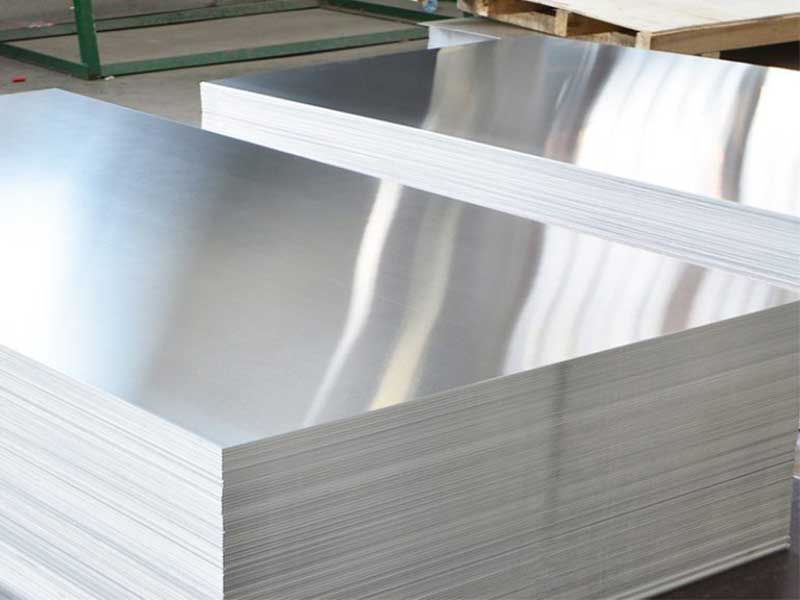
Marine Anodized Aluminum Sheets start with premium marine-grade aluminum alloys such as 5000 and 6000 series (typically 5083, 5052, and 6061).
View Details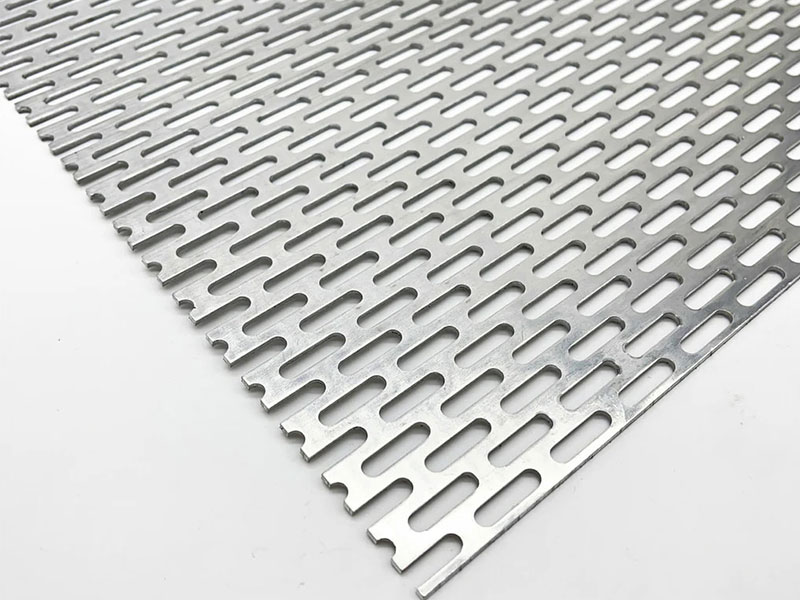
Marine perforated aluminum sheets
Marine Perforated Aluminum Sheets feature a series of uniform holes or shapes punched through the aluminum surface. These perforations can vary in size, pattern, and open area to tailor the sheets for specific applications.
View Details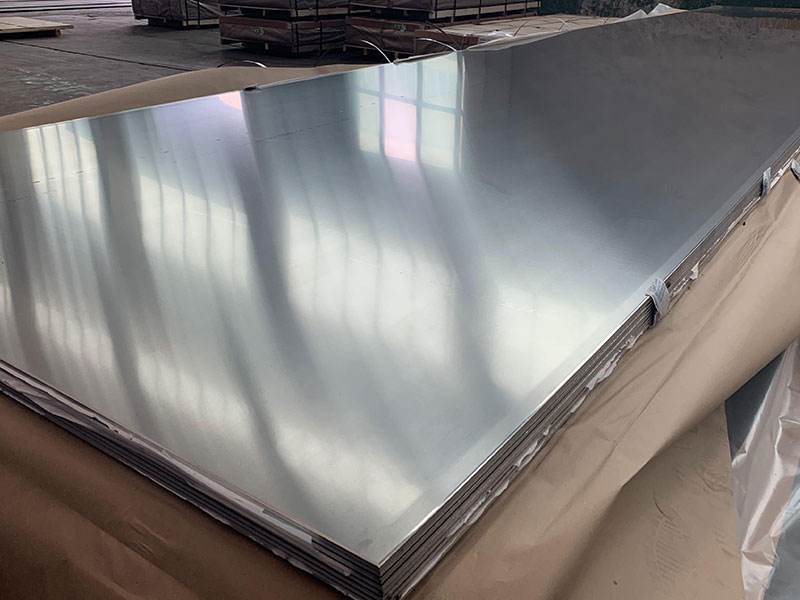
Marine 5086 aluminum sheet
This product article provides an in-depth and comprehensive understanding of Marine 5086 Aluminum Sheets, including their chemical composition, mechanical properties, corrosion resistance, fabrication capabilities, and typical marine applications.
View Details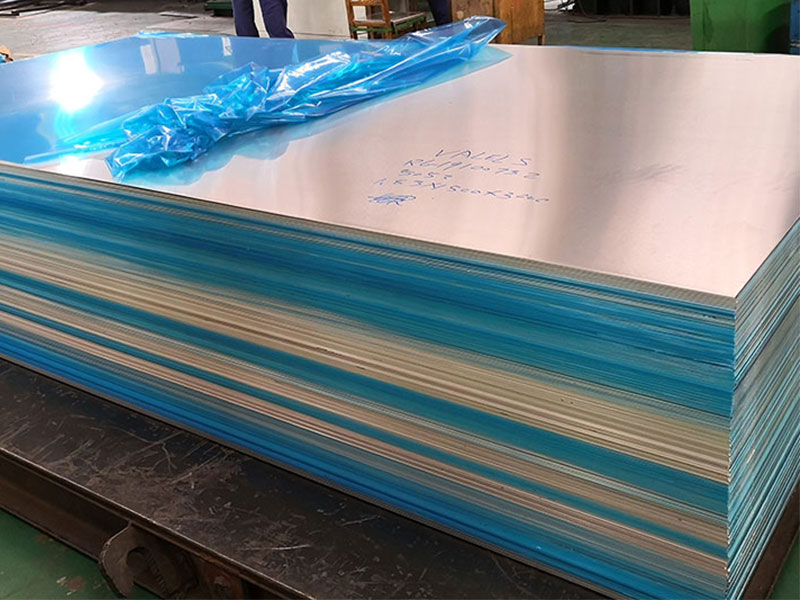
Marine 5059 aluminum sheet
5059 aluminum alloy is a strain-hardened material with a unique addition of magnesium and chromium, which provides outstanding resistance to localized corrosion like pitting and stress corrosion cracking.
View Details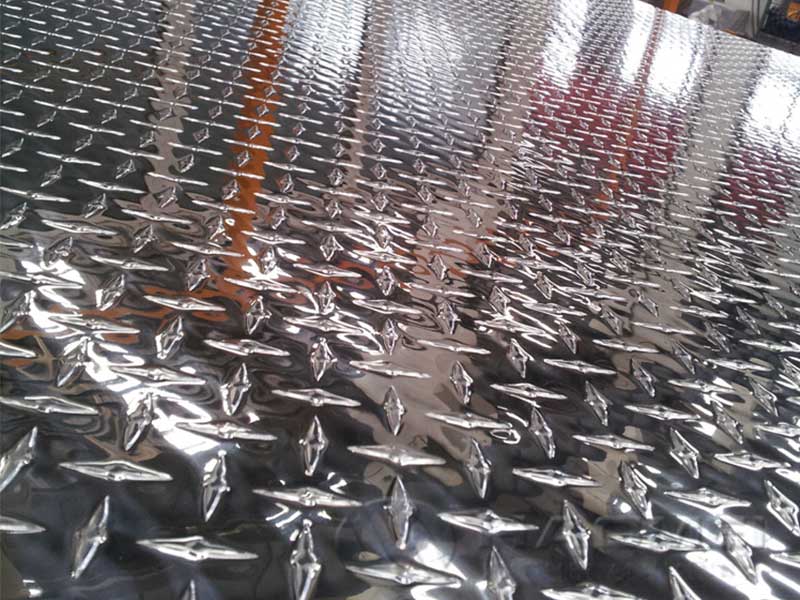
Marine Aluminum Tread Sheets
Marine Aluminum Tread Sheets are aluminum alloy plates featuring a raised surface pattern, commonly referred to as a tread design or diamond plate.
View Details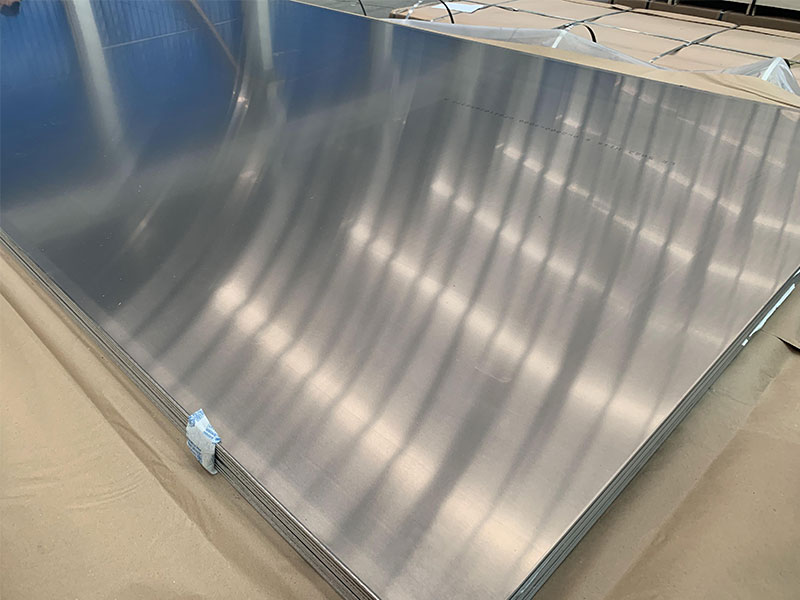
Marine 5052 aluminum sheet
Aluminum alloy 5052 is a non-heat-treatable, strain-hardened alloy with magnesium as the primary alloying element. It is designed to offer superior corrosion resistance in marine and saline environments, making it a dependable choice for components exposed directly to seawater or coastal atmospheric conditions.
View DetailsRelated Blog
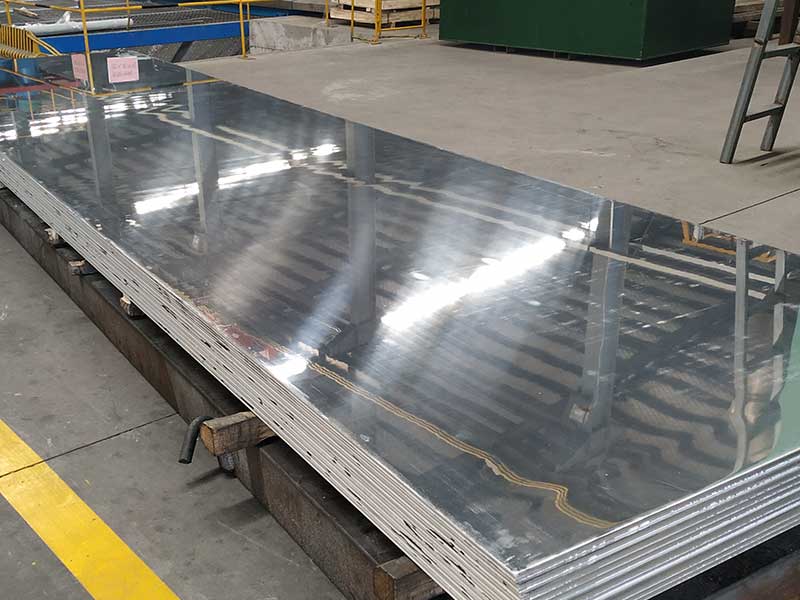
1mm to 8mm thick marine grade aluminum sheet 5083 h116
Marine environments punish materials in ways most industrial settings never will: salt spray, stagnant seawater, cyclic wet/dry exposure, and constant vibration.
View Details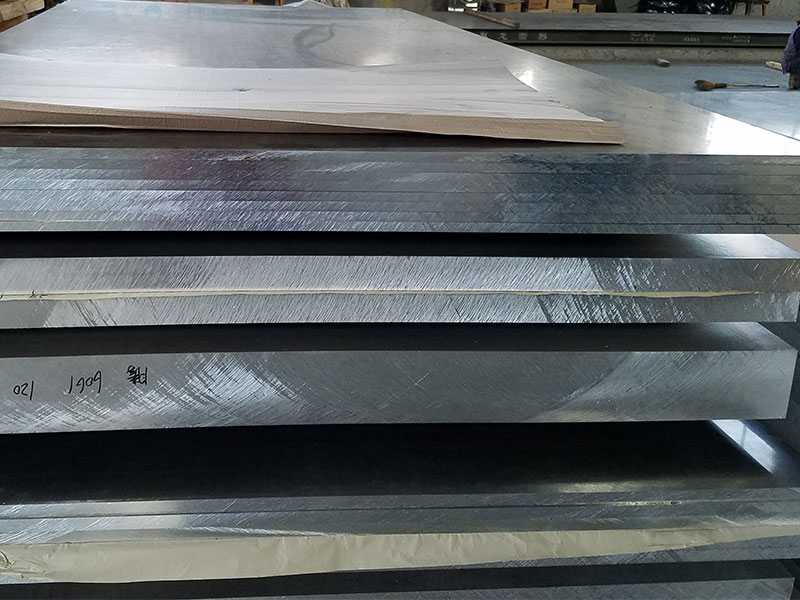
Aluminum foil 0.5mm Thick 5000 Series Marine Grade
Aluminum Foil 0.5mm Thick 5000 Series Marine Grade: A "Sealing Skin" for Real-World Marine WorkWhen people hear "aluminum foil," they often imagine thin kitchen wrap.
View Details
Aluminum coil 5052 H32 1.6mm thick for coated boat
Aluminum coil 5052 H32 1.6mm thick is a premium-material choice widely trusted in marine engineering, particularly for coated boat structures. It offers an excellent balance between strength, corrosion resistance, and workability.
View Details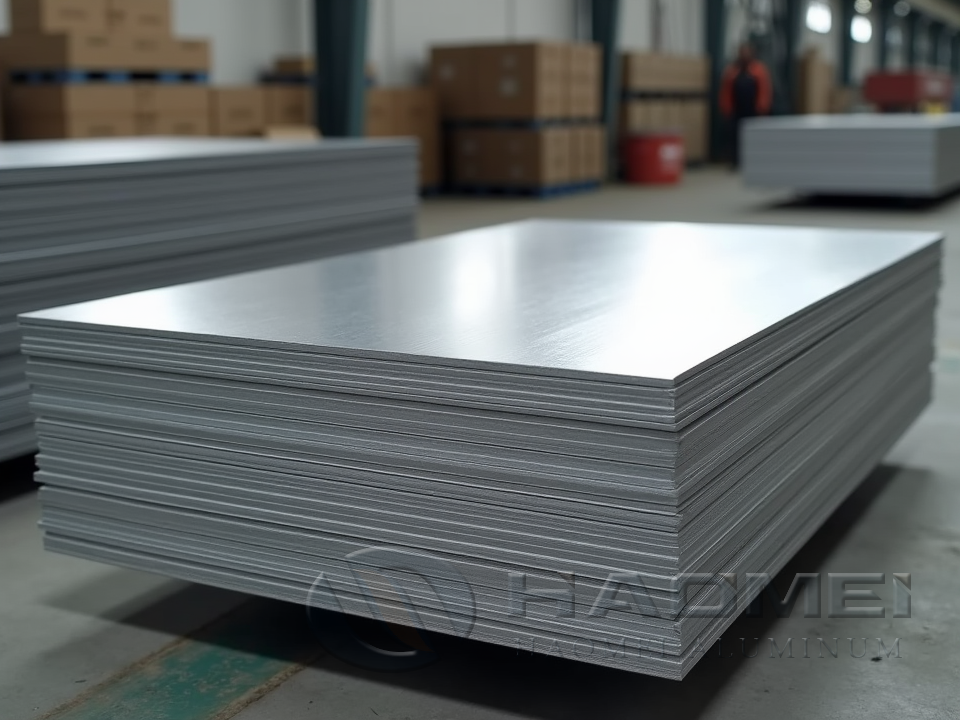
Marine 5086 Aluminum Sheet
A practical guide to Marine 5086 aluminum sheet, covering tempers, standards, chemistry, corrosion resistance, welding, and marine uses.
View Details
Marine aluminium
Marine aluminium is a family of corrosion-resistant aluminium alloys engineered for continuous exposure to saltwater, humidity, and aggressive coastal atmospheres.
View Details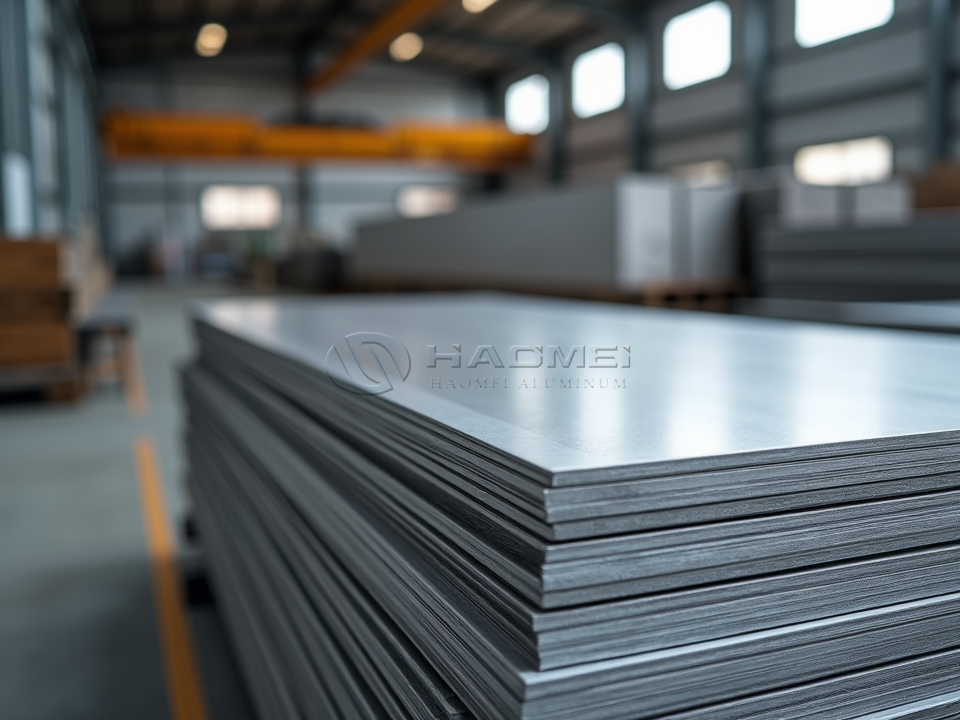
Marine Grade Aluminium 5052 3mm Aluminium Sheet Sizes
A practical guide to 5052 3 mm marine aluminium sheet sizes, properties, corrosion resistance, fabrication benefits, and boatbuilding applications for buyers.
View Details
Leave a Message