
5059 Marine Heavy Duty Aluminum Plate
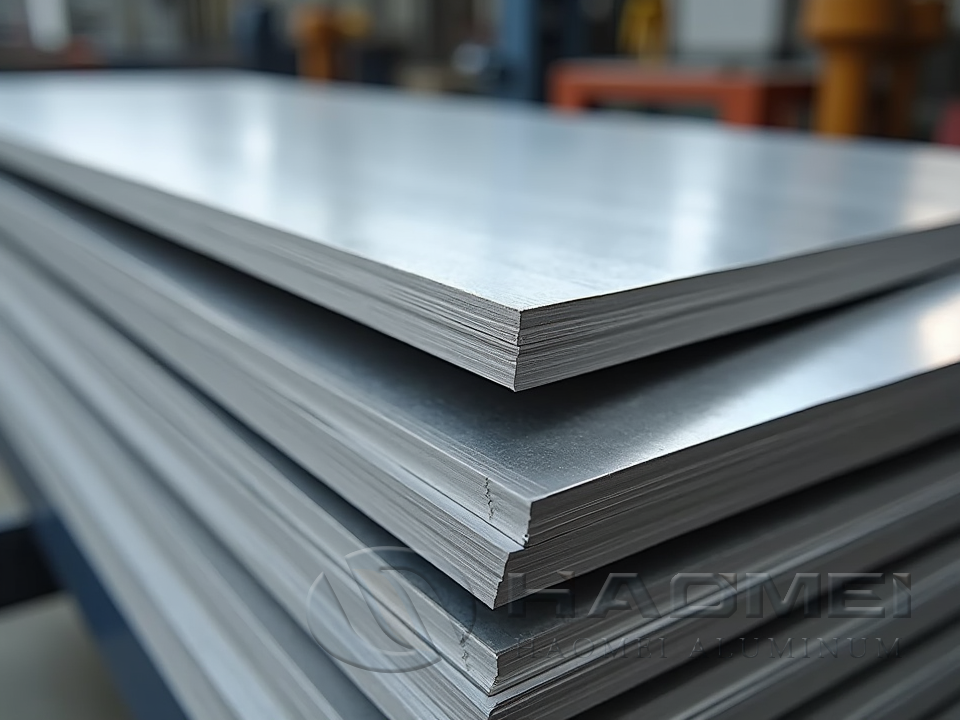
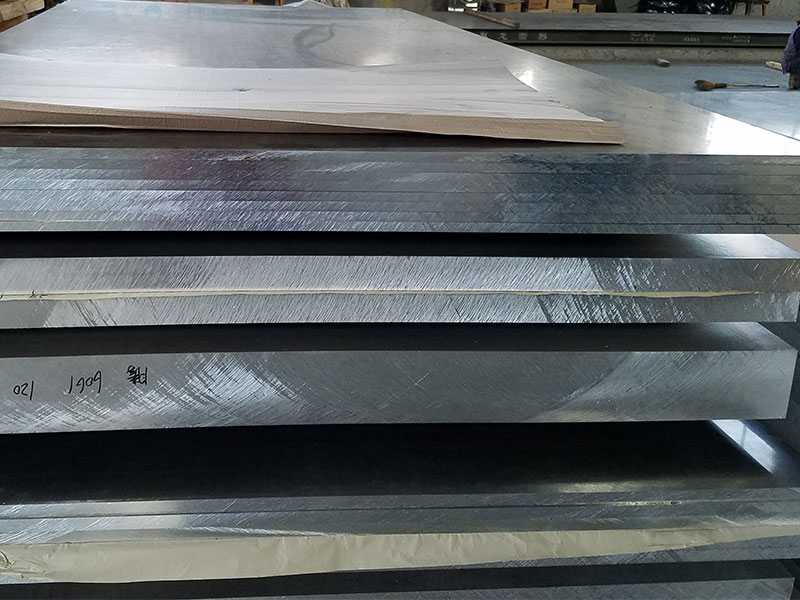
5059 marine heavy duty aluminum plate is designed for vessels and offshore structures that must survive high load, salt spray, vibration, and repeated wave impact. As an Al-Mg-Mn-Zn-Zr alloy, 5059 offers higher strength than many traditional 5xxx marine alloys while keeping the corrosion resistance and weldability that shipyards expect from marine aluminum.
For patrol boats, workboats, fast ferries, landing craft, offshore platforms, and structural marine modules, 5059 plate gives designers a strong material option without the weight penalty of steel. It is especially useful where thick plate, fatigue resistance, and reliable welded joints are required.
Product Character
5059 is a non-heat-treatable aluminum alloy strengthened mainly by magnesium, manganese, and controlled strain hardening. Compared with common marine grades such as 5083 and 5086, it can provide improved strength and excellent stress corrosion cracking resistance when produced in marine tempers such as H116 or H321.
| Item | Typical Value or Description |
|---|---|
| Alloy | 5059, EN AW-5059, AlMg5.5MnZnZr |
| Product form | Heavy duty plate, sheet, cut-to-size plate |
| Main strengthening elements | Mg, Mn, Zn, Zr |
| Density | About 2.66 g/cm3 |
| Corrosion behavior | Excellent in seawater and marine atmosphere |
| Weldability | Excellent with suitable filler wire and procedure |
| Heat treatment | Not strengthened by heat treatment |
| Typical marine tempers | O, H111, H116, H321 |
| Main advantage | High strength with low weight and strong weld performance |
Customers comparing alloy families can review related Marine Grade Aluminum Sheets to select the best balance of strength, formability, thickness, and certification needs.
Chemical Composition
The chemistry of 5059 is controlled to achieve high mechanical performance while maintaining marine corrosion resistance. Magnesium improves strength and seawater resistance, manganese supports work hardening, zinc contributes to strength, and zirconium refines the grain structure.
| Element | Standard Range, % |
|---|---|
| Si | <= 0.45 |
| Fe | <= 0.50 |
| Cu | <= 0.25 |
| Mn | 0.60-1.20 |
| Mg | 5.00-6.00 |
| Cr | <= 0.25 |
| Zn | 0.40-0.90 |
| Ti | <= 0.20 |
| Zr | 0.05-0.25 |
| Other, each | <= 0.05 |
| Other, total | <= 0.15 |
| Al | Balance |
Mechanical Properties
Mechanical values vary with thickness, temper, production standard, and classification society requirements. The data shown here represents common reference ranges for marine plate procurement and early design evaluation.
| Temper | Tensile Strength, MPa | Yield Strength, MPa | Elongation, % | Typical Use |
|---|---|---|---|---|
| O | 270-350 | >= 125 | >= 18 | Deep forming, complex curved panels |
| H111 | 330-410 | >= 200 | >= 12 | Formed structures and general marine fabrication |
| H116 | 370-460 | >= 270 | >= 10 | Hull plates, high-load welded structures |
| H321 | 370-460 | >= 270 | >= 10 | Plate exposed to seawater and long service stress |
The H116 and H321 tempers are widely selected for harsh marine exposure because they are processed to improve resistance to exfoliation and stress corrosion. This makes 5059 suitable for vessels that operate in warm seawater, high humidity, or heavy-duty service cycles.
Technical Specifications
| Parameter | Common Supply Range |
|---|---|
| Thickness | 6-160 mm, heavier sizes by mill capability |
| Width | 1000-3000 mm typical |
| Length | 2000-12000 mm typical |
| Surface | Mill finish, brushed, PVC protected on request |
| Flatness | As per EN, ASTM, or customer drawing |
| Cutting | Saw cut, plasma cut, waterjet cut, CNC profiled |
| Inspection | Ultrasonic testing available for thick plate |
| Certification | Mill test certificate, marine class certificate on request |
| Standards | ASTM B928, EN 485, EN 573, customer specification |
For projects requiring sheet and plate in the same alloy family, Marine 5059 aluminum sheet can be paired with heavy plate to maintain consistent corrosion behavior and welding response across the vessel.
Performance in Marine Service
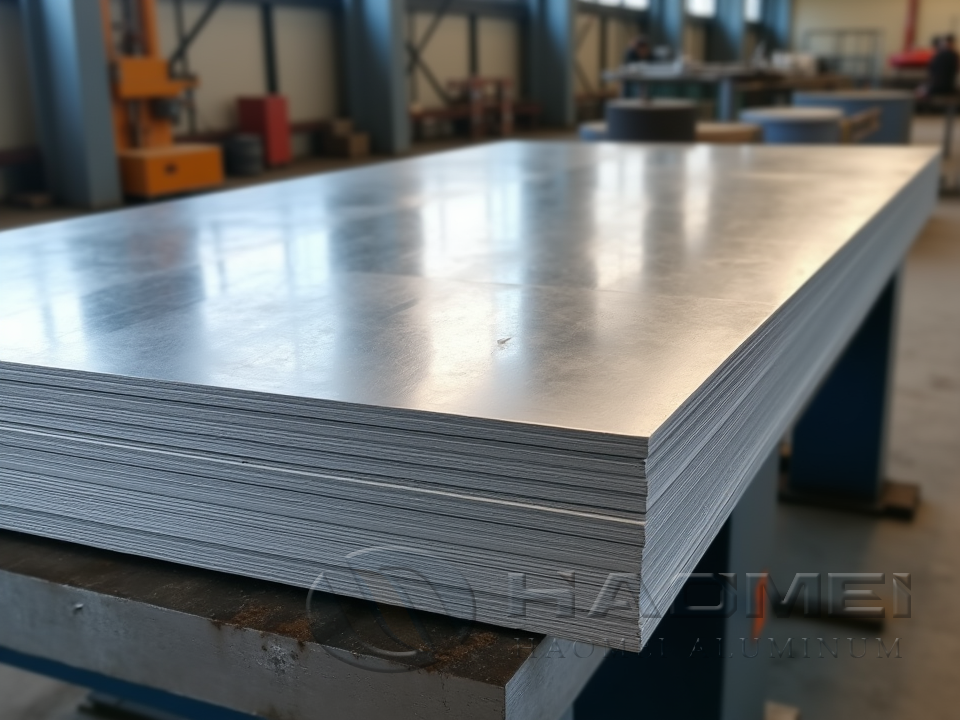
5059 plate performs well in demanding hull and deck structures because it combines strength, toughness, and stable corrosion resistance. In service, it helps reduce vessel weight, supports higher payload, improves fuel efficiency, and simplifies maintenance compared with coated steel.
| Performance Factor | Benefit to Vessel Builders and Operators |
|---|---|
| High strength-to-weight ratio | Allows lighter hull structures and improved payload capacity |
| Seawater corrosion resistance | Reduces coating dependence and maintenance work |
| Weldability | Supports efficient MIG and TIG fabrication |
| Fatigue resistance | Handles vibration, slamming, and cyclic loading |
| Thick plate capability | Suitable for keels, frames, bulkheads, and impact zones |
| Dimensional stability | Helps maintain panel fit-up during assembly |
| Recyclability | Supports lower material waste and circular production goals |
Fabrication and Welding Notes
5059 marine heavy duty aluminum plate is highly weldable, but proper welding practice is essential for structural performance. Filler alloys such as 5356, 5183, or 5556 are commonly considered, depending on strength requirements, corrosion exposure, and approval rules. Heat input should be controlled to reduce distortion and protect the properties of the heat-affected zone.
Recommended fabrication practices include:
- Use clean stainless steel brushes dedicated only to aluminum.
- Remove oxide, oil, moisture, and cutting residue before welding.
- Apply correct joint design for thick plate sections.
- Control interpass temperature to limit softening and distortion.
- Use qualified welding procedures for class-approved marine structures.
- Select forming radius according to thickness and temper.
Because 5059 has higher magnesium content, cleanliness and procedure control are especially important during welding. With good workshop discipline, it provides strong welded joints suitable for dynamic marine loading.
Application Areas
5059 heavy duty aluminum plate is selected for structures where ordinary marine sheet may not provide enough strength or thickness. It is suitable for both commercial and defense-related marine projects.
| Application | Why 5059 Works Well |
|---|---|
| Patrol boat hulls | High speed, high impact resistance, reduced hull weight |
| Fast ferries | Lightweight structure improves fuel economy and acceleration |
| Workboats | Strong plate resists daily impact and deck loading |
| Landing craft | Good toughness for beaching and heavy cargo movement |
| Offshore access platforms | Corrosion resistance in salt spray and splash zones |
| Bulkheads and frames | High yield strength supports structural stiffness |
| Fuel and storage tanks | Weldability and corrosion resistance support long service life |
| Deck modules | Strong, clean, low-maintenance structural surface |
Comparison With Common Marine Alloys
5059 does not replace every marine aluminum grade, but it offers a strong choice when higher load capacity is needed. 5052 is often chosen for lighter sheet work, 5086 for good general marine fabrication, and 5083 for broad hull applications. 5059 sits at the high-strength end of this family.
| Alloy | Strength Level | Corrosion Resistance | Typical Marine Role |
|---|---|---|---|
| 5052 | Medium | Excellent | Interior panels, small boats, formed parts |
| 5086 | Medium-high | Excellent | Hulls, decks, welded marine structures |
| 5083 | High | Excellent | Boat hulls, tanks, heavy structures |
| 5059 | Very high | Excellent | Heavy duty hulls, military craft, impact zones |
Purchasing Considerations
When ordering 5059 marine heavy duty aluminum plate, customers should define thickness, temper, plate size, applicable standard, class approval, ultrasonic testing level, surface protection, and cutting requirements. For welded ship structures, it is also helpful to confirm filler wire selection, design code, and inspection method during the material inquiry stage.
A good procurement specification reduces fabrication risk and improves delivery accuracy. For marine builders working under tight launch schedules, stable plate flatness, reliable traceability, and consistent mechanical properties are just as important as alloy selection.
Why Customers Choose 5059 Plate
5059 marine heavy duty aluminum plate gives shipbuilders a strong and practical material for demanding service. It supports lightweight construction, strong welded assemblies, long corrosion life, and better load-carrying efficiency. For vessels exposed to wave impact, saltwater, high payload, and continuous operation, 5059 provides a durable aluminum solution with real value in fabrication and service.

Related Products
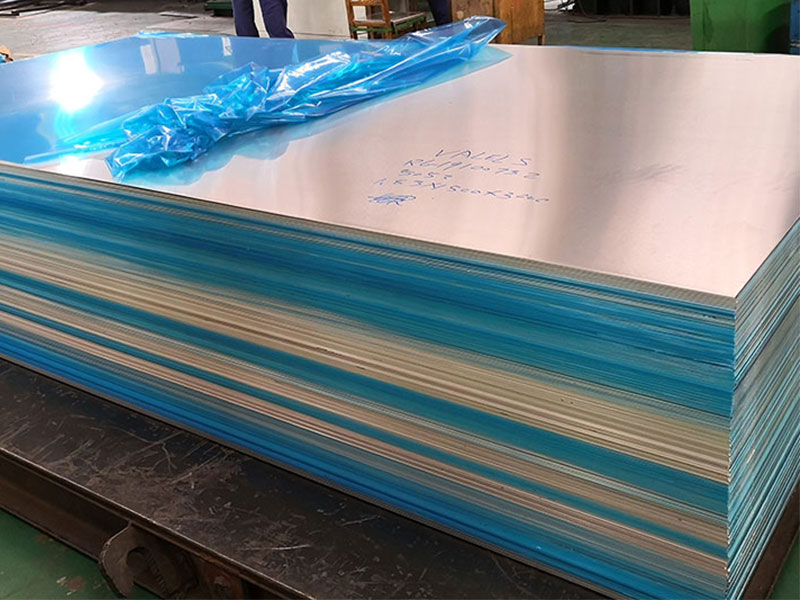
Marine 5059 aluminum sheet
5059 aluminum alloy is a strain-hardened material with a unique addition of magnesium and chromium, which provides outstanding resistance to localized corrosion like pitting and stress corrosion cracking.
View Details
Marine anodized aluminum sheets
Marine Anodized Aluminum Sheets start with premium marine-grade aluminum alloys such as 5000 and 6000 series (typically 5083, 5052, and 6061).
View Details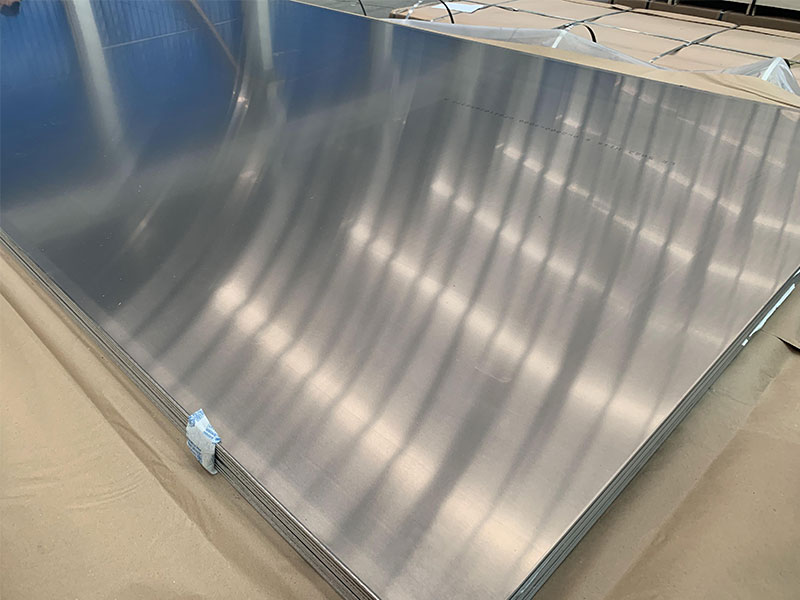
Marine 5052 aluminum sheet
Aluminum alloy 5052 is a non-heat-treatable, strain-hardened alloy with magnesium as the primary alloying element. It is designed to offer superior corrosion resistance in marine and saline environments, making it a dependable choice for components exposed directly to seawater or coastal atmospheric conditions.
View Details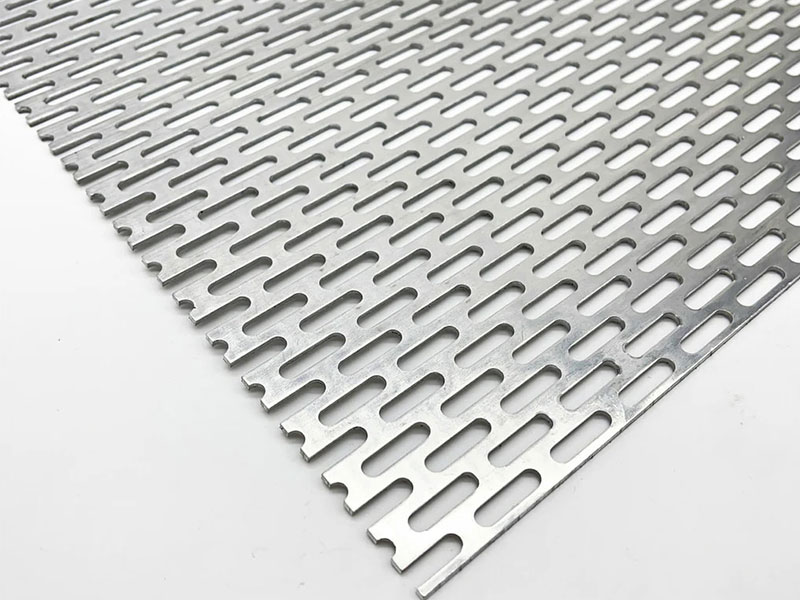
Marine perforated aluminum sheets
Marine Perforated Aluminum Sheets feature a series of uniform holes or shapes punched through the aluminum surface. These perforations can vary in size, pattern, and open area to tailor the sheets for specific applications.
View Details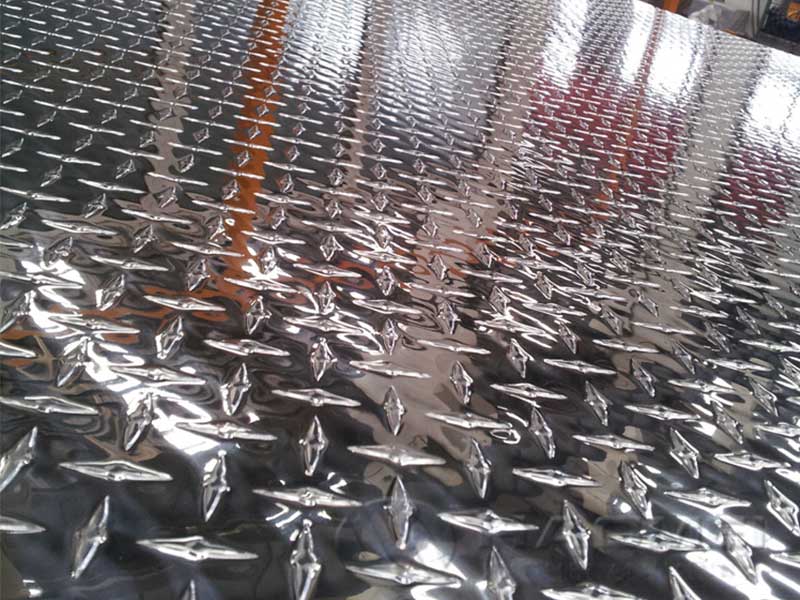
Marine Aluminum Tread Sheets
Marine Aluminum Tread Sheets are aluminum alloy plates featuring a raised surface pattern, commonly referred to as a tread design or diamond plate.
View Details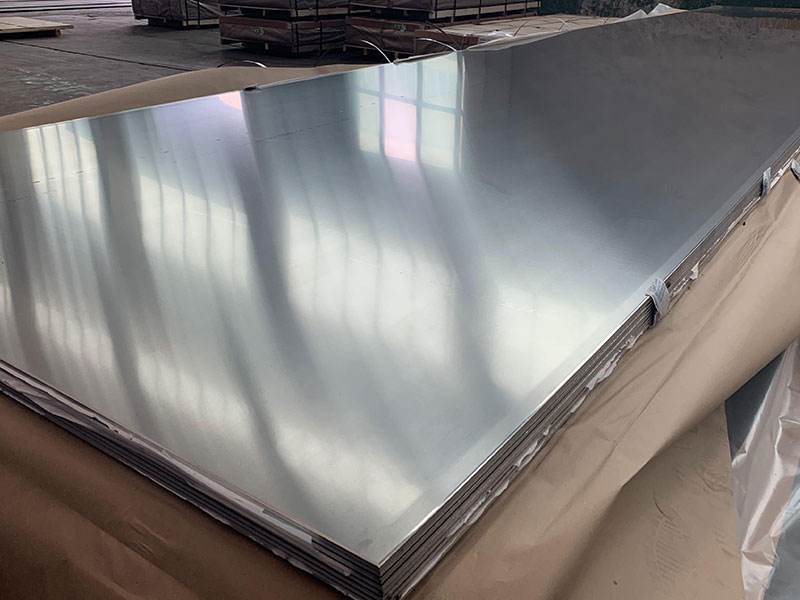
Marine 5086 aluminum sheet
This product article provides an in-depth and comprehensive understanding of Marine 5086 Aluminum Sheets, including their chemical composition, mechanical properties, corrosion resistance, fabrication capabilities, and typical marine applications.
View DetailsRelated Blog
Alloy 5052 5757 5005 5083 h24 h32 aluminium coil for marine application
Marine environments demand materials that combine corrosion resistance, strength, weldability, and low weight. Among non-heat-treatable aluminum-magnesium alloys, 5052, 5754, 5005, and 5083 aluminium coil are widely selected for shipbuilding.
View Details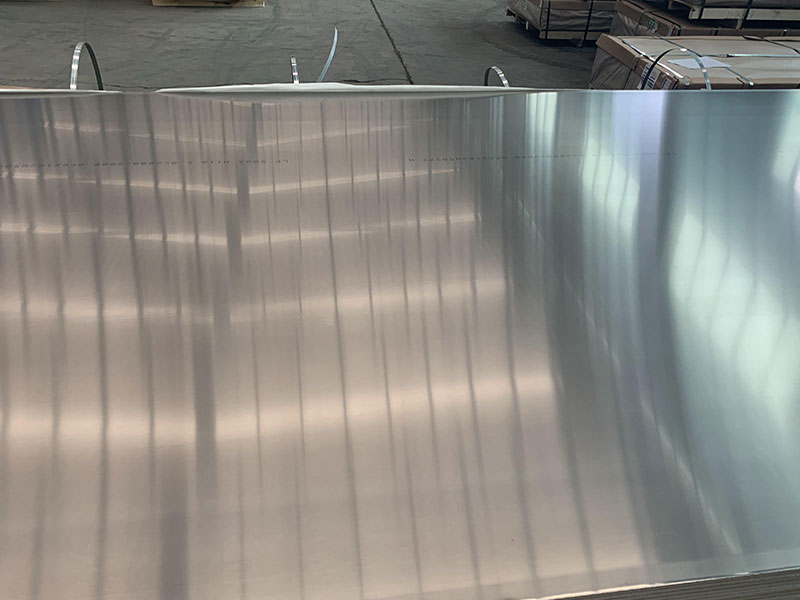
Mill Finish Aluminium Sheet for Ship building
When it comes to shipbuilding, choosing the right materials is pivotal for ensuring both durability and optimal performance. Among various options, mill finish aluminium sheet stands out as a superior choice.
View Details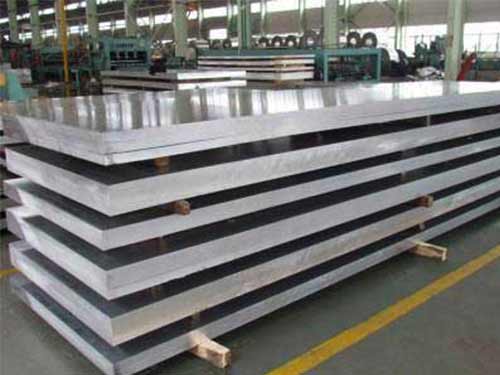
Marine 5083 Aluminum Sheet
Marine 5083 aluminum sheet delivers strong, weldable, seawater-resistant performance for hulls, decks, tanks, and offshore structures.
View Details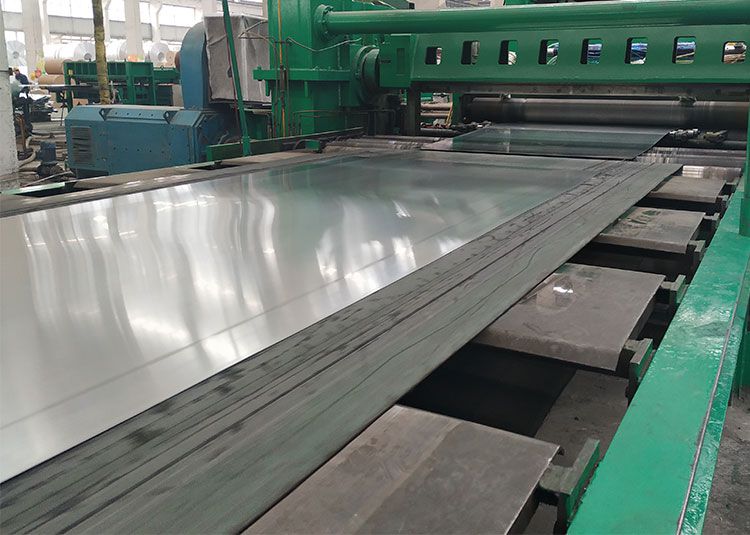
7075 T6 Aluminum Sheet For Boat
When it comes to selecting the ideal material for marine applications, especially boats, durability, corrosion resistance, and strength are non-negotiable. Among various marine-grade aluminum alloys.
View Details
Anti-Corrosion Anodizing 5083 Alloy Aluminum Coil for Electric Boat Construction
Electric boats operate in one of the most demanding corrosion environments on earth: a wet, oxygen-rich, salt-contaminated atmosphere with constant abrasion, vibration, and stray electrical currents.
View Details
Marine Perforated Aluminum Sheets
Marine perforated aluminum sheets offer corrosion resistance, ventilation, drainage, grip, and weight savings for boats, docks, and offshore use.
View Details
Leave a Message