
5083 Marine Aluminum Fencing and Railings for High Strength Marine Applications
Marine environments demand materials that can withstand harsh conditions, including corrosive saltwater, high humidity, strong winds, and constant mechanical stresses. Among metals used for such applications, 5083 Marine Aluminum has earned a reputation for its unmatched combination of strength, corrosion resistance, and durability specifically tailored for marine fencing and railings.
Functions of 5083 Marine Aluminum in Fencing and Railings
The primary role of 5083 aluminum in marine fencing and railing systems is to provide a robust, lightweight, and corrosion-resistant barrier that enhances safety and structural integrity in marine settings.
- Corrosion Resistance: 5083 alloy resists seawater and salt spray corrosion better than stainless steel and many other materials.
- High Strength: Its mechanical properties provide strong support against mechanical stresses like impacts, vibrations, and pressure.
- Lightweight: Easier handling during installation improves turnaround and reduces transport costs.
- Weldability: Allows production of complex shapes and custom fencing panels without compromising structural integrity.
- Low Maintenance: Requires minimal upkeep compared to steel railings that need constant retouching or anti-rust coatings.
Common Applications for Marine aluminum fencing and railings
5083 marine aluminum finds use in countless seaside and offshore settings such as:
- Ship and Boat Railings: Guards on decks and gangways improve wearer safety while resisting marine deteriorations.
- Marinas and Dock Fencing: Secure waterfront areas against unauthorized entry.
- Coastal Property Barriers: Combine coastal views and outdoor protective enclosures.
- Oil and Gas Platforms: Prevent falls and hazards in harsh offshore platforms.
- Bridge Railings near Water: Maintain integrity against exposure to spray and temperature fluctuations.
Due to its carefully balanced alloying elements, 5083 aluminum effectively meets the rigorous demands of marine environments.
Chemical Composition
| Element | Content (%) | Description |
|---|---|---|
| Aluminum | Balance | Base metal |
| Magnesium | 4.0 - 4.9 | Enhances strength and corrosion resistance |
| Manganese | 0.4 - 1.0 | Improves toughness and fabricability |
| Chromium | 0.05 - 0.25 | Prevents grain growth during processing |
| Iron | ≤ 0.4 | Impurity, kept low to optimize performance |
| Silicon | ≤ 0.4 | Trace element |
| Copper | ≤ 0.1 | Minimizes susceptibility to stress corrosion |
| Zinc | ≤ 0.25 | Minor addition |
Temper Conditions and Mechanical Properties
5083 marine aluminum is available in several temper conditions tailored to project requirements for strength and flexibility:
| Temper | Typical Use | Yield Strength (MPa) | Tensile Strength (MPa) | Elongation (%) |
|---|---|---|---|---|
| O | Annealed (soft) – forming capability | 90 - 125 | 215 - 275 | 20 - 26 |
| H111 | Strain-hardened minimum | 130 | 290 | 10 |
| H112 | Lowest strain hardening | 120 - 165 | 255 - 310 | 10 - 14 |
| H116 | Designed for excellent corrosion resistance in marine | 180 | 295 | 12 |
H116 temper is most popular in fencing and railing against seawater exposure.
Implementation Standards
Manufacturing and deploying 5083 aluminum fencing and railings must follow select international standards to ensure safety and performance:
| Standard | Description |
|---|---|
| ASTM B928 / AMS-QQ-A-250/11 | Acceptable heats, chemical requirements for high magnesium anodized and painted aluminum alloy forgings and plate |
| ASME SB-928 | Spec for wrought aluminum alloy products, including plates and bars, for marine uses |
| ISO 6361 | Defines mechanical properties of wrought aluminum alloy plates used in structural and marine fields |
| SAE J434 | Reliable processing guide for wrought aluminum flat products in the marine industry |
Advantages for Marine Applications
- Superior saltwater resistance: 5083 is specifically anodized and alloyed to fight damage caused by marine chloride attack.
- Does not warp easily under heat: Useful for welding complex fencing joints safely while preserving integrity.
- Easy to fabricate: Can be punched, cut, rolled, adherence-coated, or anodized with simple commercial operations.
- Sustainable and recyclable: Aluminum reprocessing minimizes environmental impact compared to steel alternatives.
| Feature | Description |
|---|---|
| Material Type | Wrought aluminum alloy 5083 |
| Common Forms | Sheets, plates, bars, extrusions for fencing profiles |
| Chemical Resistance | Excellent performance under marine salt spray and seawater environments |
| Typical Thicknesses | 3 mm to 25 mm+ depending on structural need |
| Surface Treatments | Brushed finish, anodized, powder coated |
| Fabrication Methods | Welding (gas, TIG, MIG), cutting, machining |
| Recommended Alloy Temper | H116 (best corrosion resistance & stability) |
| Common Fencing Types | Balustrades, guardrails, mesh fence posts |
| Maintenance Frequency | Low; primarily visual inspection except in salt spray-facing situations |

Related Products
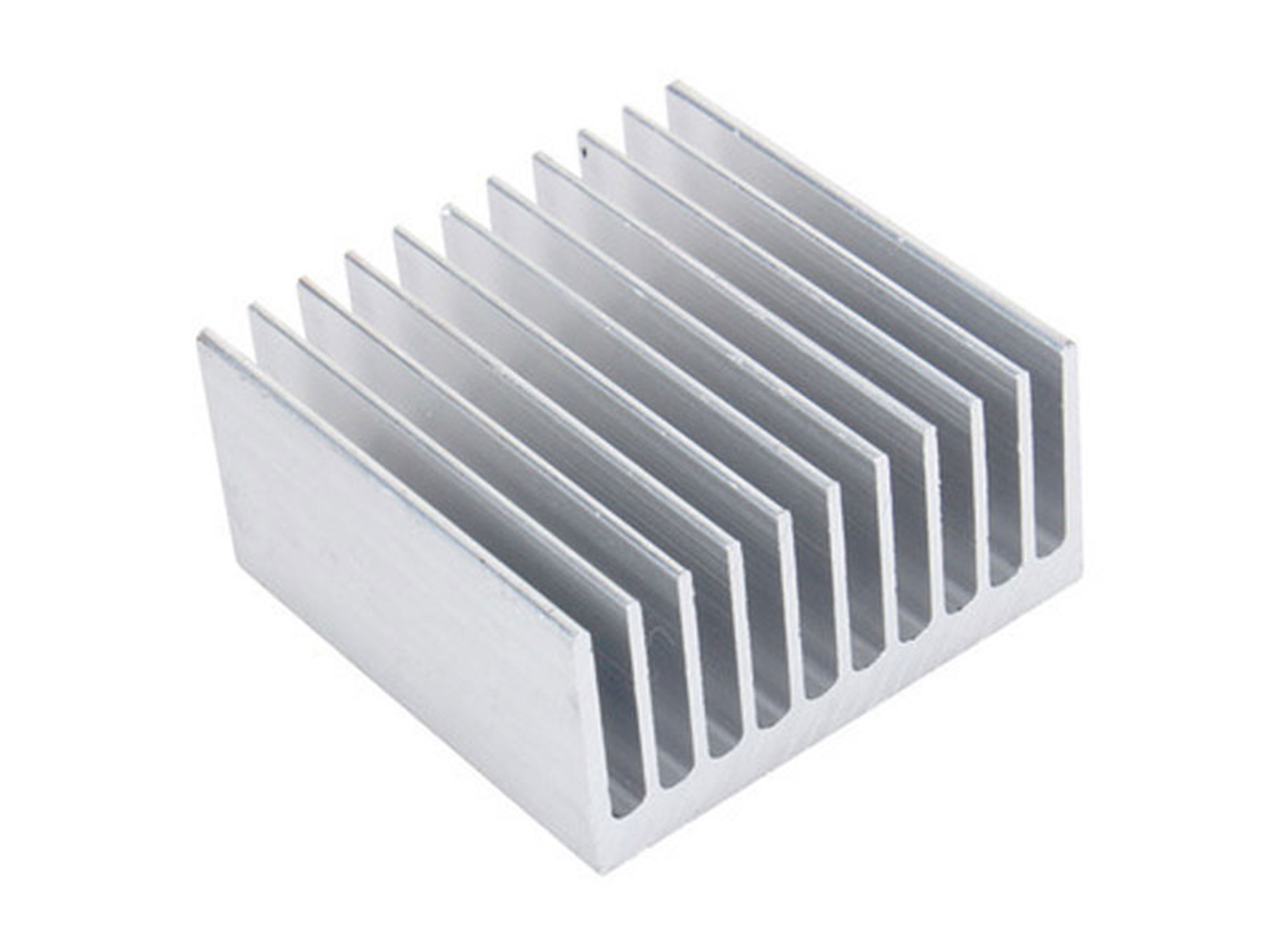
Marine aluminum heat sink profile
Marine Grade Aluminum Heat Sink Profiles utilize alloys such as 6061 and 6063 that not only exhibit high thermal conductivity but also possess excellent corrosion resistance required for saltwater exposure.
View Details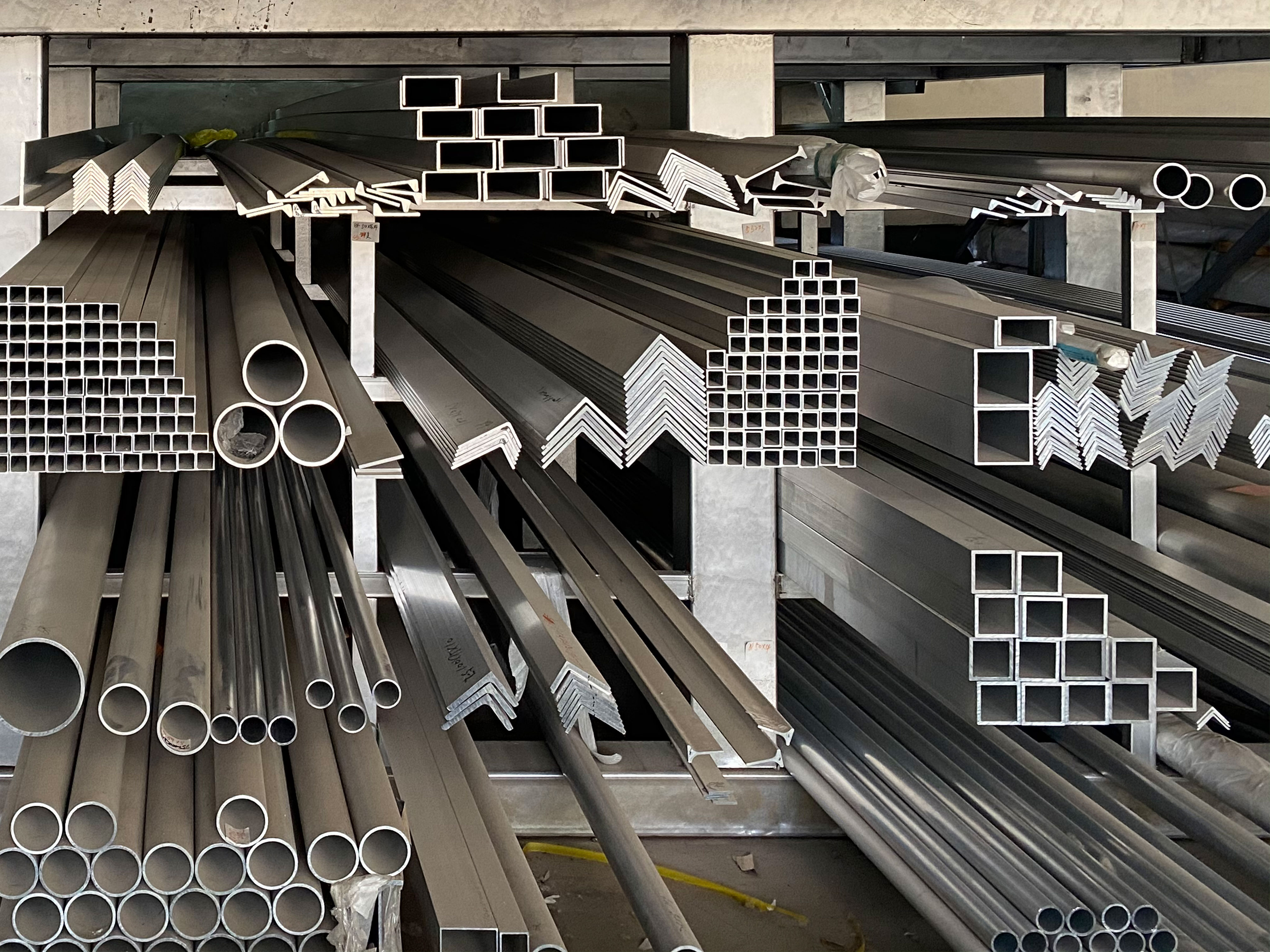
Marine aluminum fencing and railings
Marine Grade Aluminum Fencing and Railings are fabricated using marine-grade aluminum alloys such as 5083, 5052, and 6061, which are engineered specifically for protection against saltwater corrosion and marine atmospheric conditions.
View Details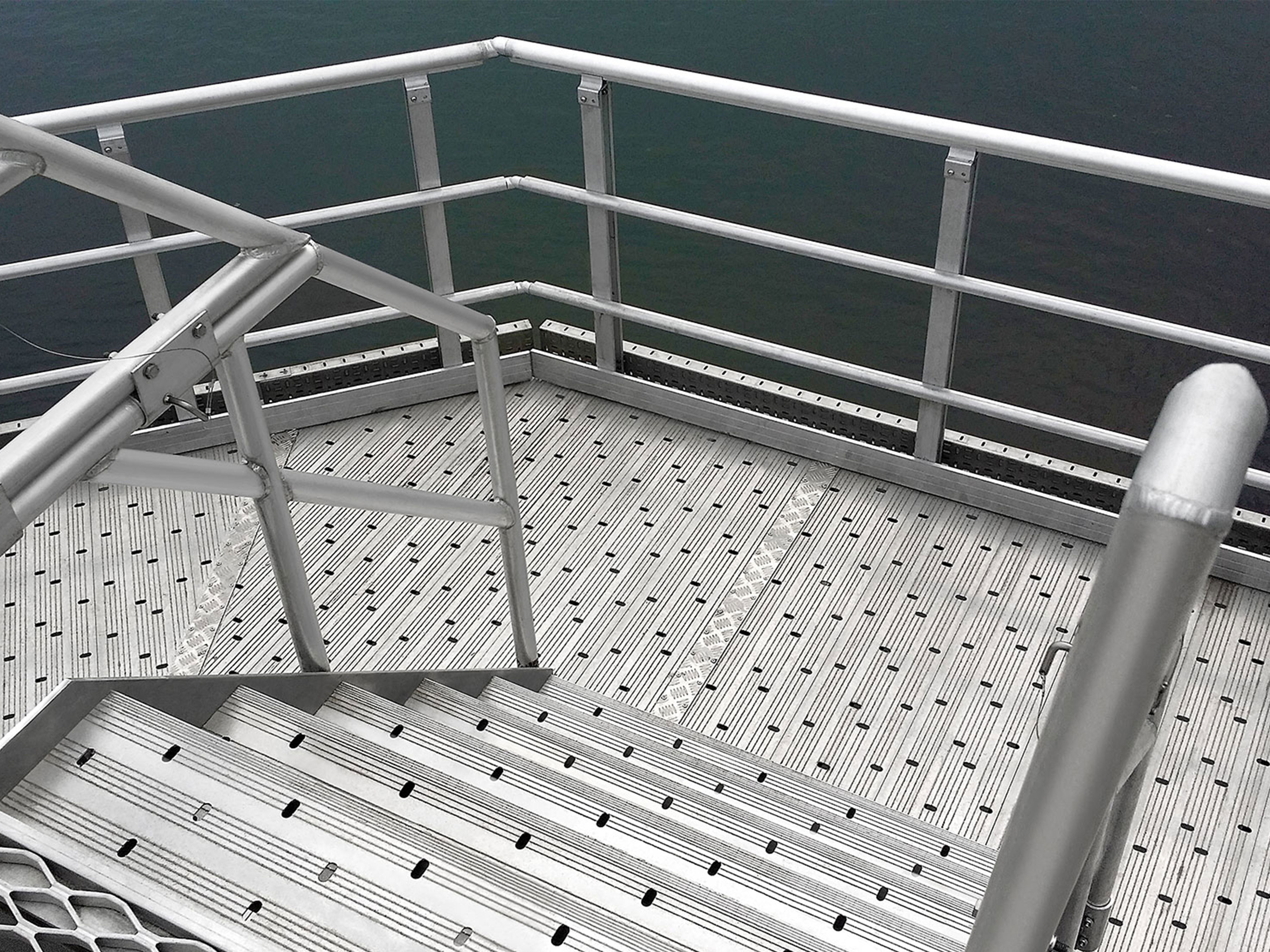
Marine aluminum customized shapes
Marine Grade Aluminum Customized Shapes encompass a broad range of aluminum extrusions and fabrications engineered beyond standard profiles—such as channels, angles, tubes, and beams—into complex, project-specific geometries.
View DetailsRelated Blog
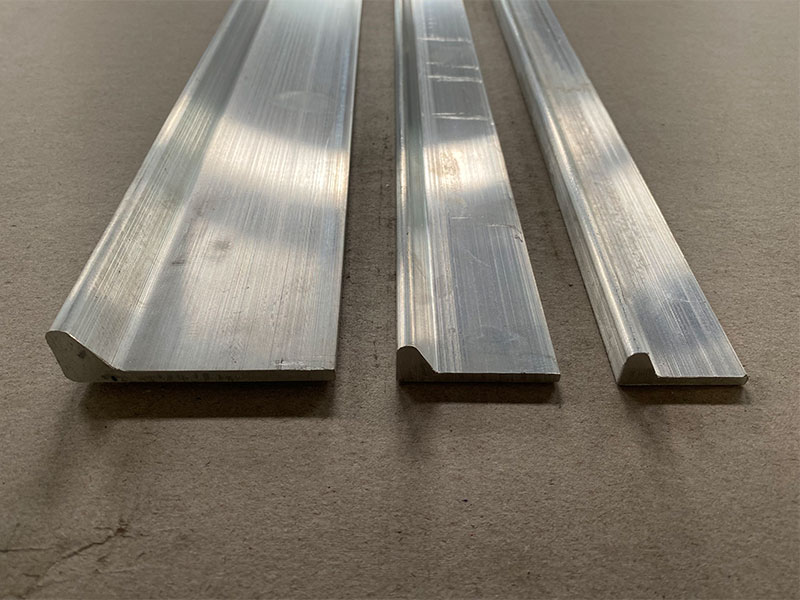
5083 Marine Aluminum Fencing and Railings for Coastal Marine Safety Solutions
When it comes to enhancing safety and durability along coastal infrastructure, selecting the right materials for fencing and railings is paramount. Among the most trusted choices is 5083 marine aluminum.
View Details
5083 Marine Aluminum Fencing and Railings for Custom Marine Infrastructure Barriers
When it comes to building durable, high-performance marine infrastructure barriers such as fencing and railings, 5083 Marine Aluminum stands out as an industry-leading material.
View Details
5083 Marine Aluminum Customized Shapes for Custom Ship Hull Construction
In the realm of marine engineering, the construction of ship hulls strikes at the foundation of naval architecture and ship integrity. Among the variety of materials available, instead, one alloy has repeatedly distinguished itself as the go-to choice.
View Details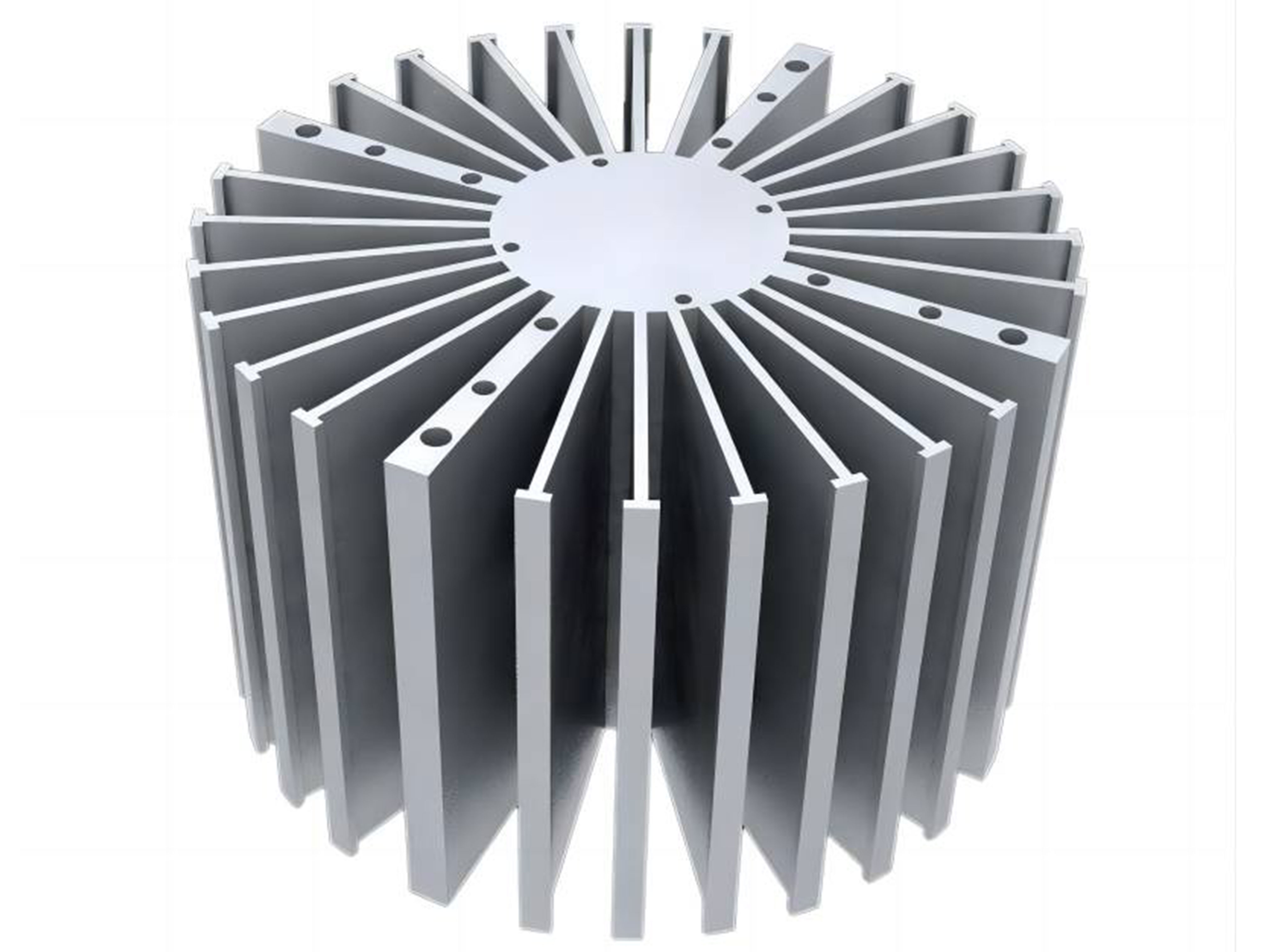
5083 Marine Aluminum Customized Shapes for Offshore Vessel Deck Reinforcements
In the demanding environments of offshore vessels, materials used for deck reinforcements must exhibit exceptional mechanical strength, corrosion resistance, and structural reliability.
View Details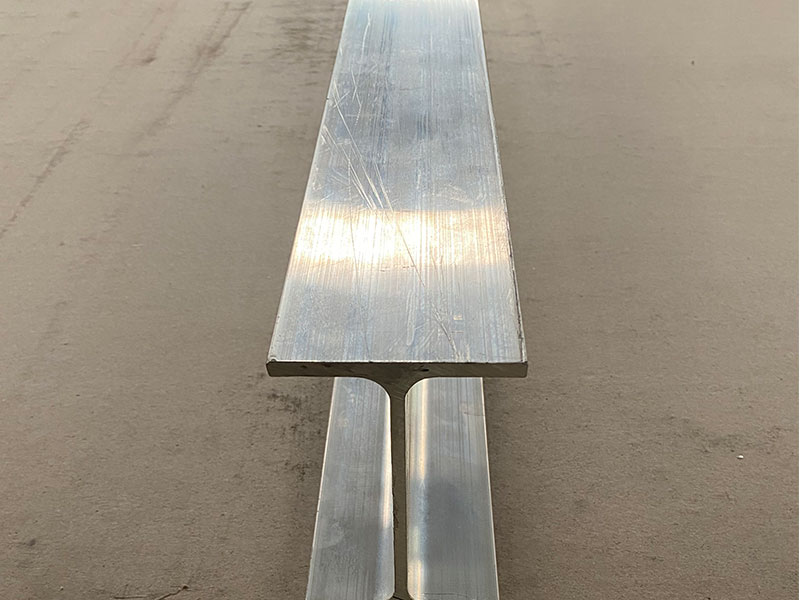
5083 Marine Aluminum Fencing and Railings for Custom Coastal Guardrails
5083 marine aluminum is a widely used alloy for coastal guardrails, fencing, and railings because it combines excellent corrosion resistance in seawater environments, strong mechanical properties, and good weldability.
View Details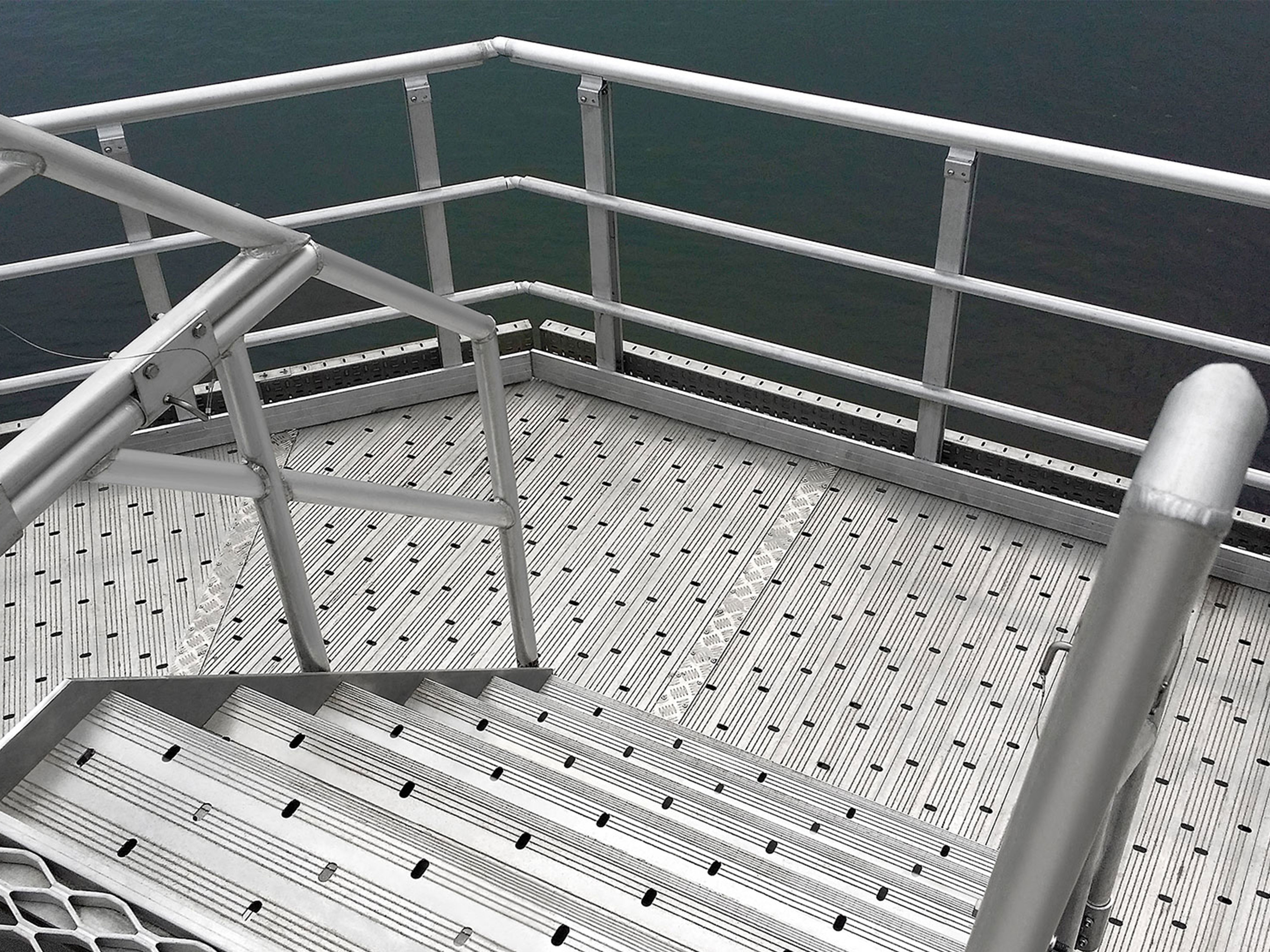
Marine Aluminum Fencing and Railings for Durable Boat Deck Guardrails
OverviewMarine aluminum fencing and railings are purpose-designed alloy systems used for guardrails, handrails, stanchions, and safety barriers on boats, docks, marinas, and waterfront properties.
View Details
Leave a Message