
Marine Aluminum Steel Clad Plate
Marine Aluminum Steel Clad Plate: The Metal Translator Between Hull and Superstructure
Marine aluminum steel clad plate is not simply a sheet with two metals attached. In a ship, it works like a translator between two different structural languages: the steel hull speaks strength, stiffness, and impact resistance; the aluminum superstructure speaks light weight, corrosion resistance, and fuel-saving design. The clad plate allows both to work in one continuous structure without forcing aluminum and steel to be fusion welded directly.
Direct welding between aluminum and carbon steel creates brittle Fe-Al intermetallic compounds. These layers may crack under vibration, thermal cycling, or wave impact. A marine aluminum steel clad plate solves this by using explosive bonding, hot rolling, or combined bonding technology to create a metallurgical interface under controlled energy. The aluminum side can then be welded to aluminum structures, while the steel side can be welded to steel decks, bulkheads, or hull members.
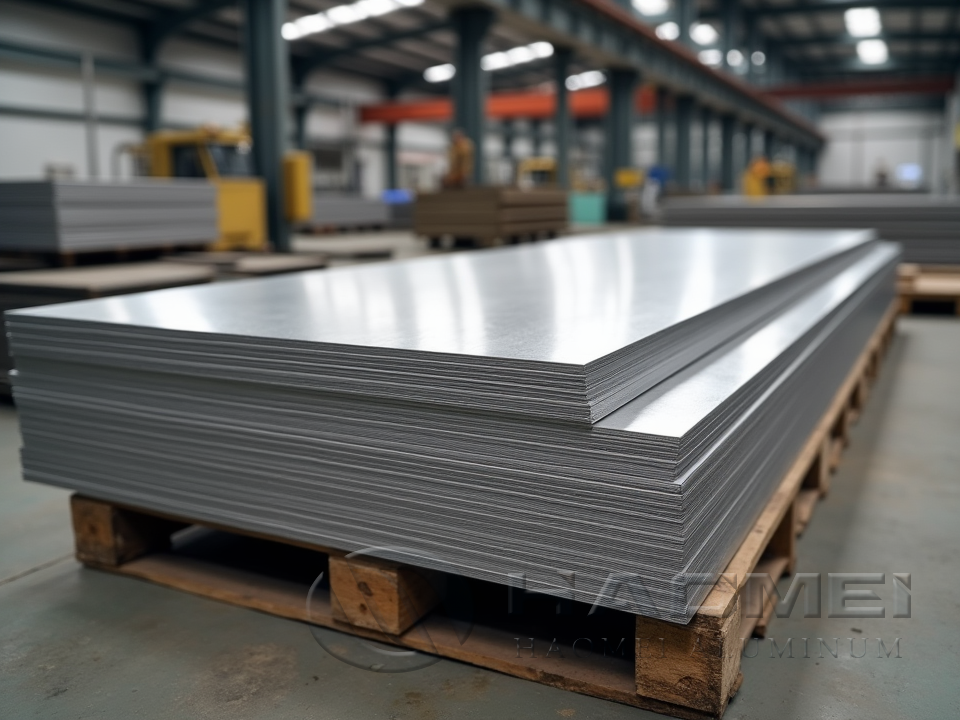
What the Plate Actually Does on a Vessel
Its first function is structural transition. Modern ferries, patrol boats, offshore platforms, LNG service vessels, yachts, and workboats often use steel for the lower hull and aluminum for deckhouses or upper modules. This reduces center of gravity and improves stability, but the joining area becomes a demanding zone. Marine aluminum steel clad plate creates a controlled connection line that transfers shear, tensile stress, vibration, and thermal movement between the two materials.
Its second function is weight management. Replacing a full steel superstructure with aluminum can cut significant topside weight. The clad plate makes this design practical because shipyards can weld each side with familiar procedures instead of relying on mechanical fastening, bolting, or heavy transition frames.
Its third function is service durability. In saltwater, poor aluminum-steel contact may cause galvanic corrosion. A properly designed clad plate has sealed edges, compatible filler selection, suitable coating systems, and drainage details. The plate itself is part of a larger corrosion-control plan, not a substitute for insulation, paint, cathodic protection, or edge sealing.
For the aluminum layer, many builders select alloys similar to Marine 5083 aluminum sheet when higher strength and seawater resistance are required. For medium-strength hull and deck structures, Marine 5086 aluminum sheet is also widely used in welded marine fabrication.
Typical Product Parameters
| Item | Common Range or Requirement |
|---|---|
| Product form | Aluminum-steel clad plate, transition strip, insert plate, custom cut panel |
| Bonding method | Explosive bonding, hot rolling, or explosive bonding plus rolling |
| Aluminum layer | 5052, 5083, 5086, 5454, 5059, 5383, or project-specified alloy |
| Steel layer | A36, AH36, DH36, EH36, Q235, Q355, or shipbuilding steel grade |
| Total thickness | Usually 8-60 mm, custom thickness available by design |
| Aluminum thickness | Commonly 3-30 mm |
| Steel thickness | Commonly 4-50 mm |
| Width | Often up to 2000-3000 mm, subject to mill capability |
| Length | Often up to 6000-12000 mm, or cut to drawing |
| Bond shear strength | Commonly 60 MPa minimum, higher values by agreement |
| Bonding rate | Usually 98% or above after ultrasonic testing |
| Surface condition | Mill finish, cleaned, leveled, cut edge, protected surface film if required |
| Inspection | Ultrasonic testing, dimensional check, visual inspection, mechanical test coupon |
Alloy Tempers and Service Meaning
Temper selection is not a paper detail. It changes how the plate behaves during cutting, bending, welding, and long-term service.
| Aluminum alloy | Common marine temper | Practical meaning in clad plate use |
|---|---|---|
| 5052 | O, H32, H34 | Good formability, excellent corrosion resistance, used for lighter marine panels and fittings |
| 5083 | O, H111, H112, H116, H321 | High strength, strong seawater resistance, preferred for major welded marine structures |
| 5086 | H32, H34, H116 | Good weldability and corrosion resistance, suitable for hull and deck components |
| 5454 | H32, H34 | Better elevated-temperature performance than 5083 in some environments |
| 5059 | H116, H321 | High strength and improved corrosion behavior for demanding vessel designs |
| Steel side | As rolled, normalized, TMCP | Selected according to hull strength grade and classification requirement |
H116 and H321 tempers are often favored for 5xxx marine alloys because they are controlled for resistance to exfoliation corrosion and intergranular corrosion in seawater service. O temper is easier to form, while H32 and H34 provide strain-hardened strength for panels and lighter structures.
Chemical Properties and Composition Reference
| Material | Mg | Mn | Cr | Si | Fe | Cu | Zn | Main chemical behavior in marine use |
|---|---|---|---|---|---|---|---|---|
| 5052 aluminum | 2.2-2.8 | up to 0.10 | 0.15-0.35 | up to 0.25 | up to 0.40 | up to 0.10 | up to 0.10 | Excellent saltwater corrosion resistance, moderate strength |
| 5083 aluminum | 4.0-4.9 | 0.40-1.0 | 0.05-0.25 | up to 0.40 | up to 0.40 | up to 0.10 | up to 0.25 | High strength, strong pitting and seawater resistance |
| 5086 aluminum | 3.5-4.5 | 0.20-0.70 | 0.05-0.25 | up to 0.40 | up to 0.50 | up to 0.10 | up to 0.25 | Reliable weldability and corrosion performance |
| 5454 aluminum | 2.4-3.0 | 0.50-1.0 | 0.05-0.20 | up to 0.25 | up to 0.40 | up to 0.10 | up to 0.25 | Good corrosion resistance with better heat stability |
| 5059 aluminum | 5.0-6.0 | 0.60-1.2 | up to 0.25 | up to 0.45 | up to 0.50 | up to 0.25 | 0.40-0.90 | High strength marine alloy with strong damage tolerance |
| A36 or ship steel | Mn 0.80-1.35 | C usually up to 0.26 | P and S controlled | Si varies | Fe balance | Cu optional | - | High structural strength, requires coating in seawater |
The aluminum layer gains corrosion resistance from its stable oxide film, while the steel layer depends mainly on paint, primer, cathodic protection, or enclosed dry service. At exposed edges, the bond line must be sealed because seawater trapped at an aluminum-steel boundary can accelerate local corrosion.
Implementation Standards and Testing Practice
Marine aluminum steel clad plate is usually supplied according to a project purchase specification supported by recognized material standards. The aluminum layer may follow ASTM B209, ASTM B928, EN 485, or relevant marine alloy requirements. The steel layer may follow ASTM A131, ASTM A36, EN 10025, GB/T 712, or classification society steel rules.
For bonded plate acceptance, common references include explosive welded clad plate specifications, ultrasonic testing practice, shear testing, bend testing, and class approval rules from ABS, DNV, LR, BV, CCS, KR, or RINA. Welding procedure qualification often follows AWS D1.2 for aluminum, AWS D1.1 for steel, ISO 15614, or shipyard-approved WPS documents.
A reliable supply package normally contains mill test certificates, chemical composition, mechanical properties, bond strength test results, ultrasonic inspection records, dimensional report, heat number traceability, and classification documentation when required.
Fabrication Notes That Prevent Trouble
During installation, the aluminum side should be welded only to aluminum, and the steel side only to steel. The welding arc should not melt across the bonded interface. Heat input must be controlled because excessive temperature can thicken brittle intermetallic layers and reduce service reliability. Designers usually keep welds away from the bond line by a safe margin and specify edge protection after cutting.
Typical filler choices include 5356 or 5183 for aluminum welding, depending on alloy and strength demand. Steel-side welding follows the hull steel grade and approved consumables. After welding, coating repair is essential. Areas exposed to spray, bilge water, or condensation should receive sealing compounds, compatible primers, and drainage paths.
Applications Across Marine Construction
Marine aluminum steel clad plate is used at the junction between aluminum deckhouses and steel decks, helicopter deck supports, offshore accommodation modules, patrol boat superstructures, ferry passenger cabins, bridge structures, hatch coamings, bulkhead transition areas, and equipment foundations where lightweight aluminum modules meet steel supports.
It is also valuable in repair and retrofit projects. When an older steel vessel receives a new aluminum cabin, the clad plate offers a cleaner transition than bolted flange assemblies. It reduces maintenance points, improves load transfer, and gives the shipyard a weldable solution on both sides.
How to Specify It Clearly
A good inquiry should state the aluminum alloy and temper, steel grade, total thickness, individual layer thickness, plate size, bonding method preference, required class approval, inspection level, edge condition, surface protection, cutting drawing, and intended welding process. If the plate will operate in severe splash zones, low-temperature service, or high-vibration areas, these conditions should be stated before production.
Marine aluminum steel clad plate earns its place because it does more than join two metals. It enables lighter vessels, safer structural transitions, faster shipyard fabrication, and longer service life when designed, tested, and installed with proper marine practice.

Related Products
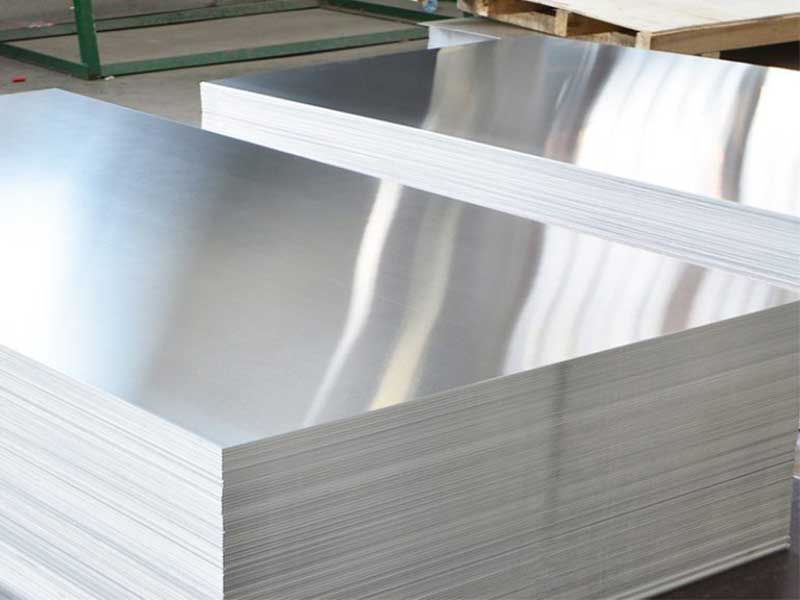
Marine anodized aluminum sheets
Marine Anodized Aluminum Sheets start with premium marine-grade aluminum alloys such as 5000 and 6000 series (typically 5083, 5052, and 6061).
View Details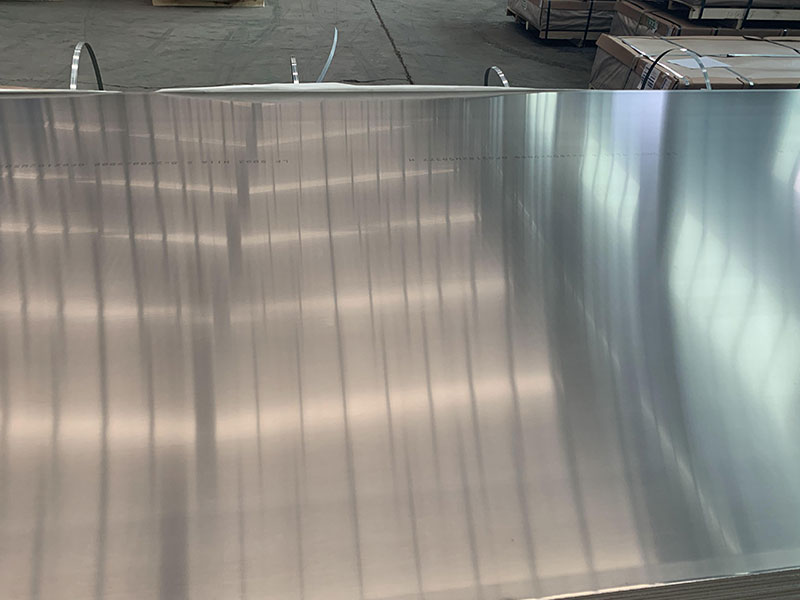
Marine 5383 aluminum sheet
5383 aluminum is a strain-hardened, non-heat-treatable alloy from the 5xxx series primarily alloyed with magnesium. It exhibits a unique balance of corrosion resistance and mechanical properties particularly suited for marine applications.
View Details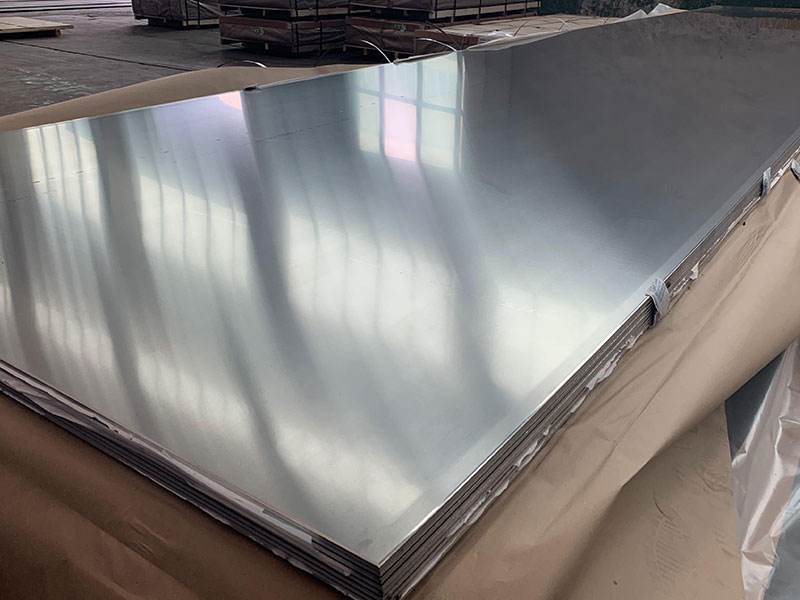
Marine 5086 aluminum sheet
This product article provides an in-depth and comprehensive understanding of Marine 5086 Aluminum Sheets, including their chemical composition, mechanical properties, corrosion resistance, fabrication capabilities, and typical marine applications.
View Details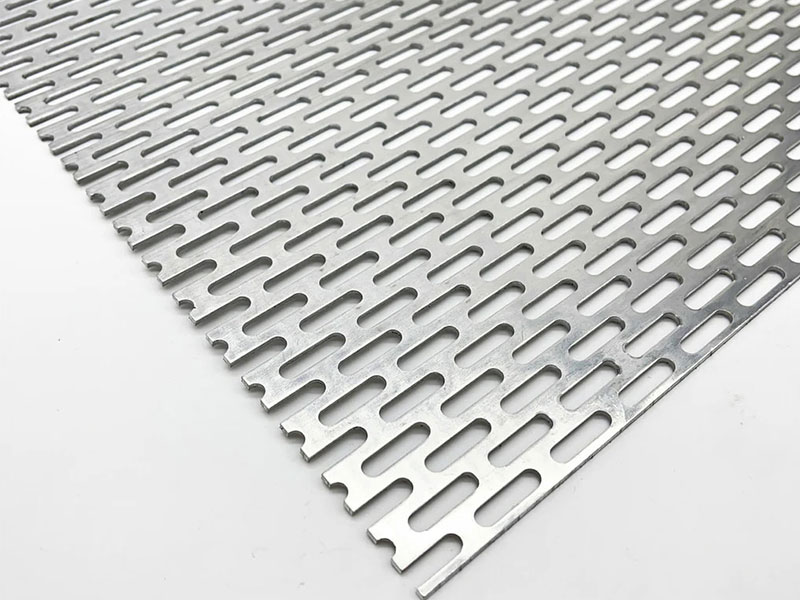
Marine perforated aluminum sheets
Marine Perforated Aluminum Sheets feature a series of uniform holes or shapes punched through the aluminum surface. These perforations can vary in size, pattern, and open area to tailor the sheets for specific applications.
View Details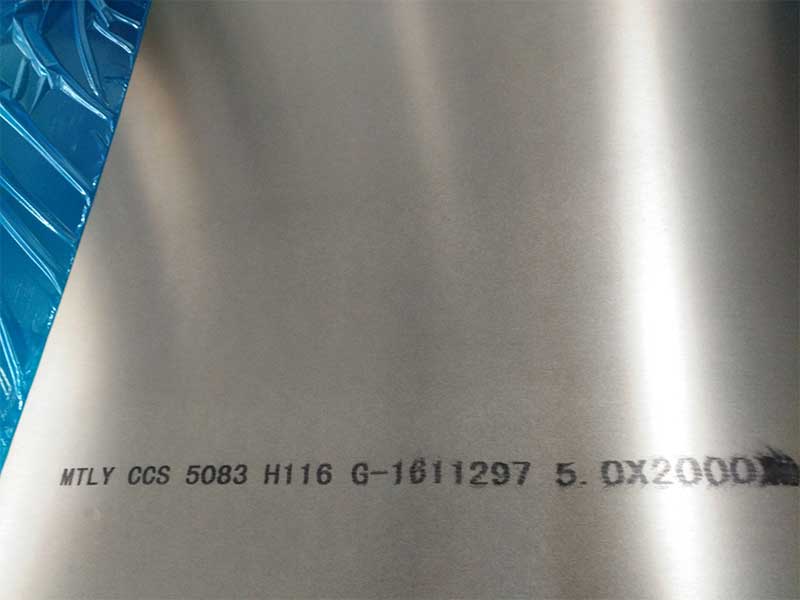
Marine 5083 aluminum sheet
Aluminum alloy 5083 is a non-heat-treatable alloy primarily composed of magnesium and trace elements that deliver outstanding protection against corrosion, particularly in seawater and saline atmospheres.
View Details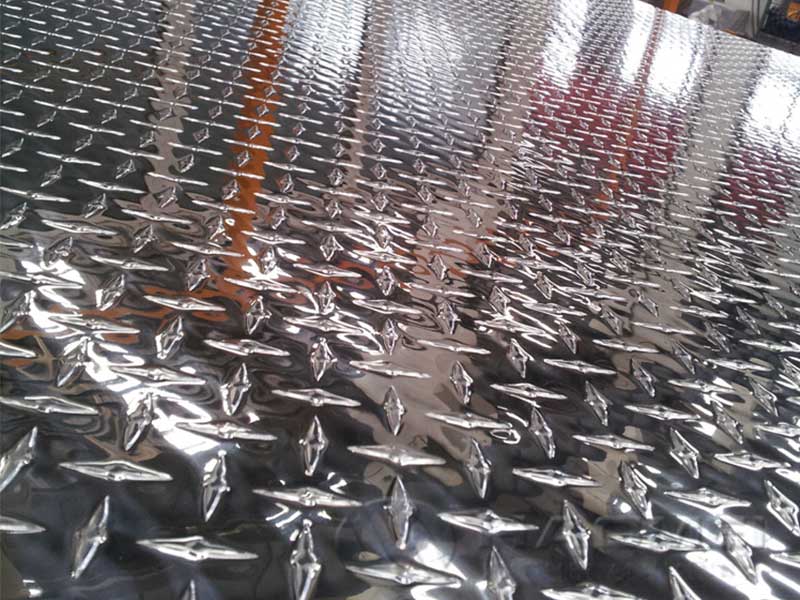
Marine Aluminum Tread Sheets
Marine Aluminum Tread Sheets are aluminum alloy plates featuring a raised surface pattern, commonly referred to as a tread design or diamond plate.
View DetailsRelated Blog
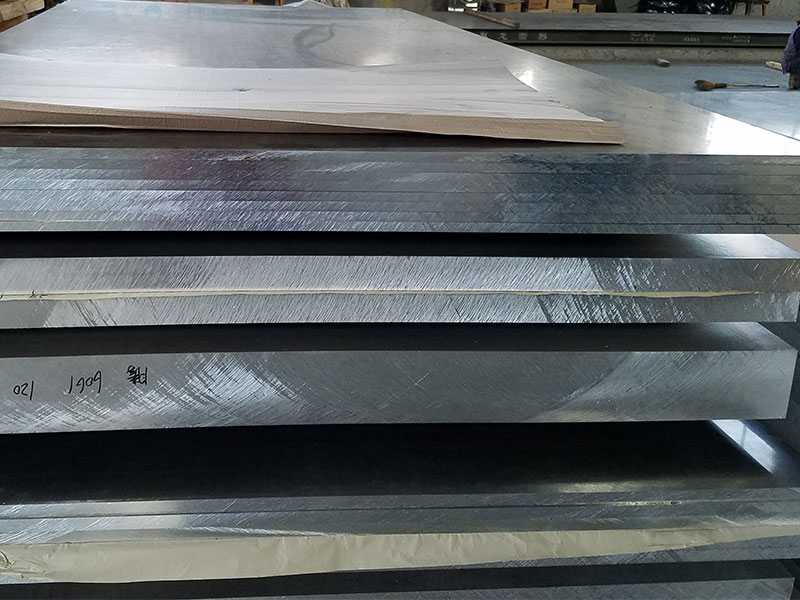
Marine aluminum 5083
In-depth insights into Marine Aluminum 5083, its chemical composition, mechanical properties, temper conditions, and why it stands as the premier alloy for marine and offshore structural applications.
View Details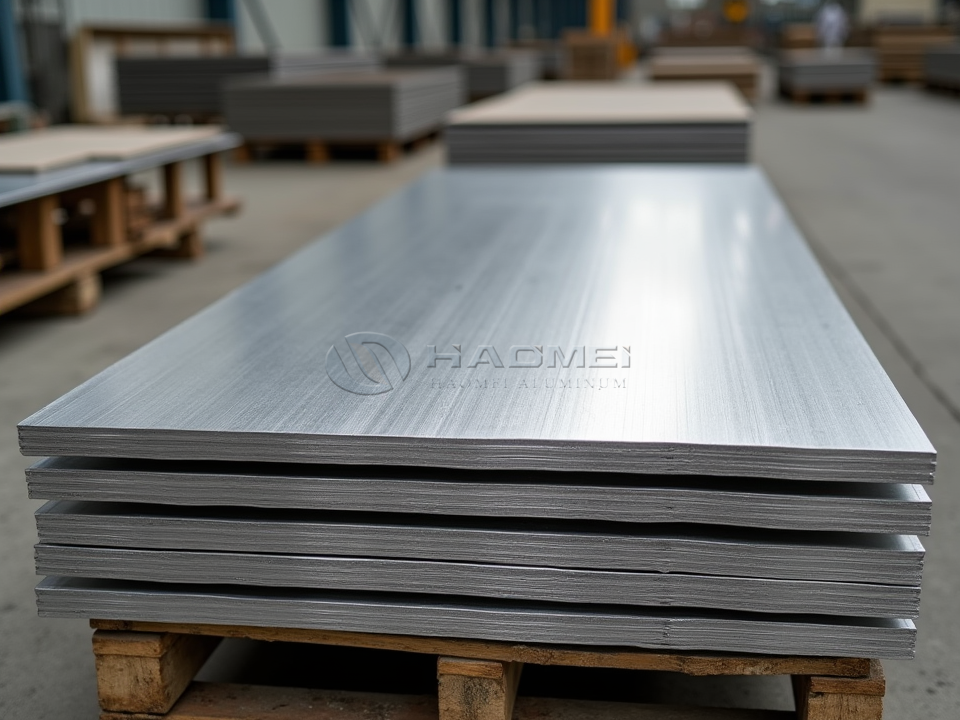
5083 Marine Aluminum Tread Sheets
5083 marine aluminum tread sheets deliver grip, corrosion resistance, weldability, and reliable deck performance for boats and offshore platforms.
View Details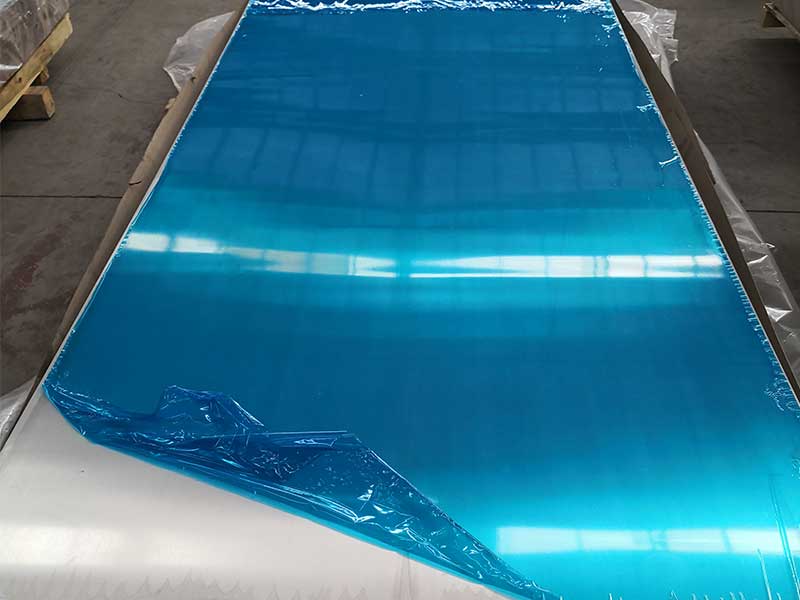
Aluminum Sheets 5052 H32 Ship Building
Aluminum Sheets 5052 H32 are widely used in shipbuilding because they combine excellent corrosion resistance, good strength, light weight, and reliable weldability.
View Details
Marine aluminium
Marine aluminium is a family of corrosion-resistant aluminium alloys engineered for continuous exposure to saltwater, humidity, and aggressive coastal atmospheres.
View Details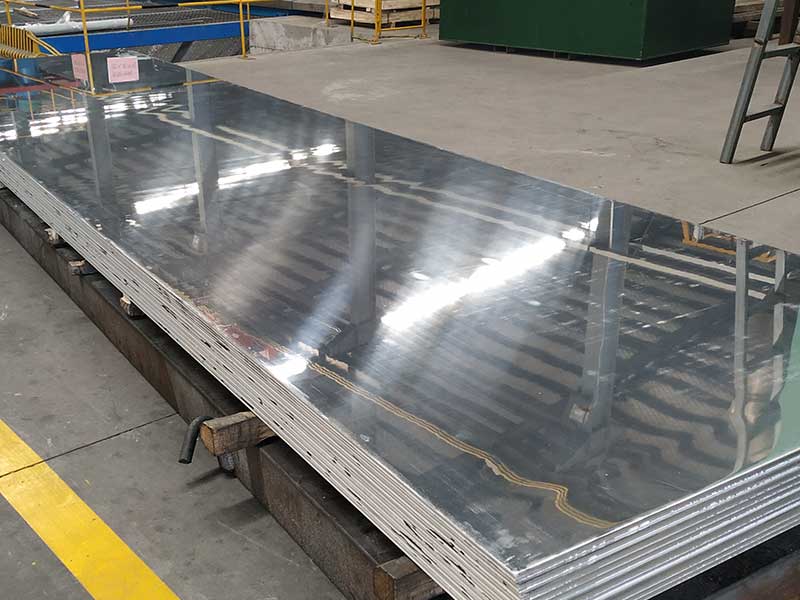
1mm to 8mm thick marine grade aluminum sheet 5083 h116
Marine environments punish materials in ways most industrial settings never will: salt spray, stagnant seawater, cyclic wet/dry exposure, and constant vibration.
View Details
6061 Marine Anodized Aluminum Sheets
Explore 6061 marine anodized aluminum sheets, with corrosion resistance, stable strength, clean finish, fabrication data, and boat component guidance.
View Details
Leave a Message