
5086 Marine Heavy Duty Aluminum Plate
5086 marine heavy duty aluminum plate is a high-magnesium, non-heat-treatable aluminum alloy designed for vessels and structures that must stay strong in aggressive marine environments. It is valued for its seawater corrosion resistance, excellent weldability, dependable fatigue performance, and good strength-to-weight ratio. For builders of patrol boats, ferries, workboats, landing craft, offshore platforms, and coastal engineering equipment, 5086 plate offers a practical balance between structural reliability and fabrication efficiency.
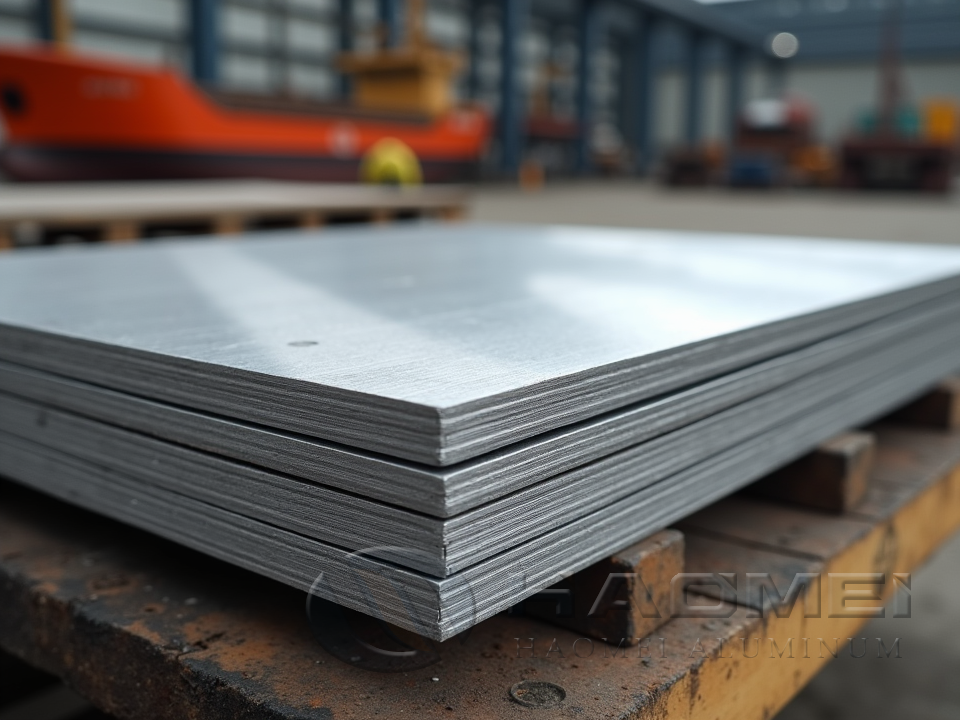
Unlike many structural metals that require heavy protective systems, 5086 aluminum naturally forms a dense oxide film. In marine service, this protective layer helps resist pitting, salt spray, and atmospheric corrosion. When supplied in marine tempers such as H116 or H321, the plate is specially controlled for resistance to exfoliation and stress corrosion, making it suitable for long-term hull and deck applications.
Product Snapshot
| Item | Detail |
|---|---|
| Product name | 5086 marine heavy duty aluminum plate |
| Alloy family | 5xxx aluminum-magnesium alloy |
| Main alloying element | Magnesium, with manganese and chromium additions |
| Common marine tempers | O, H32, H34, H112, H116, H321 |
| Strength class | Medium to high strength for non-heat-treatable aluminum |
| Primary advantage | Corrosion resistance in seawater and welded structures |
| Typical standards | ASTM B209, ASTM B928, EN 485, ABS, DNV, LR, BV, CCS as required |
| Main uses | Hull plating, decks, bulkheads, superstructures, tanks, offshore parts |
Why 5086 Plate Performs Well at Sea
5086 plate is chosen when a marine structure needs more strength than 5052 while retaining better forming behavior than some higher-strength marine alloys. The alloy is not strengthened by heat treatment; instead, its mechanical properties are achieved through controlled rolling and strain hardening. This gives the plate stable behavior during fabrication and service.
| Performance area | Customer benefit |
|---|---|
| Seawater corrosion resistance | Longer service life with reduced maintenance demand |
| Weldability | Suitable for MIG and TIG welding in hull and structural assemblies |
| Strength-to-weight ratio | Helps reduce vessel weight without sacrificing structural integrity |
| Fatigue resistance | Supports repeated wave impact, vibration, and cyclic loading |
| Formability | Can be bent, rolled, and shaped for marine components |
| Low-temperature behavior | Retains toughness in cold coastal and offshore environments |
| Non-magnetic property | Useful for special vessels, instruments, and marine equipment housings |
For buyers comparing sheet and plate formats, Marine 5086 aluminum sheet is often selected for lighter panels, while heavy duty plate is preferred for loaded structures, hull bottoms, frames, and deck areas.
Chemical Composition
The controlled chemistry of 5086 gives the alloy its strength, weldability, and resistance to marine corrosion. Magnesium improves strength and corrosion behavior, manganese supports toughness, and chromium helps control grain structure.
| Element | Typical content, % |
|---|---|
| Magnesium, Mg | 3.5 - 4.5 |
| Manganese, Mn | 0.20 - 0.70 |
| Chromium, Cr | 0.05 - 0.25 |
| Silicon, Si | Max 0.40 |
| Iron, Fe | Max 0.50 |
| Copper, Cu | Max 0.10 |
| Zinc, Zn | Max 0.25 |
| Titanium, Ti | Max 0.15 |
| Other elements, each | Max 0.05 |
| Other elements, total | Max 0.15 |
| Aluminum, Al | Remainder |
Low copper content is especially important for marine performance because excessive copper can reduce corrosion resistance in chloride environments.
Mechanical Properties by Temper
Mechanical values vary with thickness, standard, and inspection class. The data shown are typical reference ranges for customer selection and should be confirmed against the purchase specification.
| Temper | Tensile strength, MPa | Yield strength, MPa | Elongation, % | Typical use |
|---|---|---|---|---|
| O | 240 - 305 | Min 95 | 16 - 22 | Deep forming, complex curved plates |
| H32 | 275 - 350 | Min 195 | 10 - 14 | General marine panels and decks |
| H34 | 305 - 385 | Min 230 | 8 - 12 | Higher-strength flat structures |
| H112 | Min 240 | Min 95 | 10 - 14 | Thick plate, machined parts, welded structures |
| H116 | 290 - 365 | Min 205 | 10 - 13 | Hull plate and seawater-exposed structures |
| H321 | 290 - 365 | Min 205 | 10 - 13 | Marine plate requiring exfoliation resistance |
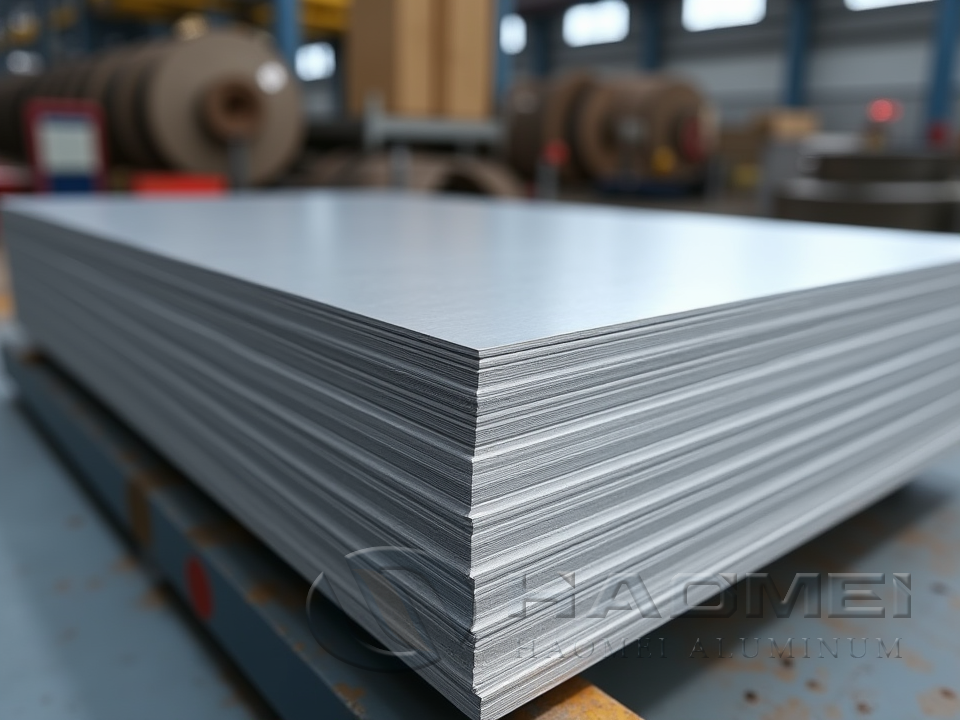
H116 and H321 are the preferred choices for critical seawater exposure. These tempers are processed to improve resistance to exfoliation corrosion and are commonly specified under ASTM B928 for shipbuilding plate.
Technical Specifications
| Parameter | Available range or typical value |
|---|---|
| Thickness | 3 mm - 200 mm, custom thickness available |
| Width | 1000 mm - 2650 mm |
| Length | 2000 mm - 12000 mm, cut-to-length available |
| Surface | Mill finish, brushed, coated, film protected on request |
| Flatness | Controlled according to applicable plate standard |
| Density | About 2.66 g/cm3 |
| Elastic modulus | About 70 GPa |
| Melting range | About 585 - 638°C |
| Thermal conductivity | About 117 W/m·K |
| Electrical conductivity | About 29% IACS |
| Cutting options | Saw cutting, waterjet cutting, CNC profiling, plasma cutting with care |
| Inspection options | Mill test certificate, ultrasonic testing, class society inspection |
Marine Applications
5086 heavy duty plate is used in structures where corrosion resistance and welded strength matter more than decorative finish. It is a common alloy for both commercial and military marine projects.
| Application | Recommended reason for 5086 |
|---|---|
| Boat hull bottoms and side shells | Strong, weldable, resistant to saltwater corrosion |
| Workboat and ferry decks | Good stiffness, wear resistance, and fatigue behavior |
| Bulkheads and internal partitions | Lightweight structural performance with easy fabrication |
| Gangways and ramps | Durable plate for repeated loading and marine exposure |
| Fuel and water tanks | Good corrosion resistance with proper design and welding practice |
| Offshore platform components | Performs well in salt spray and wet atmospheric conditions |
| Patrol craft and landing craft | High strength-to-weight ratio for demanding operation |
| Cryogenic and cold-region marine parts | Good toughness at low temperature |
Fabrication and Welding Notes
5086 plate is friendly to marine fabrication shops. It can be cut, drilled, formed, and welded using common aluminum processing methods. MIG welding is widely used for long seams and hull assemblies, while TIG welding is suitable for precision joints and thinner parts.
| Fabrication item | Practical guidance |
|---|---|
| Welding fillers | 5356, 5183, or 5556 depending on design strength and service condition |
| Preheating | Usually not required; avoid excessive heat input |
| Bending | Larger bend radius is advised for harder tempers and thicker plate |
| Machining | Use sharp tools, stable clamping, and suitable coolant |
| Surface preparation | Remove oil, oxide, and moisture before welding |
| Post-weld behavior | Heat-affected zones soften compared with strain-hardened base metal |
| Corrosion protection | Paint, anodizing, or coating may be used for extra protection in harsh zones |
Good design practice is essential. Avoid stagnant seawater traps, isolate aluminum from copper alloys and carbon steel where galvanic corrosion may occur, and use compatible fasteners or insulation materials.
5086 Compared with Other Marine Aluminum Grades
| Alloy | Strength | Corrosion resistance | Formability | Common marine role |
|---|---|---|---|---|
| 5052 | Medium | Very good | Excellent | Light panels, cabins, small boats |
| 5083 | High | Excellent | Moderate | Large hulls, pressure vessels, LNG-related structures |
| 5086 | Medium-high | Excellent | Good | Heavy duty hulls, decks, tanks, offshore parts |
| 5454 | Medium | Very good | Good | Tanks, chemical and marine structures |
| 5059 | Very high | Excellent | Moderate | Advanced naval and high-speed vessel structures |
5086 is often selected as a dependable middle ground. It provides stronger marine performance than 5052 and easier fabrication in many heavy plate projects compared with very high-strength alternatives.
Quality Control and Supply Options
A reliable marine plate order should include alloy, temper, dimensions, applicable standard, tolerance class, inspection requirement, and delivery condition. For classed vessels, certification from ABS, DNV, LR, BV, CCS, or another authority may be required.
| Supply item | Available service |
|---|---|
| Certificate | EN 10204 3.1 mill test certificate, class approval when specified |
| Plate processing | Cutting, leveling, edge trimming, surface film protection |
| Packing | Seaworthy wooden pallets or crates with moisture protection |
| Traceability | Heat number and batch tracking available |
| Customization | Thickness, width, length, surface, and inspection plan by project |
Ordering Guidance
When requesting 5086 marine heavy duty aluminum plate, provide the working environment, plate thickness, temper, welding method, and certification demand. For hulls and seawater-exposed structures, H116 or H321 is normally the most suitable choice. For forming-intensive parts, O temper may reduce cracking risk. For thick machined or structural components, H112 can be a practical option.
5086 marine heavy duty aluminum plate gives shipyards and marine equipment manufacturers a durable material for saltwater service, welded fabrication, and weight-saving design. With the right temper, inspection standard, and fabrication procedure, it delivers reliable performance from inland workboats to offshore structures.

Related Products
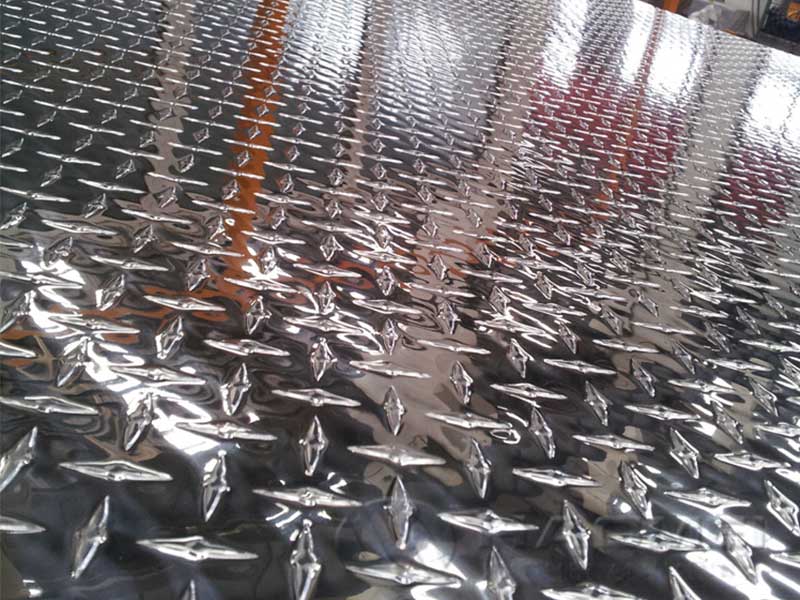
Marine Aluminum Tread Sheets
Marine Aluminum Tread Sheets are aluminum alloy plates featuring a raised surface pattern, commonly referred to as a tread design or diamond plate.
View Details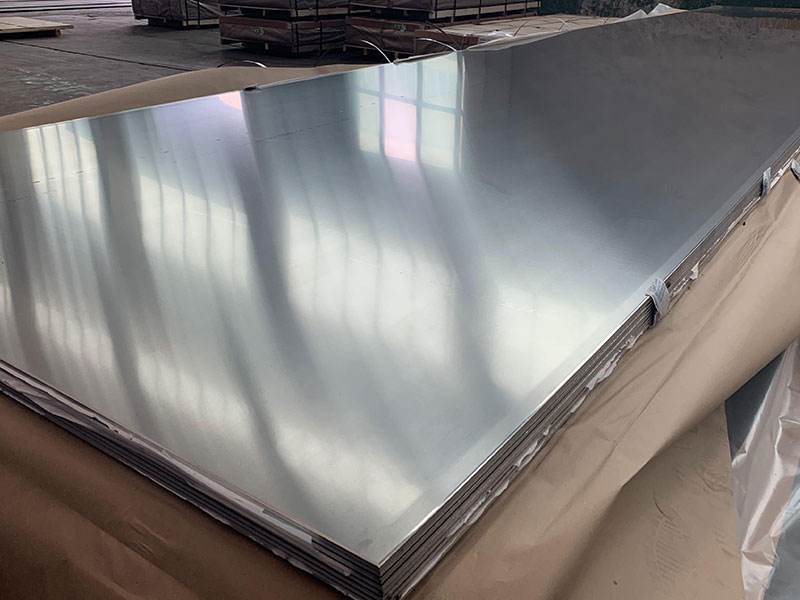
Marine 5086 aluminum sheet
This product article provides an in-depth and comprehensive understanding of Marine 5086 Aluminum Sheets, including their chemical composition, mechanical properties, corrosion resistance, fabrication capabilities, and typical marine applications.
View Details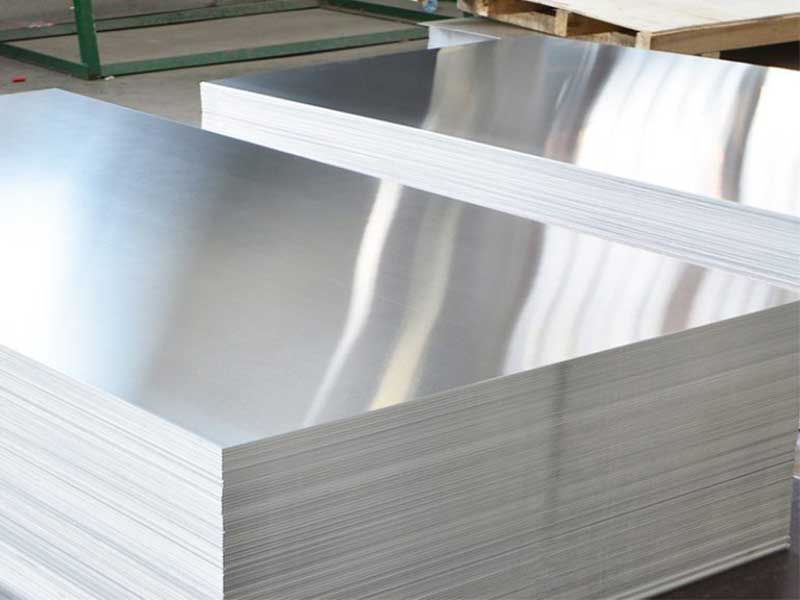
Marine anodized aluminum sheets
Marine Anodized Aluminum Sheets start with premium marine-grade aluminum alloys such as 5000 and 6000 series (typically 5083, 5052, and 6061).
View Details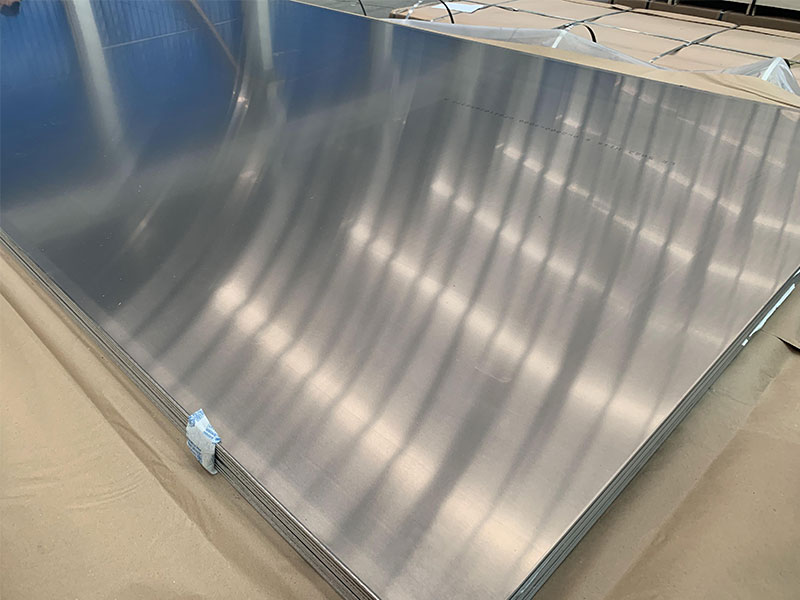
Marine 5052 aluminum sheet
Aluminum alloy 5052 is a non-heat-treatable, strain-hardened alloy with magnesium as the primary alloying element. It is designed to offer superior corrosion resistance in marine and saline environments, making it a dependable choice for components exposed directly to seawater or coastal atmospheric conditions.
View Details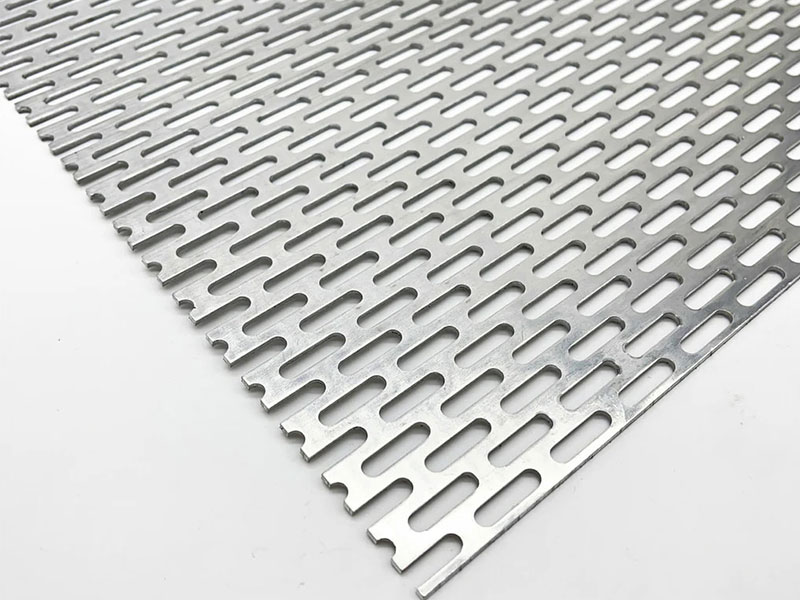
Marine perforated aluminum sheets
Marine Perforated Aluminum Sheets feature a series of uniform holes or shapes punched through the aluminum surface. These perforations can vary in size, pattern, and open area to tailor the sheets for specific applications.
View Details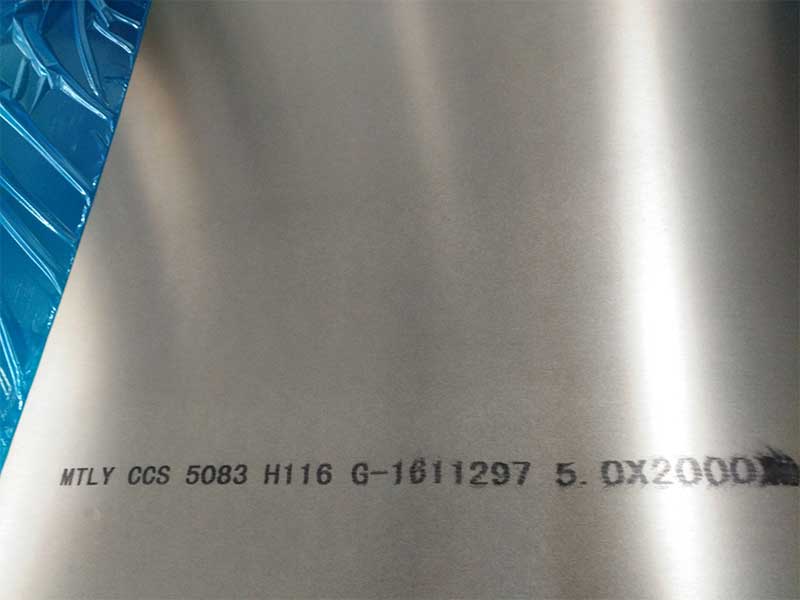
Marine 5083 aluminum sheet
Aluminum alloy 5083 is a non-heat-treatable alloy primarily composed of magnesium and trace elements that deliver outstanding protection against corrosion, particularly in seawater and saline atmospheres.
View DetailsRelated Blog
Alloy 5052 5757 5005 5083 h24 h32 aluminium coil for marine application
Marine environments demand materials that combine corrosion resistance, strength, weldability, and low weight. Among non-heat-treatable aluminum-magnesium alloys, 5052, 5754, 5005, and 5083 aluminium coil are widely selected for shipbuilding.
View Details
5052 5083 Aluminum coil for boat yacht
Marine structures live in a harsh world: salt spray, cyclic loading from waves, temperature swings, and constant exposure to moisture.
View Details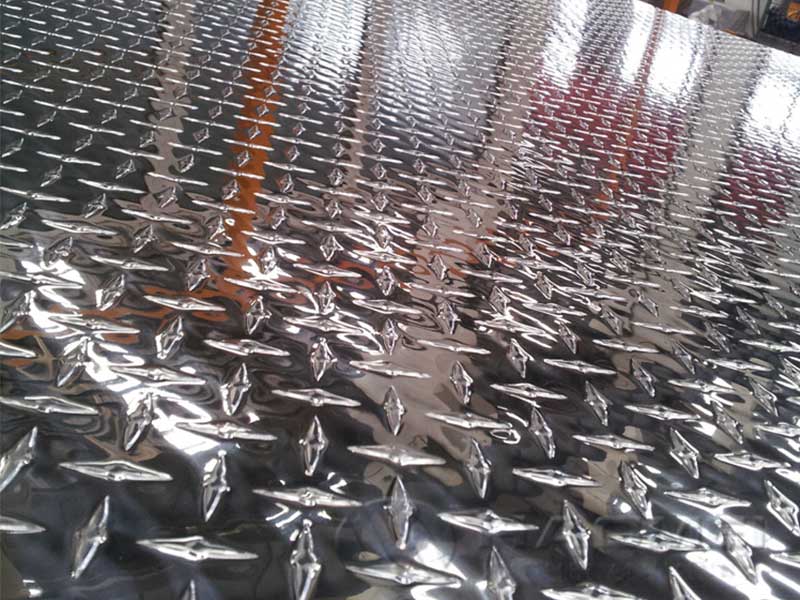
Marin grade aluminum sheet 5052 5mm thick for boat
What is Marine Grade Aluminum 5052?Aluminum 5052 is a non-heat-treatable aluminum-magnesium alloy primarily known for excellent corrosion resistance, high strength among the non-heat treatable grades, and superb weldability.
View Details
5052 5083 5086 Marine Grade Aluminium Sheet for Boat Building
Marine-grade aluminum is essential for constructing durable, lightweight vessels capable of withstanding harsh marine environments. In particular, 5052, 5083.
View Details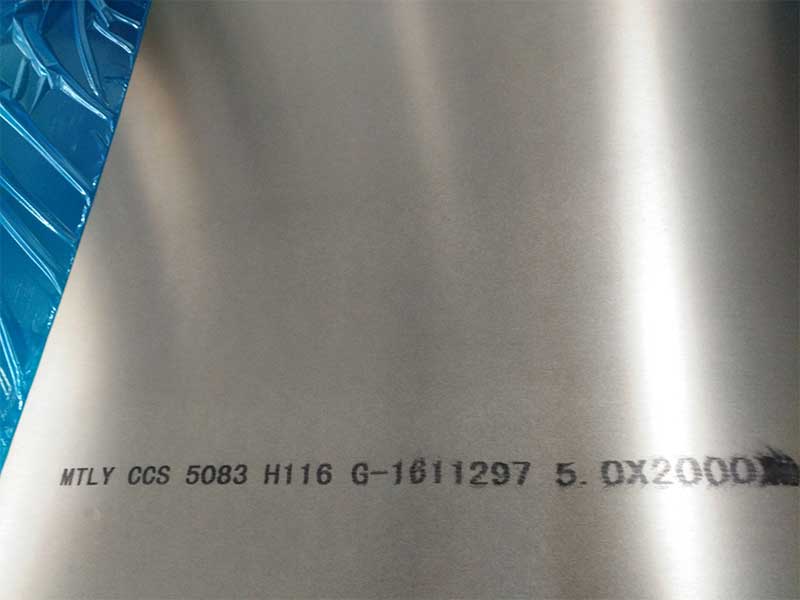
Aluminum sheet 5083 h116 with certificate of CCS for marine
High-performance Aluminum Sheet 5083 H116, certified by CCS for marine use. Explore its chemical properties, mechanical parameters, tempering conditions, and compliance standards making it ideal for marine environments.
View Details
Aluminum perforated sheet for boat
Aluminum perforated sheet is a high-value material choice for boats and marine structures where weight control, corrosion resistance, drainage, airflow, and slip management matter as much as strength.
View Details
Leave a Message