
5083 Marine Heavy Duty Aluminum Plate
A Plate Chosen by the Sea, Not by the Catalog
Some metals are selected in an office. 5083 marine heavy duty aluminum plate is selected again every day by waves, salt spray, vibration, welding heat, cargo impact, and long service intervals. For a customer buying material for a hull, deck, bulkhead, tank, ramp, or offshore structure, the real question is not only how strong the plate is when it leaves the mill. The better question is how confidently it can carry load after cutting, forming, welding, launching, and years of contact with seawater.
That is where 5083 earns its place. It is an aluminum-magnesium-manganese alloy, non-heat-treatable, with high strength for the 5xxx series and excellent resistance to marine corrosion. In heavy duty plate form, it gives shipyards a practical combination: lower weight than steel, good toughness, weldability, and service behavior that has been proven across workboats, ferries, patrol craft, barges, fishing vessels, LNG-related structures, and marine equipment.
Thinking Like a Yard Manager
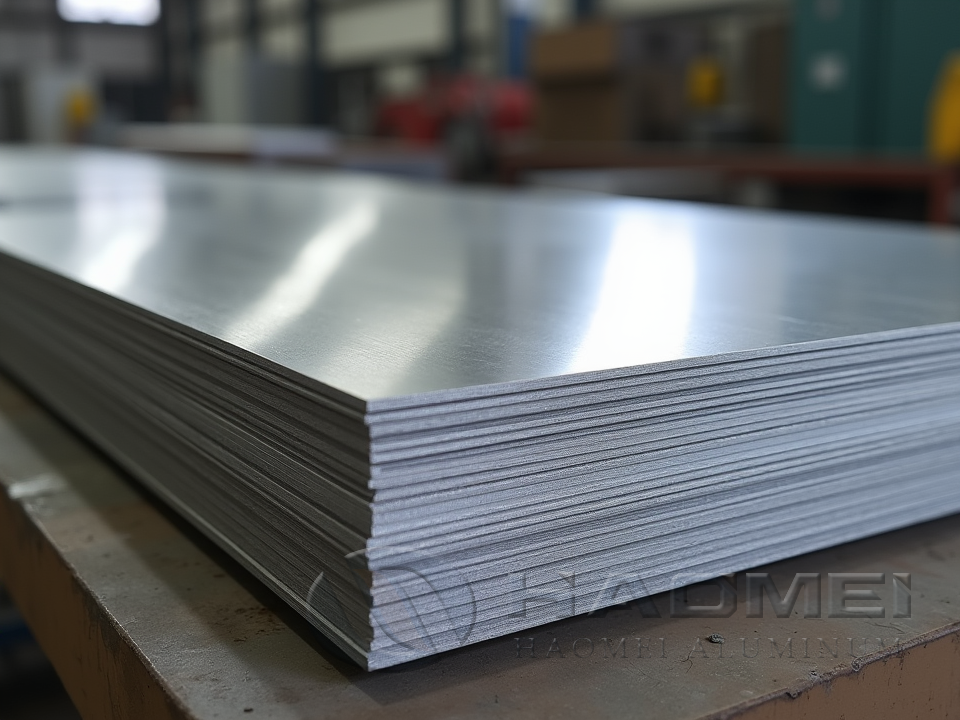
A yard manager does not buy plate as a decoration. Each sheet must fit a production rhythm. It needs to cut cleanly, remain flat enough for nesting and assembly, bend without surprises, weld without excessive distortion, and arrive with traceable documents. 5083 marine heavy duty aluminum plate is attractive because it handles this production reality well.
Compared with many lighter marine alloys, 5083 gives higher strength, which can help reduce structural weight or support heavier working loads. Compared with steel, it can reduce vessel weight significantly, improving payload, speed, fuel economy, or draft. This is not only a performance matter. Less weight can mean easier transport of prefabricated sections, smaller lifting demands, and faster assembly.
For customers already using Marine 5083 aluminum sheet in lighter gauges, moving into heavy plate is often a natural step for high-load zones such as keel sections, transoms, engine beds, crane bases, ramps, decks exposed to vehicles, and collision-prone working areas.
Why H116 and H321 Matter at Sea
5083 is available in several tempers, but marine customers often focus on H116 and H321 for demanding seawater exposure. These tempers are designed to improve resistance to exfoliation corrosion and stress corrosion cracking in marine environments. That matters because a hull plate is not sitting in a dry warehouse. It is under stress, exposed to salt, sometimes scratched, sometimes heated during repair, and often joined to other structures.
H116 is widely used for hull and structural plate where reliable corrosion behavior is needed. H321 is also common in shipbuilding and offers controlled strain-hardened properties suitable for marine service. O temper can be useful where forming is more important than strength, such as curved components or parts requiring deeper shaping before welding.
The practical choice depends on part geometry, strength requirement, forming demand, and class approval. If the plate is for a certified vessel, ask for mill certificates and confirm compliance with standards such as ASTM B928, EN 485, or applicable class society rules from ABS, DNV, LR, BV, CCS, or others. A lower-cost plate without proper marine verification can become expensive once a surveyor, welder, or maintenance team finds the problem.
Strength Is Not Only a Number
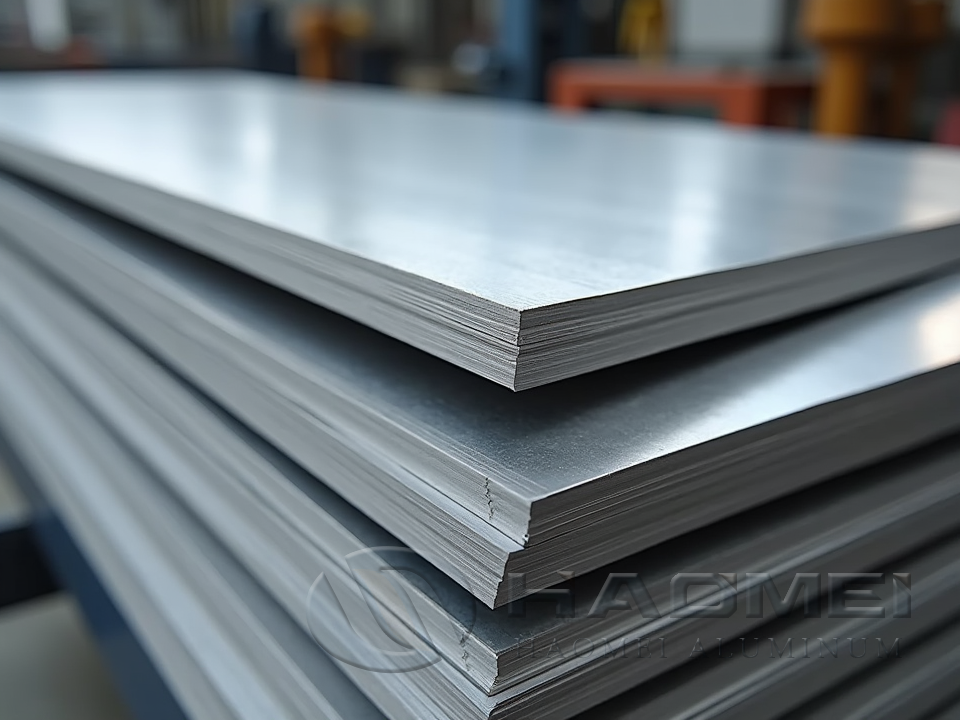
Many buyers compare yield strength and tensile strength first. That is useful, but heavy duty marine plate must be judged in a wider way. In a hull or deck, strength interacts with stiffness, fatigue resistance, weld design, support spacing, and thickness tolerance. A plate that looks suitable in a table may still perform poorly if the design ignores weld softening or local impact.
5083 is a strain-hardened alloy. During welding, the heat-affected zone can lose some of its hardened strength. This is normal for non-heat-treatable aluminum alloys, and good designers allow for it. The answer is not to avoid welding; the answer is to use correct joint design, filler selection, fit-up, and heat control.
Common filler metals include 5183 and 5356, with 5183 often favored where higher as-welded strength is desired. Cleanliness is also vital. Aluminum oxide, moisture, oil, and steel contamination can create welding defects or corrosion sites. Dedicated stainless brushes, proper storage, dry surfaces, and controlled pre-weld preparation are small habits that protect a large investment.
Where Heavy Plate Pays for Itself
Heavy duty 5083 plate is commonly chosen when the part must absorb real punishment. Workboat decks see dropped tools, fishing gear, containers, winches, and vehicle traffic. Landing craft ramps take repeated impact. Offshore access platforms face spray and cyclic load. Engine beds and structural foundations must resist vibration and concentrated stress.
In these positions, thinner material may save money on day one but lose value through denting, fatigue repair, or shortened service life. Heavy plate offers a thicker corrosion allowance, greater rigidity, and better resistance to local deformation. For commercial operators, fewer repairs and less downtime often matter more than the initial material saving.
This does not mean thicker is always better. Extra thickness adds weight and cost. The best result comes from matching plate thickness to load path, weld layout, and service condition. For many projects, customers compare 5083 with Marine 5086 aluminum sheet, especially where slightly different strength, forming, or availability requirements affect the decision. Both are respected marine alloys, but 5083 is often preferred where higher strength is required.
Corrosion Resistance Starts Before Launch
5083 has excellent natural resistance in seawater because magnesium-rich 5xxx alloys form a protective oxide film. Still, corrosion performance is not automatic. Storage and fabrication can either preserve or damage the surface condition.
Keep plates dry and separated from carbon steel. Avoid grinding steel nearby, since iron particles can embed into aluminum and later rust, causing staining and pitting. Use clean lifting slings or protected clamps. If protective film is applied, remove it according to supplier guidance, especially before heat exposure.
In service, pay attention to galvanic contact. Aluminum connected directly to stainless steel, copper alloys, or carbon steel in seawater can corrode faster unless isolated with gaskets, coatings, sealants, or suitable fasteners. Good drainage also helps. Standing seawater in corners, under fittings, or between overlapping plates can create local corrosion conditions even on a strong marine alloy.
Buying Checks That Save Trouble
When purchasing 5083 marine heavy duty aluminum plate, the first check is the complete specification: alloy, temper, thickness, width, length, standard, surface requirement, flatness tolerance, and certification. For heavy plate, thickness tolerance and flatness influence cutting yield and assembly time. If the plate will be CNC cut, ask how the supplier packs and transports it to reduce handling marks.
Traceability matters. Each plate should connect to a heat number and mill test certificate showing chemical composition and mechanical properties. For classed vessels, confirm the approval route before ordering, not after fabrication begins. If ultrasonic testing, special surface quality, or narrow tolerance is required, state it clearly in the purchase order.
Packaging is also part of quality. Marine aluminum plate may travel long distances before reaching a shipyard. Strong pallets, moisture protection, edge protection, and stable stacking reduce the risk of scratches, water stains, or bent corners. A plate damaged in transit may still be metal, but it is no longer the efficient production material the customer expected.
The Quiet Advantage of 5083
The best marine materials do not ask for attention. They let builders weld with confidence, let operators work hard, and let maintenance crews focus on scheduled service instead of emergency repair. 5083 marine heavy duty aluminum plate offers that quiet advantage. It is not chosen because it is exotic. It is chosen because it gives a reliable balance of strength, seawater resistance, fabrication performance, and long-term value.
For customers, the smartest purchase is not simply the lowest price per ton. It is the plate that matches the vessel design, arrives with the right documents, behaves well in the workshop, and keeps doing its job after many seasons at sea. In that sense, 5083 is more than a marine alloy. It is a working partner for serious aluminum shipbuilding.

Related Products
Marine 5086 aluminum sheet
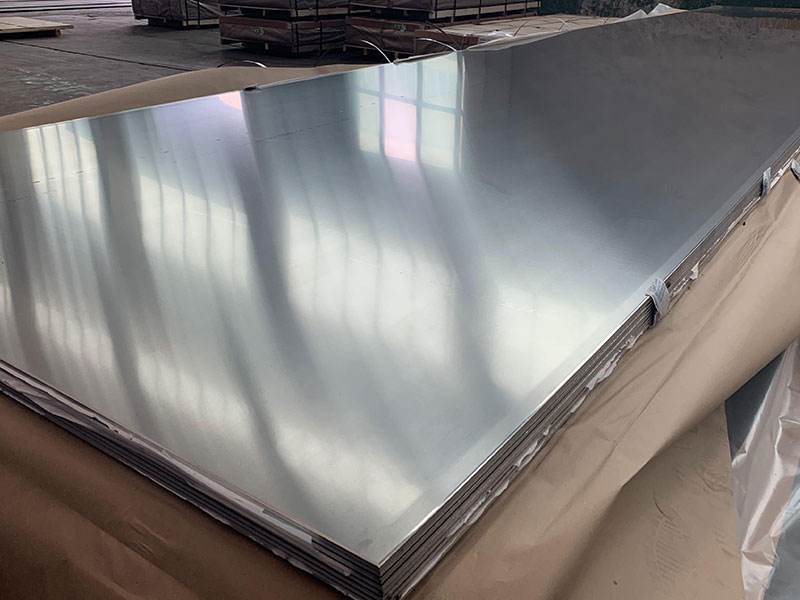
This product article provides an in-depth and comprehensive understanding of Marine 5086 Aluminum Sheets, including their chemical composition, mechanical properties, corrosion resistance, fabrication capabilities, and typical marine applications.
View Details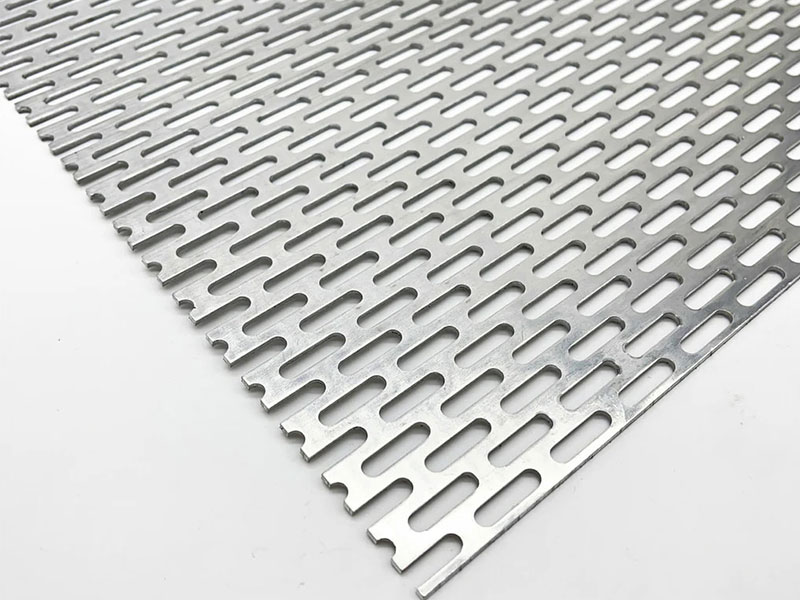
Marine perforated aluminum sheets
Marine Perforated Aluminum Sheets feature a series of uniform holes or shapes punched through the aluminum surface. These perforations can vary in size, pattern, and open area to tailor the sheets for specific applications.
View Details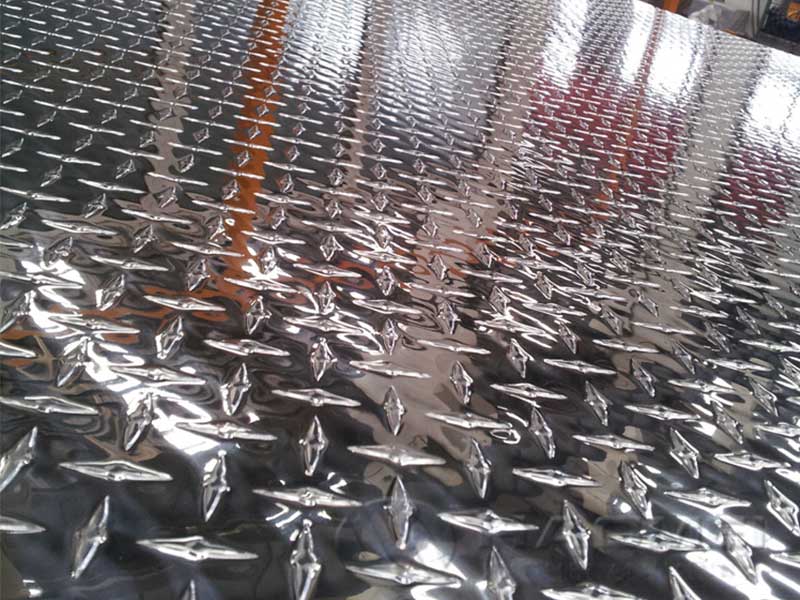
Marine Aluminum Tread Sheets
Marine Aluminum Tread Sheets are aluminum alloy plates featuring a raised surface pattern, commonly referred to as a tread design or diamond plate.
View Details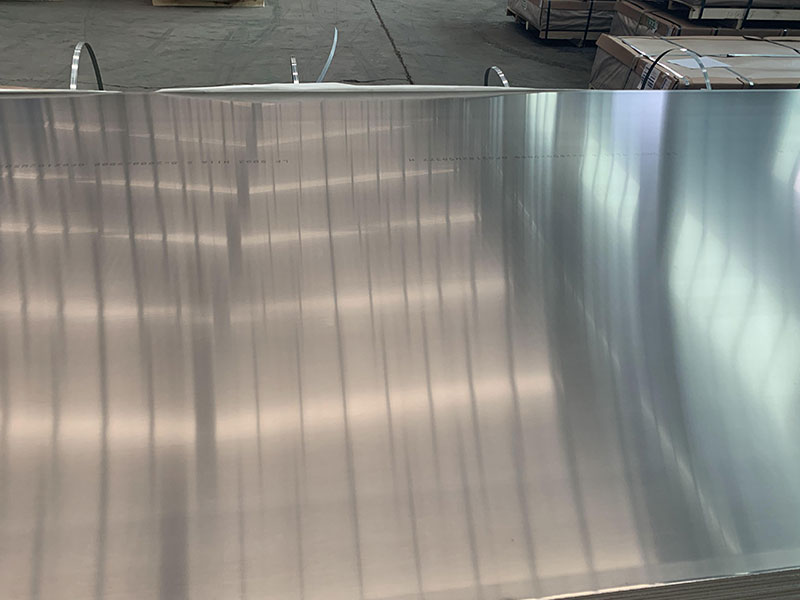
Marine 5383 aluminum sheet
5383 aluminum is a strain-hardened, non-heat-treatable alloy from the 5xxx series primarily alloyed with magnesium. It exhibits a unique balance of corrosion resistance and mechanical properties particularly suited for marine applications.
View Details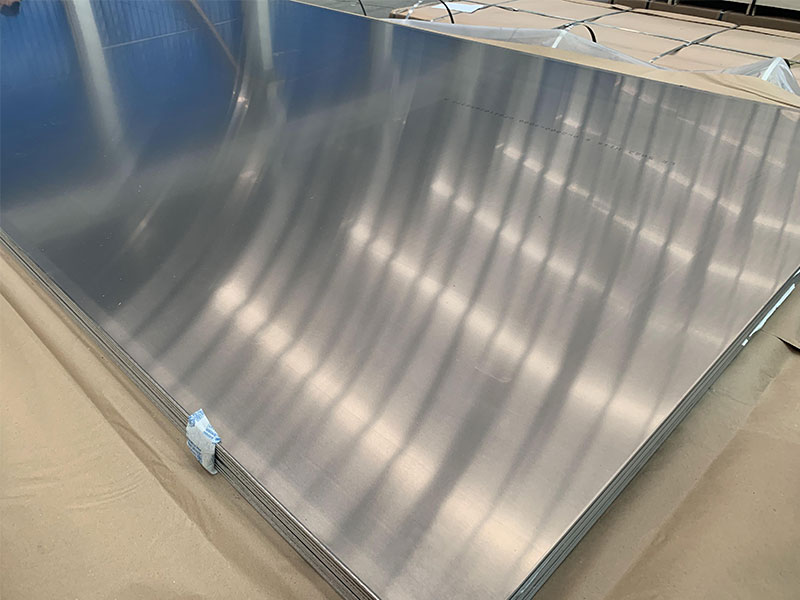
Marine 5052 aluminum sheet
Aluminum alloy 5052 is a non-heat-treatable, strain-hardened alloy with magnesium as the primary alloying element. It is designed to offer superior corrosion resistance in marine and saline environments, making it a dependable choice for components exposed directly to seawater or coastal atmospheric conditions.
View Details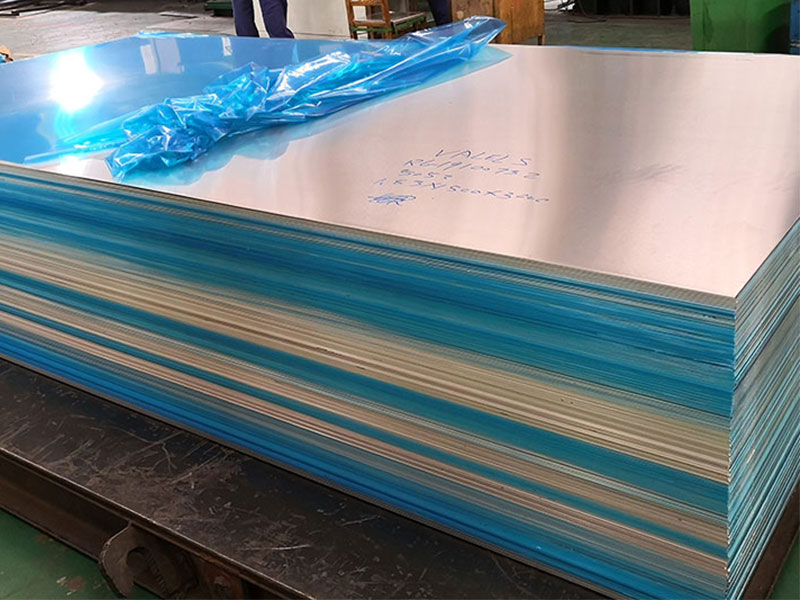
Marine 5059 aluminum sheet
5059 aluminum alloy is a strain-hardened material with a unique addition of magnesium and chromium, which provides outstanding resistance to localized corrosion like pitting and stress corrosion cracking.
View DetailsRelated Blog
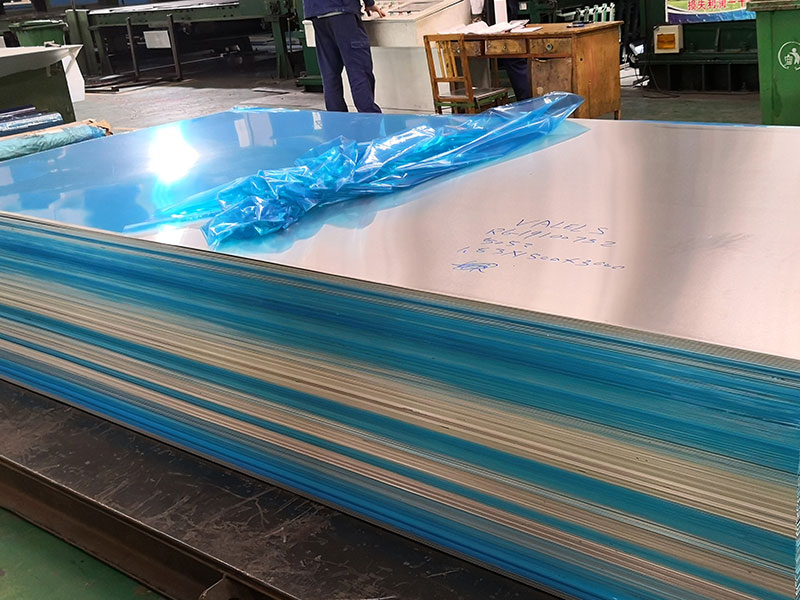
3003 Aluminum sheet for Marine boat construction
Marine boat builders need materials that balance corrosion resistance, formability, weight, and cost-especially for interior structures, cabins, consoles, storage lockers, bulkhead liners, and trim parts.
View Details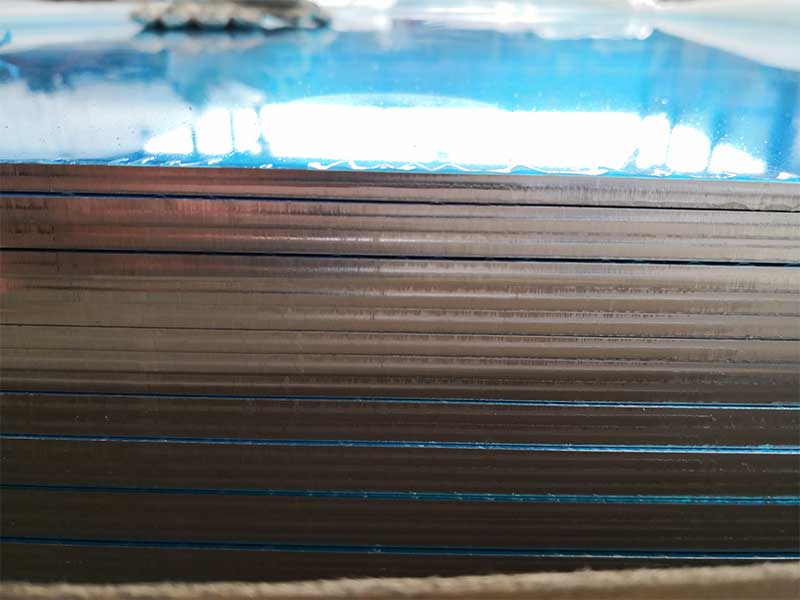
0.3mm 0.4mm 0.5mm 1.6mm Thickness Roll Aluminium Coil Sheet 5052 h32 For Boat
When it comes to marine applications, selecting the right material is crucial for performance, durability, and safety. Enter the 5052 H32 marine aluminum coil sheet, available in thicknesses ranging from 0.
View Details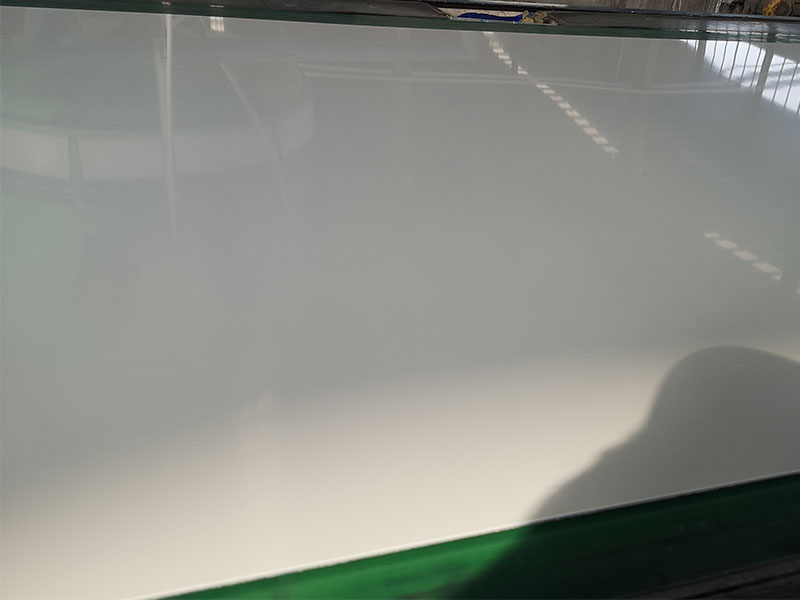
5083 marine grade anodized aluminum sheets coils
In the marine industry, where durability, corrosion resistance, and lightweight materials are quintessential, 5083 marine grade anodized aluminum sheets and coils stand as a pinnacle product.
View Details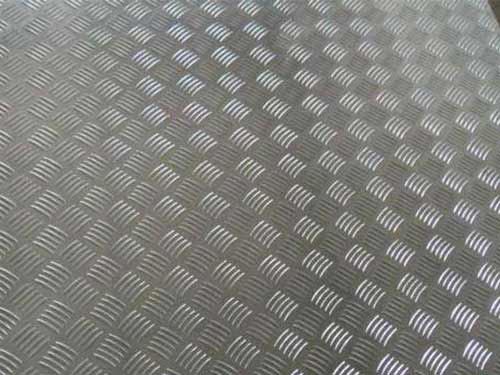
6061 Marine Aluminum Tread Sheets
6061 Marine Aluminum Tread Sheets (often called 6061 aluminum diamond plate or tread plate) are engineered to deliver a practical blend of corrosion resistance, structural strength, and slip-resistant surface performance in wet, abrasive.
View Details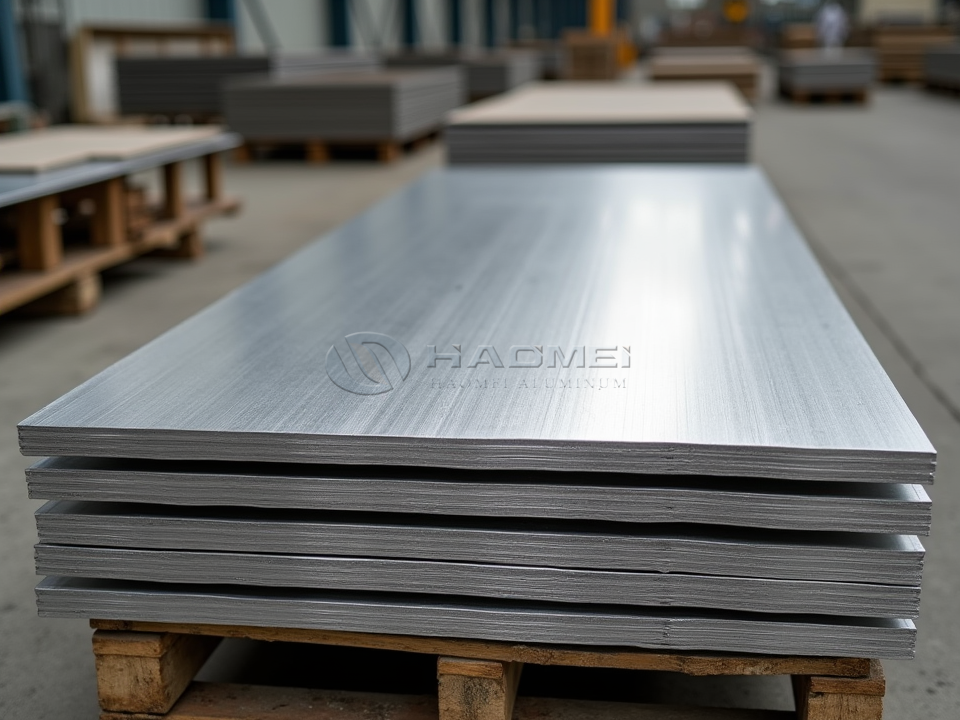
5083 Marine Aluminum Tread Sheets
5083 marine aluminum tread sheets deliver grip, corrosion resistance, weldability, and reliable deck performance for boats and offshore platforms.
View Details
Marine 3 gauge 4 x 8 x 1 4 aluminum sheet
Marine 3 Gauge 4 x 8 x 1/4 Aluminum Sheet: A Seaworthy "Thickness Story" Told in MetalA marine 3 gauge 4 x 8 x 1/4 aluminum sheet is more than a size callout-it's a practical promise.
View Details
Leave a Message