
Marine 5086 Aluminum Sheet
Marine 5086 aluminum sheet is best understood as a structural skin: it protects, carries load, bends with the vessel, accepts welds, and stays reliable in saltwater. In boatbuilding, a sheet is not only a flat metal panel. It becomes the hull side that meets wave impact, the deck that handles foot traffic, the tank wall that resists fuel and freshwater contact, and the cabin panel that must remain stable after cutting, forming, and welding.
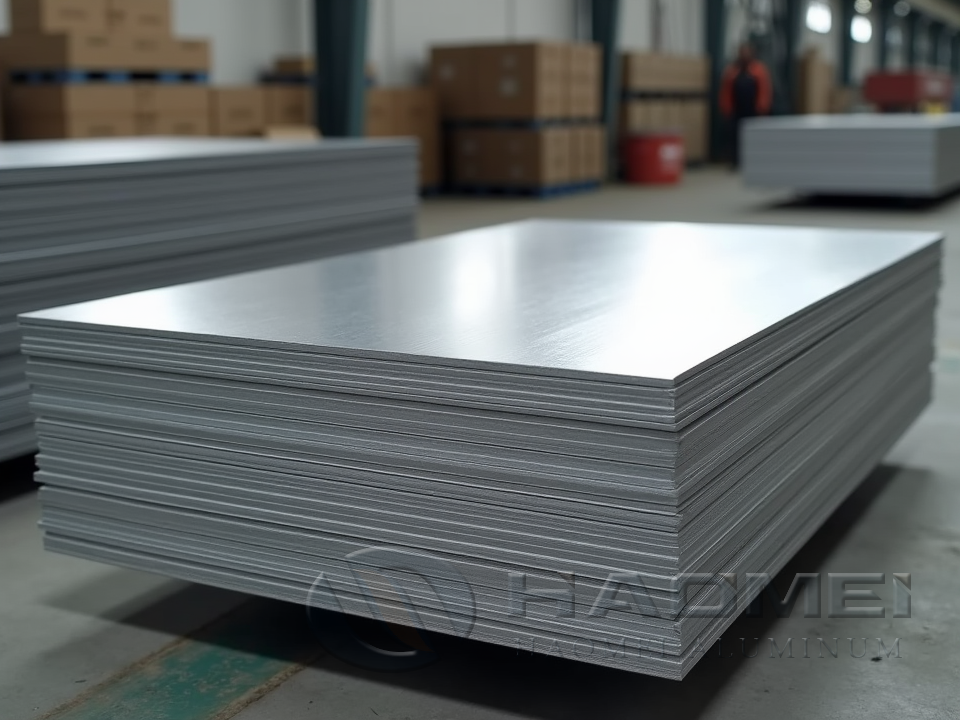
5086 belongs to the aluminum-magnesium alloy family. It is not strengthened by heat treatment. Its strength comes from magnesium solid-solution strengthening and controlled cold working. This makes the alloy practical for marine fabrication because it keeps good weldability while delivering higher strength than 5052 and excellent resistance to seawater corrosion. For many builders, Marine 5086 aluminum sheet sits in the productive middle ground between easy-forming 5052 and higher-strength 5083.
Why 5086 Works So Well at Sea
A vessel constantly translates water pressure, vibration, temperature change, and impact into stress. Marine 5086 aluminum sheet answers these conditions with a balance of stiffness, toughness, and corrosion behavior. Its magnesium content improves strength without making the alloy brittle. Manganese and chromium help control grain structure, which is important when sheets are rolled, bent, or welded into large assemblies.
The alloy performs especially well where welded seams are unavoidable. After welding, heat-affected zones lose some strain-hardened strength, but 5086 retains useful mechanical performance and shows reliable resistance to cracking when correct filler metals and welding procedures are used. Common filler choices include 5356, 5183, or 5556, selected according to strength, corrosion requirements, and project approval rules.
For saltwater service, the alloy naturally forms a thin aluminum oxide film. When scratched, the surface can re-form this film in the presence of oxygen. This self-protective behavior does not replace good design, drainage, isolation from dissimilar metals, or coating systems, but it gives 5086 a strong foundation for long marine service life.
Typical Specifications and Supply Range
Marine 5086 aluminum sheet and plate can be supplied for small craft, commercial boats, offshore workboats, vehicle ferries, naval auxiliary structures, and marine equipment. Exact size availability depends on mill capability and order quantity, but common supply conditions are shown here for fast reference.
| Item | Common Range or Condition |
|---|---|
| Alloy | 5086 aluminum-magnesium alloy |
| Product form | Sheet, plate, cut-to-size blank, coil-derived sheet |
| Typical thickness | 1.0 mm to 50 mm, with marine plate often 3 mm to 25 mm |
| Common width | 1000 mm, 1220 mm, 1500 mm, 2000 mm, or custom width |
| Common length | 2000 mm, 2440 mm, 3000 mm, 6000 mm, or custom length |
| Density | About 2.66 g/cm3 |
| Surface | Mill finish, PVC film, brushed, coated, or pretreated |
| Processing | Cutting, bending, rolling, CNC routing, welding, drilling |
| Typical certificates | Mill test certificate, third-party inspection, class approval when required |
Chemical Composition
The chemistry of 5086 is designed around marine strength and corrosion resistance. Magnesium is the main alloying element, while manganese and chromium improve stability and performance during rolling and fabrication.
| Element | Content, % |
|---|---|
| Si | 0.40 max |
| Fe | 0.50 max |
| Cu | 0.10 max |
| Mn | 0.20-0.70 |
| Mg | 3.5-4.5 |
| Cr | 0.05-0.25 |
| Zn | 0.25 max |
| Ti | 0.15 max |
| Other each | 0.05 max |
| Other total | 0.15 max |
| Al | Remainder |
These values may vary slightly according to the governing standard, but they reflect the typical commercial range used for marine 5086 aluminum sheet.
Standards and Classification Conditions
Marine buyers usually need more than alloy name and thickness. A proper order should identify the applicable standard, temper, dimensional tolerance, surface demand, inspection method, and whether marine classification approval is required.
| Standard or Approval | Scope |
|---|---|
| ASTM B209 | Aluminum and aluminum-alloy sheet and plate |
| EN 485 | Aluminum sheet, strip, and plate mechanical and dimensional rules |
| EN 573 | Chemical composition and alloy designation |
| ABS | Marine and offshore structure approval, when specified |
| DNV | Ship and offshore classification, when specified |
| LR | Lloyd's Register approval, when specified |
| CCS, BV, KR, RINA | Class certification options depending on project region |
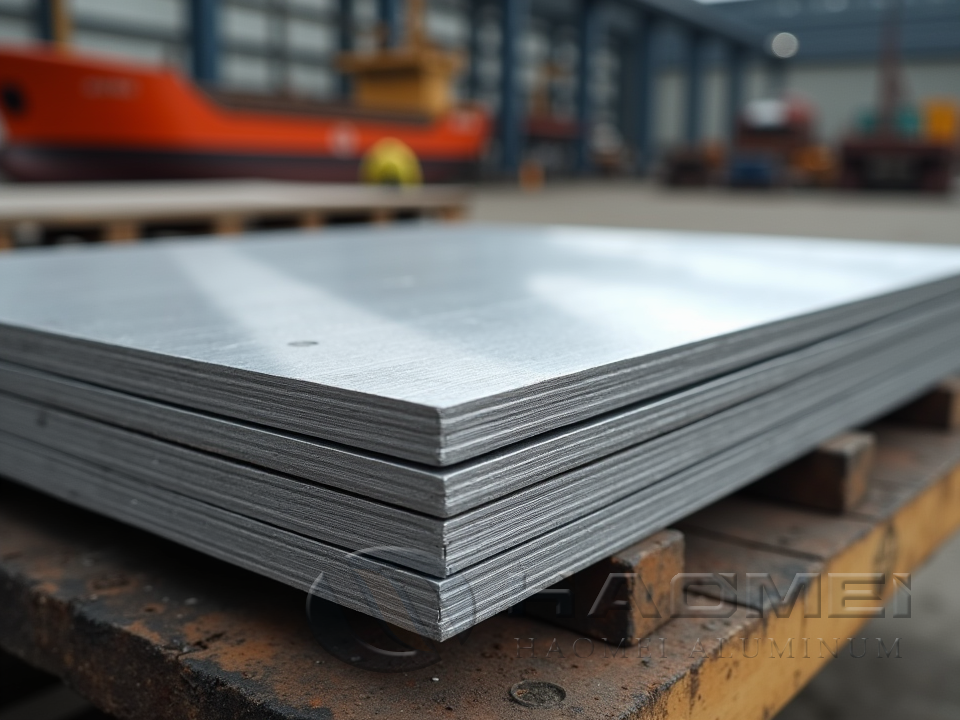
For vessel hulls and pressure-sensitive structures, buyers should confirm whether the material needs H116 or H321-type marine corrosion testing requirements, even though H32 and H34 are also widely used for sheet applications. Classification societies may request tensile testing, bend testing, intergranular corrosion evaluation, ultrasonic inspection for thicker plate, and traceable heat numbers.
Temper Selection: Choosing the Right Behavior
The temper of 5086 changes how the sheet behaves in the workshop and on the water. The right choice depends on forming radius, panel size, weld density, and structural duty.
| Temper | General Character | Typical Use |
|---|---|---|
| O | Annealed, soft, highest formability | Complex bending, deep forming, curved panels |
| H32 | Strain hardened and stabilized, moderate strength | Hull panels, decks, cabin parts, general fabrication |
| H34 | Higher strain-hardened strength than H32 | Panels requiring more stiffness and dent resistance |
| H112 | Slightly strain hardened from working, stable plate condition | Thick plate, machined or welded structural parts |
| H116 | Marine corrosion-resistant temper for seawater service | Hulls, bulkheads, offshore structures, high-duty marine plate |
H32 is often chosen when the sheet must bend cleanly and still provide solid strength. H116 is preferred where long saltwater exposure, hull integrity, and class approval are central concerns. O temper is useful when shape is more important than starting strength, but designers must account for final mechanical properties after forming and welding.
Mechanical Performance in Practical Terms
Mechanical values depend on thickness and temper, so final figures should be confirmed from the material certificate. Typical ranges are useful during early design and procurement.
| Temper | Tensile Strength, MPa | Yield Strength, MPa | Elongation, % |
|---|---|---|---|
| O | 240-290 | 95-130 | 16-22 |
| H32 | 290-330 | 200-240 | 8-12 |
| H34 | 310-350 | 230-270 | 7-10 |
| H116 | 300-345 | 215-260 | 8-12 |
From a builder's viewpoint, these numbers translate into practical choices. A hull side panel needs enough yield strength to resist permanent deformation. A deck plate needs stiffness and surface durability. A fuel tank wall needs weld integrity and corrosion resistance. 5086 can serve all of these roles when thickness, temper, and fabrication method are aligned.
Applications Across the Vessel
Marine 5086 aluminum sheet is widely used in hull plating for fishing boats, patrol craft, ferries, landing craft, and aluminum workboats. It is suitable for bottom plates, side shell panels, transoms, bulkheads, deck structures, superstructures, engine-room parts, gangways, and interior marine assemblies.
In tanks, 5086 is selected for freshwater, wastewater, fuel, and storage systems where welded seams must remain dependable. In offshore equipment, it appears in platforms, access panels, support frames, corrosion-resistant enclosures, and working surfaces. For slip-resistant decks or walkways, builders may combine flat 5086 panels with Marine Aluminum Tread Sheets in areas where grip and drainage matter.
The alloy also suits repair work. When replacing damaged panels on existing aluminum vessels, 5086 can be cut and fitted efficiently. Its weldability helps reduce downtime, while its corrosion resistance supports continued service in harsh coastal zones.
Fabrication Notes That Save Time
During cutting, plasma, laser, waterjet, and CNC routing all work well when parameters are matched to sheet thickness. Edges should be cleaned before welding to remove oxide, oil, and cutting residue. For bending, generous inside radii reduce cracking risk, especially in H34 or thicker gauges. If severe forming is required, O temper or H32 may be easier to process.
Welding should use controlled heat input, clean joint preparation, and suitable filler wire. Distortion management is important because aluminum conducts heat quickly. Balanced weld sequencing, fixtures, tack spacing, and proper gap control help maintain panel flatness.
Surface protection depends on service environment. Mill finish can be acceptable for many workboats, but coated, painted, or anodized systems may be selected for appearance, abrasion resistance, or added isolation from galvanic contact. Fasteners and fittings should be compatible or electrically isolated from stainless steel, copper alloys, and carbon steel.
Buying Guidance for Marine Projects
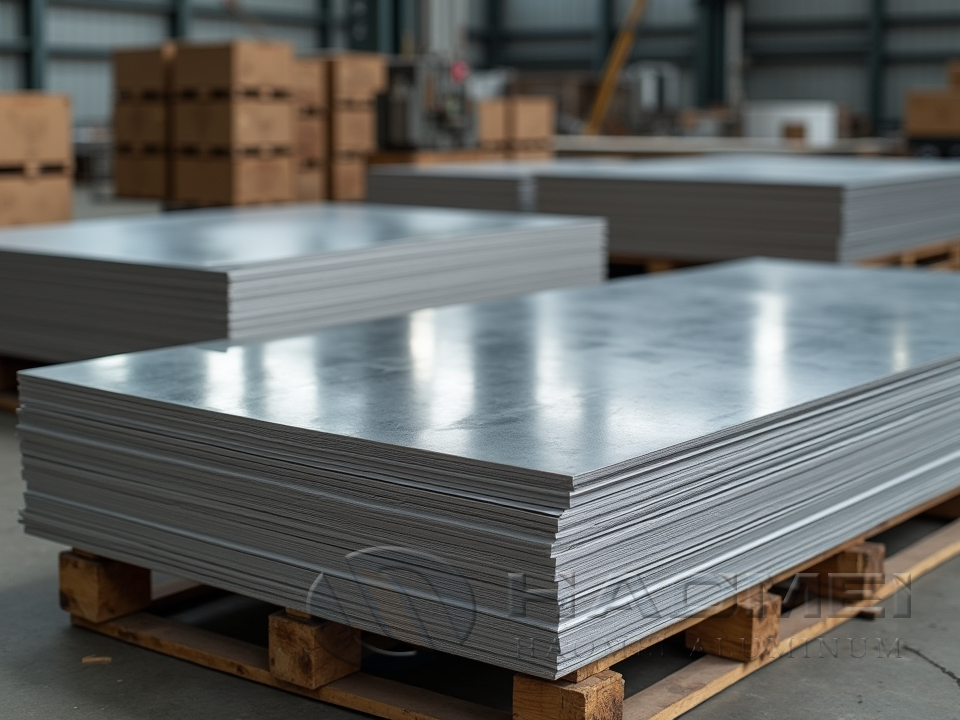
When specifying Marine 5086 aluminum sheet, customers should provide alloy, temper, thickness, width, length, quantity, standard, surface condition, certificate needs, and end use. If the sheet will be used below the waterline, in a classified vessel, or in offshore equipment, class approval should be discussed before production. This prevents delays caused by missing test items or certificate mismatches.
For many marine structures, 5086 is chosen not because it is the strongest aluminum alloy available, but because it offers a dependable working combination: corrosion resistance, weldability, formability, medium-high strength, and predictable shop behavior. That combination makes it a practical material for builders who need lighter vessels, lower maintenance demand, and reliable performance in real seawater conditions.

Related Products
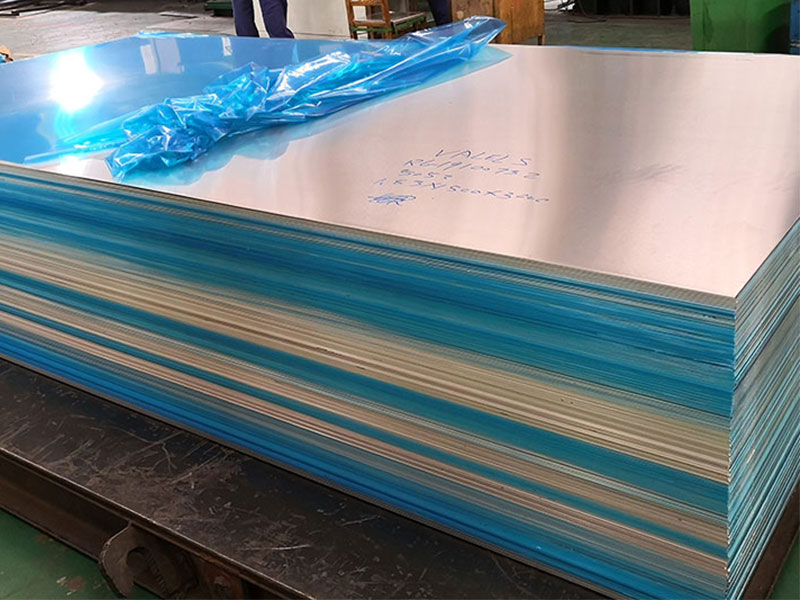
Marine 5059 aluminum sheet
5059 aluminum alloy is a strain-hardened material with a unique addition of magnesium and chromium, which provides outstanding resistance to localized corrosion like pitting and stress corrosion cracking.
View Details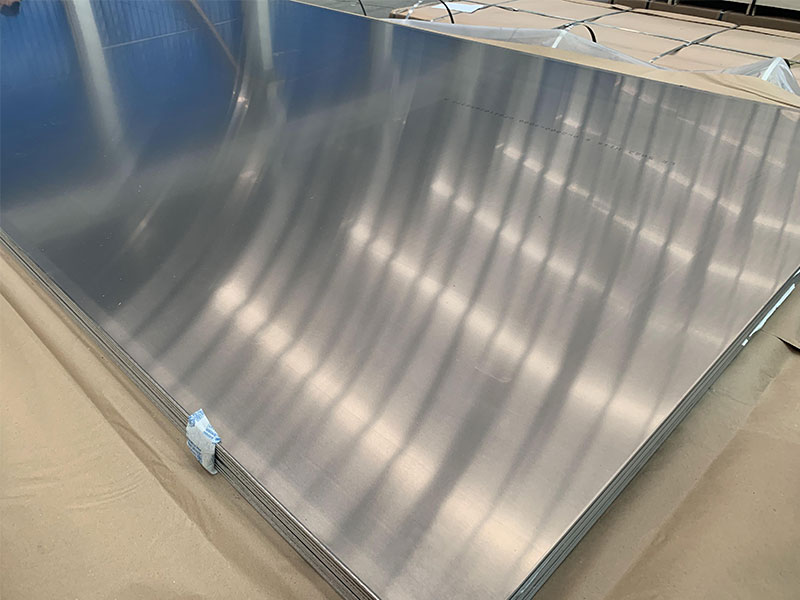
Marine 5052 aluminum sheet
Aluminum alloy 5052 is a non-heat-treatable, strain-hardened alloy with magnesium as the primary alloying element. It is designed to offer superior corrosion resistance in marine and saline environments, making it a dependable choice for components exposed directly to seawater or coastal atmospheric conditions.
View Details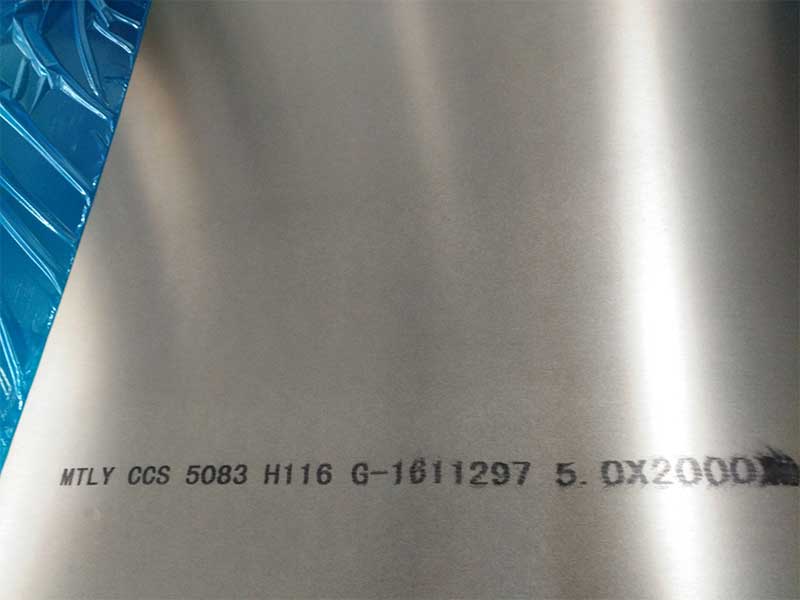
Marine 5083 aluminum sheet
Aluminum alloy 5083 is a non-heat-treatable alloy primarily composed of magnesium and trace elements that deliver outstanding protection against corrosion, particularly in seawater and saline atmospheres.
View Details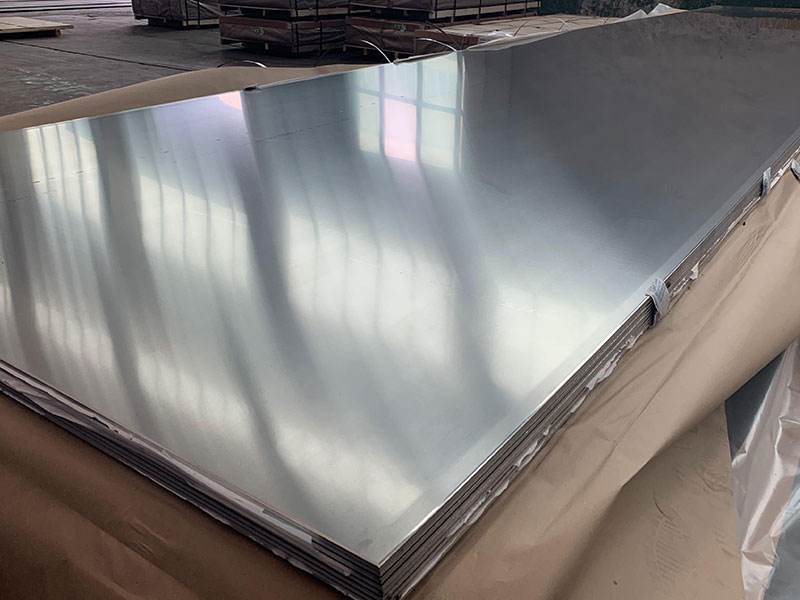
Marine 5086 aluminum sheet
This product article provides an in-depth and comprehensive understanding of Marine 5086 Aluminum Sheets, including their chemical composition, mechanical properties, corrosion resistance, fabrication capabilities, and typical marine applications.
View Details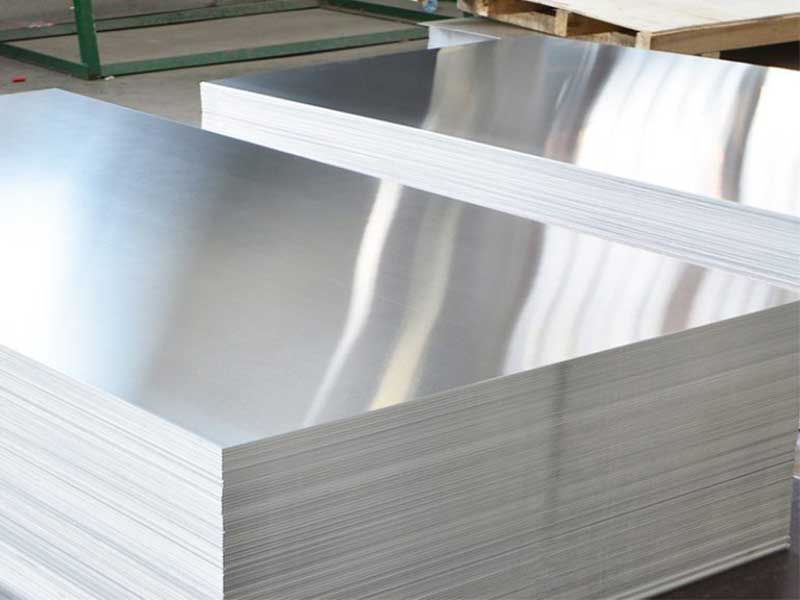
Marine anodized aluminum sheets
Marine Anodized Aluminum Sheets start with premium marine-grade aluminum alloys such as 5000 and 6000 series (typically 5083, 5052, and 6061).
View Details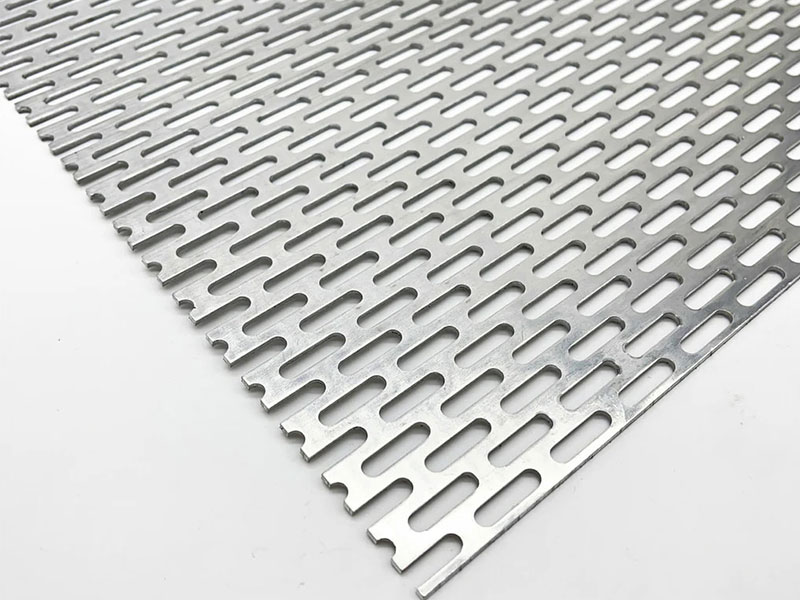
Marine perforated aluminum sheets
Marine Perforated Aluminum Sheets feature a series of uniform holes or shapes punched through the aluminum surface. These perforations can vary in size, pattern, and open area to tailor the sheets for specific applications.
View DetailsRelated Blog
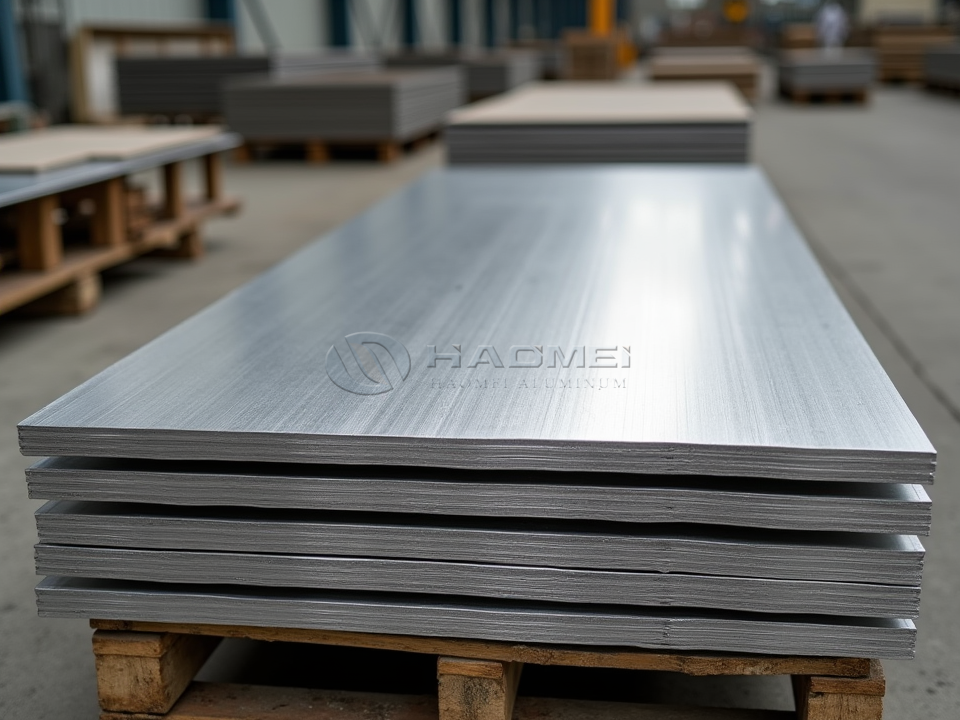
5083 Marine Aluminum Tread Sheets
5083 marine aluminum tread sheets deliver grip, corrosion resistance, weldability, and reliable deck performance for boats and offshore platforms.
View Details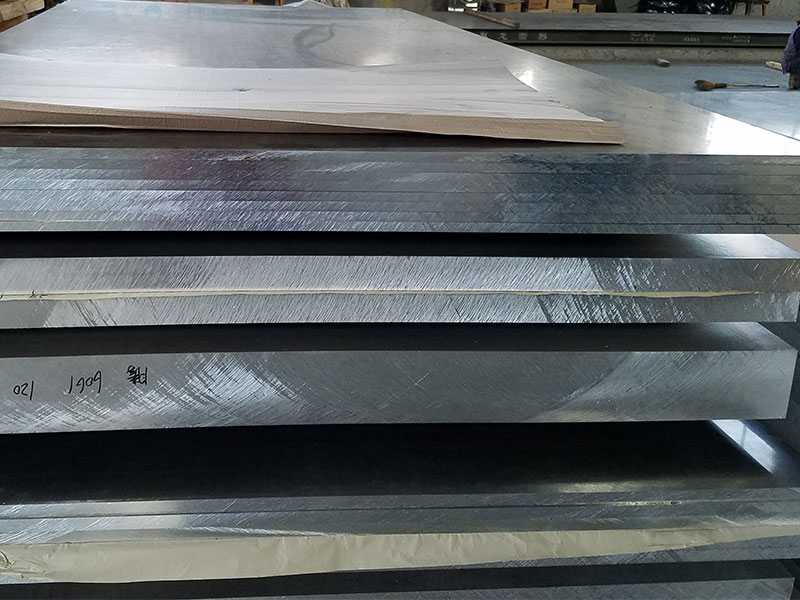
Anti-Corrosion Anodizing 5083 Alloy Aluminum Coil for Electric Boat Construction
Electric boats operate in one of the most demanding corrosion environments on earth: a wet, oxygen-rich, salt-contaminated atmosphere with constant abrasion, vibration, and stray electrical currents.
View Details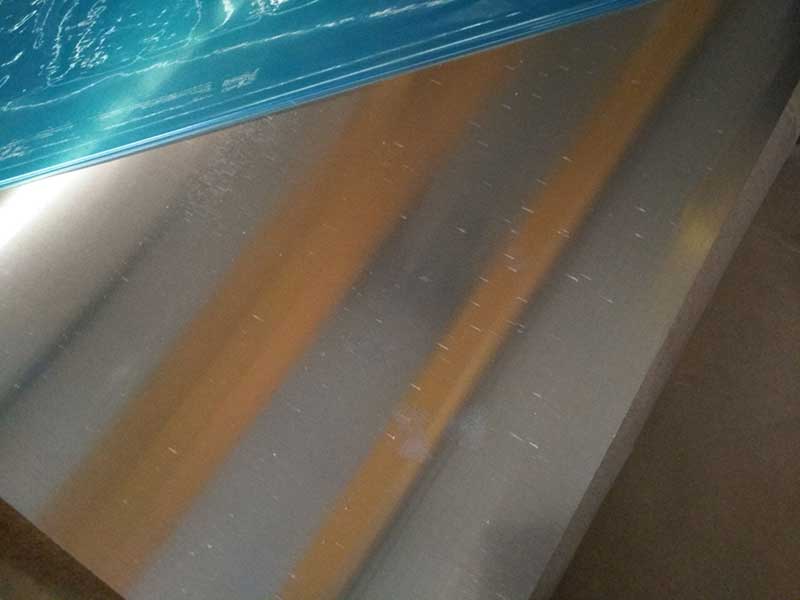
Aluminium sheet for ship building
Aluminium sheet for ship building is engineered to deliver a rare combination of light weight, corrosion resistance, high specific strength, and excellent fabricability in harsh marine environments.
View Details
5083 H321 Marine Grade Aluminium Sheet
5083 H321 Marine Grade Aluminium Sheet: The "Working Hull Skin" That Thrives Where Steel Gets TiredIn marine design, the ocean is not just a backdrop-it is a relentless testing machine.
View Details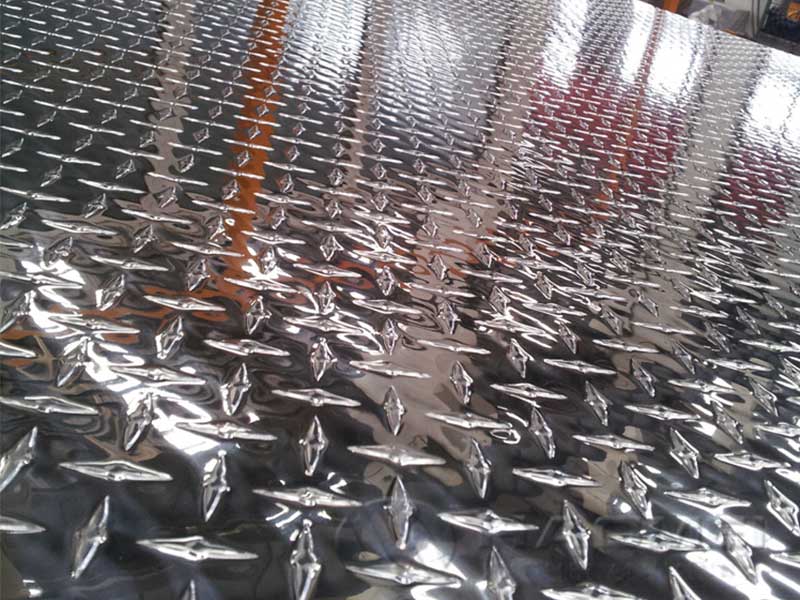
Marin grade aluminum sheet 5052 5mm thick for boat
What is Marine Grade Aluminum 5052?Aluminum 5052 is a non-heat-treatable aluminum-magnesium alloy primarily known for excellent corrosion resistance, high strength among the non-heat treatable grades, and superb weldability.
View Details
Aluminium sheet 8mm alloy 5052 h112 for boat
When selecting materials for marine applications, especially in boat building, the balance between strength, corrosion resistance, and workability is crucial. Aluminium sheet 8mm thick made from alloy 5052 in temper H112 epitomizes this balance.
View Details
Leave a Message