
Marine 5383 Aluminum Sheet
Marine 5383 aluminum sheet is a high-magnesium Al-Mg-Mn alloy designed for welded marine structures that need higher strength than conventional 5083 while retaining excellent seawater resistance. It is widely used in fast ferries, patrol boats, workboats, offshore platforms, LNG support structures, deck modules, and other demanding marine fabrications.
For shipyards seeking a stronger alternative within the 5xxx marine aluminum family, Marine 5383 aluminum sheet offers an attractive balance of weldability, fatigue performance, corrosion resistance, and weight reduction.
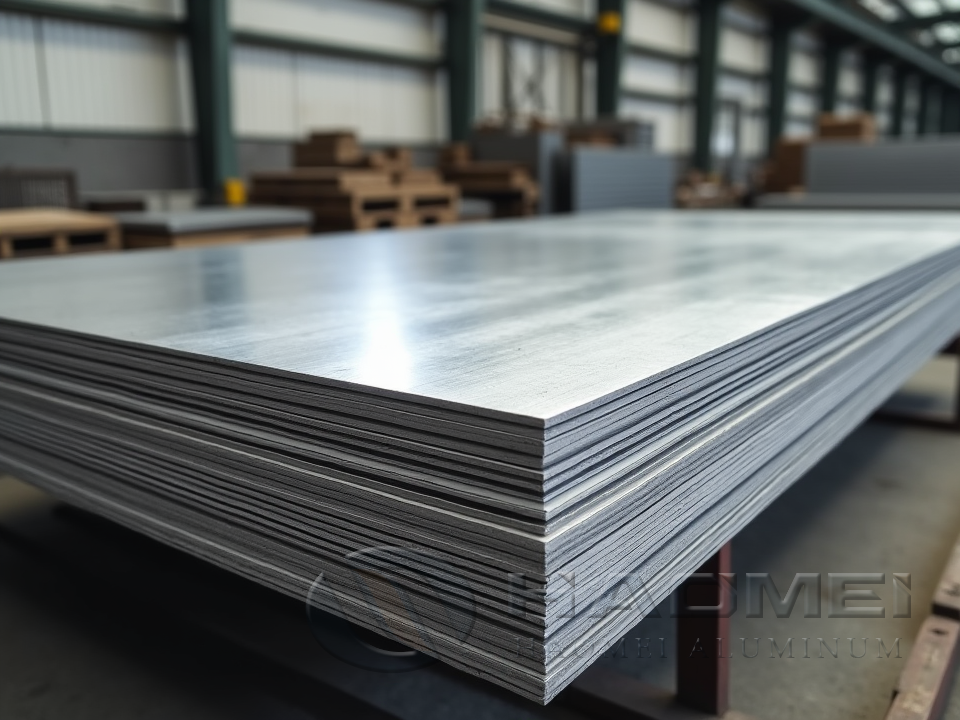
What Marine 5383 Aluminum Sheet Does
5383 aluminum sheet is selected when designers want to reduce structural weight without sacrificing safety margin. Compared with many standard marine aluminum sheets, it can provide higher post-weld strength, making it suitable for hulls and superstructures exposed to dynamic loads, waves, vibration, and salt spray.
| Function | Customer Value | Typical Marine Benefit |
|---|---|---|
| Structural load bearing | Supports hull, deck, bulkhead, and frame design | Higher stiffness-to-weight ratio |
| Seawater corrosion resistance | Performs in saltwater and humid marine air | Longer service life with proper design |
| Welded fabrication | Compatible with common marine welding methods | Efficient shipyard assembly |
| Weight reduction | Replaces heavier steel in many components | Lower fuel use and higher payload |
| Fatigue resistance | Handles cyclic wave and engine vibration | Improved durability in fast vessels |
| Non-magnetic behavior | Useful for special vessel designs | Reduced magnetic interference |
Main Applications
Marine 5383 aluminum sheet is frequently specified for high-speed and high-duty vessels where light weight and weld reliability matter. It is also useful where classification society approval and traceable production data are required.
| Application Area | Common Parts | Recommended Temper Options |
|---|---|---|
| Fast ferries and passenger vessels | Hull panels, decks, side shells, superstructures | H116, H321, H111 |
| Patrol boats and naval craft | Hull plating, bulkheads, stiffeners | H116, H321 |
| Workboats and service vessels | Decks, cabins, engine room panels | H111, H112, H116 |
| Offshore structures | Walkways, platforms, module panels | H116, H321 |
| Cryogenic and LNG support systems | Non-pressure structural panels, barriers, supports | O, H111, H116 |
| Marine transportation equipment | Tank bodies, frames, protective panels | H112, H116 |
Chemical Composition
The chemistry of 5383 is controlled to deliver strength, corrosion resistance, and stable weld behavior. Magnesium supplies strength, manganese improves work hardening and grain control, while limited iron and silicon help maintain corrosion performance.
| Element | Typical Range or Limit, wt.% | Metallurgical Role |
|---|---|---|
| Aluminum, Al | Balance | Base metal |
| Magnesium, Mg | 4.0-5.2 | Strength and marine corrosion resistance |
| Manganese, Mn | 0.7-1.0 | Strength, grain control, weld performance |
| Chromium, Cr | Up to 0.25 | Corrosion and structure stability |
| Silicon, Si | Up to 0.25 | Controlled impurity |
| Iron, Fe | Up to 0.25 | Controlled impurity for corrosion performance |
| Copper, Cu | Up to 0.20 | Restricted to protect seawater resistance |
| Zinc, Zn | Up to 0.40 | Controlled minor element |
| Titanium, Ti | Up to 0.15 | Grain refinement |
| Other elements, each | Up to 0.05 | Residual control |
| Other elements, total | Up to 0.15 | Residual control |
Mechanical Properties by Temper
Actual values depend on thickness, production route, standard, and inspection method. The figures shown are typical commercial reference ranges for marine purchasing and engineering comparison.
| Temper | Tensile Strength, MPa | Yield Strength, MPa | Elongation A50, % | Main Use |
|---|---|---|---|---|
| O | 275-350 | 125-170 | 16-22 | Deep forming, complex bending |
| H111 | 290-370 | 145-200 | 12-18 | Formed marine panels |
| H112 | 290-370 | 150-215 | 10-16 | Plate with limited forming |
| H116 | 305-385 | 215-260 | 10-15 | Hull and seawater-exposed plate |
| H321 | 305-385 | 215-260 | 10-15 | Stabilized marine plate for welded structures |
Technical Specifications
Marine aluminum buyers usually evaluate 5383 sheet by alloy, temper, thickness, flatness, surface condition, inspection certificate, and classification approval. The table provides a practical purchasing reference.
| Parameter | Common Supply Range |
|---|---|
| Product form | Sheet, plate, cut-to-size plate, coil-derived sheet |
| Thickness | 1.5-150 mm, project dependent |
| Width | 1000-2600 mm, wider options by mill capability |
| Length | 2000-12000 mm, customized cutting available |
| Surface | Mill finish, brushed, PVC film, coated on request |
| Edge | Mill edge, slit edge, sawn edge, sheared edge |
| Flatness | According to ASTM, EN, or customer drawing |
| Inspection | Chemical analysis, tensile test, dimensional report, visual check |
| Documentation | Mill test certificate, traceability record, classification certificate if ordered |
| Packaging | Seaworthy wooden pallet, waterproof paper, PE film, steel strip protection |
Implementation Standards and Certifications
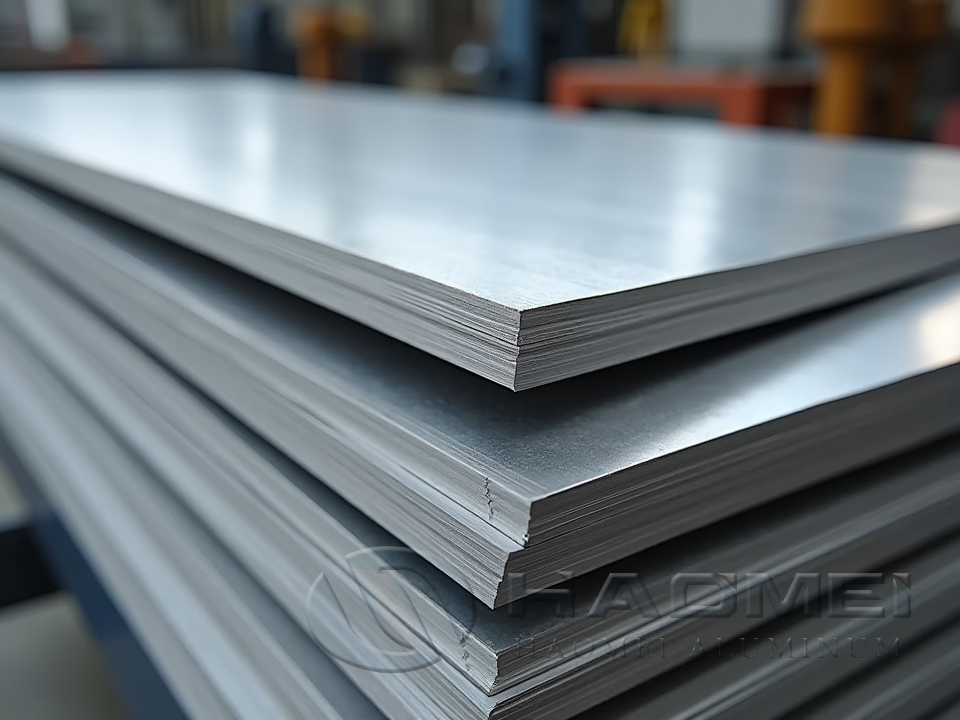
5383 marine aluminum sheet is normally supplied according to international aluminum and ship classification requirements. Final acceptance should match the purchase order and vessel design documents.
| Standard or Body | Scope |
|---|---|
| ASTM B928/B928M | High-magnesium aluminum alloy sheet and plate for marine service |
| ASTM B209/B209M | Aluminum and aluminum-alloy sheet and plate general requirements |
| EN 573 | Chemical composition and wrought aluminum alloy designation |
| EN 485 | Sheet, strip, and plate mechanical properties and tolerances |
| EN 515 | Temper designation system for wrought aluminum |
| ABS | Marine material approval for ship construction |
| DNV | Classification approval for marine and offshore use |
| Lloyd's Register | Shipbuilding material certification |
| BV | Marine classification and inspection |
| CCS | Ship material approval for applicable markets |
Temper Selection Guide
The right temper depends on forming intensity, welding plan, and service exposure. H116 and H321 are often preferred for hull plates and seawater-exposed areas because they are processed for resistance to exfoliation and intergranular corrosion.
| Temper | Condition Description | When to Choose |
|---|---|---|
| O | Annealed, soft condition | Severe forming, rolling, deep bending |
| H111 | Slightly strain-hardened from forming operations | Moderate forming with improved strength |
| H112 | Strain-hardened during fabrication with no special control of final strain | General plate and structural components |
| H116 | Strain-hardened, marine corrosion-resistant condition | Hull plate, decks, bilge zones, splash zones |
| H321 | Strain-hardened and stabilized | Welded structures requiring stable properties |
Physical and Corrosion Data
5383 belongs to the non-heat-treatable 5xxx series, so its strength comes mainly from magnesium solid solution strengthening and strain hardening, not precipitation heat treatment.
| Property | Typical Value |
|---|---|
| Density | 2.66 g/cm3 |
| Melting range | 570-640 C |
| Modulus of elasticity | About 70 GPa |
| Thermal conductivity | About 115-125 W/mK |
| Electrical conductivity | About 28-32 percent IACS |
| Corrosion behavior in seawater | Excellent when correct temper and design are used |
| Heat treatment response | Not heat treatable |
| Weldability | Excellent with suitable filler alloy |
Welding and Fabrication Notes
Marine 5383 aluminum sheet can be welded by MIG and TIG processes. For many marine structures, filler alloys such as 5183, 5356, or 5556 may be selected depending on strength requirement, corrosion exposure, and classification approval. Designers should consider joint layout, heat input, distortion control, and post-weld inspection before production.
| Fabrication Item | Recommendation |
|---|---|
| Cutting | CNC plasma, laser, waterjet, sawing, or shearing depending on thickness |
| Forming | Use larger bend radius for harder tempers such as H116 and H321 |
| Welding process | MIG for productivity, TIG for fine seams and thinner sections |
| Filler choice | 5183, 5356, 5556, subject to project specification |
| Surface preparation | Remove oxide, oil, moisture, and contamination before welding |
| Distortion control | Use balanced welding sequence and proper fixturing |
| Inspection | Visual test, tensile test, bend test, radiographic or ultrasonic testing if required |
5383 vs 5083 Marine Aluminum
5383 is often compared with 5083 because both are high-magnesium marine alloys. The main attraction of 5383 is its potential for higher strength, especially in welded structures, while retaining strong resistance to marine corrosion.
| Comparison Item | 5383 Aluminum Sheet | 5083 Aluminum Sheet |
|---|---|---|
| Alloy family | Al-Mg-Mn | Al-Mg-Mn |
| Strength level | Usually higher | Standard high marine strength |
| Welded structure performance | Very strong for demanding vessels | Widely proven in shipbuilding |
| Corrosion resistance | Excellent in correct temper | Excellent in correct temper |
| Typical vessel type | Fast ferries, patrol craft, offshore modules | General hulls, decks, tanks, workboats |
| Cost tendency | Often higher | Often more economical |
Surface Quality and Ordering Details
A good marine sheet should have clean surface quality, stable mechanical properties, and complete traceability. For shipbuilding, surface defects such as cracks, corrosion pits, severe scratches, laminations, and oil contamination should be controlled carefully.
| Ordering Item | Information to Confirm |
|---|---|
| Alloy and temper | 5383 H116, H321, H111, H112, or O |
| Dimensions | Thickness, width, length, and tolerance class |
| Standard | ASTM B928, EN 485, or classification requirement |
| Certification | ABS, DNV, LR, BV, CCS, or mill certificate |
| Surface protection | Bare mill finish, film coated, interleaved paper |
| Cutting service | Standard sheet, custom plate, nest cutting, profile cutting |
| Delivery condition | Packed for sea freight or inland transport |
Why Buyers Choose Marine 5383 Aluminum Sheet
Marine 5383 aluminum sheet helps shipbuilders create lighter, stronger, and more corrosion-resistant vessels. Its combination of high magnesium content, controlled chemistry, weldability, and marine tempers makes it suitable for hull plating, deck structures, bulkheads, and offshore components exposed to harsh conditions.
For purchasing teams, the most important checks are alloy traceability, certified temper, thickness tolerance, classification approval, and reliable packaging. When these items are controlled from production to delivery, 5383 aluminum sheet becomes a dependable material for modern marine engineering.

Related Products
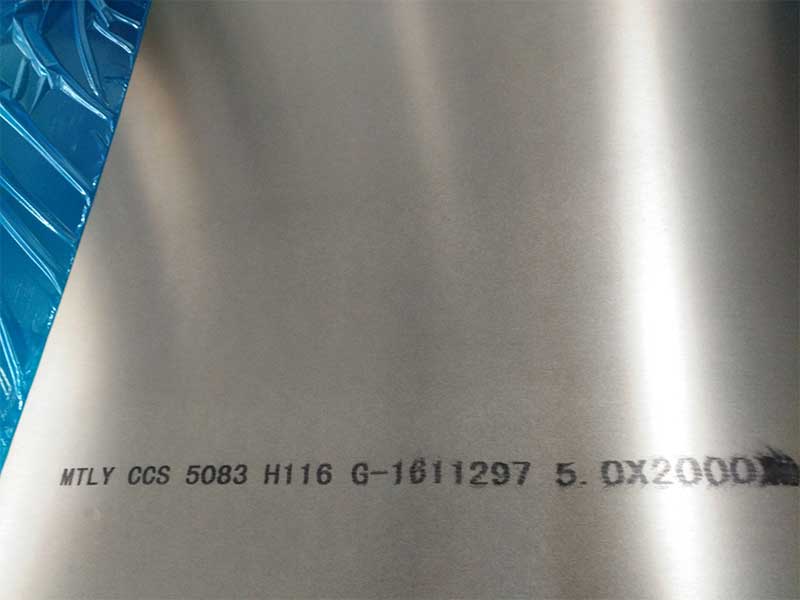
Marine 5083 aluminum sheet
Aluminum alloy 5083 is a non-heat-treatable alloy primarily composed of magnesium and trace elements that deliver outstanding protection against corrosion, particularly in seawater and saline atmospheres.
View Details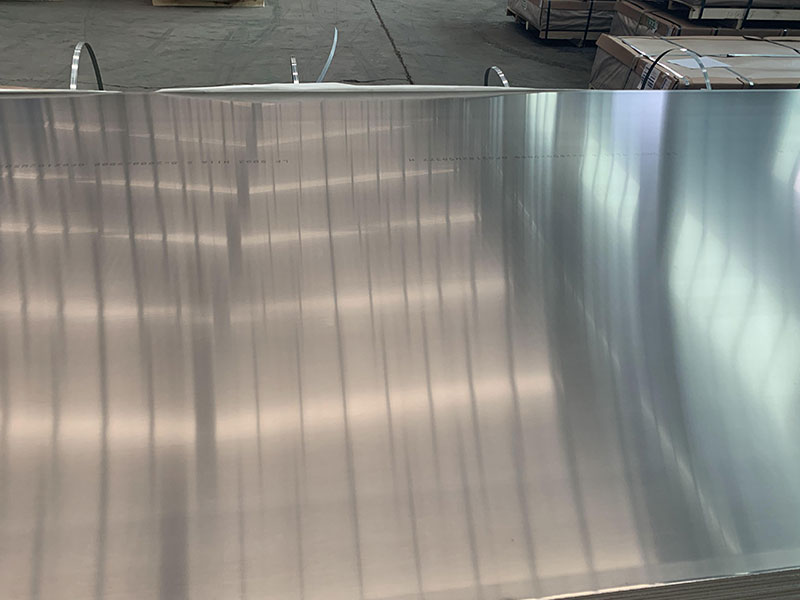
Marine 5383 aluminum sheet
5383 aluminum is a strain-hardened, non-heat-treatable alloy from the 5xxx series primarily alloyed with magnesium. It exhibits a unique balance of corrosion resistance and mechanical properties particularly suited for marine applications.
View Details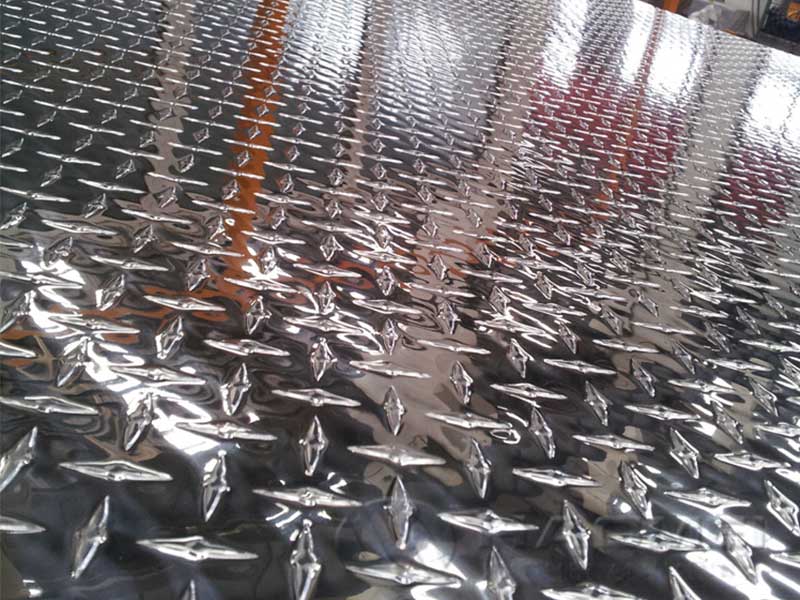
Marine Aluminum Tread Sheets
Marine Aluminum Tread Sheets are aluminum alloy plates featuring a raised surface pattern, commonly referred to as a tread design or diamond plate.
View Details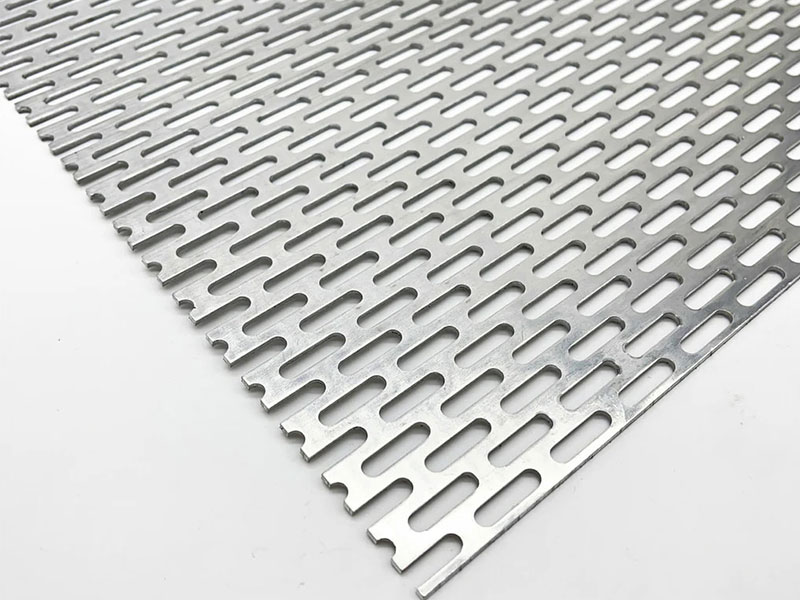
Marine perforated aluminum sheets
Marine Perforated Aluminum Sheets feature a series of uniform holes or shapes punched through the aluminum surface. These perforations can vary in size, pattern, and open area to tailor the sheets for specific applications.
View Details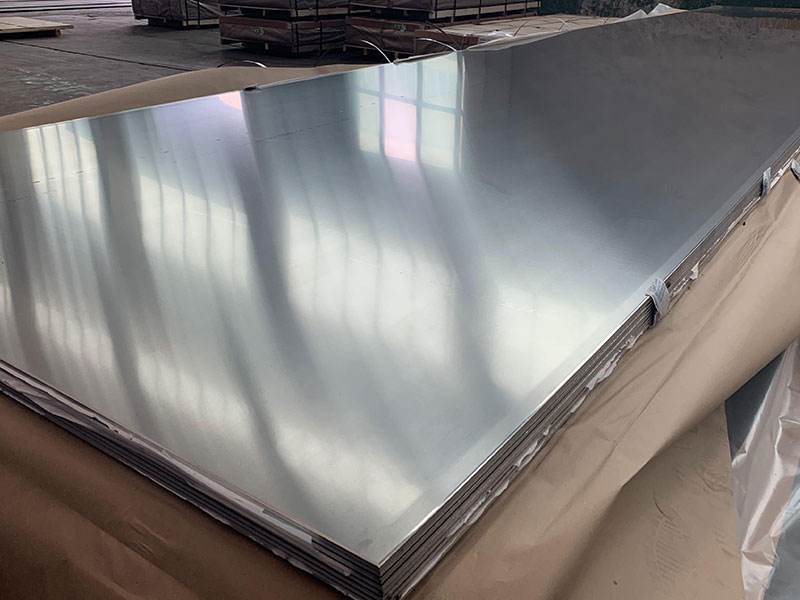
Marine 5086 aluminum sheet
This product article provides an in-depth and comprehensive understanding of Marine 5086 Aluminum Sheets, including their chemical composition, mechanical properties, corrosion resistance, fabrication capabilities, and typical marine applications.
View Details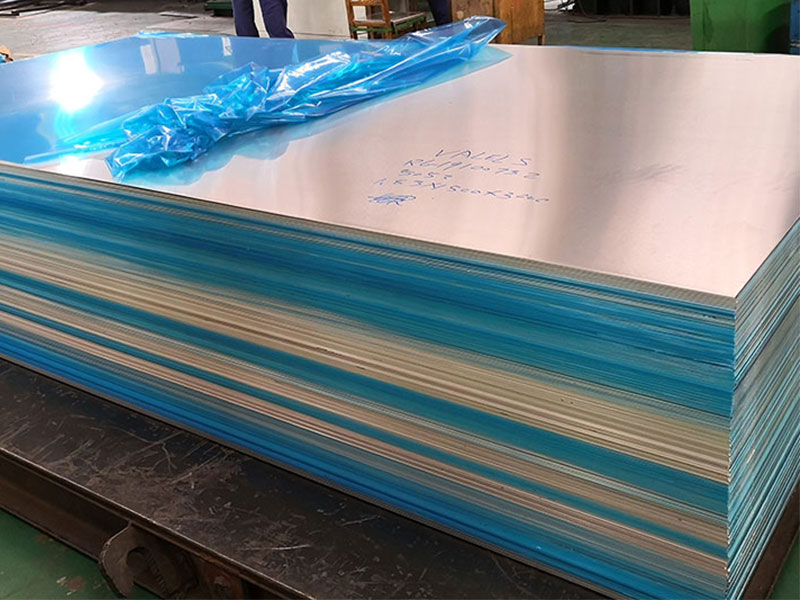
Marine 5059 aluminum sheet
5059 aluminum alloy is a strain-hardened material with a unique addition of magnesium and chromium, which provides outstanding resistance to localized corrosion like pitting and stress corrosion cracking.
View DetailsRelated Blog
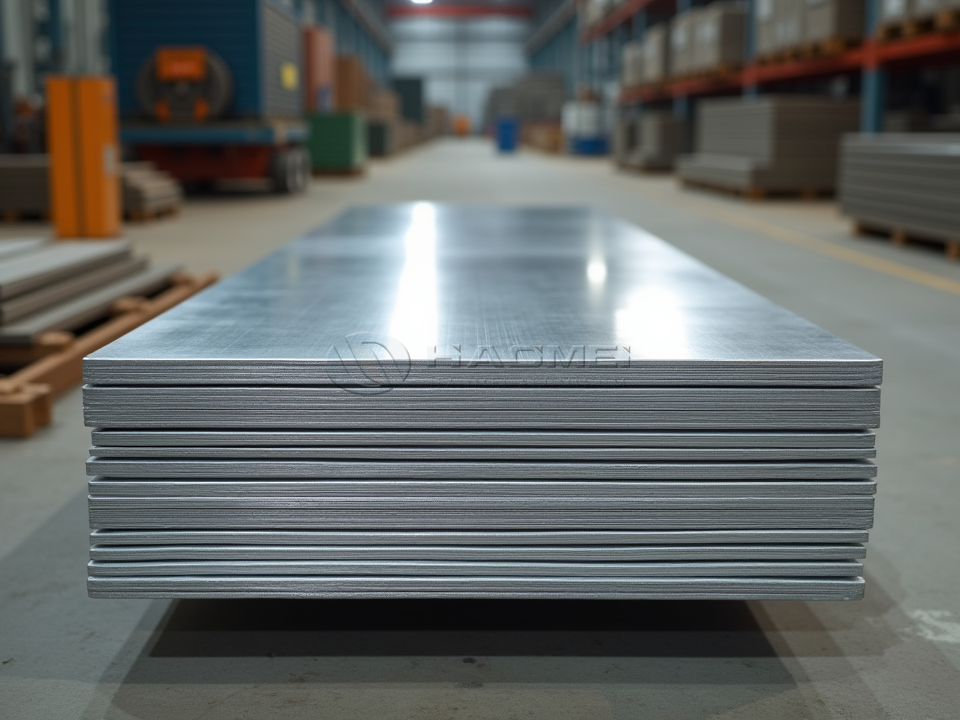
Marine Aluminium Plate for Boat
Marine aluminium plate for boat hulls, decks, tanks, and fittings, with alloy grades, tempers, standards, chemistry, and fabrication data.
View Details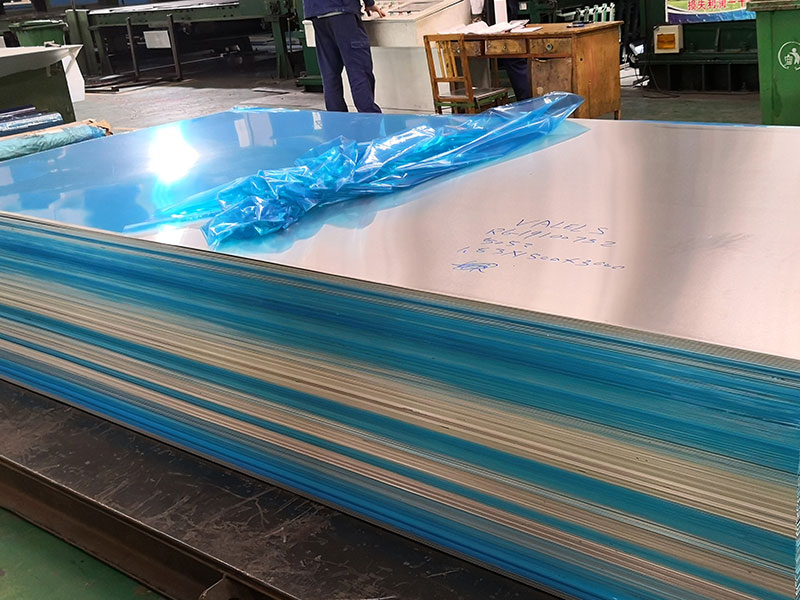
Marine Grade Building Material Aluminium Sheet
Marine grade building material aluminium sheet is designed for projects that need a strong balance of corrosion resistance, strength, workability, and long-term appearance.
View Details
6061 5mm thick 4x8 aluminum sheet for boat
When it comes to maritime applications, selecting the right materials is crucial. Among the varied options available in the world of marine engineering, the 6061 aluminum alloy stands out especially for its versatility, durability, and performance.
View Details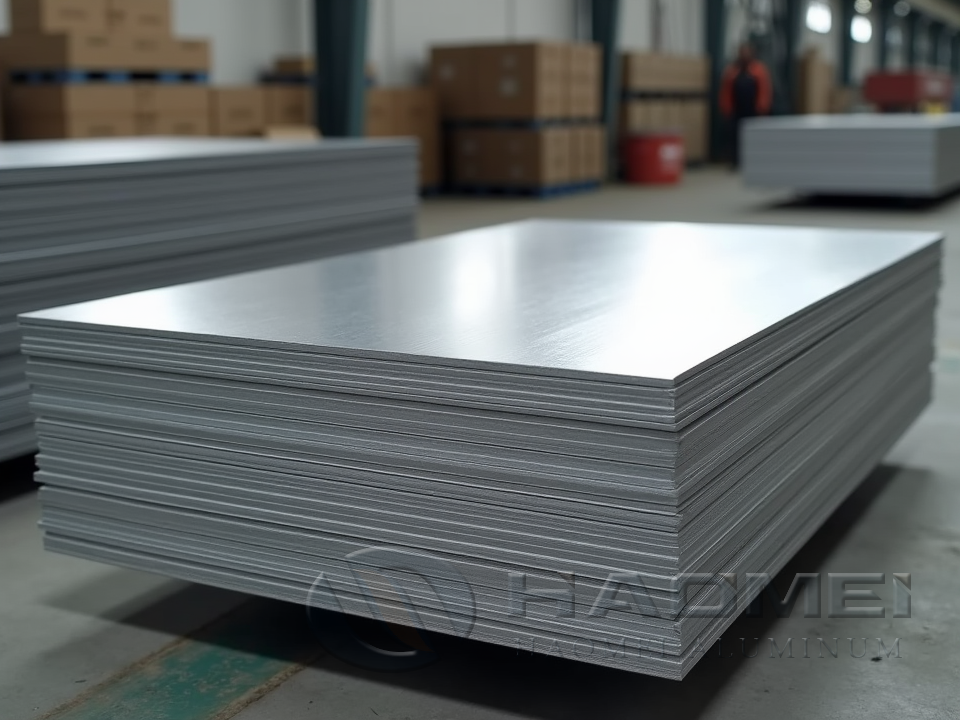
Marine 5086 Aluminum Sheet
A practical guide to Marine 5086 aluminum sheet, covering tempers, standards, chemistry, corrosion resistance, welding, and marine uses.
View Details
1mm to 8mm thick marine grade aluminum sheet 5083 h116
Marine environments punish materials in ways most industrial settings never will: salt spray, stagnant seawater, cyclic wet/dry exposure, and constant vibration.
View Details
5059 Marine Aluminum Sheet
Learn how 5059 marine aluminum sheet supports lighter hulls, welded structures, corrosion resistance, class-approved fabrication, and long service life.
View Details
Leave a Message