
Marine Heavy Duty Aluminum Plate
A shipyard does not look at aluminum plate as a simple metal sheet. It sees a hull panel that must bend without cracking, a deck that must carry load without wasting fuel, and a structure that must face saltwater every day without losing its reliability. This is where marine heavy duty aluminum plate earns its place. It is not chosen only because it is light; it is chosen because the right alloy, temper, thickness, and certification can turn weight saving into long service life.
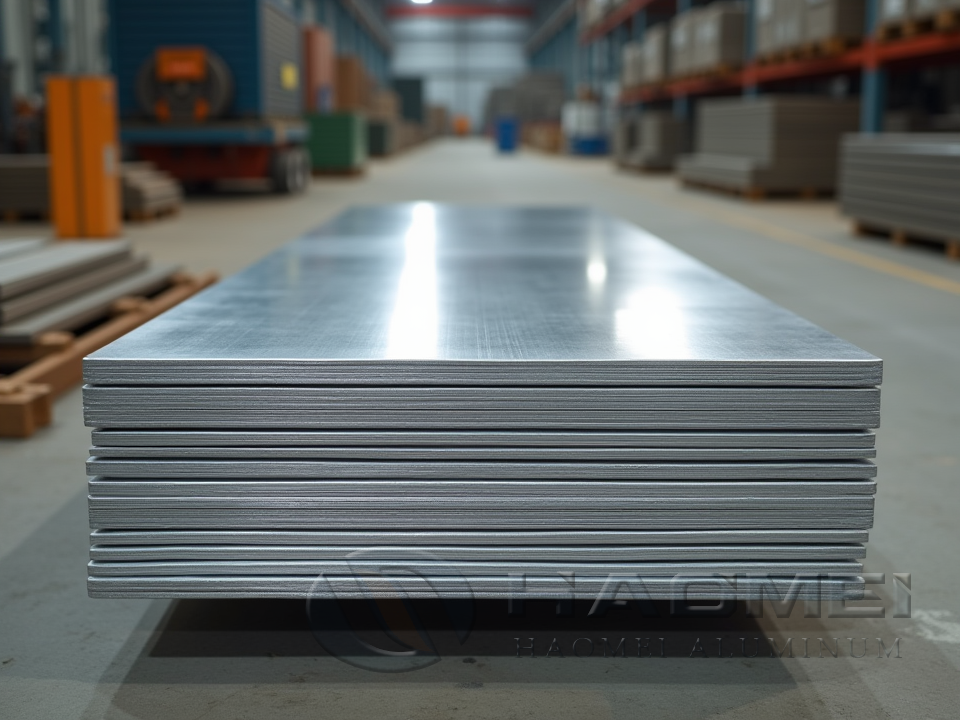
Marine heavy duty aluminum plate usually refers to thick marine aluminum used for hulls, decks, bulkheads, superstructures, offshore platforms, workboats, patrol boats, ferries, landing craft, and high-speed vessels. Compared with common commercial aluminum, marine plate must offer stronger corrosion resistance, better weldability, stable mechanical strength, and traceable quality documents for classification inspection.
Why Heavy Duty Marine Plate Feels Different in Fabrication
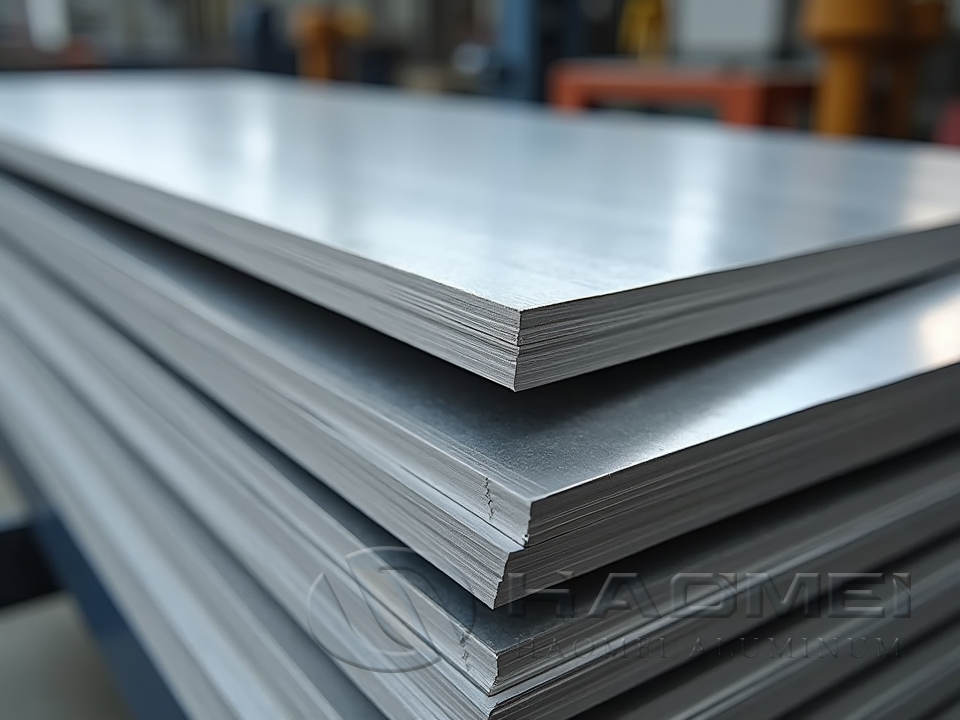
In the workshop, heavy duty marine aluminum behaves differently from thin sheet. A 6 mm plate may be cut and formed easily, while a 40 mm or 80 mm plate demands controlled machining, proper weld preparation, and careful heat input. The plate must remain flat enough for assembly, tough enough for impact zones, and consistent enough across its width and length so that welding does not reveal hidden weaknesses.
For this reason, shipbuilders often select 5xxx series aluminum-magnesium alloys. These alloys are not heat treatable, but they gain strength through strain hardening and controlled tempering. Their natural oxide film and magnesium-rich chemistry provide strong resistance to seawater corrosion. For hull structures, Marine 5083 aluminum sheet and plate are among the most recognized choices because they combine high strength, excellent welding performance, and proven service in marine environments.
Common Alloys and Their Working Roles
5083 is often selected for heavy load hull structures, pressure-resistant components, decks, and side shell plating. It performs well in welded structures and keeps good strength after welding compared with many other aluminum grades.
5086 offers slightly lower strength than 5083 but excellent corrosion resistance and forming behavior. It is widely used for small and medium vessels, gangways, decks, and marine structural parts where durability and weldability matter.
5052 is more formable and easier to process, suitable for cabins, interior structures, tanks, covers, and lighter marine components. For builders needing good corrosion resistance with moderate strength, Marine 5052 aluminum sheet remains a practical option.
5059 and 5383 are advanced marine alloys developed for higher strength and better fatigue resistance. They are often considered for demanding vessels, military craft, and structures where weight reduction and high performance must work together.
Typical Parameters for Marine Heavy Duty Aluminum Plate
| Item | Common Supply Range |
|---|---|
| Main alloys | 5052, 5083, 5086, 5059, 5383 |
| Thickness | 6 mm to 150 mm, custom heavy sections available |
| Width | 1000 mm to 3800 mm |
| Length | 2000 mm to 16000 mm or cut to drawing |
| Tempers | O, H111, H112, H116, H321, H32, H34 |
| Surface | Mill finish, brushed, coated, anodized on request |
| Cutting | Saw cutting, waterjet, CNC plasma, laser for suitable gauges |
| Delivery condition | Plate, cut plate, machined blank, project-size package |
| Documentation | Mill test certificate, inspection report, classification certificate when required |
For large ship panels, dimensional tolerance is not a small detail. Good plate flatness reduces fitting time, welding correction, and assembly stress. In vessel construction, time saved during alignment can be as valuable as material performance itself.
Temper Selection: Strength Is Only Part of the Decision
Temper is the condition that tells how the alloy was processed after rolling. It affects strength, formability, corrosion resistance, and welding behavior.
| Temper | Practical Meaning in Marine Use |
|---|---|
| O | Annealed, softest condition, best for deep forming and complex bending |
| H111 | Slightly strain hardened, good formability with stable performance |
| H112 | As-fabricated temper, often used for thicker plate with moderate strength |
| H116 | Special marine temper for improved resistance to exfoliation and intergranular corrosion |
| H321 | Stabilized marine temper, used where corrosion resistance after strain hardening is important |
| H32 | Strain hardened and stabilized, common for sheet and lighter plate applications |
| H34 | Higher strength than H32, less formable but suitable for stronger panels |
For heavy duty hull work, 5083 H116 and 5083 H321 are frequent choices. H116 is valued in severe marine exposure because it is processed to resist exfoliation corrosion. H321 is also stabilized for marine service and is often used in welded hull plates. If a plate will be bent sharply, O or H111 may be safer. If it must carry more load with limited deformation, H116, H321, or H112 may be preferred depending on alloy and thickness.
Chemical Composition and Marine Behavior
The chemistry of marine aluminum is designed around magnesium, manganese, chromium, and controlled impurity levels. Magnesium improves strength and seawater resistance. Manganese and chromium help refine structure and improve stability. Iron and silicon are controlled because excessive amounts may reduce corrosion performance or affect surface quality.
| Alloy | Mg % | Mn % | Cr % | Si % Max | Fe % Max | Cu % Max | Marine Character |
|---|---|---|---|---|---|---|---|
| 5052 | 2.2-2.8 | 0.10 max | 0.15-0.35 | 0.25 | 0.40 | 0.10 | Excellent corrosion resistance, high formability, moderate strength |
| 5083 | 4.0-4.9 | 0.40-1.0 | 0.05-0.25 | 0.40 | 0.40 | 0.10 | High strength, excellent weldability, strong seawater resistance |
| 5086 | 3.5-4.5 | 0.20-0.7 | 0.05-0.25 | 0.40 | 0.50 | 0.10 | Durable, weldable, reliable for hull and deck structures |
| 5059 | 5.0-6.0 | 0.60-1.2 | 0.25 max | 0.45 | 0.50 | 0.25 | Higher strength and fatigue performance for demanding craft |
| 5383 | 4.0-5.2 | 0.7-1.0 | 0.25 max | 0.25 | 0.25 | 0.20 | Improved welded strength and corrosion resistance |
Chemical composition should always be confirmed against the ordered standard and mill certificate, because exact limits may vary by specification.
Standards and Inspection Requirements
Marine heavy duty aluminum plate is commonly supplied according to ASTM B928 for high-magnesium aluminum alloy products intended for marine service. Other commonly referenced standards include ASTM B209, EN 485, EN 573, EN 515, and ISO-related material requirements. For ship projects, classification society approval may be requested from ABS, DNV, LR, BV, RINA, NK, KR, or CCS.
Important inspection items can include tensile testing, yield strength, elongation, chemical analysis, dimensional tolerance, surface inspection, ultrasonic testing for thick plate, and corrosion resistance evaluation for H116 or H321 tempers. ASTM G66 and ASTM G67 may be used to assess susceptibility to exfoliation and intergranular corrosion in relevant marine alloys.
Welding, Cutting, and Design Notes
Marine aluminum plate is usually welded by MIG or TIG processes, with filler wires such as 5183, 5356, or 5556 depending on base alloy and strength requirements. Because 5xxx aluminum does not rely on heat treatment for strength, it is more forgiving than heat-treatable alloys in welded marine structures. Even so, welding reduces strength in the heat-affected zone, so designers must calculate with welded properties rather than only base metal values.
Cut edges should be clean, oxide should be removed before welding, and contamination from steel tools should be avoided. Stainless or dedicated aluminum brushes are preferred. In thick plate construction, bevel preparation, pre-weld cleaning, controlled heat input, and proper sequence planning can reduce distortion and improve joint quality.
Where This Plate Works Best
Marine heavy duty aluminum plate is suitable for hull bottoms, side shells, transoms, decks, bulkheads, engine room structures, offshore gangways, fuel tanks, lifting platforms, and marine equipment bases. It is also valuable in transport ships and high-speed vessels where every kilogram saved can improve payload, speed, or fuel economy.
How to Choose Without Overbuying
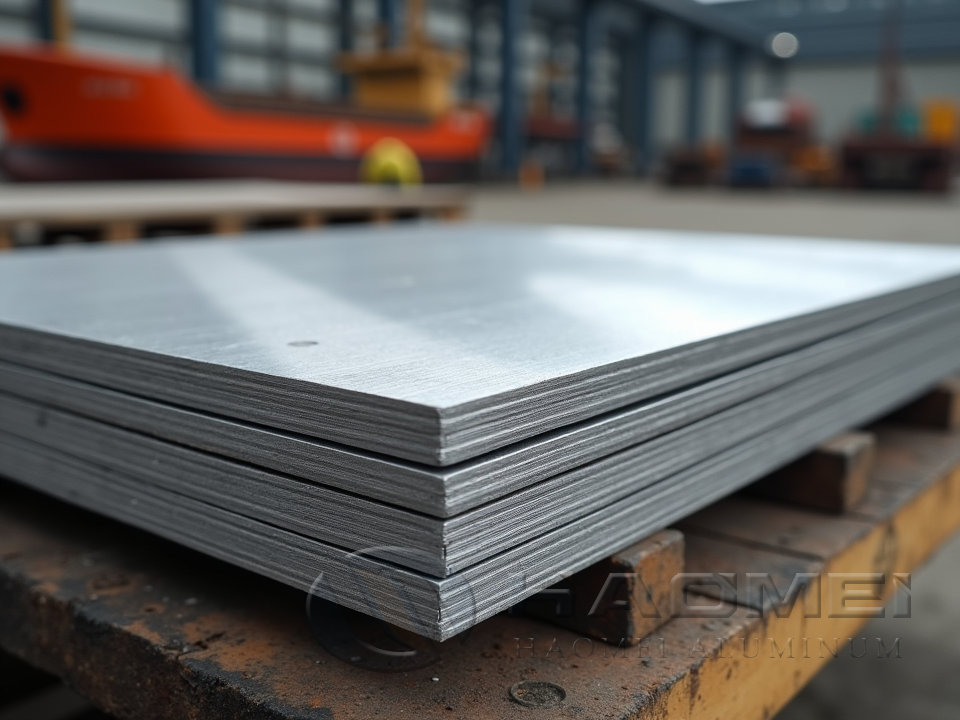
The best plate is not always the thickest or strongest one. A patrol boat may need 5083 H116 for hull impact areas, while interior structures may use 5052 or 5086 to reduce cost and improve forming. A ferry deck may demand thicker 5083 H321 for stiffness, while a curved cabin section may need softer temper for easier shaping.
A smart purchase starts with service environment, welding plan, forming radius, classification requirement, and target weight. When those points are clear, the alloy and temper become easier to match. Marine heavy duty aluminum plate is a material of balance: light but strong, workable but durable, resistant but still economical when selected correctly.

Related Products
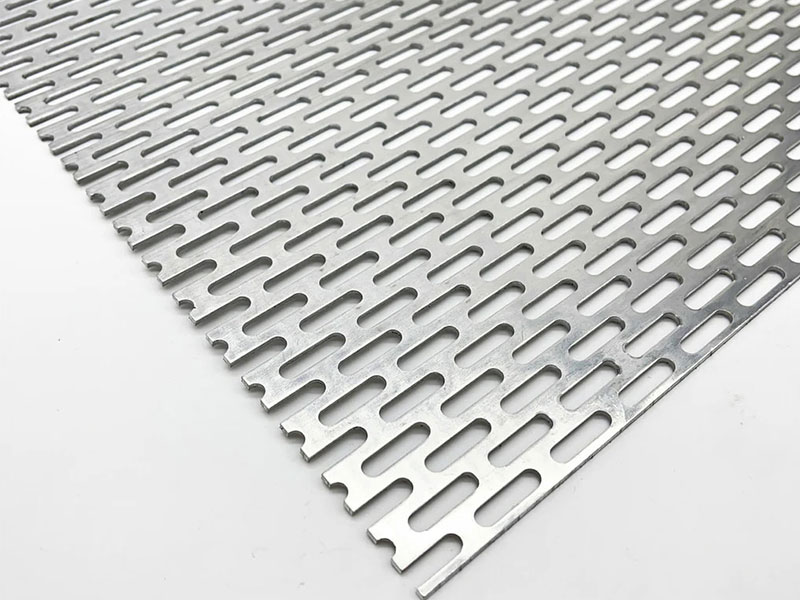
Marine perforated aluminum sheets
Marine Perforated Aluminum Sheets feature a series of uniform holes or shapes punched through the aluminum surface. These perforations can vary in size, pattern, and open area to tailor the sheets for specific applications.
View Details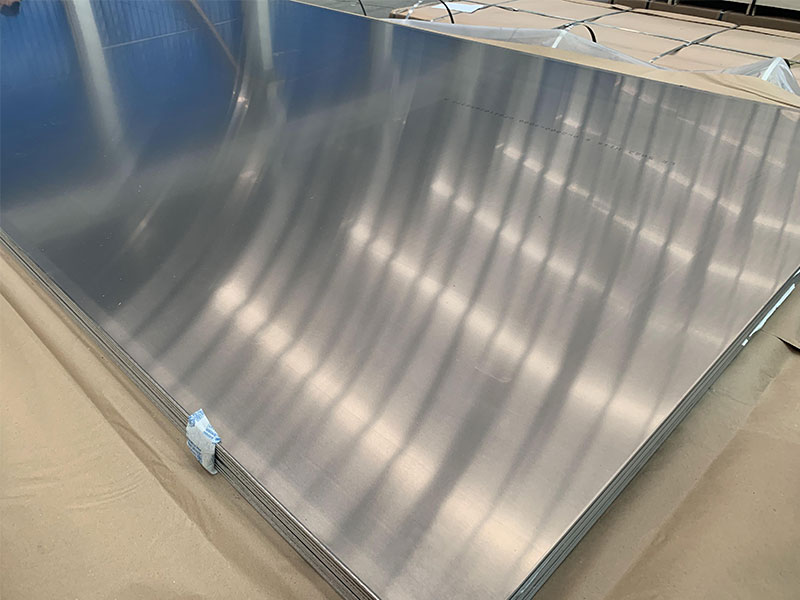
Marine 5052 aluminum sheet
Aluminum alloy 5052 is a non-heat-treatable, strain-hardened alloy with magnesium as the primary alloying element. It is designed to offer superior corrosion resistance in marine and saline environments, making it a dependable choice for components exposed directly to seawater or coastal atmospheric conditions.
View Details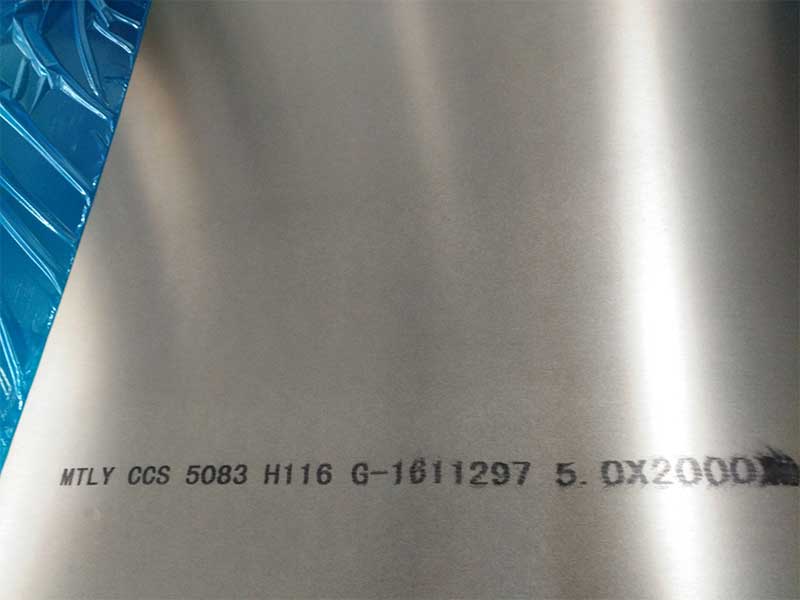
Marine 5083 aluminum sheet
Aluminum alloy 5083 is a non-heat-treatable alloy primarily composed of magnesium and trace elements that deliver outstanding protection against corrosion, particularly in seawater and saline atmospheres.
View Details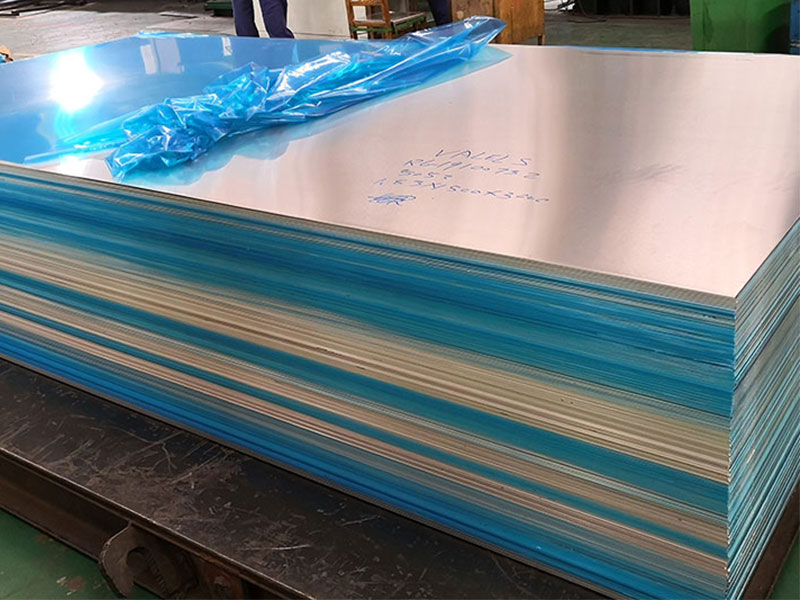
Marine 5059 aluminum sheet
5059 aluminum alloy is a strain-hardened material with a unique addition of magnesium and chromium, which provides outstanding resistance to localized corrosion like pitting and stress corrosion cracking.
View Details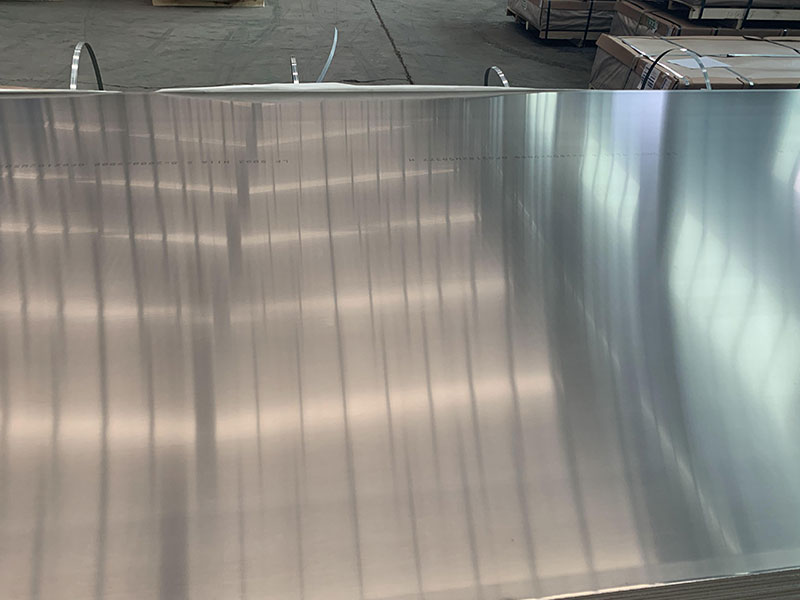
Marine 5383 aluminum sheet
5383 aluminum is a strain-hardened, non-heat-treatable alloy from the 5xxx series primarily alloyed with magnesium. It exhibits a unique balance of corrosion resistance and mechanical properties particularly suited for marine applications.
View Details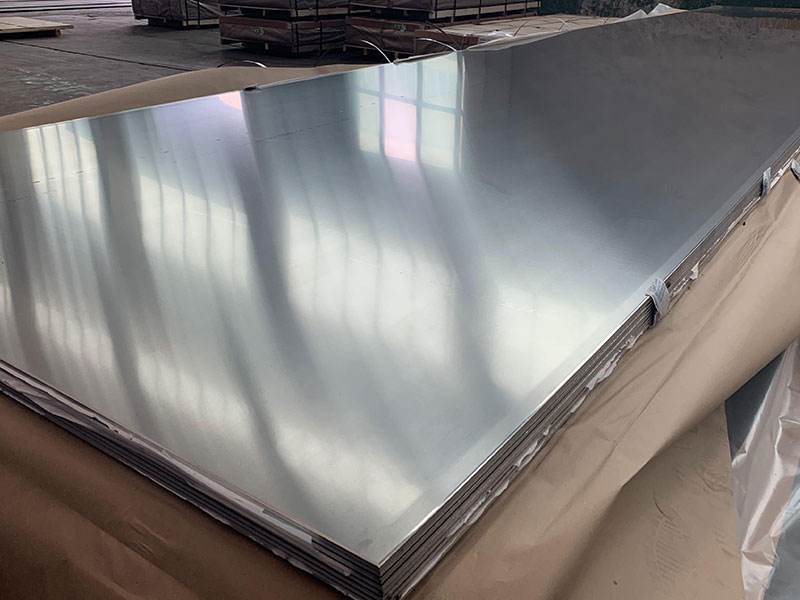
Marine 5086 aluminum sheet
This product article provides an in-depth and comprehensive understanding of Marine 5086 Aluminum Sheets, including their chemical composition, mechanical properties, corrosion resistance, fabrication capabilities, and typical marine applications.
View DetailsRelated Blog
Aluminum coil 5052 H32 1.6mm thick for coated boat
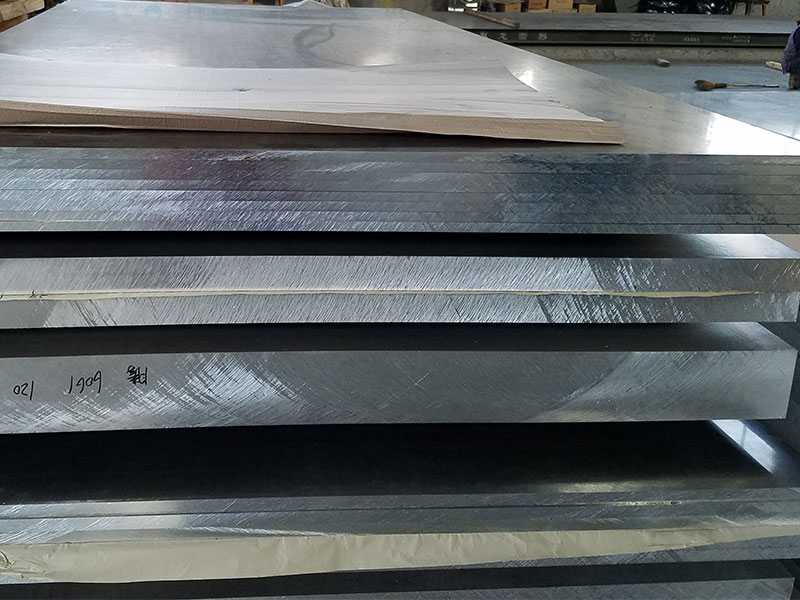
Aluminum coil 5052 H32 1.6mm thick is a premium-material choice widely trusted in marine engineering, particularly for coated boat structures. It offers an excellent balance between strength, corrosion resistance, and workability.
View Details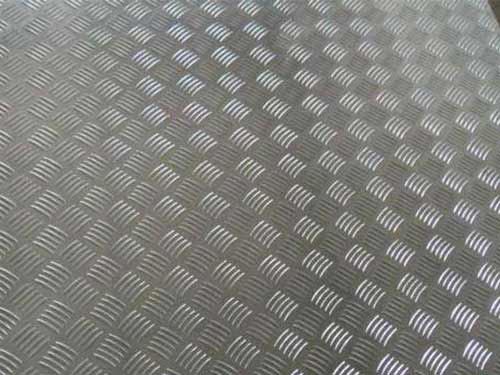
6061 Marine Aluminum Tread Sheets
6061 Marine Aluminum Tread Sheets (often called 6061 aluminum diamond plate or tread plate) are engineered to deliver a practical blend of corrosion resistance, structural strength, and slip-resistant surface performance in wet, abrasive.
View Details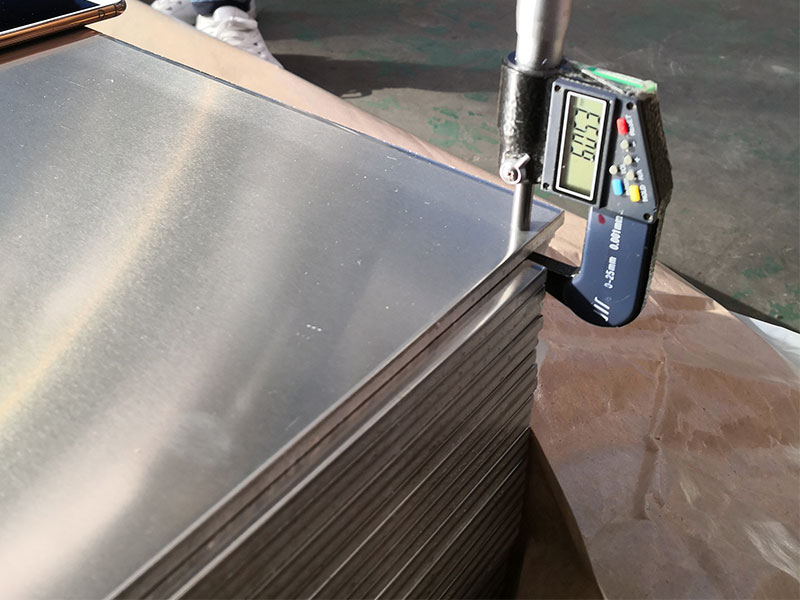
5754 2mm Anodized Aluminum Sheet For Boat Building
High-performance 5754 2mm anodized aluminum sheets designed specifically for boat building. Excellent corrosion resistance, superior strength, and durable finish ensure longevity in marine environments.
View Details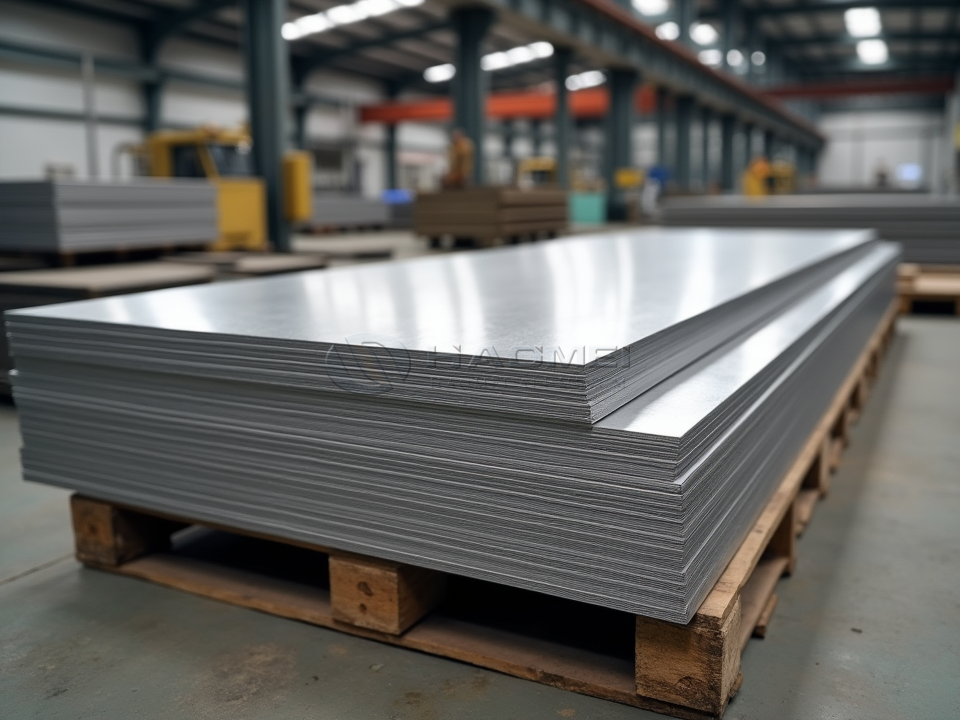
5383 Marine Aluminum Sheet
5383 marine aluminum sheet offers high strength, seawater corrosion resistance, weldability, and long service life for hulls and offshore structures.
View Details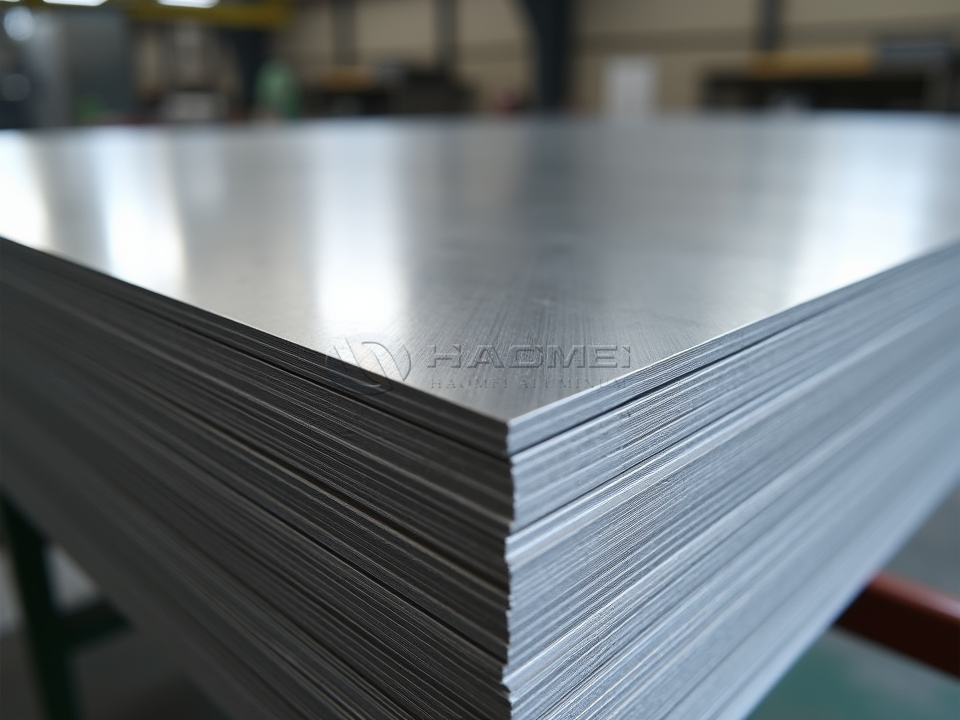
5083 Marine Anodized Aluminum Sheets
5083 marine anodized aluminum sheets combine seawater corrosion resistance, weldability, and durable anodized protection for hulls, decks, and fittings.
View Details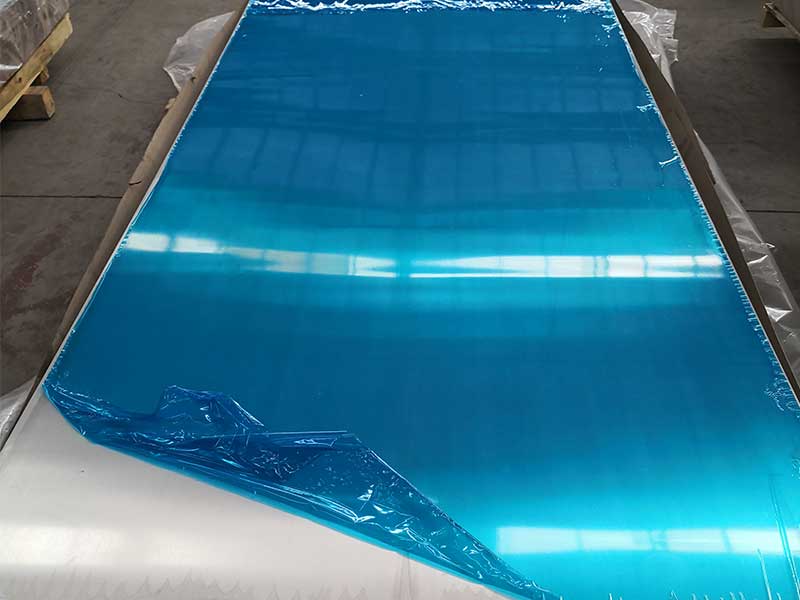
Marine grade aluminum sheet 5083 for ship building
Marine environments punish materials with salt spray, humidity, cyclic loads, and constant maintenance pressure.
View Details
Leave a Message