
5754 5052 h22 h111 h116 aluminum sheet for boat building
Boat builders need sheet material that stays tough in a salty, wet environment, forms cleanly into hull curves, and resists long-term pitting and crevice corrosion around welds and fasteners. 5754 and 5052 aluminum sheets-especially in H22, H111, and H116 tempers-have become go-to choices for small craft, workboats, patrol vessels, pontoons, and superstructure parts where marine corrosion resistance and fabricability matter as much as strength.
These alloys belong to the 5xxx (Al-Mg) family, known for their excellent performance in seawater and strong response to cold work. In practical boat-building terms: they cut smoothly, bend predictably, weld reliably, and provide durable service with sensible maintenance.
Why 5754 and 5052 Are Popular in Marine Sheet
Marine durability with magnesium-based chemistry
Both alloys rely on magnesium to achieve a strong, corrosion-resistant aluminum matrix. Compared with many non-marine alloys, they offer a well-balanced combination of:
- Strong resistance to seawater corrosion and marine atmosphere exposure
- Good weldability for MIG/TIG fabrication
- Excellent formability for chines, hull plates, decks, and bulkheads
- Stable performance in large sheets, including thin-to-medium gauges
5754 vs 5052 in simple workshop language
- 5052 is often favored for general marine sheet work, especially when good forming and consistent quality are required.
- 5754 is commonly selected when builders want a bit more strength potential and robust hull/deck fabrication performance, particularly in European supply chains and for structural plating where good corrosion behavior is essential.
Temper Selection: H22 vs H111 vs H116
Temper influences how the sheet behaves during forming, welding, and in-service loading.
H111
Lightly strain-hardened (or "as fabricated" stabilized) condition. Typically chosen for better ductility and easier forming, making it suitable for complex curves, press forming, and parts with tight bend radii.H22
Strain-hardened and partially annealed. Often selected when you want higher strength than H111 while keeping good formability. A practical choice for decks, internal structures, and panels that benefit from added stiffness.H116
A marine-oriented temper with controlled processing to provide excellent resistance to exfoliation corrosion in seawater environments. Frequently used for hulls, side shells, and structural plating exposed to salt spray, bilge water, and coastal climates.
Note: H116 is widely specified for marine plating in Al-Mg alloys; final selection should match design standards, service environment, and local classification requirements.
Chemical Composition (Typical Reference Ranges)
The following tables summarize commonly referenced composition limits for these alloys. Actual mill certificates control.
5052 Aluminum (Typical Composition)
| Element | Content (wt.%) |
|---|---|
| Magnesium (Mg) | 2.2–2.8 |
| Chromium (Cr) | 0.15–0.35 |
| Silicon (Si) | ≤ 0.25 |
| Iron (Fe) | ≤ 0.40 |
| Copper (Cu) | ≤ 0.10 |
| Manganese (Mn) | ≤ 0.10 |
| Zinc (Zn) | ≤ 0.10 |
| Titanium (Ti) | ≤ 0.15 |
| Aluminum (Al) | Balance |
5754 Aluminum (Typical Composition)
| Element | Content (wt.%) |
|---|---|
| Magnesium (Mg) | 2.6–3.6 |
| Manganese (Mn) | ≤ 0.50 |
| Chromium (Cr) | ≤ 0.30 |
| Silicon (Si) | ≤ 0.40 |
| Iron (Fe) | ≤ 0.40 |
| Copper (Cu) | ≤ 0.10 |
| Zinc (Zn) | ≤ 0.20 |
| Titanium (Ti) | ≤ 0.15 |
| Aluminum (Al) | Balance |
Features That Matter on a Boat
Corrosion resistance in real marine conditions
5xxx sheets are widely used because they naturally form a protective oxide film, and Mg solid-solution strengthening supports robust performance in salt-laden air. For areas like spray zones, cockpits, deck edges, and bilges, these alloys provide dependable resistance when paired with good design practices such as drainage, isolation from dissimilar metals, and proper coatings where needed.
Weldability for fast fabrication
Both 5052 and 5754 weld well using standard marine fabrication methods. They tolerate typical boatyard heat input, and their post-weld corrosion performance is generally strong compared with many heat-treatable alloys.
Common filler guidance (project-dependent):
- ER5356 is widely used for strong, marine-grade welds on Al-Mg base metals.
- ER5183 may be chosen for higher strength in certain joints.
Formability and surface quality
Boat building involves rolling, bending, and sometimes deep forming. H111 is especially accommodating for forming operations; H22 adds stiffness; H116 emphasizes marine exposure performance. In all cases, clean forming results depend on tooling radius, lubrication, and grain direction control.
Weight savings with practical stiffness
Aluminum's low density helps achieve:
- faster acceleration and improved fuel economy
- higher payload capacity
- easier trailering and launching for small craft
- reduced draft in shallow-water designs
Typical Technical Specifications (Supply-Friendly)
Specifications vary by region and customer standards; the table below reflects common purchasing parameters for marine sheet.
| Item | Typical Options |
|---|---|
| Alloys | 5052, 5754 |
| Tempers | H22, H111, H116 |
| Thickness range | 1.0–12.0 mm (common marine range) |
| Width range | 1000–2500 mm (coil/sheet dependent) |
| Length range | 2000–8000 mm (cut-to-length) |
| Surface | Mill finish, one-side protective film optional |
| Standards reference | ASTM B209 / EN AW practices (as applicable) |
| Processing | Leveling, shearing, CNC cutting, forming support |
Typical Mechanical Expectations (Practical Ranges)
Mechanical properties vary by thickness and mill process. Use this as a practical comparison rather than a design guarantee.
| Alloy / Temper | Relative Strength | Relative Formability | Marine Exposure Suitability |
|---|---|---|---|
| 5052-H111 | Medium | High | Very good |
| 5052-H22 | Medium-high | Medium-high | Very good |
| 5754-H111 | Medium | High | Very good |
| 5754-H22 | High | Medium-high | Very good |
| 5052/5754-H116 | Medium-high | Medium | Excellent for marine service |
Applications in Boat Building
Hull and side plating
For hull shells, plating must resist wave slamming loads, abrasion, and constant wetting. H116 is frequently specified for external plating thanks to its marine-focused corrosion resistance, especially in areas exposed to salt spray and intermittent immersion.
Decks, superstructures, and cabins
Deck panels benefit from stiffness and stable flatness. H22 is a practical choice where builders want a firmer sheet that reduces oil-canning while still forming well around coamings, hatches, and deck camber.
Bulkheads, partitions, and internal structure
Internal structure needs a clean weld response and predictable bending. H111 performs well for frames, webs, lockers, and partitions, especially where the shop needs easy fit-up and forming without cracking.
Tanks, lockers, and wet compartments
Al-Mg sheets are commonly used around wet storage areas. Proper design remains essential: avoid trapped water, ensure ventilation, and isolate stainless fasteners with washers/sleeves to reduce galvanic risk.
Pontoons and work platforms
5052 and 5754 are well suited to pontoons, walkways, and utility platforms, where corrosion resistance and weld integrity are critical and cosmetic perfection is less important than long service life.
Processing Notes That Improve Results
| Topic | Practical Recommendation |
|---|---|
| Cutting | Use sharp tooling; control heat input on plasma to reduce edge oxidation |
| Forming | Prefer larger bend radii for H22/H116; align bends thoughtfully to grain direction |
| Welding | Keep joints clean; remove oxide; use suitable filler and shielding gas practices |
| Corrosion design | Provide drainage, avoid crevices, isolate dissimilar metals, seal lap joints where possible |
| Finishing | Consider marine coatings for aesthetics and added protection in aggressive zones |
Choosing Between 5754 and 5052 for Your Project
| Build Priority | Recommended Choice |
|---|---|
| High formability for complex curves | 5052-H111 or 5754-H111 |
| Extra stiffness for panels and decks | 5052-H22 or 5754-H22 |
| Strong marine exposure resistance for plating | 5052-H116 or 5754-H116 |
| Widely used "general marine sheet" | 5052 (H111/H22) |
| Structural plating preference in many markets | 5754 (H111/H116) |
5754 and 5052 aluminum sheets in H22, H111, and H116 tempers offer an excellent toolkit for boat builders: dependable marine corrosion resistance, shop-friendly forming, and consistent weldability. For fast builds and complex shapes, H111 keeps fabrication smooth. For stiffer panels, H22 adds strength without sacrificing practicality. For long-term seawater exposure, H116 is a strong choice for hull and outer structure.

Related Products
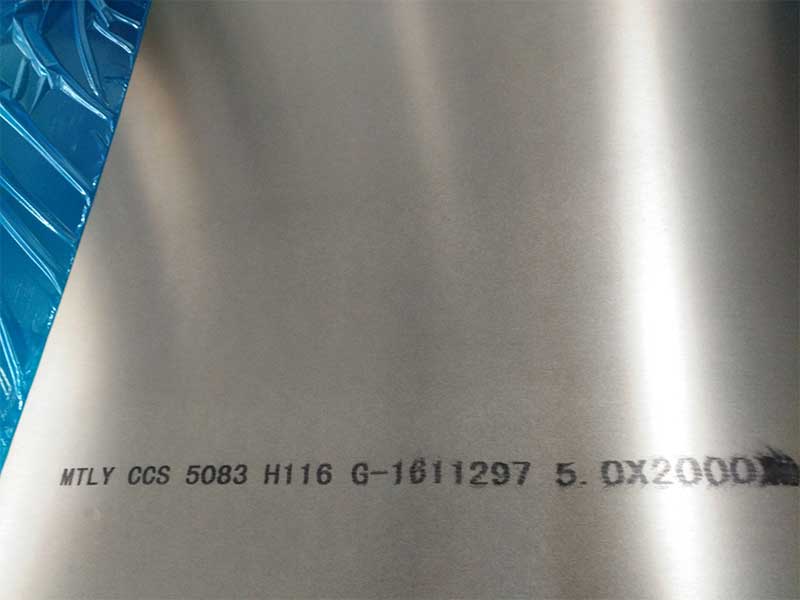
Marine 5083 aluminum sheet
Aluminum alloy 5083 is a non-heat-treatable alloy primarily composed of magnesium and trace elements that deliver outstanding protection against corrosion, particularly in seawater and saline atmospheres.
View Details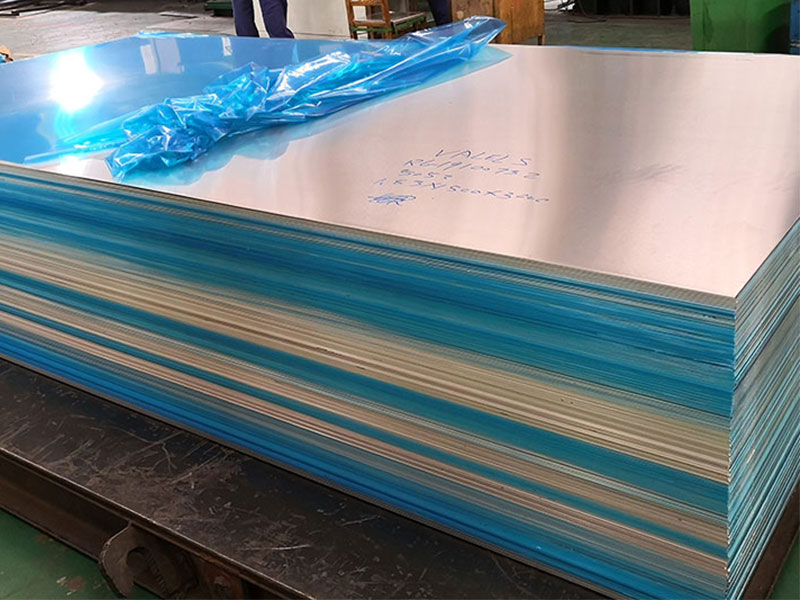
Marine 5059 aluminum sheet
5059 aluminum alloy is a strain-hardened material with a unique addition of magnesium and chromium, which provides outstanding resistance to localized corrosion like pitting and stress corrosion cracking.
View Details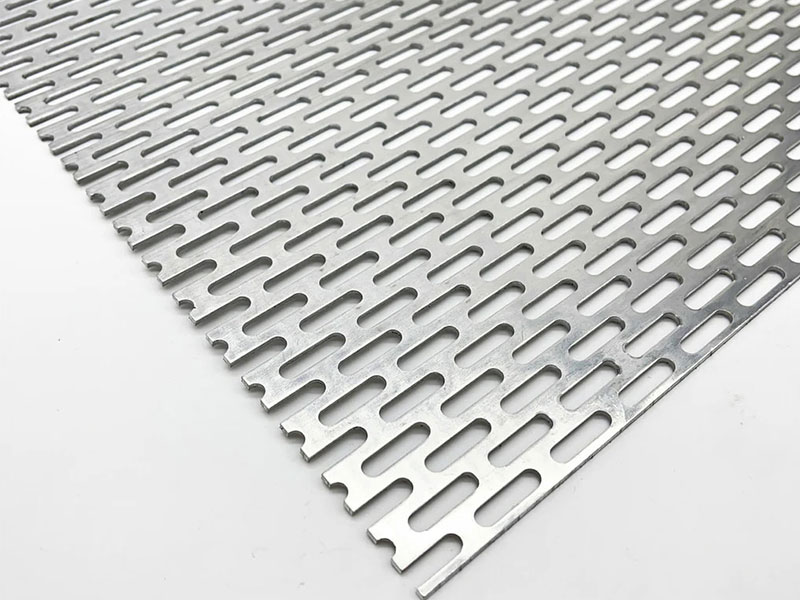
Marine perforated aluminum sheets
Marine Perforated Aluminum Sheets feature a series of uniform holes or shapes punched through the aluminum surface. These perforations can vary in size, pattern, and open area to tailor the sheets for specific applications.
View Details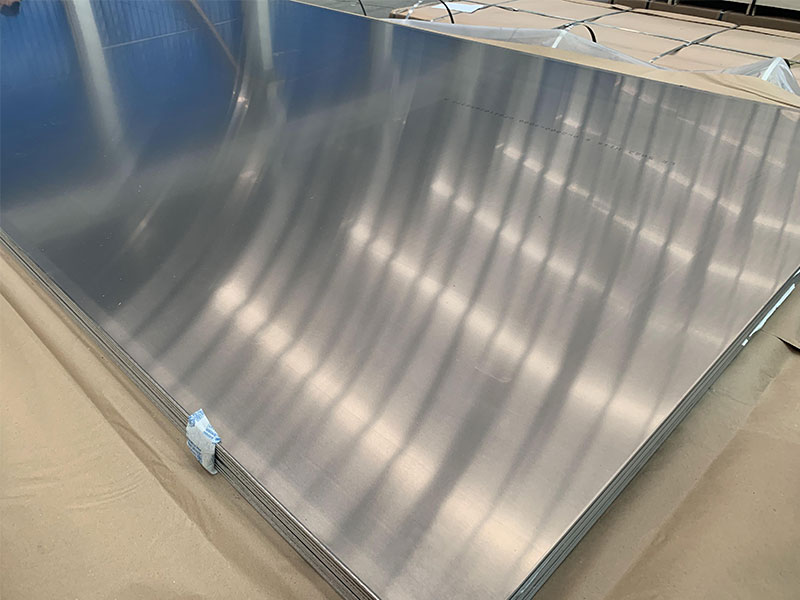
Marine 5052 aluminum sheet
Aluminum alloy 5052 is a non-heat-treatable, strain-hardened alloy with magnesium as the primary alloying element. It is designed to offer superior corrosion resistance in marine and saline environments, making it a dependable choice for components exposed directly to seawater or coastal atmospheric conditions.
View Details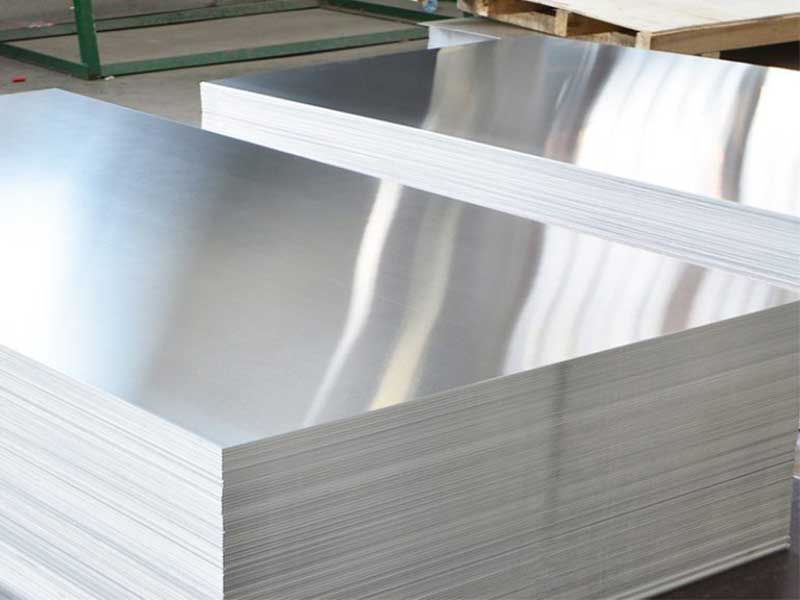
Marine anodized aluminum sheets
Marine Anodized Aluminum Sheets start with premium marine-grade aluminum alloys such as 5000 and 6000 series (typically 5083, 5052, and 6061).
View Details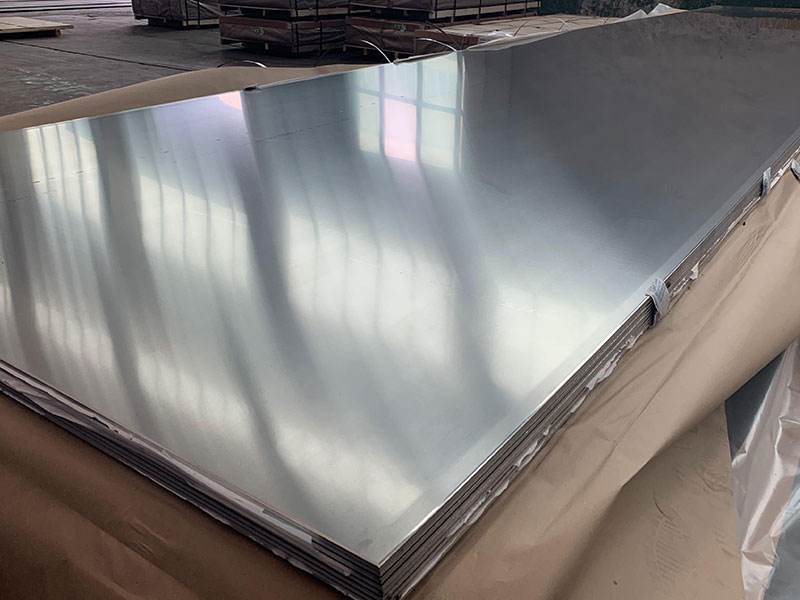
Marine 5086 aluminum sheet
This product article provides an in-depth and comprehensive understanding of Marine 5086 Aluminum Sheets, including their chemical composition, mechanical properties, corrosion resistance, fabrication capabilities, and typical marine applications.
View DetailsRelated Blog
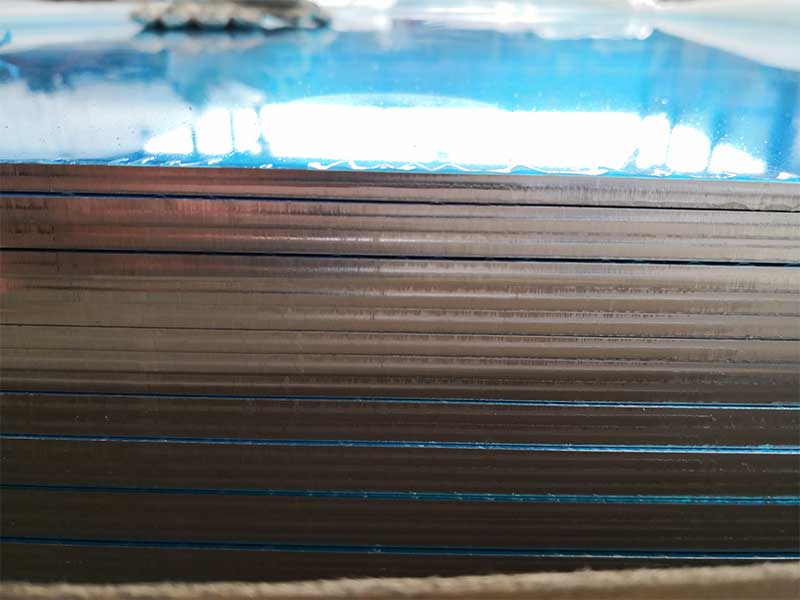
0.3mm 0.4mm 0.5mm 1.6mm Thickness Roll Aluminium Coil Sheet 5052 h32 For Boat
When it comes to marine applications, selecting the right material is crucial for performance, durability, and safety. Enter the 5052 H32 marine aluminum coil sheet, available in thicknesses ranging from 0.
View Details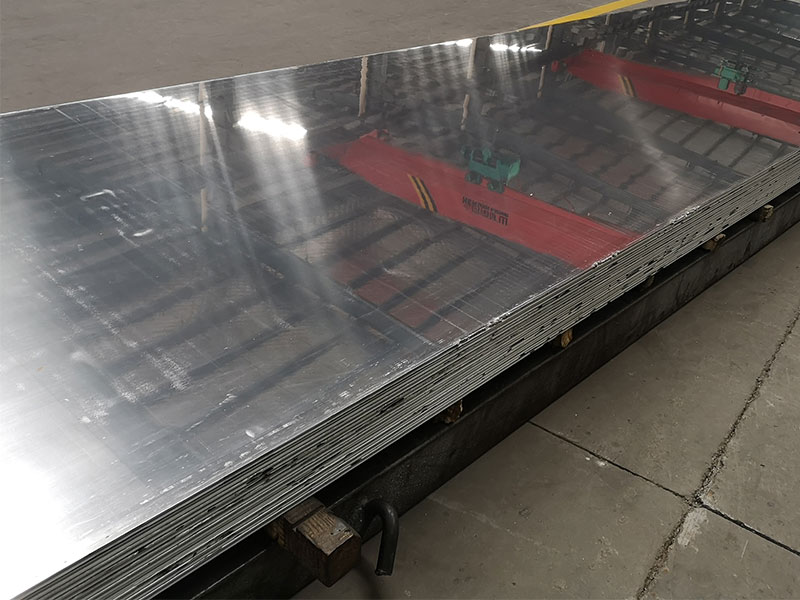
5052 5083 5086 Marine Grade Aluminium Sheet for Boat Building
Marine-grade aluminum is essential for constructing durable, lightweight vessels capable of withstanding harsh marine environments. In particular, 5052, 5083.
View Details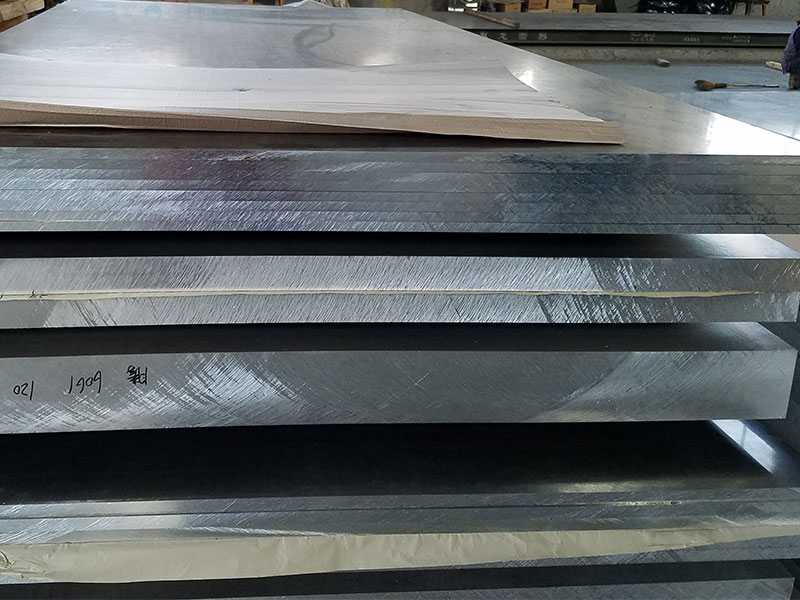
Marine Grade 5052 H112 Aluminum Coil
When it comes to marine construction and equipment, material choice plays a crucial role in determining durability, performance, and safety. Marine Grade 5052 H112 aluminum coil stands out as a superior option specially engineered for marine environments.
View Details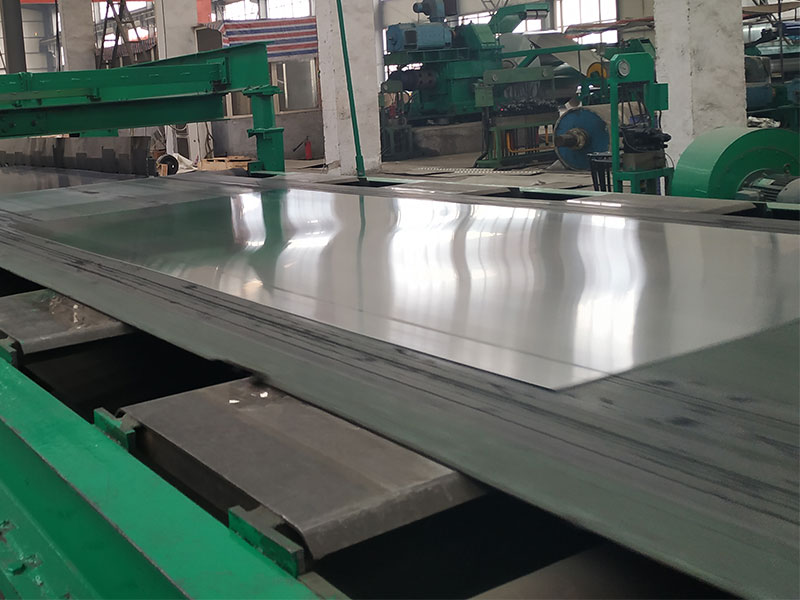
Aluminium sheet 8mm alloy 5052 h112 for boat
When selecting materials for marine applications, especially in boat building, the balance between strength, corrosion resistance, and workability is crucial. Aluminium sheet 8mm thick made from alloy 5052 in temper H112 epitomizes this balance.
View Details
5052 5083 Aluminum coil for boat yacht
Marine structures live in a harsh world: salt spray, cyclic loading from waves, temperature swings, and constant exposure to moisture.
View Details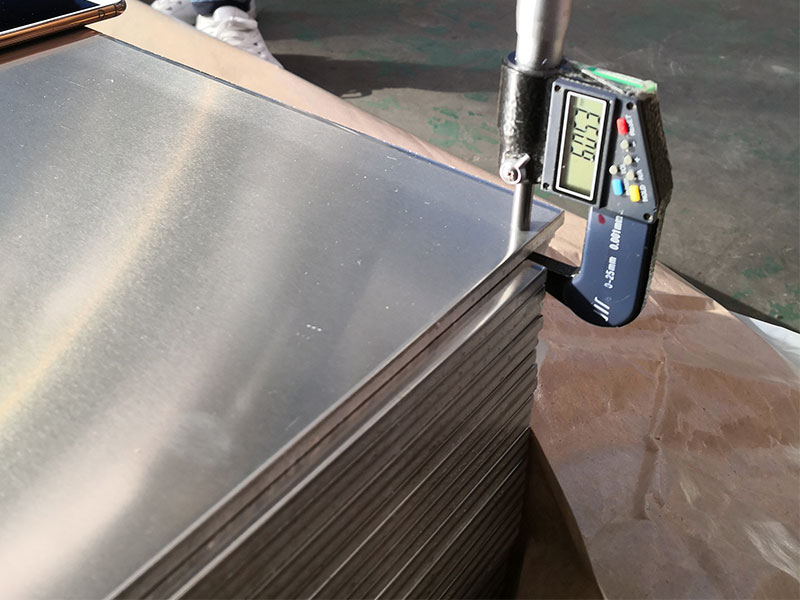
5052 5083 marine grade aluminium sheet for boat
Marine grade aluminium alloys 5052 and 5083 are among the most widely used non-heat-treatable alloys for shipbuilding, small vessels, and marine components. They combine good corrosion resistance in seawater, excellent weldability and formability.
View Details
Leave a Message