
6061 Marine Aluminum Customized Shapes for High Performance Boat Frame Structures
High-performance boat frames demand a material that can balance strength, weight savings, corrosion resistance, and fabrication flexibility. 6061 Marine aluminum customized shapes-extrusions, tubes, channels, angles, and purpose-designed profiles-deliver that balance for frame structures, subframes, deck supports, T-top frames, equipment mounts, and structural reinforcements. Built around a heat-treatable Al-Mg-Si alloy system, 6061 is widely selected when designers want predictable strength, excellent machinability, reliable welding performance, and consistent availability in marine-grade supply chains.
Why 6061 for Marine Boat Frame Structures
6061 is often chosen for structural members where the frame must resist bending, vibration, and localized impact while keeping overall hull weight low. Compared with heavier structural metals, it improves power-to-weight efficiency and helps maintain stability and acceleration. Compared with some ultra-high-strength aluminums, it provides a more forgiving combination of weldability, corrosion behavior, and cost-effective processing.
Core product advantages
| Feature | What it means for boat frames | Customer value |
|---|---|---|
| High strength-to-weight | Structural strength without adding mass | Faster planing, better fuel economy, higher payload margin |
| Excellent fabrication range | Extrusion, machining, bending, drilling | Faster build cycles, fewer parts, cleaner assemblies |
| Reliable weldability | TIG/MIG friendly with correct filler and procedure | Strong frame joints, simplified repairs |
| Good corrosion resistance | Protective oxide layer; responds well to coating/anodizing | Longer service life in coastal and wet environments |
| Custom extrusion capability | Tailored wall thickness, ribs, flanges, wire/chase features | Part consolidation, fewer welds, improved stiffness |
Customized Shapes: Designed to Reduce Weight and Weld Count
A customized marine extrusion is more than a "shape"-it is a structural solution. By integrating ribs, flanges, and attachment lands into a single profile, designers can increase stiffness and reduce assembly complexity.
| Common customized shape | Typical use in boat frames | Design benefit |
|---|---|---|
| Rectangular / square tube | Primary frame rails, cross members | High torsional stiffness, clean load paths |
| Channels and C-sections | Stringer supports, seat bases | Easy fastening, good bending strength |
| Angles and L-profiles | Brackets, edge reinforcement | Simple joining and alignment |
| T-slots / track profiles | Modular mounting rails | Adjustable equipment and interior fit-out |
| Hat sections / stiffeners | Deck supports, thin panel reinforcement | Excellent stiffness with minimal weight |
| Purpose-built profiles | Integrated cable chase, drain features | Cleaner builds, better serviceability |
Typical Applications in High Performance Boats
| Boat type | Frame/structure components often made from 6061 shapes |
|---|---|
| Performance center console | T-top frame, leaning post frame, deck subframes, electronics mounts |
| RIBs and patrol craft | Structural supports, equipment racks, shock-resistant framing |
| Offshore fishing boats | Hardtop support, storage framing, ladder mounts, transom reinforcement parts |
| Workboats and utility craft | Tooling frames, guard rails, structural racks, modular deck systems |
| Electric or hybrid boats | Battery rack frames, equipment trays, vibration-resistant structural mounts |
Chemical Composition (Typical, AA 6061)
6061 is an Al-Mg-Si alloy with controlled additions for strength and process stability. Values below reflect commonly referenced AA limits.
| Element | Typical specification range (wt.%) |
|---|---|
| Aluminum (Al) | Balance |
| Magnesium (Mg) | 0.80–1.20 |
| Silicon (Si) | 0.40–0.80 |
| Copper (Cu) | 0.15–0.40 |
| Chromium (Cr) | 0.04–0.35 |
| Iron (Fe) | ≤ 0.70 |
| Manganese (Mn) | ≤ 0.15 |
| Zinc (Zn) | ≤ 0.25 |
| Titanium (Ti) | ≤ 0.15 |
| Others (each) | ≤ 0.05 |
| Others (total) | ≤ 0.15 |
Temper Options and What They Mean in Boat Building
Temper selection controls strength, forming behavior, and post-weld performance. For marine frame structures, the most common conditions are T6 and T651, with T4 used when forming is prioritized.
| Temper | Condition description | Practical use in customized marine shapes |
|---|---|---|
| T6 | Solution heat treated + artificially aged | High strength structural members, rails, cross members |
| T651 | T6 + stress relieved by stretching | Improved dimensional stability for machined components |
| T4 | Solution heat treated + naturally aged | Better formability for bending/rolling before final aging |
| O (annealed) | Fully softened | Specialized forming, then heat treat as required |
Mechanical Properties (Typical Values)
Mechanical properties vary with product form, thickness, and supplier practice. The values below are typical for 6061 extrusions and shapes used in structural applications.
| Property | 6061-T6 (typical) | 6061-T651 (typical) | Notes for boat frames |
|---|---|---|---|
| Ultimate tensile strength | ~290 MPa (42 ksi) | ~290 MPa (42 ksi) | High load capacity for lightweight framing |
| Yield strength | ~240 MPa (35 ksi) | ~240 MPa (35 ksi) | for frame stiffness and permanent set resistance |
| Elongation | ~10–12% | ~10–12% | Supports vibration tolerance and real-world toughness |
| Density | 2.70 g/cm³ | 2.70 g/cm³ | Major weight advantage vs. steel structures |
| Modulus of elasticity | ~69 GPa | ~69 GPa | Stiffness design relies on profile geometry and section depth |
Dimensional and Supply Capabilities (Typical)
Customized shapes are typically delivered as mill-length extrusions, cut-to-length blanks, or fully machined parts. Availability depends on die design, order volume, and tolerances.
| Item | Common offering range | Customer note |
|---|---|---|
| Profile type | Tube, channel, angle, T-slot, custom | Optimize section for stiffness-to-weight |
| Wall thickness | ~1.5–12 mm (typical extrusion range) | Thicker walls improve weld land strength |
| Length | Up to ~6–12 m (mill length typical) | Cut-to-length available for production efficiency |
| Tolerances | Standard extrusion tolerances; tighter by agreement | Critical for jig fit-up and minimized rework |
| Surface finish | Mill finish, brushed, anodized-ready | Choose for appearance and coating performance |
Corrosion Performance and Marine Protection Strategy
6061 offers good corrosion resistance, especially when paired with best-practice protection methods. In real boat environments, corrosion performance is strongly influenced by design details and finishing, not alloy choice alone.
| Risk factor | Best practice for 6061 marine frames | Result |
|---|---|---|
| Saltwater exposure | Rinse cycles, drainage-friendly design, avoid water traps | Lower pitting and crevice corrosion risk |
| Galvanic coupling | Isolate dissimilar metals, use compatible fasteners, apply barrier coatings | Reduces galvanic corrosion at joints |
| Coating adhesion | Proper cleaning/degreasing, controlled surface prep | Longer-lasting paint or powder systems |
| Abrasion and wear | Anodizing or hardcoat where appropriate | Better surface durability on contact areas |
Welding and Fabrication Notes for Frame Builders
6061 is widely welded in marine fabrication shops using MIG (GMAW) and TIG (GTAW) processes. Like many heat-treatable alloys, the heat-affected zone will reduce local strength relative to T6 until properly managed by design or post-weld heat treatment where feasible.
| Topic | Practical guidance | Build outcome |
|---|---|---|
| Common filler choices | ER4043 (smooth, crack-resistant) or ER5356 (stronger in some cases) | Stable welds and marine-ready joints |
| Joint design | Add weld lands, avoid sharp notches, use gussets where needed | Higher fatigue resistance and stiffness |
| Post-weld expectations | Local strength reduction near welds | Smart section design compensates without weight penalty |
| Machining | Excellent machinability | Precise mounting interfaces and clean assembly |
Quality Options for Marine Customers
| Quality/inspection option | What it covers | When it matters most |
|---|---|---|
| Material certification | Heat/lot traceability, chemistry, temper verification | Critical builds, commercial craft, export requirements |
| Dimensional inspection | Profile critical dimensions and twist/bow | Tight fit-up, automated assembly lines |
| Surface quality control | Die lines, dents, handling marks | Visible structures and anodized finishes |
| Cut-to-length accuracy | Length control, squareness | Faster jigging, less trimming |
6061 Marine aluminum customized shapes provide a high-strength, corrosion-resistant, fabrication-friendly foundation for high-performance boat frame structures. With extrusion-based design freedom, builders can consolidate parts, reduce weld count, improve stiffness-to-weight ratio, and accelerate assembly-while keeping long-term durability in focus through smart corrosion protection and quality-controlled supply.
6061 Marine aluminum customized shapes deliver lightweight strength, corrosion resistance, and excellent weldability for high-performance boat frame structures. Explore applications, temper options, chemical composition, and technical specifications for marine-grade extrusions and profiles.

Related Products
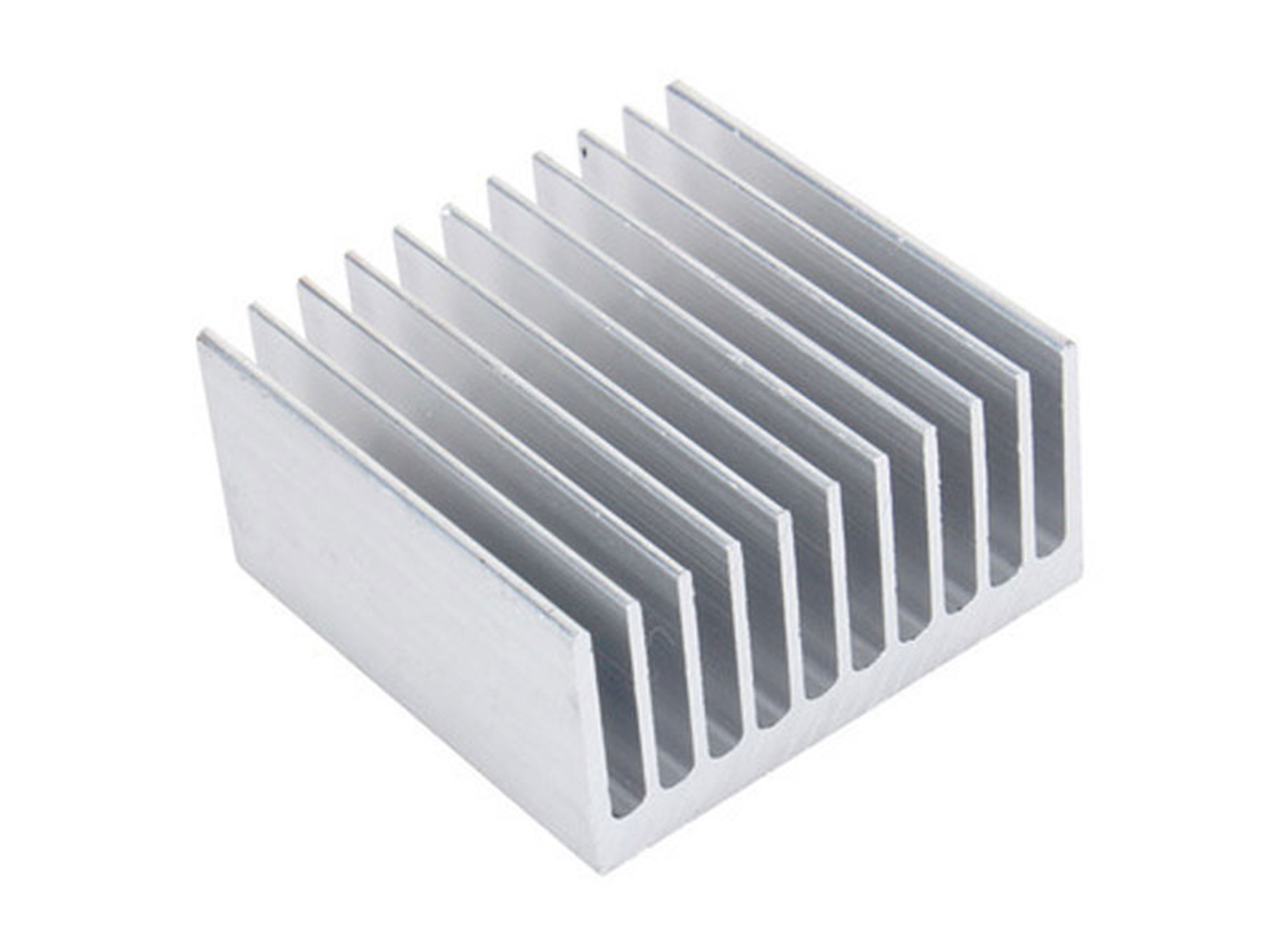
Marine aluminum heat sink profile
Marine Grade Aluminum Heat Sink Profiles utilize alloys such as 6061 and 6063 that not only exhibit high thermal conductivity but also possess excellent corrosion resistance required for saltwater exposure.
View Details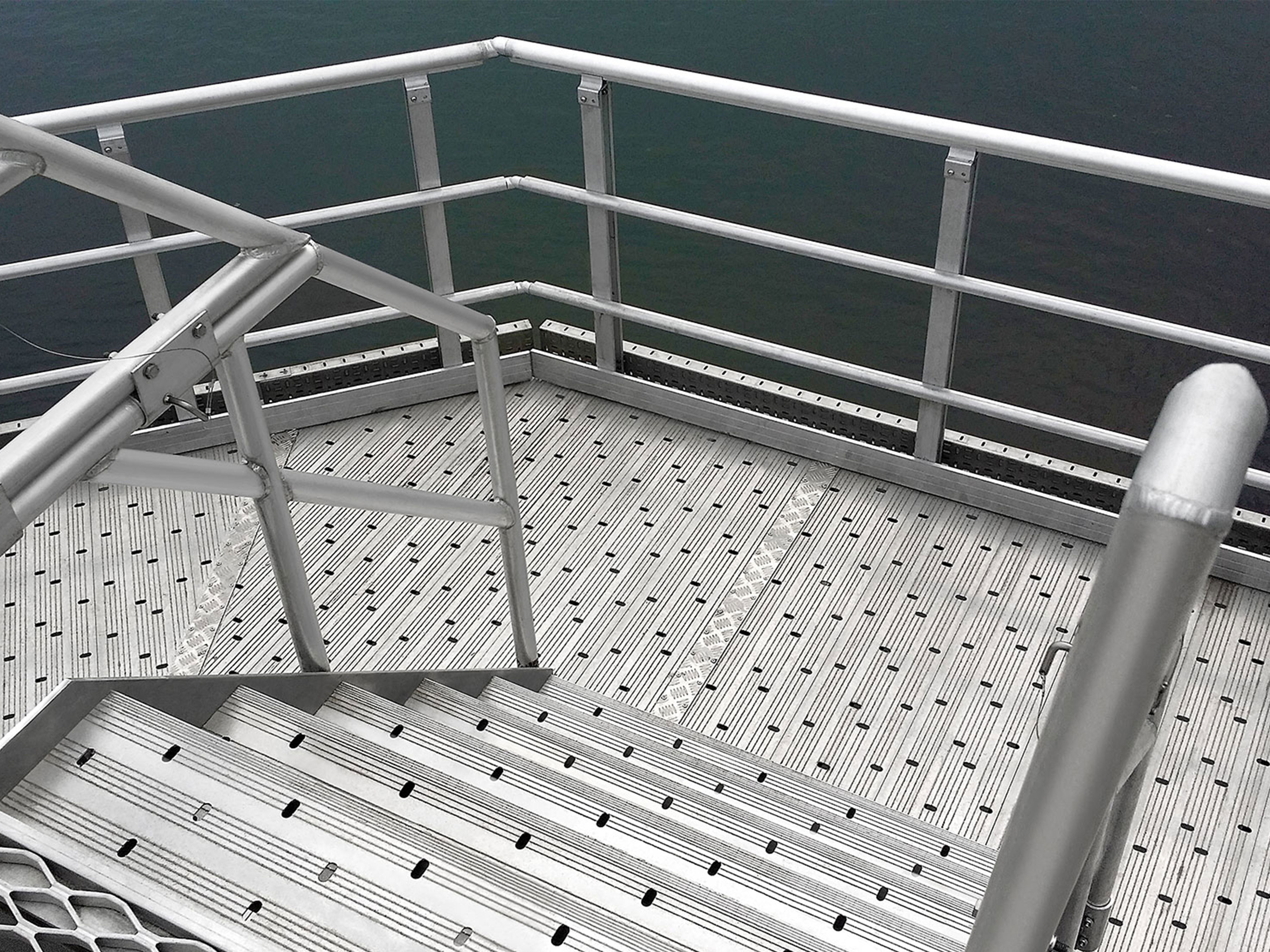
Marine aluminum customized shapes
Marine Grade Aluminum Customized Shapes encompass a broad range of aluminum extrusions and fabrications engineered beyond standard profiles—such as channels, angles, tubes, and beams—into complex, project-specific geometries.
View Details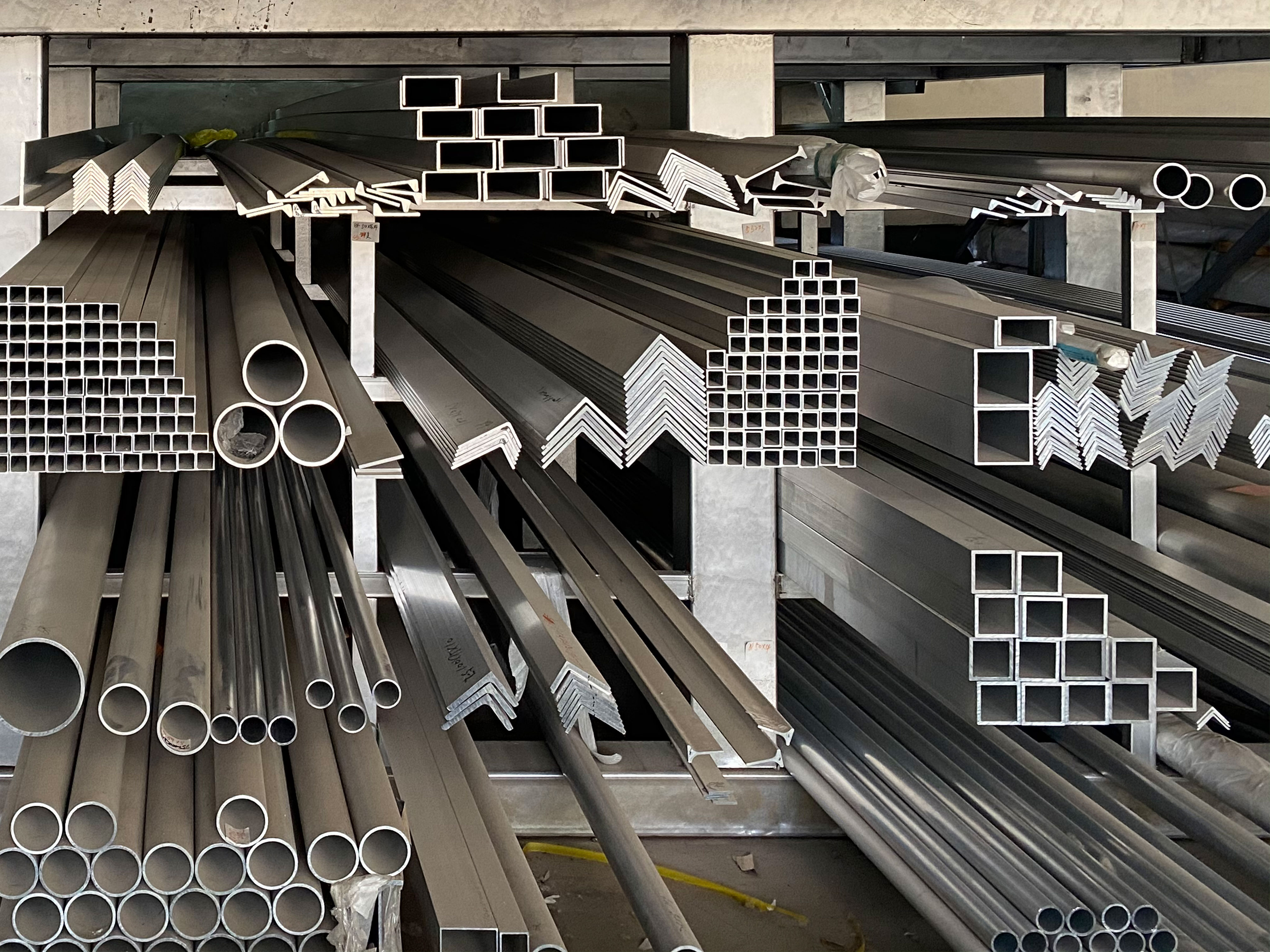
Marine aluminum fencing and railings
Marine Grade Aluminum Fencing and Railings are fabricated using marine-grade aluminum alloys such as 5083, 5052, and 6061, which are engineered specifically for protection against saltwater corrosion and marine atmospheric conditions.
View DetailsRelated Blog
6061 Marine Aluminum Customized Shapes for Lightweight Offshore Deck Solutions
In the realm of offshore engineering, performance materials dramatically impact the longevity, safety, and efficiency of marine structures. 6061 Marine Aluminum alloys, particularly when fabricated into customized shapes.
View Details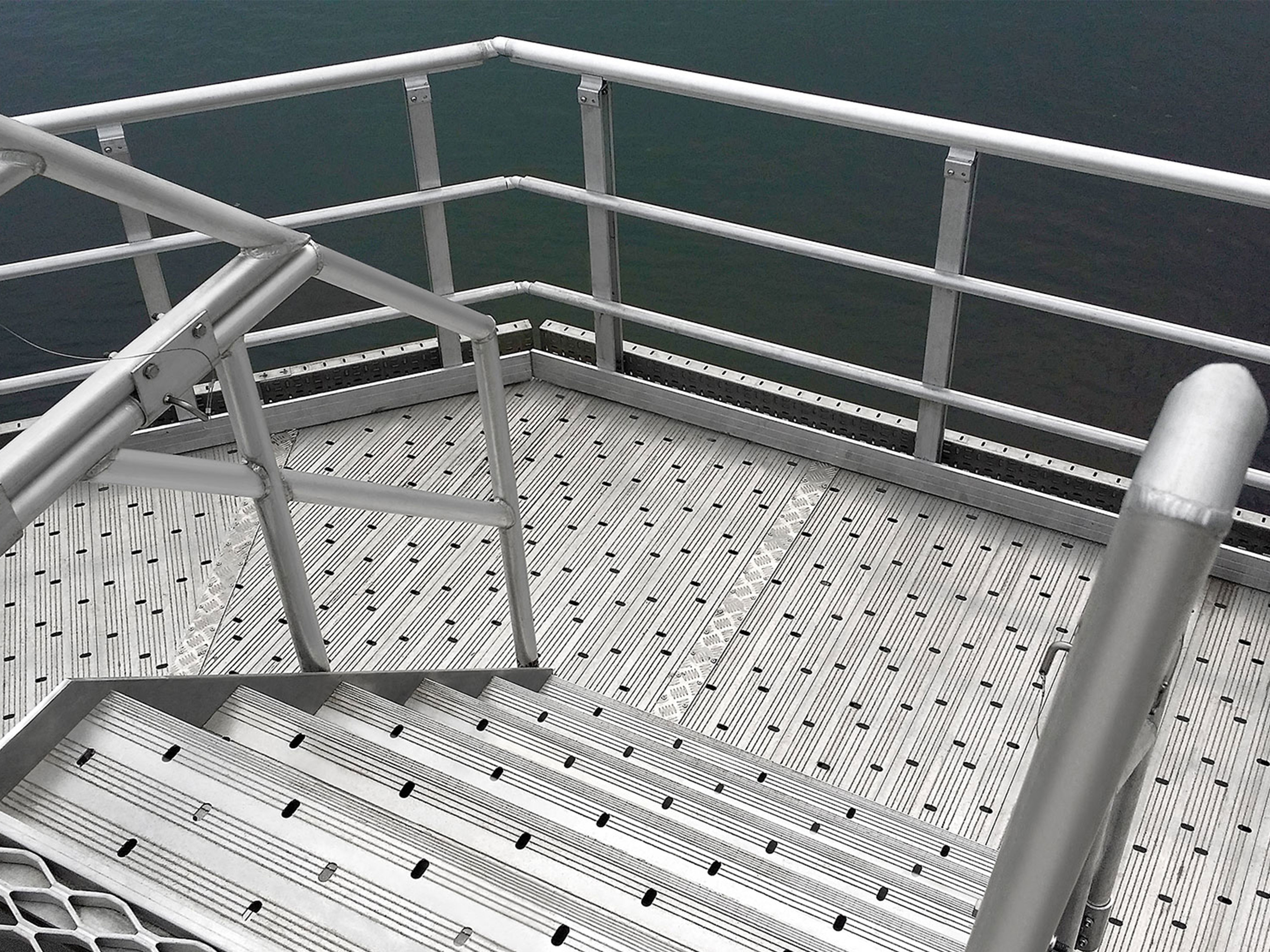
Marine Aluminum Fencing and Railings for Durable Boat Deck Guardrails
OverviewMarine aluminum fencing and railings are purpose-designed alloy systems used for guardrails, handrails, stanchions, and safety barriers on boats, docks, marinas, and waterfront properties.
View Details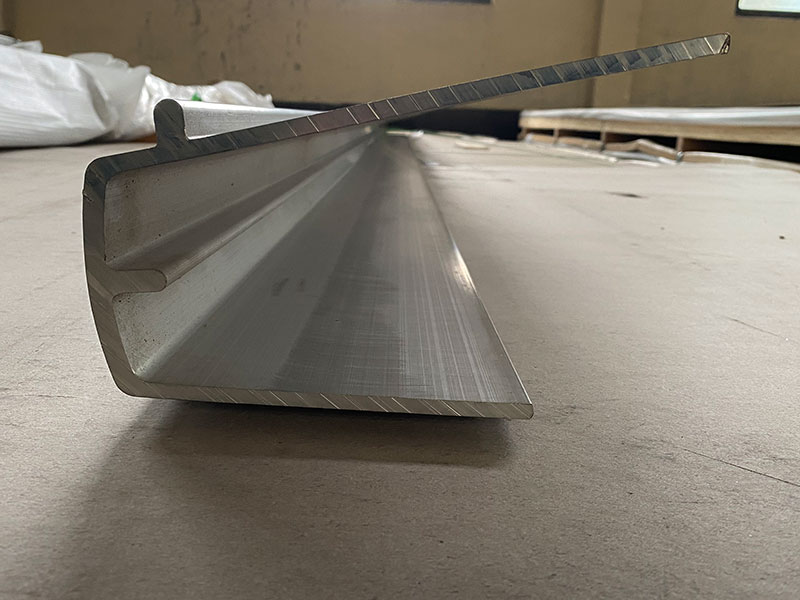
6061 Marine Aluminum Customized Shapes for Efficient Coastal Engineering Projects
6061 Marine Aluminum is a premium-grade aluminum alloy recognized for its exceptional corrosion resistance, mechanical strength, and versatility in coastal engineering.
View Details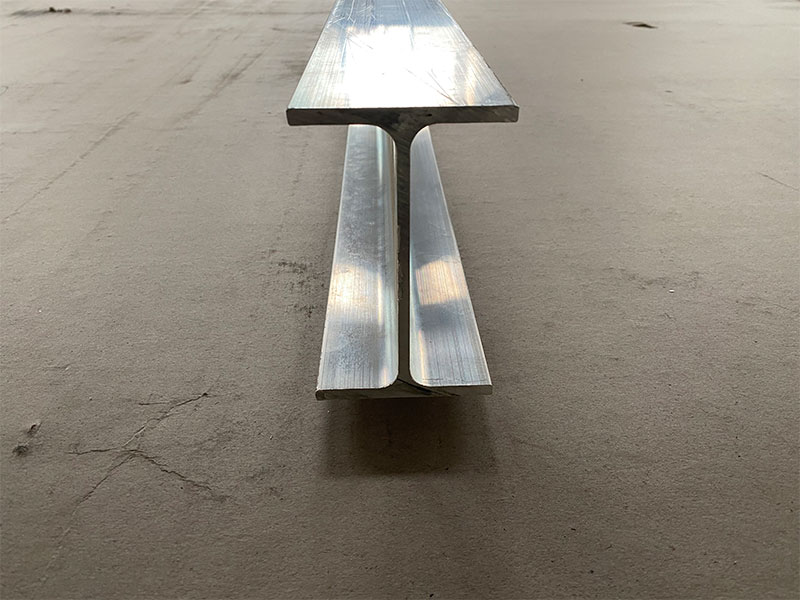
6061 Marine Aluminum Heat Sink Profile for Offshore Engine Cooling Solutions
In the highly demanding environment of offshore engineering, efficient thermal management is critical for maintaining the performance and longevity of marine engines.
View Details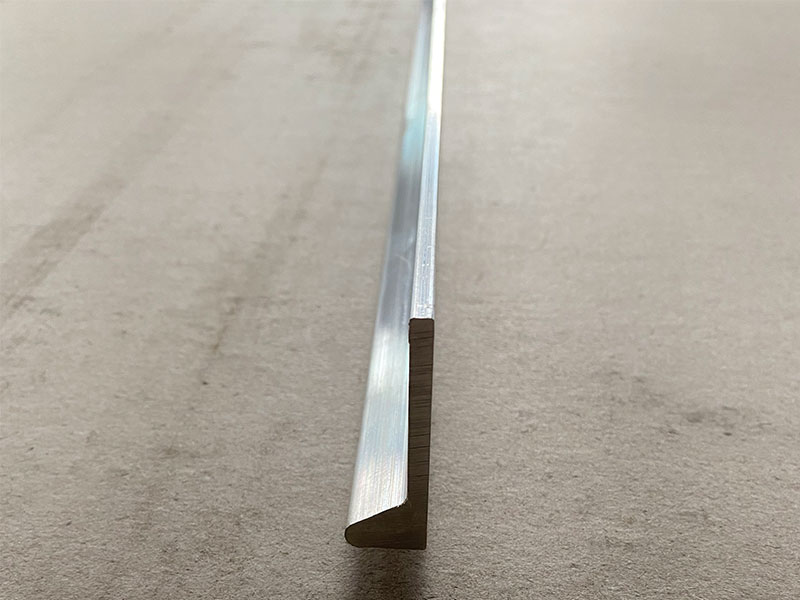
6061 Marine Aluminum Heat Sink Profile for Lightweight Boat Engine Heat Dissipation
Modern marine propulsion systems-whether compact outboards, inboard auxiliaries, electric drives, or hybrid gensets-are increasingly power-dense. That pushes more thermal load into smaller spaces.
View Details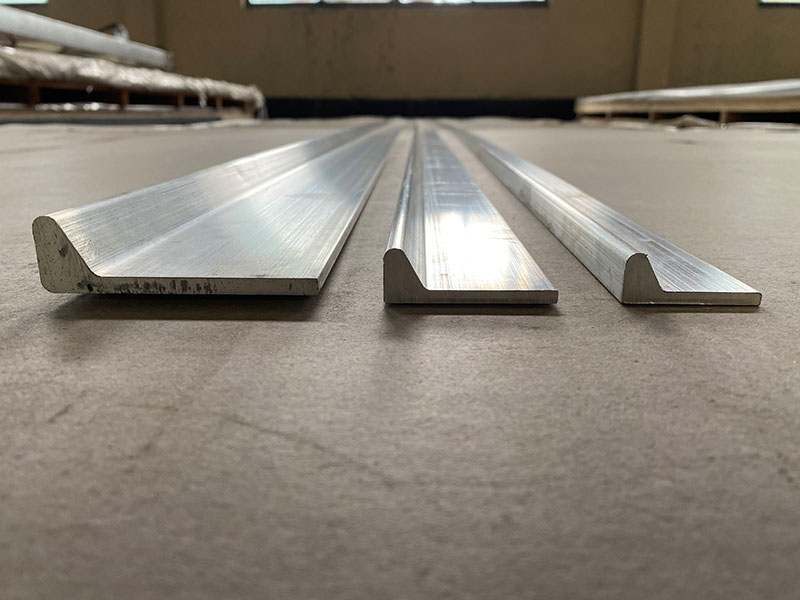
6061 Marine Aluminum Customized Shapes for Lightweight Offshore Platform Design
Explore how 6061 marine aluminum customized shapes offer superior strength, corrosion resistance, and lightweight characteristics essential for innovative offshore platform design, enabling robust and efficient marine structures.
View Details
Leave a Message