
5083 Marine aluminum I beams
When people talk about 5083 marine aluminum I beams, they often focus on a simple promise: strong, corrosion-resistant, and lighter than steel. A more revealing way to understand this product is to view it through stress flow-how loads travel through a structure in waves of tension and compression, much like currents moving through a hull. In this perspective, an I beam is not just a shape; it is a guided pathway for forces, engineered to carry bending efficiently while keeping mass and corrosion risk under control.
In marine environments, that force pathway must remain stable even as salt spray, humidity, cyclic loading, and temperature changes constantly try to disrupt it. That is exactly where 5083 aluminum alloy becomes a standout choice for marine-grade I beams.
Why 5083 Is "Marine" in a Practical, Not Marketing, Sense
5083 is an Al-Mg (aluminum–magnesium) alloy, widely recognized as one of the best non-heat-treatable aluminum alloys for seawater exposure. Its corrosion performance is not a coating-dependent story; it is largely inherent to the alloy's chemistry and microstructure.
From the stress-flow viewpoint, marine durability means something specific: the beam must resist not only general corrosion, but also localized attack, crevice conditions, and long-term loss of effective section thickness. A small reduction in flange thickness changes stress distribution dramatically, especially in long-span frames, catwalks, vessel decks, and pier assemblies. 5083's resistance to marine corrosion helps preserve the beam's designed geometry and therefore preserves its load path.
The I Beam Shape: A Load-Path Amplifier for Lightweight Structures
An I beam concentrates material into the flanges where bending stresses peak, while the web primarily resists shear. In aluminum design, this is especially valuable because the material's elastic modulus is lower than steel's, making deflection control a design constraint. Using an I beam can reduce weight while keeping stiffness and strength in the right places.
In marine builds, 5083 aluminum I beams often appear in:
- Ship and workboat deck supports, longitudinals, and superstructure framing
- Gangways, offshore walkways, and service platforms
- Dock and pier framing where corrosion resistance is as important as load capacity
- Lightweight bridges in coastal zones and brackish environments
- Retrofit strengthening where steel's weight or corrosion maintenance becomes a penalty
Technical Parameters Designers Actually Use (and Why They Matter)
Instead of treating parameters as a checklist, consider what each one does to the stress-flow behavior and durability of a 5083 marine aluminum I beam:
Alloy designation: AA 5083 / EN AW-5083
This tells you it's an aluminum–magnesium alloy with strong marine corrosion resistance and good weldability.Temper (common): H111, H116, H321
These indicate strain-hardened/controlled conditions used to balance strength, formability, and marine corrosion performance. For marine service, H116 and H321 are frequently specified because they are associated with improved resistance to exfoliation and stress-related corrosion behavior in seawater service compared with generic strain-hardened tempers.Density (typical): about 2.66 g/cm³
This is the weight advantage lever-critical for fuel economy, payload, and handling in marine construction.Elastic modulus (typical aluminum): about 69–71 GPa
Designers manage deflection with section selection and framing strategy; the I beam shape helps place material efficiently.Thermal conductivity: relatively high versus steel
Helpful for heat spreading, but welding procedures must control heat input to manage distortion.Weldability: excellent with suitable filler selection
Marine fabrications often rely on welded assemblies; 5083 is widely used for that reason.
Because real projects vary, the most useful "parameter" is often not a single strength number, but the combined effect of temper + thickness + weld strategy + service environment.
Implementation Standards and Common Specifications for 5083 Marine Aluminum I Beams
Marine projects tend to be documentation-heavy for good reasons: liability, inspection, classification, and long service life. 5083 products and fabricated beams are commonly ordered or verified against standards such as:
- EN 573 (chemical composition for aluminum wrought products)
- EN 485 (mechanical properties and tolerances for sheet/plate; often referenced in broader material verification)
- EN 755 (extruded products; dimensional tolerances for profiles where applicable)
- ASTM B928 (high-magnesium aluminum-alloy sheet/plate for marine service, widely referenced when plate is used to fabricate I beams)
- ASTM B209 (general aluminum plate/sheet, sometimes referenced depending on procurement)
For marine structures, you may also see project requirements referencing classification society rules or shipyard specifications, particularly when beams are integrated into vessel structures.
A practical note from the field: many "5083 I beams" are either extruded shapes (when available in the required size) or fabricated I sections welded from plate. That procurement detail matters because it affects tolerances, weld seam placement, and inspection planning.
Alloy Tempering and Condition: What H111, H116, and H321 Mean in Marine Reality
5083 is not heat-treatable in the way 6xxx or 7xxx alloys are. Its strength is primarily achieved through solid-solution strengthening (magnesium) and strain hardening.
H111 is often used when moderate strength and good formability are needed. It can be a practical choice for parts that need bending or fit-up tolerance, but designers should confirm marine corrosion expectations and service stress levels.
H116 is a marine-focused temper commonly associated with improved resistance to exfoliation corrosion in seawater service conditions. This temper is frequently specified for shipbuilding plate and marine structures.
H321 is a stabilized strain-hardened temper intended to help control susceptibility to certain corrosion behaviors in high-magnesium alloys and maintain property consistency after processing.
From the stress-flow perspective, the temper choice is about keeping the beam's load-path reliable over time: not only initial strength, but stability under marine exposure, cyclic loads, and welded joints.
Chemical Composition of 5083 Marine Aluminum (Typical Specification Ranges)
Below is a commonly referenced composition range for AA 5083. Actual mill certificates control final acceptance, but this gives a useful engineering picture.
| Element | Composition (wt.%) |
|---|---|
| Magnesium (Mg) | 4.0–4.9 |
| Manganese (Mn) | 0.4–1.0 |
| Chromium (Cr) | 0.05–0.25 |
| Iron (Fe) | ≤ 0.40 |
| Silicon (Si) | ≤ 0.40 |
| Copper (Cu) | ≤ 0.10 |
| Zinc (Zn) | ≤ 0.25 |
| Titanium (Ti) | ≤ 0.15 |
| Others (each) | ≤ 0.05 |
| Others (total) | ≤ 0.15 |
| Aluminum (Al) | Balance |
Why this chemistry works so well at sea: magnesium drives strength and corrosion behavior, while manganese and chromium help refine microstructure and support performance in demanding service.
Corrosion and the "Edge Problem": Where I Beams Win or Lose in Saltwater
A marine I beam's most vulnerable points are often not the broad faces; they are the edges, crevices, weld toes, and trapped-water zones. Thinking in stress-flow terms helps here: these same regions often coincide with stress concentrations or fatigue hotspots.
Best-practice design and fabrication considerations include:
- Avoiding persistent water traps in beam seats and bracket interfaces
- Using weld profiles that reduce stress concentration and improve coating continuity (when coatings are used)
- Selecting compatible fasteners and isolators to reduce galvanic coupling risks
- Ensuring proper drainage and inspection access-because maintenance reality is part of structural design
5083's inherent corrosion resistance provides a strong baseline, but detailing and fabrication decide whether the beam stays "marine-grade" after years of service.
How 5083 Marine Aluminum I Beams Are Typically Made and Used
Fabricated I beams from 5083 plate are common in marine construction because plate availability is broad and sizes can be customized. In that case, beam performance is not just material-deep; it becomes a story of:
- Plate temper selection (often H116 or H321 for marine service)
- Weld procedure qualification and controlled heat input
- Smart placement of weld seams away from peak stress regions when possible
- Quality inspection aligned with marine project requirements
Extruded I beams can offer clean geometry and repeatable tolerances, but size availability may be limited depending on region and supply chain.
Why 5083 Marine Aluminum I Beams Stay Relevant in Modern Marine Design
Marine structures increasingly need to be lighter, faster to assemble, and less maintenance-intensive. 5083 marine aluminum I beams fit this shift not because they are trendy, but because they align with the physics and economics of saltwater engineering:
- Reduced structural weight supports fuel savings and higher payload
- High marine corrosion resistance reduces lifecycle maintenance burden
- Excellent weldability suits modular fabrication and repair
- Stable, well-understood alloy behavior supports classification-driven design
Seen through the "stress-flow" lens, 5083 is not merely corrosion-resistant metal; it is a way to keep the structure's force pathways consistent and predictable over long service periods in harsh marine environments.
Sourcing Notes for Marine Aluminum I Beams (What to Confirm)
For procurement clarity and project compliance, buyers typically confirm:
- Alloy: 5083 (AA/EN AW)
- Temper: commonly H111 / H116 / H321 depending on service requirement
- Product form: extruded I beam or fabricated welded beam from plate
- Compliance documents: material test certificate, chemical composition, mechanical property references per specified standards
- Dimensional tolerances and straightness requirements suited to marine fit-up

Related Products
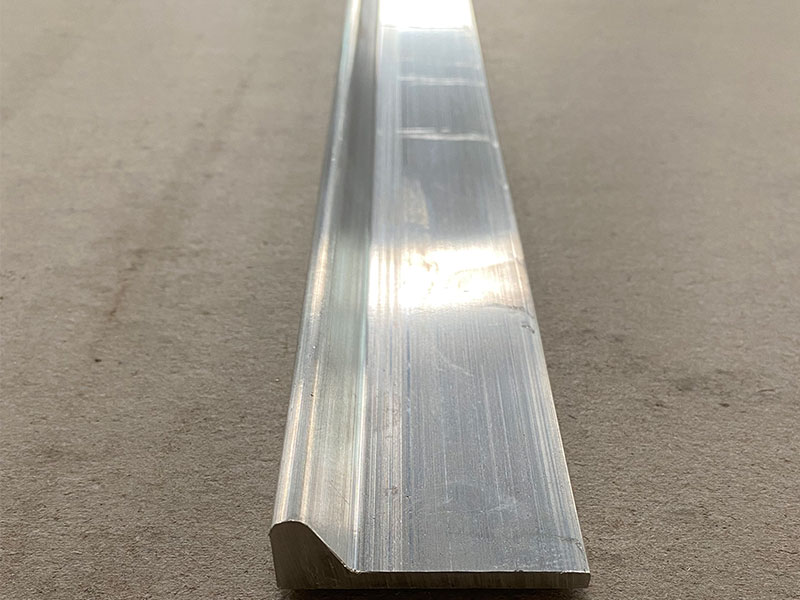
Marine aluminum I-beams
Marine Aluminum I-Beams feature the traditional “I” cross-sectional profile fabricated from marine-grade aluminum alloys like 5083, 5086, and 6061. These alloys are renowned for their outstanding corrosion resistance, especially in saltwater and marine atmospheres, making them ideal for offshore and naval construction.
View Details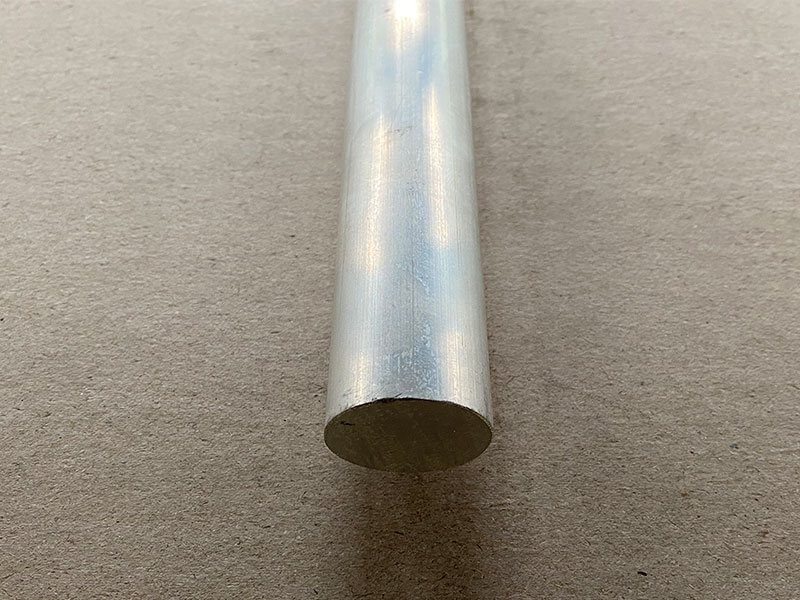
6061 marine aluminum round bar
6061 aluminum belongs to the 6xxx series alloys, alloyed primarily with magnesium and silicon. In the T6 temper, it undergoes solution heat treatment and artificial aging, resulting in enhanced mechanical properties while maintaining excellent corrosion resistance.
View Details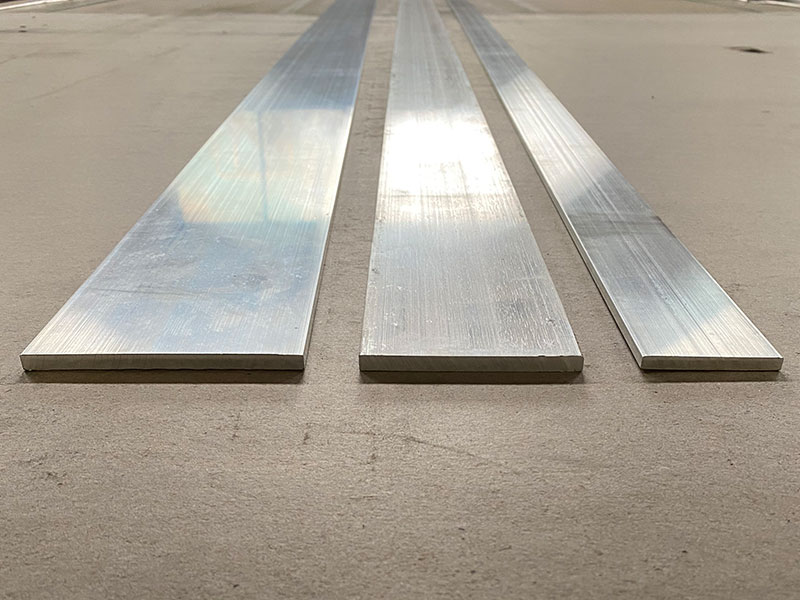
6061 T6 marine aluminum flat bar
6061 aluminum is classified as a heat-treatable 6xxx series alloy, alloyed primarily with magnesium and silicon. The T6 temper designation indicates that the flat bar has been solution heat-treated and artificially aged to achieve optimum strength and hardness.
View Details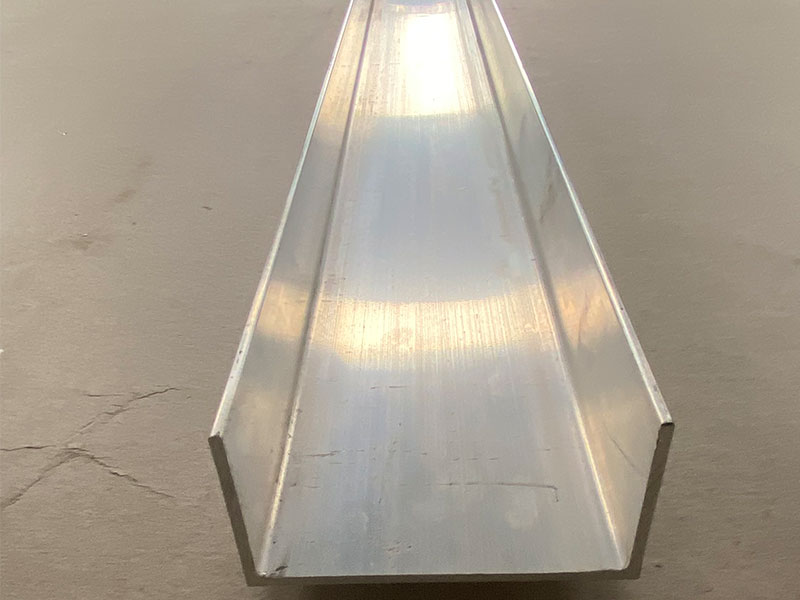
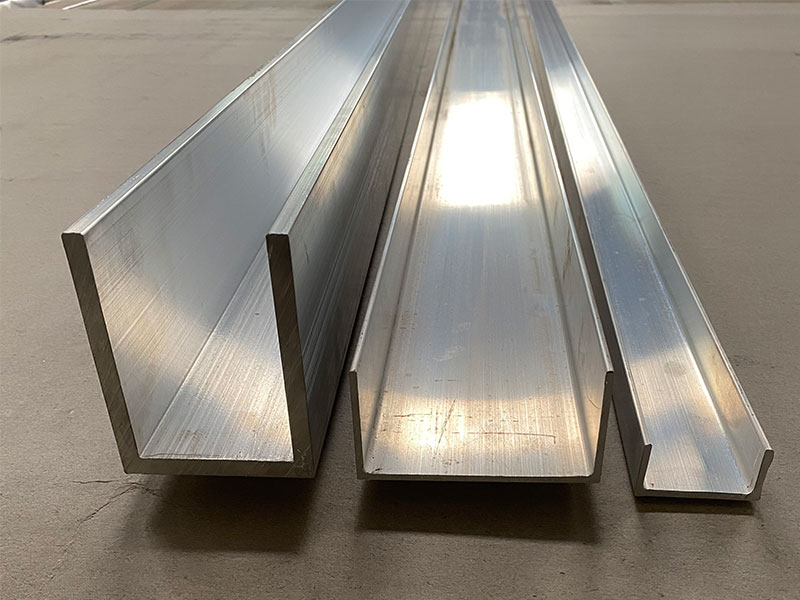
Marine aluminum channels
Marine Aluminum Channels are U-shaped aluminum profiles produced from alloys such as 5083, 5052, and 6061, known for their excellent marine corrosion resistance and superior mechanical strength.
View Details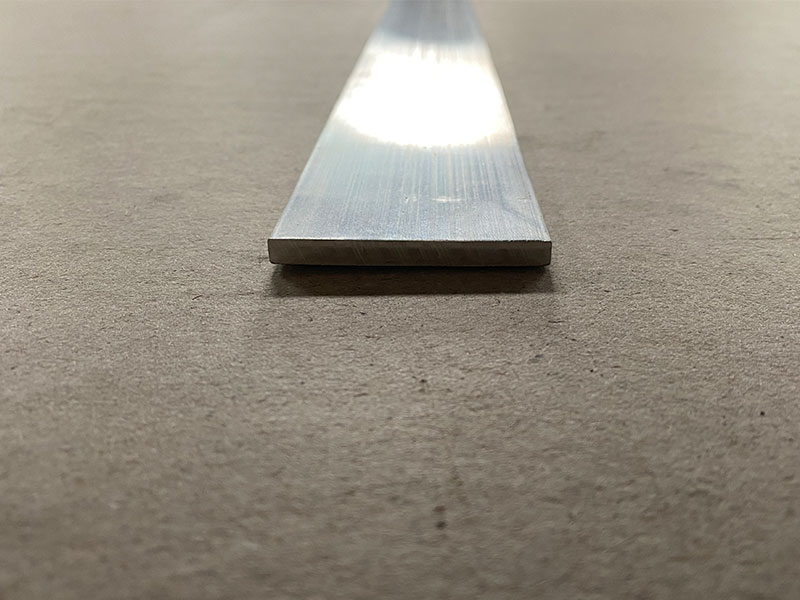
5083 marine aluminum flat bar
5083 aluminum flat bars belong to the 5xxx series of aluminum-magnesium alloys, known primarily for their superior resistance to seawater corrosion and salt spray.
View Details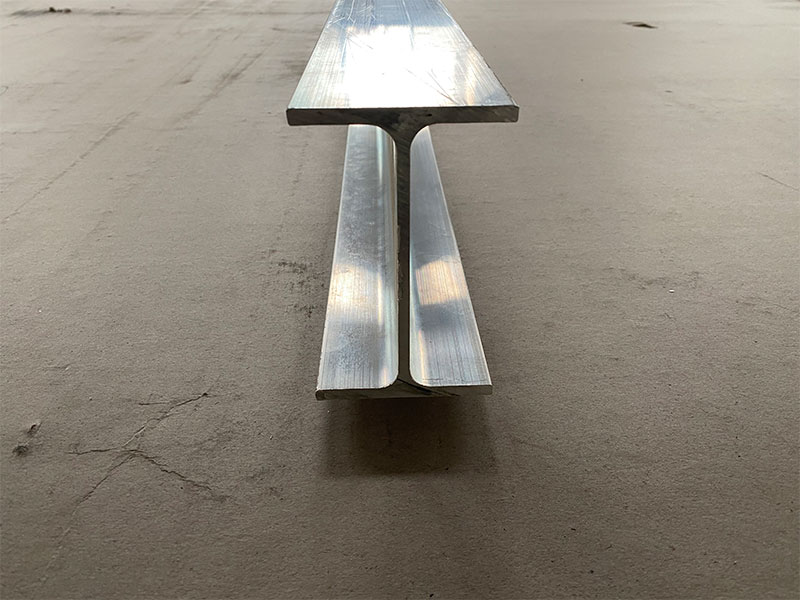
Marine aluminum Z-shaped sections
Marine Aluminum Z-shaped Sections are fabricated from premium marine-grade aluminum alloys such as 5083, 5052, and 6061. These alloys are well-regarded for their superior corrosion resistance in seawater and marine atmospheres, along with good mechanical strength and excellent weldability.
View DetailsRelated Blog
5083 Marine Aluminum Z Shaped Sections for Offshore Vessel Frame Design
In the demanding offshore marine environment, the structural integrity and corrosion resistance of vessels are crucial for reliable performance and safety.
View Details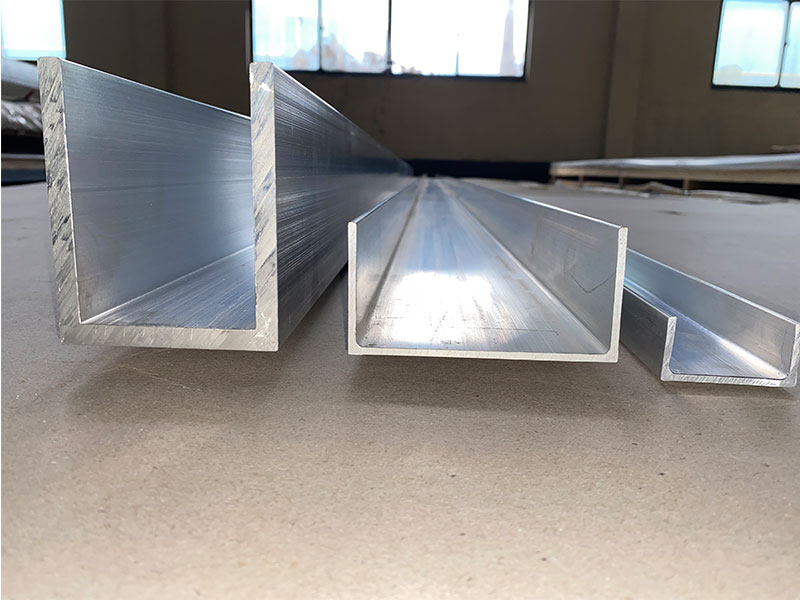
5083 Marine Aluminum Flat Bar for Offshore Platform Design
5083 marine aluminum flat bar delivers high strength, outstanding corrosion resistance, and excellent weldability, making it a preferred material choice for offshore platform design, topside structures, walkways, brackets.
View Details
5083 Marine Aluminum Z Shaped Sections for Boat Deck Reinforcement
5083 marine aluminum Z shaped sections are purpose-built extrusions (or brake-formed profiles) used to stiffen and support boat decks where high corrosion resistance, reliable strength, and weight efficiency matter most.
View Details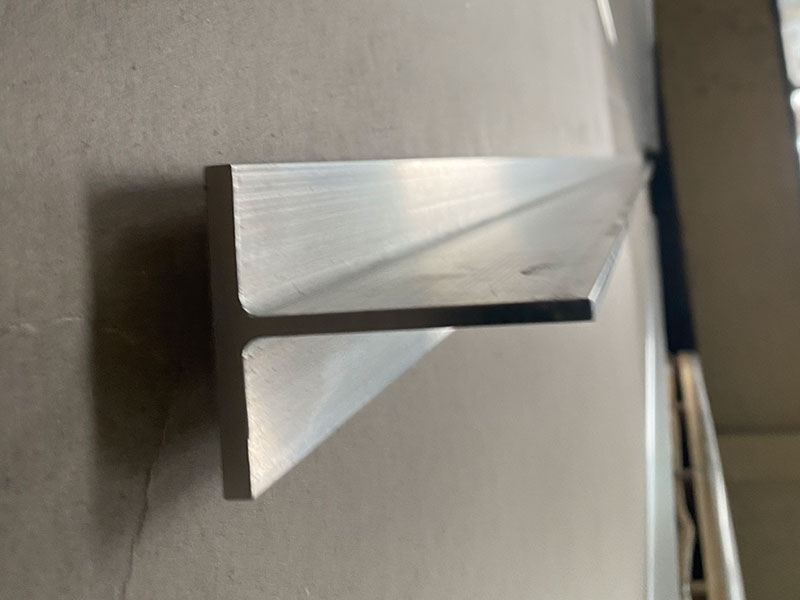
5083 Marine aluminum I beams
When people talk about 5083 marine aluminum I beams, they often focus on a simple promise: strong, corrosion-resistant, and lighter than steel.
View Details
5083 5086 6061 6082 marine aluminum channel
IntroductionMarine aluminum channel is an essential structural product in shipbuilding, offshore platforms, marine fittings, and related coastal infrastructure. Compared with steel.
View Details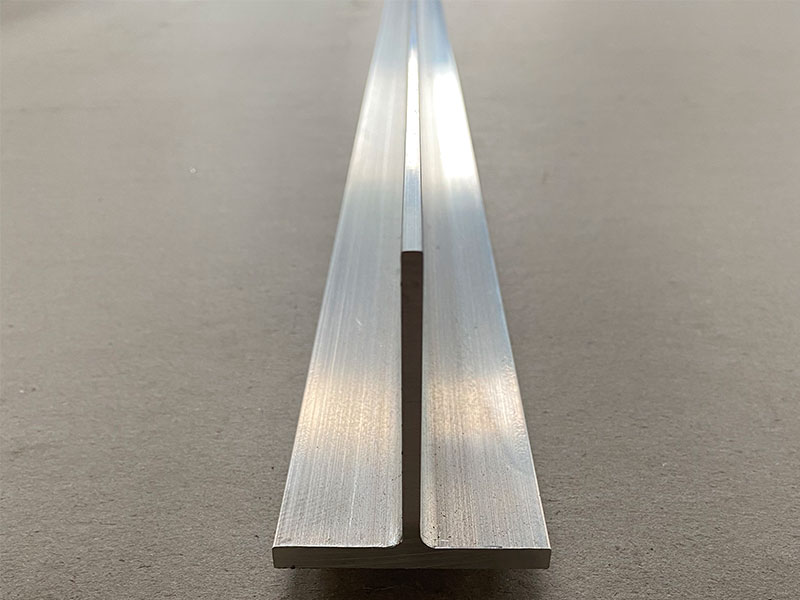
5083 Marine Aluminum I Beams for Heavy Duty Coastal Engineering Parts
5083 marine aluminum I beams are purpose-built structural sections designed for harsh coastal environments where salt spray, tidal wetting, and long service life are non-negotiable.
View Details
Leave a Message