
6061 Marine Aluminum Fencing and Railings for Seawater Proof Custom Marine Railings
A marine railing is more than a boundary around a deck. It is a handhold in rough water, a guard against falls, a mounting point for accessories, and a visual line that defines the vessel or waterfront structure. For these reasons, 6061 marine aluminum fencing and railings must balance appearance with structural reliability, weldability, corrosion management, and practical installation.
6061 aluminum is widely selected for custom marine railings because it offers a useful combination of medium-to-high strength, low weight, excellent extrusion capability, and clean finishing potential. It is especially suitable for pontoon boats, workboats, yacht deck rails, gangways, marina walkways, dock fencing, boarding gates, and cabin safety barriers.
Why 6061 Works for Marine Railings
The value of 6061 lies in its behavior as an engineered structural alloy. Magnesium and silicon form magnesium silicide during heat treatment, giving 6061-T6 much higher strength than common non-heat-treatable decorative aluminum. This enables slimmer rail sections, rigid stanchions, and custom profile geometry without unnecessary dead weight.
For a boat, every kilogram above the deck affects handling, fuel use, and center of gravity. Aluminum railings reduce weight compared with carbon steel while avoiding the constant repainting cycle associated with painted ferrous systems. On shore, 6061 railing systems offer a crisp architectural finish for docks and ramps exposed to salt spray.
However, seawater resistance should be understood as a complete design condition rather than a promise based on alloy name alone. 6061 performs well in marine atmospheric exposure and intermittent splash zones when fabricated correctly, isolated from dissimilar metals, drained properly, and protected by an appropriate finish. For continuous immersion, alloys from the 5xxx family are often preferred. For railings located above the waterline, 6061 is a practical and durable choice.
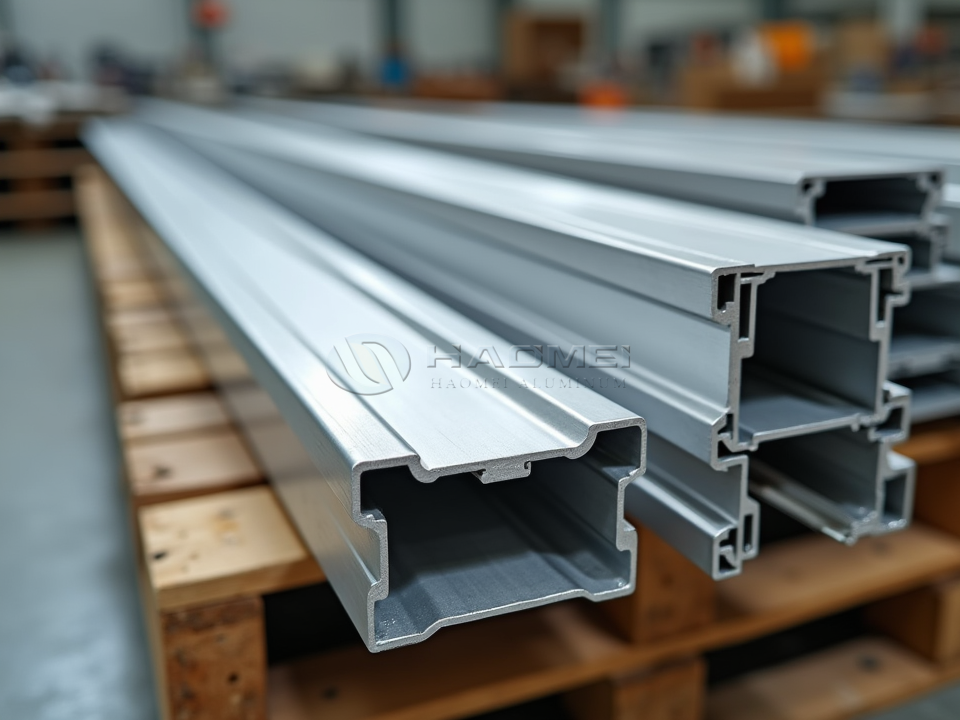
Custom marine aluminum fencing and railings can be supplied as round tubes, rectangular tubes, handrail channels, slotted posts, base rails, infill frames, or purpose-built extrusions that combine several functions in one profile.
Alloy Chemistry of 6061 Aluminum
The controlled chemistry of 6061 supports its heat-treat response, strength, extrusion quality, and corrosion behavior. Typical limits are stated in ASTM B221 and related material specifications.
| Element | Composition by Weight |
|---|---|
| Silicon, Si | 0.40-0.80% |
| Iron, Fe | 0.70% max |
| Copper, Cu | 0.15-0.40% |
| Manganese, Mn | 0.15% max |
| Magnesium, Mg | 0.80-1.20% |
| Chromium, Cr | 0.04-0.35% |
| Zinc, Zn | 0.25% max |
| Titanium, Ti | 0.15% max |
| Other elements, each | 0.05% max |
| Other elements, total | 0.15% max |
| Aluminum, Al | Remainder |
Magnesium and silicon are the principal strengthening elements. Copper is limited because higher copper content can reduce corrosion resistance. Chromium helps control grain structure and contributes to resistance against stress-corrosion cracking under suitable service conditions.
Temper Choices and Mechanical Parameters
For marine fencing, T6 is the common temper for extruded rail profiles. It is solution heat-treated and artificially aged to achieve high strength. T651 is also used for plate and certain machined parts where stress relief is beneficial. T4 may be chosen when a part requires substantial forming before final aging, although it has lower strength.
| Condition | Typical Use in Railings | Tensile Strength | Yield Strength | Elongation |
|---|---|---|---|---|
| 6061-T6 | Extruded handrails, posts, frames | 290 MPa min | 240 MPa min | 8% min |
| 6061-T651 | Machined base plates, brackets | 290 MPa min | 240 MPa min | 8% min |
| 6061-T4 | Formed components and bent sections | 180 MPa min | 110 MPa min | 16% min |
Typical physical parameters include a density of approximately 2.70 g/cm³, elastic modulus of about 69 GPa, and melting range near 582-652°C. Actual mechanical values vary with profile thickness, product form, specification, and testing direction.
Fabrication Standards for Custom Marine Railings
A dependable railing starts with the correct material standard and continues through each fabrication stage. Extruded tubes, channels, and solid shapes are commonly produced in accordance with ASTM B221 or EN 755. Plate components may follow ASTM B209. Chemical composition can be verified against ASTM B209, ASTM B221, EN 573, or applicable customer specifications.
Welding should follow qualified procedures under AWS D1.2 for structural aluminum. GTAW and GMAW are both common methods. ER5356 filler is often selected for marine exposure because it provides strong weld performance and good corrosion resistance. ER4043 can also be appropriate for certain 6061 assemblies, particularly where crack sensitivity and finish requirements influence filler selection.
A practical design detail is often more important than a thicker wall. Rail bases should avoid unsealed crevices that trap saltwater. Post pockets need drainage paths. Horizontal members should not become water channels. Weld spatter and heat tint should be removed before finishing, because rough surfaces can retain chlorides and make cleaning more difficult.
The heat-affected zone around a 6061-T6 weld loses part of its T6 strength. Designers should account for this local reduction rather than calculating the entire rail at parent-metal strength. Larger post sections, reinforced feet, gussets, or revised spacing can provide a safer and more stable result.
Seawater Corrosion Control in Real Service
Saltwater does not attack every railing in the same way. A protected yacht rail sees a different environment from a commercial dock exposed to spray, vibration, fishing gear, and repeated impact. The most durable solution considers chloride exposure, drainage, contact metals, coating system, and maintenance access together.
Anodizing provides an aluminum oxide layer that improves surface durability and offers a refined metallic appearance. Marine-grade powder coating adds color and a barrier layer, especially when applied after suitable pretreatment. For demanding coastal work, a duplex finish combining anodizing and powder coating can provide enhanced protection.
Galvanic corrosion must be controlled wherever aluminum contacts stainless steel, carbon steel, copper alloys, or wet-treated timber hardware. Use non-conductive washers, nylon sleeves, isolating tapes, compatible sealants, and properly selected fasteners. Stainless fasteners should not be installed bare against aluminum in a permanently wet joint.
For specialized designs, Marine aluminum customized shapes allow rails, cable slots, lighting channels, panel retainers, and drainage details to be integrated into a single extrusion. Fewer assembled pieces mean fewer exposed joints and fewer places for salt deposits to remain.
Practical Specification for Buyers
A clear procurement specification should identify alloy 6061, temper T6 or T651 where applicable, product standard, wall thickness, rail diameter or profile dimensions, surface finish, welding requirements, inspection expectations, and packing method. Common railing tube wall thicknesses range from 1.5 mm to 5.0 mm, while heavy-duty posts and base structures may require thicker sections based on span, loading, and anchoring conditions.
Specify the intended environment as well: sheltered marina, open coastal deck, offshore vessel, freshwater marina with seasonal salt exposure, or continuously wet dock structure. This information helps determine whether mill finish, anodizing, powder coating, or a duplex surface system is appropriate.
6061 marine aluminum fencing and railings succeed when they are treated as a complete safety system. With thoughtful alloy temper selection, qualified welding, careful drainage, insulated connections, and marine-grade finishing, custom railings can remain strong, clean, and dependable through years of salt spray and daily use.

Related Products
Marine aluminum fencing and railings
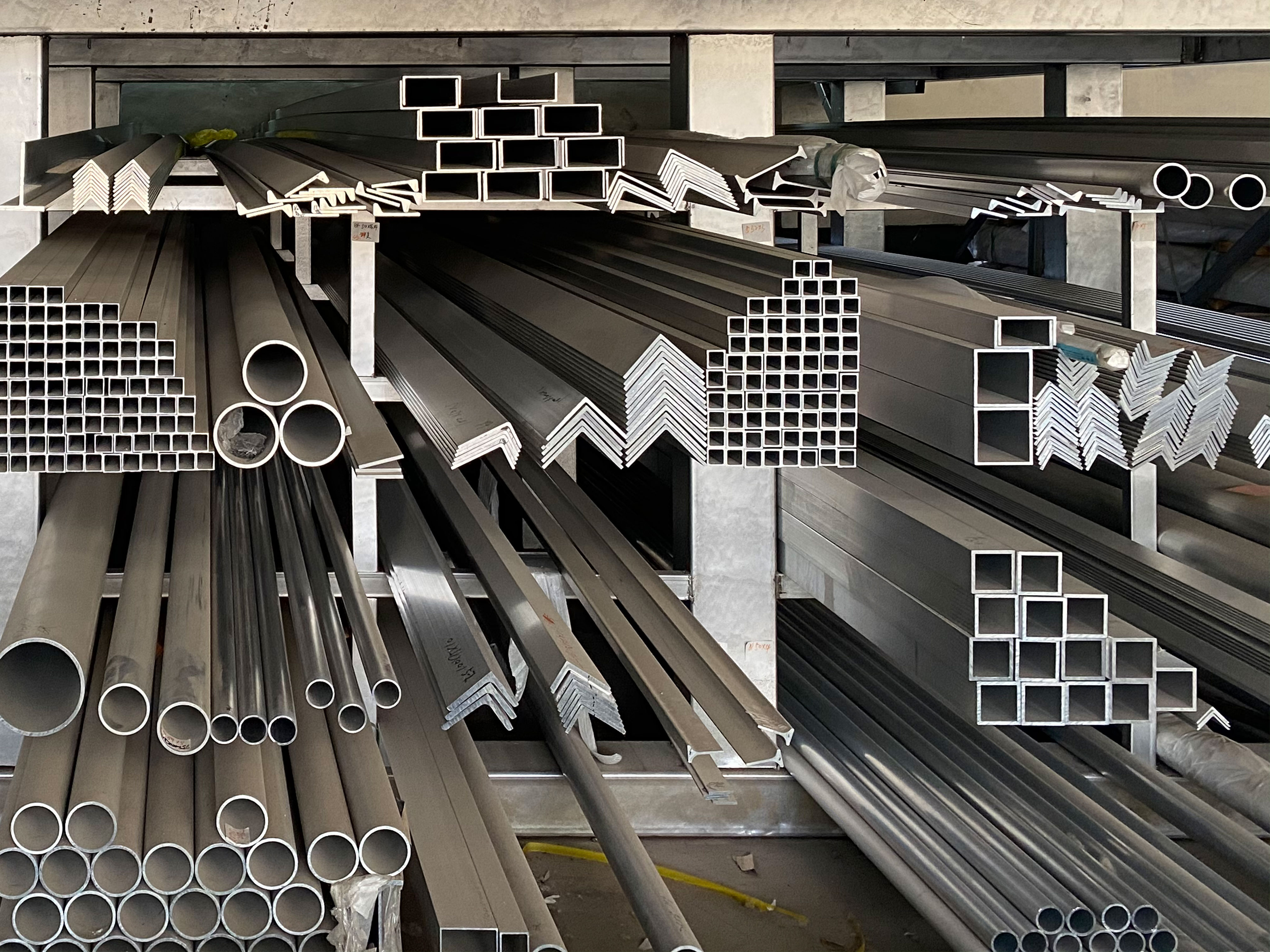
Marine Grade Aluminum Fencing and Railings are fabricated using marine-grade aluminum alloys such as 5083, 5052, and 6061, which are engineered specifically for protection against saltwater corrosion and marine atmospheric conditions.
View Details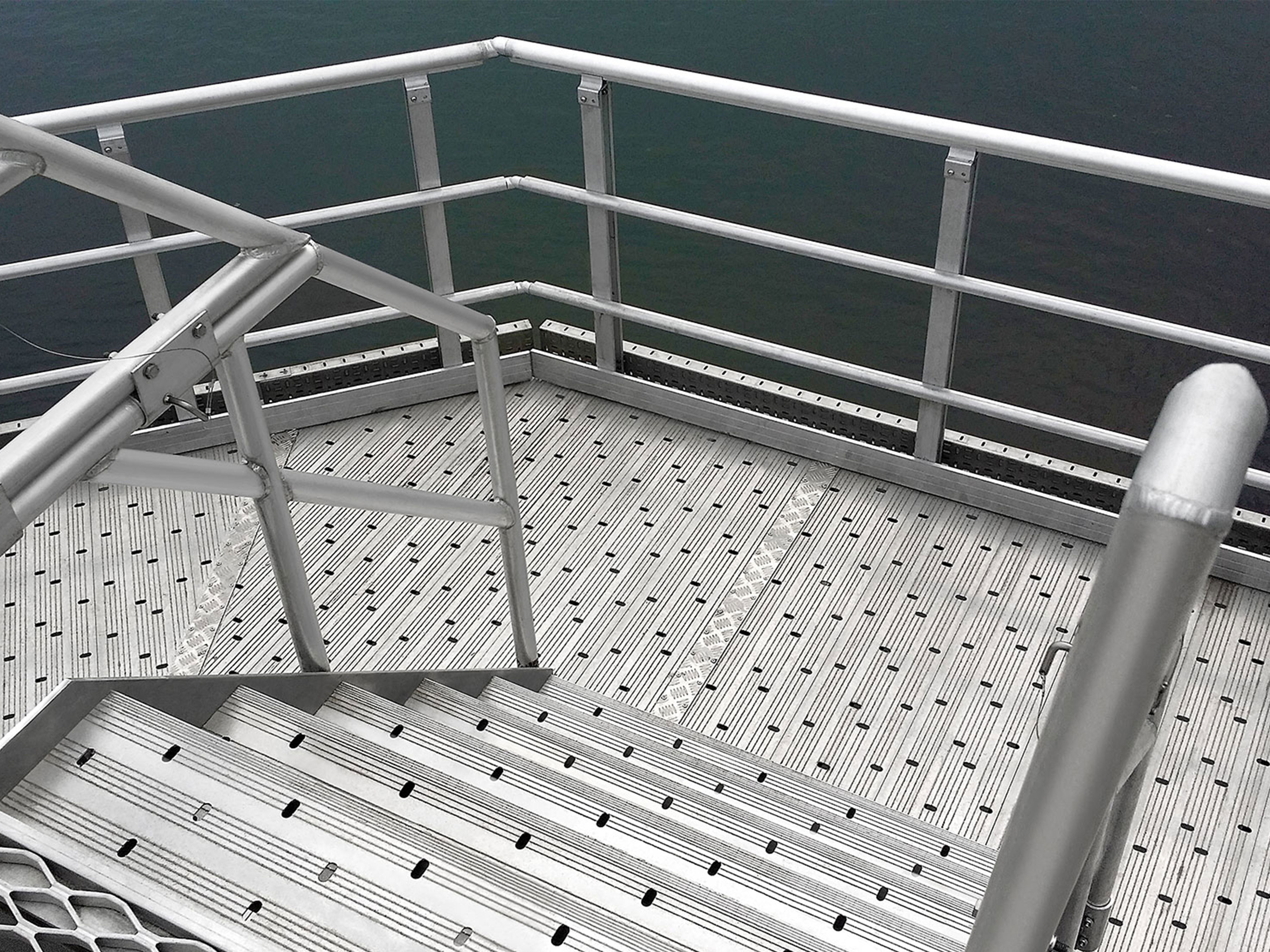
Marine aluminum customized shapes
Marine Grade Aluminum Customized Shapes encompass a broad range of aluminum extrusions and fabrications engineered beyond standard profiles—such as channels, angles, tubes, and beams—into complex, project-specific geometries.
View Details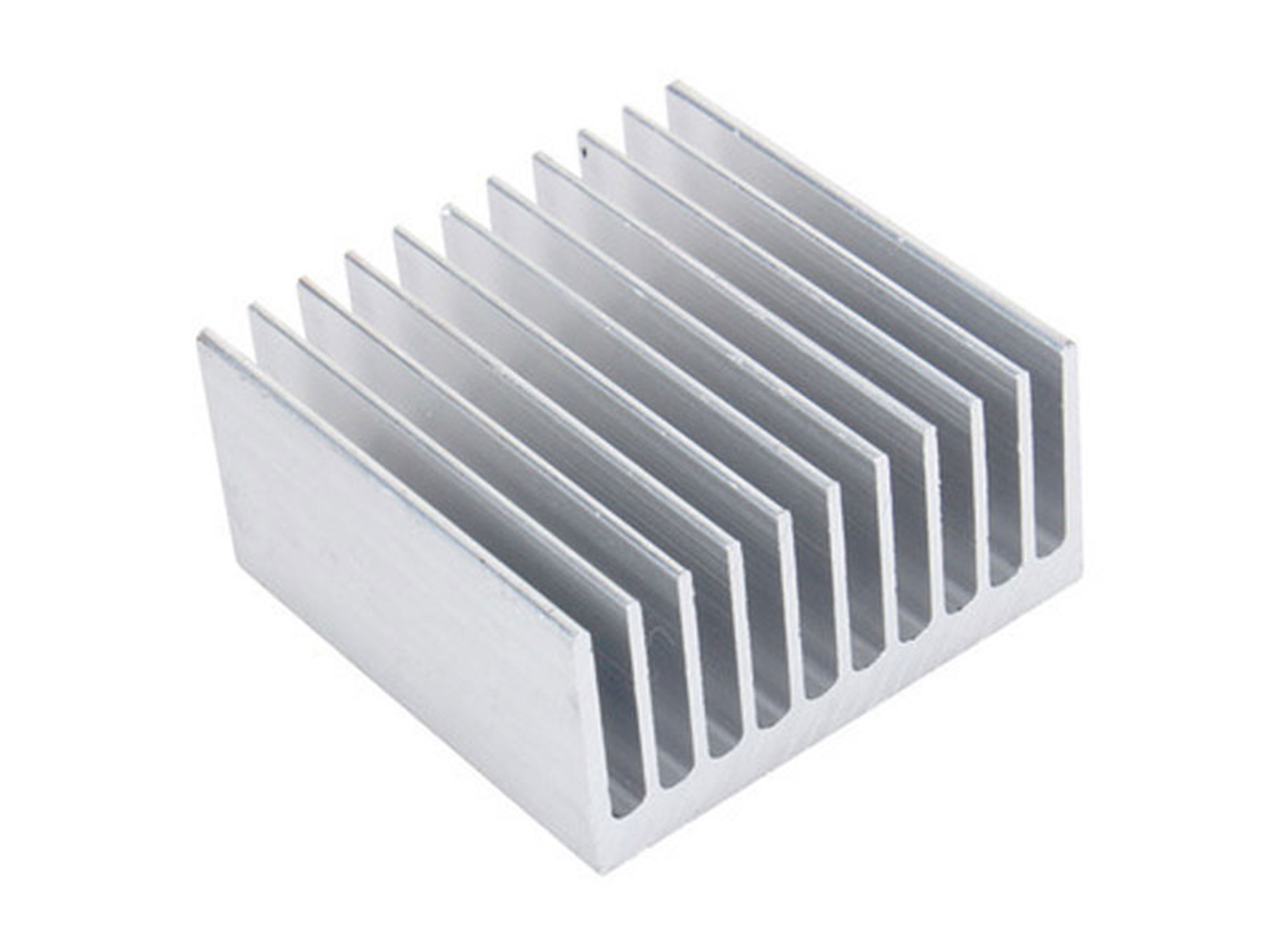
Marine aluminum heat sink profile
Marine Grade Aluminum Heat Sink Profiles utilize alloys such as 6061 and 6063 that not only exhibit high thermal conductivity but also possess excellent corrosion resistance required for saltwater exposure.
View DetailsRelated Blog
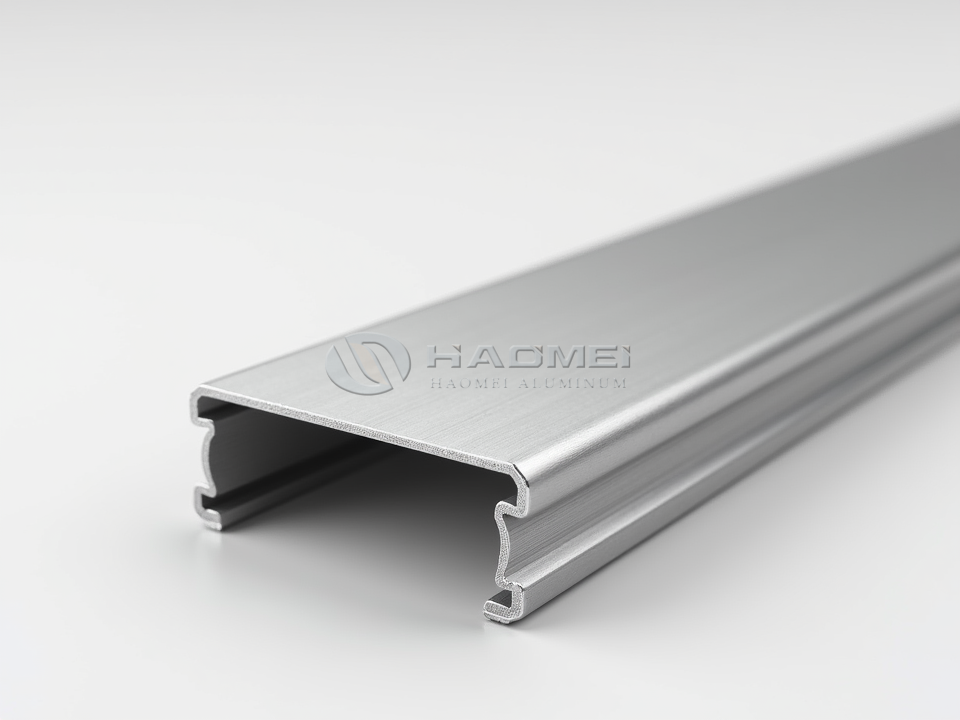
Marine Aluminum Heat Sink Profile for Custom Cooling Systems for Marine Electronics
Marine aluminum heat sink profiles move heat from onboard electronics while resisting salt spray, vibration, humidity, and galvanic corrosion.
View Details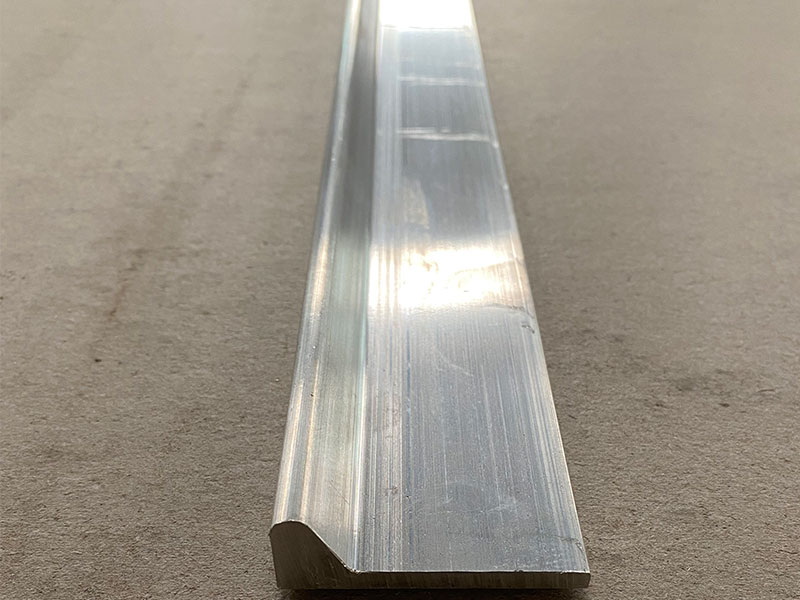
Marine Aluminum Customized Shapes for Marine Engineering Custom Fabrications
High-quality marine aluminum customized shapes tailored for marine engineering custom fabrications. Enhance durability, corrosion resistance, and structural integrity with precision-engineered aluminum solutions designed specifically for maritime applicat
View Details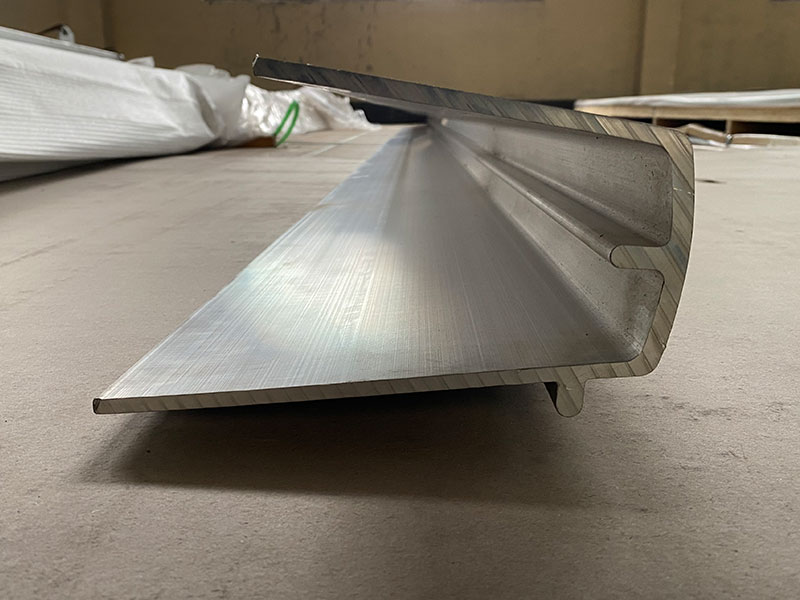
5083 Marine Aluminum Fencing and Railings for High Strength Coastal Railings
When it comes to constructing fencing and railings along coastal environments, the material choice plays a significant role in long-term performance, strength, and resistance to harsh conditions.
View Details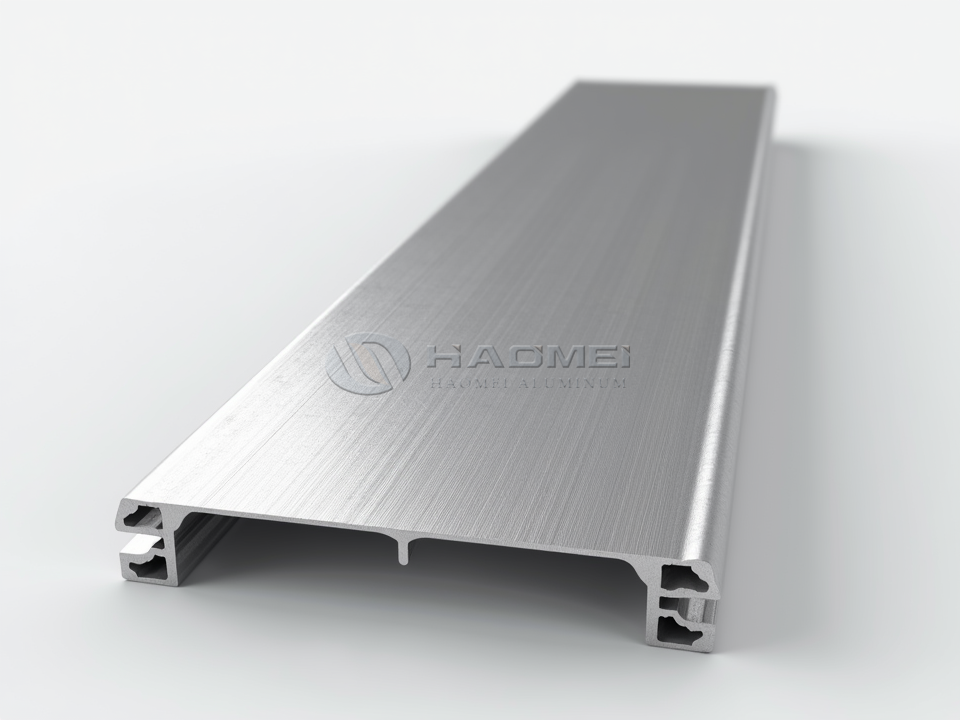
5052 Marine Aluminum Fencing and Railings for Offshore Platform Deck Guardrails
Learn how 5052 marine aluminum fencing and railings improve offshore platform deck guardrails with corrosion resistance, strength, and easy fabrication.
View Details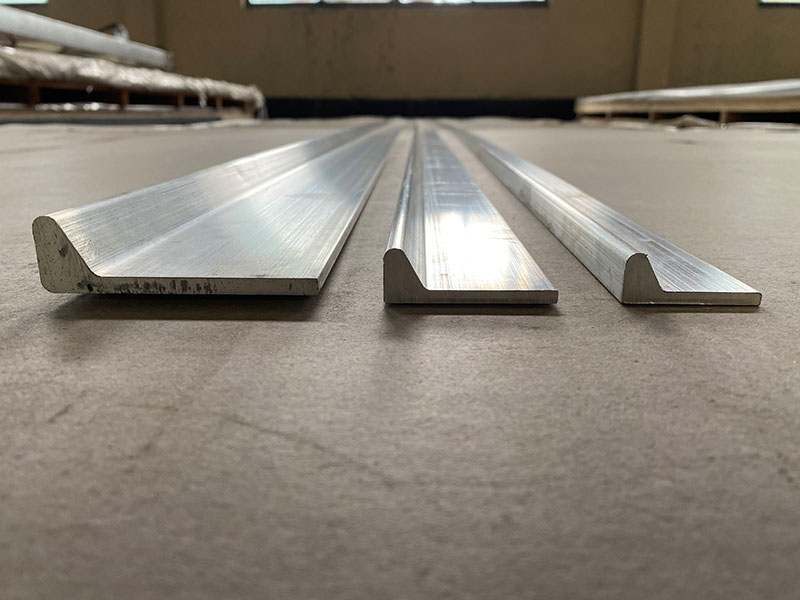
6061 Marine Aluminum Customized Shapes for Lightweight Offshore Platform Design
Explore how 6061 marine aluminum customized shapes offer superior strength, corrosion resistance, and lightweight characteristics essential for innovative offshore platform design, enabling robust and efficient marine structures.
View Details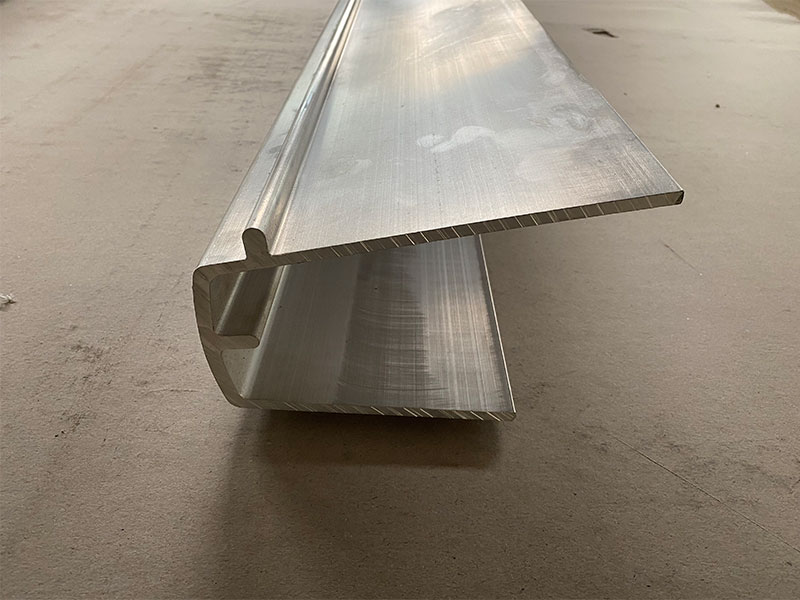
6061 Marine Aluminum Fencing and Railings for Seawater Resistant Marine Safety Rails
6061 Marine Aluminum Fencing and Railings for Seawater Resistant Marine Safety Rails: Built for Salt, Motion, and Maintenance RealityMarine safety rails do more than "separate people from danger.
View Details
Leave a Message