
5052 Marine Aluminum Fencing and Railings for Offshore Platform Deck Guardrails
Offshore deck guardrails work in one of the harshest service environments in metal construction. Salt spray, wave splash, UV exposure, wind vibration, drilling fluids, and constant foot traffic all attack the railing system long before many land-based structures show visible wear. 5052 marine aluminum fencing and railings are designed for this reality, giving offshore platforms a clean, corrosion-resistant, and easy-to-maintain barrier system for decks, walkways, stair towers, service areas, and equipment zones.
5052 aluminum belongs to the aluminum-magnesium alloy family. It is not strengthened by heat treatment, but it gains reliable performance through cold working, especially in tempers such as H32 and H34. For offshore platform deck guardrails, its value lies in a practical balance: high resistance to seawater corrosion, good fatigue behavior, excellent formability, dependable weldability, and lower weight than carbon steel.
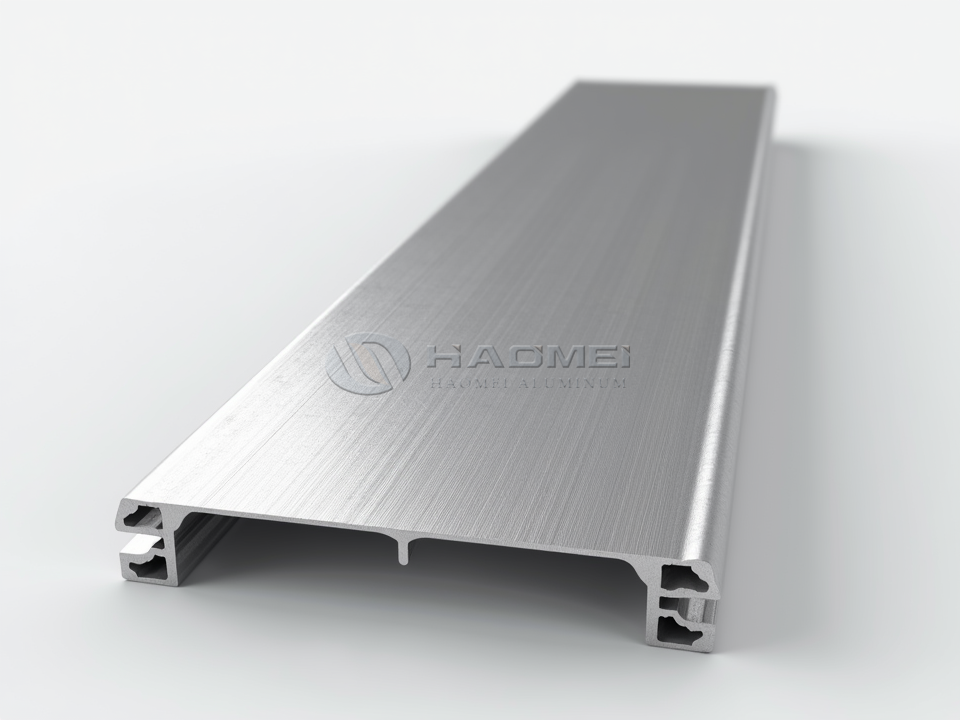
Why 5052 Performs Well on Offshore Decks
Marine guardrails must do more than mark the platform edge. They must protect personnel, tolerate impact from tools and portable equipment, resist pitting, and remain stable after years of wet-dry salt cycles. 5052 aluminum naturally forms a dense oxide film, and its magnesium content strengthens that barrier in marine atmospheres.
Compared with painted carbon steel, 5052 reduces the need for aggressive blasting and coating repair. Compared with some high-strength aluminum alloys, it offers better resistance to saltwater attack and is easier to bend into smooth railing curves, toe boards, infill panels, and transition sections. This is especially useful where guardrails must follow irregular deck shapes or wrap around pipe racks, access hatches, winch bases, and process modules.
For customers selecting Marine aluminum fencing and railings, 5052 is often chosen when the project needs a durable barrier with attractive appearance, manageable fabrication cost, and reduced maintenance intervals.
Material Profile for 5052 Marine Aluminum Rail Systems
| Parameter | Typical Value or Description |
|---|---|
| Alloy | 5052 aluminum-magnesium alloy |
| Common tempers | H32, H34, O for forming before final fabrication |
| Density | About 2.68 g/cm3 |
| Corrosion behavior | Excellent in marine atmosphere and salt spray exposure |
| Weldability | Very good with common marine welding practices |
| Formability | Excellent, suitable for bending, rolling, and formed panels |
| Surface options | Mill finish, brushed finish, anodized, powder coated, coated for high-visibility zones |
| Typical guardrail parts | Top rails, mid rails, toe boards, infill sheets, kick plates, gates, formed channels, barrier panels |
Chemical Composition and Service Meaning
The chemistry of 5052 is simple but effective. Magnesium provides strength and marine corrosion resistance, while chromium helps stabilize the alloy structure. Low copper content is important because excessive copper can reduce resistance to seawater corrosion.
| Element | Typical Range, wt.% | Function in Offshore Guardrails |
|---|---|---|
| Aluminum | Balance | Lightweight base metal with protective oxide film |
| Magnesium | 2.2-2.8 | Improves strength and saltwater resistance |
| Chromium | 0.15-0.35 | Supports corrosion resistance and structural stability |
| Iron | 0.40 max | Controlled impurity level |
| Silicon | 0.25 max | Controlled impurity level |
| Copper | 0.10 max | Kept low for marine corrosion performance |
| Manganese | 0.10 max | Minor strengthening contribution |
| Zinc | 0.10 max | Controlled impurity level |
Mechanical Performance for Guardrail Design
5052 is not intended to replace heavy structural members in every location, but it is highly effective for safety rail assemblies when section size, post spacing, welding method, and fastening design are properly engineered. It performs especially well in railing panels and shaped components that need both stiffness and bendability.
| Temper | Tensile Strength, MPa | Yield Strength, MPa | Elongation, % | Typical Use in Railings |
|---|---|---|---|---|
| O | 170-215 | 65-90 | 16-22 | Deep formed parts, curved panels, complex bends |
| H32 | 210-260 | 150-190 | 8-14 | General railing panels, toe boards, light barriers |
| H34 | 230-280 | 180-220 | 6-12 | Stiffer fencing sheets, formed channels, exposed deck edges |
Actual values depend on thickness, product form, and applicable mill standards. Offshore guardrails should be checked against project load requirements, classification rules, local safety codes, and platform owner specifications.
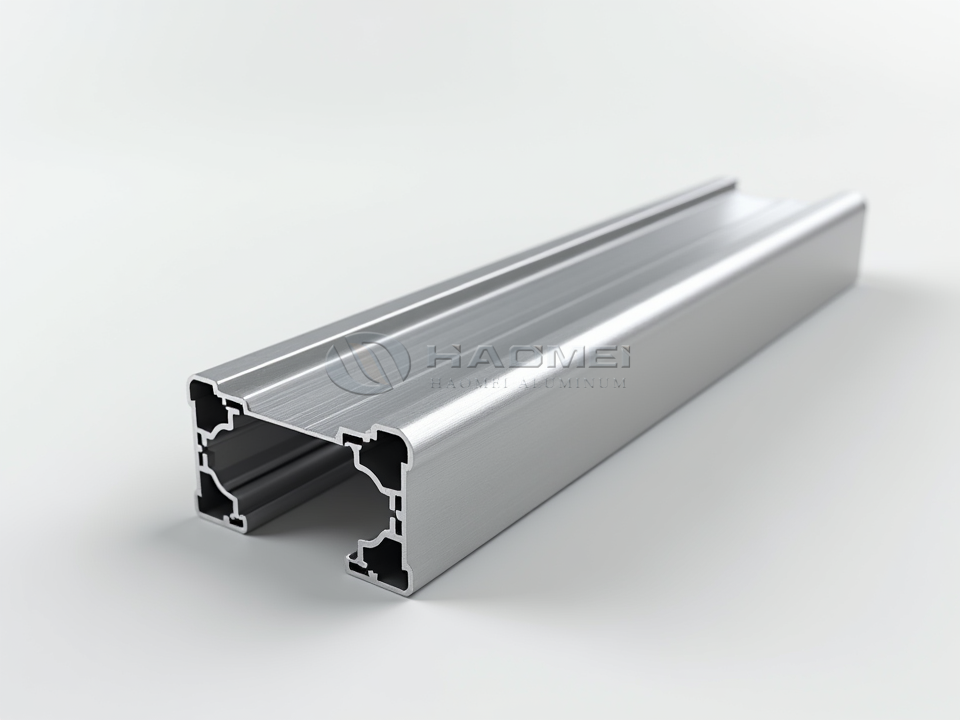
Design Features Customers Notice Fast
The first visible benefit is weight reduction. A lighter guardrail package makes handling easier during offshore installation, especially on upper decks or retrofit projects where crane time is expensive. Crews can position panels faster, and modular railing sections can be lifted and aligned with less strain.
Another benefit is long-term appearance. 5052 does not rust red like carbon steel. Even when the surface becomes dull from weathering, the base metal remains protected by its oxide layer. Where branding, hazard marking, or night visibility is required, powder coating or marine-grade paint can be applied over proper pretreatment.
Welded construction is also straightforward. 5052 accepts MIG and TIG welding well, and common filler choices such as 5356 are widely used in marine fabrication. Smooth weld transitions reduce dirt traps and help washdown water drain away. For bolted railing systems, stainless fasteners are often used with insulating washers or sealants to control galvanic interaction.
Typical Offshore Applications
5052 marine aluminum fencing and railings are suitable for many platform areas where personnel protection, corrosion resistance, and low maintenance are priorities.
- Perimeter deck guardrails along exposed platform edges
- Walkway and access bridge railings between process zones
- Stair and ladder landing barriers
- Toe boards and kick plates around elevated decks
- Safety fencing near pumps, pipe manifolds, compressors, and generator skids
- Removable railing panels for maintenance openings
- Gate frames and infill panels for restricted-access zones
- Guarding around hatch covers, deck penetrations, and service pits
- Corrosion-resistant fencing near seawater intake, washdown, and splash-prone areas
In many projects, 5052 works alongside other Marine Grade Aluminum Profiles, allowing engineers to combine sheet, channel, tube, plate, and custom formed shapes into one consistent deck safety system.
Fabrication and Installation Guidance
Good fabrication improves service life. Edges should be deburred to reduce hand injury risk and remove crevice points where salt residue can collect. Drain holes or open-ended profiles help prevent trapped seawater inside hollow or folded sections. Welds should be cleaned after fabrication, especially in splash zones, to remove residues that may stain the surface.
When aluminum guardrails connect to carbon steel decks, direct metal contact should be avoided. Isolation pads, coated brackets, sealants, or non-conductive washers reduce galvanic corrosion. Fastener selection matters as well; stainless hardware is common, but it should be paired with suitable isolation and anti-seize materials.
For high-traffic offshore platforms, railing modules can be designed with replaceable lower kick plates or bolted infill panels. This allows damaged sections to be changed without cutting the main rail system, reducing downtime during maintenance windows.
Surface Finish Choices
Mill finish 5052 is often enough for functional offshore barriers, but finishing can improve visibility and reduce cleaning effort. Anodizing adds a hard oxide surface, while powder coating provides color control for safety zones. High-visibility yellow, white, and safety orange are common on offshore decks. In highly abrasive areas, designers may specify thicker coatings or sacrificial wear plates at contact points.
A practical finish plan considers exposure level. Areas under constant wave splash need stronger pretreatment and inspection routines than sheltered mezzanine railings. If the railing will be handled often, such as removable access panels, coating flexibility and edge coverage become more important than gloss.
A Practical Choice for Offshore Safety Barriers
5052 marine aluminum fencing and railings give offshore platform deck guardrails a strong mix of corrosion resistance, low weight, workability, and clean appearance. For owners and contractors, the material supports faster installation and lower coating maintenance. For engineers, it offers dependable marine performance in formed panels, toe boards, gates, channels, and railing assemblies.
When designed with proper section thickness, drainage, isolation, and fastening practice, 5052 aluminum becomes a durable safety barrier material for the demanding rhythm of offshore work: wet salt air, heavy use, tight maintenance windows, and no tolerance for unsafe deck edges.

Related Products
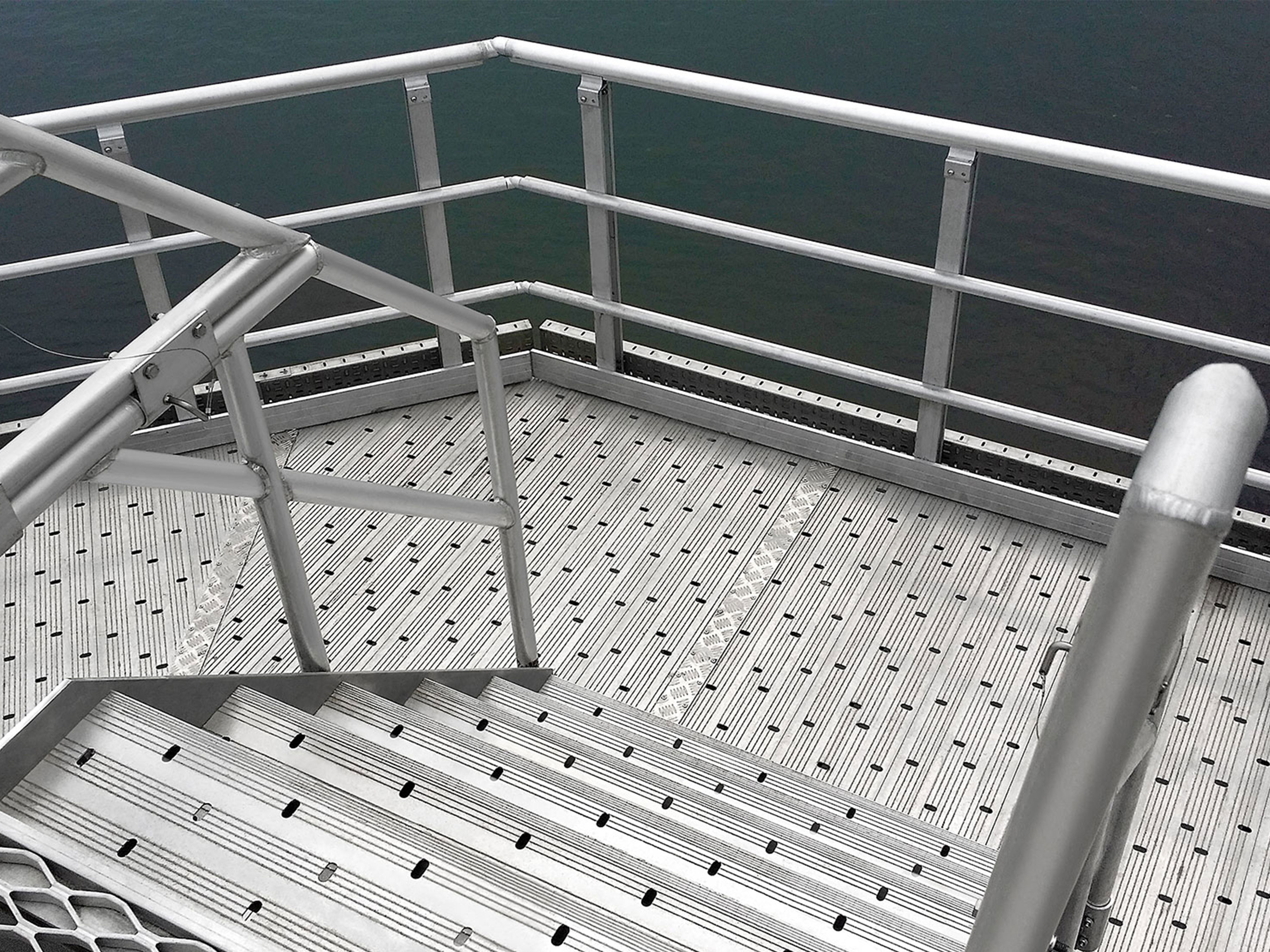
Marine aluminum customized shapes
Marine Grade Aluminum Customized Shapes encompass a broad range of aluminum extrusions and fabrications engineered beyond standard profiles—such as channels, angles, tubes, and beams—into complex, project-specific geometries.
View Details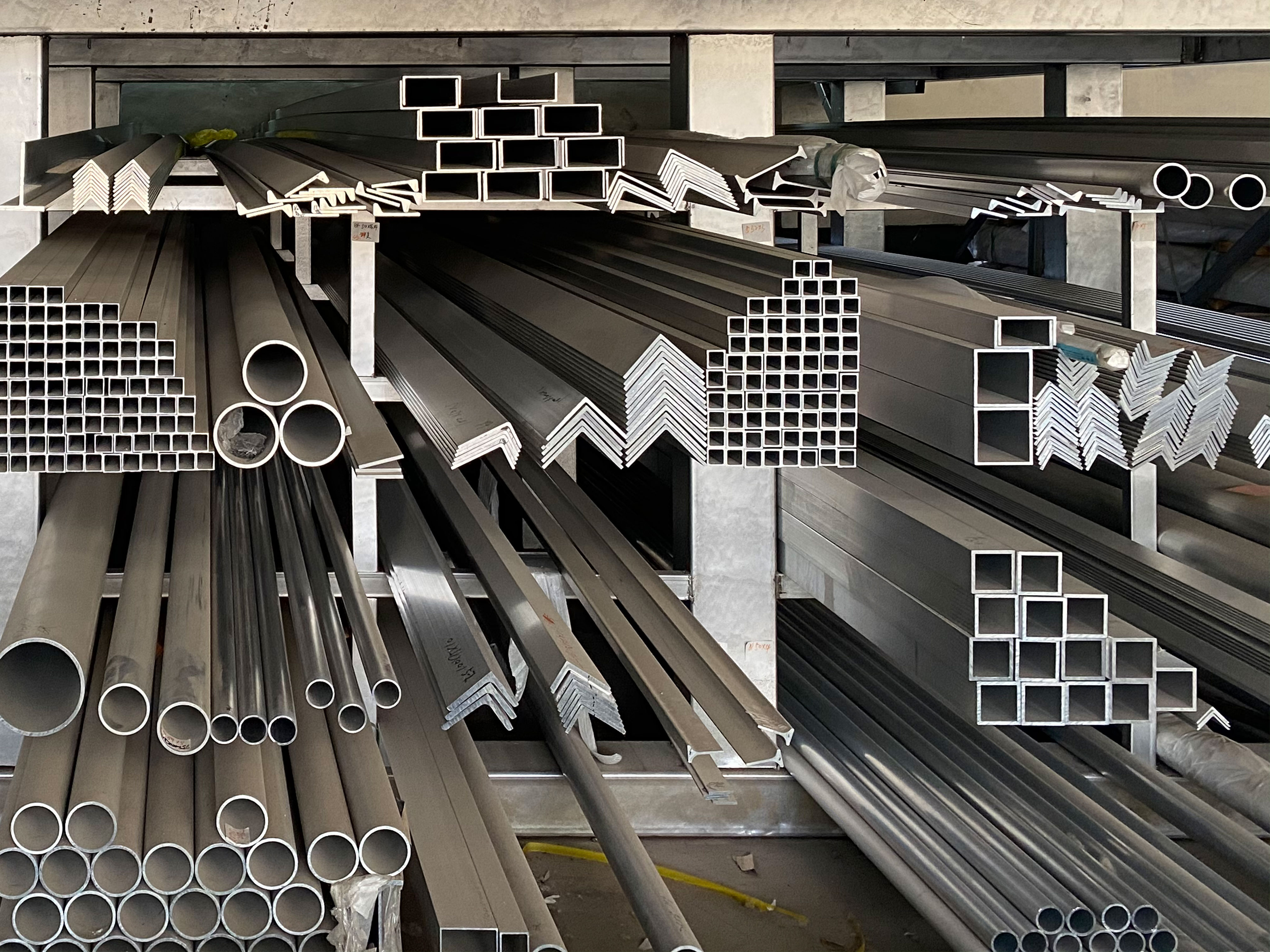
Marine aluminum fencing and railings
Marine Grade Aluminum Fencing and Railings are fabricated using marine-grade aluminum alloys such as 5083, 5052, and 6061, which are engineered specifically for protection against saltwater corrosion and marine atmospheric conditions.
View Details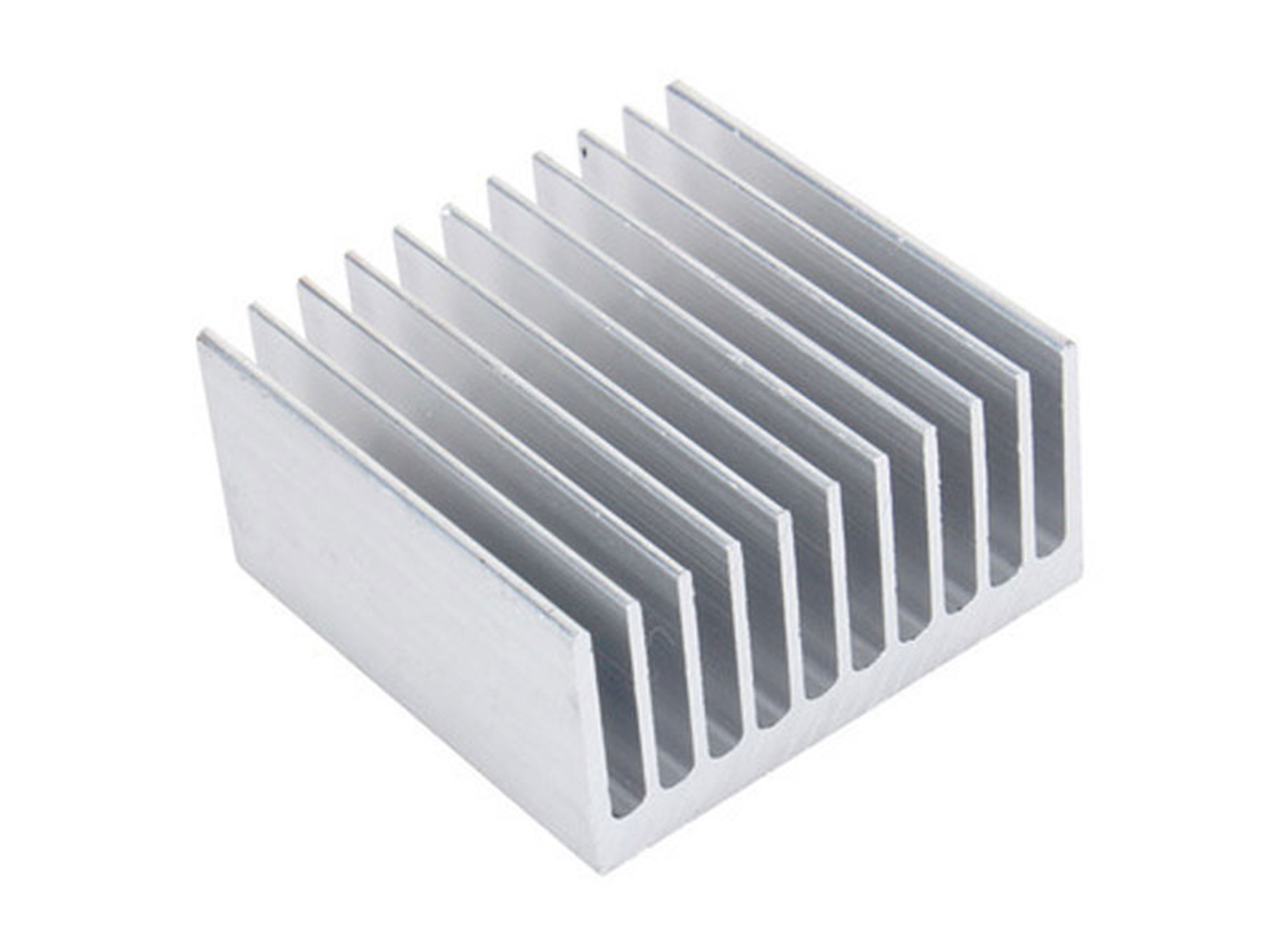
Marine aluminum heat sink profile
Marine Grade Aluminum Heat Sink Profiles utilize alloys such as 6061 and 6063 that not only exhibit high thermal conductivity but also possess excellent corrosion resistance required for saltwater exposure.
View DetailsRelated Blog
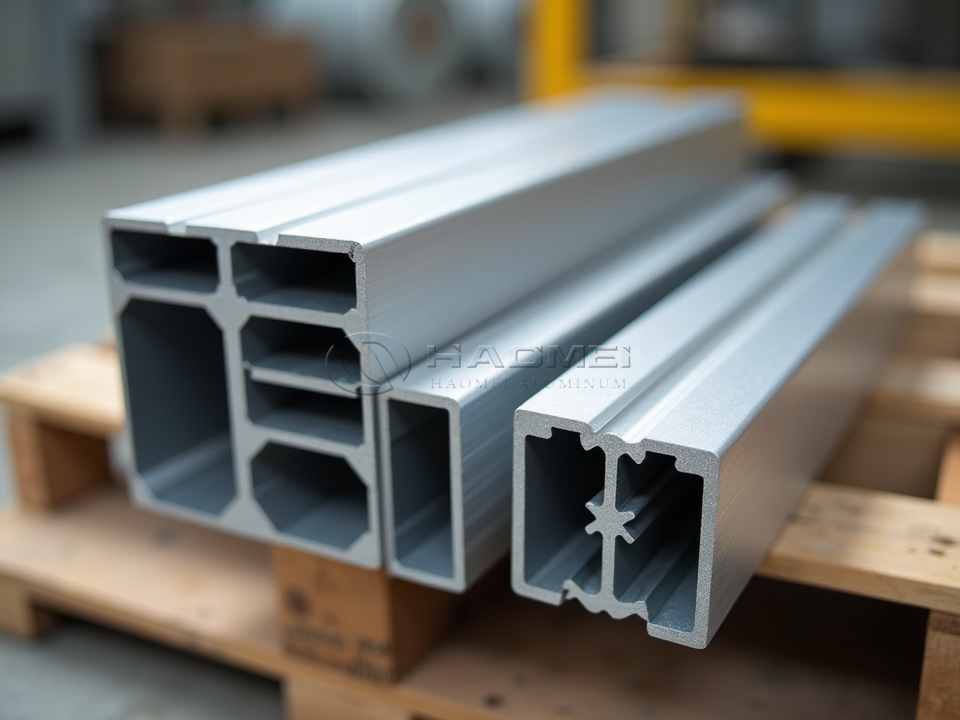
Marine Aluminum Fencing and Railings for Seawater Resistant Boat and Vessel Guardrails
Marine aluminum fencing and railings with alloy, temper, standards, corrosion data, fabrication notes, and installation guidance for seawater boat guardrails.
View Details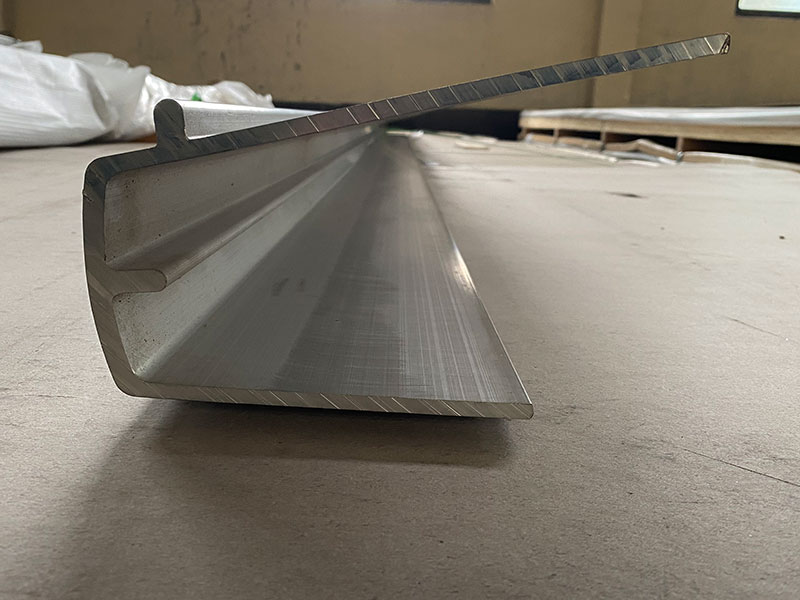
6061 Marine Aluminum Customized Shapes for Efficient Coastal Engineering Projects
6061 Marine Aluminum is a premium-grade aluminum alloy recognized for its exceptional corrosion resistance, mechanical strength, and versatility in coastal engineering.
View Details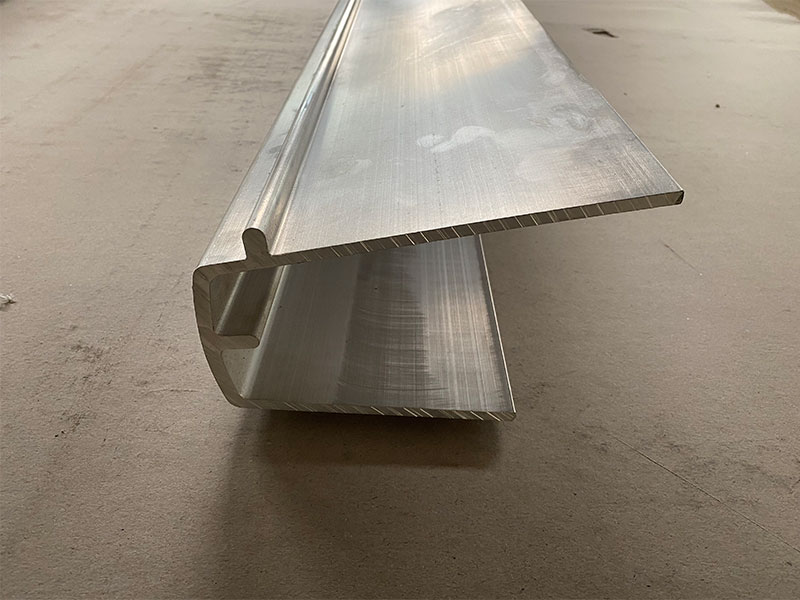
Marine Aluminum Customized Shapes for Custom Offshore Vessel Structural Parts
Manufacturing custom offshore vessel structural parts demands materials that combine exceptional strength, corrosion resistance, and ease of fabrication under challenging marine environments.
View Details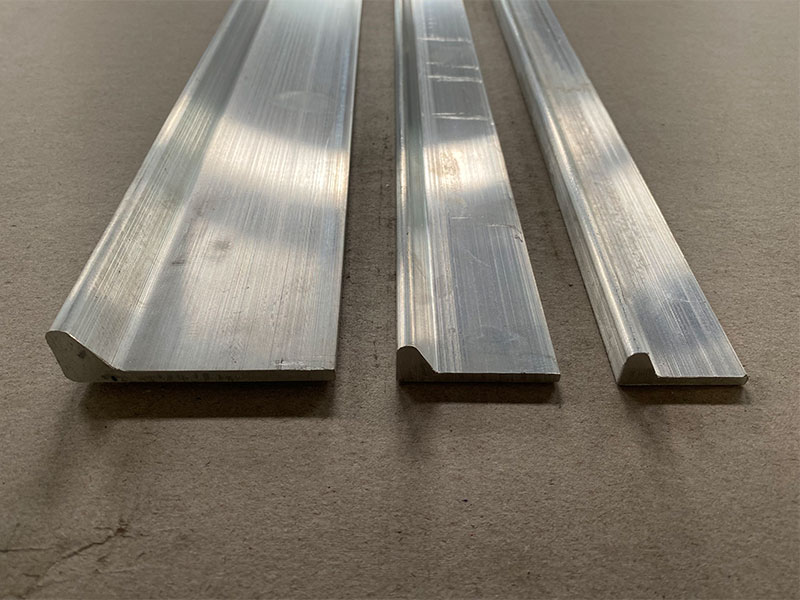
6063 Marine Aluminum Heat Sink Profile for Coastal Platform Electronics
Advantages of 6063 marine aluminum heat sink profiles, engineered to provide superior thermal management and corrosion resistance for coastal platform electronics. Ideal for harsh maritime environments.
View Details
5052 Marine Aluminum Fencing and Railings for Heavy Duty Marine Platform Barriers
5052 marine aluminum fencing and railings are widely used for offshore platforms, docks, harbors, gangways, and coastal industrial barriers where corrosion resistance, low maintenance, and structural reliability are critical.
View Details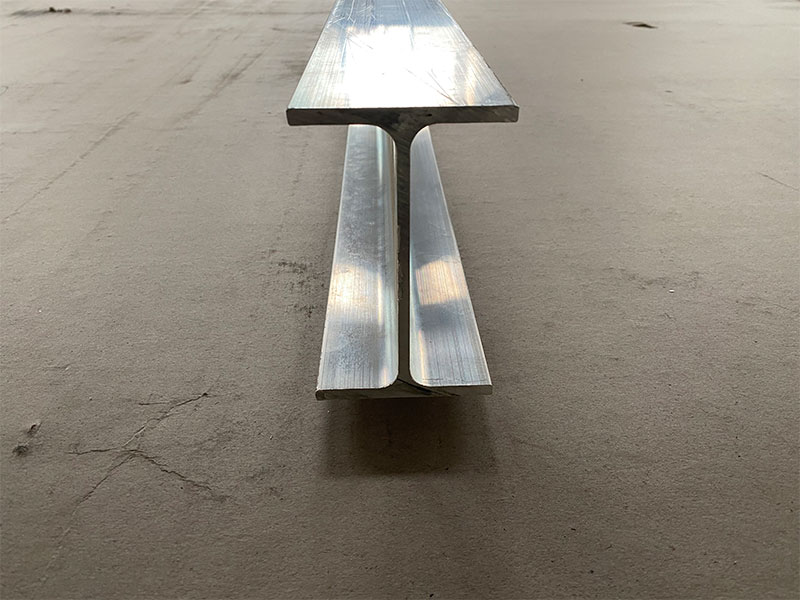
6063 Marine Aluminum Heat Sink Profile for Durable Coastal Electronics Cooling
The 6063 marine-grade aluminum heat sink profile has become an essential component in coastal and marine applications, particularly where electronic cooling is paramount for operational reliability and longevity.
View Details
Leave a Message