
5083 Marine Aluminum Fencing and Railings for Offshore Vessel Deck Safety Barriers
Offshore decks are busy, wet, and unforgiving. Crew members move between winches, cranes, hatches, pipe racks, rescue equipment, and service platforms while the vessel is rolling, pitching, and exposed to salt spray. In this environment, deck safety barriers must do more than mark an edge. They need to resist seawater corrosion, take vibration, accept reliable welding, and remain light enough to reduce structural load. 5083 marine aluminum fencing and railings are built for that exact duty.
For workboats, patrol craft, offshore support vessels, crew transfer vessels, research ships, and floating platforms, 5083 aluminum offers a strong balance of marine durability and fabrication efficiency. It is especially valued where welded guardrails, stanchions, toe boards, gate frames, and removable barrier sections are exposed to seawater, fuel mist, cleaning chemicals, and impact from deck operations.
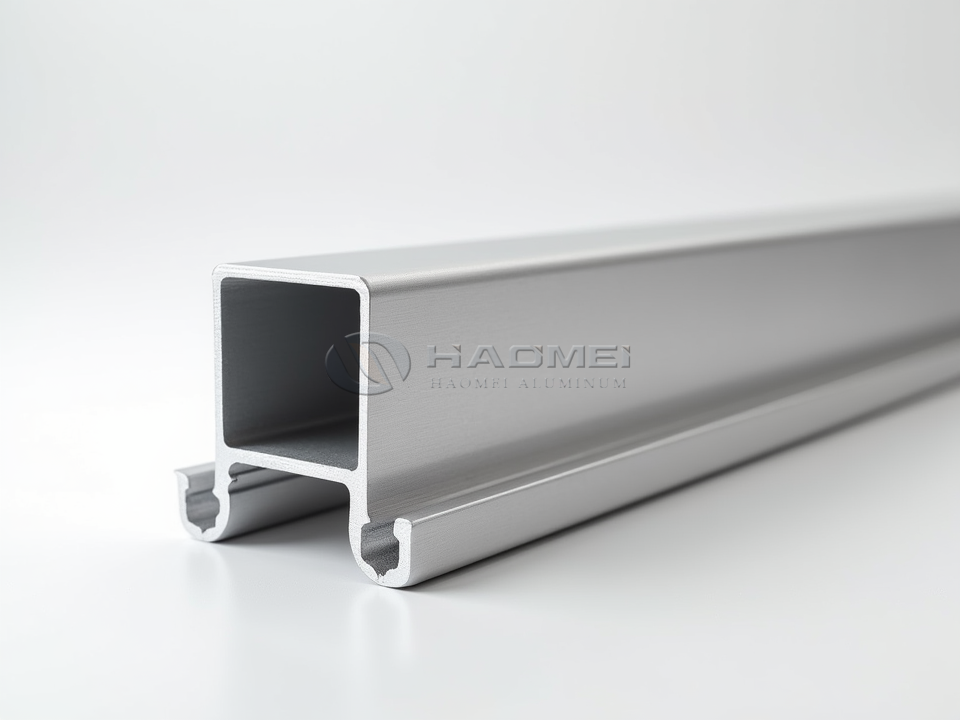
Why 5083 Aluminum Fits Offshore Safety Barriers
5083 belongs to the aluminum-magnesium alloy family. Its magnesium content gives it excellent resistance to seawater attack and good strength without heat treatment. Unlike many heat-treatable alloys, 5083 keeps much of its mechanical performance after welding, making it suitable for welded deck assemblies where joints, brackets, and base plates are unavoidable.
In practical service, 5083 rail systems help reduce topside weight compared with stainless steel or carbon steel. Lower weight can support better fuel efficiency, easier installation, and less strain on deck structures. The alloy also avoids the heavy rust-maintenance cycle associated with coated steel barriers, which is a major advantage on vessels that operate far from shore maintenance facilities.
Customers selecting Marine aluminum fencing and railings often focus on more than material grade. The full system should include proper post spacing, weld quality, drainage details, corner design, surface finishing, and compatibility with deck fasteners or welded foundations.
Typical Material Data for 5083 Marine Rail Components
The values in the table are typical references for marine purchasing and design discussions. Final acceptance should follow the project specification, class society rules, and mill certificates.
| Parameter | Typical 5083 Marine Aluminum Value | Relevance to Fencing and Railings |
|---|---|---|
| Density | About 2.66 g/cm3 | Helps reduce deck and superstructure weight |
| Tensile strength | Often 275 to 350 MPa, temper dependent | Supports handrail, guardrail, and post load requirements |
| Yield strength | Often 125 to 240 MPa, temper dependent | Important for stanchions and barrier frames under side loading |
| Elastic modulus | About 70 GPa | Used when checking deflection between posts |
| Melting range | About 570 to 640 C | Relevant for welding and hot-work planning |
| Corrosion behavior | Excellent in marine atmosphere and seawater | Reduces maintenance in salt spray zones |
| Weldability | Excellent with suitable filler | Allows fabricated rail modules, gates, and base structures |
| Common tempers | O, H111, H116, H321 | Selected according to forming, strength, and marine exposure needs |
Chemical Composition
5083 receives its marine character mainly from magnesium, with manganese and chromium helping stability and corrosion performance. Low copper content is important because copper can reduce seawater corrosion resistance in aluminum alloys.
| Element | Typical Specification Range, wt.% | Function in the Alloy |
|---|---|---|
| Magnesium | 4.0 to 4.9 | Strength and seawater corrosion resistance |
| Manganese | 0.4 to 1.0 | Strength and grain structure control |
| Chromium | 0.05 to 0.25 | Helps control corrosion behavior and microstructure |
| Iron | Up to 0.40 | Controlled impurity |
| Silicon | Up to 0.40 | Controlled impurity |
| Copper | Up to 0.10 | Kept low for marine corrosion resistance |
| Zinc | Up to 0.25 | Controlled addition or impurity |
| Titanium | Up to 0.15 | Grain refinement support |
| Aluminum | Balance | Base metal |
Features Customers Notice on Deck
A good 5083 barrier system feels rigid under hand pressure, drains water cleanly, and does not trap salt at joints. Smooth weld transitions reduce snag points for gloves, ropes, and safety harnesses. Rounded rail profiles improve hand comfort, while toe boards help prevent tools and small equipment from sliding overboard.
5083 also performs well in painted and unpainted service. Many offshore customers choose mill finish or brushed finish for low-maintenance areas, while high-visibility powder coating, marine paint, or anodizing-style surface treatments may be used where color coding and crew awareness are needed. In abrasive work areas, sacrificial wear strips or replaceable rub sections can be added near crane zones and cargo paths.
The alloy is friendly to modular construction. Rail panels can be fabricated in shop-controlled conditions, inspected, then bolted or welded to the deck during vessel outfitting. Removable sections are especially useful near rescue boat stations, cargo loading openings, diving spreads, and equipment skids.
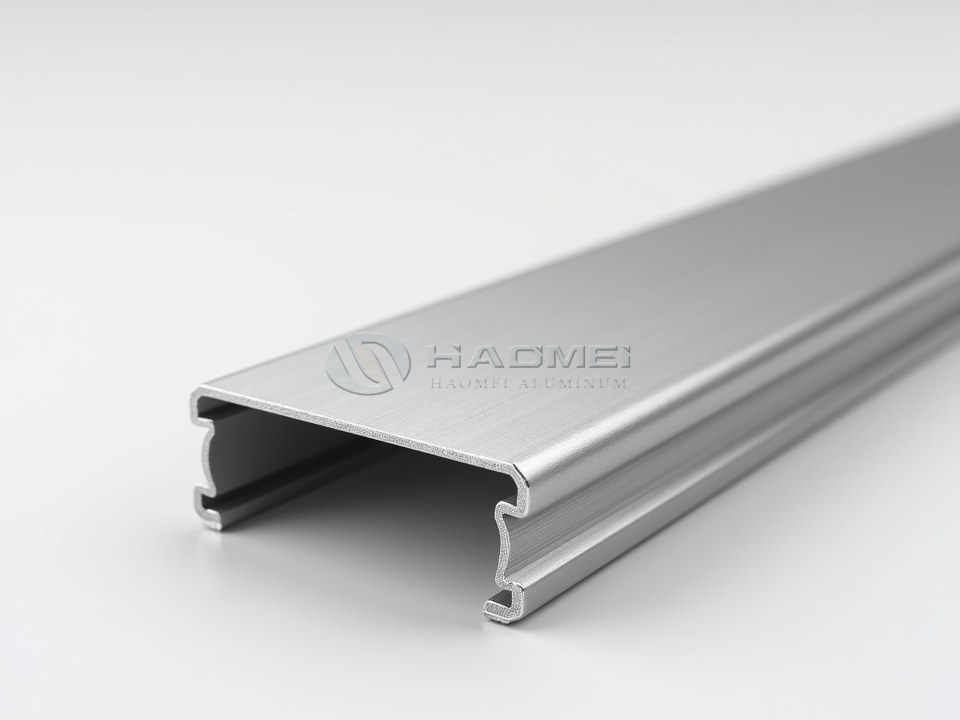
Design Forms and Fabrication Choices
5083 marine aluminum fencing and railings can be supplied as straight rails, curved bow rails, ladder guard sections, gangway barriers, hatch-edge protection, or machinery-area fencing. Common components include round or rectangular top rails, vertical posts, mid rails, kick plates, hinge plates, latch brackets, gussets, and deck mounting pads.
For welded construction, filler metals such as 5356 or 5183 are commonly considered, depending on strength and service requirements. Weld preparation must remove oxide and contamination before joining. Good fit-up matters because gaps and excessive heat input can affect distortion, appearance, and local strength.
Bolted systems should use suitable isolation between dissimilar metals. Stainless fasteners are common, but direct contact between stainless steel and aluminum in saltwater can cause galvanic corrosion if not isolated. Non-conductive washers, sealants, sleeves, and correct drainage help extend service life.
When a project also needs coamings, rub rails, ladder sections, or access-frame members, matching Marine Grade Aluminum Profiles can keep alloy behavior and surface finish consistent across the deck package.
Application Areas on Offshore Vessels
5083 railings are used across vessel areas where crew protection and corrosion resistance must work together. Around open deck edges, they create a continuous fall-prevention boundary. Near machinery, they separate walking routes from moving equipment. Around hatches and moonpools, they reduce the risk of personnel entering hazardous openings during night work or heavy weather.
On crew transfer vessels, lightweight aluminum barriers help keep the upper structure efficient while still providing firm hand support during boarding operations. On offshore support vessels, 5083 guardrails are useful around cargo decks, rescue zones, fueling points, and stern work areas. On patrol and pilot boats, corrosion-resistant fencing supports fast daily operation with less repainting. On research and survey vessels, modular rail sections can be adapted for sensors, cable handling, and temporary mission equipment.
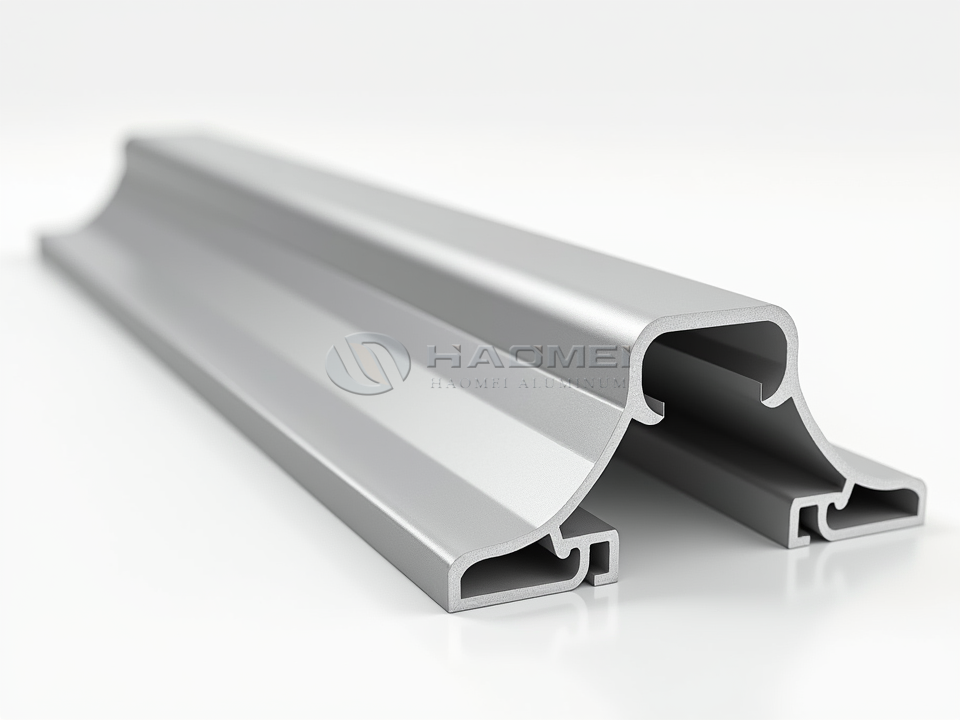
Selection Points for Buyers
Before ordering, customers should confirm the intended load rating, rail height, post spacing, deck attachment method, finish, and inspection standard. Rail height is often selected according to vessel type, class requirements, and local safety codes. Post spacing should account for expected side loads, vibration, and the stiffness of the mounting deck.
Finish selection should match service conditions. Bare 5083 is practical in many marine environments, but coating may be preferred for visibility, branding, or added abrasion resistance. Drain holes, sealed tube ends, and smooth transitions are small details that strongly influence long-term cleanliness and corrosion behavior.
Documentation is also important. Buyers commonly request alloy certificates, dimensional inspection reports, weld procedure records, surface finish confirmation, and packing details for sea transport. For shipyard installation, clearly marked rail modules and matching drawings reduce rework and speed up deck outfitting.
Built for Harsh Deck Duty
5083 marine aluminum fencing and railings provide a dependable barrier solution for offshore vessel decks where saltwater, motion, and workload never stop. With high corrosion resistance, good welded strength, low weight, and flexible fabrication forms, 5083 helps create safer walking routes, protected work zones, and durable edge barriers. For newbuilds, refits, and replacement rail packages, it is a practical alloy choice for long service at sea.

Related Products
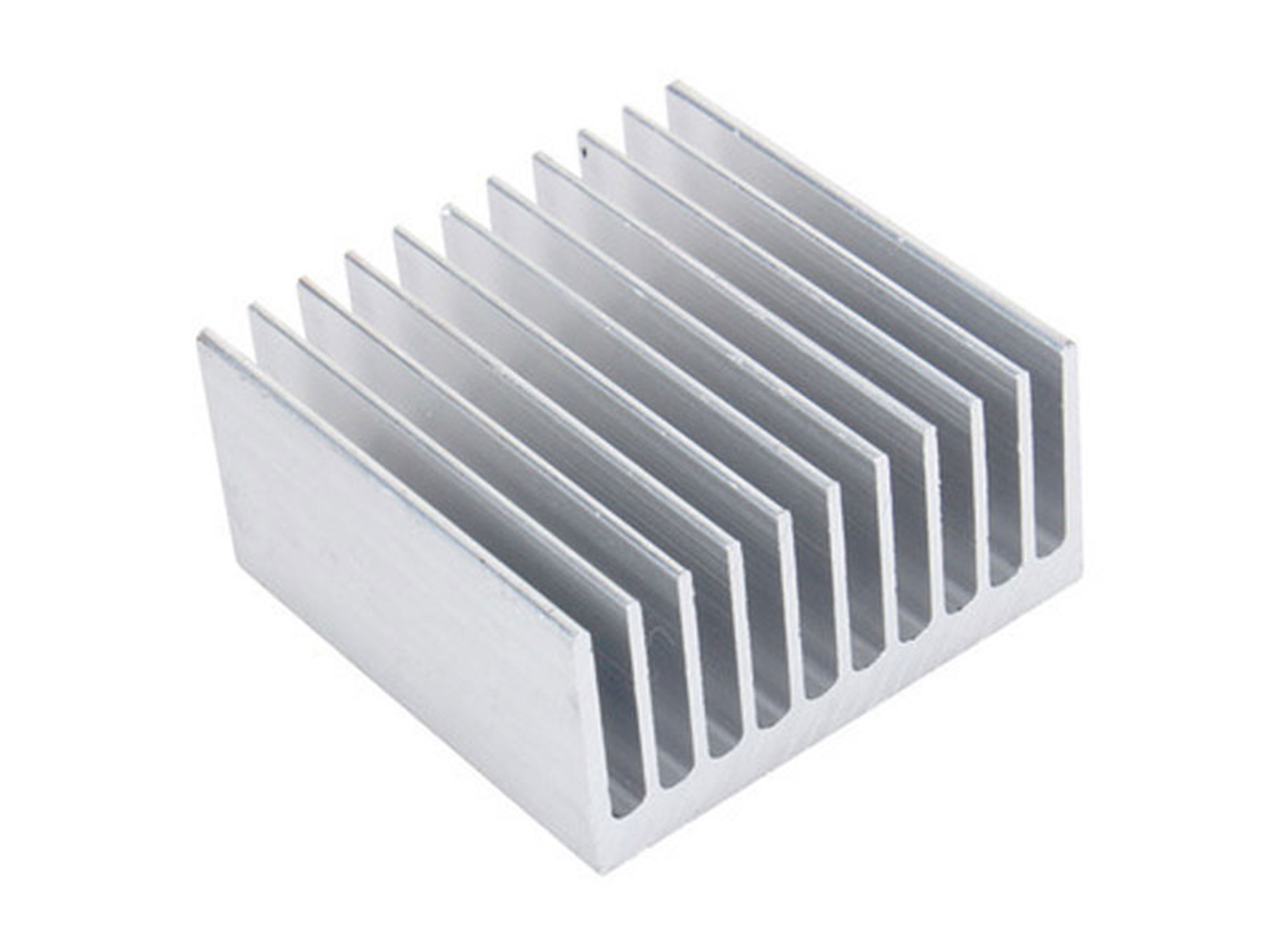
Marine aluminum heat sink profile
Marine Grade Aluminum Heat Sink Profiles utilize alloys such as 6061 and 6063 that not only exhibit high thermal conductivity but also possess excellent corrosion resistance required for saltwater exposure.
View Details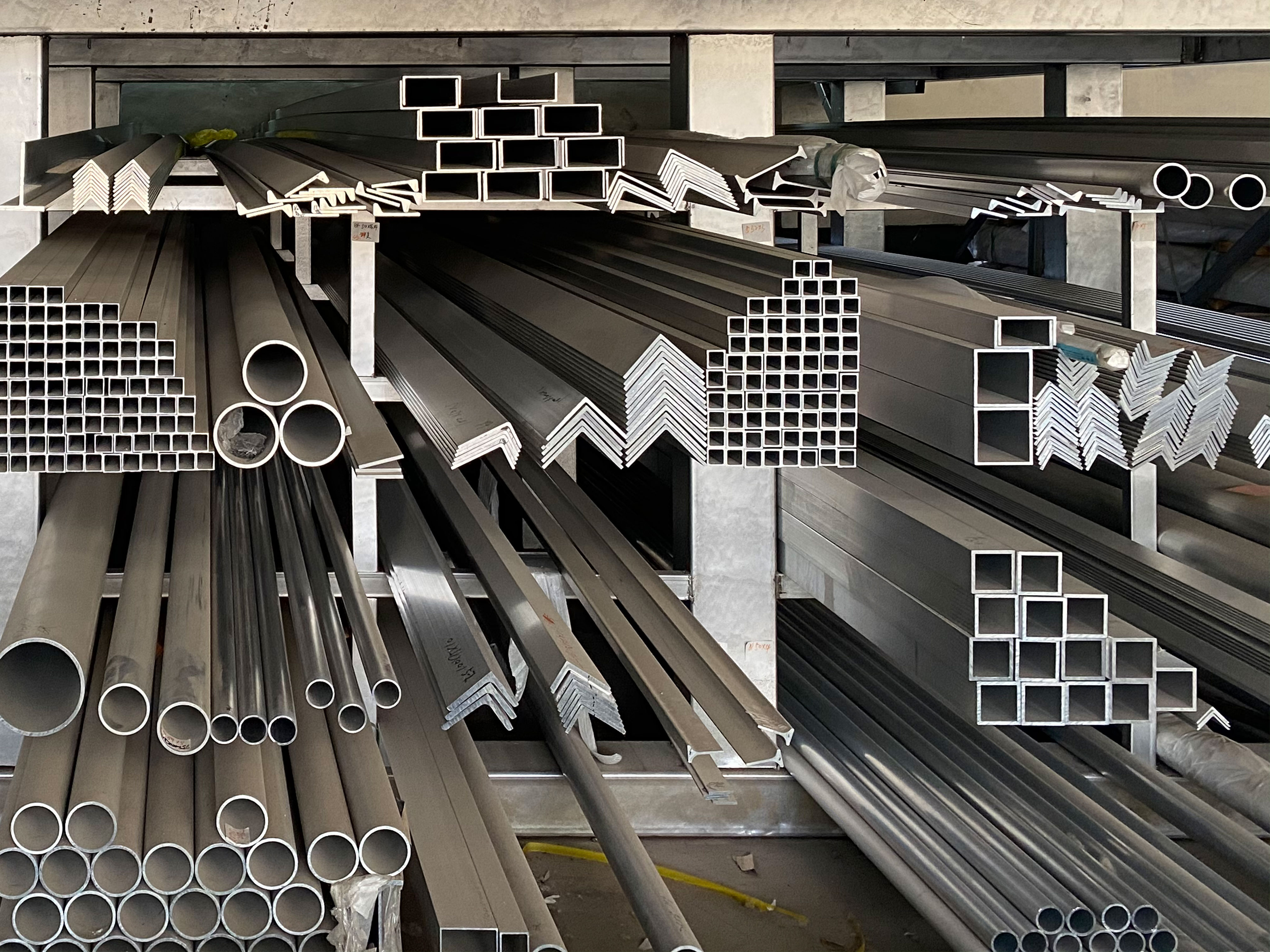
Marine aluminum fencing and railings
Marine Grade Aluminum Fencing and Railings are fabricated using marine-grade aluminum alloys such as 5083, 5052, and 6061, which are engineered specifically for protection against saltwater corrosion and marine atmospheric conditions.
View Details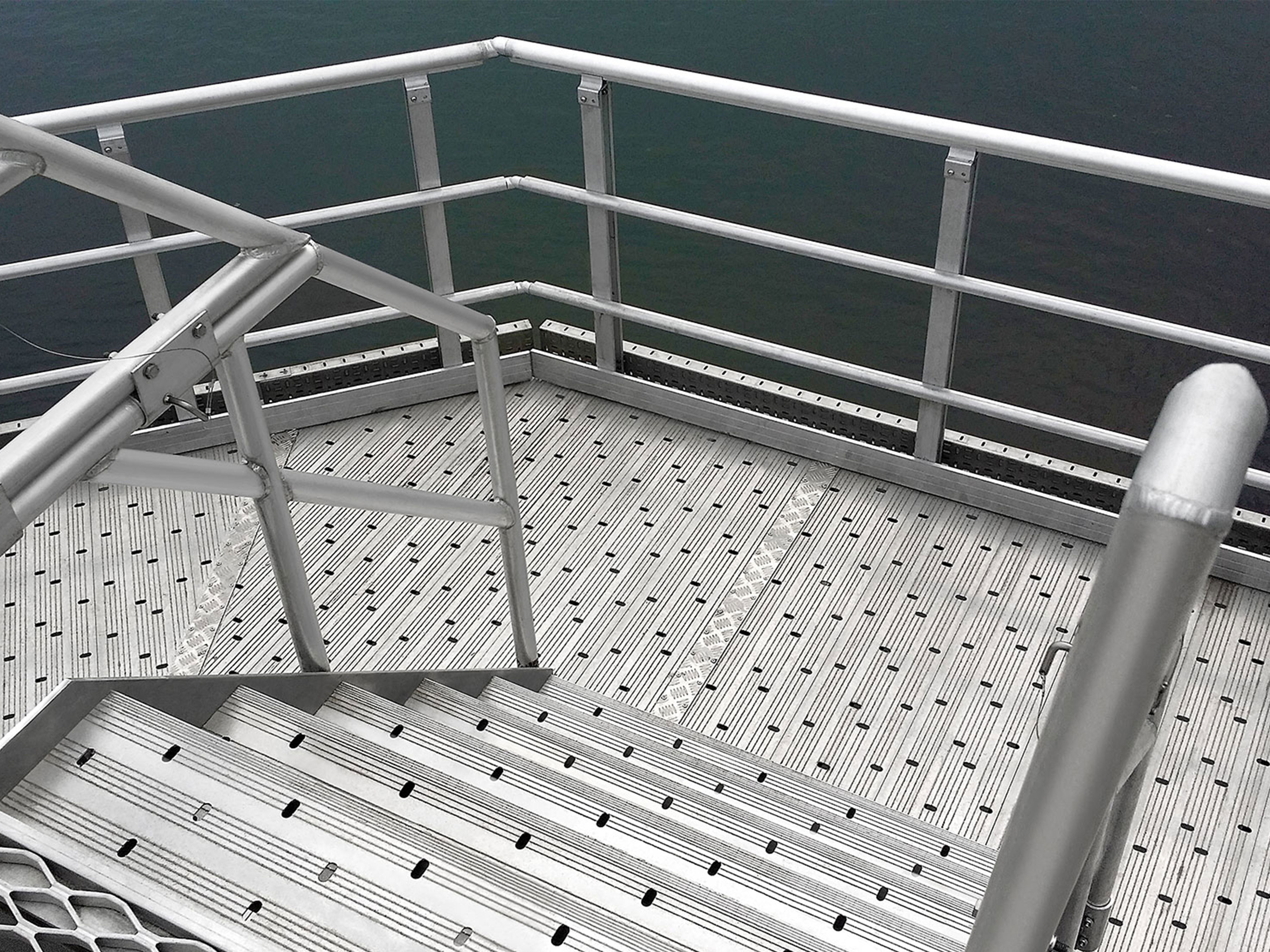
Marine aluminum customized shapes
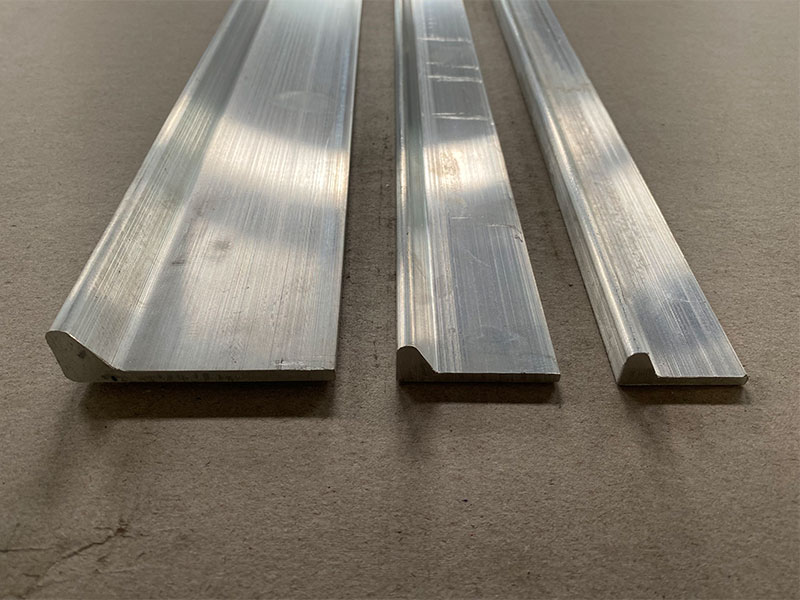
Marine Grade Aluminum Customized Shapes encompass a broad range of aluminum extrusions and fabrications engineered beyond standard profiles—such as channels, angles, tubes, and beams—into complex, project-specific geometries.
View DetailsRelated Blog
5083 Marine Aluminum Fencing and Railings for Seawater Resistant Marine Property Fencing
Marine properties demand fencing and railing systems that can survive salt spray, humidity cycles, UV exposure, and frequent washdowns without turning into a maintenance burden.
View Details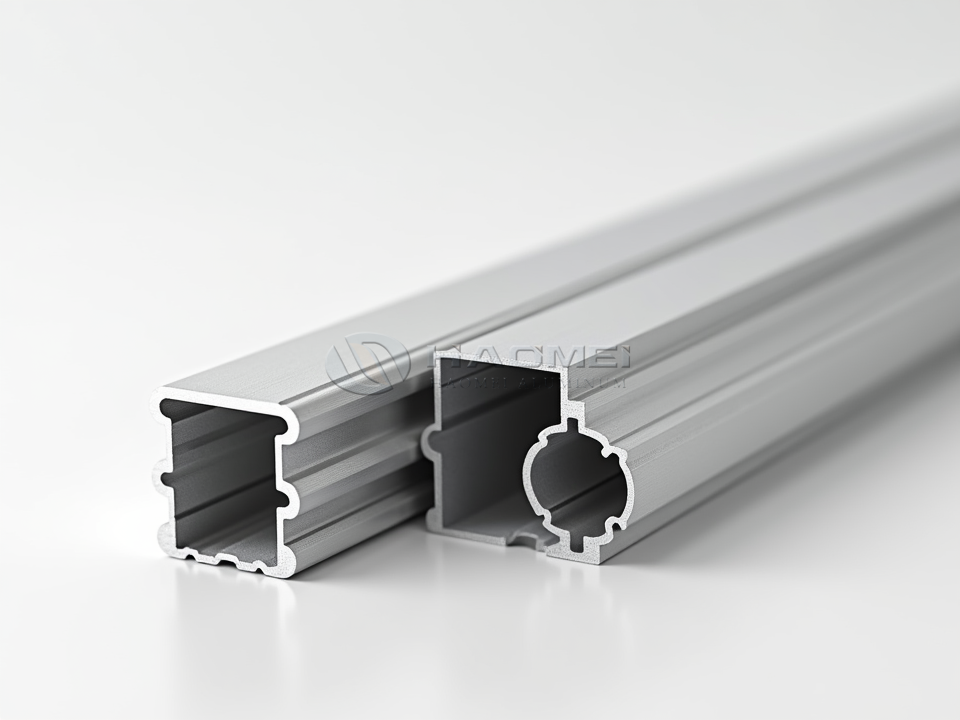
Marine Aluminum Heat Sink Profile for Cooling Coastal Offshore Engineering Equipment
Marine aluminum heat sink profiles combine conductive fin geometry, corrosion control, and low mass to cool exposed coastal and offshore electrical equipment.
View Details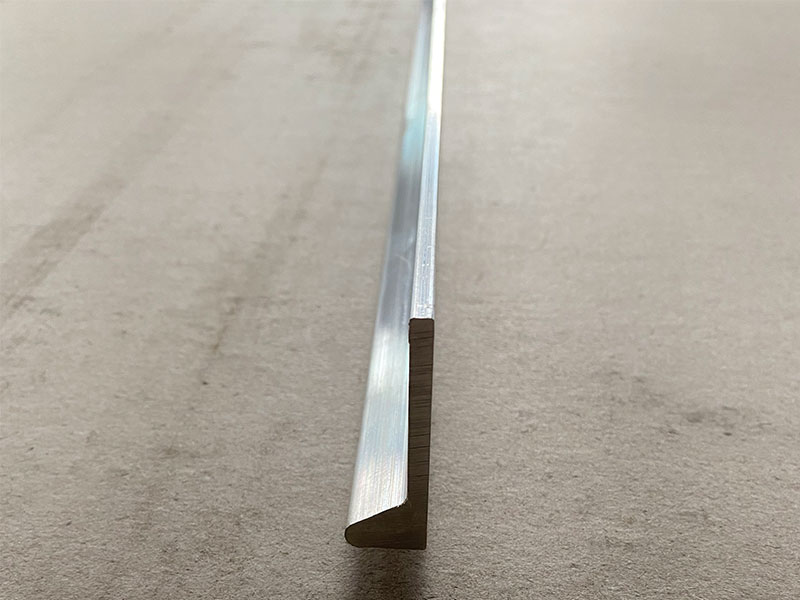
6061 Marine Aluminum Heat Sink Profile for Lightweight Boat Engine Heat Dissipation
Modern marine propulsion systems-whether compact outboards, inboard auxiliaries, electric drives, or hybrid gensets-are increasingly power-dense. That pushes more thermal load into smaller spaces.
View Details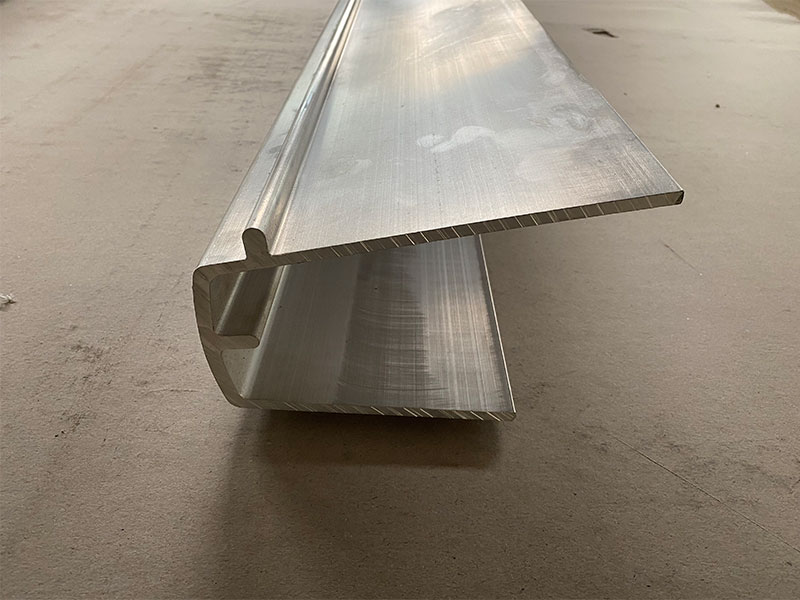
6061 Marine Aluminum Fencing and Railings for Seawater Resistant Marine Safety Rails
6061 Marine Aluminum Fencing and Railings for Seawater Resistant Marine Safety Rails: Built for Salt, Motion, and Maintenance RealityMarine safety rails do more than "separate people from danger.
View Details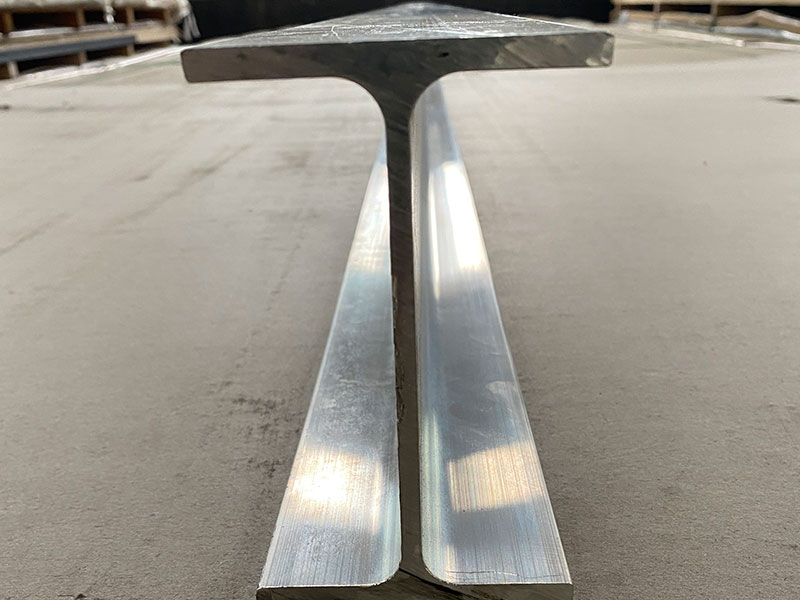
Marine Aluminum Heat Sink Profile for Cooling Solutions for Coastal Engineering
Coastal engineering sites demand cooling hardware that can survive salt spray, high humidity, rapid temperature swings, and limited maintenance access. A marine aluminum heat sink profile is purpose-built for these conditions.
View Details
6061 Marine Aluminum Customized Shapes for Saltwater Resistant Marine Equipment Design
In the maritime industry, the durability and performance of vessels and related equipment are non-negotiable. Among the numerous materials utilized, 6061 marine aluminum has continually proven to be a premier choice.
View Details
Leave a Message