
5083 Marine Aluminum I Beams for Heavy Duty Offshore Platform Design
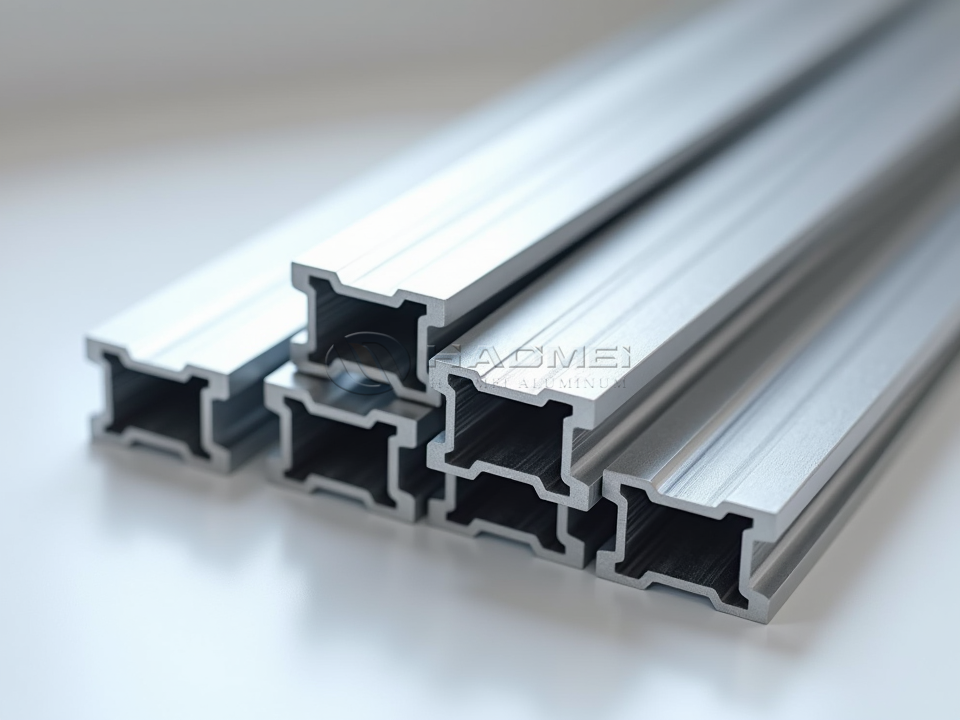
5083 marine aluminum I beams are engineered structural sections for offshore facilities where saltwater exposure, cyclic loading, low maintenance, and weight control all influence design decisions. Built from a high-magnesium aluminum alloy, these beams combine excellent resistance to seawater corrosion with dependable strength and weldability.
For platform operators, fabricators, and marine engineering teams, 5083 I beams provide a practical alternative to heavier steel members in non-primary and weight-sensitive structures. They are widely specified for deck framing, access walkways, equipment foundations, service modules, stair towers, accommodation structures, landing platforms, and corrosion-prone support assemblies.
Why 5083 Aluminum Performs in Offshore Service
Alloy 5083 belongs to the 5xxx aluminum-magnesium series. Its magnesium content gives the material high natural corrosion resistance in chloride-rich marine environments. Unlike carbon steel, it does not require a heavy paint system simply to prevent red-rust formation. This can reduce coating work, inspection demands, and lifetime maintenance in areas exposed to sea spray and humidity.
The I-shaped profile places material where it contributes most effectively to bending stiffness: broad flanges resist tensile and compressive stresses, while the web carries shear loads. This geometry delivers a favorable strength-to-weight ratio for long-span framing and elevated offshore structures.
5083 is also non-heat-treatable. Its strength is obtained through controlled cold working and temper selection, commonly H116 or H321 for marine applications. These tempers are selected for their resistance to exfoliation corrosion and their stable performance in marine atmospheres.
| Performance Characteristic | Benefit for Offshore Platforms |
|---|---|
| High seawater corrosion resistance | Suitable for splash-zone-adjacent structures, open decks, and marine access systems |
| Low density | Reduces dead load, lift weight, and demand on supporting steel or concrete structures |
| Good weldability | Supports efficient fabrication of frames, brackets, connections, and modular assemblies |
| High strength-to-weight ratio | Helps create stiff structural members without excessive platform mass |
| Cryogenic toughness | Retains useful toughness in cold-weather and low-temperature service environments |
| Non-magnetic material | Valuable near sensitive instrumentation or specialized marine equipment |
Chemical Composition of 5083 Marine Aluminum
The controlled magnesium, manganese, and chromium content of 5083 aluminum supports corrosion resistance, strength, and grain structure stability. Composition shall comply with the applicable material standard, purchase specification, and mill certification requirements.
| Element | Typical Specification Range, wt.% | Functional Contribution |
|---|---|---|
| Magnesium, Mg | 4.0-4.9 | Strengthens alloy and improves marine corrosion resistance |
| Manganese, Mn | 0.4-1.0 | Improves strength and controls grain structure |
| Chromium, Cr | 0.05-0.25 | Helps resist stress-corrosion-related degradation |
| Iron, Fe | 0.0-0.4 | Controlled impurity level |
| Silicon, Si | 0.0-0.4 | Controlled impurity level |
| Copper, Cu | 0.0-0.10 | Kept low to preserve corrosion performance |
| Zinc, Zn | 0.0-0.25 | Controlled impurity level |
| Titanium, Ti | 0.0-0.15 | Grain refinement support |
| Aluminum, Al | Balance | Base metal |
Mechanical and Physical Properties
Actual values vary according to temper, beam thickness, forming route, specification, and test direction. The figures shown are practical reference values for 5083-H116 and 5083-H321 marine-grade material. Final structural calculations should always use certified values and the governing offshore design code.
| Property | Typical Value | Test or Design Relevance |
|---|---|---|
| Density | 2.66 g/cm³ | About one-third the density of carbon steel |
| Tensile strength | 290-350 MPa | Resistance to maximum applied tensile stress |
| 0.2% proof strength | 215-280 MPa | Important for beam sizing and allowable-stress design |
| Elongation | 10-16% | Indicates ductility during fabrication and overload events |
| Elastic modulus | 70-72 GPa | Used for deflection and stiffness calculations |
| Brinell hardness | 75-95 HBW | Reference for surface durability and handling resistance |
| Melting range | 570-640°C | Relevant to welding and thermal fabrication planning |
| Thermal conductivity | Approx. 117 W/m·K | Supports heat dissipation in equipment-support structures |
| Electrical conductivity | Approx. 29% IACS | Relevant for grounding design and electrical isolation planning |
I Beam Dimensions and Supply Options
5083 marine aluminum I beams can be supplied as standard or project-specific sections, subject to production route and structural requirements. Larger configurations may be manufactured as fabricated built-up beams using qualified welding procedures. This allows designers to tailor flange width, web depth, wall thickness, and section modulus to actual load cases instead of relying solely on stock profiles.
| Parameter | Typical Supply Capability | Design Consideration |
|---|---|---|
| Alloy | 5083 | Marine-grade aluminum for saltwater exposure |
| Tempers | H116, H321, O | H116 and H321 are common for offshore corrosion resistance |
| Beam form | Extruded or fabricated I section | Selected by size, quantity, and load requirement |
| Beam depth | Project-specific | Determined by span, load, and deflection limits |
| Flange thickness | Project-specific | Sized for bending stress, local buckling, and connection loads |
| Web thickness | Project-specific | Sized for shear capacity and web stability |
| Length | Cut to drawing or transport length | Reduces field cutting and installation time |
| Surface condition | Mill finish, blasted, coated, or anodized where suitable | Coating selection depends on exposure and joining system |
| Documentation | Mill test certificate, dimensional inspection, traceability | Supports offshore quality control requirements |
Structural Benefits Compared With Conventional Steel Beams
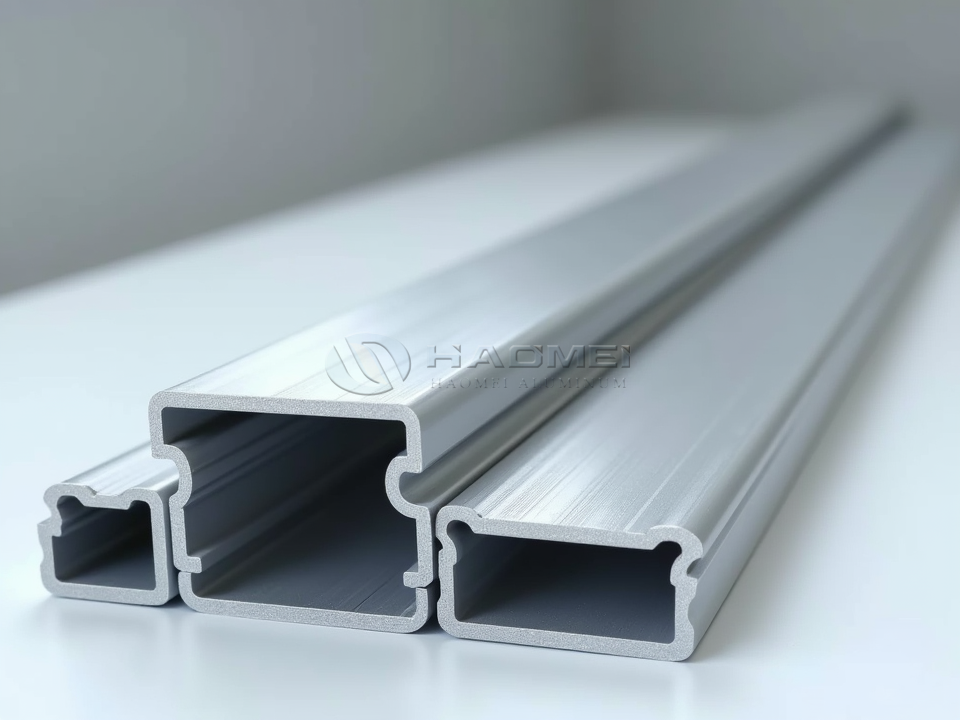
Weight reduction is often the strongest commercial advantage of 5083 I beams. Aluminum weighs approximately 66% less than steel, allowing large reductions in module weight, crane demand, transport cost, and support reactions. In offshore retrofits, this lower dead load can make it possible to add walkways, equipment skids, or access structures without major reinforcement of the existing platform.
The material also provides excellent corrosion behavior in marine air. A naturally formed oxide film protects the surface, although correct detailing remains essential. Drainage paths, crevice avoidance, electrical isolation from dissimilar metals, and controlled fastener selection help preserve long-term performance.
Aluminum has a lower elastic modulus than steel, so deflection and vibration must receive careful attention. A beam should not be selected based on strength alone. Proper flange width, beam depth, bracing intervals, and serviceability calculations are important for personnel walkways, equipment supports, and dynamic machinery areas.
Offshore Applications for 5083 I Beams
5083 I beams fit a broad range of offshore and nearshore structures where corrosion resistance and manageable lifting weight are priorities.
| Application Area | Typical Beam Function | Customer Value |
|---|---|---|
| Offshore platform walkways | Main longitudinal support members | Lightweight access routes with reduced corrosion maintenance |
| Helideck support framing | Secondary framing and edge support | Lower structural mass for elevated deck systems |
| Accommodation modules | Floor, ceiling, and partition support | Faster modular construction and easier handling |
| Cable and pipe rack structures | Support rails and cross beams | Corrosion-resistant framing around utilities |
| Equipment skids | Structural base members | Reduced transport and installation weight |
| Boat landing systems | Bracing and platform framing | Durable support in wet, salt-laden environments |
| Floating platform modules | Deck and internal structural members | Helps control displacement and payload capacity |
| Maintenance platforms | Frames, stair landings, and handrail supports | Long service life with simplified upkeep |
For complete framing packages, 5083 I beams can be paired with Marine aluminum I-beams in complementary profiles and with 5083 marine aluminum flat bar for gussets, cover plates, brackets, and welded connection details.
Fabrication and Joining Guidance
5083 aluminum is readily welded using suitable filler alloys such as 5183, 5356, or 5556, selected according to joint design, corrosion conditions, and required post-weld strength. MIG welding is widely used for thicker structural sections, while TIG welding is suitable for precision work and thinner details.
Weld zones experience softening because the alloy gains strength through strain hardening rather than heat treatment. Design calculations must therefore consider the reduced mechanical properties in the heat-affected zone. Qualified welding procedures, clean joint preparation, controlled heat input, and trained marine aluminum welders are essential.
Where aluminum members connect to carbon steel, stainless steel, or copper-containing materials, galvanic corrosion must be prevented. Isolation pads, non-conductive washers, sealants, coated fasteners, and water-shedding details are commonly used to interrupt electrical contact and reduce trapped moisture.
Selection Value for Heavy-Duty Platform Projects
5083 marine aluminum I beams bring together low structural weight, high chloride-corrosion resistance, fabrication flexibility, and dependable marine service performance. They are especially valuable where platform expansions must remain light, access systems must survive aggressive exposure, or modular assemblies must be lifted and installed efficiently.
A properly designed 5083 beam system is not simply a lighter substitute for steel. It is a purpose-built marine structural solution that can improve installation logistics, minimize corrosion-related upkeep, and support durable offshore platform operation.

Related Products
6061 marine aluminum round bar
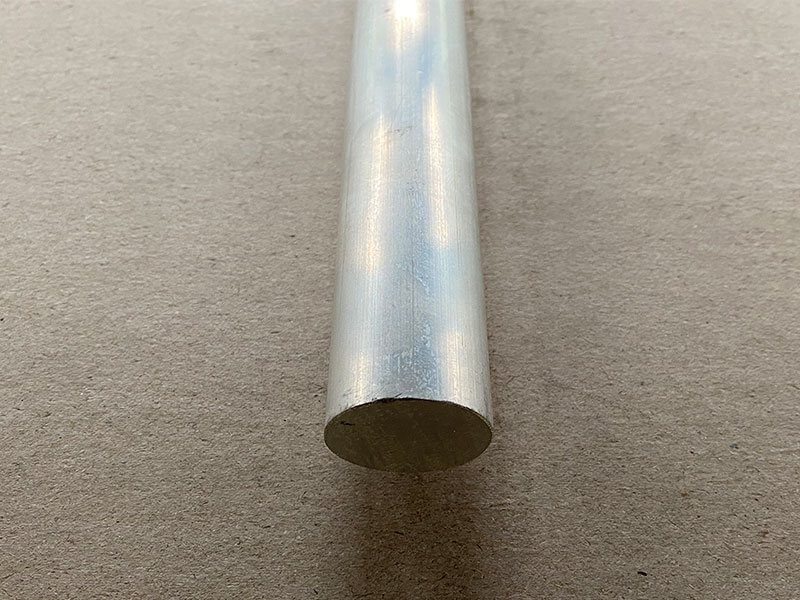
6061 aluminum belongs to the 6xxx series alloys, alloyed primarily with magnesium and silicon. In the T6 temper, it undergoes solution heat treatment and artificial aging, resulting in enhanced mechanical properties while maintaining excellent corrosion resistance.
View Details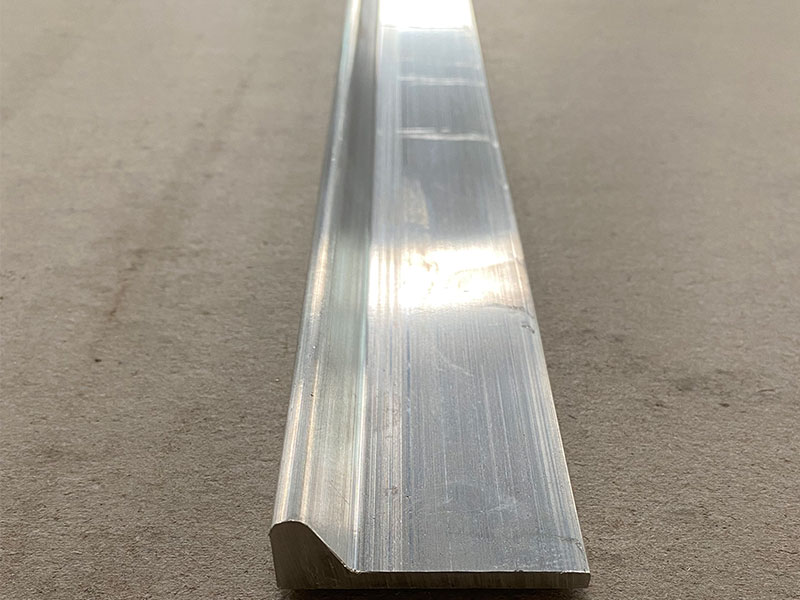
Marine aluminum I-beams
Marine Aluminum I-Beams feature the traditional “I” cross-sectional profile fabricated from marine-grade aluminum alloys like 5083, 5086, and 6061. These alloys are renowned for their outstanding corrosion resistance, especially in saltwater and marine atmospheres, making them ideal for offshore and naval construction.
View Details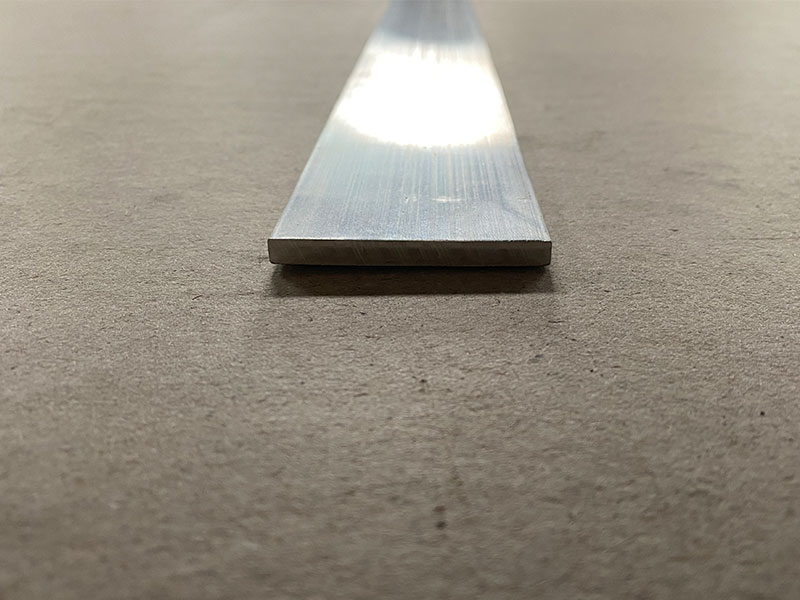
5083 marine aluminum flat bar
5083 aluminum flat bars belong to the 5xxx series of aluminum-magnesium alloys, known primarily for their superior resistance to seawater corrosion and salt spray.
View Details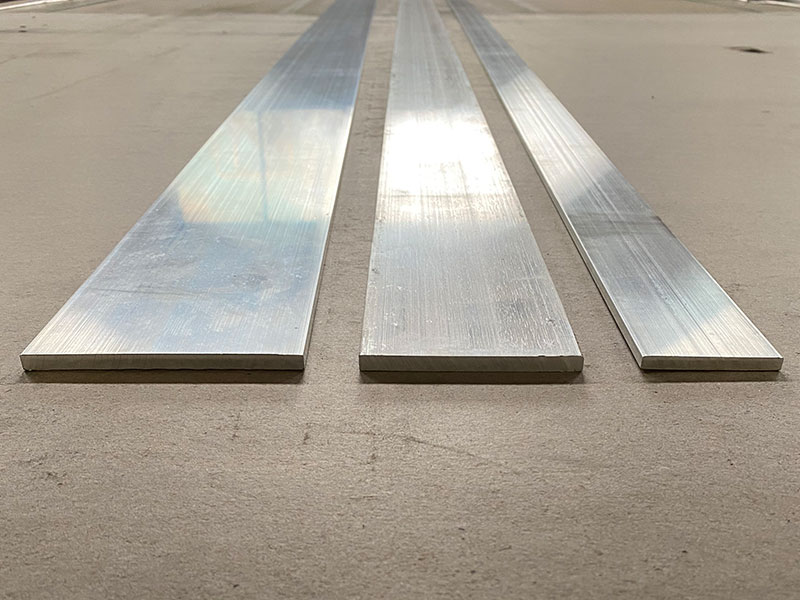
6061 T6 marine aluminum flat bar
6061 aluminum is classified as a heat-treatable 6xxx series alloy, alloyed primarily with magnesium and silicon. The T6 temper designation indicates that the flat bar has been solution heat-treated and artificially aged to achieve optimum strength and hardness.
View Details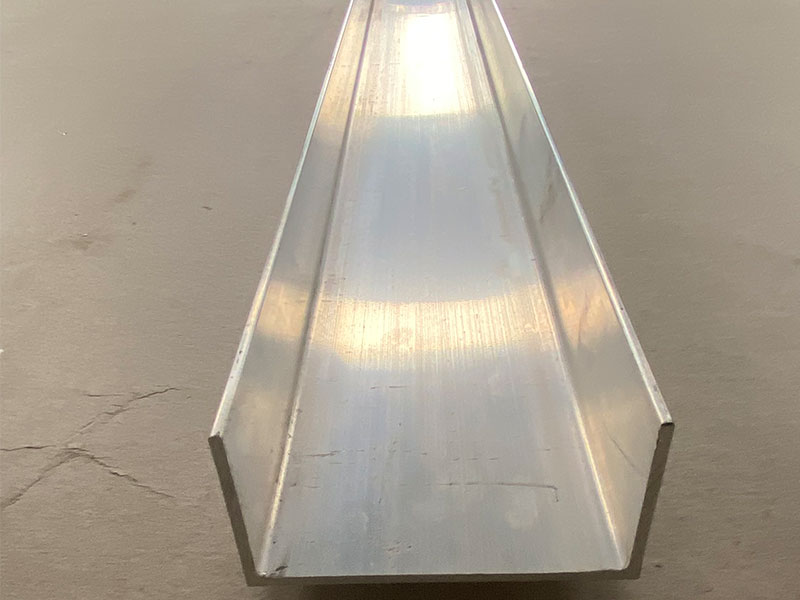
Marine aluminum channels
Marine Aluminum Channels are U-shaped aluminum profiles produced from alloys such as 5083, 5052, and 6061, known for their excellent marine corrosion resistance and superior mechanical strength.
View Details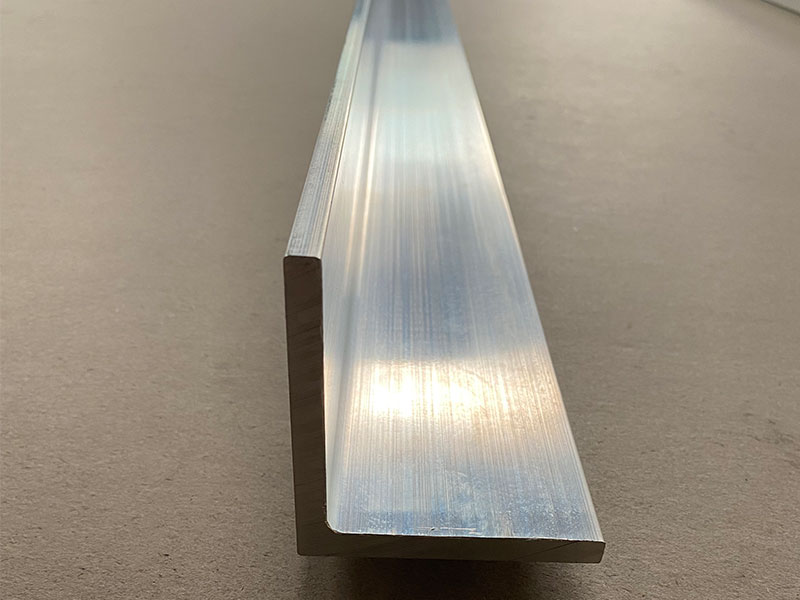
Marine aluminum angles
Marine Aluminum Angles are L-shaped cross-sectional aluminum profiles produced from marine-grade aluminum alloys such as 5083, 5052, and 6061.
View DetailsRelated Blog
5083 Marine Aluminum Z Shaped Sections for Boat Frame and Hull Customization
When it comes to marine structures, the choice of materials is crucial for durability, performance, and safety. One material that consistently stands out in the maritime industry is 5083 marine aluminum.
View Details
6061 T6 Marine Aluminum Flat Bar for Heavy Duty Boat Frame Parts
Strength, corrosion resistance, and durability of 6061 T6 Marine Aluminum Flat Bar – the ideal choice for heavy duty boat frame components ensuring longevity and performance in harsh marine environments.
View Details
6061 Marine Aluminum Angles for High Strength Coastal Marine Parts
6061 Marine Aluminum Angles are premium-grade structural aluminum components widely used in the marine industry due to their exceptional strength, corrosion resistance, and versatility.
View Details
Marine Aluminum Rod & Bar for Offshore Marine Project Design
Marine aluminum rod and bar products are core structural and functional materials in offshore and shipbuilding projects. They combine high strength, excellent corrosion resistance, and low weight.
View Details
6061 Marine Aluminum Round Bar for Custom Marine Vessel Parts
When it comes to marine vessel construction and maintenance, the materials chosen play an integral part in their functionality, longevity, and structural integrity.
View Details
5083 Marine Aluminum Round Bar for Lightweight Coastal Engineering
5083 Marine Aluminum Round Bar for Lightweight Coastal Engineering: When the "Bar" Becomes a Structural StrategyCoastal engineering is often discussed in terms of massive defenses-armor stone, thick steel piles, concrete caissons.
View Details
Leave a Message