
6061 Marine Aluminum Hollow Bars for Lightweight Marine Frame Fabrication
In marine fabrication, an empty center can be a major structural advantage. A well-selected 6061 aluminum hollow bar places metal where it contributes most to stiffness: around the outside of the section. Rather than carrying unnecessary material through the middle, the hollow profile creates an efficient frame member for boat canopies, rail systems, T-tops, cabin supports, equipment racks, boarding structures, and light-duty deck frames.
For builders trying to reduce top-side weight without producing a flexible structure, 6061 marine aluminum hollow bars offer a practical balance of strength, machinability, appearance, and fabrication flexibility. Their value is not simply that they are light. Their real contribution is helping a fabricator control how a frame behaves under vibration, wind pressure, passenger loads, and repeated wave impact.
Why Hollow Sections Work So Well Above Deck
A marine frame is rarely loaded in one simple direction. A radar arch may see side loading from wind, fore-and-aft vibration from the hull, torsion from mounted electronics, and localized stress where it joins the deck. A solid aluminum bar can carry these loads, but it often adds weight where it provides comparatively little resistance to bending.
Hollow square, rectangular, or round profiles behave differently. Their outer walls are farther from the centerline, which improves resistance to bending and twisting for a given amount of aluminum. This is why a properly sized hollow member can feel noticeably more rigid than a smaller solid bar while avoiding the weight penalty of an oversized solid section.
For a tower, console grab rail, bimini frame, or removable deck structure, reducing several kilograms above the waterline has a larger effect than the same reduction near the keel. Less elevated weight can improve balance, reduce rocking, and make trailered boats easier to handle. It can also lower the forces transferred into deck mounting pads during rough-water operation.
The best frame is therefore not the heaviest one. It is the one that uses section shape, wall thickness, bracing, and joint design intelligently.
What 6061 Brings to Marine Fabrication
6061 aluminum is widely respected as a structural alloy, particularly in the T6 temper. It offers dependable strength, good dimensional stability, and clean machining characteristics. Fabricators can cut, drill, mill, bend within appropriate limits, and assemble it into precise components without the gummy behavior sometimes associated with softer alloys.
For hollow bars used in marine frames, 6061-T6 is especially attractive when the project includes fitted joints, threaded inserts, machined end plugs, hinge brackets, mounting blocks, or hardware interfaces. A polished or coated 6061 frame can also provide the crisp, professional appearance expected on recreational boats and workboats.
It is important, however, to define "marine" realistically. 6061 has useful atmospheric and freshwater corrosion resistance, but it is not automatically the best answer for every continuously wet saltwater exposure. Hull plating and immersed structures often favor 5xxx-series alloys such as 5083 or 5086. A 6061 frame mounted above deck, designed to drain, isolated from dissimilar metals, and maintained properly can perform very well. A 6061 member left with salt trapped inside joints or beneath stainless fittings will require more attention.
When a project needs alternatives for fittings, braces, or machined structural pieces, fabricators can compare Marine Grade Aluminum Bars across different shapes and alloy options before finalizing the frame layout.
Welding Changes the Design Conversation
The common mistake in aluminum frame work is selecting a section based only on the published strength of 6061-T6. Once welded, the heat-affected zone beside the weld no longer retains full T6 properties. The local metal softens, and its yield strength is substantially reduced unless a full post-weld heat treatment is performed, which is uncommon for a completed marine frame.
That does not make welded 6061 unsuitable. It means the joints should be treated as the governing part of the structure. Select wall thickness that supports sound welding without burn-through, avoid abrupt transitions at highly stressed joints, and use gussets or sleeves where the frame changes direction. A large-radius corner and a well-positioned brace will often improve durability more effectively than simply increasing the tube diameter.
TIG welding is frequently chosen for visible frames because it offers excellent control and a neat finish. MIG welding may be more efficient on larger frames or heavier wall sections. In either method, compatible filler selection matters. 5356 filler is often preferred where higher joint strength and better color match after anodizing are desired, while 4043 may be chosen for certain cracking-control or finishing requirements. The right choice depends on the joint, service environment, coating plan, and welding procedure.
Design for Drainage, Not Just Strength
The inside of a hollow bar deserves as much attention as the outside. Frames fail prematurely when water enters through a cap, a fastener hole, or a poorly sealed weld and remains trapped. Saltwater inside a warm, closed section can create a persistent corrosion environment that is invisible until staining, swelling, or cracking appears around a joint.
Use fully welded end closures where practical, or fit purpose-made caps that are sealed and mechanically secure. Where complete sealing is not realistic, provide deliberate drainage and ventilation rather than hoping the cavity stays dry. Avoid low points that become water pockets. On railings and arches, small drain paths placed on the underside can be far more effective than a decorative cap alone.
Fastener locations also deserve planning. Stainless steel bolts installed directly against bare aluminum can encourage galvanic corrosion in the presence of seawater. Use suitable isolation washers, sleeves, bedding compounds, or nonconductive barrier materials. Keep fittings clean, prevent crevice zones, and avoid placing dissimilar-metal hardware where water can sit against the aluminum surface.
Choosing Shape and Wall Thickness
Round hollow bars are popular for handrails, leaning-post structures, pipe-style T-tops, and visually smooth tubular frames. They distribute loads evenly in many directions and are comfortable to grip. Square and rectangular hollow bars are often more convenient for cabin frames, solar-panel supports, electronics enclosures, and fabricated brackets because flat faces simplify mounting and alignment.
Wall thickness should be selected from the actual span, loading, weld access, attachment method, and expected vibration. A thin-wall profile may appear adequate when held by hand, yet flex significantly once a canopy, antenna, or gear rack is mounted to it. Conversely, an excessively heavy section can increase deck loads and make welding more difficult.
Consider the frame as a complete load path. A stiff cross brace can allow a lighter main member. A broad deck foot can reduce stress concentration at the hull. A through-bolted backing plate may provide more long-term reliability than a thicker tube attached to a weak mounting surface. This system-based thinking is where hollow aluminum profiles become most effective.
For projects requiring a purpose-made profile, Marine aluminum hollow bars can be selected in shapes and dimensions suited to the frame's span, connection style, and finishing requirements.
Surface Protection and Long-Term Appearance
Bare 6061 develops a natural oxide film, but marine frames benefit from a planned finish strategy. Powder coating can provide color and a protective barrier when pretreatment is carefully controlled. Anodizing offers a durable metallic appearance, although weld zones and filler material may show color variation. Polished finishes look striking but require regular washing and protection to preserve their appearance.
Regardless of finish, freshwater rinsing after salt exposure remains one of the simplest maintenance practices. Pay extra attention to welded intersections, hardware bases, end caps, and contact points beneath cushions or canvas fittings.
6061 marine aluminum hollow bars are most successful when treated as engineered frame members, not generic tube. Select a profile that resists the real loads, acknowledge weld-softened zones, build in drainage, isolate dissimilar metals, and keep the finished structure serviceable. With those details handled well, hollow 6061 sections can create marine frames that are lighter to lift, cleaner to fabricate, and reliable through years of use.

Related Products
Marine aluminum hollow bars
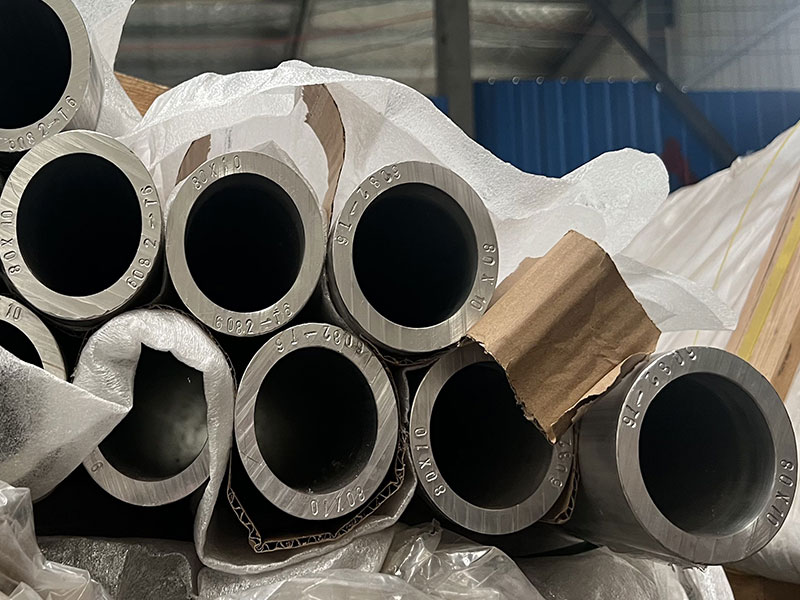
Marine Grade Aluminum Hollow Bars are fabricated from high-quality alloys such as 5083, 5052, 6061, and 6082, all known for their exceptional resistance to seawater corrosion, salt spray, and marine atmospheres.
View Details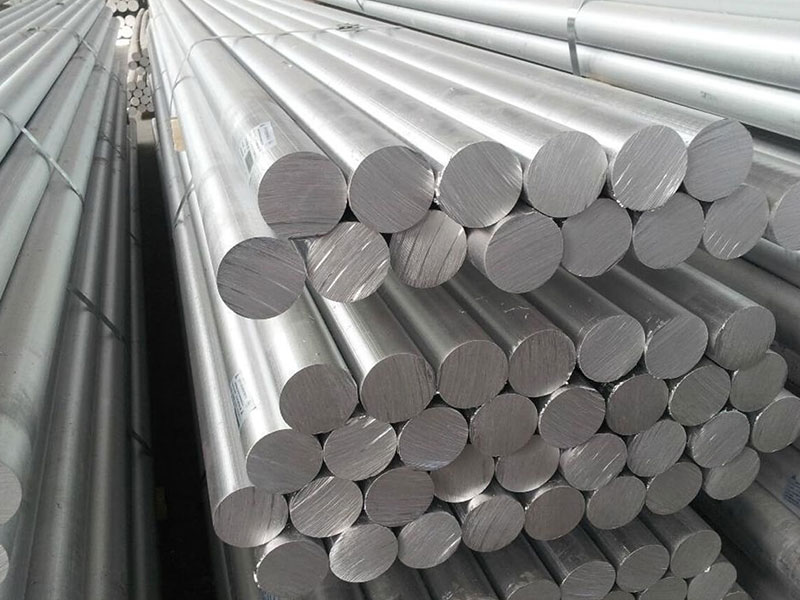
6082 marine aluminum rod & bar
6082 Aluminum Rods & Bars are extruded or rolled products manufactured from 6082 aluminum alloy — a thermally treated (typically T6 temper) aluminum-magnesium-silicon alloy that balances high tensile strength, good weldability, and excellent corrosion resistance.
View Details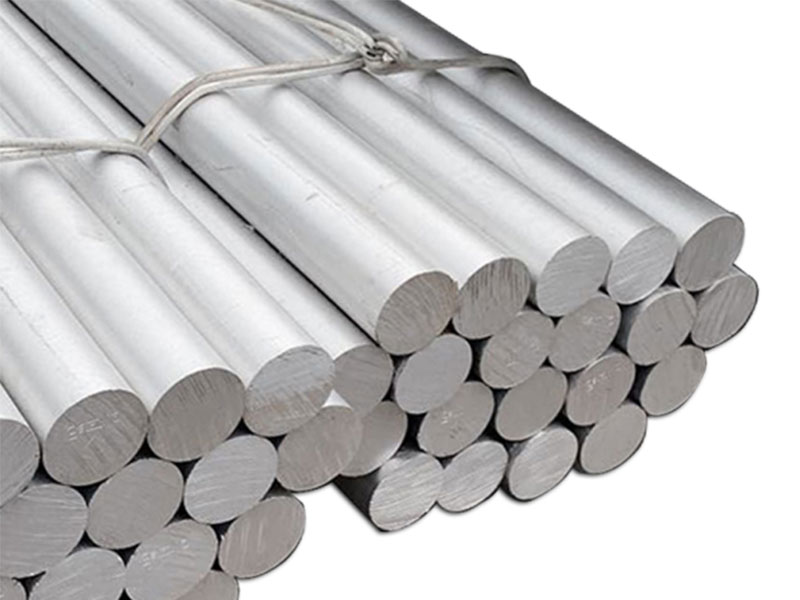
Marine grade aluminum solid bar
Marine Grade Aluminum Solid Bars are produced from premium aluminum alloys optimized for saltwater exposure, such as 5083, 5052, 6061, and 6082. These alloys offer unparalleled resistance to corrosion caused by seawater, salt spray, and marine atmospheres, while maintaining excellent mechanical strength and toughness.
View Details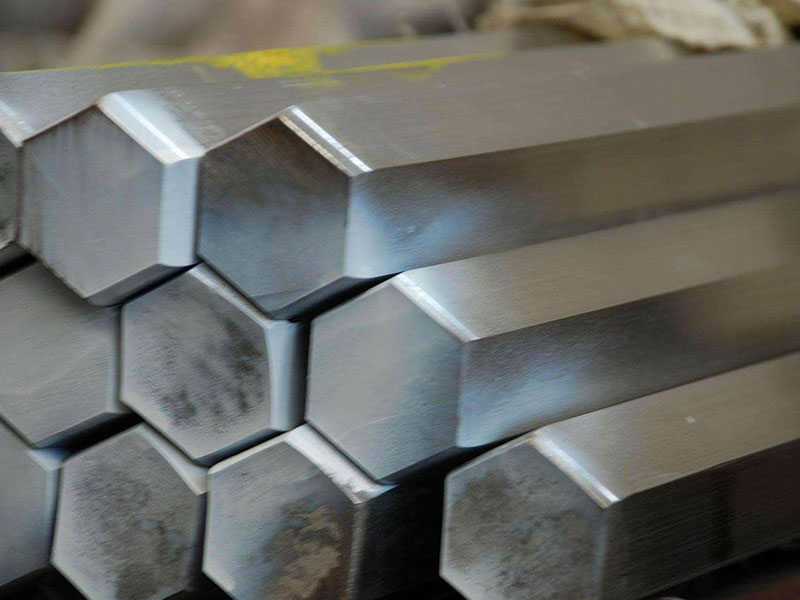
Marine aluminum hexagonal bars
Marine Grade Aluminum Hexagonal Bars are produced from premium corrosion-resistant aluminum alloys such as 5083, 5052, 6061, and 6082.
View DetailsRelated Blog
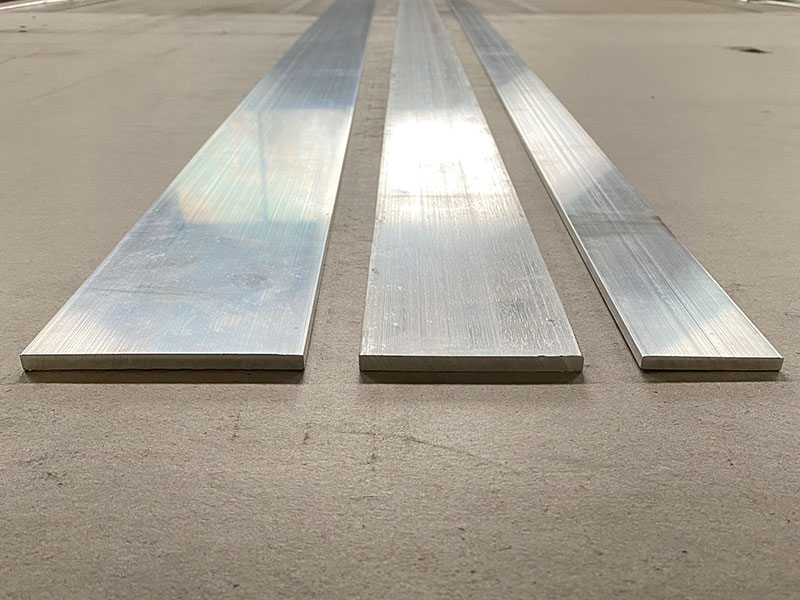
5052 Marine Aluminum Bar for High Performance Marine Structural Parts
When marine structures demand long service life, low maintenance, and consistent mechanical performance, 5052 marine aluminum bar is a proven solution. Built around a magnesium-strengthened alloy system.
View Details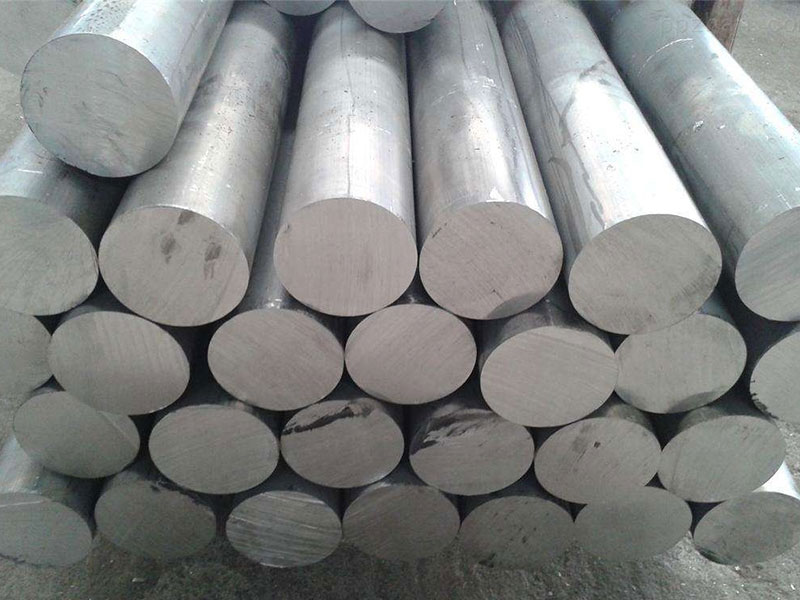
6082 Marine Grade Aluminum Solid Bar for Industrial Marine Support
6082 Marine Grade Aluminum Solid Bar for Industrial Marine Support: The "Quiet Backbone" of Working VesselsIn marine engineering, the most important parts are rarely the loudest.
View Details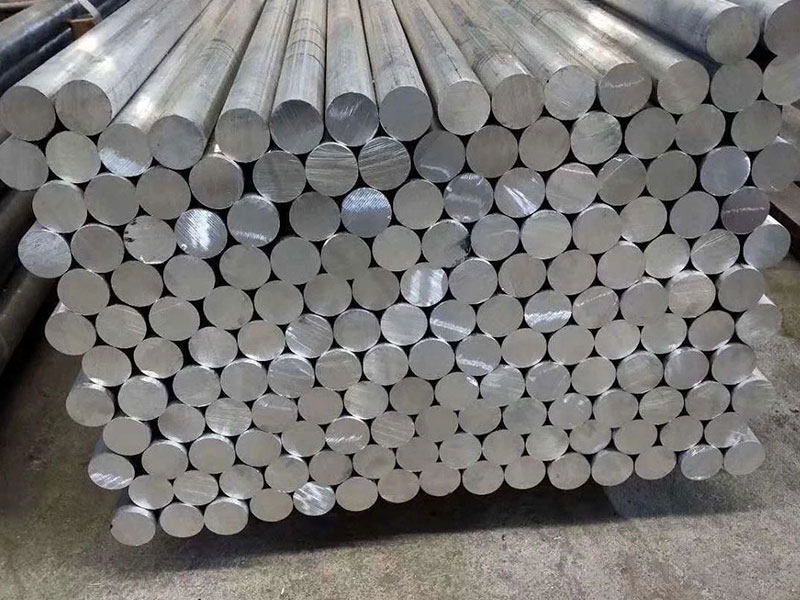
5083 Marine Grade Aluminum Solid Bar for Custom Marine Construction
The 5083 Marine Grade Aluminum Solid Bar is a highly regarded alloy, specifically designed to meet the stringent demands of the marine environment. Renowned for its exceptionally high resistance to corrosion, strength, and weldability.
View Details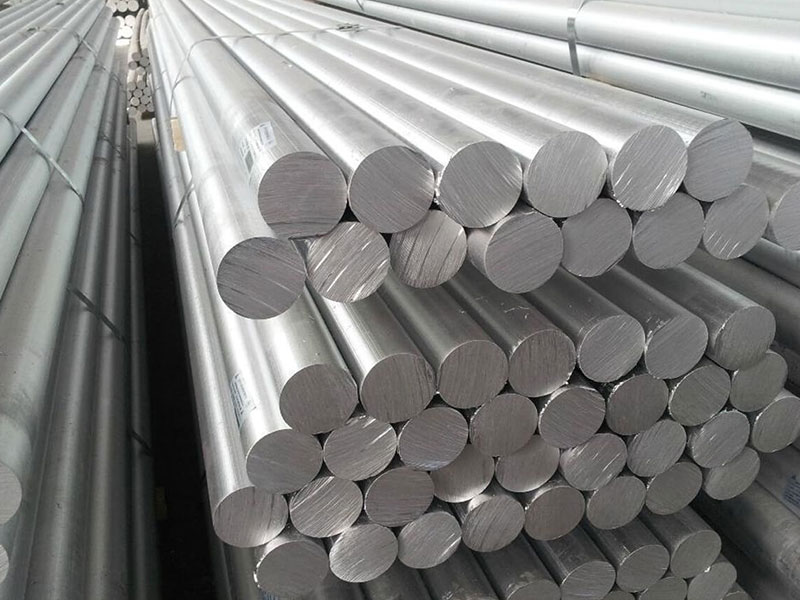
6061 Marine Aluminum Bar for Boat Frame Customization
When it comes to building or customizing boat frames, choosing the right material significantly impacts durability, performance, and maintenance.
View Details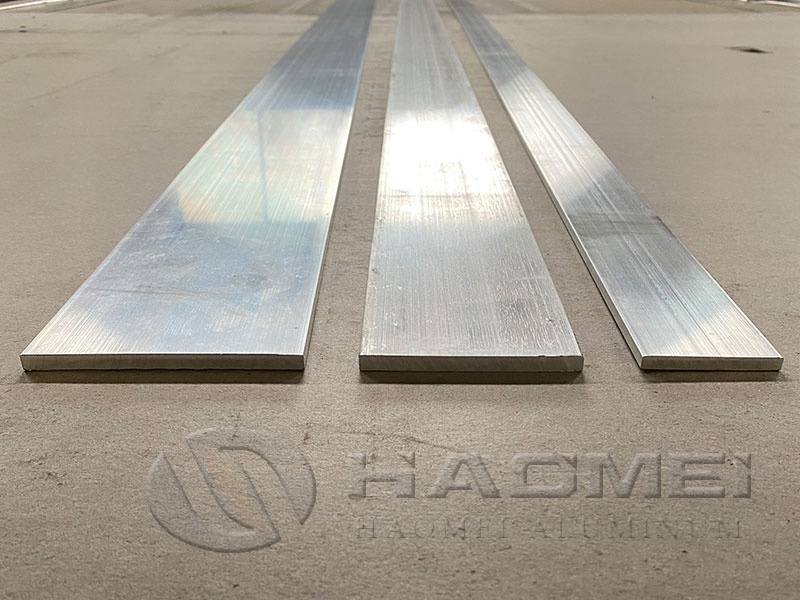
5083 Marine Aluminum Hollow Bars for Offshore Vessel Support Parts
Concise guide to 5083 marine aluminum hollow bars for offshore vessel support parts, covering specs, corrosion resistance, fabrication, uses, and buying notes.
View Details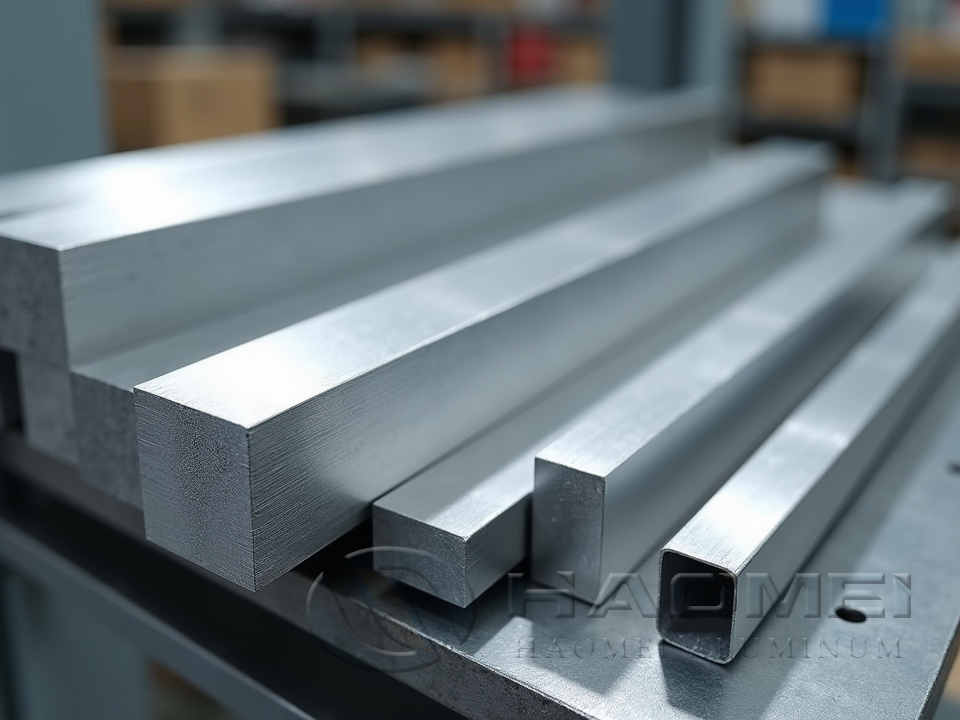
6082 Marine Aluminum Hexagonal Bars for Offshore Platform Construction
Explore 6082 marine aluminum hexagonal bars for offshore platforms, with T6 strength, corrosion resistance, machining data, uses, and specs.
View Details
Leave a Message