
Marine Aluminum Hollow Bars for Custom Marine Equipment Reinforcement
Marine environments punish materials in quiet, relentless ways: salt spray creeps into joints, vibration works fasteners loose, and cyclic wave loading turns small stress risers into cracks. Marine aluminum hollow bars are engineered to meet those realities by combining high corrosion resistance, excellent strength-to-weight ratio, and design flexibility for reinforcement structures in custom marine equipment. Hollow geometry delivers stiffness where it matters while reducing mass-helping builders improve payload, stability, and fuel efficiency without sacrificing durability.
What Are Marine aluminum hollow bars?
Marine aluminum hollow bars are tubular or bored solid bars produced from marine-grade aluminum alloys (commonly 5xxx and 6xxx series). They are supplied in round, square, or rectangular profiles with controlled outer diameter/width, inner diameter/bore, and straightness. Compared with solid bar, the hollow section shifts material away from the neutral axis, improving bending efficiency and allowing reinforced designs with less weight.
Typical supply forms include:
- Extruded hollow sections (tube-like profiles)
- Drilled/trepanned hollow bars for thicker walls and tight concentricity
- Drawn/straightened options for improved dimensional control
Why Hollow Bars Work So Well in Marine Reinforcement
Weight reduction with structural efficiency
Hollow sections offer a favorable stiffness-to-weight balance. For reinforcement frames, brackets, and standoffs, this often translates to lighter assemblies with comparable deflection performance versus solid bars.
Corrosion resistance tailored for seawater
Marine alloys are selected to resist chloride-driven corrosion. With proper alloy choice and finishing, hollow bars maintain integrity in splash zones, bilges, and deck hardware environments.
Clean fabrication and customization
Marine aluminum hollow bars machine well for custom fittings-slots, cross-drilling, threaded inserts, bushing seats, and clamp interfaces. They also weld effectively when matched with appropriate filler and procedures.
Cable and fluid routing
The internal cavity can act as a protected pathway for wiring, sensor lines, or small-bore hoses-reducing snag points and improving maintainability.
Recommended Marine Alloys (Common Choices)
Marine reinforcement projects typically use the following alloys depending on fabrication method, required strength, and corrosion exposure.
Alloy Selection Guide
| Alloy / Temper | Advantage | Typical Marine Use | Notes |
|---|---|---|---|
| 5083 (H111/H116) | Excellent seawater corrosion resistance, strong, reliable in plate/bar | High-load reinforcements, brackets near splash zone | Not heat-treatable; weld strength retention is good |
| 5086 (H111/H116) | Very good corrosion resistance, good formability | Structural reinforcements, welded frames | Similar to 5083; often chosen for weldments |
| 6061 (T6/T6511) | High strength, good machinability, versatile | Machined reinforcement parts, standoffs, mounts | Good general marine performance with anodizing/coating; watch galvanic couples |
| 6082 (T6) | Strong, good extrudability (common in EU) | Extruded hollow reinforcements, beams | Often used for structural extrusions |
Typical Chemical Composition (Reference Ranges)
Actual compositions depend on mill certification and applicable standards. The table below summarizes common ranges used in marine fabrication.
Chemical Composition (wt.%)
| Alloy | Mg | Si | Mn | Fe | Cu | Cr | Zn | Ti | Al |
|---|---|---|---|---|---|---|---|---|---|
| 5083 | 4.0–4.9 | ≤0.40 | 0.4–1.0 | ≤0.40 | ≤0.10 | 0.05–0.25 | ≤0.25 | ≤0.15 | Balance |
| 5086 | 3.5–4.5 | ≤0.40 | 0.2–0.7 | ≤0.50 | ≤0.10 | 0.05–0.25 | ≤0.25 | ≤0.15 | Balance |
| 6061 | 0.8–1.2 | 0.4–0.8 | ≤0.15 | ≤0.70 | 0.15–0.40 | 0.04–0.35 | ≤0.25 | ≤0.15 | Balance |
| 6082 | 0.6–1.2 | 0.7–1.3 | 0.4–1.0 | ≤0.50 | ≤0.10 | ≤0.25 | ≤0.20 | ≤0.10 | Balance |
Mechanical Performance Snapshot (Typical Values)
Strength depends on temper, section thickness, and production route. Use certified values for final design, but these typical ranges help compare options.
Typical Mechanical Properties
| Alloy / Temper | Tensile Strength (MPa) | Yield Strength (MPa) | Elongation (%) | Notes |
|---|---|---|---|---|
| 5083-H116 | 305–360 | 215–290 | 10–16 | Strong corrosion performance in seawater exposure |
| 5086-H116 | 275–345 | 195–275 | 10–16 | Excellent for welded reinforcement assemblies |
| 6061-T6 | 290–340 | 240–290 | 8–12 | Great for precision machining and bolted joints |
| 6082-T6 | 300–360 | 250–310 | 8–12 | Common for extruded structural hollow sections |
Technical Specifications (Common Supply Range)
Marine aluminum hollow bars are typically ordered by outer size, inner size, wall thickness, length, and tolerance class.
Dimensional & Supply Parameters
| Parameter | Typical Range | Customer Options |
|---|---|---|
| Outer diameter / width | 20–300 mm | Round, square, rectangular |
| Inner diameter / bore | 10–260 mm | Concentric bore; custom ID on request |
| Wall thickness | 3–40 mm | Optimized for stiffness, weldability, and weight |
| Length | 1–6 m | Cut-to-length available |
| Straightness | Controlled per tolerance | Tightened for long reinforcement members |
| Surface finish | Mill finish (standard) | Anodizing, coating-ready, polished options |
| Production route | Extruded or trepanned/drilled | Choose based on tolerance and wall thickness needs |
Features That Matter on the Water
High corrosion resistance in real marine exposure
5xxx alloys (5083/5086) are widely trusted for seawater contact and splash-zone service. For 6xxx alloys (6061/6082), protective finishing and careful joint design reduce risk in aggressive chloride environments.
Weldability for integrated reinforcement frames
Hollow bars integrate smoothly into gussets, frames, and supports. In practice, designers use hollow bars as compression struts, cross-members, and reinforced spacers, then stitch them into the surrounding structure with marine-qualified welding procedures.
Machinability for custom equipment interfaces
Marine equipment reinforcement often needs precision interfaces for:
- Hinge pins and bushing seats
- Clamp collars and saddles
- Threaded inserts and anti-rotation features
- Sensor brackets and alignment jigs
6061 and 6082 are especially popular when the reinforcement component is heavily machined.
Improved stiffness-to-mass for vibration control
Weight savings reduce overall inertia, while the section shape can be selected to improve bending stiffness and vibration behavior in mounts for pumps, winches, steering components, and deck mechanisms.
Applications in Custom Marine Equipment Reinforcement
Marine aluminum hollow bars are a practical reinforcement choice wherever equipment loads meet saltwater exposure:
- Davits, cranes, and lifting arms: hollow cross-members and braces for controlled deflection with reduced mass
- Deck equipment mounts: reinforced standoffs, raised bases, and load-spreading subframes under winches and capstans
- Handrails and safety structures: durable hollow members with internal routing for wiring or lighting
- Electronics and sensor masts: stiff, lightweight hollow uprights that reduce sway and simplify cable management
- RIB and workboat accessories: reinforcement for frames supporting consoles, tow posts, and utility racks
- Custom brackets and collars: hollow-bar machined parts that resist bending while keeping assemblies light
- Under-deck reinforcement: structural spacers and beams in confined areas where weight and access are critical
Finishing and Corrosion Control (Practical Notes)
Galvanic corrosion is a system problem, not just a material problem. For long service life:
- Pair aluminum with compatible fasteners and isolators where needed
- Use coatings/anodizing appropriate for the exposure zone
- Seal crevices and avoid water traps at joints
- Specify surface preparation suitable for marine paint systems
When customers share the installation environment (fully submerged, splash zone, enclosed bilge, or topside), the alloy and finishing strategy can be optimized for both durability and cost.
What to Specify When Ordering
To ensure the hollow bar fits your reinforcement design without rework, specify in a clear parameter set.
Order Checklist (Data-Driven)
| Item | Example | Why It Matters |
|---|---|---|
| Alloy / temper | 5083-H116 or 6061-T6 | Corrosion, strength, welding vs machining |
| Profile | Round hollow bar | Load direction and connection style |
| OD × ID | 80 mm × 50 mm | Determines wall thickness and stiffness |
| Length | 6,000 mm | Minimizes weld joints |
| Tolerances | Standard or tightened | Controls fit-up, concentricity, and machining allowance |
| Surface condition | Mill finish / anodize-ready | Influences coating quality and corrosion behavior |
| Certification | Mill test report | Confirms chemistry and mechanical properties |
Marine aluminum hollow bars are a high-leverage reinforcement material for custom marine equipment: light enough to improve efficiency, strong enough for demanding loads, and corrosion-resistant enough for saltwater realities. With the right alloy selection-often 5083/5086 for welded corrosion-critical structures or 6061/6082 for precision machined reinforcements-hollow bars provide a clean, customizable backbone for stronger, smarter marine builds.

Related Products
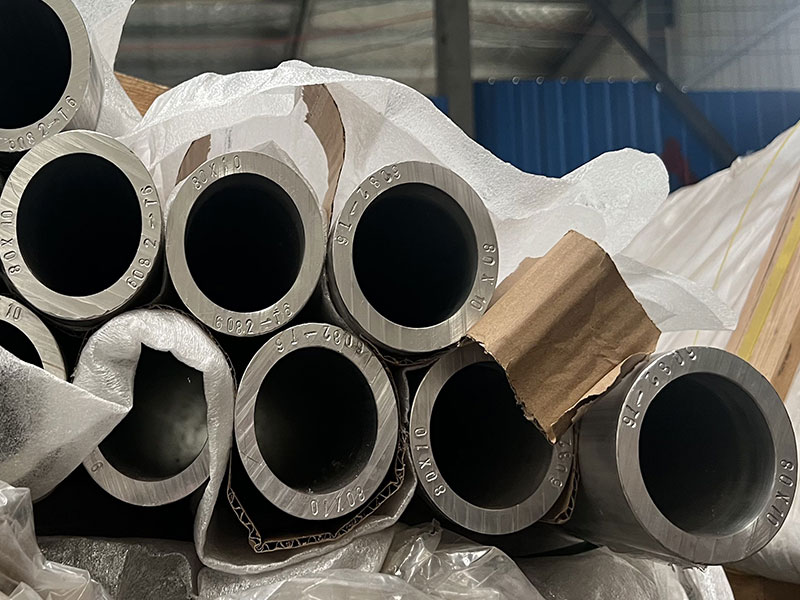
Marine aluminum hollow bars
Marine Grade Aluminum Hollow Bars are fabricated from high-quality alloys such as 5083, 5052, 6061, and 6082, all known for their exceptional resistance to seawater corrosion, salt spray, and marine atmospheres.
View Details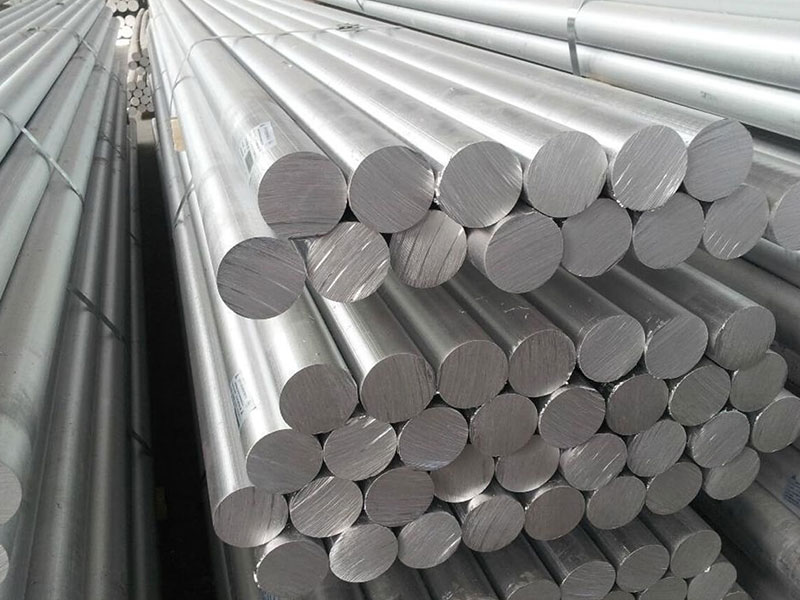
6082 marine aluminum rod & bar
6082 Aluminum Rods & Bars are extruded or rolled products manufactured from 6082 aluminum alloy — a thermally treated (typically T6 temper) aluminum-magnesium-silicon alloy that balances high tensile strength, good weldability, and excellent corrosion resistance.
View Details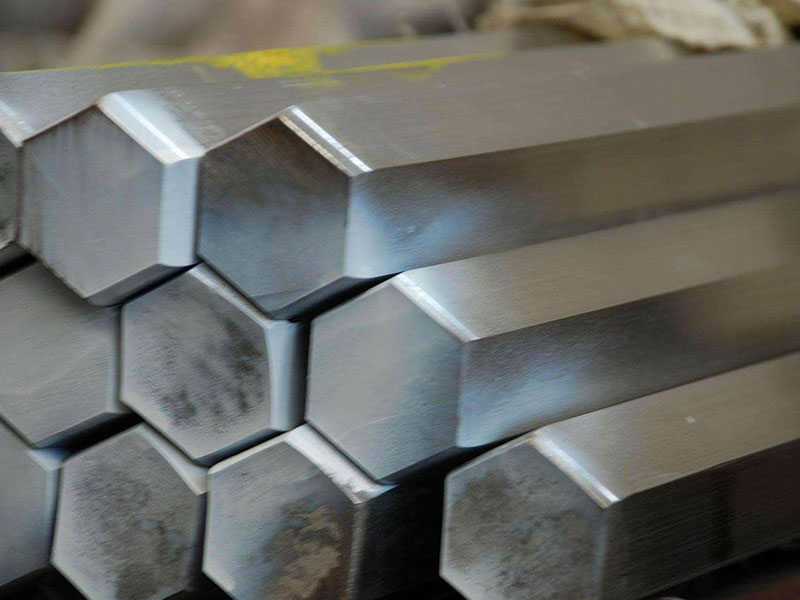
Marine aluminum hexagonal bars
Marine Grade Aluminum Hexagonal Bars are produced from premium corrosion-resistant aluminum alloys such as 5083, 5052, 6061, and 6082.
View Details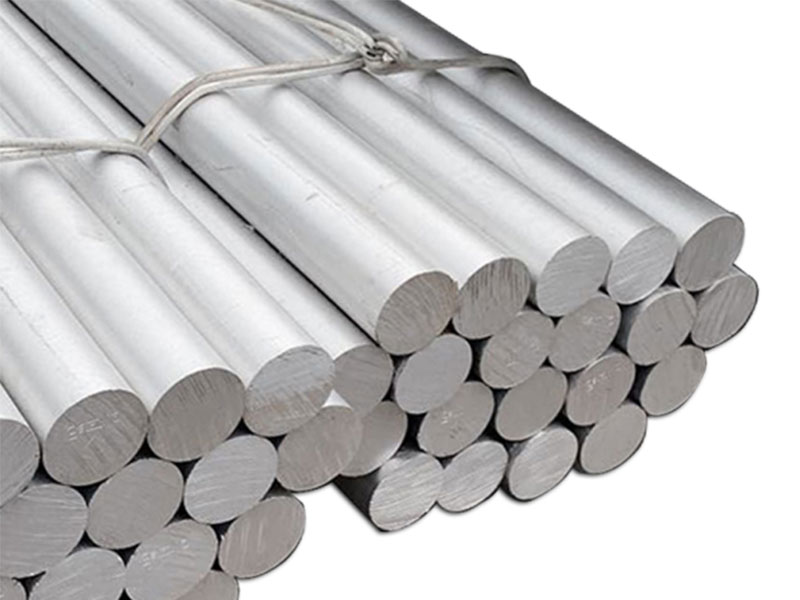
Marine grade aluminum solid bar
Marine Grade Aluminum Solid Bars are produced from premium aluminum alloys optimized for saltwater exposure, such as 5083, 5052, 6061, and 6082. These alloys offer unparalleled resistance to corrosion caused by seawater, salt spray, and marine atmospheres, while maintaining excellent mechanical strength and toughness.
View DetailsRelated Blog
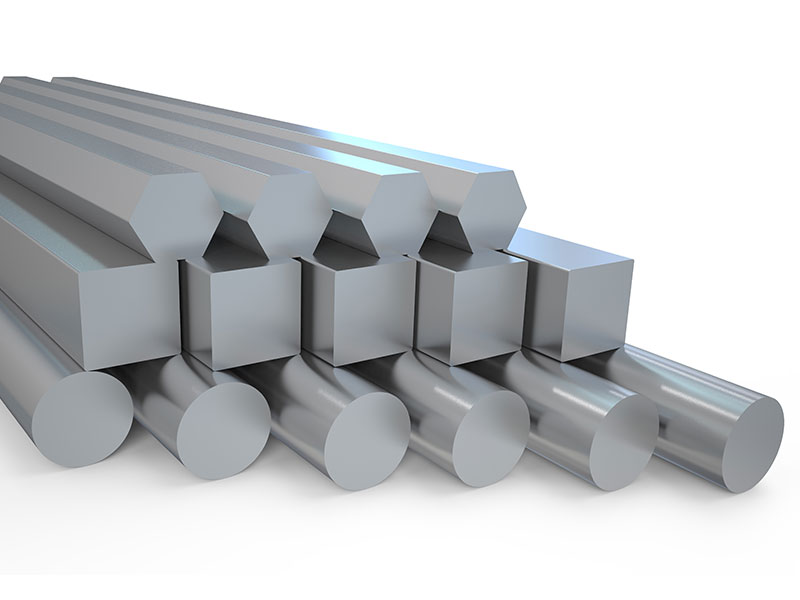
5083 Marine Aluminum Bar for Long Term Marine Equipment Support
Marine applications demand materials that can withstand harsh environments, conduct excellent performance, and provide durability for long-lasting use. One such product that has gained prominence in the marine industry is the 5083 Marine Aluminum Bar.
View Details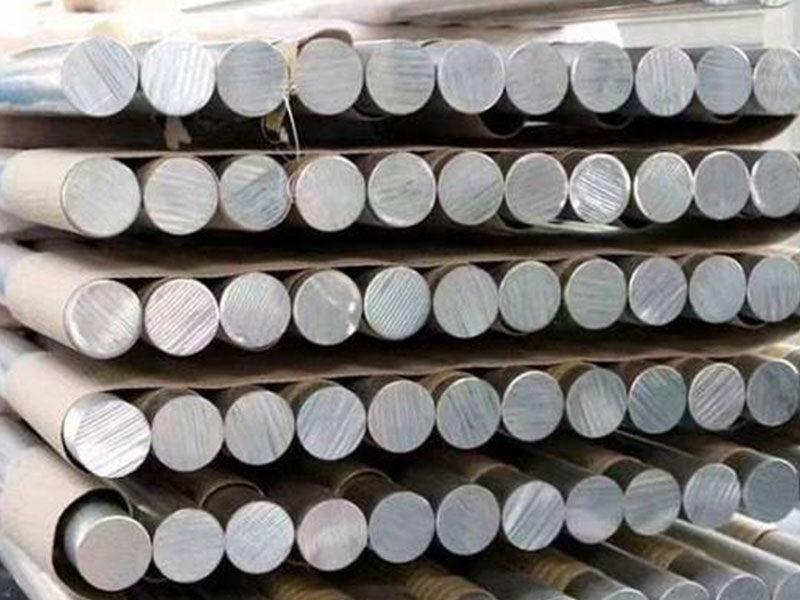
6061 Marine Aluminum Hexagonal Bars for Boat Hull and Frame Assembly
6061 Marine Aluminum Hexagonal Bars are engineered to deliver exceptional strength, corrosion resistance, and machinability for marine applications. Used widely in boat hull and frame assembly.
View Details
6061 Marine Aluminum Hollow Bars for Marine Hull Repair Parts
6061 marine aluminum hollow bars are a high-performance, versatile material used extensively in marine hull repair parts. Combining excellent corrosion resistance, good mechanical strength, weldability, and machinability.
View Details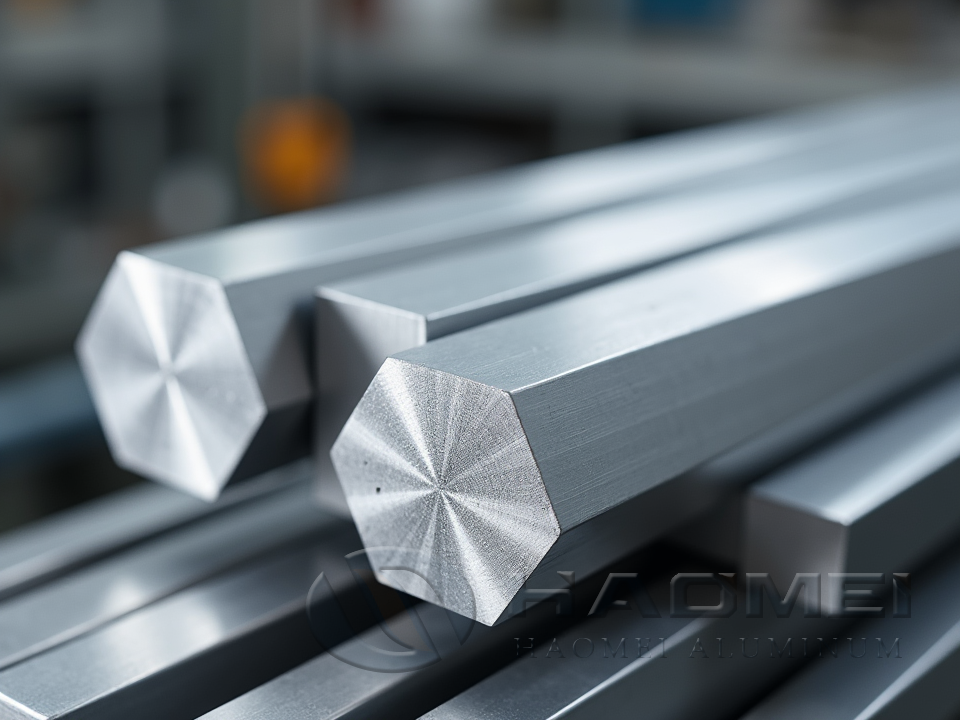
6061 Marine Aluminum Hexagonal Bars for Marine Hull and Deck Support
A practical look at 6061 marine aluminum hexagonal bars, covering strength, corrosion control, machining, and deck or hull support use for builders and buyers.
View Details
6061 Marine Aluminum Hexagonal Bars for Lightweight Marine Equipment Parts
Technical guide to 6061 marine aluminum hexagonal bars for lightweight boat parts, covering standards, tempers, corrosion data, and uses.
View Details
5083 Marine Aluminum Hollow Bars for Custom Marine Engineering Parts
5083 marine aluminum hollow bars provide corrosion resistance, weldable strength, and efficient machining for vessel, offshore, and dock components.
View Details
Leave a Message