
5083 Marine Aluminum Hollow Bars for Custom Marine Engineering Parts
5083 marine aluminum hollow bars are engineered for seawater-facing structures and machined components that need low weight, dependable strength, and long-term corrosion resistance. Produced from an aluminum-magnesium alloy, these hollow sections are especially suitable for custom marine engineering parts where an internal bore reduces material use, improves fluid routing, or supports shaft, sleeve, and housing designs.
Compared with solid stock, hollow bars can reduce machining time and chip waste when the finished part requires a central opening. This improves material efficiency while retaining the toughness and saltwater performance associated with 5083 aluminum. They are widely specified for boatbuilding, offshore equipment, port installations, and marine repair projects.
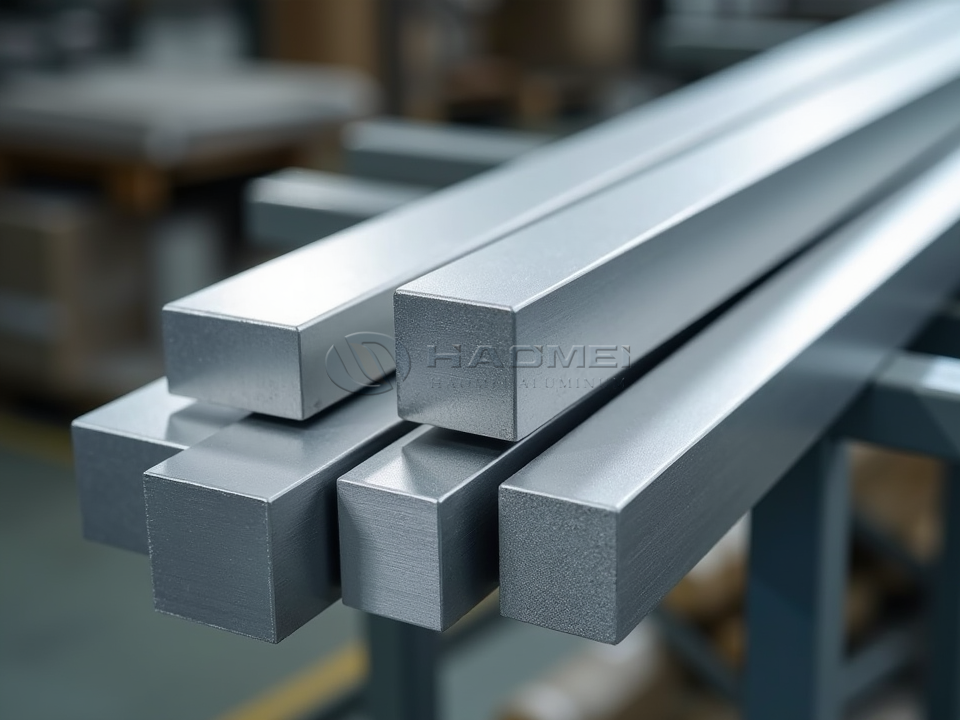
Material Characteristics for Demanding Saltwater Service
5083 belongs to the 5xxx aluminum alloy family and obtains its strength primarily from magnesium rather than heat treatment. It is a non-heat-treatable alloy, but cold-worked tempers can provide higher mechanical strength for components operating under structural loads.
The alloy develops a stable oxide film that helps resist general corrosion in marine atmospheres and seawater exposure. Its low density, approximately one-third that of steel, supports lighter assemblies without sacrificing practical service durability. This is valuable in marine engineering, where lower weight can improve payload, trim, handling, fuel efficiency, and installation ergonomics.
| Performance Attribute | 5083 Hollow Bar Benefit | Marine Engineering Value |
|---|---|---|
| Seawater corrosion resistance | High resistance to saltwater and humid marine atmospheres | Longer service life in decks, hull systems, docks, and offshore equipment |
| Strength-to-weight ratio | Higher strength than many general-purpose aluminum alloys | Helps reduce part mass while supporting mechanical loads |
| Weldability | Suitable for MIG and TIG welding with proper filler selection | Supports fabricated brackets, frames, pipe connections, and housings |
| Machinability | Performs well with sharp tools, controlled speeds, and good chip evacuation | Efficient production of sleeves, collars, couplings, and bored parts |
| Low-temperature toughness | Retains good toughness in cold operating environments | Suitable for vessels and equipment used in colder waters |
| Non-magnetic behavior | Does not interfere with magnetic equipment in the same manner as ferrous alloys | Useful near navigation, monitoring, and specialized marine systems |
Chemical Composition of 5083 Aluminum Alloy
The magnesium content is central to the alloy's corrosion resistance and strength. Manganese and chromium contribute to grain structure control and resistance to localized corrosion. Composition limits may vary slightly by governing standard and mill certification.
| Element | Typical Specification Range, % by Weight | Functional Contribution |
|---|---|---|
| Magnesium, Mg | 4.0-4.9 | Provides solid-solution strengthening and marine corrosion resistance |
| Manganese, Mn | 0.4-1.0 | Improves strength and grain structure |
| Chromium, Cr | 0.05-0.25 | Supports corrosion resistance and grain stability |
| Iron, Fe | 0.0-0.4 max | Controlled impurity level |
| Silicon, Si | 0.0-0.4 max | Controlled impurity level |
| Copper, Cu | 0.0-0.10 max | Maintained at a low level for corrosion performance |
| Zinc, Zn | 0.0-0.25 max | Controlled residual element |
| Titanium, Ti | 0.0-0.15 max | Grain refinement contribution |
| Aluminum, Al | Balance | Base metal |
Technical Specifications and Supply Options
5083 hollow bars can be supplied as extruded tubular sections or as custom-bored stock, depending on the required diameter, wall thickness, tolerance, and production quantity. Extruded hollow profiles are often the economical choice for repeated components, while machining from larger stock can suit prototypes or specialized dimensions.
| Specification Item | Typical Supply Range or Option |
|---|---|
| Alloy | AA 5083 / EN AW-5083 |
| Common tempers | O, H111, H112; other tempers subject to form and availability |
| Outside diameter | Custom sizes; commonly produced from small precision sections to large structural tubes |
| Inside diameter | Custom bore dimensions based on wall-thickness and concentricity requirements |
| Wall thickness | Designed according to load, welding, machining allowance, and corrosion allowance |
| Standard lengths | Random mill lengths, fixed cut lengths, or customer-specified lengths |
| Surface condition | Mill finish, brushed, machined, or prepared for coating systems |
| Typical standards | ASTM B221, EN 755, EN 573, EN 485, or project-specific requirements |
| Certification | Chemical composition, mechanical test data, dimensional inspection, and traceability documents available |
Mechanical values depend on temper, cross-section, wall thickness, test direction, and applicable standard. The figures shown are practical reference values and should be confirmed against the material certificate for safety-critical projects.
| Mechanical Property | 5083-O Typical | 5083-H111/H112 Typical |
|---|---|---|
| Tensile strength | 275-350 MPa | 300-360 MPa |
| Yield strength | 125-165 MPa | 145-220 MPa |
| Elongation | 12-20% | 10-16% |
| Density | 2.66 g/cm³ | 2.66 g/cm³ |
| Elastic modulus | 70 GPa | 70 GPa |
| Melting range | Approx. 574-638°C | Approx. 574-638°C |
Custom Part Applications
The hollow geometry makes this product particularly useful where internal clearance, fluid movement, cable passage, or weight reduction is built into the design. It can be machined into finished parts with threads, grooves, ports, flange faces, bearing seats, and precision bores.
| Application Area | Typical Custom Parts | Functional Advantage |
|---|---|---|
| Boat and yacht construction | Rail sockets, mast fittings, deck sleeves, rudder components | Light weight and durable marine exposure performance |
| Propulsion support systems | Spacer sleeves, shaft guards, couplings, bearing carriers | Bore-ready construction reduces machining removal |
| Offshore platforms | Instrument housings, supports, collars, pipe brackets | Reliable performance in wet, saline conditions |
| Docks and port equipment | Roller sleeves, fender mounts, hinge components | Corrosion resistance supports long outdoor service |
| Marine hydraulics and fluid systems | Manifolds, pump sleeves, protective tubes | Internal passage capability for engineered fluid routing |
| Aquaculture facilities | Cage hardware, structural connectors, equipment frames | Low-maintenance material for constant moisture exposure |
For projects requiring alternate geometries, Marine aluminum hollow bars offer additional options for matching section shape, size, and fabrication requirements. Where the design calls for a fully machined component without an internal bore, Marine grade aluminum solid bar can provide a practical alternative.
Fabrication and Machining Considerations
5083 is readily welded using common marine fabrication methods. Suitable filler metals are commonly selected according to joint design, service environment, and required strength. Clean surfaces, controlled heat input, and proper joint preparation help maintain weld quality. Since 5083 is not strengthened by post-weld heat treatment, fabrication planning should consider the softened zone around welds when structural loading is significant.
For machining, rigid fixturing is especially important with hollow sections because thin walls can deflect under clamping or cutting force. Sharp carbide tools, positive rake geometry, appropriate coolant, and controlled feed rates help produce clean surfaces and accurate bores. Internal support mandrels may be used where close roundness or concentricity is required.
| Manufacturing Consideration | Recommended Practice |
|---|---|
| Bore concentricity | Specify tolerance based on bearing, seal, or shaft fit requirements |
| Wall stability | Maintain adequate wall thickness for machining and service loads |
| Welding preparation | Remove oxide and contaminants immediately before welding |
| Galvanic corrosion control | Isolate from dissimilar metals using suitable coatings, sealants, or non-conductive barriers |
| Surface protection | Apply marine paint, anodizing where appropriate, or protective coatings for demanding environments |
| Fastener selection | Use compatible marine-grade fasteners and isolate stainless steel where necessary |
Value for Marine Engineering Projects
5083 marine aluminum hollow bars combine corrosion durability, practical strength, weldability, and material-saving geometry. Their hollow design can shorten production routes for parts that would otherwise require extensive drilling from solid bar. This translates into lower chip volume, reduced machining cycle time, and potentially lighter finished assemblies.
For custom marine engineering parts, the best results come from defining the outside diameter, bore diameter, wall thickness, temper, length tolerance, surface condition, and certification requirements at the purchasing stage. With the correct section design and fabrication controls, 5083 hollow bar provides a dependable foundation for marine components built to withstand saltwater, vibration, weather exposure, and daily operational loads.

Related Products
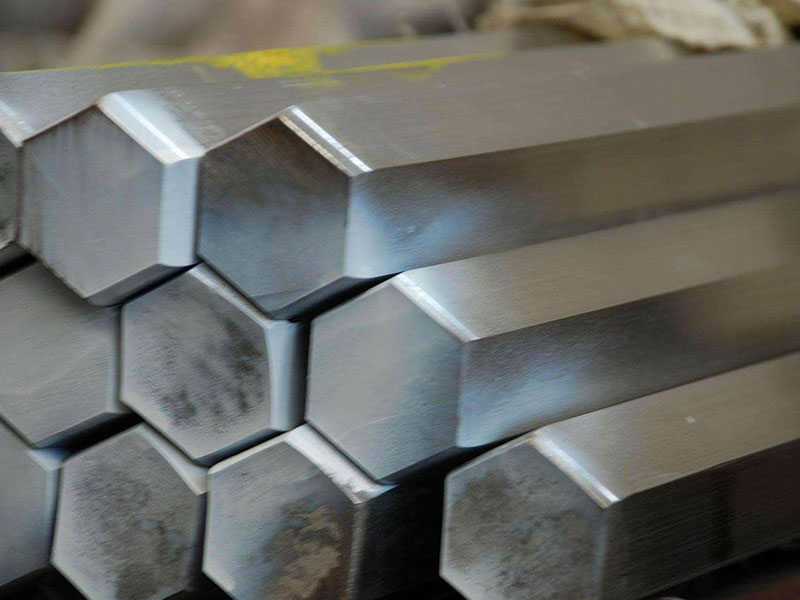
Marine aluminum hexagonal bars
Marine Grade Aluminum Hexagonal Bars are produced from premium corrosion-resistant aluminum alloys such as 5083, 5052, 6061, and 6082.
View Details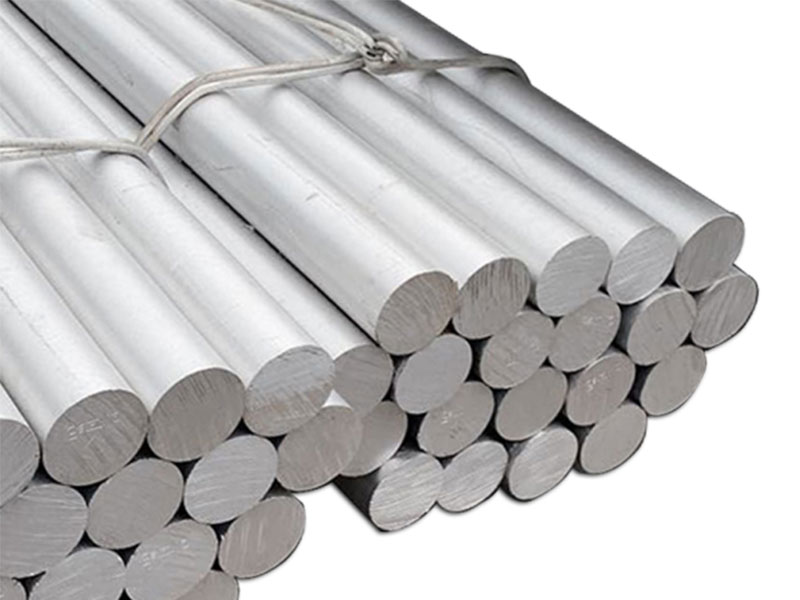
Marine grade aluminum solid bar
Marine Grade Aluminum Solid Bars are produced from premium aluminum alloys optimized for saltwater exposure, such as 5083, 5052, 6061, and 6082. These alloys offer unparalleled resistance to corrosion caused by seawater, salt spray, and marine atmospheres, while maintaining excellent mechanical strength and toughness.
View Details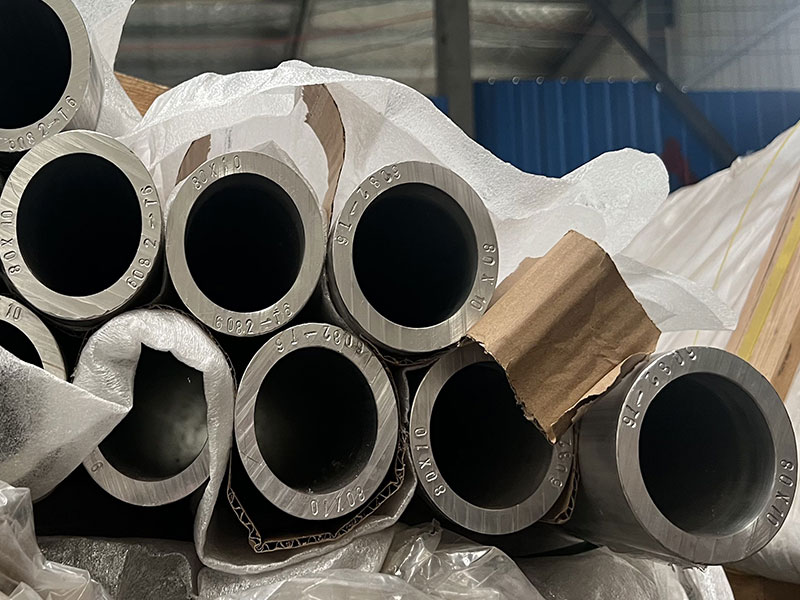
Marine aluminum hollow bars
Marine Grade Aluminum Hollow Bars are fabricated from high-quality alloys such as 5083, 5052, 6061, and 6082, all known for their exceptional resistance to seawater corrosion, salt spray, and marine atmospheres.
View Details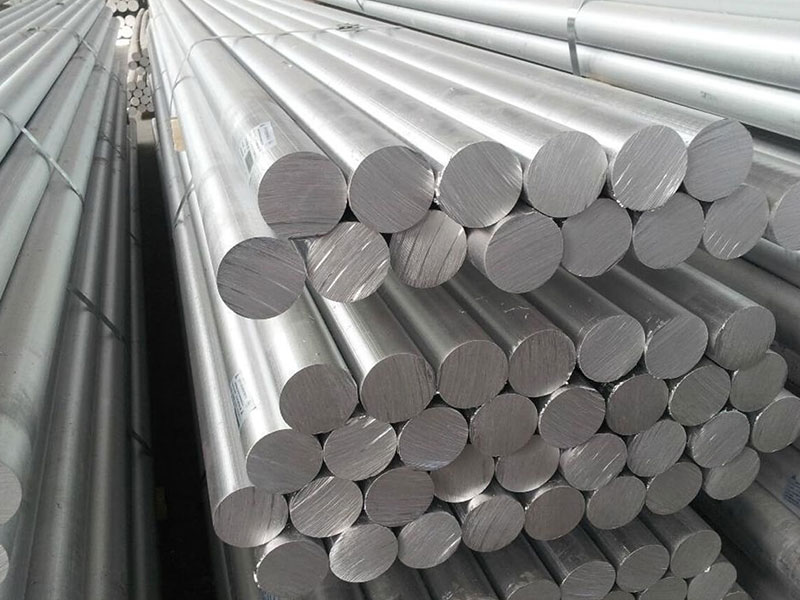
6082 marine aluminum rod & bar
6082 Aluminum Rods & Bars are extruded or rolled products manufactured from 6082 aluminum alloy — a thermally treated (typically T6 temper) aluminum-magnesium-silicon alloy that balances high tensile strength, good weldability, and excellent corrosion resistance.
View DetailsRelated Blog
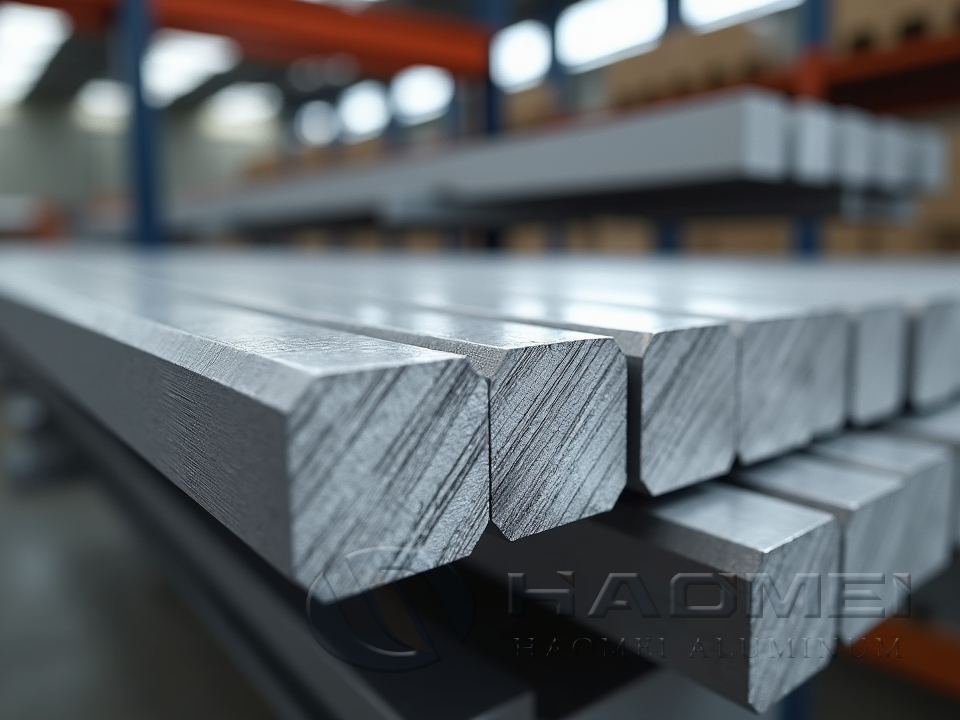
6061 Marine Aluminum Hexagonal Bars for Lightweight Marine Equipment Parts
Technical guide to 6061 marine aluminum hexagonal bars for lightweight boat parts, covering standards, tempers, corrosion data, and uses.
View Details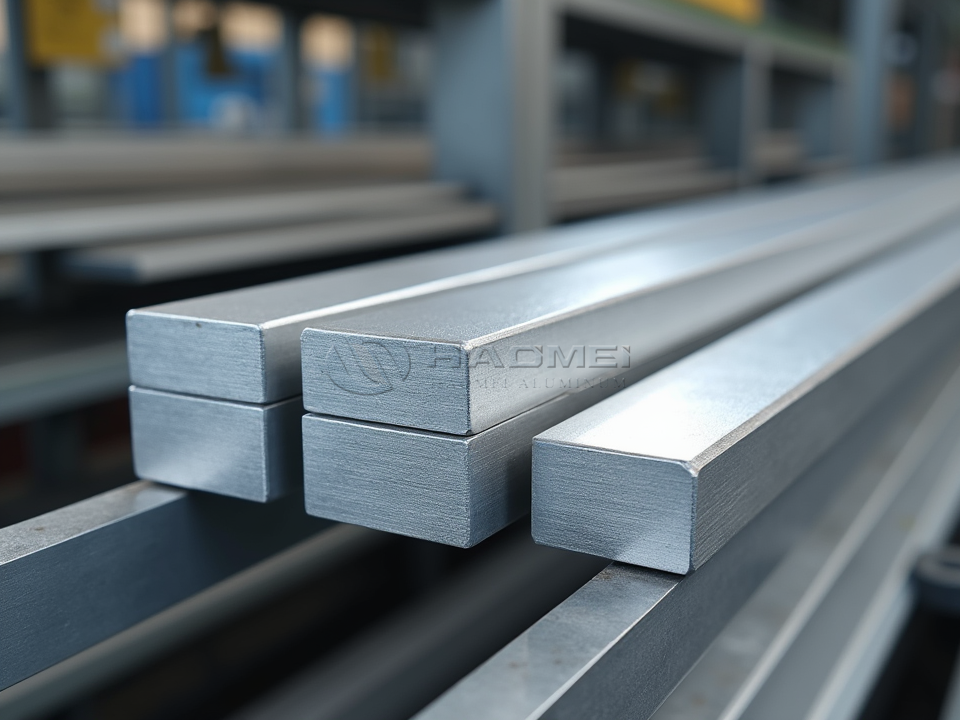
Marine Aluminum Hollow Bars for Boat Frame Customization
Learn how marine aluminum hollow bars support custom boat frames with alloy choices, tempers, standards, dimensions, and corrosion data.
View Details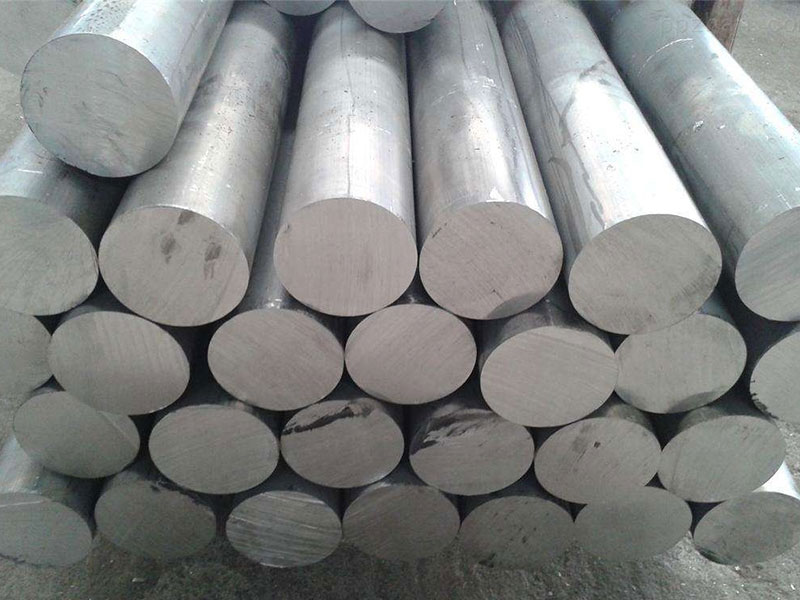
Marine Grade Aluminum Solid Bar for Shipbuilding Reinforcements
In modern shipbuilding, material selection is paramount to ensure strength, durability, corrosion resistance, and lightweight design. One of the most critical materials used in this domain is the Marine Grade Aluminum Solid Bar.
View Details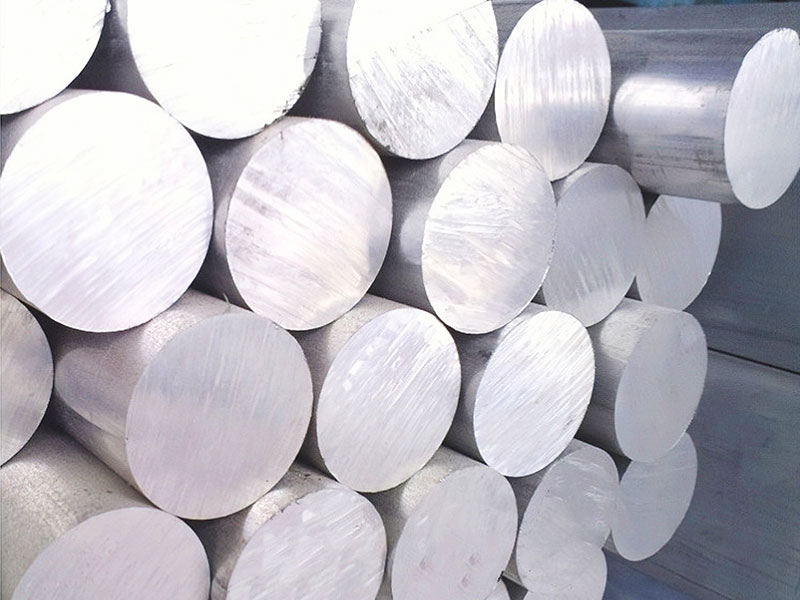
5083 Marine Aluminum Hollow Bars for Marine Equipment Durability
Marine environments punish materials relentlessly: salt spray accelerates corrosion, cyclic wave loads drive fatigue, and maintenance windows are tight. 5083 marine aluminum hollow bars are engineered for this reality-combining high strength.
View Details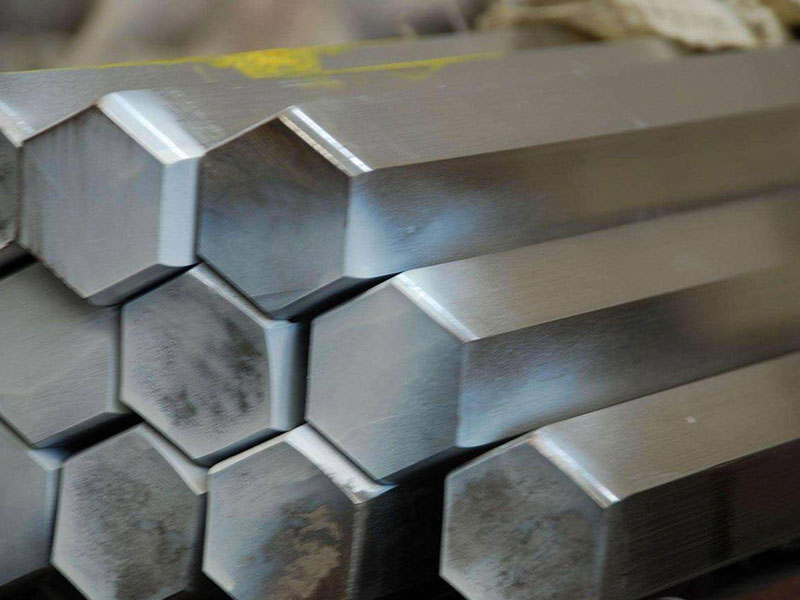
5083 Marine Aluminum Bar for Heavy Marine Equipment Reinforcement
5083 Marine Aluminum Bar for Heavy Marine Equipment Reinforcement: A Structural “Spring” in a Saltwater WorldWhen naval architects and offshore engineers talk about reinforcement materials, they rarely think in terms of “springs.
View Details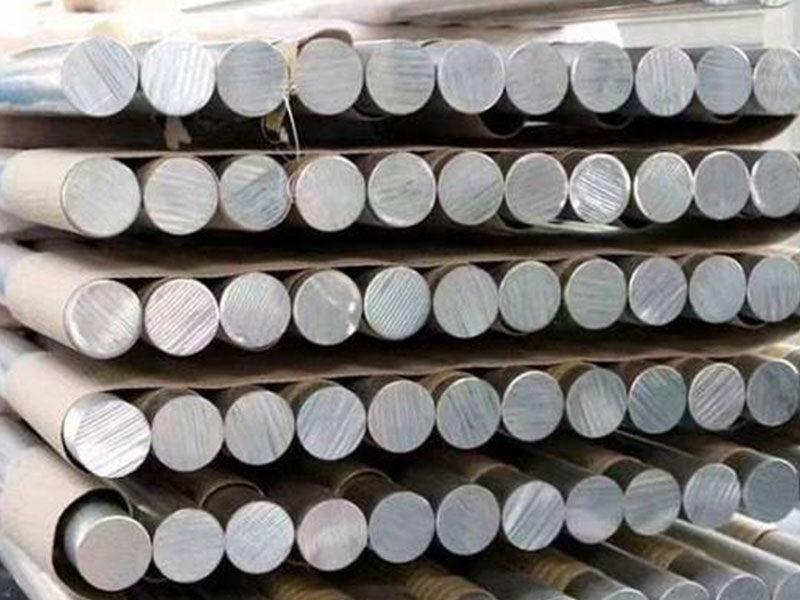
6061 Marine Aluminum Hexagonal Bars for Corrosion Resistant Marine Applications
6061 Marine Aluminum Hexagonal Bars for Corrosion Resistant Marine Applications: Unveiling the Technical Backbone of Modern Maritime EngineeringIn the demanding world of marine engineering.
View Details
Leave a Message