
6082 Marine Aluminum Bar for Marine Vessel Strengthening Components
A vessel becomes stronger not simply by adding more metal, but by placing the right material where loads change direction, equipment transfers force, and vibration concentrates over time. 6082 marine aluminum bar is particularly valuable in these demanding transition zones. It is widely selected for machined strengthening parts such as deck support brackets, engine-bed elements, davit components, rail bases, structural blocks, mounting pads, frame connections, and heavy-duty marine fittings.
As a heat-treatable Al-Mg-Si alloy, 6082 offers higher strength than many corrosion-focused 5xxx marine alloys. Its manganese content helps control grain structure, supporting dependable mechanical performance in heavy sections. This makes it a practical choice when a component must resist bending, compression, or repeated mechanical loading without imposing excessive weight on the vessel.
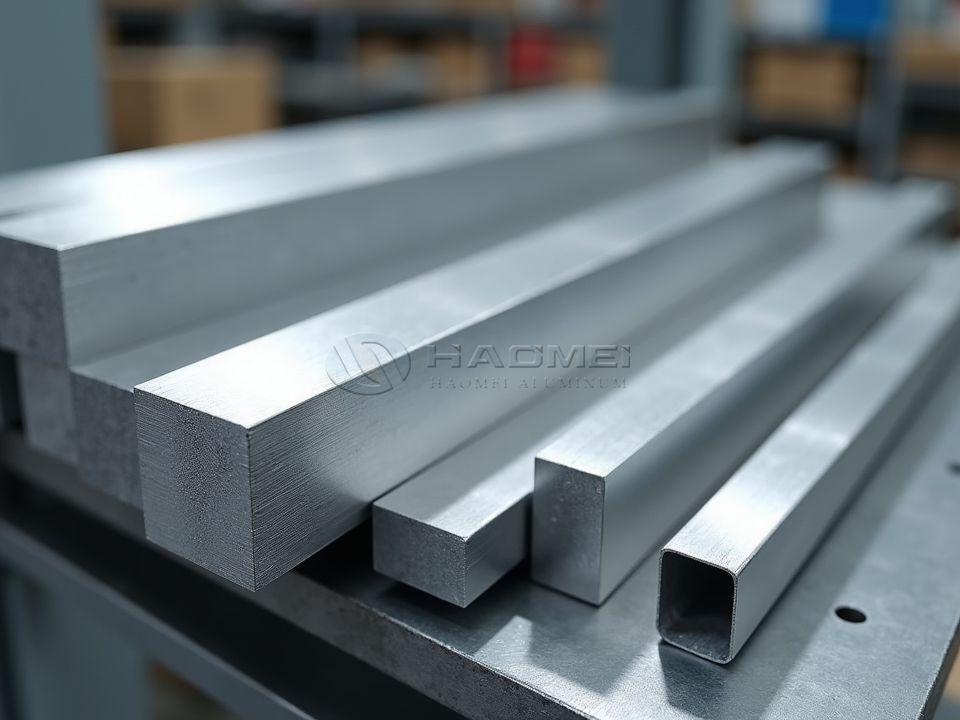
Strength Where the Vessel Needs It Most
Marine strengthening components are often small compared with hull plates, yet they can carry concentrated loads. A lifting eye support may experience sharp local stress. A pedestal base may transmit force from deck equipment into a structural member. A machined spacer may need to remain stable while exposed to vibration, salt spray, and changing temperatures.
6082 aluminum bar is suited to these roles because it combines good machinability with strong heat-treated performance. In the T6 condition, it can provide a high yield strength for aluminum while remaining substantially lighter than steel. This can reduce top-side weight, improve payload efficiency, and simplify handling during vessel assembly.
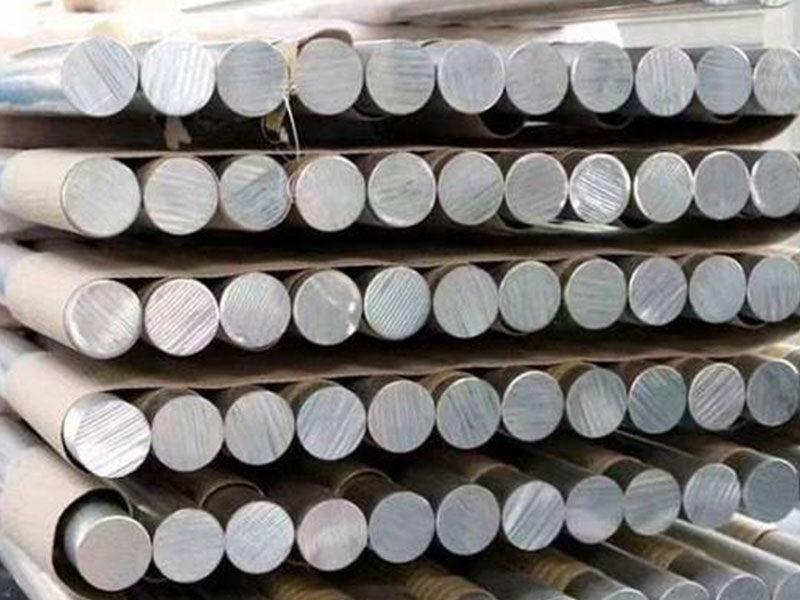
For projects requiring round, square, flat, or rectangular stock, 6082 marine aluminum rod & bar can be specified according to machining allowance, finished-part geometry, and required mechanical properties.
Alloy Chemistry of 6082 Aluminum
The alloy chemistry is designed around magnesium and silicon, which form magnesium silicide precipitates during heat treatment. These fine precipitates are responsible for the strength developed in T6 and related tempers. Manganese improves structural stability and helps distinguish 6082 from 6061 in many heavy-duty European marine and transport applications.
| Element | Composition, % by Weight |
|---|---|
| Silicon, Si | 0.70–1.30 |
| Iron, Fe | 0.50 max |
| Copper, Cu | 0.10 max |
| Manganese, Mn | 0.40–1.00 |
| Magnesium, Mg | 0.60–1.20 |
| Chromium, Cr | 0.25 max |
| Zinc, Zn | 0.20 max |
| Titanium, Ti | 0.10 max |
| Other elements, each | 0.05 max |
| Other elements, total | 0.15 max |
| Aluminum, Al | Balance |
Chemical limits should be confirmed against the purchasing specification and mill certificate. For marine contracts, traceability is especially important when bars will be machined into load-bearing or safety-related parts.
Typical Technical Parameters
Mechanical properties depend on bar diameter, section thickness, manufacturing route, and temper. The figures in the table are commonly used reference values for 6082-T6 extruded bar and should not replace project-specific certified test data.
| Property | Typical Value or Requirement |
|---|---|
| Alloy designation | EN AW-6082 / AlSi1MgMn |
| Density | Approximately 2.70 g/cm³ |
| Elastic modulus | Approximately 69 GPa |
| Melting range | Approximately 555–650°C |
| Thermal conductivity | Approximately 170 W/m·K |
| Electrical conductivity | Approximately 29–32% IACS |
| Typical tensile strength, T6 | 290–340 MPa |
| Typical 0.2% proof strength, T6 | 250 MPa or higher, depending on section |
| Typical elongation, T6 | 8–10% or higher, depending on section |
| Common forms | Round bar, flat bar, square bar, rectangular bar, machined billet |
| Surface options | Mill finish, precision cut, machined, anodized after fabrication |
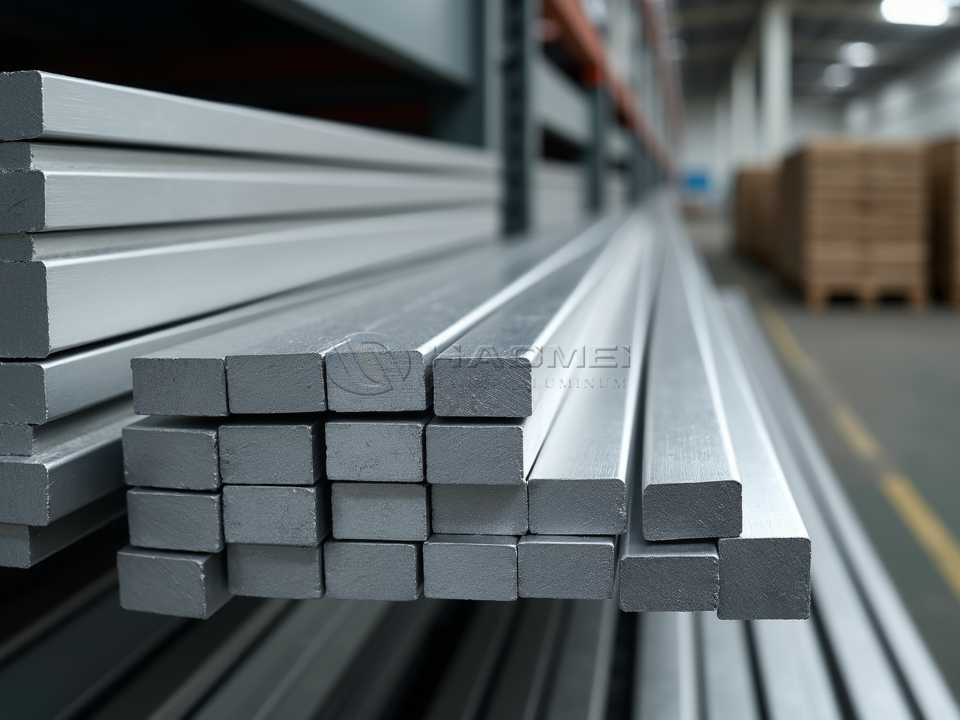
Temper Conditions for Marine Fabrication
Temper selection changes how 6082 behaves during machining, forming, welding, and service. T6 is the most frequently requested condition for strengthening components because it is solution heat-treated and artificially aged for high strength. It is well suited to brackets, cleats, structural inserts, mounting blocks, and precision-machined vessel hardware.
T4 material is solution heat-treated and naturally aged. It has lower strength than T6 but may be considered where moderate forming is required before final processing. After fabrication, the part can sometimes undergo a suitable heat-treatment route when the component design and production process allow it.
T651 or T6511 conditions may be requested for products requiring improved dimensional stability after machining. These tempers involve stress relief, commonly through controlled stretching, and can be beneficial for longer bars or parts with substantial material removal. Actual availability depends on the product form and mill production route.
A practical point for marine fabricators is that welding changes the condition around the weld. The heat-affected zone of 6082-T6 loses part of its T6 strength, so a welded assembly should be designed using reduced local mechanical values unless post-weld heat treatment is feasible. For this reason, 6082 performs especially well in bolted, machined, or mechanically fastened strengthening details.
Marine Corrosion Considerations
6082 has good general corrosion resistance in marine atmospheric conditions, but it should be applied with engineering judgment in continuously wet or highly creviced locations. It is not usually the first choice for unprotected hull plating in permanent seawater contact, where 5083, 5086, or 5052 alloys are often preferred.
Its strongest role is in protected structural hardware and reinforcement components. Good design practice includes avoiding stagnant seawater traps, sealing mating faces where appropriate, isolating aluminum from stainless steel or carbon steel, and using compatible fasteners and coatings. Anodizing, marine-grade paint systems, or carefully selected isolation materials can extend service life in splash-zone and deck environments.
When a project needs a broader range of profiles for matched components, Marine Grade Aluminum Bars provide options for fittings, supports, shafts, frames, and custom-machined marine hardware.
Standards and Documentation
6082 marine aluminum bar is commonly supplied in accordance with recognized aluminum material standards. The appropriate standard depends on the product form, customer location, and vessel certification requirements.
| Standard | Typical Purpose |
|---|---|
| EN 573-3 | Chemical composition of wrought aluminum alloys |
| EN 515 | Temper designation system |
| EN 755-2 | Mechanical properties for extruded rods, bars, tubes, and profiles |
| EN 755-9 | Dimensional tolerances for extruded profiles and bars |
| ASTM B221 | Extruded aluminum-alloy bars, rods, wire, profiles, and tubes |
| EN 10204 3.1 | Material inspection certificate and traceability documentation |
For classed vessels, material approval requirements from organizations such as DNV, ABS, Lloyd's Register, or Bureau Veritas should be checked before procurement. Approval expectations can differ according to vessel type, component location, design stress, and whether the part is considered safety-critical.
Choosing the Right Bar Specification
A complete 6082 bar order should identify alloy, temper, shape, dimensions, tolerance, length, surface condition, required standard, and certificate level. For machined strengthening parts, it is also wise to state whether saw-cut blanks, straightness limits, ultrasonic testing, or extra machining allowance are needed.
6082 marine aluminum bar brings the most value when it is treated as a load-management material rather than merely a lightweight substitute for steel. Proper temper selection, corrosion isolation, and realistic welded-joint design allow it to become a durable contributor to stronger, more efficient marine vessels.

Related Products
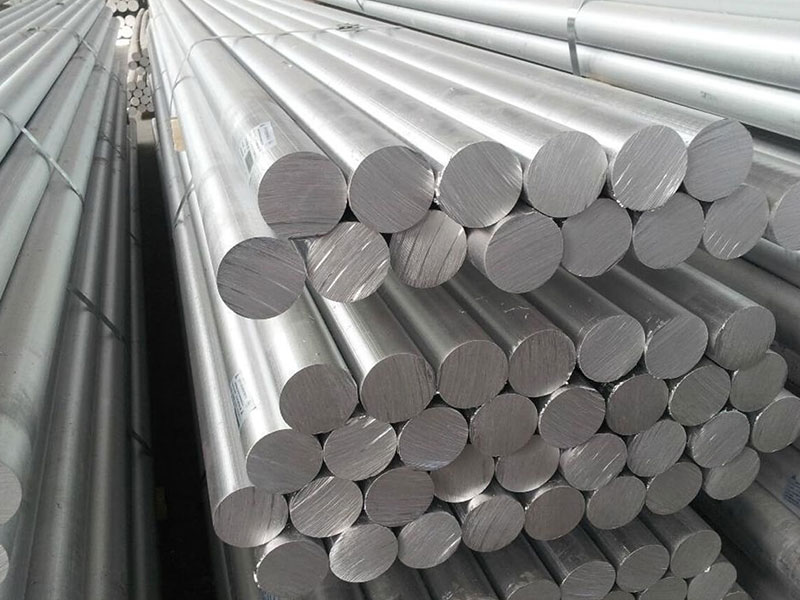
6082 marine aluminum rod & bar
6082 Aluminum Rods & Bars are extruded or rolled products manufactured from 6082 aluminum alloy — a thermally treated (typically T6 temper) aluminum-magnesium-silicon alloy that balances high tensile strength, good weldability, and excellent corrosion resistance.
View Details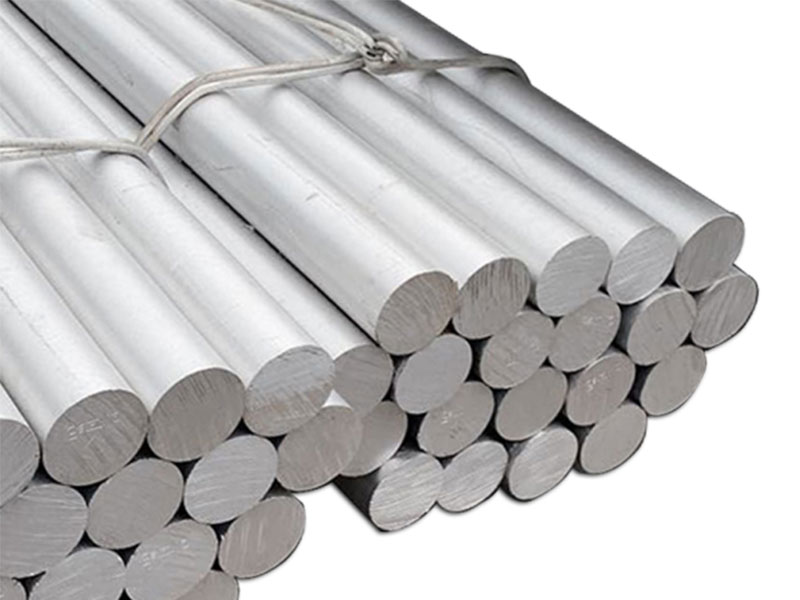
Marine grade aluminum solid bar
Marine Grade Aluminum Solid Bars are produced from premium aluminum alloys optimized for saltwater exposure, such as 5083, 5052, 6061, and 6082. These alloys offer unparalleled resistance to corrosion caused by seawater, salt spray, and marine atmospheres, while maintaining excellent mechanical strength and toughness.
View Details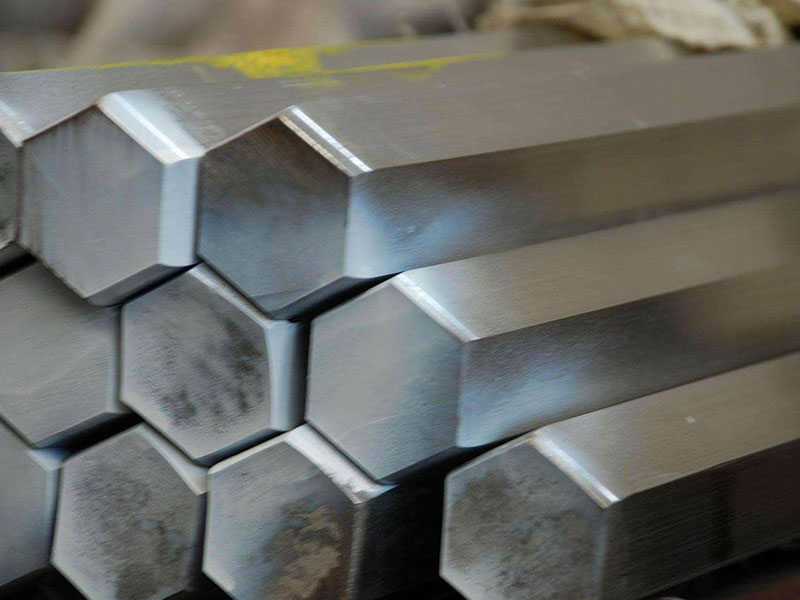
Marine aluminum hexagonal bars
Marine Grade Aluminum Hexagonal Bars are produced from premium corrosion-resistant aluminum alloys such as 5083, 5052, 6061, and 6082.
View Details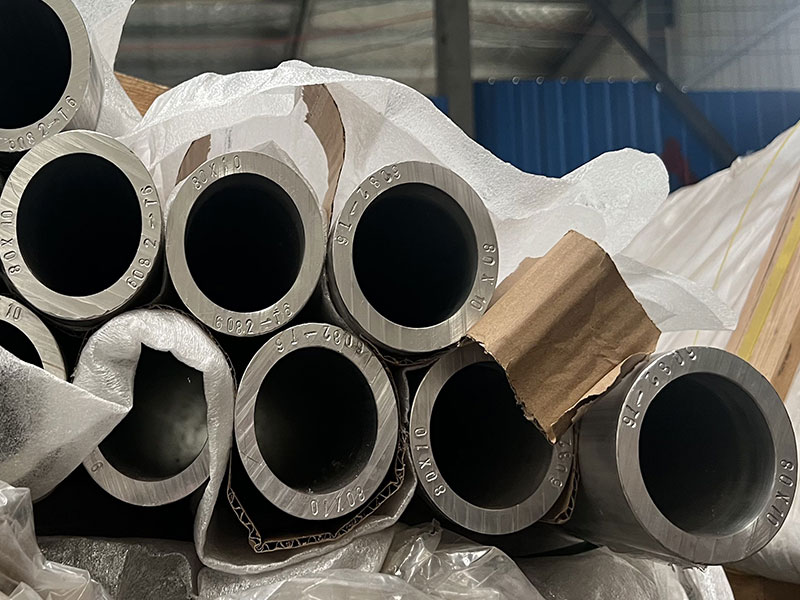
Marine aluminum hollow bars
Marine Grade Aluminum Hollow Bars are fabricated from high-quality alloys such as 5083, 5052, 6061, and 6082, all known for their exceptional resistance to seawater corrosion, salt spray, and marine atmospheres.
View DetailsRelated Blog
6061 Marine Aluminum Hexagonal Bars for Boat Hull and Frame Assembly
6061 Marine Aluminum Hexagonal Bars are engineered to deliver exceptional strength, corrosion resistance, and machinability for marine applications. Used widely in boat hull and frame assembly.
View Details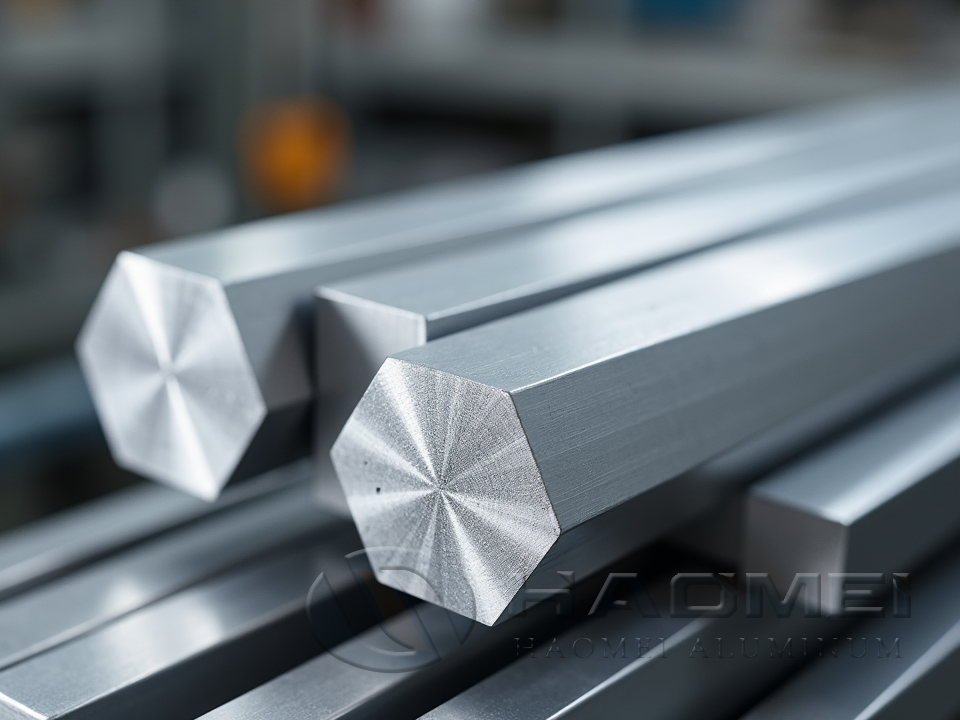
Marine Aluminum Hexagonal Bars for High Strength Boat Frame Design
Technical guide to marine aluminum hexagonal bars for strong boat frames, covering alloys, tempers, standards, properties, tolerances, and design uses.
View Details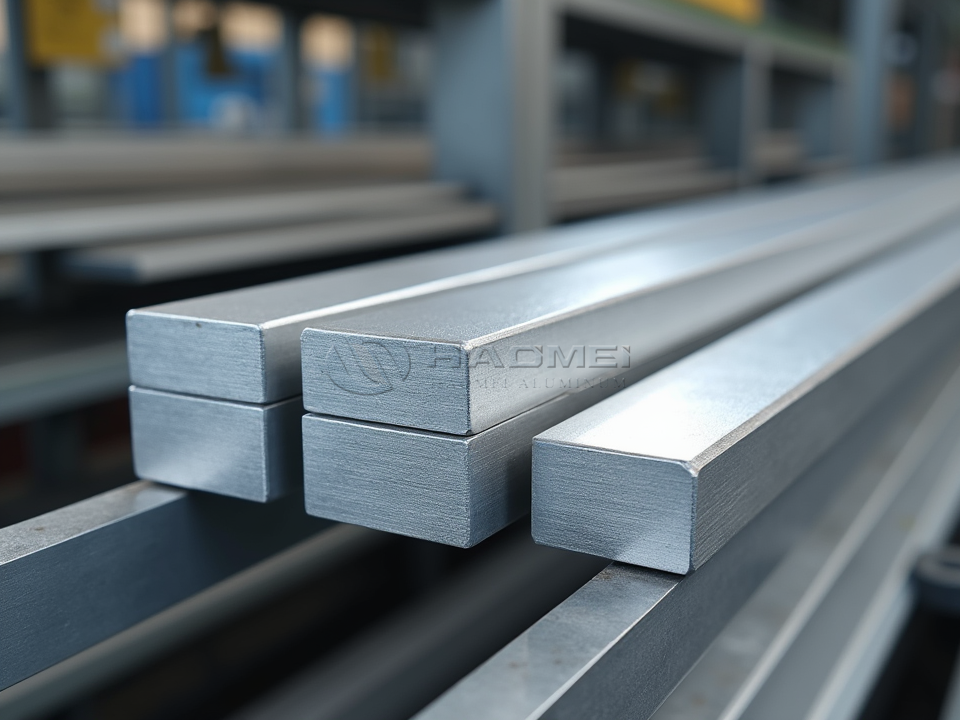
Marine Aluminum Hollow Bars for Boat Frame Customization
Learn how marine aluminum hollow bars support custom boat frames with alloy choices, tempers, standards, dimensions, and corrosion data.
View Details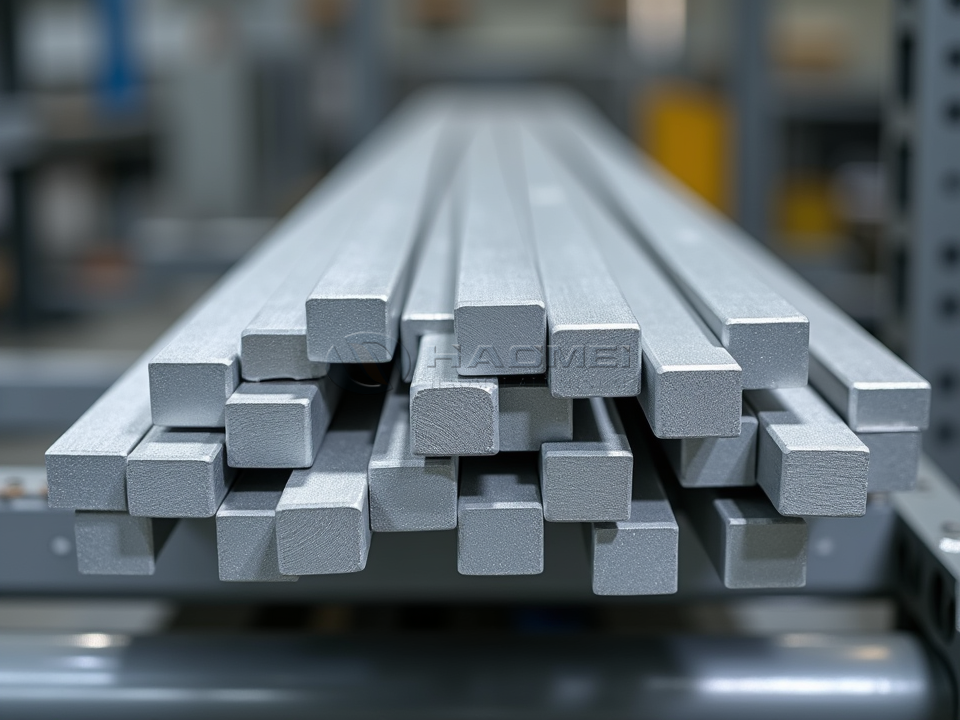
6061 Marine Aluminum Bar for Offshore Platform Customization
Explore 6061 marine aluminum bars for offshore platform parts, with alloy data, tempers, standards, machining guidance, and corrosion-control practices.
View Details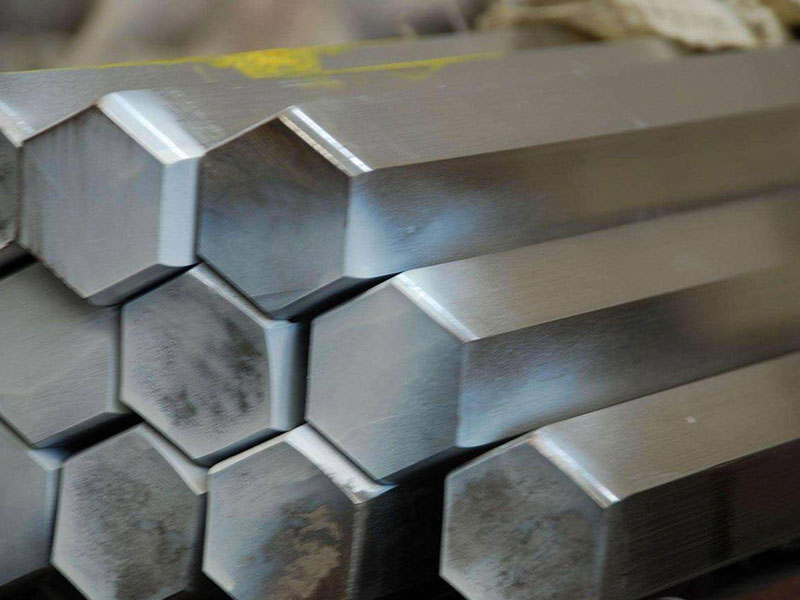
5083 Marine Aluminum Hexagonal Bars for Durable Offshore Support Parts
Explore premium 5083 marine aluminum hexagonal bars tailored for offshore support applications. their superior corrosion resistance, alloy composition, mechanical properties, and industry implementation standards.
View Details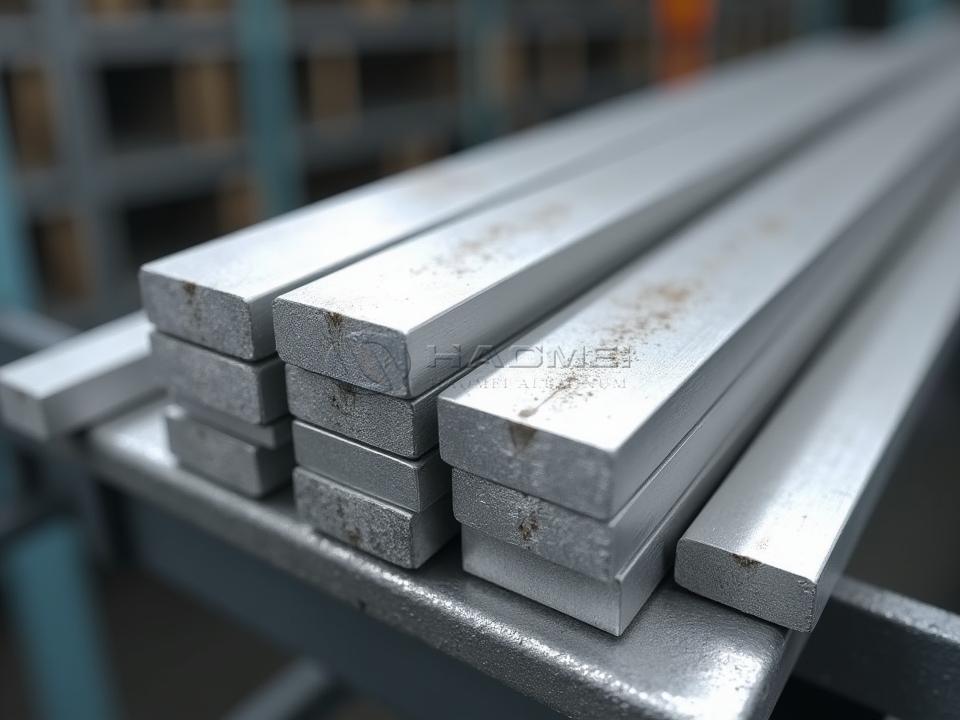
6061 Marine Aluminum Hollow Bars for Seawater Resistant Boat Construction
Learn how 6061 marine aluminum hollow bars support lightweight boat frames, mast bases, rails, and fluid routes with temper, corrosion, welding, and standards guidance.
View Details
Leave a Message