
Marine Aluminum Hollow Bars
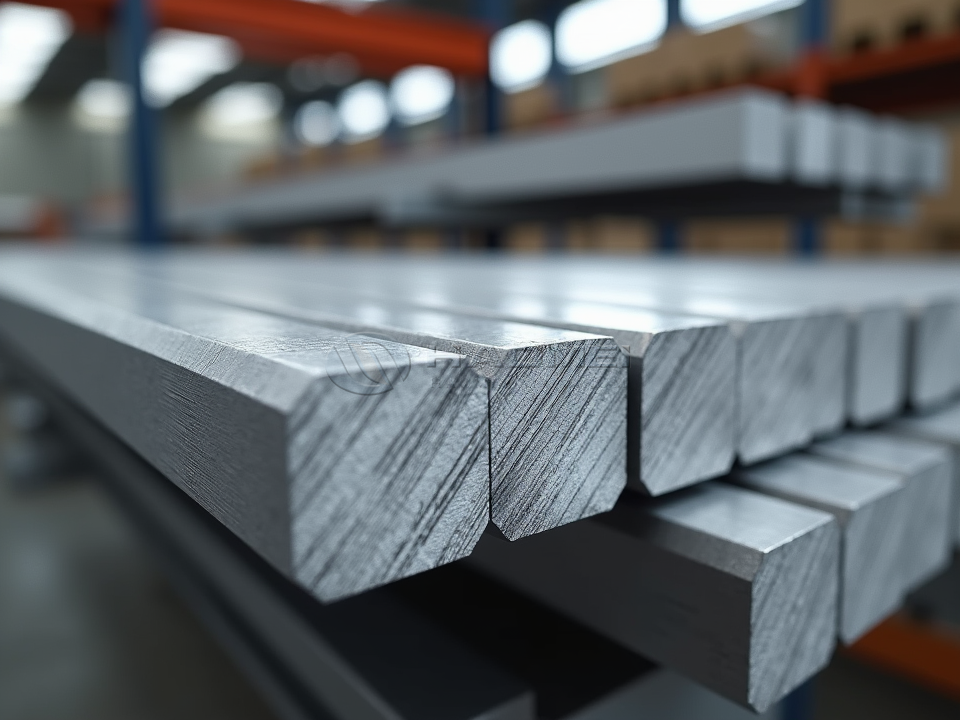
Marine aluminum hollow bars are often chosen for what has been removed rather than what has been added. Their central bore reduces unnecessary mass while retaining a useful outer profile for structural, mechanical, and decorative marine components. For boatbuilders, fabricators, and hardware designers, this makes hollow bars a practical answer when solid material feels excessive but thin-wall tubing lacks the required stiffness or machining allowance.
The most useful way to evaluate a hollow bar is not simply by its outside diameter. Think of it as a controlled balance between load path, wall thickness, corrosion exposure, and fabrication method. The empty center changes how the part handles bending, vibration, fastener loads, drainage, and heat. In many marine installations, that inner space can be as valuable as the aluminum surrounding it.
Less Weight Where It Matters
Weight placed high above a vessel's waterline has an outsized effect on stability and handling. A handrail support, radar mast detail, canopy frame, ladder component, davit fitting, or console structure may appear small, yet several solid bars across the upper deck can add noticeable weight. Marine aluminum hollow bars remove material from the low-stress center zone, helping builders preserve stiffness while lowering total mass.
This benefit is especially clear in round sections. Under bending loads, much of the useful material is located farther from the centerline. A correctly selected hollow round bar can therefore deliver a favorable stiffness-to-weight ratio compared with a solid round bar of similar outside diameter. The savings depend on dimensions and load direction, so a hollow section should never be selected by appearance alone. Wall thickness, unsupported span, mounting arrangement, and expected impact loads all deserve consideration.
Hollow material also supports better vessel balance. Reduced mass can help smaller craft maintain payload capacity for fuel, batteries, equipment, and passengers. On larger boats, the same choice can make elevated structures easier to install and less demanding on supporting brackets.
The Bore Can Serve a Purpose
The center passage of a hollow bar is more than a weight-saving feature. It can carry electrical wiring for lights, antennas, cameras, or navigation equipment. It may protect small hydraulic or pneumatic lines, provide a concealed route for control cables, or form part of a drainage strategy in rails and frames.
This creates a cleaner finished appearance because fewer clips, external conduits, and exposed cable runs are needed. It also gives designers more freedom around walking surfaces and sightlines. A polished or anodized support can look simple from the outside while performing several jobs internally.
However, an enclosed space needs careful detailing. Any bar used as a conduit must have appropriate entry points, grommets, sealed exits, and a means to prevent water from becoming trapped. Saltwater held inside an unvented cavity can cause corrosion concerns, particularly where stainless fittings, copper-bearing wiring, or dissimilar-metal hardware are present. Drain holes should be positioned thoughtfully so that they release moisture without becoming easy paths for spray intrusion.
Alloy Choice Depends on the Job
Marine service is demanding because components face chlorides, humidity, vibration, ultraviolet exposure, and frequent contact with other metals. Alloy selection should reflect the environment and how the hollow bar will be processed.
For fabricated welded structures, 5xxx-series alloys are commonly valued for their marine corrosion performance. They are often appropriate for applications where the bar becomes part of a welded assembly, provided the grade, temper, welding method, and filler are matched to the design.
For machined fittings, brackets, bushings, clevis parts, and precision hardware, 6xxx-series grades are widely used because they offer good machinability, practical strength, and responsive anodizing characteristics. Material such as 6061-T6 is familiar to many marine workshops, although welding changes properties near the heat-affected area and must be considered in the engineering stage. When higher strength and more demanding machined geometry are needed, 6082 marine aluminum rod & bar options may suit the project.
The designation alone is not enough. Ask for the material certificate, temper, dimensional tolerance, surface condition, and intended application. A hollow bar used as an ornamental rail is not specified in the same way as a structural pin housing or a load-bearing engine-room support.
Wall Thickness Is a Working Decision
A hollow bar with a thin wall may look efficient on paper but become troublesome during fabrication. Drilling, tapping, bending, welding, and fastening all consume material and can distort a light section. If a component needs threaded holes, for example, the wall must provide adequate thread engagement or receive a welded insert, backing piece, or separate threaded sleeve.
Machining requires similar care. The cutter can break through the internal bore unexpectedly if the drawing does not account for wall thickness after facing, slotting, or contouring. This is particularly important at intersections where a bar is drilled for through-bolts or saddle-mounted to another tube.
For rails and exposed deck fittings, dents are another concern. Hollow bars tolerate normal use well when sized correctly, but a thin wall can deform under concentrated impact from dock equipment, loose gear, or a person's weight. Fabricators should evaluate real-world abuse, not only static calculations.
Joining Must Respect Saltwater Exposure
Marine aluminum hollow bars can be welded, bolted, bonded, clamped, or combined with purpose-made connectors. Each joining method changes the corrosion and maintenance picture.
Welded joints create clean, permanent assemblies but require controlled preparation and qualified workmanship. Contamination, poor shielding, or unsuitable filler can compromise appearance and durability. After welding, sharp edges and heat tint should be addressed before coating or finishing.
Bolted connections simplify replacement and adjustment, but stainless steel fasteners can create galvanic corrosion when they remain wet against bare aluminum. Isolation washers, sleeves, sealants, and well-designed drainage help interrupt that corrosion path. Avoid crevices that trap saltwater beneath saddles, clamps, or end caps.
Where a hollow bar joins a deck or bulkhead, consider access for sealing and inspection. Water entering around a fastener may travel into the bore and remain unseen. A thoughtful joint design should direct water outward, not invite it inward.
Specify the Shape, Not Just the Name
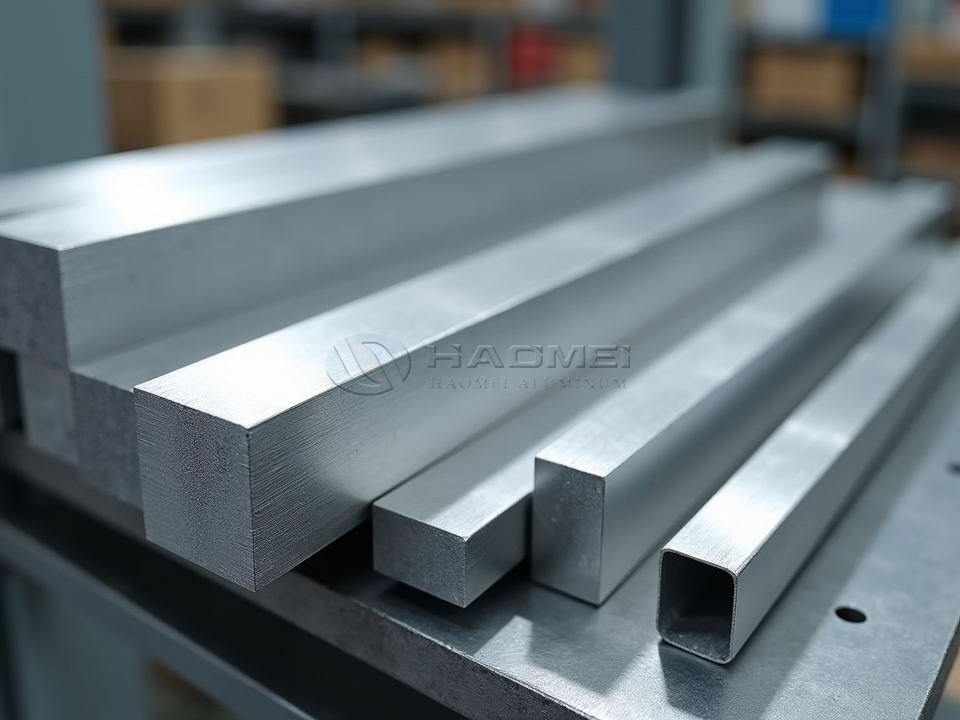
The phrase "hollow bar" can refer to round, square, rectangular, or custom-profile material. A round section is often preferred for rails, pivots, and visually smooth hardware. Square or rectangular forms simplify mounting surfaces and can resist bending effectively in a chosen direction. Some projects need a heavier-wall tube, while others require a precision hollow extrusion with defined corners and internal dimensions.
When sourcing Marine aluminum hollow bars, provide the outside dimensions, bore size, wall thickness, alloy, temper, required length, straightness expectation, cut tolerance, finishing needs, and intended fabrication process. Mention whether the material will be polished, anodized, powder coated, welded, bent, or machined. These details prevent a technically correct but impractical material choice.
A Better Result Starts Inside the Section
Hollow aluminum bars reward careful design. They can lower weight, conceal services, create clean marine hardware, and offer dependable structural performance when matched to the right alloy and wall thickness. Their value comes from treating the internal bore as an engineered feature rather than unused space.
For a reliable marine component, consider where loads travel, where water can collect, where fasteners will bite, and how the part will be inspected years after launch. When those questions are answered early, marine aluminum hollow bars become more than lightweight stock material. They become a smarter building block for durable vessels.

Related Products
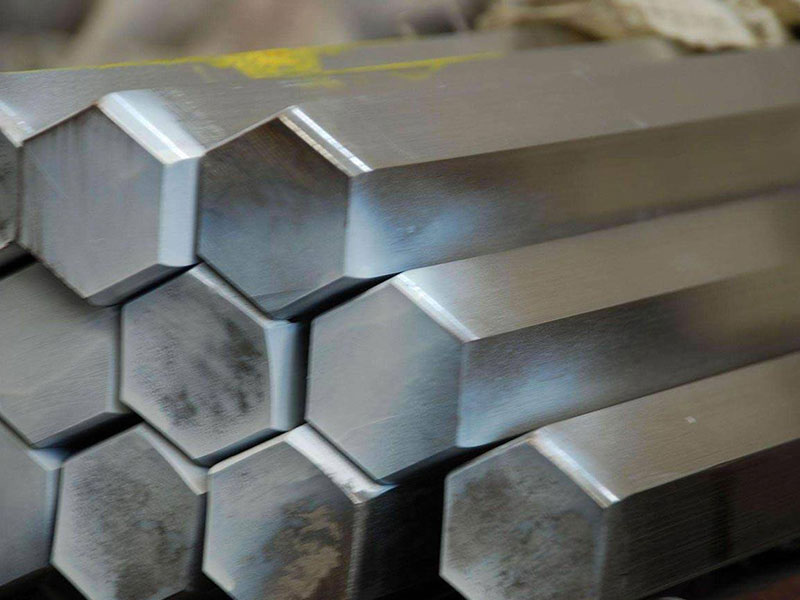
Marine aluminum hexagonal bars
Marine Grade Aluminum Hexagonal Bars are produced from premium corrosion-resistant aluminum alloys such as 5083, 5052, 6061, and 6082.
View Details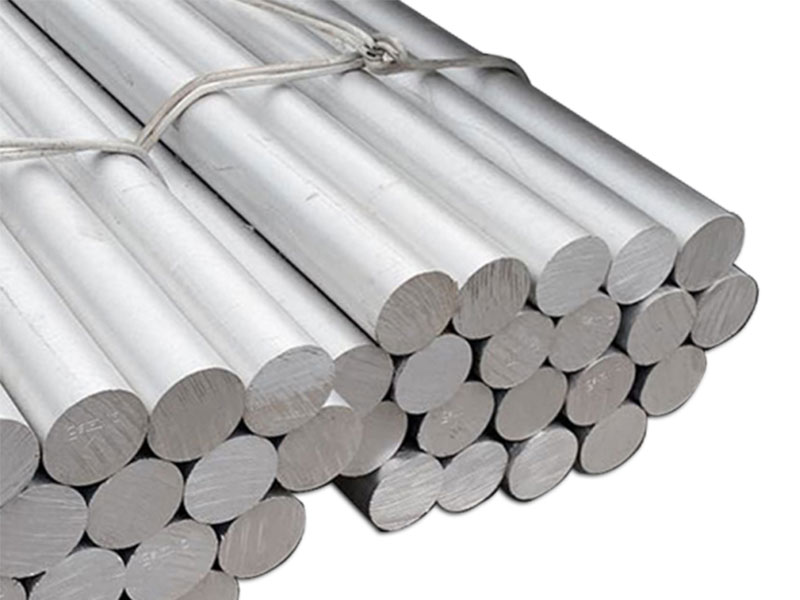
Marine grade aluminum solid bar
Marine Grade Aluminum Solid Bars are produced from premium aluminum alloys optimized for saltwater exposure, such as 5083, 5052, 6061, and 6082. These alloys offer unparalleled resistance to corrosion caused by seawater, salt spray, and marine atmospheres, while maintaining excellent mechanical strength and toughness.
View Details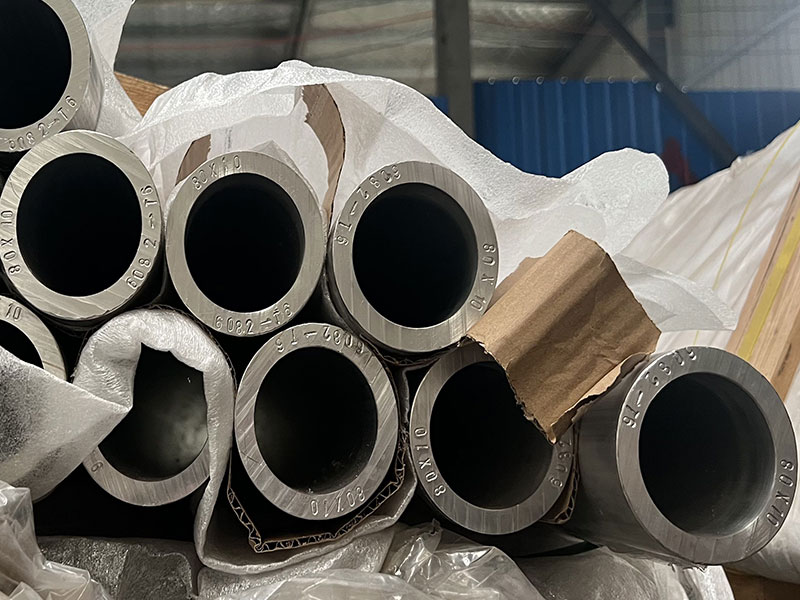
Marine aluminum hollow bars
Marine Grade Aluminum Hollow Bars are fabricated from high-quality alloys such as 5083, 5052, 6061, and 6082, all known for their exceptional resistance to seawater corrosion, salt spray, and marine atmospheres.
View Details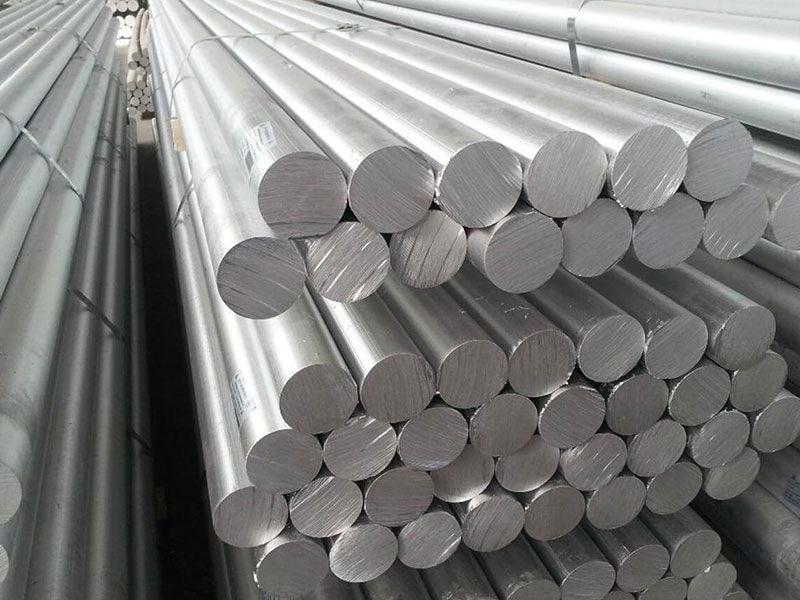
6082 marine aluminum rod & bar
6082 Aluminum Rods & Bars are extruded or rolled products manufactured from 6082 aluminum alloy — a thermally treated (typically T6 temper) aluminum-magnesium-silicon alloy that balances high tensile strength, good weldability, and excellent corrosion resistance.
View DetailsRelated Blog
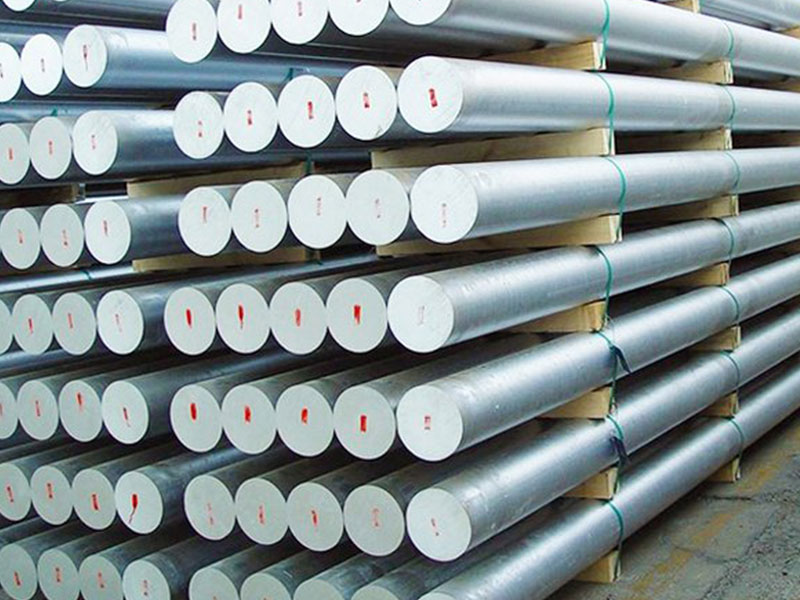
5083 Marine Aluminum Bar for Corrosion Resistant Boat Hulls
When considering materials for seafaring vessels, especially boat hulls, durability and resistance to corrosion are of paramount importance. The evolution of marine applications largely banded around revolutionary developments in materials science.
View Details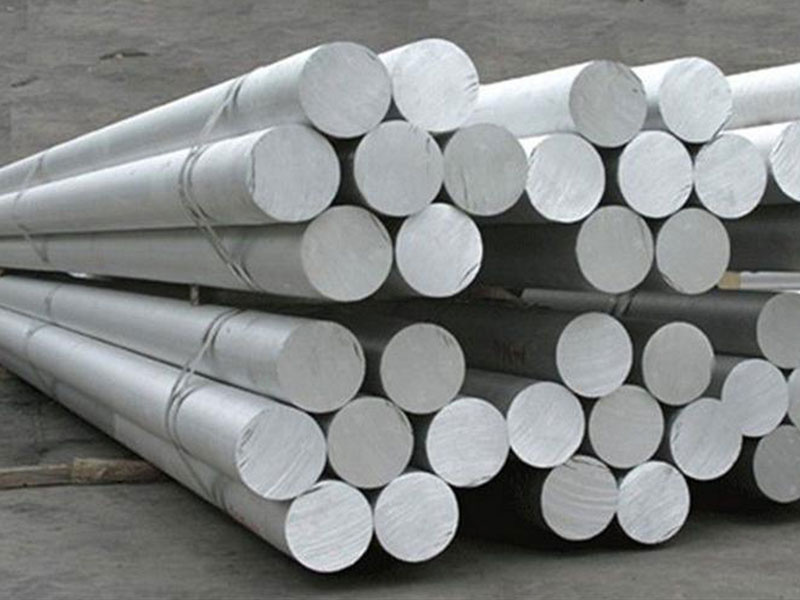
5052 Marine Aluminum Bar for Coastal Marine Engineering Projects
The 5052 marine aluminum bar is a premium product dedicated to the scrupulous requirements of coastal marine engineering projects. It stands out due to its excellent corrosion resistance, weldability, and formability.
View Details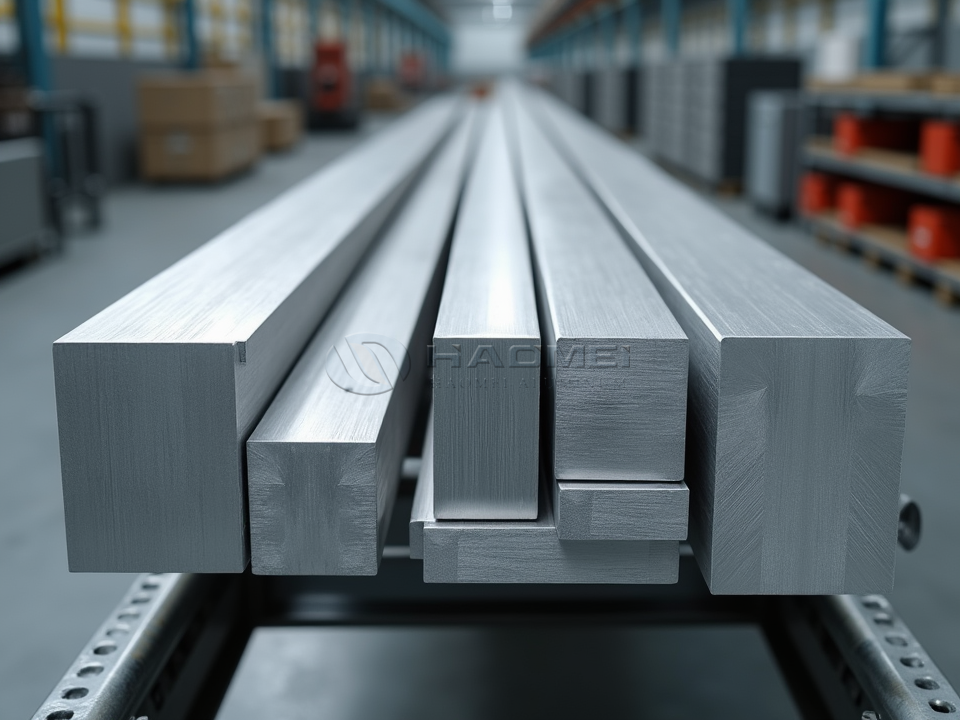
5083 Marine Aluminum Hollow Bars
5083 marine aluminum hollow bars deliver high seawater corrosion resistance, weldability, and strength for boat frames, fittings, and offshore structures.
View Details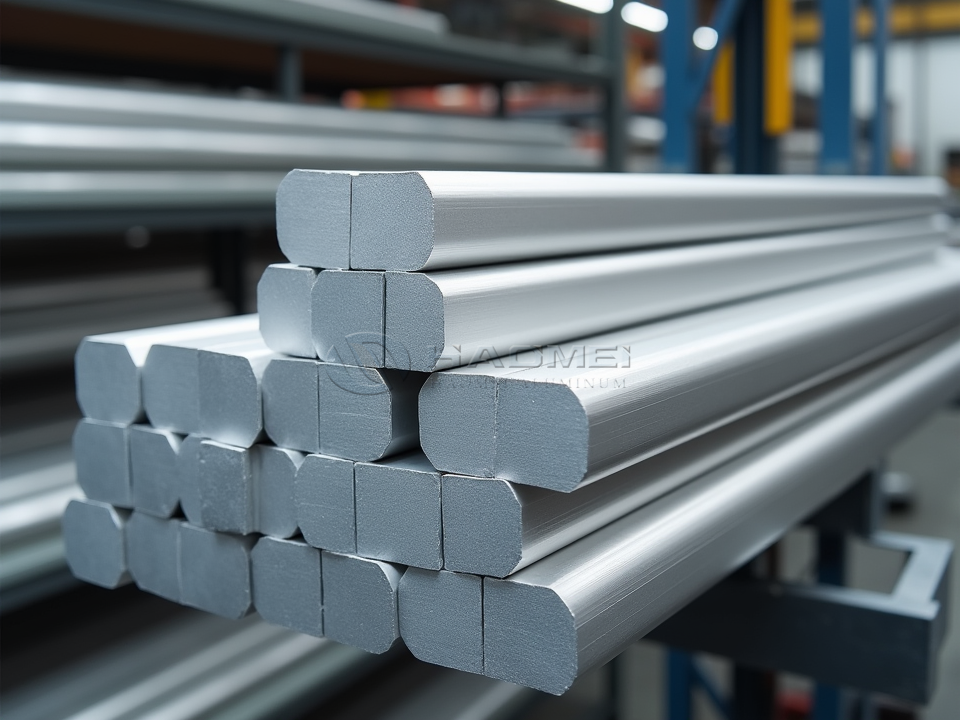
6082 Marine Grade Aluminum Solid Bar For Offshore Structural Solutions
6082 marine grade aluminum solid bar data for offshore frames, fittings, machining, corrosion control, standards, tempers, and design selection.
View Details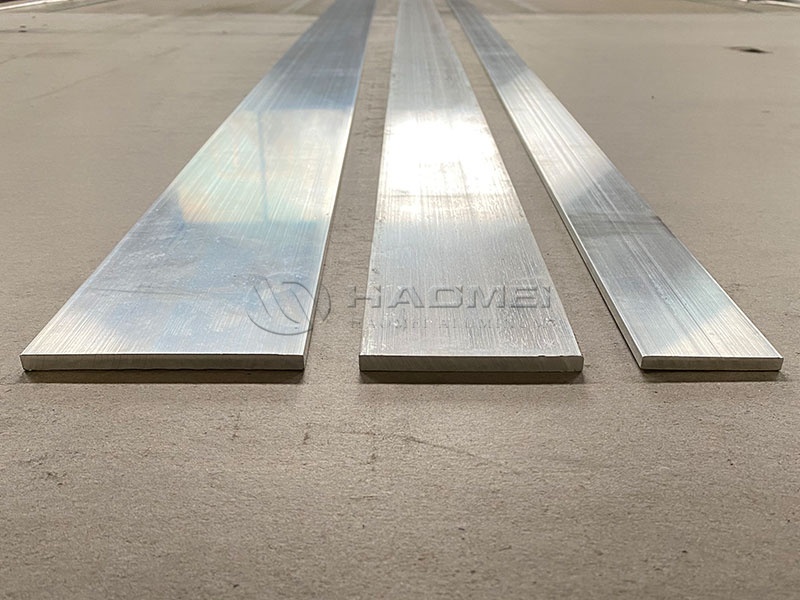
5052 Marine Aluminum Hollow Bars for Corrosion Resistant Offshore Solutions
5052 marine aluminum hollow bars combine low weight, weldability, and saltwater corrosion resistance for offshore piping, sleeves, rails, structural supports, and fittings.
View Details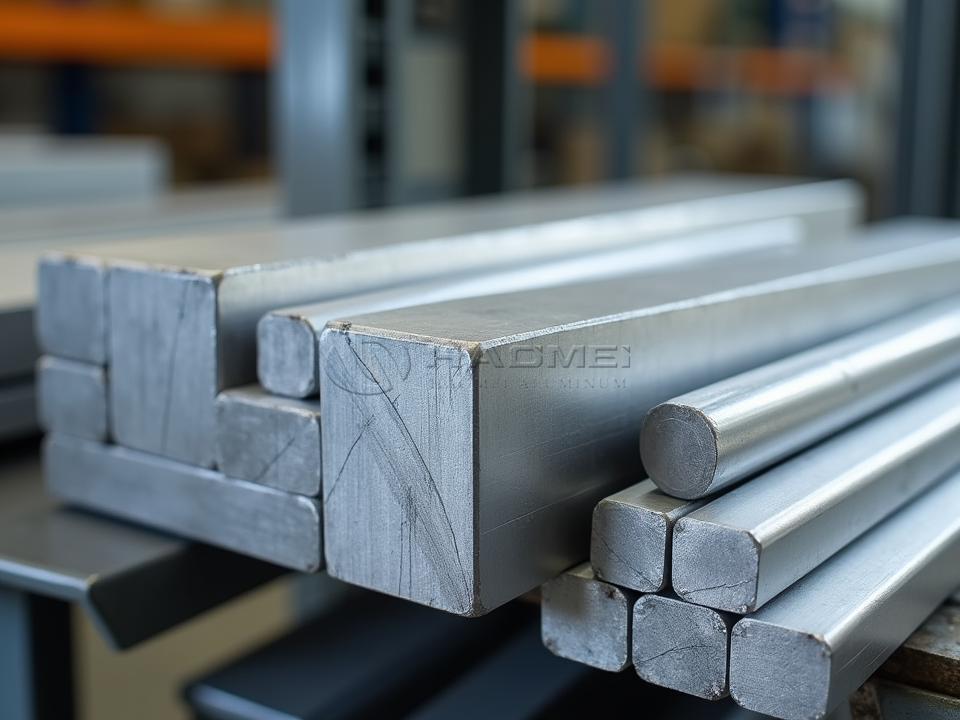
Marine Grade Aluminum Solid Bar for Offshore Vessel Reinforcements
Learn how marine grade aluminum solid bar supports offshore vessel reinforcements through smart alloy selection, fabrication, corrosion control, and inspection.
View Details
Leave a Message