
6061 Marine Aluminum Solid Bars for Shipbuilding Applications
6061 marine aluminum solid bars are heat-treatable structural products widely used where boatbuilders need low weight, dependable strength, clean machining, and practical corrosion resistance. Produced in round, square, flat, and rectangular profiles, these bars support fabricated and machined components throughout commercial vessels, workboats, yachts, patrol craft, and offshore equipment.
The alloy belongs to the Al-Mg-Si family. Magnesium and silicon form magnesium silicide during heat treatment, allowing 6061 to achieve substantially higher strength than non-heat-treatable aluminum alloys. This makes it especially suitable for brackets, rails, deck fittings, mounting blocks, support frames, cleats, ladder parts, machinery bases, and custom marine hardware.
Why 6061 Solid Bars Fit Marine Construction
Compared with steel bars, 6061 aluminum reduces component mass dramatically while retaining useful stiffness and mechanical strength. Lower weight can improve payload capacity, fuel economy, vessel balance, and handling during installation. Its naturally formed oxide film also provides protection in wet and humid conditions.
For direct, long-term exposure to seawater, 6061 should be specified with sensible corrosion-control practices. Designers commonly isolate aluminum from stainless steel, copper alloys, and carbon steel, use compatible fasteners, seal crevices, and apply marine coatings or anodizing where the service environment is aggressive. In immersed or heavily splashed areas, 5xxx-series aluminum may be preferred for certain structural duties, while 6061 remains an excellent choice for rigid machined parts and high-strength fabricated bar components.
| Performance characteristic | Value or practical benefit |
|---|---|
| Density | Approximately 2.70 g/cm³ |
| Weight compared with steel | About one-third of carbon steel density |
| Heat treatment response | Strong response in T4, T6, and T651/T6511 conditions |
| Machinability | Very good, especially in T6 condition |
| Weldability | Good with appropriate filler metal and procedure control |
| Corrosion resistance | Good atmospheric and marine-service resistance with proper protection |
| Electrical conductivity | Approximately 43% IACS |
| Thermal conductivity | Approximately 167 W/m·K at room temperature |
| Elastic modulus | Approximately 69 GPa |
Common Shipbuilding Functions
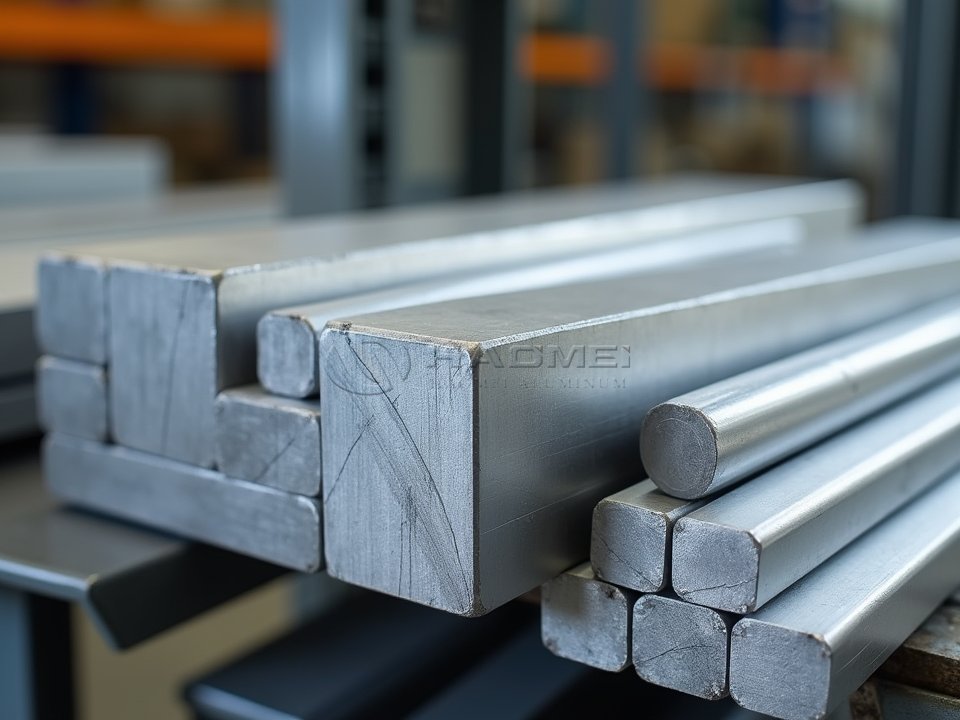
6061 solid bar serves as both a structural material and a precision-machining stock. Flat bars are frequently cut and drilled into reinforcement straps, gussets, backing plates, rub-rail supports, and deck-mounted hardware. Round bars are practical for pins, bushings, rollers, handrail components, steering hardware, shafts for light-duty systems, and turned fittings. Square bars provide a stable geometry for framework connections, brackets, blocks, and fabricated supports.
Marine fabricators value the alloy's ability to accept sawing, drilling, milling, tapping, bending, TIG welding, MIG welding, anodizing, and powder coating. T6 bars are favored for CNC-machined components because they produce accurate dimensions and a clean surface finish. When extensive forming is required, T4 material may offer a better balance between ductility and later age-hardening potential.
For projects requiring multiple shapes and dimensions, Marine Grade Aluminum Bars can be selected in round, flat, square, and specialty profiles to match fabrication needs.
Chemical Composition of 6061 Aluminum Alloy
The chemistry of 6061 is controlled to produce a balanced combination of strength, weldability, corrosion behavior, and extrusion performance. Values shown are typical specification limits by weight.
| Element | Content, % by weight |
|---|---|
| Silicon, Si | 0.40-0.80 |
| Iron, Fe | 0.00-0.70 |
| Copper, Cu | 0.15-0.40 |
| Manganese, Mn | 0.00-0.15 |
| Magnesium, Mg | 0.80-1.20 |
| Chromium, Cr | 0.04-0.35 |
| Zinc, Zn | 0.00-0.25 |
| Titanium, Ti | 0.00-0.15 |
| Other elements, each | 0.05 maximum |
| Other elements, total | 0.15 maximum |
| Aluminum, Al | Balance |
Magnesium and silicon are the primary strengthening elements. Chromium helps control grain structure and can improve resistance to stress-corrosion cracking. Copper contributes strength but requires careful attention to marine corrosion protection, particularly when bars contact dissimilar metals or remain wet for extended periods.
Temper Conditions and Mechanical Data
Temper selection has a direct effect on fabrication behavior. T6 is the usual choice for ready-to-machine, high-strength marine solid bars. T4 provides a softer condition for forming. T6511 is commonly associated with stress-relieved extruded products and may help reduce distortion during machining.
| Temper | Processing condition | Typical tensile strength | Typical yield strength | Typical elongation | Common marine use |
|---|---|---|---|---|---|
| O | Annealed, soft condition | 125 MPa | 55 MPa | 25% | Forming and bending trials |
| T4 | Solution heat treated and naturally aged | 180 MPa | 110 MPa | 16% | Formed brackets and welded parts |
| T6 | Solution heat treated and artificially aged | 290 MPa | 240 MPa | 8-12% | Machined fittings, frames, supports |
| T6511 | Solution heat treated, stress relieved, artificially aged | 290 MPa | 240 MPa | 8-12% | Precision-machined extruded bar parts |
Mechanical values vary with section size, product form, testing direction, and governing standard. Purchase documentation should state the required temper, dimensions, tolerances, test method, and certification level before production begins.
Technical Specifications for Solid Bar Supply
| Item | Typical range or requirement |
|---|---|
| Alloy designation | AA 6061 / EN AW-6061 |
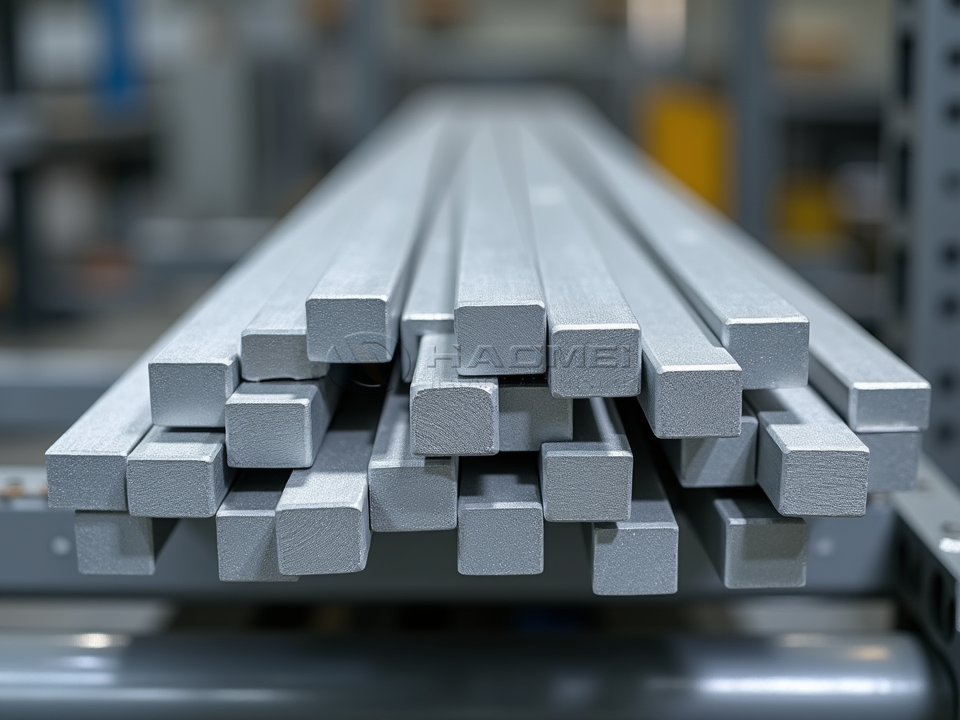
| Product forms | Round bar, square bar, flat bar, rectangular bar, custom profile |
| Round bar diameter | Commonly 6 mm to 300 mm, subject to mill capability |
| Square bar size | Commonly 6 mm to 200 mm |
| Flat bar thickness | Commonly 3 mm to 100 mm |
| Flat bar width | Commonly 10 mm to 300 mm |
| Standard length | 3 m, 6 m, or cut-to-length supply |
| Surface finish | Mill finish, brushed, polished, anodized, coated |
| Dimensional tolerance | Per applicable ASTM, EN, or customer drawing |
| Inspection options | Chemical analysis, tensile testing, dimensional inspection, visual inspection, PMI on request |
Standards and Documentation
The applicable standard depends on the product route, customer location, and project specification. Extruded bars are often procured under ASTM B221 or EN 755 requirements. Drawn bars may use ASTM B211. Marine projects can also require inspection certificates, traceability records, and classification-society documentation where specified by the vessel owner or shipyard.
| Standard | Typical application |
|---|---|
| ASTM B221 | Aluminum extruded bars, rods, wire, profiles, and tubes |
| ASTM B211 | Aluminum and aluminum-alloy bar, rod, and wire |
| EN 755-2 | Mechanical properties of extruded aluminum alloy products |
| EN 573-3 | Chemical composition and alloy designation |
| EN 755-9 | Extruded product tolerances |
| ASTM E8/E8M | Tensile testing of metallic materials |
| EN 10204 3.1 | Mill test certificate format for material traceability |
Fabrication Notes for Marine Service
6061-T6 can be TIG or MIG welded successfully using suitable filler alloys such as 4043 or 5356, selected according to joint design, corrosion exposure, and required post-weld properties. Heat from welding reduces strength in the heat-affected zone because the T6 temper is partially lost. Structural calculations should therefore use post-weld allowable values rather than the original T6 strength near the weld.
To extend service life, avoid water traps, seal lap joints, use insulating washers between dissimilar metals, and repair damaged coatings promptly. Anodizing improves surface hardness and appearance, while a marine-grade paint system can add protection in splash zones and industrial coastal environments.
6061 marine aluminum solid bars provide a practical balance of strength, machinability, fabrication flexibility, and weight savings. With the correct temper, documented standards, and corrosion-aware design, they become a reliable material choice for demanding shipbuilding and marine hardware applications.

Related Products
Marine grade aluminum solid bar
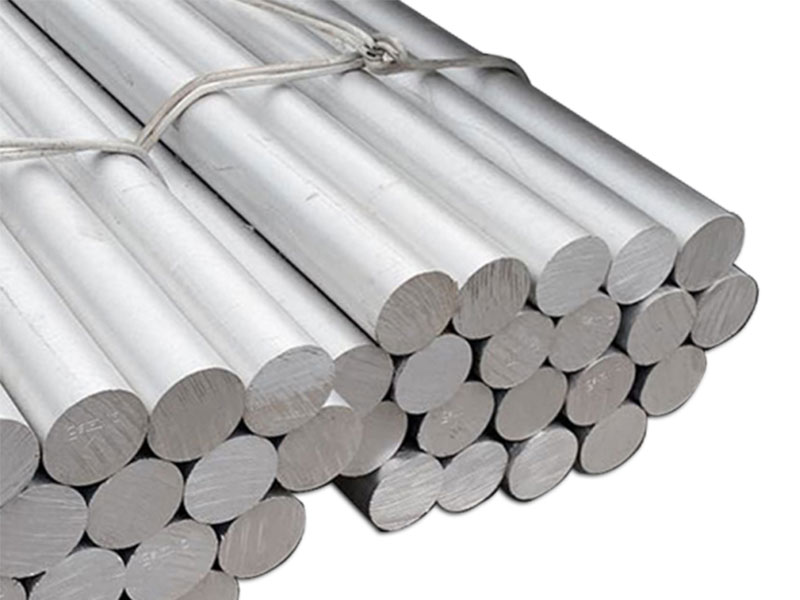
Marine Grade Aluminum Solid Bars are produced from premium aluminum alloys optimized for saltwater exposure, such as 5083, 5052, 6061, and 6082. These alloys offer unparalleled resistance to corrosion caused by seawater, salt spray, and marine atmospheres, while maintaining excellent mechanical strength and toughness.
View Details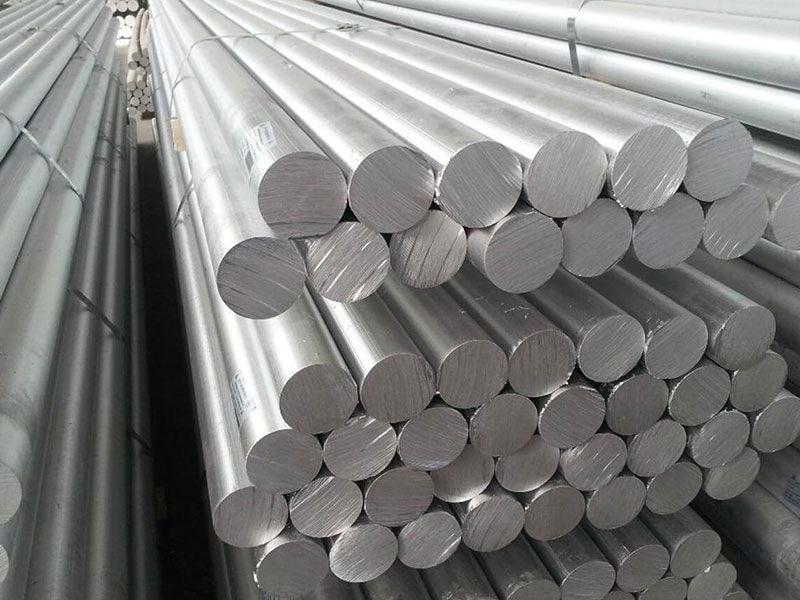
6082 marine aluminum rod & bar
6082 Aluminum Rods & Bars are extruded or rolled products manufactured from 6082 aluminum alloy — a thermally treated (typically T6 temper) aluminum-magnesium-silicon alloy that balances high tensile strength, good weldability, and excellent corrosion resistance.
View Details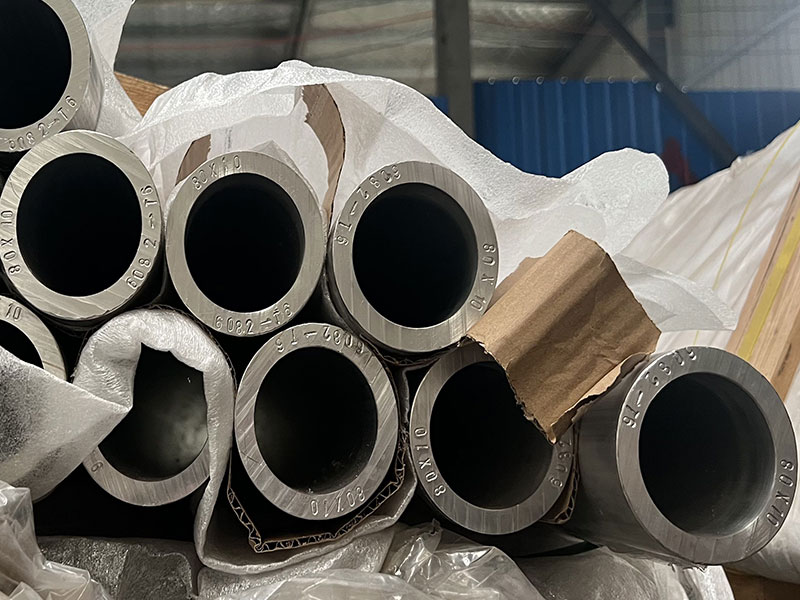
Marine aluminum hollow bars
Marine Grade Aluminum Hollow Bars are fabricated from high-quality alloys such as 5083, 5052, 6061, and 6082, all known for their exceptional resistance to seawater corrosion, salt spray, and marine atmospheres.
View Details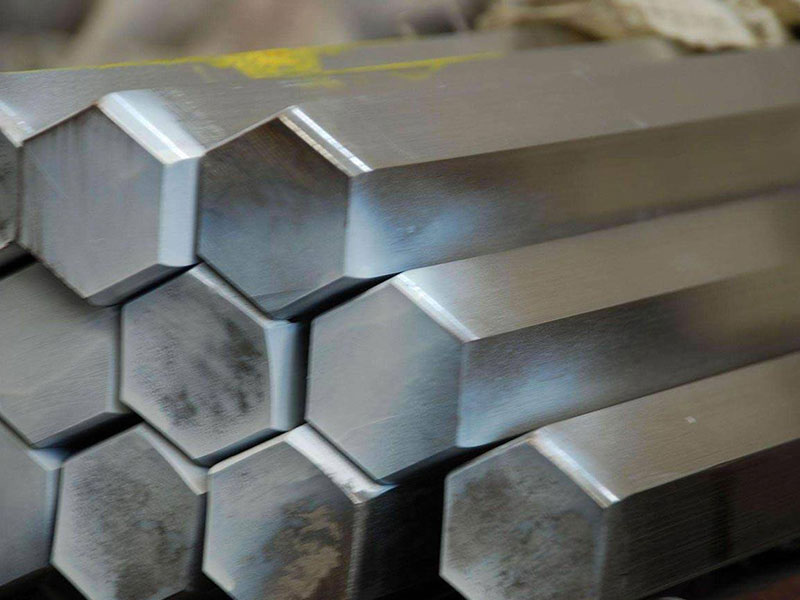
Marine aluminum hexagonal bars
Marine Grade Aluminum Hexagonal Bars are produced from premium corrosion-resistant aluminum alloys such as 5083, 5052, 6061, and 6082.
View DetailsRelated Blog
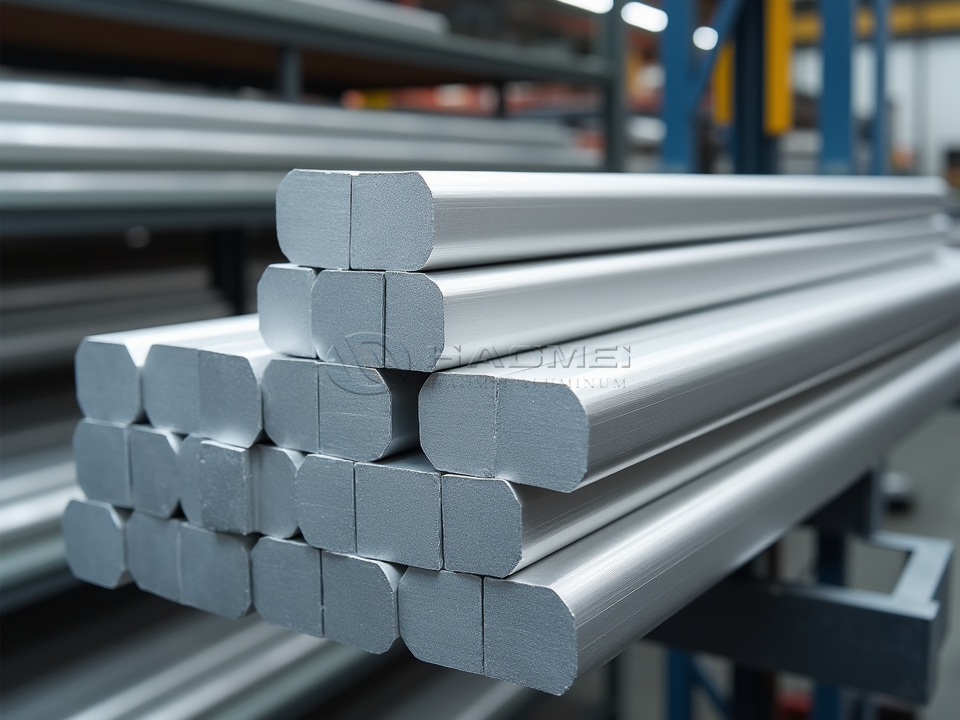
6082 Marine Aluminum Bar for Durable Marine Frame Manufacturing
6082 marine aluminum bar delivers high strength, machinability and corrosion resistance for boat frames, fittings, gangways, and durable marine structures.
View Details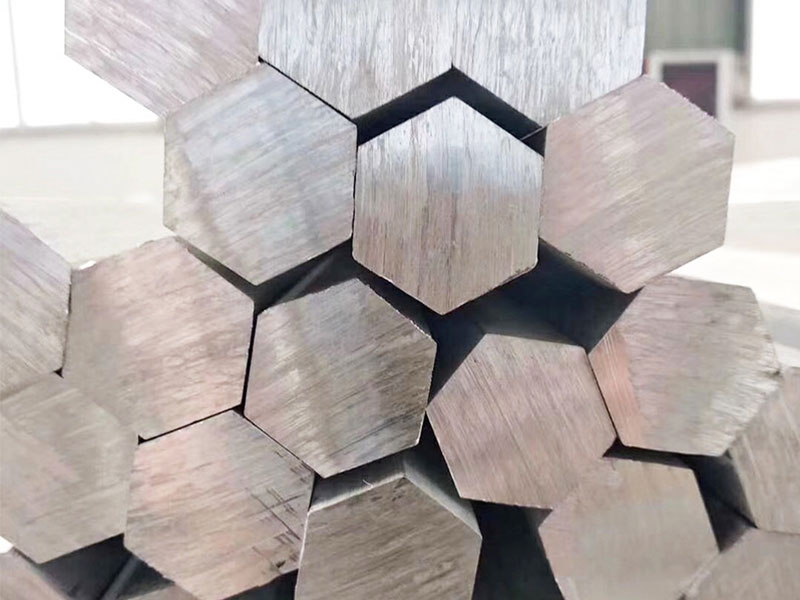
Marine Aluminum Bar for Coastal Boat Reinforcement
When considering the perfect material for coastal boat reinforcement, marine aluminum bars emerge as a standout option. Their remarkable blend of strength, corrosion resistance, and weight savings makes them an ideal choice for maritime applications.
View Details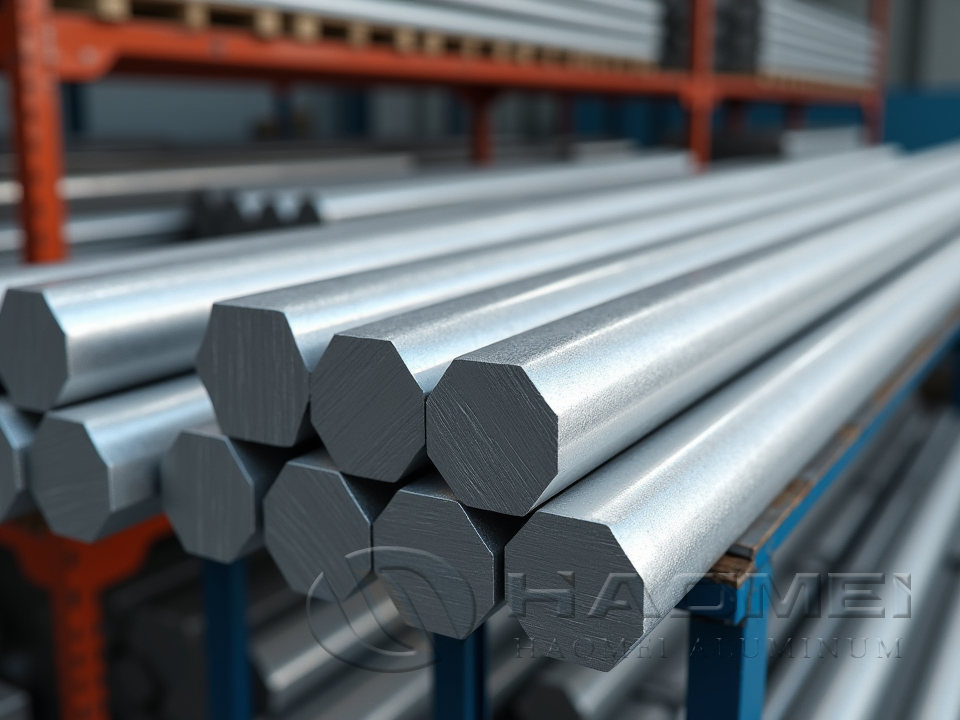
5083 Marine Aluminum Hexagonal Bars for Custom Marine Component Manufacturing
Practical guide to 5083 marine aluminum hexagonal bars, covering alloy chemistry, tempers, standards, sizes, machining, and custom boat hardware uses.
View Details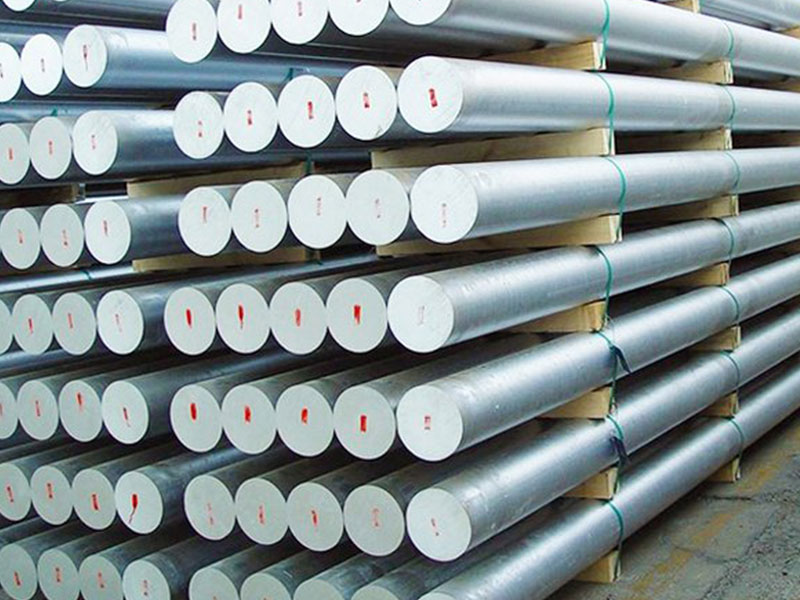
Marine Aluminum Hollow Bars for Offshore Oil and Gas Platforms
Marine Aluminum Hollow Bars for Offshore Oil and Gas Platforms: The "Structural Plumbing" That Keeps Steel HonestOffshore oil and gas platforms are often described as steel cities at sea.
View Details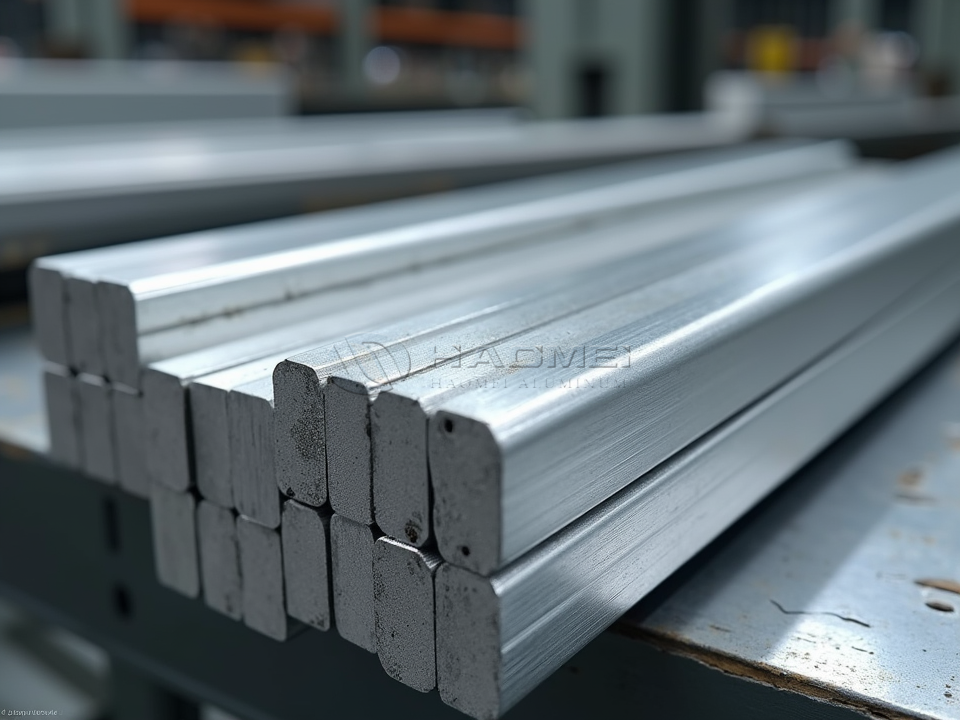
Advantages of 5083 Marine Grade Aluminum Bar for Marine Use
Explore how 5083 marine grade aluminum bar combines seawater corrosion resistance, weldability, and strength for reliable marine structures and hardware.
View Details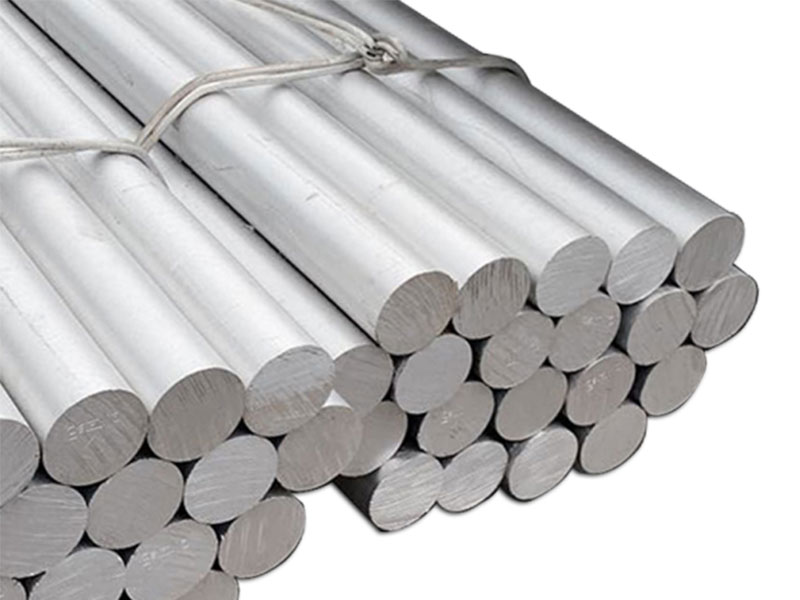
5083 Marine Aluminum Bar for Saltwater Corrosion Resistant Boat Frames
In the demanding marine environment, selecting the right materials for boat frames is vital to ensuring longevity, performance, and safety. Among the myriad of alloys.
View Details
Leave a Message