
6082 Marine Aluminum Bar for Durable Marine Frame Manufacturing
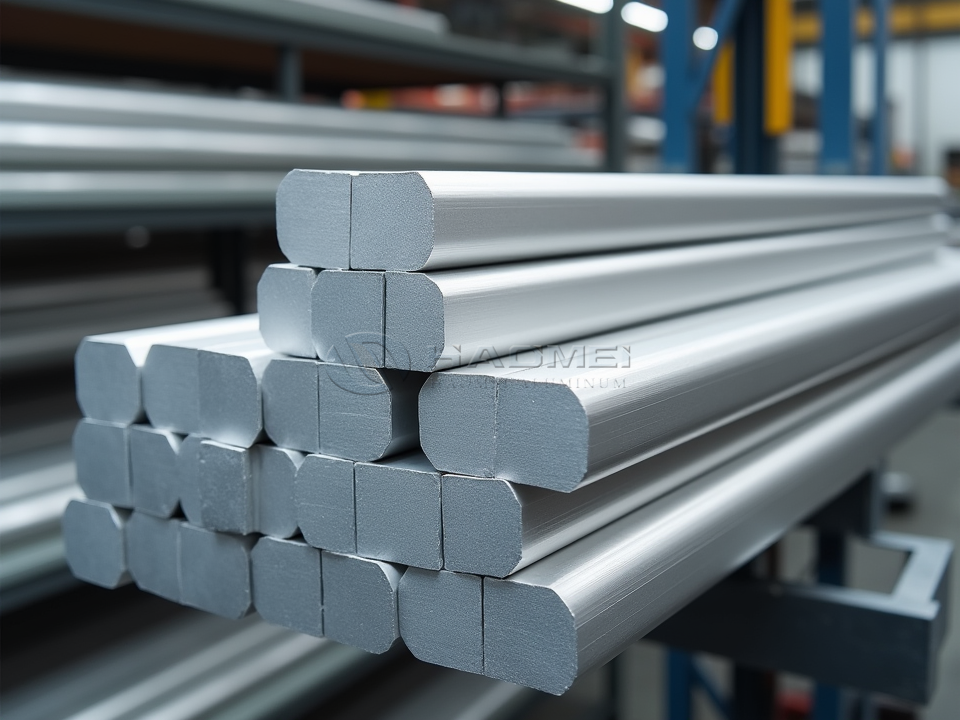
6082 marine aluminum bar is a high-strength, heat-treatable aluminum product engineered for marine frames, boat hardware, structural supports, gangways, and offshore components. Based on the Al-Mg-Si alloy system, 6082 combines dependable mechanical strength with low weight, excellent machinability, and good resistance to atmospheric and splash-zone corrosion.
For builders seeking a rigid material for load-bearing marine structures, 6082 aluminum bar offers an efficient alternative to heavier steel sections. It is especially suitable where dimensional accuracy, threaded details, drilled holes, milled surfaces, and repeatable fabrication are required.
Why 6082 Aluminum Bar Performs Well in Marine Frames
Marine frames must withstand vibration, impact, cyclic loading, salt spray, moisture, and frequent handling. 6082 aluminum bar provides a practical balance between structural performance and fabrication flexibility. In T6 condition, it delivers higher strength than many common 5xxx-series marine alloys, making it a strong choice for frame members and machined structural parts.
| Performance factor | Benefit for marine frame manufacturing |
|---|---|
| High strength-to-weight ratio | Reduces vessel weight while maintaining frame rigidity |
| Heat-treatable alloy | T6 and T651 tempers provide strong mechanical performance |
| Good machinability | Supports drilling, turning, milling, tapping, and precision cutting |
| Good corrosion resistance | Performs well in marine atmospheres with suitable surface protection |
| Weldability | Can be welded using appropriate filler metals and controlled procedures |
| Extrusion capability | Available in round, square, flat, rectangular, and hexagonal bar profiles |
| Recyclability | Supports lower-impact material selection and end-of-life recovery |
6082 is commonly selected for components positioned above the waterline or in splash-prone environments. For permanently immersed structures, designers should evaluate galvanic conditions, coating systems, crevice geometry, and compatibility with adjacent metals. Where maximum seawater immersion resistance is the dominant requirement, 5083 or 5086 may be more appropriate for certain plate and welded structural applications.
Chemical Composition
The controlled magnesium, silicon, and manganese content gives 6082 its useful blend of strength, extrusion response, and corrosion performance. Chemical composition is generally supplied in accordance with EN 573-3 or equivalent standards.
| Element | Composition, % by weight |
|---|---|
| Silicon, Si | 0.70-1.30 |
| Iron, Fe | 0.50 max |
| Copper, Cu | 0.10 max |
| Manganese, Mn | 0.40-1.00 |
| Magnesium, Mg | 0.60-1.20 |
| Chromium, Cr | 0.25 max |
| Zinc, Zn | 0.20 max |
| Titanium, Ti | 0.10 max |
| Other elements, each | 0.05 max |
| Other elements, total | 0.15 max |
| Aluminum, Al | Balance |
Manganese is particularly valuable in 6082 because it helps support strength and grain structure control. Magnesium and silicon form strengthening precipitates during solution heat treatment and artificial aging, enabling the alloy to reach T6-level mechanical properties.
Temper Options and Mechanical Performance
6082 marine aluminum bar is frequently supplied in T6 or T651 condition. T6 indicates solution heat treatment followed by artificial aging. T651 includes stress relief by stretching, helping reduce distortion during machining of long bars or precision marine fittings.
| Temper | Condition | Typical marine use |
|---|---|---|
| T4 | Solution heat treated and naturally aged | Forming work where moderate strength is acceptable |
| T5 | Cooled from elevated-temperature shaping process and artificially aged | Extruded profiles and general structural parts |
| T6 | Solution heat treated and artificially aged | High-strength frames, brackets, fittings, and supports |
| T651 | T6 with stress relief by controlled stretching | CNC-machined components and close-tolerance structural parts |
Mechanical values vary with bar thickness, diameter, production route, and governing specification. The figures shown are typical design guidance for 6082-T6 extruded bar and should be confirmed by the mill test certificate for final engineering work.
| Section thickness or diameter | Tensile strength, Rm | Yield strength, Rp0.2 | Elongation, A |
|---|---|---|---|
| Up to 25 mm | 310 MPa min | 260 MPa min | 8% min |
| Over 25 to 50 mm | 300 MPa min | 250 MPa min | 8% min |
| Over 50 to 100 mm | 290 MPa min | 240 MPa min | 8% min |
| Over 100 to 150 mm | 270 MPa min | 200 MPa min | 8% min |
Physical and Technical Specifications
| Property | Typical value |
|---|---|
| Density | 2.70 g/cm³ |
| Melting range | Approximately 555-650°C |
| Modulus of elasticity | Approximately 69 GPa |
| Thermal conductivity | Approximately 170 W/m·K |
| Electrical conductivity | Approximately 25-30% IACS |
| Coefficient of thermal expansion | Approximately 23.4 × 10⁻⁶/K |
| Typical standards | EN 573-3, EN 755-2, ASTM B221 |
| Common bar forms | Round, flat, square, rectangular, hexagonal |
| Surface options | Mill finish, brushed, polished, anodized, coated |
Marine Frame and Hardware Applications
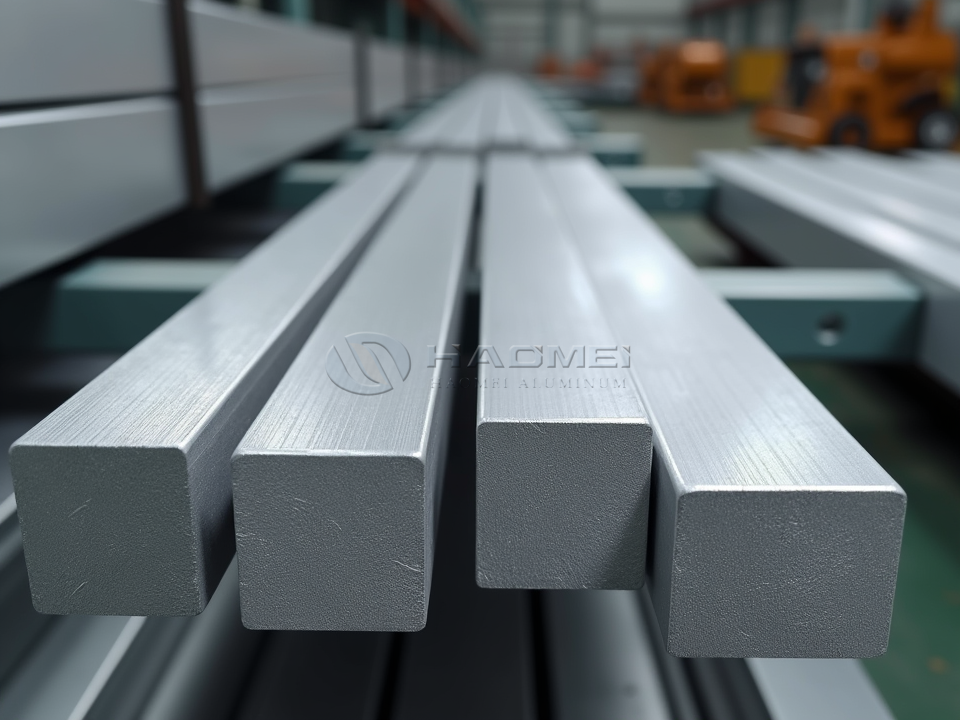
6082 aluminum bar is widely used where strong, lightweight, corrosion-conscious support members are needed. Its machining response makes it especially effective for fabricated and precision-finished components rather than simple sheet structures.
| Application | Typical 6082 bar component |
|---|---|
| Boat and yacht frames | Cross members, stiffeners, support rails, framing blocks |
| Deck equipment | Cleats, bases, mounting plates, davit supports, brackets |
| Gangways and access systems | Handrail supports, hinge parts, structural rails, connection bars |
| Cabin and canopy assemblies | Frame joints, roof supports, window-frame reinforcements |
| Offshore installations | Equipment bases, instrument brackets, access platforms |
| Marine trailers | Structural rails, guide supports, fabricated mounting members |
| Dock and marina systems | Frame sections, ladder supports, pontoon accessories |
For wider sourcing options and profile selections, explore 6082 marine aluminum rod & bar for structural and marine hardware applications.
Fabrication Guidance for Long-Service Marine Parts
6082-T6 bar machines cleanly with sharp tools, suitable cutting fluid, and rigid workholding. It is well suited to threaded holes, close-tolerance bores, slotted brackets, and milled connection details. T651 material is often preferred when low machining distortion is important.
Welding is practical, although the heat-affected zone adjacent to a weld can lose a portion of its T6 strength. Frame designs should account for this localized softening by using suitable joint geometry, adequate section thickness, or post-weld engineering allowances. Common filler alloy choices include 5356 and 4043, selected according to service conditions, strength requirements, and finishing plans.
For saltwater exposure, isolate 6082 from stainless steel, copper alloys, and carbon steel where trapped moisture can create galvanic corrosion. Nonconductive washers, sealants, paint systems, anodizing, and well-drained joints help preserve the aluminum surface. Avoid tight crevices that retain seawater, and rinse exposed structures with fresh water during regular maintenance.
Material Selection Notes
6082 marine aluminum bar is an excellent option when a frame requires substantial strength, reliable machining, and lower mass than steel. It is particularly effective for rigid boat frames, fabricated supports, marine fittings, gangway assemblies, and engineered hardware. Combining the correct temper, cross-section, surface treatment, and corrosion-isolation method produces durable components ready for demanding marine service.

Related Products
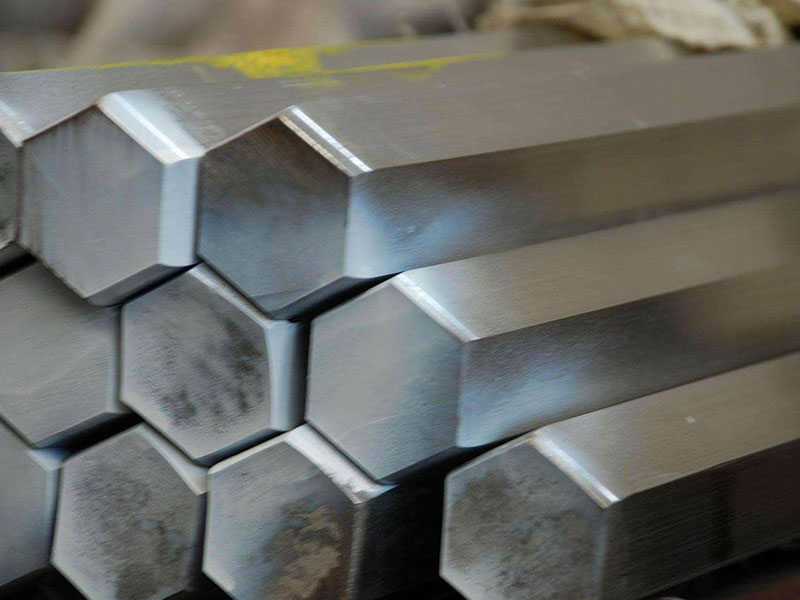
Marine aluminum hexagonal bars
Marine Grade Aluminum Hexagonal Bars are produced from premium corrosion-resistant aluminum alloys such as 5083, 5052, 6061, and 6082.
View Details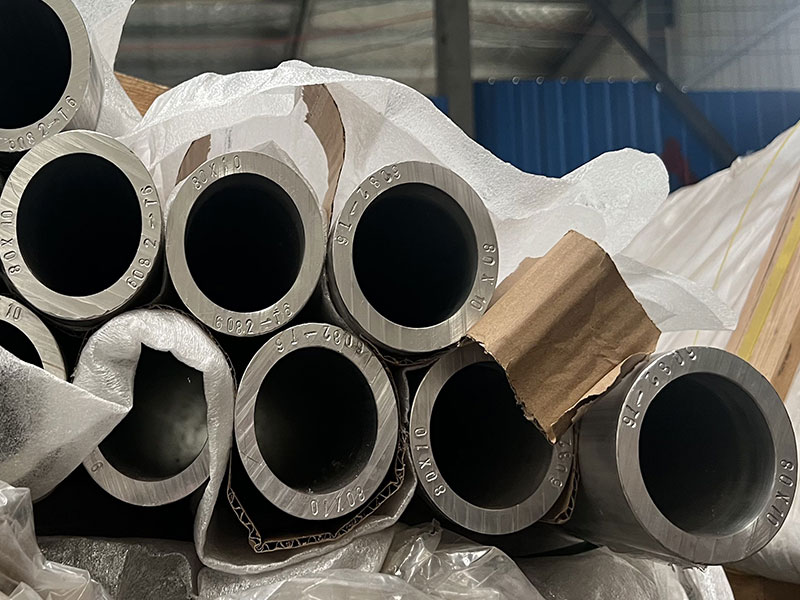
Marine aluminum hollow bars
Marine Grade Aluminum Hollow Bars are fabricated from high-quality alloys such as 5083, 5052, 6061, and 6082, all known for their exceptional resistance to seawater corrosion, salt spray, and marine atmospheres.
View Details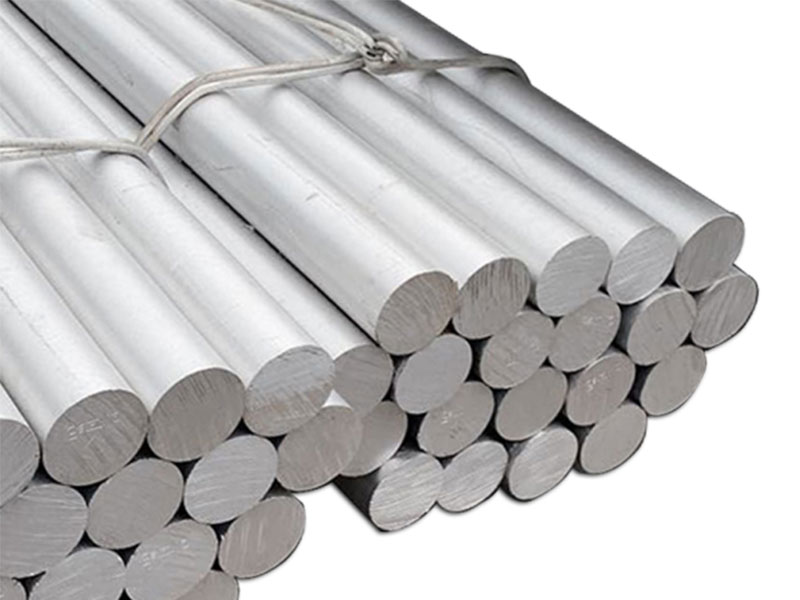
Marine grade aluminum solid bar
Marine Grade Aluminum Solid Bars are produced from premium aluminum alloys optimized for saltwater exposure, such as 5083, 5052, 6061, and 6082. These alloys offer unparalleled resistance to corrosion caused by seawater, salt spray, and marine atmospheres, while maintaining excellent mechanical strength and toughness.
View Details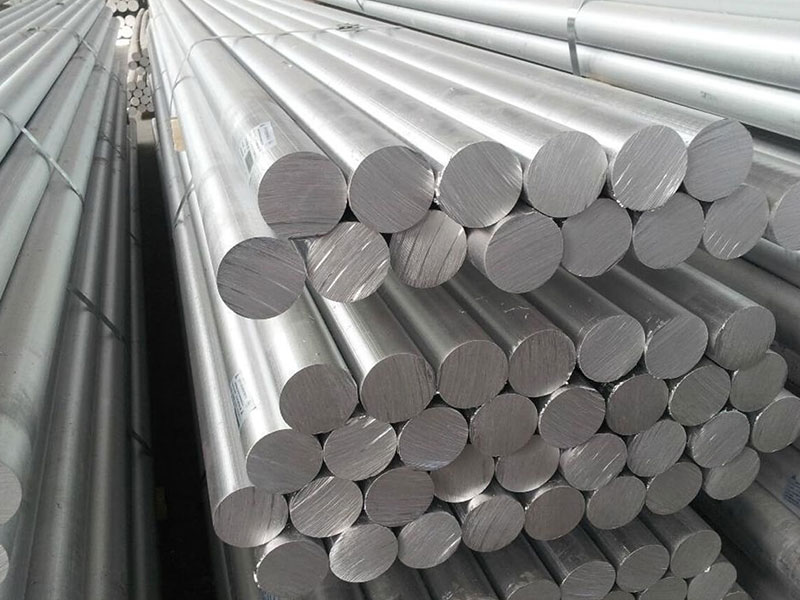
6082 marine aluminum rod & bar
6082 Aluminum Rods & Bars are extruded or rolled products manufactured from 6082 aluminum alloy — a thermally treated (typically T6 temper) aluminum-magnesium-silicon alloy that balances high tensile strength, good weldability, and excellent corrosion resistance.
View DetailsRelated Blog
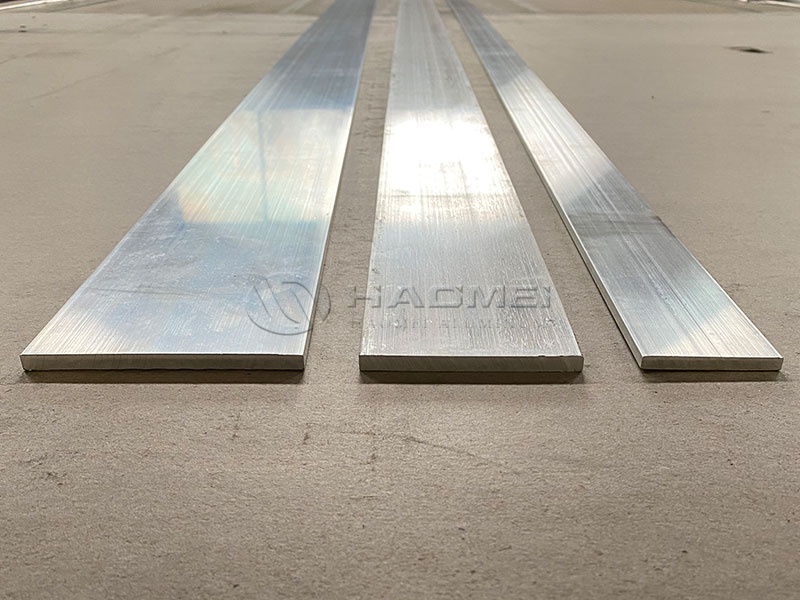
Marine Aluminum Bar for Seawater Resistant Boat Design
Marine aluminum bar guidance for seawater-resistant boat structures, fittings, and frames, covering alloys, dimensions, corrosion control, and fabrication needs.
View Details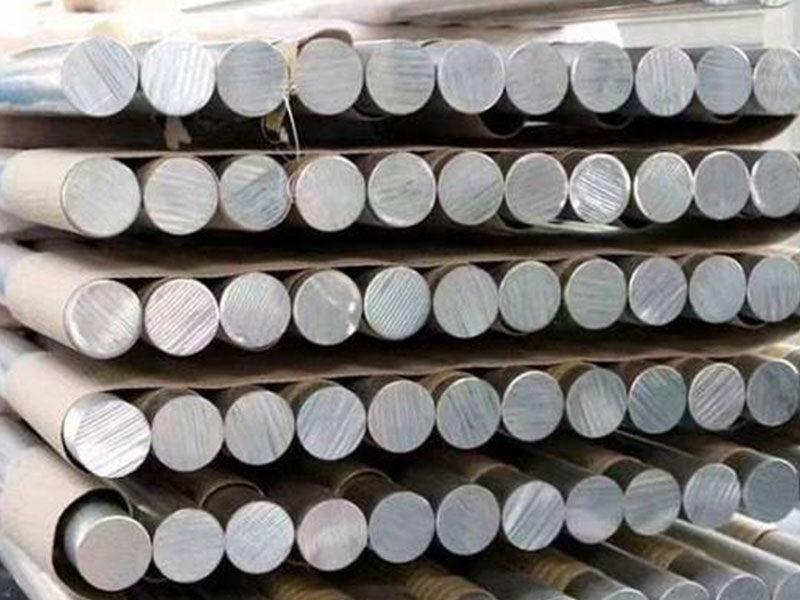
6061 Marine Aluminum Hexagonal Bars for Boat Hull and Frame Assembly
6061 Marine Aluminum Hexagonal Bars are engineered to deliver exceptional strength, corrosion resistance, and machinability for marine applications. Used widely in boat hull and frame assembly.
View Details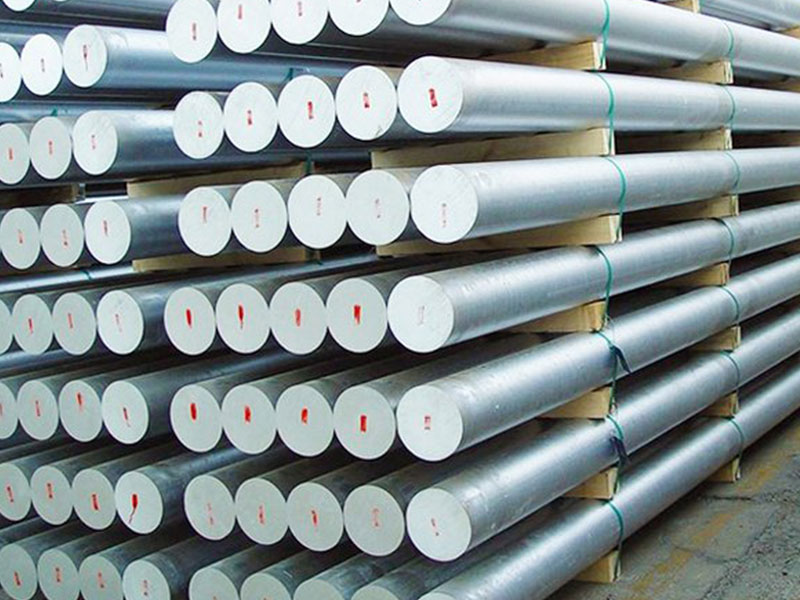
Marine Aluminum Hollow Bars for Offshore Oil and Gas Platforms
Marine Aluminum Hollow Bars for Offshore Oil and Gas Platforms: The "Structural Plumbing" That Keeps Steel HonestOffshore oil and gas platforms are often described as steel cities at sea.
View Details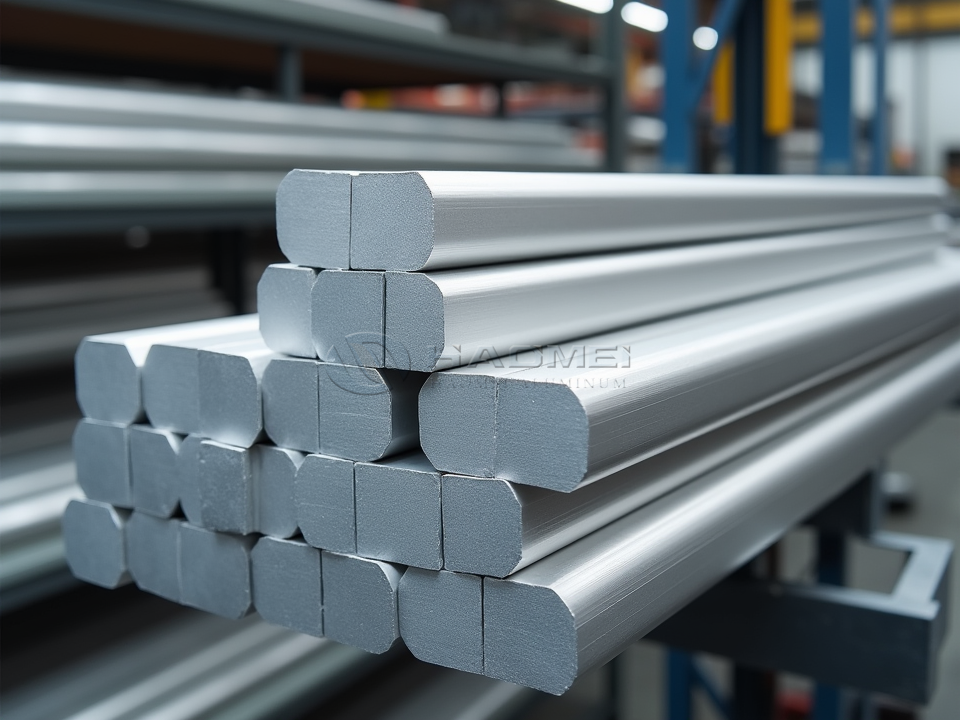
6082 Marine Grade Aluminum Solid Bar For Offshore Structural Solutions
6082 marine grade aluminum solid bar data for offshore frames, fittings, machining, corrosion control, standards, tempers, and design selection.
View Details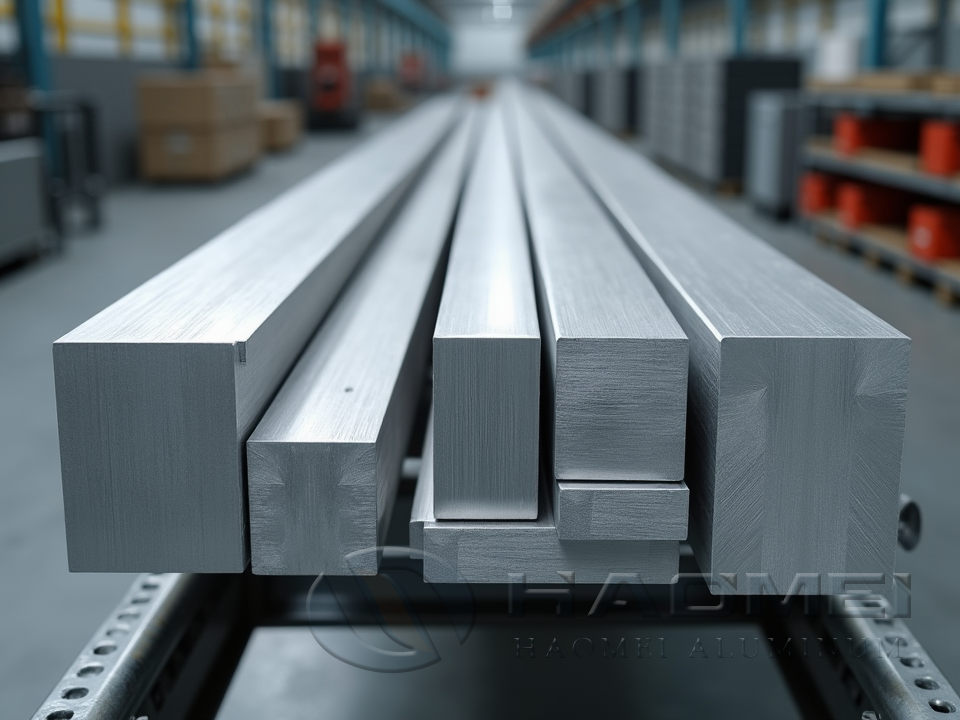
Marine Aluminum Hexagonal Bars for High Performance Offshore Applications
Practical guidance on marine aluminum hexagonal bars for offshore hardware, fasteners, machining, corrosion resistance, and alloy selection.
View Details
5083 Marine Aluminum Bar for Corrosion Resistant Boat Hulls
When considering materials for seafaring vessels, especially boat hulls, durability and resistance to corrosion are of paramount importance. The evolution of marine applications largely banded around revolutionary developments in materials science.
View Details
Leave a Message