
Marine Aluminum Hollow Bars for Offshore Oil and Gas Platforms
Marine aluminum hollow bars for Offshore Oil and Gas Platforms: The "Structural Plumbing" That Keeps Steel Honest
Offshore oil and gas platforms are often described as steel cities at sea, but the parts that quietly keep those cities efficient are frequently aluminum. Among the most useful forms is the marine aluminum hollow bar-a tubular solid with a precisely controlled bore that behaves like a hybrid between a pipe and a machined billet. From a platform engineer's perspective, hollow bars are less about "lightweight metal" and more about controlling mass, corrosion, and machining time in places where every kilogram, every maintenance hour, and every unplanned shutdown has a price.
A distinctive way to view a hollow bar is as structural plumbing: it routes loads the way piping routes fluids. The outer wall carries bending and impact, the inner bore reduces weight and can become a passage for fasteners, wiring, hydraulic lines, or corrosion-inhibiting fills. When platforms demand compact strength with predictable fabrication, hollow bars become a practical compromise between plate-and-weld assemblies and fully forged shafts.
What Marine aluminum hollow bars Do on Offshore Structures
On offshore installations, Marine aluminum hollow bars serve two simultaneous roles: load management and corrosion management.
For load management, the hollow geometry delivers a high stiffness-to-weight ratio. In many real components, the center of a solid bar contributes less to bending resistance than the outer fibers. Removing that low-value core reduces weight without sacrificing proportionate stiffness. This matters on helidecks, flare booms, walkways, crane pedestals, riser guards, and module frames where designers fight both static loads and vibration.
For corrosion management, aluminum's natural oxide film provides a stable barrier in marine atmospheres. When the correct alloy and temper are selected, the hollow bar becomes a durable base material for components that must resist salt spray, humidity cycling, and splash-zone exposure-especially when combined with suitable coatings, isolation from dissimilar metals, and careful drainage design.
Where Hollow Bars Fit: Applications That Reward the Shape
Marine aluminum hollow bars are common in offshore oil and gas where engineers need machining-friendly stock that becomes a finished part quickly.
Typical applications include:
- Machined structural sleeves and spacers for modular connections and bolted nodes, where the bore reduces weight and allows routing of tie rods or cabling.
- Bearing housings and bush carriers for auxiliary equipment, davits, lifting frames, and service cranes, where the bar is turned and bored to tolerance.
- Stanchions, handrail interfaces, and ladder components in areas where corrosion resistance and low maintenance outweigh maximum strength.
- Jacket and topside accessory brackets and protective frames, where hollow bars can replace welded fabrications to reduce weld length and inspection burden.
- Instrumentation and hydraulic supports where the internal bore provides a protected path for tubing or electrical runs.
The hidden advantage is production speed. Hollow bars reduce "chip-making" during turning and boring operations, saving tool wear and machining hours, which is often as valuable offshore as the material itself.
Alloy Selection: Choosing the Right Marine Aluminum Family
Offshore applications generally favor two alloy families for hollow bars: 5xxx series (Al-Mg) and 6xxx series (Al-Mg-Si).
5083 and 5754 (5xxx series) are often chosen for high corrosion resistance and reliable performance in marine environments. 5083 is known for strong performance in seawater and is widely used in shipbuilding and marine structures. 5754 offers excellent corrosion resistance and formability, often selected where slightly lower strength is acceptable.
6061 and 6082 (6xxx series) provide good corrosion resistance with superior machinability and strong response to heat treatment. These are frequently used for machined parts, connection hardware, and components requiring stable mechanical properties after processing.
If the design is sensitive to stress corrosion cracking, fatigue performance, or long-term exposure in aggressive zones, the choice of alloy and temper should be validated against the platform's corrosion philosophy, coating system, and isolation strategy.
Temper Conditions: Why "T6" Isn't Always the Whole Story
Temper is not just a strength label; it is a manufacturing decision that influences toughness, machinability, and behavior near welds.
Common temper choices for offshore hollow bars include:
- O / Annealed for maximum ductility and forming, often used before significant machining or forming operations.
- H111 / H112 (5xxx series) for strain-hardened or stabilized conditions commonly used in marine plate and extrusions where corrosion resistance is and properties are consistent.
- T6 (6xxx series) for solution heat-treated and artificially aged strength, popular in machined parts where high yield strength is required.
- T651 (6xxx series) when stress-relief by stretching is preferred to reduce distortion during machining, especially for precision components.
For assemblies that will be welded, remember that heat affected zones in 6xxx alloys can soften locally. Designers often compensate by geometry, local reinforcement, or selecting a 5xxx alloy when welded strength retention is critical.
Parameters Customers Typically Specify (and Why They Matter)
Marine aluminum hollow bars are specified by geometry, tolerances, and inspection expectations more than by appearance. Typical parameters include:
- Outer diameter range: commonly 20 mm to 400 mm, with larger sizes available depending on extrusion/forging route
- Inner diameter range: commonly 8 mm to 250 mm
- Wall thickness: often 5 mm to 80 mm
- Length: standard 3 m to 6 m, with cut-to-length options
- Straightness and concentricity: important for rotating or precision-machined parts
- Surface condition: mill finish, anodizing-ready, or coated-ready depending on the corrosion system
- Ultrasonic testing or internal quality requirements: relevant for critical load parts or pressure-adjacent components
What offshore customers really buy is predictability: consistent bore alignment, stable mechanical response during machining, and traceable compliance to marine and industrial standards.
Implementation Standards and Quality Expectations Offshore
Depending on project requirements and region, Marine aluminum hollow bars may be supplied to commonly referenced standards such as:
- ASTM B221 for aluminum extruded bars, rods, wire, profiles (widely used for 6xxx extrusions)
- EN 755 / EN 754 for aluminum extruded rod/bar/tube and tolerances (common in EU-linked supply chains)
- ISO 6361 / ISO 6362 for wrought aluminum products (general reference in international projects)
For offshore oil and gas projects, it's also common that procurement specifications require:
- Mill test certificates with heat/lot traceability
- Verification of chemical composition and mechanical properties
- Dimensional inspection reports
- Optional NDT requirements depending on criticality
Chemical Composition (Typical Ranges, wt.%)
Values below are typical specification ranges; exact limits depend on the governing standard and supplier mill practice.
| Alloy | Si | Fe | Cu | Mn | Mg | Cr | Zn | Ti | Al |
|---|---|---|---|---|---|---|---|---|---|
| 5083 | ≤0.40 | ≤0.40 | ≤0.10 | 0.40–1.00 | 4.0–4.9 | 0.05–0.25 | ≤0.25 | ≤0.15 | Balance |
| 5754 | ≤0.40 | ≤0.40 | ≤0.10 | ≤0.50 | 2.6–3.6 | ≤0.30 | ≤0.20 | ≤0.15 | Balance |
| 6061 | 0.40–0.80 | ≤0.70 | 0.15–0.40 | ≤0.15 | 0.80–1.20 | 0.04–0.35 | ≤0.25 | ≤0.15 | Balance |
| 6082 | 0.70–1.30 | ≤0.50 | ≤0.10 | 0.40–1.00 | 0.60–1.20 | ≤0.25 | ≤0.20 | ≤0.10 | Balance |
A Practical Offshore View: Designing for the Environment, Not Just Strength
Platforms punish materials through crevices, trapped water, dissimilar-metal couples, and coating damage. Marine aluminum hollow bars perform best when their advantages are used intentionally: keep interfaces drainable, isolate from carbon steel using nonconductive barriers, specify compatible fasteners, and consider anodizing or marine coating systems where splash and abrasion are severe.
From that viewpoint, Marine aluminum hollow bars are not merely raw stock. They're a strategic way to build lighter, cleaner, faster-machining offshore components that resist corrosion while simplifying fabrication. In offshore oil and gas, that combination is not a luxury-it's operational discipline.

Related Products
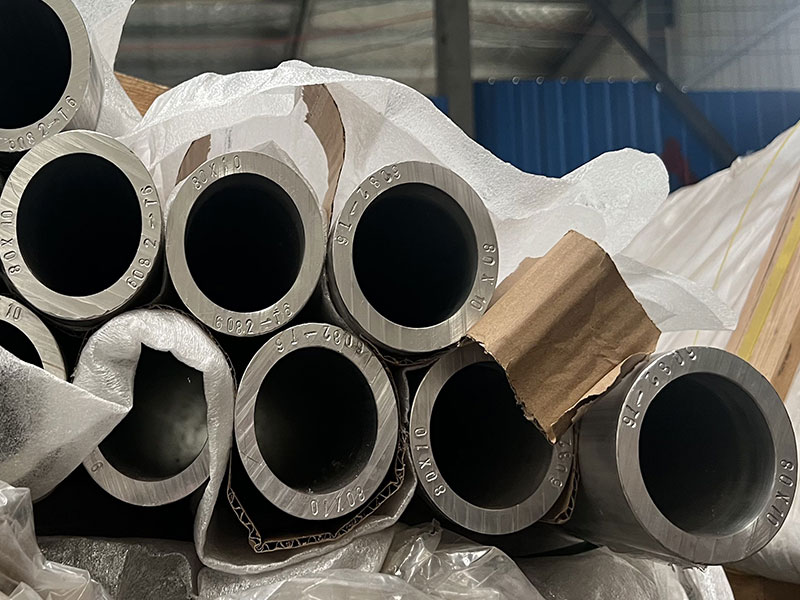
Marine aluminum hollow bars
Marine Grade Aluminum Hollow Bars are fabricated from high-quality alloys such as 5083, 5052, 6061, and 6082, all known for their exceptional resistance to seawater corrosion, salt spray, and marine atmospheres.
View Details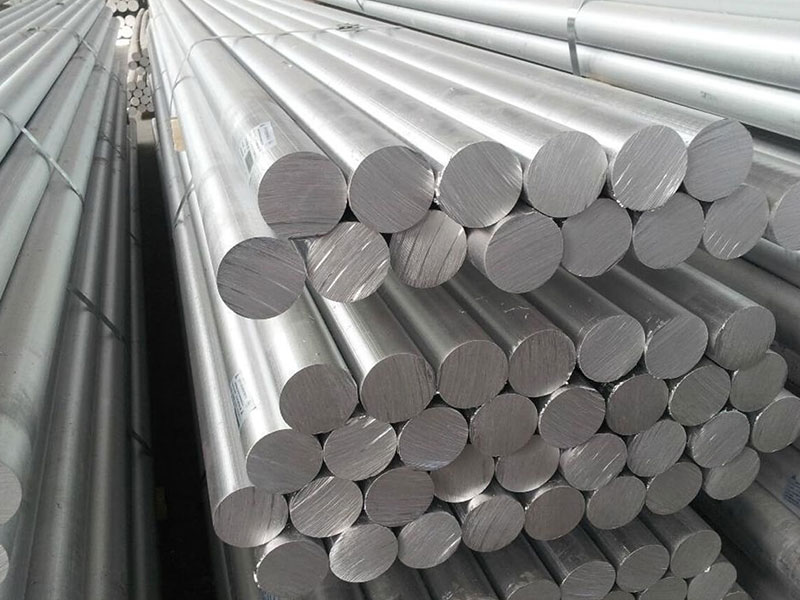
6082 marine aluminum rod & bar
6082 Aluminum Rods & Bars are extruded or rolled products manufactured from 6082 aluminum alloy — a thermally treated (typically T6 temper) aluminum-magnesium-silicon alloy that balances high tensile strength, good weldability, and excellent corrosion resistance.
View Details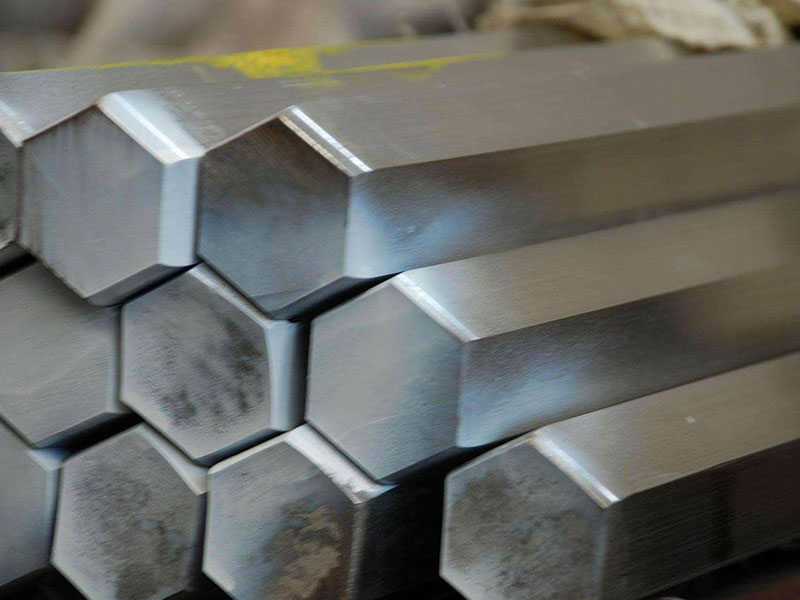
Marine aluminum hexagonal bars
Marine Grade Aluminum Hexagonal Bars are produced from premium corrosion-resistant aluminum alloys such as 5083, 5052, 6061, and 6082.
View Details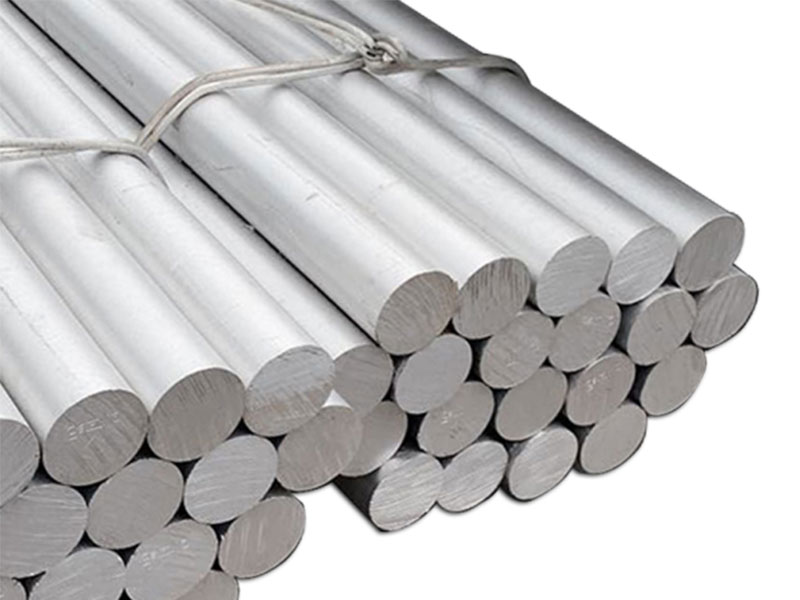
Marine grade aluminum solid bar
Marine Grade Aluminum Solid Bars are produced from premium aluminum alloys optimized for saltwater exposure, such as 5083, 5052, 6061, and 6082. These alloys offer unparalleled resistance to corrosion caused by seawater, salt spray, and marine atmospheres, while maintaining excellent mechanical strength and toughness.
View DetailsRelated Blog
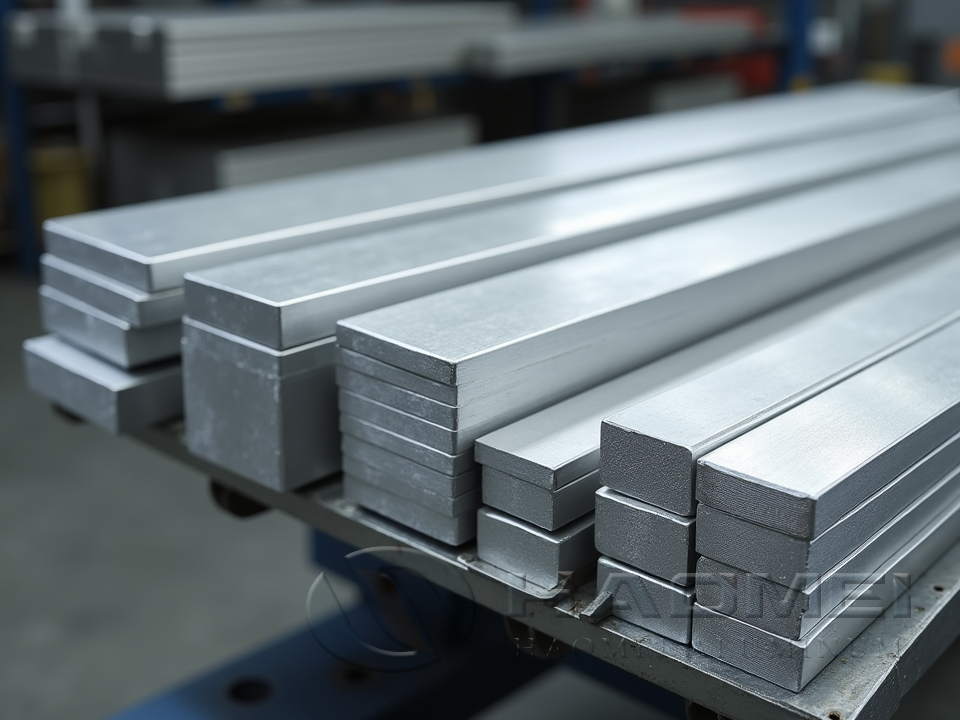
5052 Marine Aluminum Hexagonal Bars for Lightweight Marine Frame Design
Learn how 5052 marine aluminum hexagonal bars reduce boat frame weight, resist seawater corrosion, and support precise fabrication in light vessels today.
View Details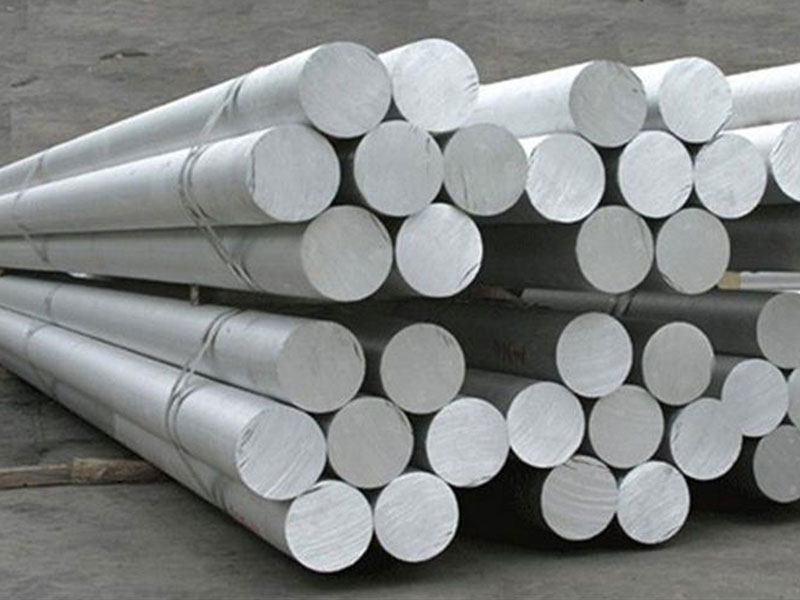
Marine Aluminum Hexagonal Bars for Boat Frame Design and Reinforcement
Marine environments demand materials that combine exceptional strength, corrosion resistance, and lightweight properties to ensure boat durability and reliability.
View Details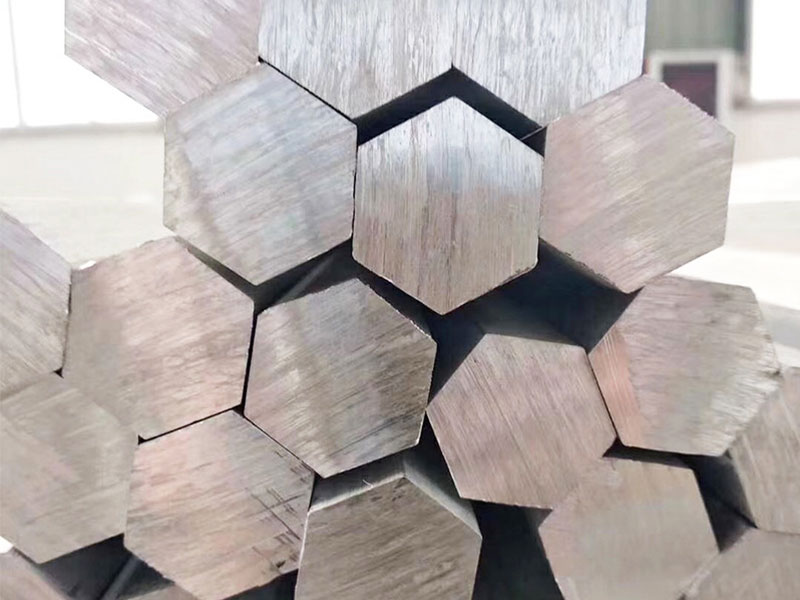
6082 Marine Grade Aluminum Solid Bar for Offshore Equipment Design
In the ever-evolving world of offshore equipment design, the demand for materials that showcase excellent mechanical properties, corrosion resistance, and weldability continues to rise.
View Details
5052 Marine Aluminum Bar for Coastal Marine Engineering Projects
The 5052 marine aluminum bar is a premium product dedicated to the scrupulous requirements of coastal marine engineering projects. It stands out due to its excellent corrosion resistance, weldability, and formability.
View Details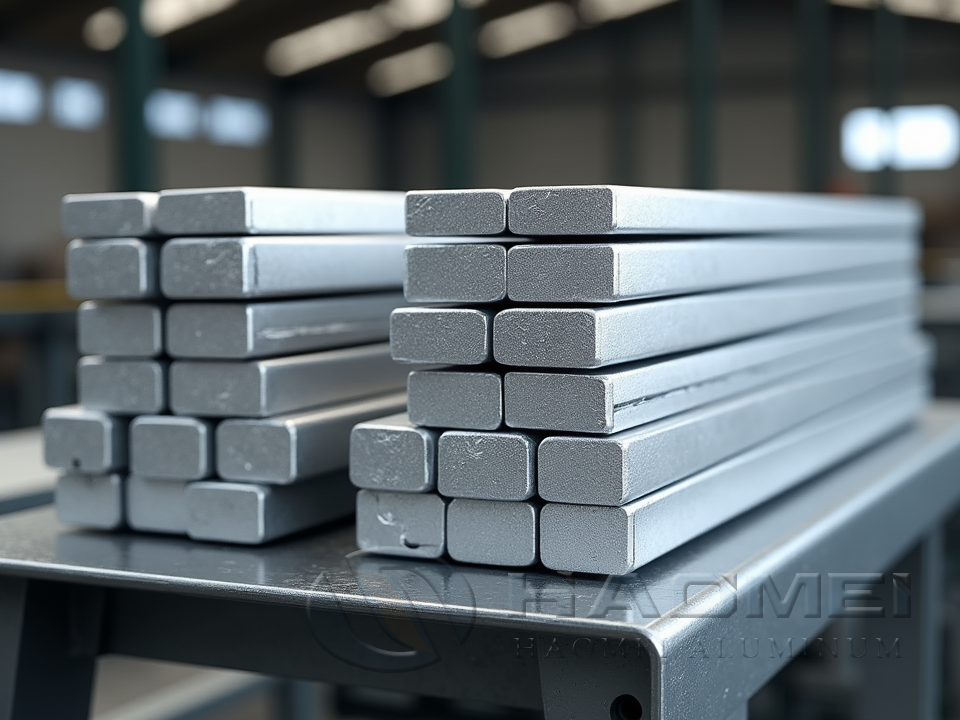
Marine Aluminum Hexagonal Bars for Coastal Boat Design and Customization
Marine aluminum hexagonal bars for coastal boats, covering alloys, tempers, corrosion resistance, machining uses, standards, and custom size options for builds.
View Details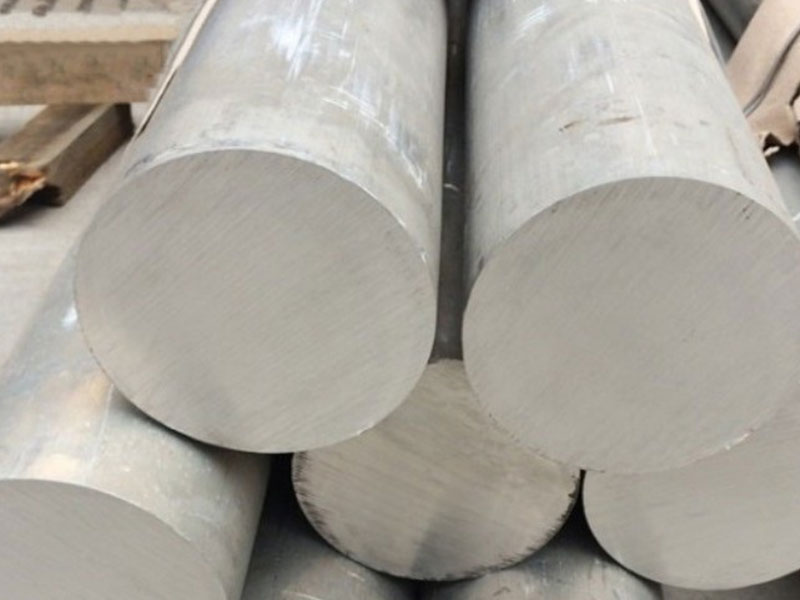
6061 Marine Aluminum Hollow Bars for Custom Boat Parts and Design
6061 marine aluminum hollow bars are an exceptional choice for custom boat parts and designs. Known for their strength, lightweight nature, and resistance to corrosion, these hollow bars are widely utilized in the marine industry.
View Details
Leave a Message