
6063 Marine Aluminum Heat Sink Profile for Efficient Heat Transfer for Coastal Electronics
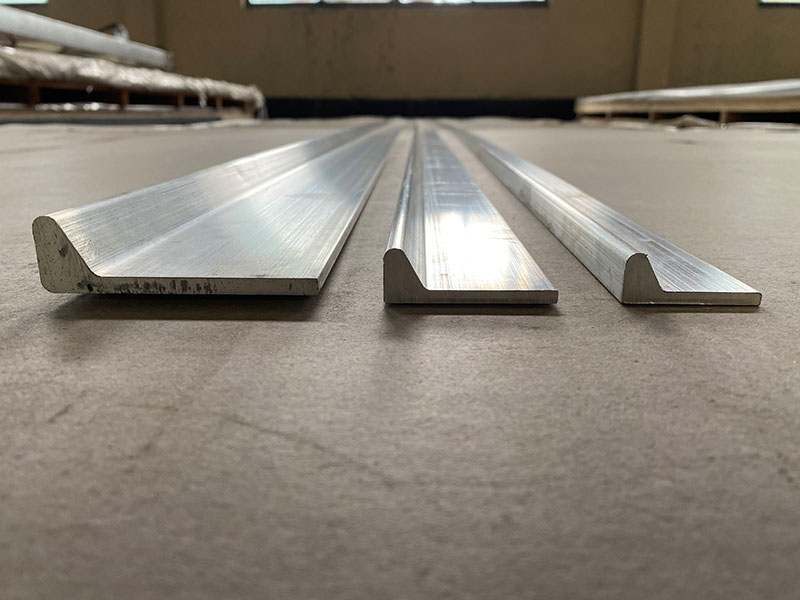
Coastal electronics operate in an environment where heat, humidity, salt spray, vibration, and ultraviolet exposure work together to shorten equipment life. The 6063 marine aluminum heat sink profile is engineered to dissipate heat efficiently while providing the low weight, extrusion flexibility, and surface-finish quality required for enclosures, LED systems, communication equipment, navigation devices, and power electronics used near seawater.
Manufactured through precision aluminum extrusion, this profile can incorporate deep cooling fins, mounting rails, screw channels, cable-management grooves, enclosed cavities, and protective edge geometry in a single section. This reduces assembly steps while increasing the effective heat-transfer surface of the finished component.
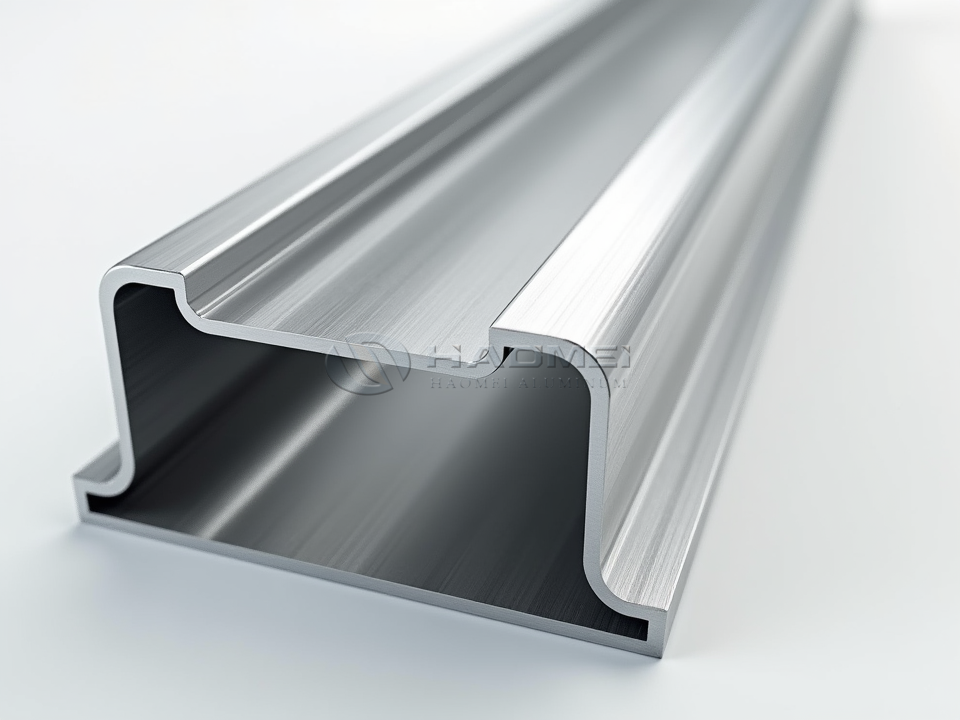
Designed for Demanding Coastal Conditions
Alloy 6063 is an Al-Mg-Si alloy valued for its clean extrusion behavior and strong response to anodizing. It is particularly suitable for heat sink profiles with detailed fin arrangements, thin walls, rounded transitions, and tight mounting interfaces. Compared with heavier steel cooling components, 6063 aluminum lowers structural mass and supports rapid thermal movement away from electronic devices.
A properly designed fin profile transfers heat from the semiconductor or electrical enclosure into the surrounding air. Natural convection is suitable for passive cabinets and LED fixtures, while forced-air systems can use fin spacing and channel geometry optimized for fan-assisted cooling. For marine-facing installations, anodized or powder-coated surfaces provide additional protection against salt-laden moisture and atmospheric pollutants.
Product Features
| Feature | Customer Benefit |
|---|---|
| High thermal conductivity | Helps transfer heat from electronic modules, housings, and circuit assemblies to cooling fins efficiently. |
| Precision extrusion capability | Supports complex cross-sections with fins, mounting slots, grooves, and integrated channels. |
| Lightweight construction | Reduces total equipment mass for marine vessels, coastal towers, docks, and portable systems. |
| Good corrosion performance | 6063 alloy performs well in humid marine atmospheres when paired with an appropriate protective finish. |
| Excellent anodizing response | Produces a uniform, durable oxide layer in natural silver, black, bronze, or custom colors. |
| Smooth surface quality | Suitable for visible electronic housings, lighting assemblies, and customer-facing equipment. |
| Machining adaptability | Can be cut, drilled, tapped, milled, punched, and assembled into complete cooling structures. |
| Recyclable material | Aluminum can be recovered and reused, supporting lower-impact product development. |
6063 Aluminum Chemical Composition
The composition of 6063 aluminum is controlled to create a balance of extrudability, finish quality, corrosion resistance, and mechanical performance.
| Element | Typical Specification, % by Weight |
|---|---|
| Silicon, Si | 0.20-0.60 |
| Iron, Fe | 0.00-0.35 |
| Copper, Cu | 0.00-0.10 |
| Manganese, Mn | 0.00-0.10 |
| Magnesium, Mg | 0.45-0.90 |
| Chromium, Cr | 0.00-0.10 |
| Zinc, Zn | 0.00-0.10 |
| Titanium, Ti | 0.00-0.10 |
| Other elements, each | 0.05 maximum |
| Other elements, total | 0.15 maximum |
| Aluminum, Al | Balance |
The magnesium and silicon content forms magnesium silicide during heat treatment, allowing the profile to achieve useful strength levels in T5 or T6 temper without sacrificing the fine detail needed in heat sink extrusion.
Mechanical and Thermal Performance
| Property | 6063-T5 Typical Value | 6063-T6 Typical Value | Relevance for Heat Sinks |
|---|---|---|---|
| Tensile strength | 170 MPa minimum | 205 MPa minimum | Supports mounting loads and handling strength. |
| Yield strength | 110 MPa minimum | 170 MPa minimum | Helps maintain profile shape during assembly. |
| Elongation | 8% minimum | 8% minimum | Provides useful forming tolerance for secondary fabrication. |
| Density | 2.70 g/cm³ | 2.70 g/cm³ | Keeps cooling assemblies lightweight. |
| Thermal conductivity | Approx. 201 W/m·K | Approx. 201 W/m·K | Promotes rapid heat flow from source to fin surface. |
| Thermal expansion | Approx. 23.5 × 10⁻⁶/K | Approx. 23.5 × 10⁻⁶/K | Important when matching aluminum to boards and fasteners. |
| Electrical conductivity | Approx. 50% IACS | Approx. 50% IACS | Useful where grounding continuity is required. |
| Melting range | 615-655°C | 615-655°C | Relevant to welding and thermal-process planning. |
Actual values vary with wall thickness, extrusion geometry, production method, and applicable standard. Material certification can be supplied for projects requiring controlled mechanical properties or traceability.
Profile Design Options
A marine heat sink is more than a finned aluminum bar. The cross-section should be matched to the heat load, airflow direction, installation orientation, allowable temperature rise, and the surrounding enclosure. Tall thin fins increase surface area, while wider fin spacing improves natural convection and reduces the risk of salt deposits bridging narrow air channels.
| Design Parameter | Typical Range or Option | Design Consideration |
|---|---|---|
| Fin height | 10-80 mm | Taller fins create more cooling area where space permits. |
| Fin thickness | 0.8-3.0 mm | Selected for extrusion stability and heat distribution. |
| Fin spacing | 3-15 mm | Matched to natural or forced airflow conditions. |
| Base thickness | 3-15 mm | Provides a stable path from heat source to fins. |
| Profile width | Up to 250 mm or custom | Depends on press capacity and section complexity. |
| Standard length | 3-6 m | Can be cut to finished component length. |
| Cut-length tolerance | Typically ±0.5 mm to ±1.0 mm | Depends on length and machining requirements. |
| Surface finish | Mill, anodized, powder coated, electrophoresis | Chosen for corrosion resistance, appearance, and emissivity. |
For systems exposed directly to marine air, clear anodizing provides a durable oxide barrier while preserving metallic appearance. Black anodizing is often selected for electronics because it improves radiant heat emission and provides a professional finish. Powder coating can add color flexibility and robust external protection, although contact surfaces for thermal interface pads should remain flat and controlled.
Coastal Electronics Applications
The 6063 marine aluminum heat sink profile supports thermal control across a broad range of coastal and offshore equipment.
| Application | Typical Cooling Requirement |
|---|---|
| Marine LED floodlights and deck lights | Removes heat from LED boards to protect lumen output and service life. |
| Shore power and charging equipment | Dissipates heat from converters, rectifiers, and power control modules. |
| Telecom cabinets near coastlines | Cools radio units, power supplies, network switches, and signal hardware. |
| Navigation and monitoring devices | Supports stable operation of radar, GPS, sensor, and display electronics. |
| Solar inverter housings | Moves heat away from inverter components in sun-exposed installations. |
| Dock and marina control boxes | Combines light weight, corrosion resistance, and passive cooling. |
| Battery management systems | Assists thermal balancing in marine energy-storage installations. |
For integrated marine assemblies, customers can also explore our Marine aluminum heat sink profile solutions for custom fin geometry, mounting interfaces, and finished-cut components.
Fabrication and Quality Control
Each profile can be delivered as a full-length extrusion, precision cut part, or fabricated cooling component. Secondary processing may include CNC milling, drilling, tapping, countersinking, slotting, deburring, laser marking, and assembly with thermal pads or stainless-steel hardware. Where stainless fasteners contact aluminum in wet environments, isolation washers or suitable sealants are recommended to reduce galvanic corrosion risk.
| Inspection Item | Control Focus |
|---|---|
| Alloy verification | Confirms 6063 composition meets the requested material standard. |
| Temper control | Confirms T5 or T6 condition according to strength requirements. |
| Dimensional inspection | Checks fin thickness, base flatness, width, height, and mounting features. |
| Surface inspection | Confirms finish continuity, color consistency, and absence of harmful defects. |
| Thermal-contact surface | Controls flatness and roughness where modules contact the heat sink base. |
| Packaging | Uses protective film, separators, and moisture-conscious packing for transit. |
Reliable Cooling With Marine-Ready Aluminum
A 6063 marine aluminum heat sink profile offers a practical thermal-management platform for electronics exposed to coastal conditions. Its combination of efficient heat transfer, low weight, intricate extrusion design, attractive finishing capability, and dependable atmospheric corrosion resistance makes it an effective choice for modern marine and shoreline equipment. With the correct fin geometry, surface treatment, and thermal interface design, the profile supports cooler operation, improved component reliability, and a longer service life in demanding salt-air environments.

Related Products
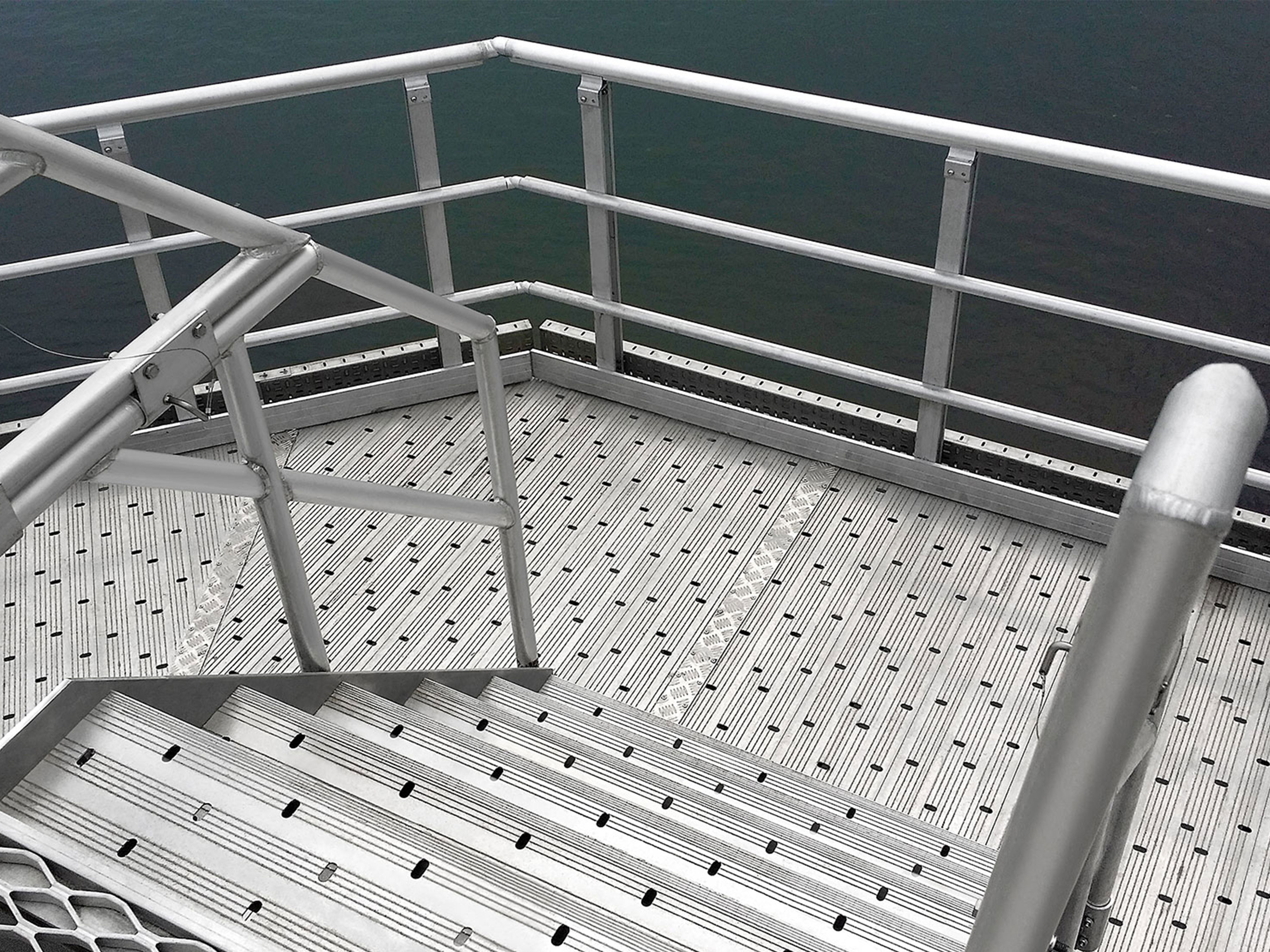
Marine aluminum customized shapes
Marine Grade Aluminum Customized Shapes encompass a broad range of aluminum extrusions and fabrications engineered beyond standard profiles—such as channels, angles, tubes, and beams—into complex, project-specific geometries.
View Details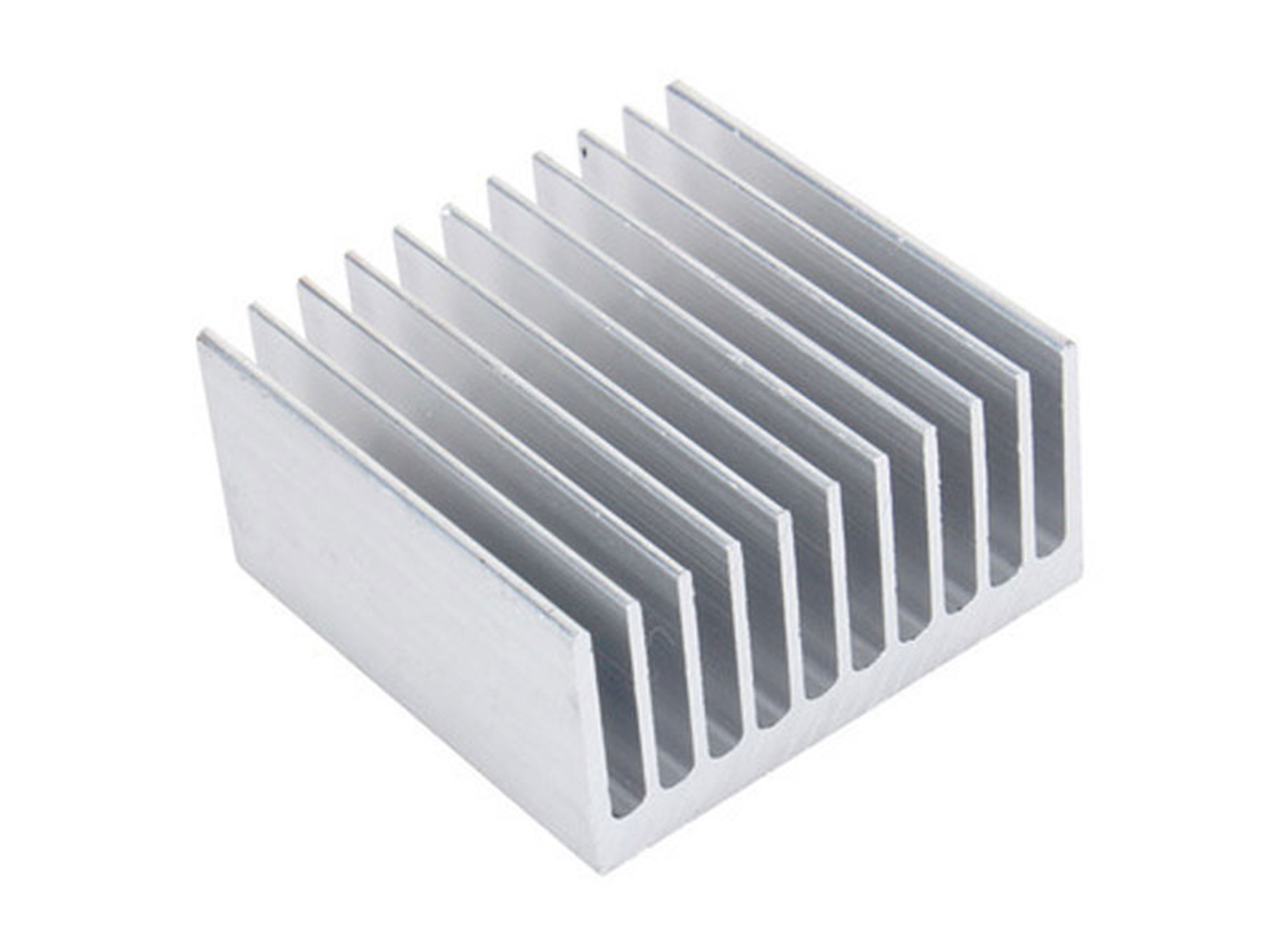
Marine aluminum heat sink profile
Marine Grade Aluminum Heat Sink Profiles utilize alloys such as 6061 and 6063 that not only exhibit high thermal conductivity but also possess excellent corrosion resistance required for saltwater exposure.
View Details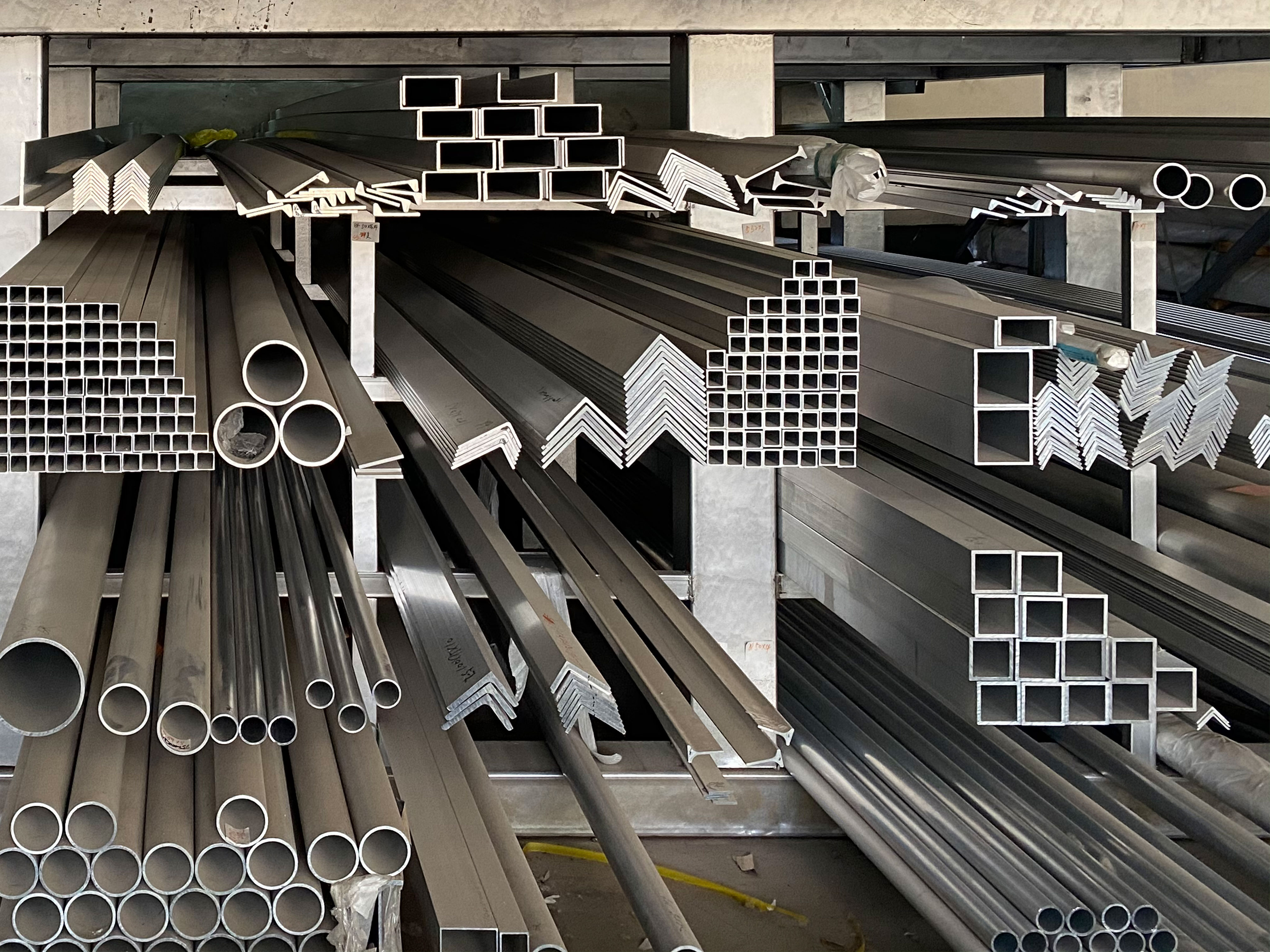
Marine aluminum fencing and railings
Marine Grade Aluminum Fencing and Railings are fabricated using marine-grade aluminum alloys such as 5083, 5052, and 6061, which are engineered specifically for protection against saltwater corrosion and marine atmospheric conditions.
View DetailsRelated Blog
6061 Marine Aluminum Customized Shapes for Lightweight Offshore Platform Design
Explore how 6061 marine aluminum customized shapes offer superior strength, corrosion resistance, and lightweight characteristics essential for innovative offshore platform design, enabling robust and efficient marine structures.
View Details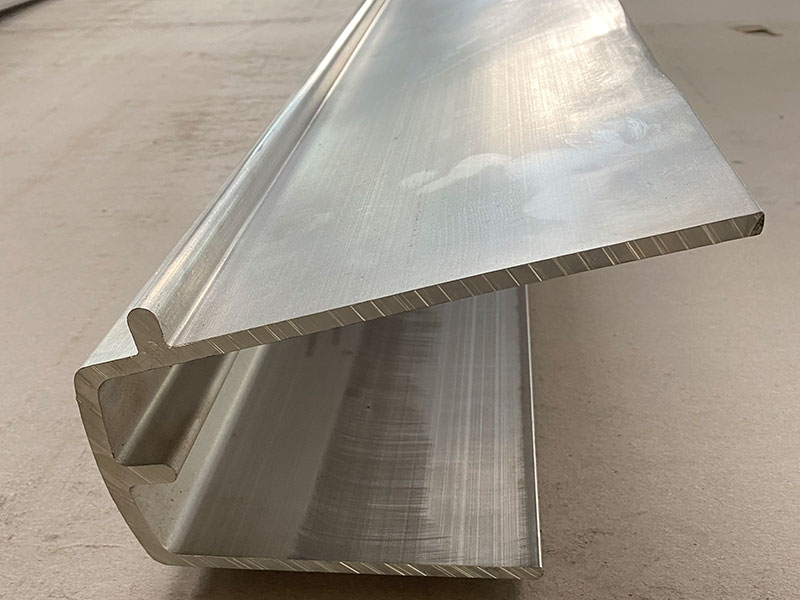
5052 Marine Aluminum Fencing and Railings for High Performance Coastal Guardrails
As we push the boundaries of engineering and architecture in coastal environments, 5052 marine aluminum fencing and railings is know as a notable solution. Functioning not only as an elegant aesthetic feature but also ensuring safety and durability.
View Details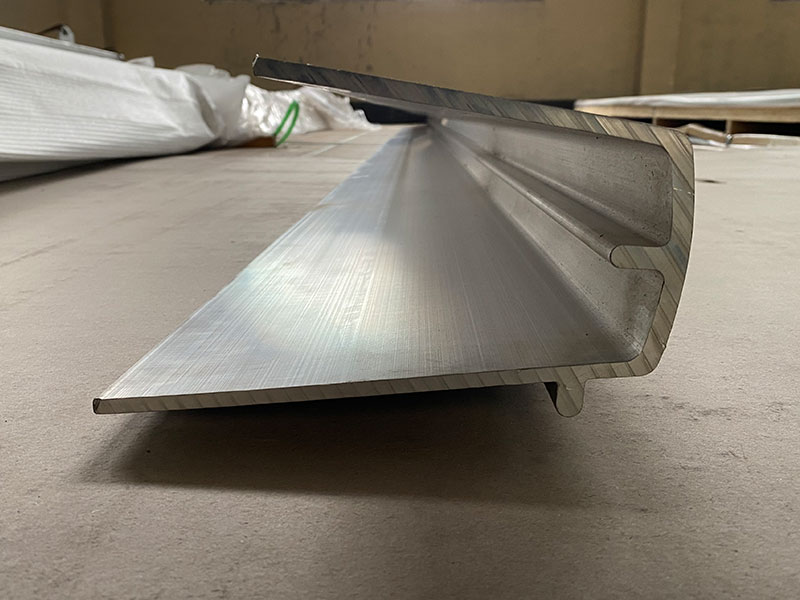
Marine Aluminum Heat Sink Profile for Lightweight Offshore Cooling Systems
In the ever-challenging marine environment, offshore cooling systems must operate reliably, efficiently, and with minimal weight. This necessitates specialized materials and components, where marine aluminum heat sink profiles have emerged as a solution.
View Details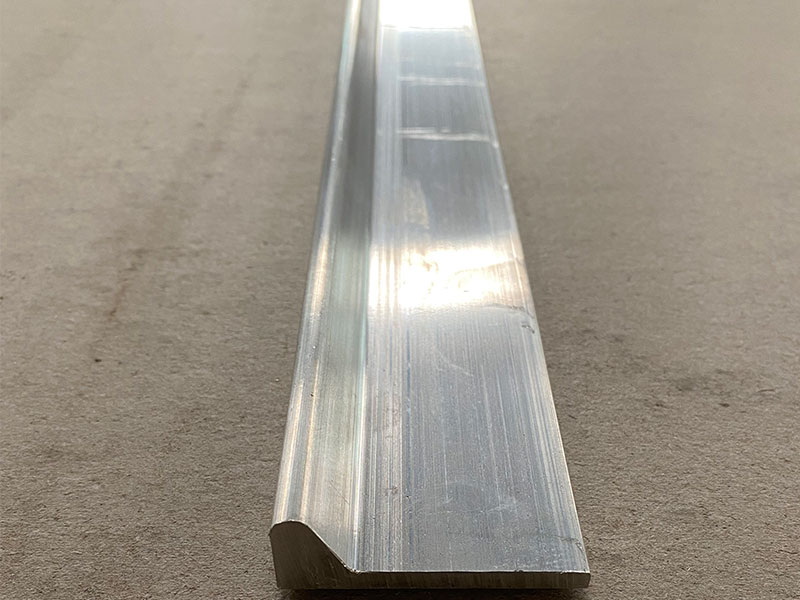
5083 Marine Aluminum Customized Shapes for Offshore Vessel Deck Frame Reinforcements
When it comes to offshore vessel deck frame reinforcements, the choice of materials is critical for durability, strength, and corrosion resistance. Among the myriad of options.
View Details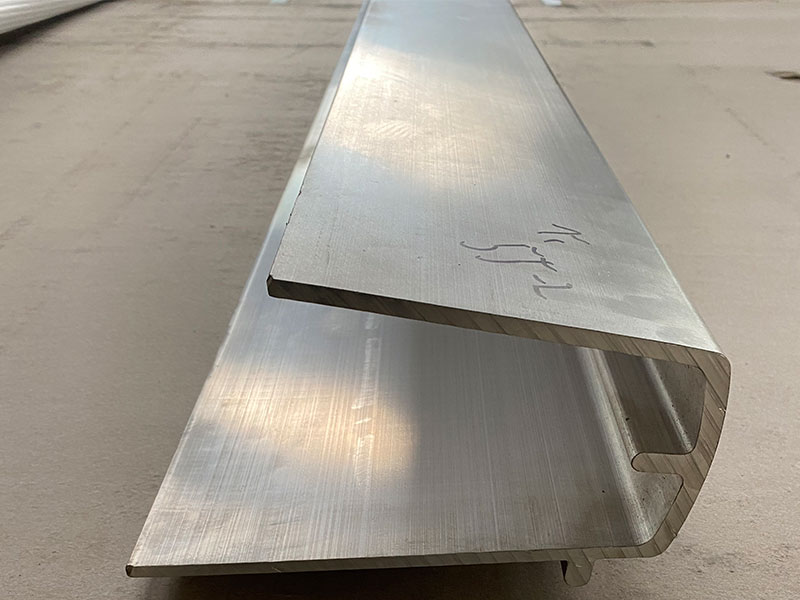
Marine Aluminum Fencing and Railings for Custom Boat Deck Safety Barriers
On a boat deck, a fence or railing is more than a boundary-it's a working safety system that has to perform while the platform beneath it is constantly moving, wet, salty, and sun-baked.
View Details
6061 Marine Aluminum Heat Sink Profile for Custom Boat and Ship Engine Cooling
Explore the superior cooling efficiency of 6061 Marine Aluminum Heat Sink Profiles, engineered for custom boat and ship engines. detailed specifications, temper types, chemical properties, standards compliance, and advanced corrosion resistance features o
View Details
Leave a Message