
Marine Aluminum Heat Sink Profile for Lightweight Offshore Engine Thermal Management
Offshore engine thermal management is not only about removing heat. It is about removing heat reliably while the vessel pounds through waves, salt mist enters the machinery space, vibration works on every fastener, and every kilogram affects fuel use, trim, and payload. In this environment, a marine aluminum heat sink profile is more than a finned metal extrusion. It becomes a compact thermal structure that must survive as a marine component.
The most useful way to evaluate a heat sink for offshore engines is to view it as a bridge between three changing conditions: the hot engine-side component, the surrounding air or cooling circuit, and the vessel structure carrying the assembly. Good thermal performance matters, but it must remain stable after months of salt exposure, engine vibration, washdowns, and temperature cycling.
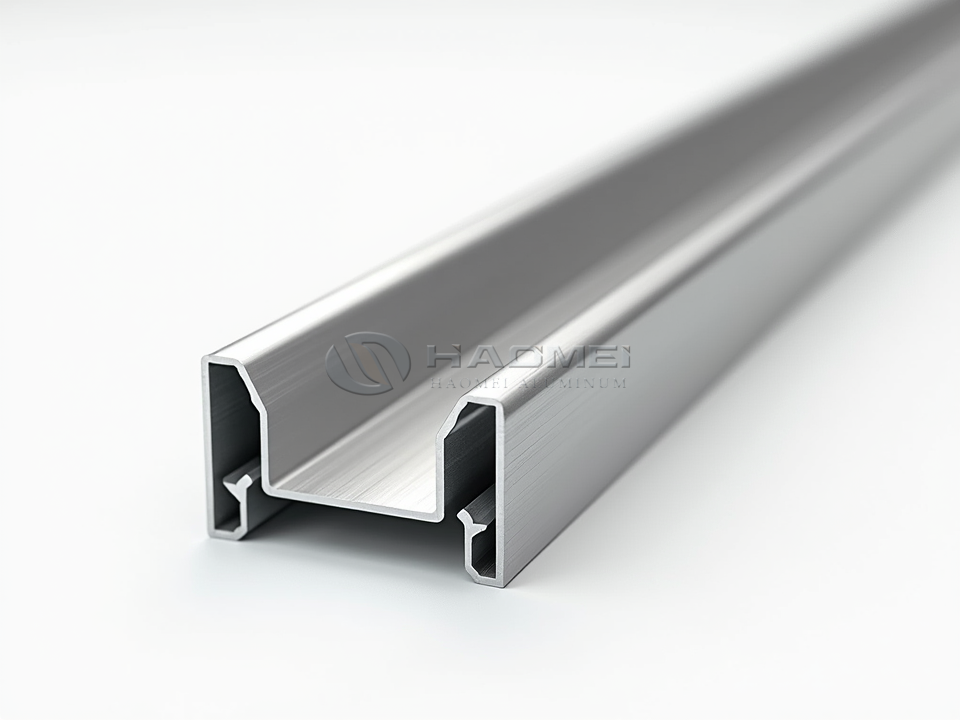
Why Lightweight Heat Rejection Matters Offshore
A conventional heavy metal heat sink may appear robust, yet mass can create secondary problems onboard. Added weight raises the load on brackets, amplifies vibration forces, and can make service access harder in crowded engine rooms. Aluminum provides an attractive balance because it has high thermal conductivity relative to its weight. This allows a properly designed profile to create substantial heat-transfer area without turning an electronics enclosure, inverter mount, alternator regulator, or auxiliary engine module into a heavy assembly.
For fast patrol craft, workboats, crew transfer vessels, and compact offshore support platforms, weight reduction has a practical value. A lighter thermal assembly can reduce cantilever load on bulkheads and panels. It may also allow cooling components to be mounted nearer to the heat source, shortening conductive paths and reducing the need for bulky remote cooling arrangements.
The value does not come simply from selecting aluminum. It comes from using the profile geometry intelligently. Fin height, fin spacing, base thickness, mounting faces, drainage routes, and air passage all influence whether the profile sheds heat efficiently in actual marine service.
The Fins Must Match the Air Available
Many thermal designs fail because they are judged in still-air conditions rather than inside a marine engine compartment. Deep, tightly packed fins can provide large surface area on paper, but they can trap warm air, salt deposits, oil vapor, and dust when ventilation is limited. In a confined enclosure, air must travel through the fin field rather than bypass it.
For naturally ventilated locations, moderate fin spacing is often more dependable than extremely dense fins. It supports buoyancy-driven airflow and makes cleaning easier. For forced-air systems, the profile can use taller or closer fins, provided that fan pressure, duct routing, and filter maintenance are considered from the start. A heat sink should not become an obstruction that causes the cooling fan to work harder while delivering less useful airflow.
Orientation also deserves attention. Vertical fin channels usually support natural convection, while horizontal installations may need forced airflow or a revised profile shape. On a vessel, mounting direction is sometimes constrained by available space. A custom extrusion can solve this by placing fins on the exposed face while integrating mounting flanges, cable channels, protective ribs, or sealing lands on the opposite side.
For engineered options, a marine aluminum heat sink profile can be tailored to the available airflow path instead of forcing the engine compartment to accept a generic industrial design.
Saltwater Changes the Material Conversation
Aluminum is naturally protected by an oxide layer, but offshore conditions require a more careful corrosion strategy. Chloride-rich moisture can remain in fin gaps, especially where washdown water, condensation, or spray enters the compartment. The real concern is not only the alloy itself. It is the full assembly: aluminum profile, fasteners, thermal interface material, painted enclosure, copper conductor, steel bracket, and retained moisture.
Marine-suitable aluminum alloys are commonly selected based on corrosion resistance, extrusion quality, strength needs, and finishing requirements. For heat sink applications, the alloy must also support consistent fin geometry and flat mounting surfaces. Surface finishing can improve long-term protection, although the selected finish must be compatible with thermal performance and the operating environment. Anodizing, marine-grade powder coating on non-contact areas, or properly specified conversion treatments may be appropriate depending on the installation.
Galvanic corrosion deserves particular care. Direct contact between aluminum and stainless steel or copper can be manageable, but only when electrical isolation, sealants, washers, drainage, and coating repairs are handled correctly. Trapped saltwater is more dangerous than occasional spray because it creates a sustained electrolyte path. The preferred design encourages water to escape, avoids blind pockets, and leaves fins accessible for inspection.
The Base Is as Important as the Fins
Heat leaves the hot device through the contact interface before it ever reaches the fins. A large fin field cannot compensate for a warped base, inadequate clamping pressure, or an unsuitable thermal pad. For this reason, the heat sink base should be designed around the real mounting footprint of the engine-side equipment.
A thicker base can spread heat laterally from concentrated sources such as power modules, ECU housings, voltage regulators, battery chargers, or compact exhaust-adjacent electronics. However, excessive thickness adds weight and may slow response to rapid thermal changes. The best thickness is determined by heat load distribution, available space, mounting method, and allowable component temperature.
Flatness and surface finish on the contact face should be specified where needed, especially for high-power equipment. Thermal grease, phase-change material, or marine-rated gap pads can fill microscopic voids, but they should not be used to compensate for poor mechanical fit. Spring washers or controlled-torque fasteners help maintain contact pressure during vibration and thermal expansion.
Profiles That Do More Than Cool
A capable offshore heat sink profile can serve several structural purposes at once. The extrusion may include screw bosses, channels for captive nuts, stiffening webs, EMI shielding lands, enclosure edges, or protective fin guards. Combining these functions reduces part count and avoids separate brackets that can corrode, loosen, or complicate assembly.
This is where purpose-made Marine Grade Aluminum Profiles offer a practical advantage. An extrusion can be built around the vessel's actual installation constraints, including restricted depth, curved mounting zones, limited tool access, drainage direction, and required cable clearance.
A multi-function profile also supports cleaner maintenance. Instead of removing a protective cover and several brackets to reach the heat sink, technicians can inspect the fin channels, mounting hardware, and wiring path in one service operation. In offshore operations, simple maintenance often has greater value than theoretical peak performance that is difficult to preserve.
Testing for the Sea, Not Just the Workshop
Thermal calculations are useful, but offshore equipment should be validated under representative conditions. Testing should consider maximum continuous load, hot ambient air, reduced ventilation, fan failure scenarios where applicable, vibration, salt-fog exposure, and repeated wet-dry cycles. Temperature sensors should be placed on the heat source, heat sink base, fin outlet area, and nearby air space to reveal whether the problem is conduction, airflow, or heat recirculation.
Engine-room layouts can create local hot zones that are far warmer than the vessel's recorded ambient temperature. Exhaust routing, generator operation, neighboring machinery, and blocked vents all affect the result. A heat sink profile should therefore be selected with thermal margin, not merely enough capacity for an ideal day at the dock.
A Better Offshore Thermal Strategy
The strongest marine aluminum heat sink design is not necessarily the one with the most fins. It is the one that suits the heat load, fits the air path, resists saltwater retention, maintains secure contact under vibration, and adds minimal mass to the vessel. When these factors are designed together, the profile becomes a durable thermal asset rather than a component that needs constant attention.
For lightweight offshore engines and their supporting electrical systems, aluminum extrusion technology provides the freedom to integrate cooling, mounting, protection, and serviceability into one dependable form. That practical combination is what keeps thermal management effective long after the vessel leaves shore.

Related Products
Marine aluminum customized shapes
Marine Grade Aluminum Customized Shapes encompass a broad range of aluminum extrusions and fabrications engineered beyond standard profiles—such as channels, angles, tubes, and beams—into complex, project-specific geometries.
View Details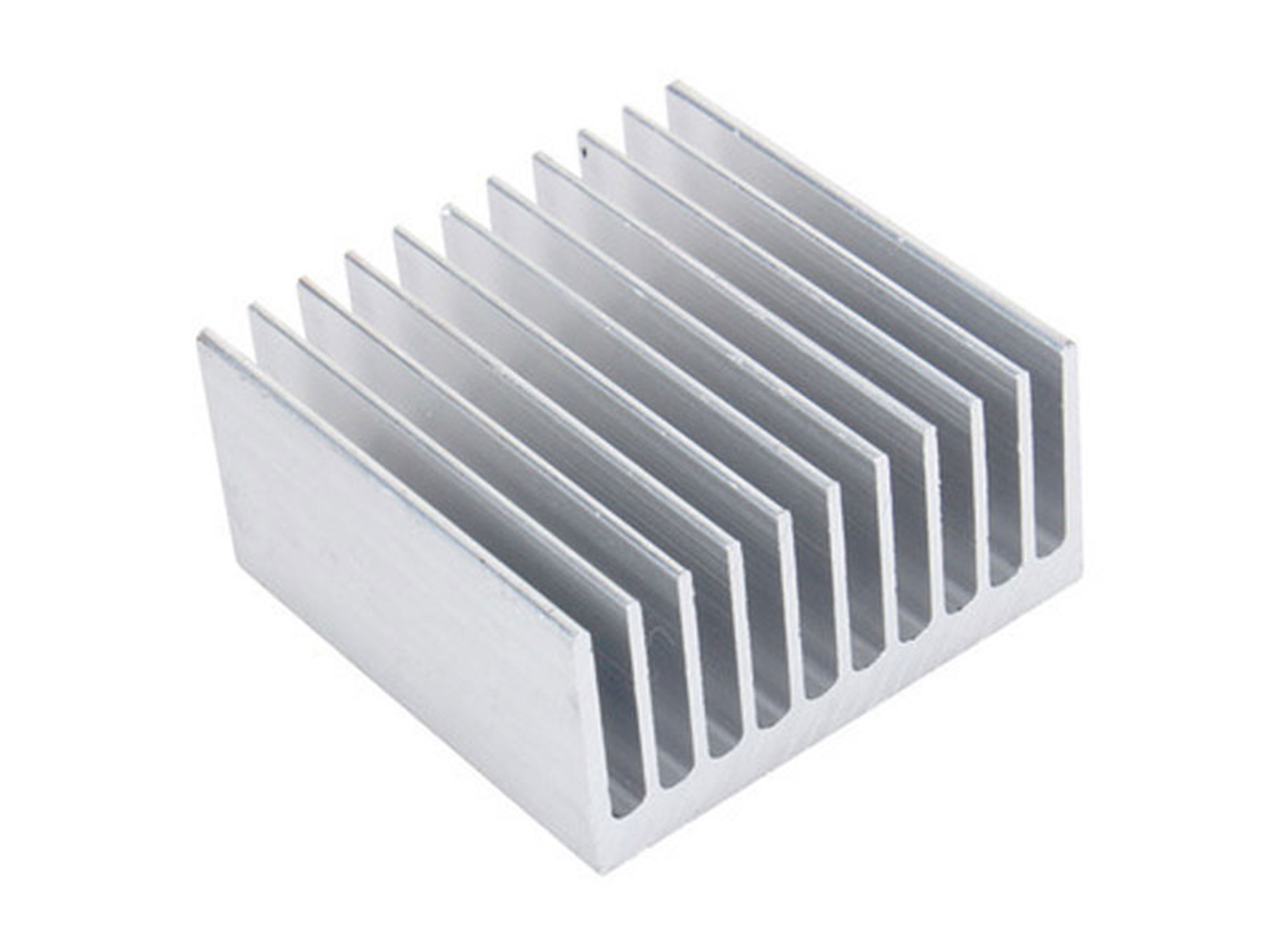
Marine aluminum heat sink profile
Marine Grade Aluminum Heat Sink Profiles utilize alloys such as 6061 and 6063 that not only exhibit high thermal conductivity but also possess excellent corrosion resistance required for saltwater exposure.
View Details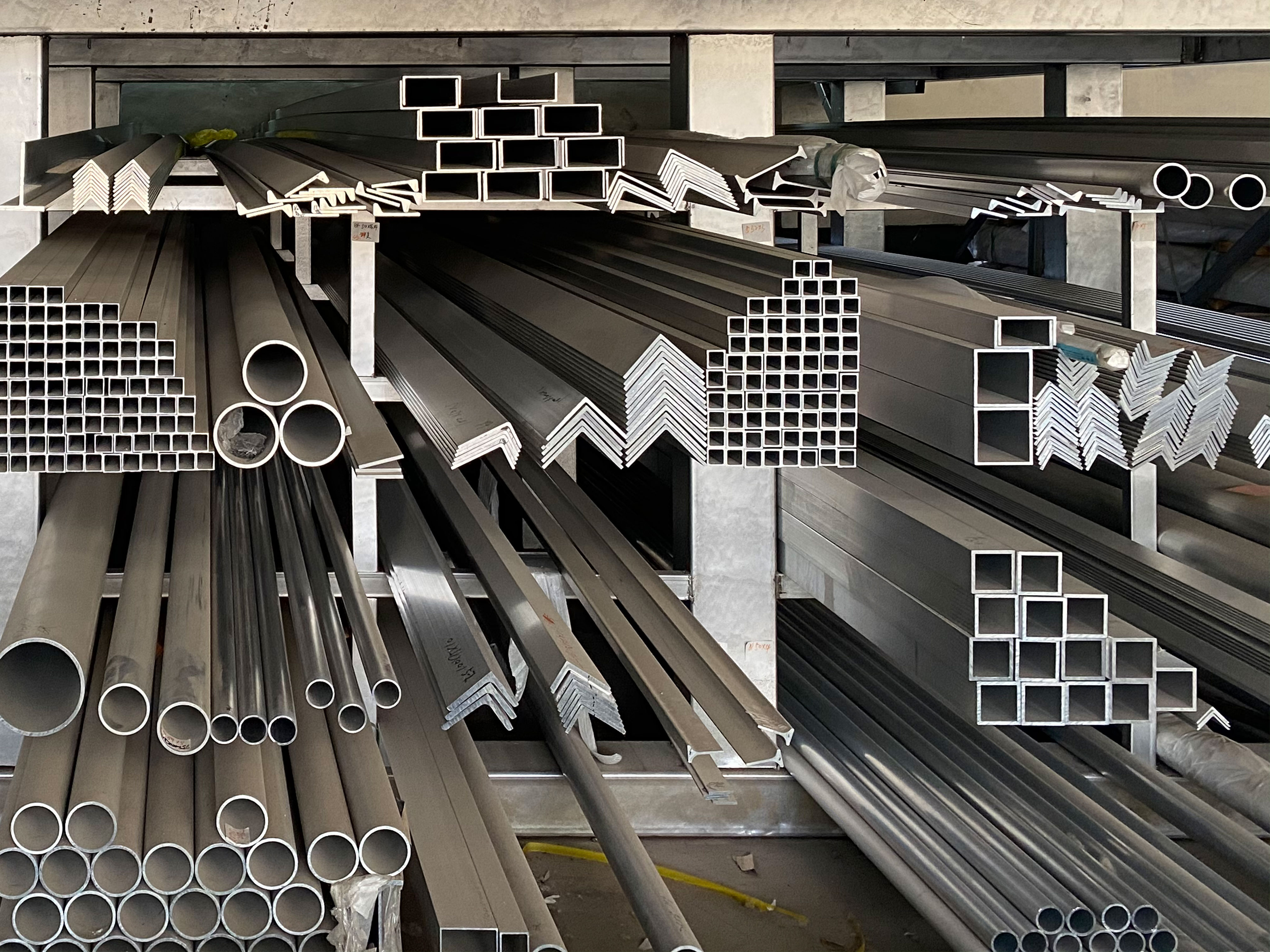
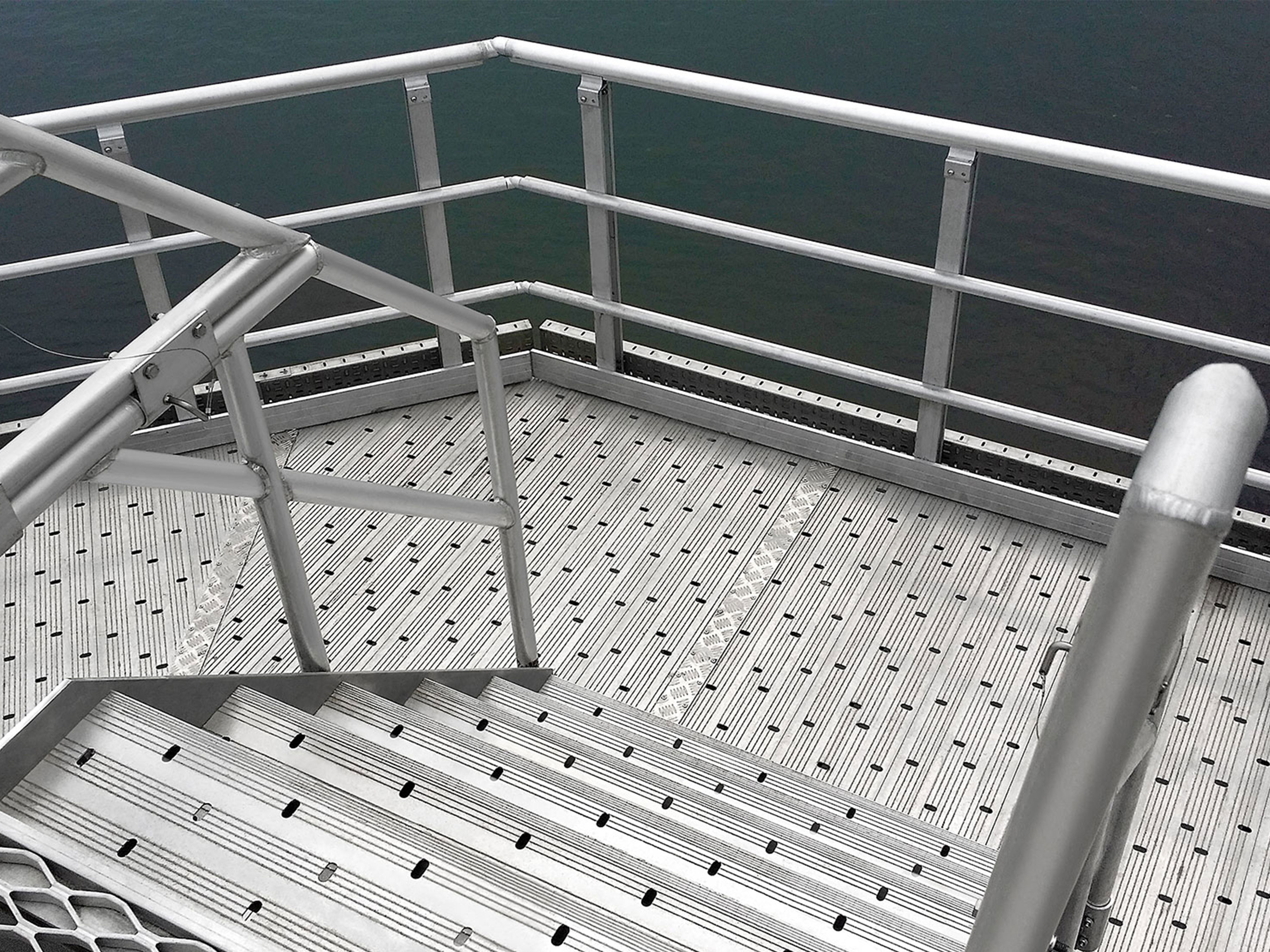
Marine aluminum fencing and railings
Marine Grade Aluminum Fencing and Railings are fabricated using marine-grade aluminum alloys such as 5083, 5052, and 6061, which are engineered specifically for protection against saltwater corrosion and marine atmospheric conditions.
View DetailsRelated Blog
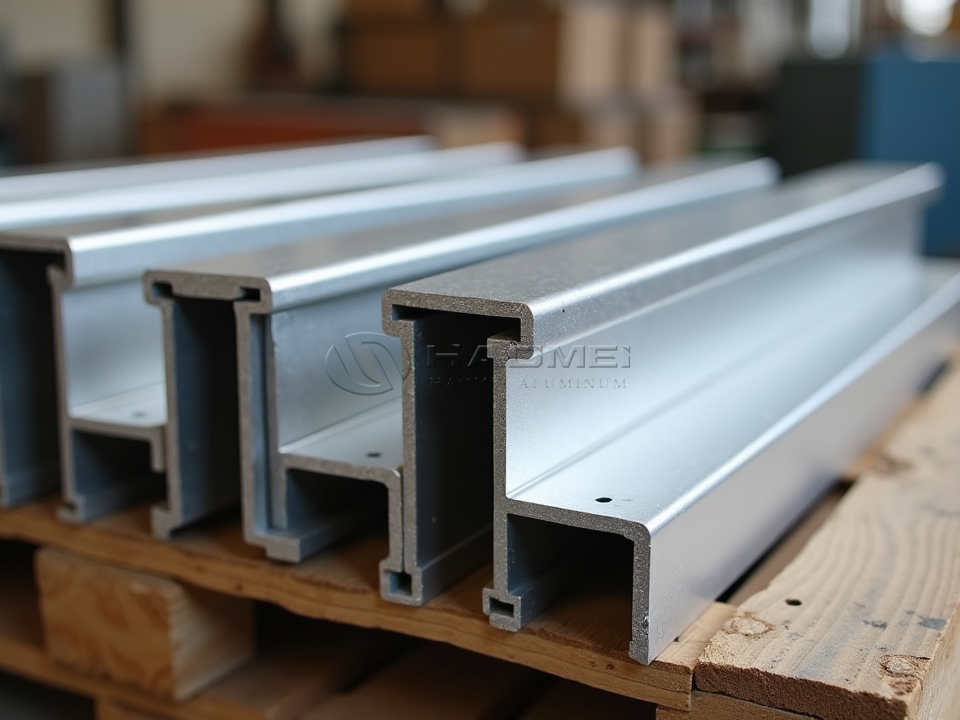
Marine Aluminum Heat Sink Profile for Offshore Vessel Engine Heat Dissipation Systems
Marine aluminum heat sink profiles provide lightweight, corrosion-resistant thermal control for offshore vessel engines, electronics, and auxiliary equipment.
View Details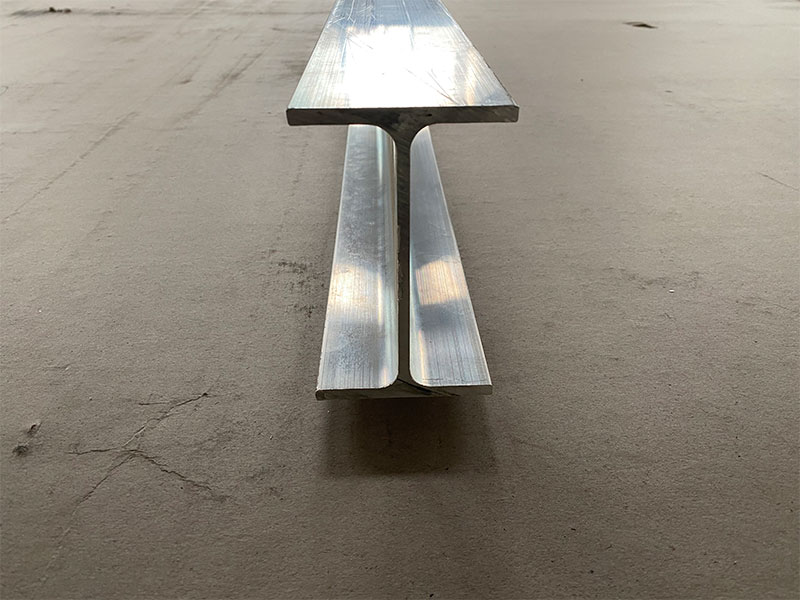
Marine Aluminum Heat Sink Profile for Custom Cooling Solutions for Boat Engines
Marine aluminum heat sink profiles are specially designed components critical to the efficient thermal management of boat engines. These aluminum profiles enable custom cooling solutions tailored to the unique requirements of marine environments.
View Details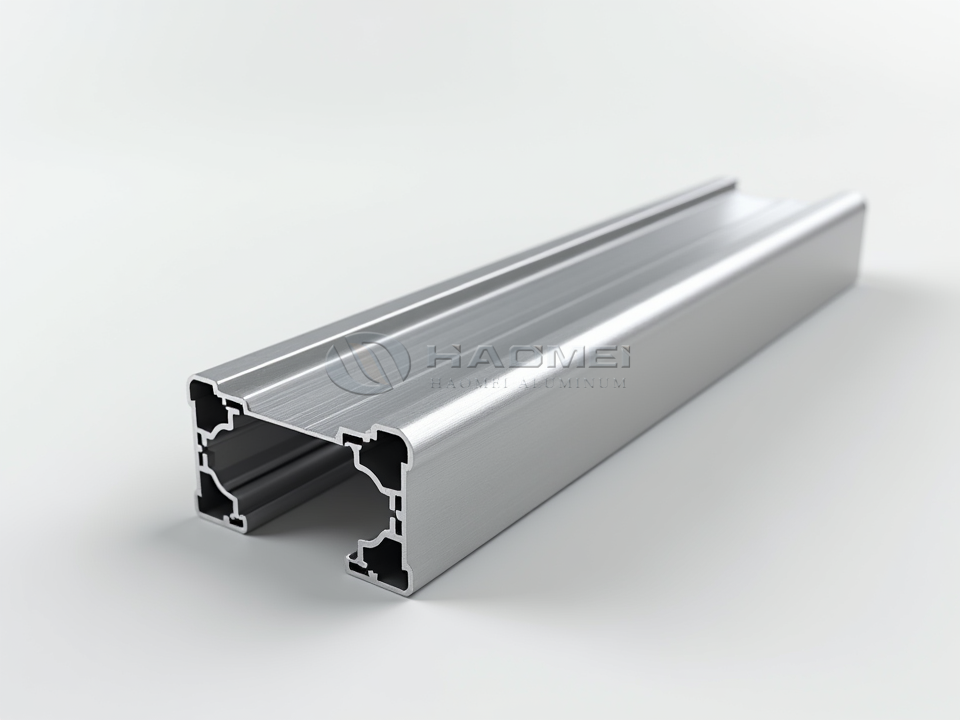
6061 Marine Aluminum Fencing and Railings for Lightweight Offshore Railing Systems
6061 marine aluminum fencing and railings for offshore decks, covering temper, standards, corrosion behavior, design loads, installation, and uses at sea.
View Details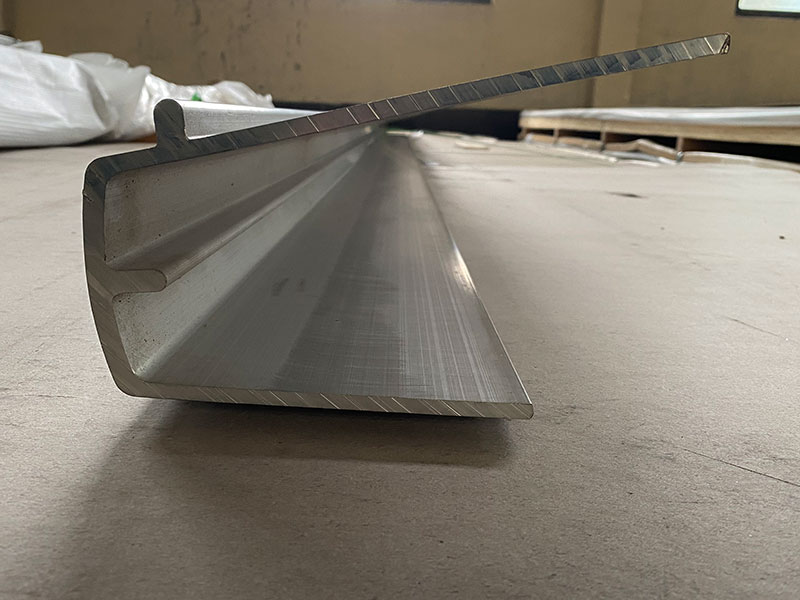
6061 Marine Aluminum Customized Shapes for Efficient Coastal Engineering Projects
6061 Marine Aluminum is a premium-grade aluminum alloy recognized for its exceptional corrosion resistance, mechanical strength, and versatility in coastal engineering.
View Details
5052 Marine Aluminum Fencing and Railings for High Strength Offshore Safety Barriers
Learn how 5052 marine aluminum fencing and railings provide corrosion resistance, weldability, and dependable strength for offshore safety barriers.
View Details
6061 Marine Aluminum Heat Sink Profile for Lightweight Boat Engine Heat Dissipation
Modern marine propulsion systems-whether compact outboards, inboard auxiliaries, electric drives, or hybrid gensets-are increasingly power-dense. That pushes more thermal load into smaller spaces.
View Details
Leave a Message