
Marine Aluminum Heat Sink Profile for Efficient Marine Equipment Cooling
Marine environments require robust, corrosion-resistant, and thermally efficient materials for equipment enclosures and components. Marine aluminum heat sink profiles represent an essential solution designed to optimize cooling performance specifically tailored to marine equipment. These profiles combine superior thermal conductivity, lightweight characteristics, saltwater corrosion resistance, and structural integrity, ensuring reliable operation of sensitive marine electronics and machinery even under harsh conditions.
Marine aluminum heat sink profiles
Marine aluminum heat sink profiles are extruded aluminum components engineered to dissipate heat generated by ships' onboard systems such as power converters, lighting, radar, communication devices, and navigation equipment. Heat sinks improve system longevity and performance by preventing overheating, which is critical in marine applications where ambient temperatures fluctuate and airflow may be limited.
Unlike conventional heat sinks, those made from marine-grade aluminum alloys are designed for enhanced durability in humid salty air. The metal's natural oxidation forms a stable protective layer, boosting corrosion resistance and mechanical strength without treatment or coating, reducing maintenance needs. Extrusion allows unique fin geometries optimizing surface area and airflow, improving thermal performance tailored to specific marine equipment constraints.
Functions and Advantages
A Marine aluminum heat sink profile fulfills several critical functions:
Thermal Management: Efficiently dissipates heat away from critical components to prevent overheating or stability issues. High thermal conductivity of marine aluminum alloys ensures rapid heat transfer.
Corrosion Resistance: Endures the harsh, saline environment without oxidizing beyond surface passivation, thus majorly reducing the risk of structural damage or short circuits.
Lightweight Strength: Maintains marine vessel weight considerations through low density, easing installation and preserving fuel efficiency.
Customization: Profiles can be tailored with precise dimensions, fin spacings, and several surface finishes, matching complex marine equipment designs.
Together, these characteristics lead to prolonged equipment lifespan, safer operations, and fewer replacements, achieving cost efficiencies over time.
Common Applications in Marine Equipment
Marine aluminum heat sink profiles find wide utilization in applications including:
Power Conversion Units: To cool inverters and converters sensitive to temperature deviations.
Marine LED Lighting Fixtures: Dissipate the heat generated by high-output LED modules to maintain brightness and prevent early bulb degradation.
Control Panels and Housings: Provide safe anvil-shaped fins designed to channel airflow and protect vital emanating from control and monitoring units.
Communication Radar Modules: Stabilize gem electronic output components exposed to temperature surges during operation.
Battery Packs: Outdoors-deployed battery systems use aluminum heat sinks preventing overheating, heightening battery longevity under marine conditions.
The ability to extrude aluminum surfaces to custom elemets and shapes provide design versatility for architects stressing modern, hydrodynamic forms on shipboards. Architects use Marine aluminum heat sink profiles within lighting and engine racks or even aesthetically along vessel slants without intercepting heat loss.
Chemical Composition of Marine Aluminum Heat Sink Alloys
Marine heat sinks typically use aluminum alloys optimized for marine conditions, most commonly series 5xxx and 6xxx due to their strength and corrosion-resistant traits.
| Element | Alloy 6061 (%) | Alloy 5052 (%) | Function / Impact |
|---|---|---|---|
| Aluminum (Al) | Balance | Balance | Base metal |
| Magnesium (Mg) | 0.8 –1.2 | 2.2 – 2.8 | Solid solution strengthening |
| Silicon (Si) | 0.4 –0.8 | Max 0.25 | Controls casting characteristics |
| Iron (Fe) | Max 0.7 | Max 0.4 | Impurity, adds strength (low) |
| Copper (Cu) | 0.15 – 0.4 | Max 0.1 | Adds strength but reduces corrosion resistance |
| Manganese (Mn) | Max 0.15 | 0.1 – 0.4 | Improves corrosion resistance |
| Chromium (Cr) | 0.04 – 0.35 | 0.15 – 0.35 | Improves corrosion resistance |
Alloy Temper Conditions for Marine Aluminum Profiles
The tempering state significantly influences mechanical properties and thermal dissipation capacity. Common tempers for marine aluminum heat sinks include:
| Temper Designation | Description | Yield Strength (MPa) | Elongation (%) | Typical Use in Marine Heat Sinks |
|---|---|---|---|---|
| T5 | Cooled from elevated temperature, artificially aged | 160 – 230 | ~8 | Structural marine extrusion and heat sinks |
| T6 | Solution heat-treated and artificially aged | 240 – 290 | ~8 – 10 | Higher strength for demanding cooling applications |
| O | Annealed, soft condition | 55 – 75 | 18 – 22 | Easily machined parts, low mechanical stress applications |
Technical Specifications and Standards Compliance
Reliable Marine aluminum heat sink profiles conform to industrial requirements balanced between structural integrity and corrosion resistance. Important standards include:
| Parameter | Detail |
|---|---|
| Material Standard | ASTM B221 (Aluminum Alloy Extruded Bars, Rods, Wire, Profiles, and Tubes) |
| Corrosion Resistance | Meets ASTM B928 recommendations for seawater conditions; complies with ISO 9223 for marine corrosion classification |
| Thermal Conductivity | Range: 160 – 180 W/m·K (depends on aluminum alloy & temper) |
| Density | ~2.7 g/cm³ |
| Maximum Service Temperature | 150°C - 200°C |
| Fin Efficiency | Customizable with fin thickness from 0.5 to 3.0 mm |
| Dimensions | Custom extrusion capabilities, cross-section spans 5 mm to >200 mm |
Advanced anodizing and surface passivation options further improve corrosion prevention and atmospheric wear resistance.
Installation and Implementation Considerations
Marine aluminum heat sink profiles designed for shipboard equipment have diminished installation complexity thanks to their customizable features allowing predrilled mounting holes, interlocking fin patterns, or integrated cable-management channels. Designers should take care to match profile design tolerances closely per equipment heat output and space constraints.
Effective cooling also depends on optimal airflow (either passive or forced). Ventilation pathways, fan positioning, and protective shields from salt spray or blasting are integral during the system planning phase.
Material maintenance generally involves rinsing or washing the exterior heat sink profiles occasionally to remove accumulated deposits while avoiding abrasive impacts that compromise the corrosion-resistant oxide layer.

Related Products
Marine aluminum fencing and railings
Marine Grade Aluminum Fencing and Railings are fabricated using marine-grade aluminum alloys such as 5083, 5052, and 6061, which are engineered specifically for protection against saltwater corrosion and marine atmospheric conditions.
View Details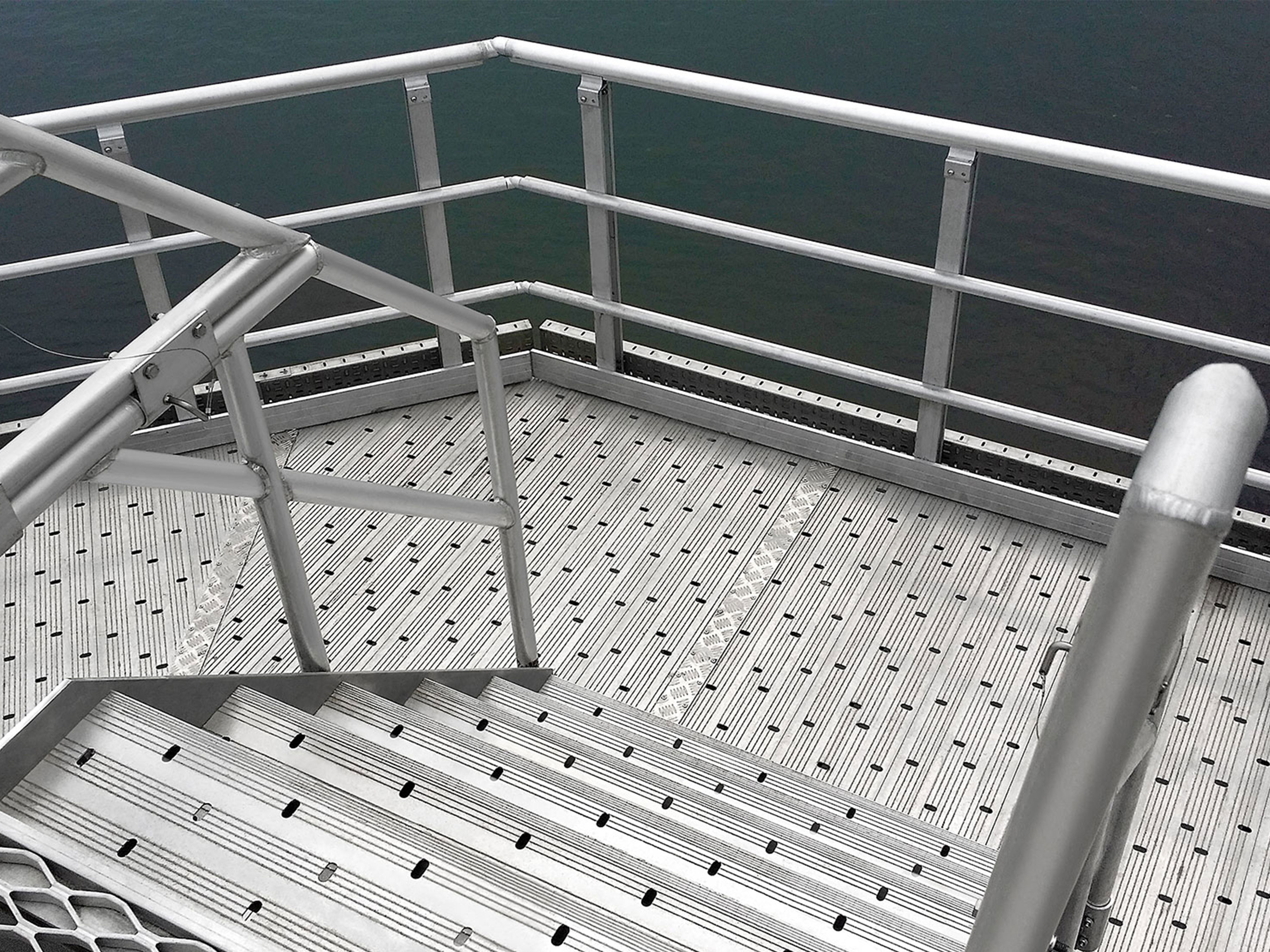
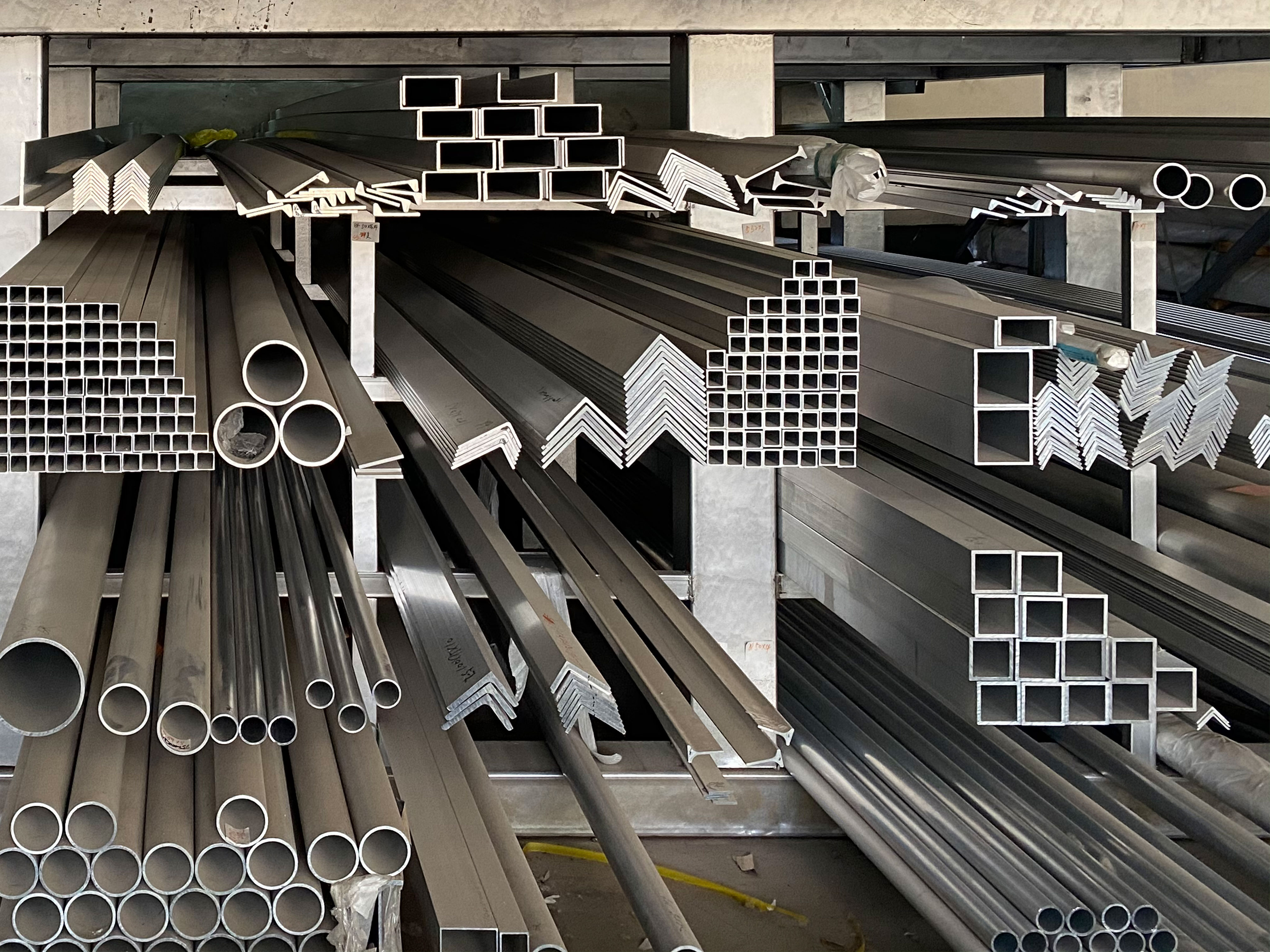
Marine aluminum customized shapes
Marine Grade Aluminum Customized Shapes encompass a broad range of aluminum extrusions and fabrications engineered beyond standard profiles—such as channels, angles, tubes, and beams—into complex, project-specific geometries.
View Details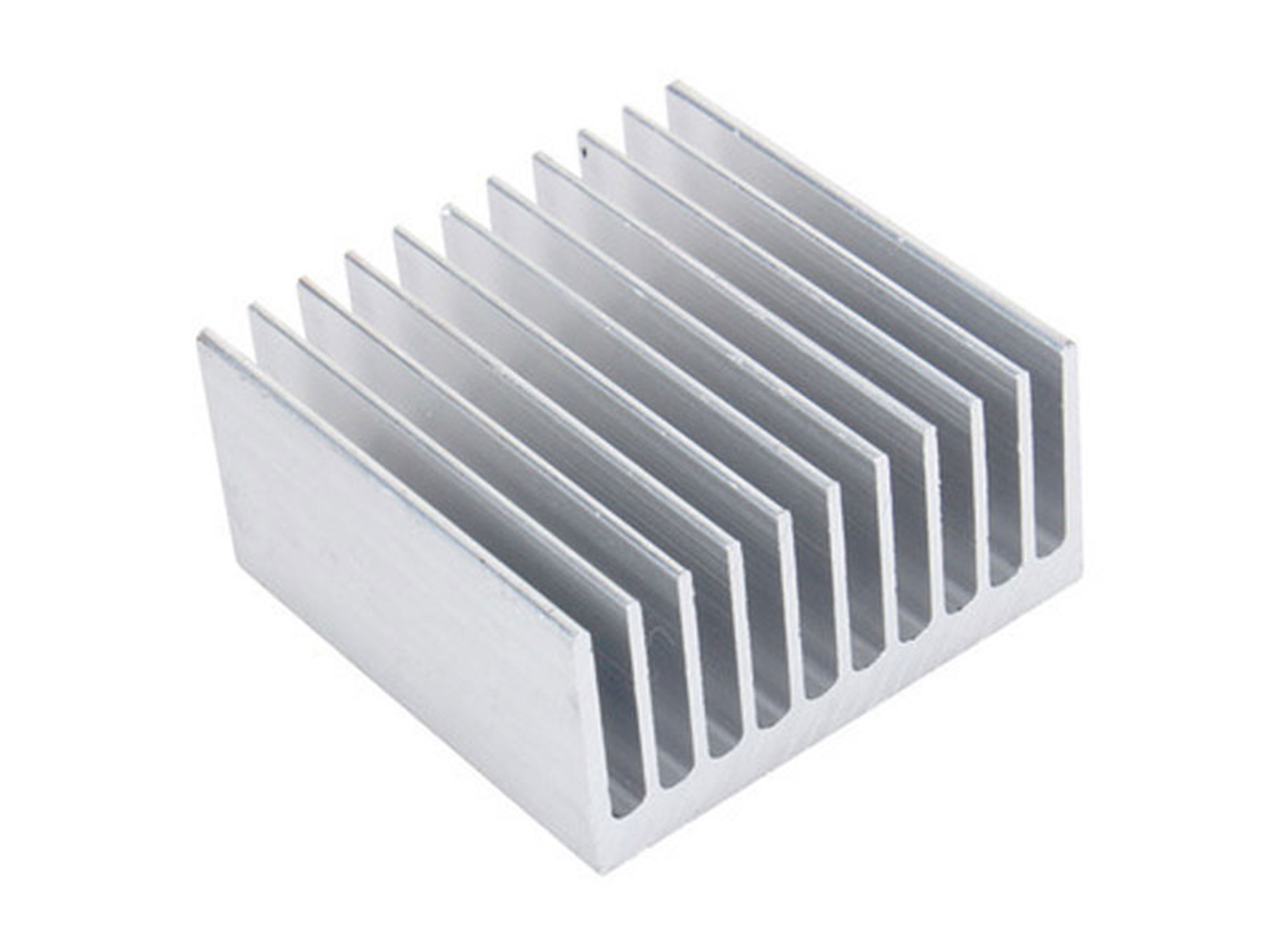
Marine aluminum heat sink profile
Marine Grade Aluminum Heat Sink Profiles utilize alloys such as 6061 and 6063 that not only exhibit high thermal conductivity but also possess excellent corrosion resistance required for saltwater exposure.
View DetailsRelated Blog
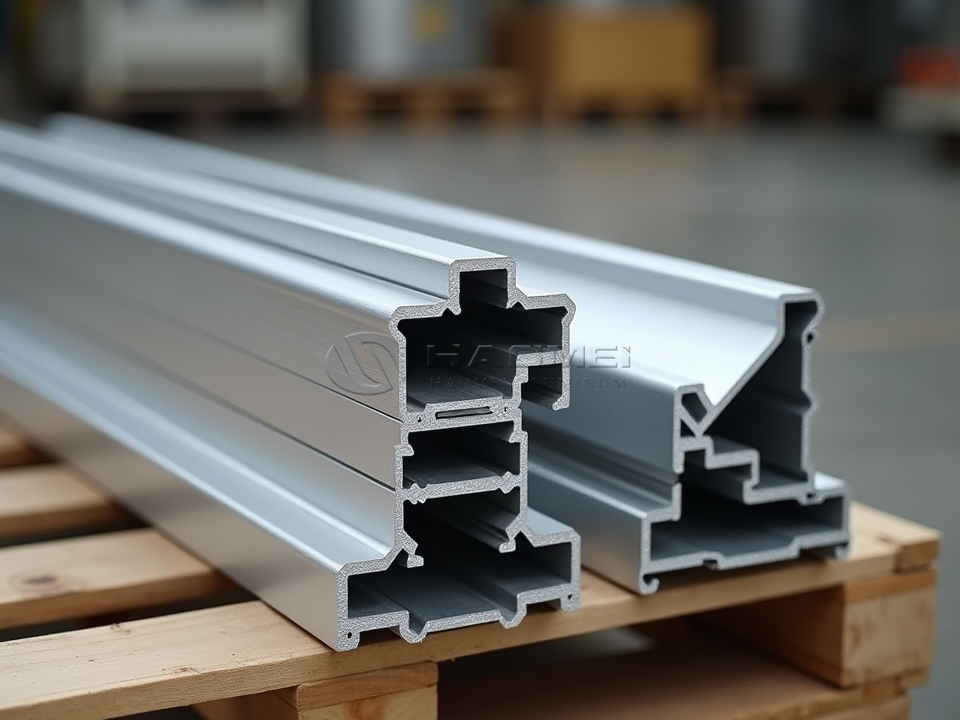
6061 Marine Aluminum Heat Sink Profile for Seawater Resistant Electronics Cooling Solutions
Explore 6061 marine aluminum heat sink profiles for corrosion-aware electronics cooling in saltwater, offshore, vessel, and dockside environments.
View Details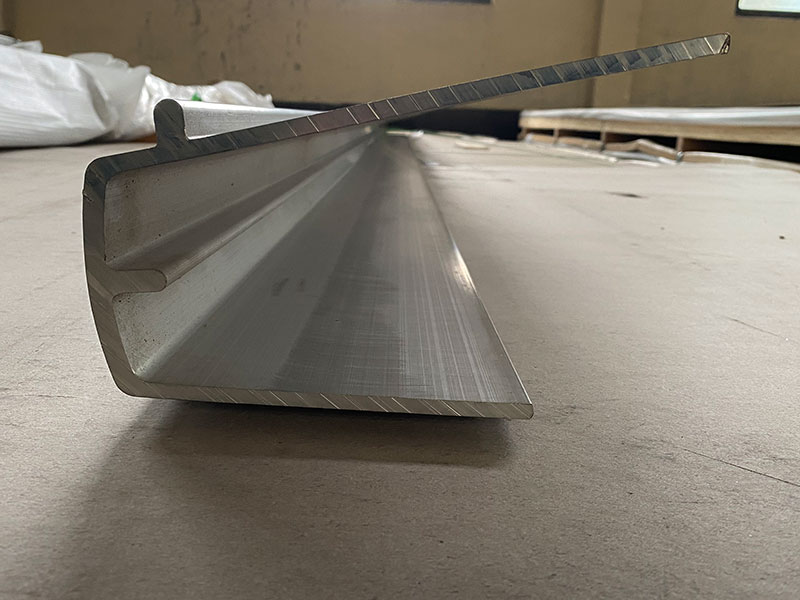
5052 Marine Aluminum Fencing and Railings for Durable Offshore Vessel Guardrails
When it comes to constructing durable and reliable guardrails on offshore vessels, 5052 marine aluminum stands out as a premier choice.
View Details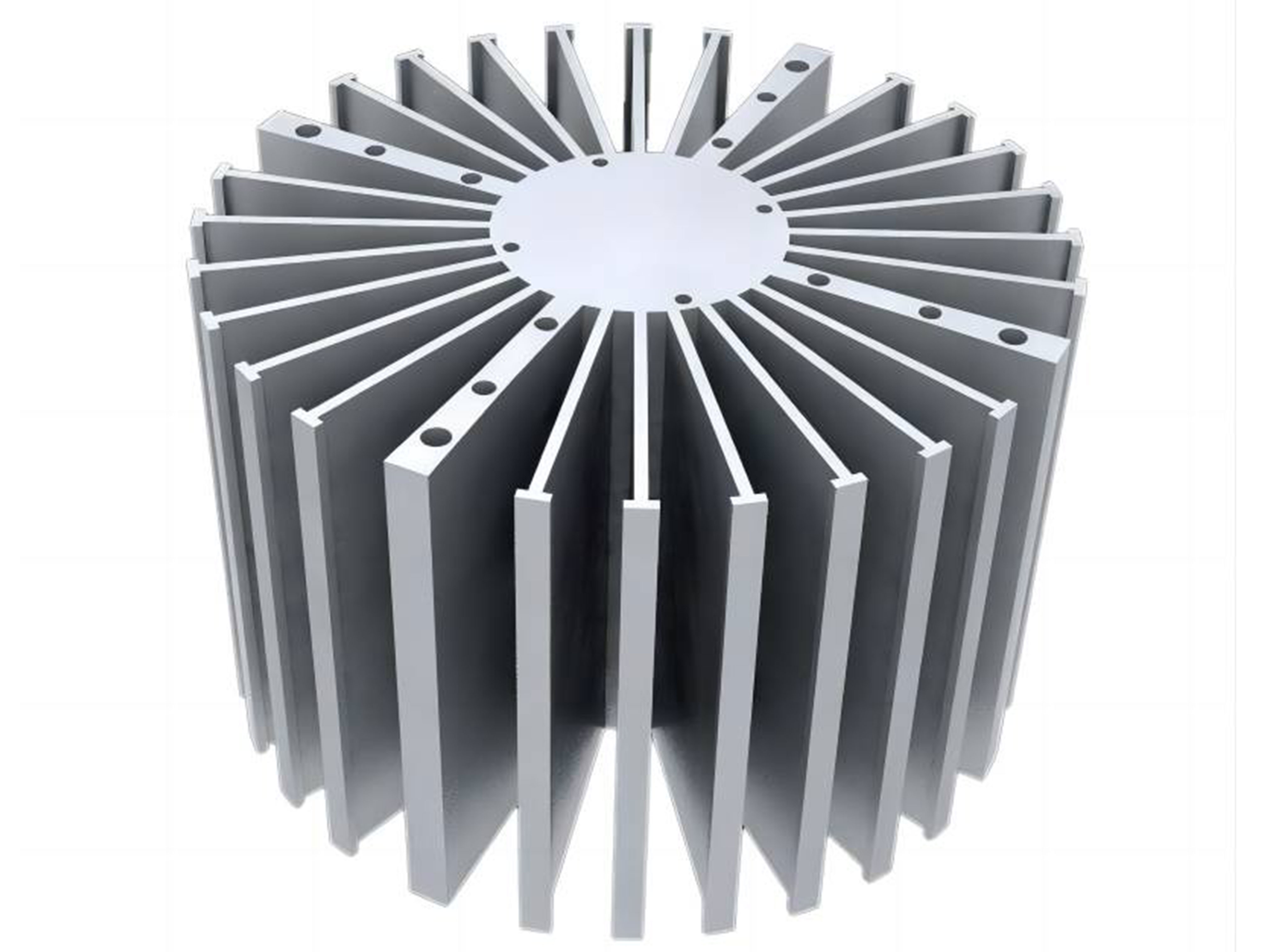
5083 Marine Aluminum Customized Shapes for Offshore Vessel Deck Reinforcements
In the demanding environments of offshore vessels, materials used for deck reinforcements must exhibit exceptional mechanical strength, corrosion resistance, and structural reliability.
View Details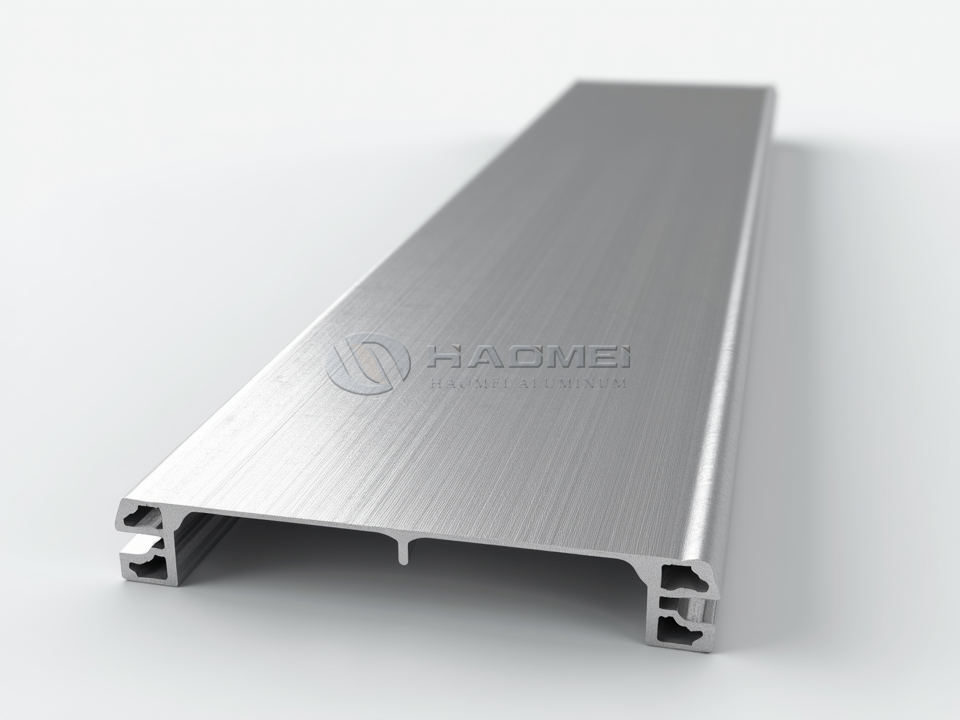
6061 Marine Aluminum Heat Sink Profile for Lightweight Cooling Systems for Boat Engines
6061 marine aluminum heat sink profiles reduce engine-bay weight while managing heat through fin design, corrosion control, mounting, and airflow.
View Details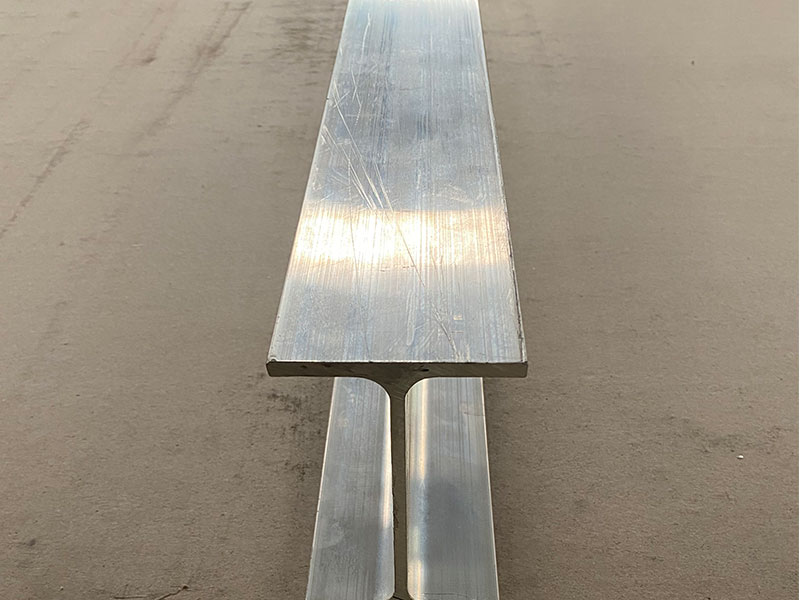
Marine Aluminum Heat Sink Profile for Cooling Offshore Marine Electrical Systems
In the ever-demanding offshore marine environment, electrical systems are subjected to extreme conditions—saltwater corrosion, temperature fluctuations, mechanical stresses, and continuous operation.
View Details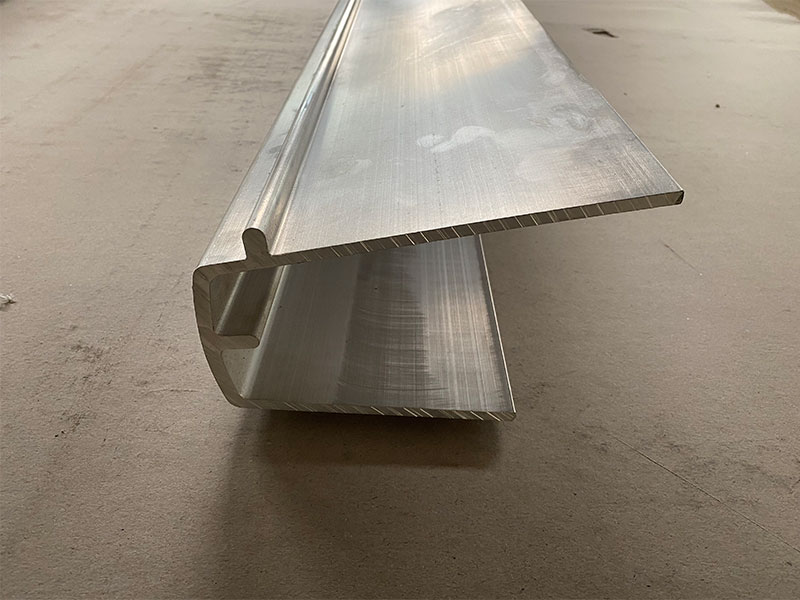
Marine Aluminum Fencing and Railings for Seawater Proof Guardrails for Coastal Areas
Marine aluminum fencing and railings are specially designed solutions for implementing guardrails in coastal environments. These structures are constructed using high-strength marine-grade aluminum alloys to provide exceptional durability and aesthetics.
View Details
Leave a Message