
Marine Grade Aluminum Solid Bar for Custom Boat Hull Reinforcement Parts
Marine grade aluminum solid bar is a dependable material for fabricating reinforcement parts that support demanding boat hull structures. Available in round, square, flat, and hexagonal profiles, it provides a lightweight alternative to steel while delivering excellent resistance to saltwater corrosion. Fabricators use these bars to create hull brackets, rib supports, gussets, transom connections, mounting blocks, structural cleats, and custom-machined fittings.
For builders of fishing boats, workboats, patrol craft, pontoon boats, yachts, and recreational vessels, the right solid aluminum bar helps achieve a strong hull structure without adding unnecessary weight. Alloy selection, temper, section size, weld design, and surface protection should be matched to the vessel's operating environment and structural load path.
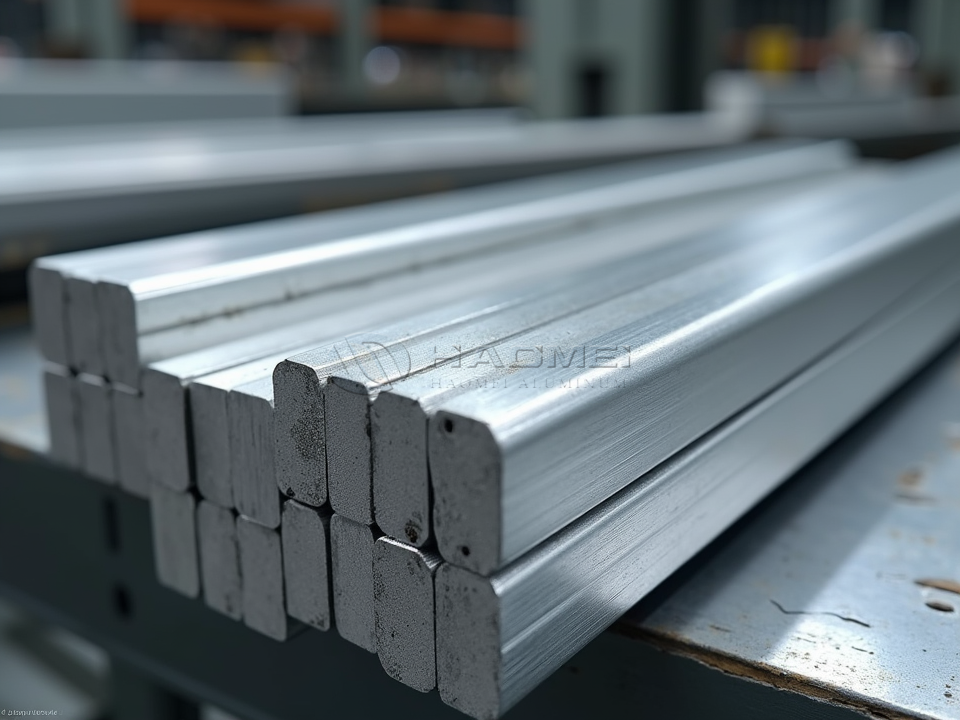
Material Benefits for Marine Hull Reinforcement
Marine environments expose structural components to chloride-rich spray, standing bilge water, humidity, vibration, impact, and galvanic contact with other metals. Marine aluminum solid bars are produced from alloys developed to withstand these conditions when correctly designed, fabricated, and maintained.
| Property | Benefit for Custom Hull Parts |
|---|---|
| Low density | Reduces structural weight and supports efficient vessel performance |
| Saltwater corrosion resistance | Helps protect brackets, reinforcements, and fittings exposed to marine atmospheres |
| High strength-to-weight ratio | Provides robust load support without the mass of comparable steel components |
| Machinability | Supports drilling, milling, threading, turning, and precision shaping |
| Weldability | Allows compatible alloys to be integrated into aluminum hull structures |
| Non-magnetic behavior | Suitable for marine equipment areas where magnetic interference is undesirable |
| Recyclability | Supports material recovery at the end of a vessel's service life |
Solid bar is especially useful where a plate or extrusion cannot provide enough local thickness. A machined bar component can spread concentrated loads around a bolt group, reinforce a hinge zone, create a durable mounting pad, or connect structural members in confined spaces.
Common Alloy and Temper Options
The most suitable alloy depends on whether corrosion resistance, welding behavior, machining performance, or high mechanical strength is the dominant requirement. The 5xxx series is widely selected for welded hull structures because of its excellent marine corrosion performance. The 6xxx series is often chosen for precision-machined components, frames, and hardware because it combines strength with good machinability.
| Alloy | Typical Temper | Marine Characteristics | Suitable Hull Reinforcement Uses |
|---|---|---|---|
| 5052 | H32, H34 | Strong corrosion resistance and good formability | Light brackets, trim supports, backing parts, small stiffeners |
| 5083 | H111, H112 | Excellent seawater resistance and high welded strength | Heavy-duty hull reinforcements, structural pads, welded supports |
| 5086 | H111, H112 | Very good corrosion resistance and weldability | Transom areas, hull framing parts, workboat structural details |
| 6061 | T6, T651 | High strength and very good machining response | Machined blocks, mounting plates, cleats, precision support parts |
| 6082 | T6, T651 | Higher strength among common 6xxx options | High-load brackets, structural machined parts, frame connections |
For welded components, alloy condition requires careful attention. Heat from welding reduces the strength of heat-treatable 6061-T6 or 6082-T6 near the weld zone. Where a part will be heavily welded and directly exposed to seawater, 5083 or 5086 is often preferred. For non-welded, bolted, or machined reinforcements, 6061-T6 and 6082-T6 can provide excellent service.
Marine grade aluminum solid bar can be supplied in profiles selected for the finished component geometry, helping reduce machining waste and fabrication time.
Chemical Composition Ranges
Chemical composition determines corrosion performance, strength response, weld behavior, and anodizing appearance. Values shown are typical standard ranges in percent by weight. Exact limits may vary according to the governing material standard and requested certification.
| Alloy | Mg | Mn | Si | Fe | Cu | Cr | Zn | Ti | Al |
|---|---|---|---|---|---|---|---|---|---|
| 5052 | 2.2-2.8 | 0.10 max | 0.25 max | 0.40 max | 0.10 max | 0.15-0.35 | 0.10 max | 0.20 max | Balance |
| 5083 | 4.0-4.9 | 0.40-1.0 | 0.40 max | 0.40 max | 0.10 max | 0.05-0.25 | 0.25 max | 0.15 max | Balance |
| 5086 | 3.5-4.5 | 0.20-0.7 | 0.40 max | 0.50 max | 0.10 max | 0.05-0.25 | 0.25 max | 0.15 max | Balance |
| 6061 | 0.8-1.2 | 0.15 max | 0.4-0.8 | 0.70 max | 0.15-0.40 | 0.04-0.35 | 0.25 max | 0.15 max | Balance |
| 6082 | 0.6-1.2 | 0.4-1.0 | 0.7-1.3 | 0.50 max | 0.10 max | 0.25 max | 0.20 max | 0.10 max | Balance |
Mechanical and Physical Performance
Mechanical values depend on bar diameter, thickness, temper, production route, and test direction. The figures in this table are practical reference values for material selection rather than a substitute for certified mill test data.
| Alloy and Temper | Tensile Strength, MPa | Yield Strength, MPa | Elongation, % | Density, g/cm³ | Typical Use Condition |
|---|---|---|---|---|---|
| 5052-H32 | 195-230 | 130-160 | 10-15 | 2.68 | Formed or lightly loaded reinforcements |
| 5083-H111 | 275-350 | 125-200 | 12-20 | 2.66 | Welded marine structures |
| 5086-H111 | 240-310 | 110-190 | 12-18 | 2.66 | Corrosion-resistant hull supports |
| 6061-T6 | 290-320 | 240-275 | 8-12 | 2.70 | Machined and bolted structural parts |
| 6082-T6 | 310-340 | 250-290 | 8-12 | 2.71 | High-load machined components |
| Physical Property | Typical Value |
|---|---|
| Melting range | Approximately 555-655°C, alloy dependent |
| Thermal conductivity | Approximately 117-167 W/m·K |
| Electrical conductivity | Approximately 25-42% IACS |
| Elastic modulus | Approximately 69 GPa |
| Coefficient of thermal expansion | Approximately 23 × 10⁻⁶ /°C |
Available Profiles and Dimensional Supply
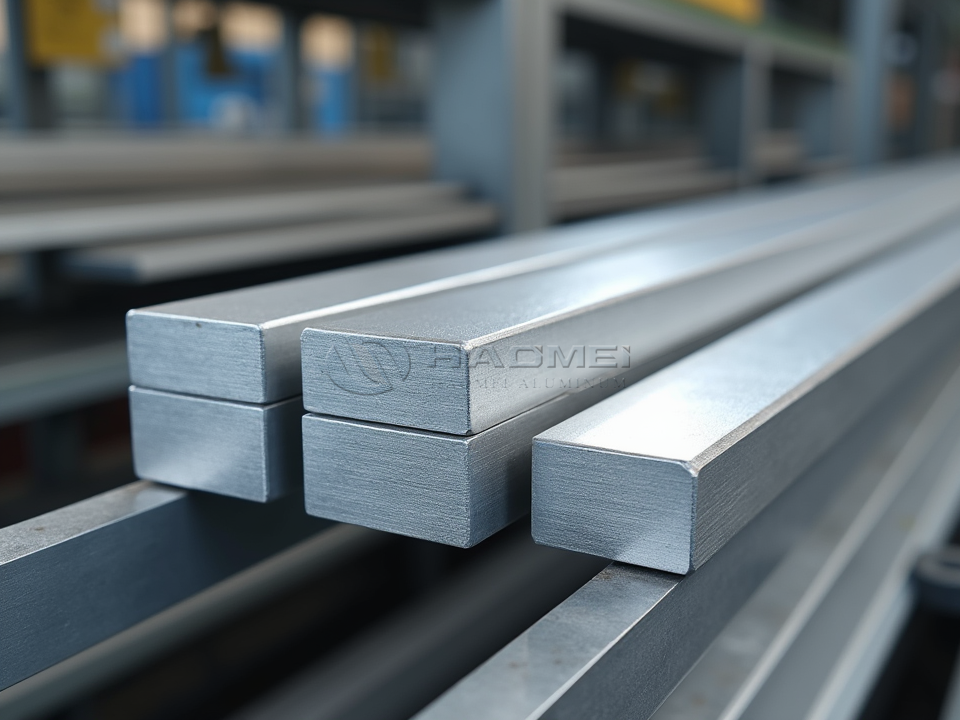
Custom boat reinforcement components can begin as a near-net bar profile to reduce cutting and machining. Flat bars are widely used for gussets, backing strips, frame ties, and mounting pads. Round bars are suitable for pins, shafts, bushings, standoffs, and turned fittings. Square and hexagonal bars provide useful stock geometry for blocks, threaded connectors, and compact hardware.
| Bar Profile | Common Size Range | Typical Fabrication Route |
|---|---|---|
| Round bar | 6-300 mm diameter | Turning, drilling, threading, milling |
| Flat bar | 3-150 mm thickness, 10-300 mm width | Cutting, drilling, welding, milling |
| Square bar | 6-150 mm across flats | Milling, drilling, machining blocks |
| Hexagonal bar | 8-100 mm across flats | Threaded fittings, nuts, connectors |
| Cut-to-length blanks | Custom length | CNC machining and assembly preparation |
Tolerances can be specified according to the intended operation. Precision-machined reinforcement parts may require saw-cut blanks with machining allowance, while welded structural parts may prioritize straightness, clean edges, and consistent section dimensions.
Boat Hull Reinforcement Applications
Marine aluminum bars serve as adaptable building blocks for structural and equipment-related parts throughout a vessel. Their use is particularly valuable when reinforcement needs to follow a non-standard hull shape or accommodate custom hardware.
| Vessel Area | Typical Solid Bar Component | Function |
|---|---|---|
| Transom | Engine mounting backing block, corner reinforcement | Distributes engine and bracket loads |
| Hull bottom | Longitudinal support, local impact pad | Strengthens high-load or impact-prone zones |
| Frames and ribs | Connector block, frame splice, gusset | Improves load transfer between members |
| Deck-to-hull joint | Fastener backing strip, attachment bar | Supports bolted fittings and joint integrity |
| Cabin and console | Mounting bracket, equipment base | Secures instruments, seats, rails, and consoles |
| Fuel and utility areas | Support cleat, protective mounting block | Provides stable attachment points for marine systems |
| Boarding and towing points | Reinforcement pad, cleat base | Handles localized dynamic loads |
Fabrication and Corrosion-Control Guidance
A successful marine reinforcement part depends on installation details as much as alloy selection. Use clean cutting tools dedicated to aluminum where possible, remove sharp edges, and avoid trapping moisture between contact surfaces. For welded parts, select compatible filler wire and account for the reduced strength in the heat-affected region.
Where aluminum contacts stainless steel, carbon steel, copper-bearing metals, or wet timber, isolate dissimilar materials with non-conductive gaskets, sealants, coatings, or suitable bushings. Drainage paths should be preserved so saltwater cannot remain trapped around fasteners or under reinforcement pads. Anodizing, marine paint systems, or conversion coatings may be specified for components that need added surface protection or visual consistency.
Material certificates, alloy identification, temper verification, dimensional inspection, and surface checks support traceability for marine projects. For critical load-bearing areas, the final design should be verified by a qualified naval architect or structural engineer based on vessel size, duty cycle, fastener layout, weld condition, and applicable marine standards.
Selection Considerations
Choose 5083 or 5086 solid bar when seawater exposure and welded structural performance are the main priorities. Choose 6061-T6 or 6082-T6 where high-strength machined parts, accurate threads, and bolted assemblies are required. Select the bar section so that the finished reinforcement maintains adequate edge distance around fasteners, sufficient bearing area, and practical welding access.
Marine grade aluminum solid bar gives boat builders a versatile foundation for custom hull reinforcement parts that are strong, corrosion-resistant, machinable, and weight-conscious. With appropriate alloy selection and thoughtful fabrication, these solid profiles support durable structures built for long service on the water.

Related Products
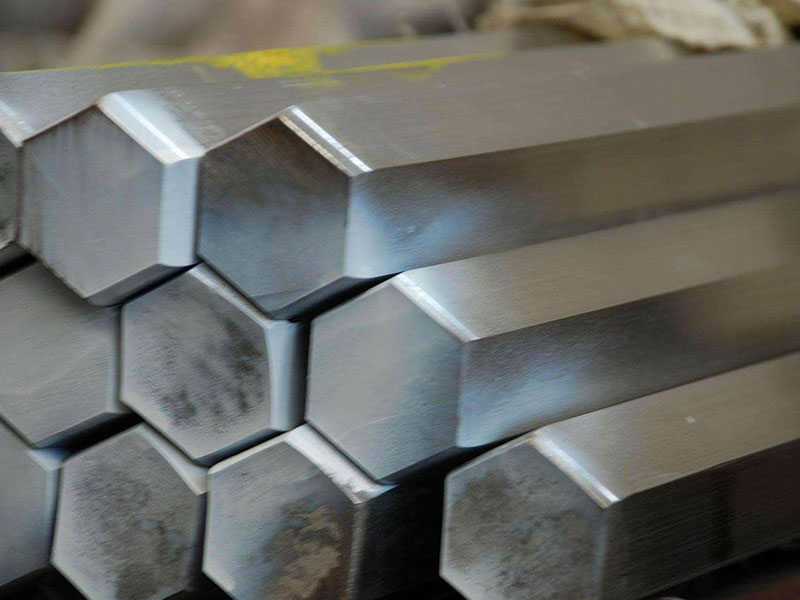
Marine aluminum hexagonal bars
Marine Grade Aluminum Hexagonal Bars are produced from premium corrosion-resistant aluminum alloys such as 5083, 5052, 6061, and 6082.
View Details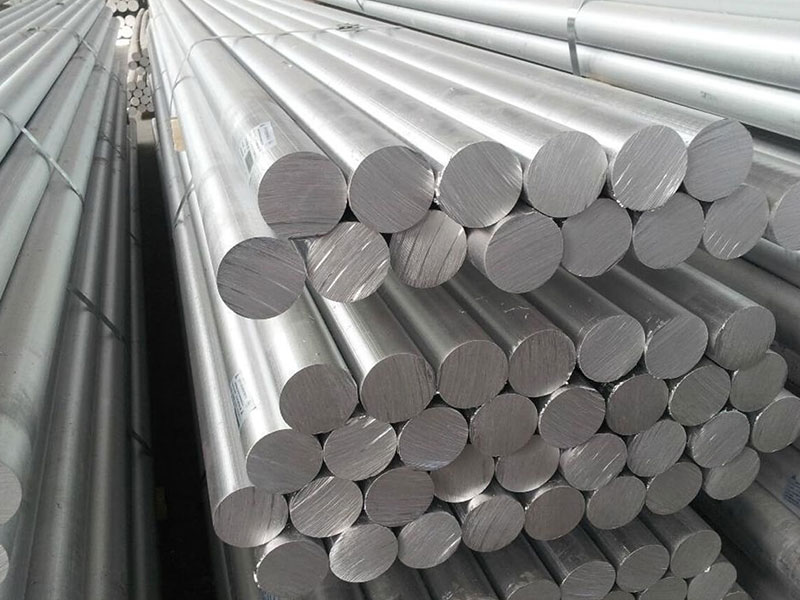
6082 marine aluminum rod & bar
6082 Aluminum Rods & Bars are extruded or rolled products manufactured from 6082 aluminum alloy — a thermally treated (typically T6 temper) aluminum-magnesium-silicon alloy that balances high tensile strength, good weldability, and excellent corrosion resistance.
View Details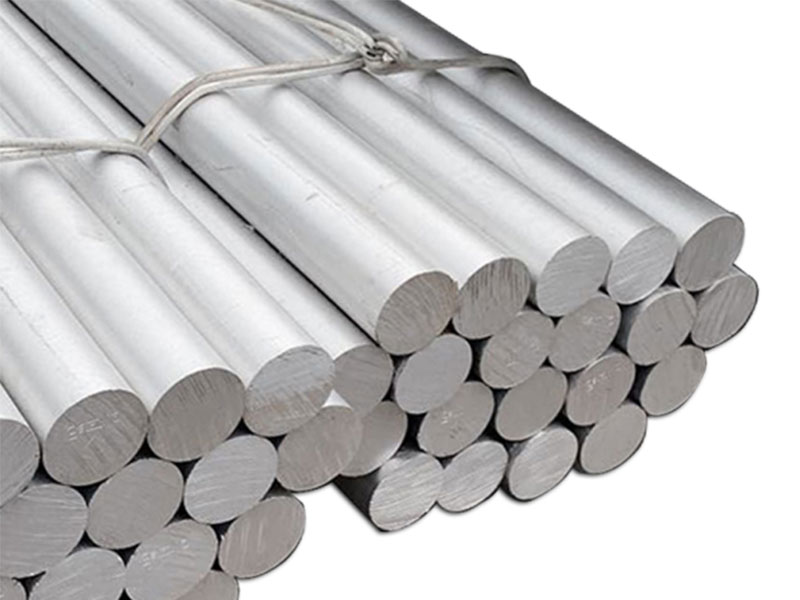
Marine grade aluminum solid bar
Marine Grade Aluminum Solid Bars are produced from premium aluminum alloys optimized for saltwater exposure, such as 5083, 5052, 6061, and 6082. These alloys offer unparalleled resistance to corrosion caused by seawater, salt spray, and marine atmospheres, while maintaining excellent mechanical strength and toughness.
View Details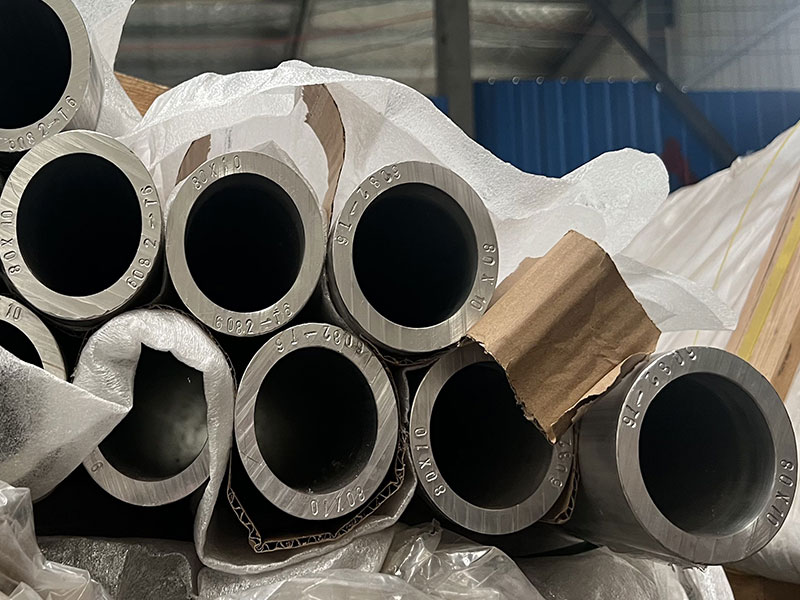
Marine aluminum hollow bars
Marine Grade Aluminum Hollow Bars are fabricated from high-quality alloys such as 5083, 5052, 6061, and 6082, all known for their exceptional resistance to seawater corrosion, salt spray, and marine atmospheres.
View DetailsRelated Blog
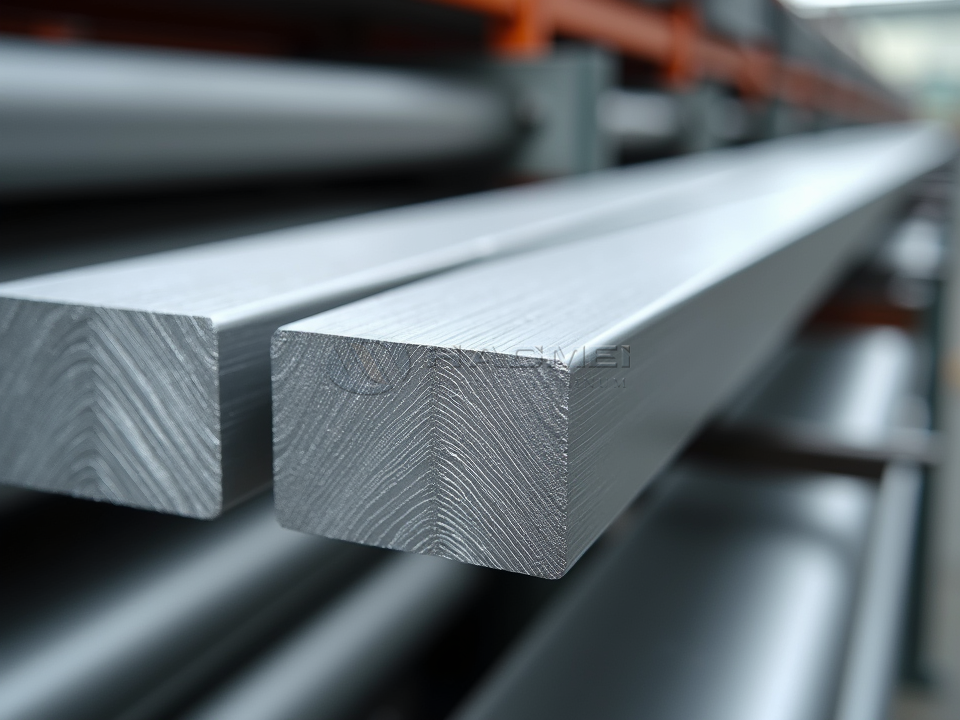
5083 Marine Grade Aluminum Solid Bar for Offshore Platform Construction
5083 marine aluminum solid bar delivers strength, seawater corrosion resistance, weldability, and stable performance for offshore platform use.
View Details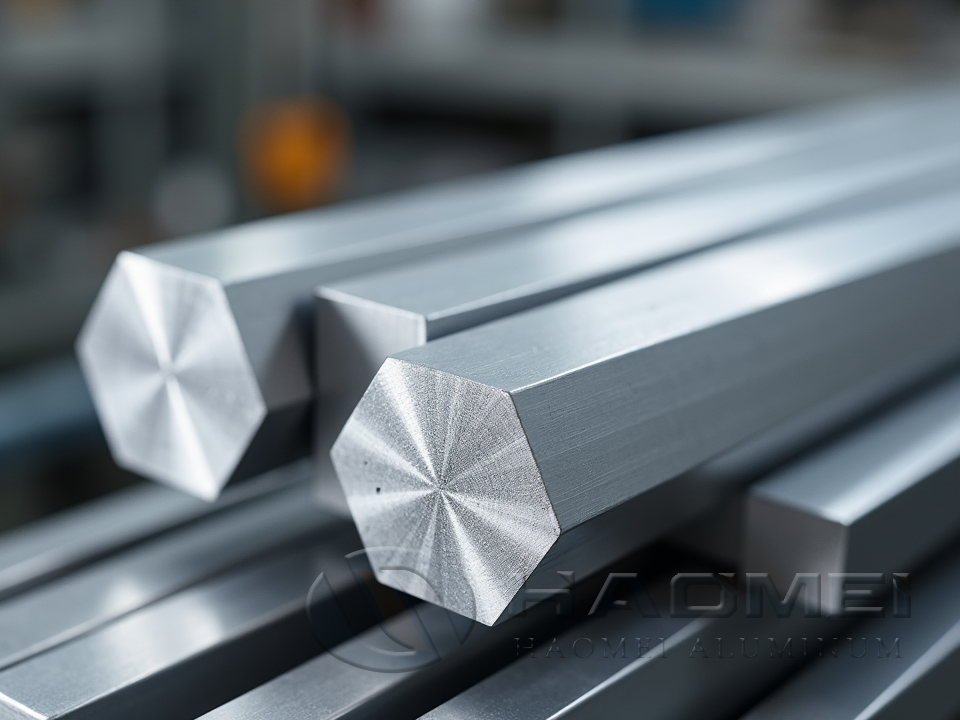
Marine Aluminum Hexagonal Bars for High Strength Boat Frame Design
Technical guide to marine aluminum hexagonal bars for strong boat frames, covering alloys, tempers, standards, properties, tolerances, and design uses.
View Details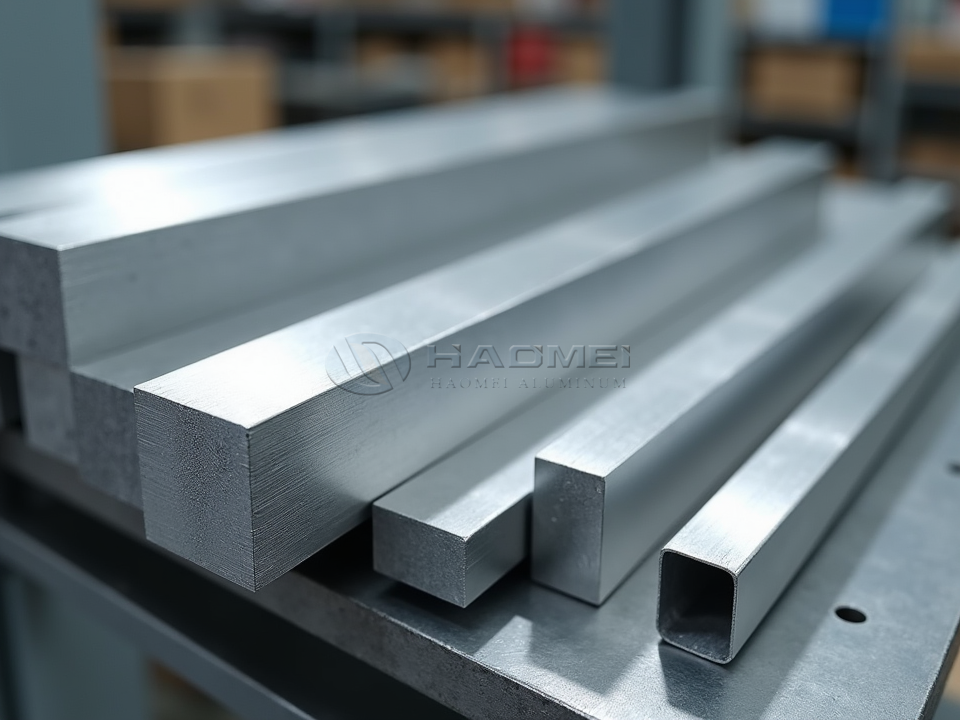
6082 Marine Aluminum Hollow Bars For Lightweight Boat Reinforcements
Learn how 6082 marine aluminum hollow bars reinforce boats with low weight, high strength, corrosion resistance, clean machining, and reliable fabrication.
View Details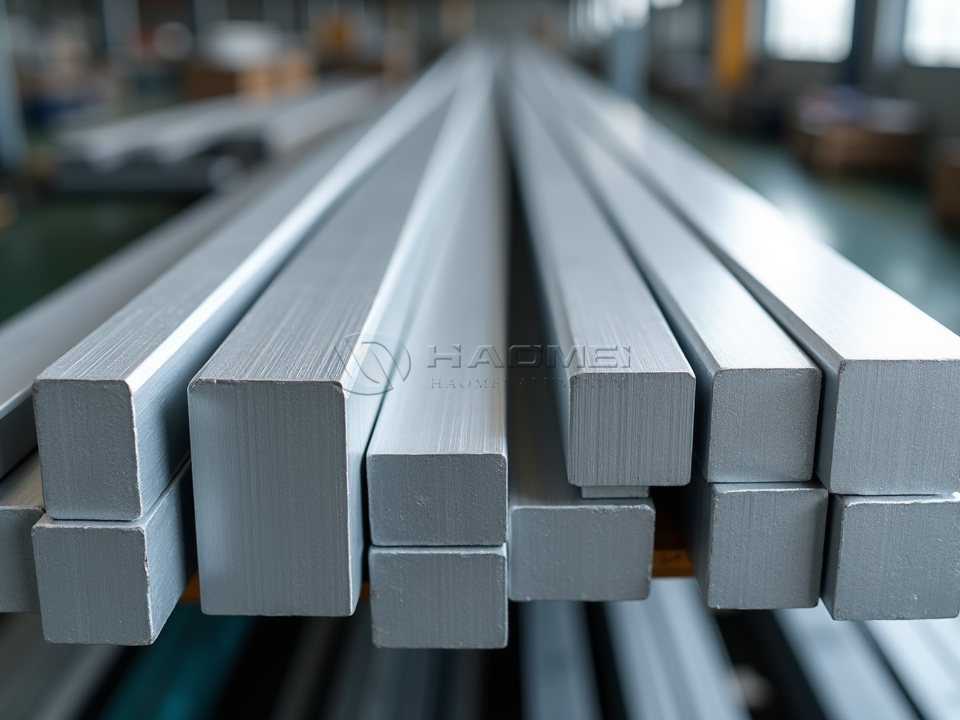
5052 Marine Aluminum Hollow Bars for Offshore Structural Support
5052 marine aluminum hollow bars provide corrosion-resistant, lightweight offshore structural support for frames, platforms, deck modules, and marine equipment.
View Details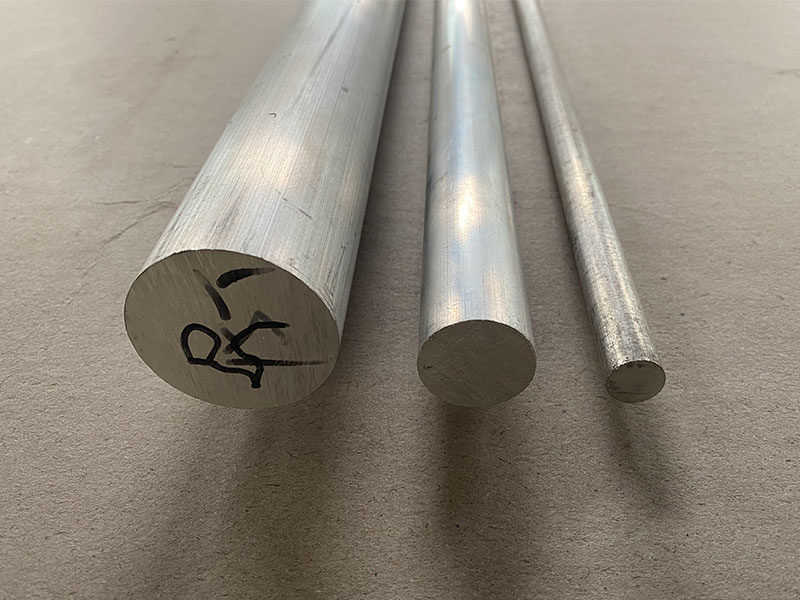
6061 Marine Aluminum Hexagonal Bars for Lightweight Marine Frame Construction
In the ever-evolving marine industry, choosing the correct material for frame construction is a critical factor influencing performance, durability, and safety. Among these materials.
View Details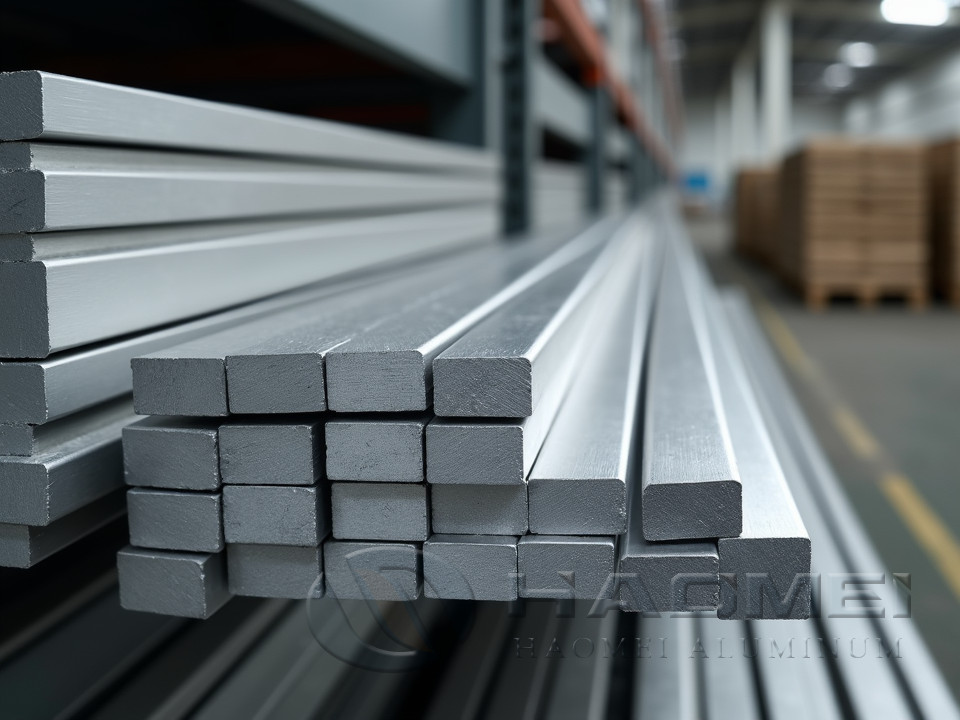
5052 Marine Aluminum Hexagonal Bars For Seawater Tolerant Marine Frames
Practical guidance on 5052 marine aluminum hexagonal bars for corrosion-resistant frames, fittings, bracing, and seawater exposed boat structures.
View Details
Leave a Message