
6061 Marine Grade Aluminum Solid Bar for Offshore Vessel Design
Offshore vessels are not judged only by how well they perform on launch day. Their materials are tested by salt spray, vibration, deck washdown, temperature changes, impact, maintenance access, and long service intervals. From this practical viewpoint, 6061 marine grade aluminum solid bar is valuable because it solves a frequent offshore challenge: producing strong, accurately machined components that can survive demanding connections between systems.
6061 is not merely a bar stock selected for its appearance or low weight. In offshore vessel design, it is often the material behind brackets, machined supports, railing bases, equipment mounts, spacer blocks, cleats, ladders, deck hardware, instrument frames, and custom structural fittings. Its real contribution is found at the interface, where loads, fasteners, coatings, drainage, and dissimilar materials all meet.
A Material for Parts That Must Fit Correctly
6061 aluminum is a heat-treatable aluminum-magnesium-silicon alloy. In the widely used T6 temper, it offers a useful balance of strength, machinability, weldability, and corrosion performance. Typical 6061-T6 solid bar has a tensile strength around 290 MPa and a yield strength near 240 MPa, although actual values depend on bar size, specification, and certified production condition.
For an offshore fabricator, those figures matter less than what they permit in practice. A solid bar can be machined into a compact component with threads, radiused corners, holes, slots, bearing surfaces, or shaped profiles while retaining dependable stiffness. This allows designers to replace fabricated steel assemblies with a lighter one-piece aluminum component in many non-primary structural duties.
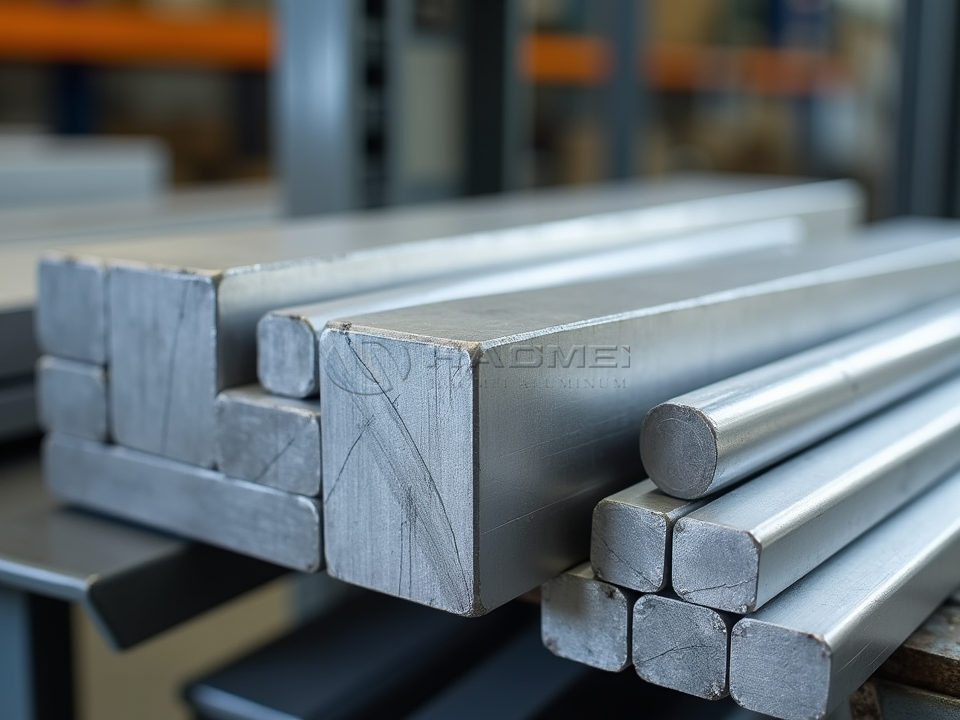
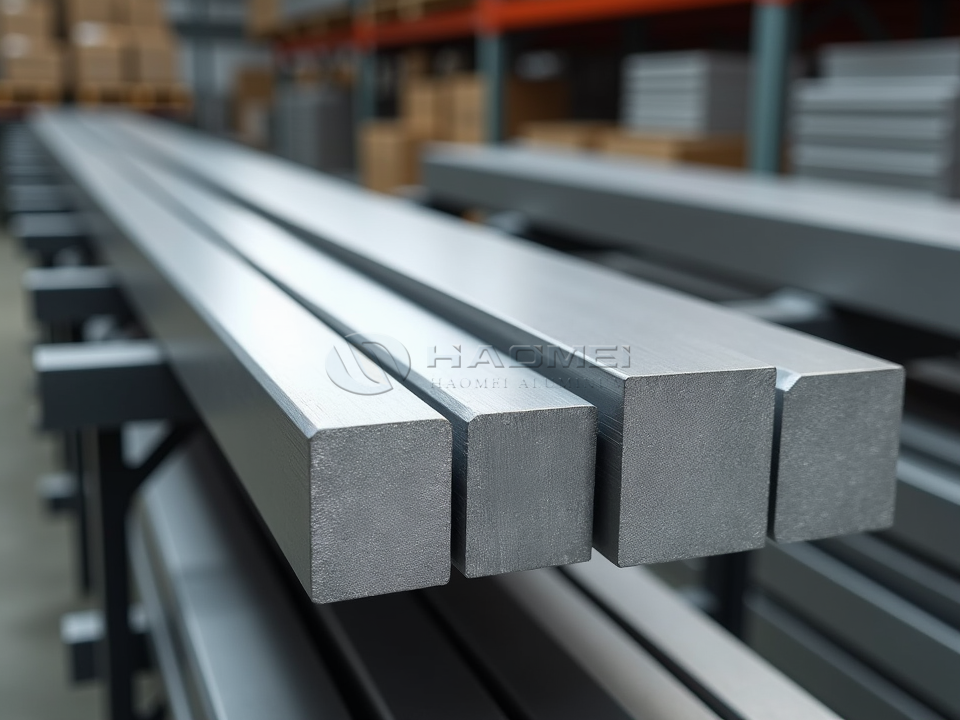
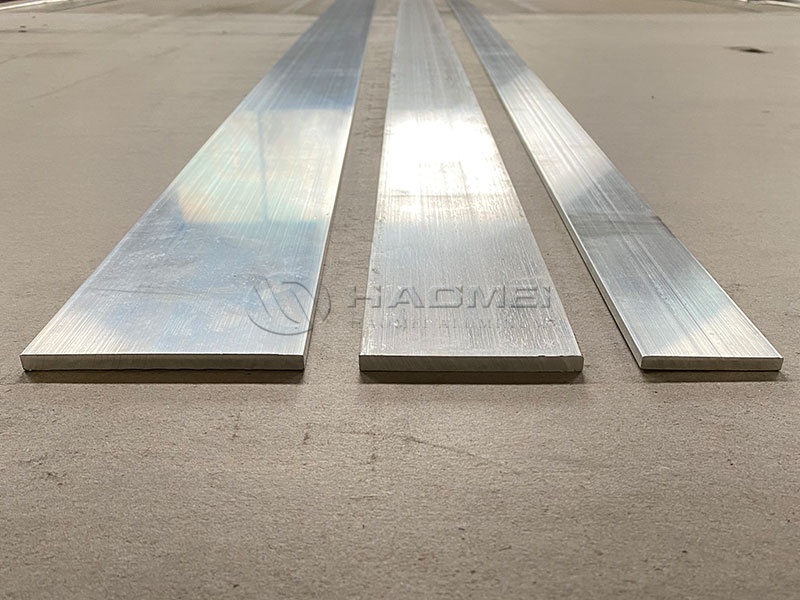
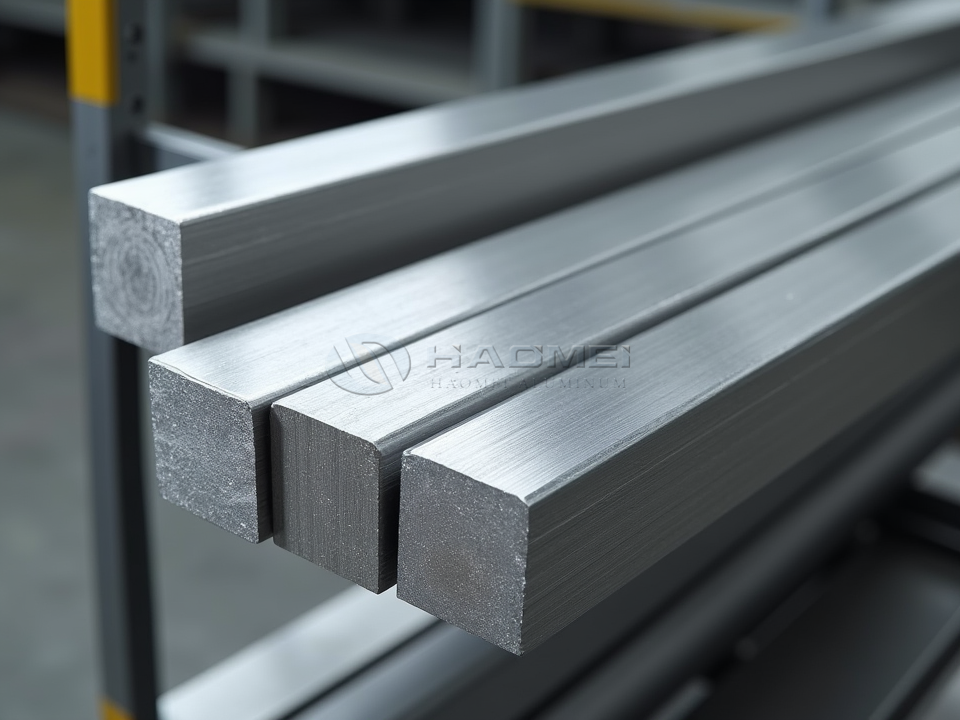
Round bar is especially suitable for pins, bushings, standoffs, shafts, handrail fittings, and turned hardware. Square and rectangular solid bars are practical for mounting blocks, gusset details, support feet, equipment pads, and custom-machined brackets. Selecting the proper shape early can reduce machining time and material waste.
For projects requiring several shapes and dimensions, Marine Grade Aluminum Bars can provide a practical starting point for comparing stock forms used in vessel fabrication.
Offshore Corrosion Is an Interface Problem
A common mistake is to treat corrosion resistance as a property of the metal alone. In offshore service, corrosion usually begins at the design details surrounding the part. Trapped seawater, crevices under washers, damaged coatings, stainless steel contact, poor drainage, and unsealed cut edges can shorten the service life of an otherwise suitable 6061 component.
6061-T6 has good general corrosion resistance, but it should not automatically be treated as interchangeable with 5xxx-series alloys for continuously immersed or highly exposed uncoated applications. When corrosion exposure is severe, designers should consider the actual duty cycle. Is the bar located in a dry cabin, on an open deck, inside a splash zone, or near a wet exhaust environment? Is it directly connected to stainless steel, carbon steel, copper-bearing alloys, or carbon fiber? These questions are more useful than simply asking whether the material is "marine grade."
For exposed fittings, anodizing or an approved marine coating system can add protection. Isolation washers, nonconductive gaskets, suitable sealants, coated fasteners, and drainage gaps help prevent galvanic and crevice corrosion. Corners should be radiused rather than left sharp, since coatings adhere more consistently to smooth transitions and water drains more readily from them.
Strength After Welding Deserves Early Attention
6061-T6 machines extremely well, but welding changes the local temper. Heat affected zones near a weld can lose a substantial portion of the T6 strength until natural aging occurs, and they do not immediately retain the original T6 design values. This is one reason solid 6061 bar is often most effective as a machined, bolted, or isolated fitting rather than as a heavily welded member carrying high structural load.
Where welding is necessary, the designer should base calculations on appropriate post-weld properties and use a qualified welding procedure. Avoid placing highly loaded threads, sharp notches, or critical bearing areas directly beside welds. A well-designed bolted connection may offer easier inspection, replacement, and corrosion management than a welded detail, particularly for removable offshore equipment.
This life-cycle perspective is important. A component that can be unbolted, inspected, recoated, and replaced during a planned maintenance stop is often more valuable than a lower-cost fitting that requires cutting and rewelding on deck.
Specification Should Go Beyond Alloy and Temper
A purchase description that only says "6061-T6 bar" leaves too much room for uncertainty. Offshore fabricators benefit from specifying the bar profile, dimensions, length tolerance, straightness needs, surface condition, temper, applicable standard, and certification requirements. If the bar will be CNC machined, it is also worth confirming saw-cut allowance, expected surface finish, internal soundness requirements, and whether the supplied diameter or thickness includes enough stock for final cleanup.
Mill test documentation should identify chemistry and mechanical properties. Traceability matters when the finished part is used on rescue equipment, navigation supports, lifting-related accessories, fuel-system hardware, or machinery mounting. For marine projects with class, flag-state, owner, or client requirements, confirm the relevant documentation before material is cut.
A properly sourced Marine grade aluminum solid bar also helps workshops maintain consistency from prototype work through repeat vessel production. Consistent bar dimensions and machinability reduce setup variation, protect tool life, and improve fit-up between batches.
Machining Details That Improve Service Life
6061-T6 is favored by machinists because it cuts cleanly and supports precise tolerances. Yet a polished machined part is not automatically a durable offshore part. After machining, remove burrs carefully, break sharp edges, clean away cutting fluids, and protect exposed surfaces promptly. Deep tool marks, unsealed threaded pockets, and narrow water-trapping grooves can become maintenance points.
Threads deserve special attention. Coarse threads are generally more tolerant of marine contamination and repeated assembly than very fine threads. Use compatible fasteners and an approved anti-seize or barrier compound where needed, while keeping galvanic compatibility in mind. Blind threaded holes on exposed deck fittings should be avoided when they can hold water. Through-drilled holes with drainage or properly sealed blind holes are generally safer choices.
Designers should also allow for thermal movement. Aluminum expands more than steel, so long components attached to steel foundations may need slotted holes, controlled clamp loads, or flexible interfaces. This small detail can prevent distortion, coating damage, and fatigue around fasteners.
Where 6061 Delivers Its Best Value
6061 marine grade aluminum solid bar performs best when its strengths align with the part's real job: accurate machining, moderate-to-high local strength, light weight, controlled fabrication, and accessible inspection. It is a strong choice for offshore vessel hardware that must fit precisely and remain practical to maintain.
It is less suitable when the design demands maximum resistance in permanently immersed seawater, when a large welded structure depends on full T6 strength near welds, or when galvanic isolation cannot be achieved. In those situations, another alloy, a different temper, a revised joint design, or a protective system may be the better engineering decision.
The smartest offshore material choice is therefore not based on alloy reputation alone. It comes from designing the complete connection: the load path, drainage route, welding plan, coating system, fastener pairing, and inspection access. When those details are handled well, 6061 marine grade aluminum solid bar becomes a dependable foundation for offshore vessel components that need to work accurately long after installation.

Related Products
Marine grade aluminum solid bar
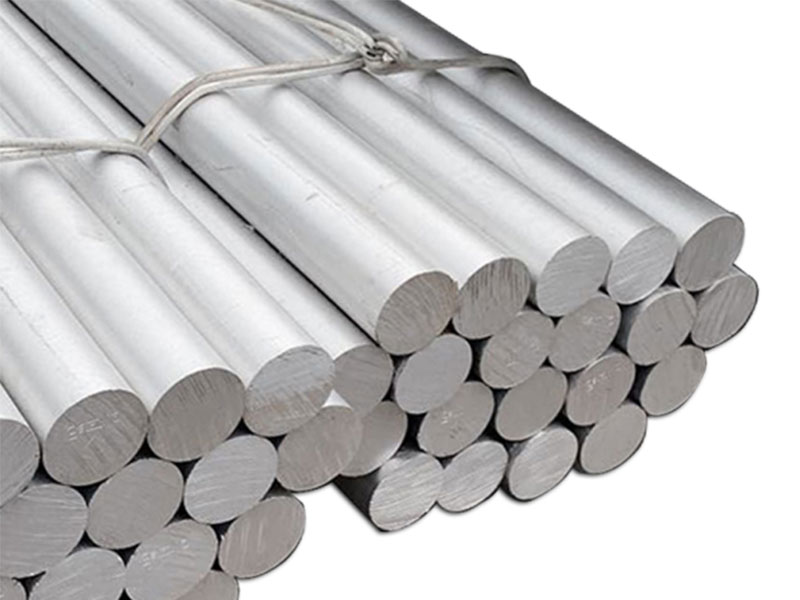
Marine Grade Aluminum Solid Bars are produced from premium aluminum alloys optimized for saltwater exposure, such as 5083, 5052, 6061, and 6082. These alloys offer unparalleled resistance to corrosion caused by seawater, salt spray, and marine atmospheres, while maintaining excellent mechanical strength and toughness.
View Details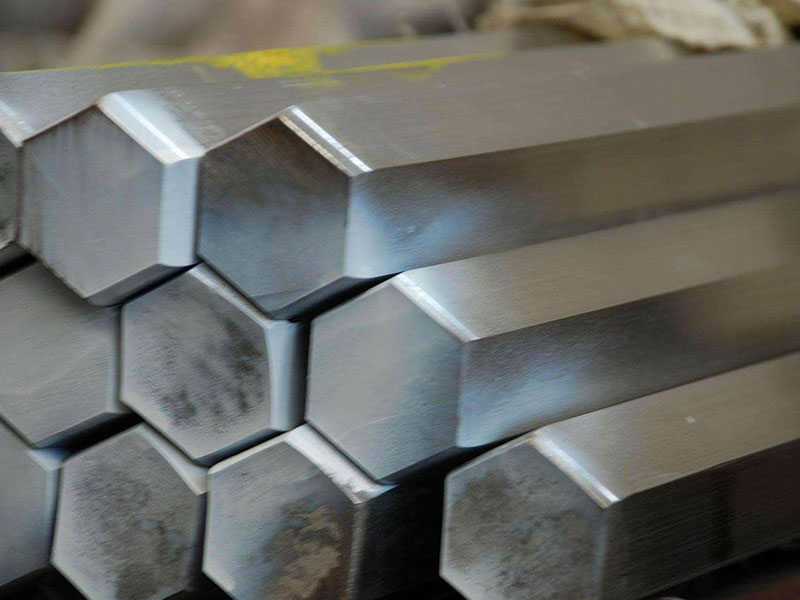
Marine aluminum hexagonal bars
Marine Grade Aluminum Hexagonal Bars are produced from premium corrosion-resistant aluminum alloys such as 5083, 5052, 6061, and 6082.
View Details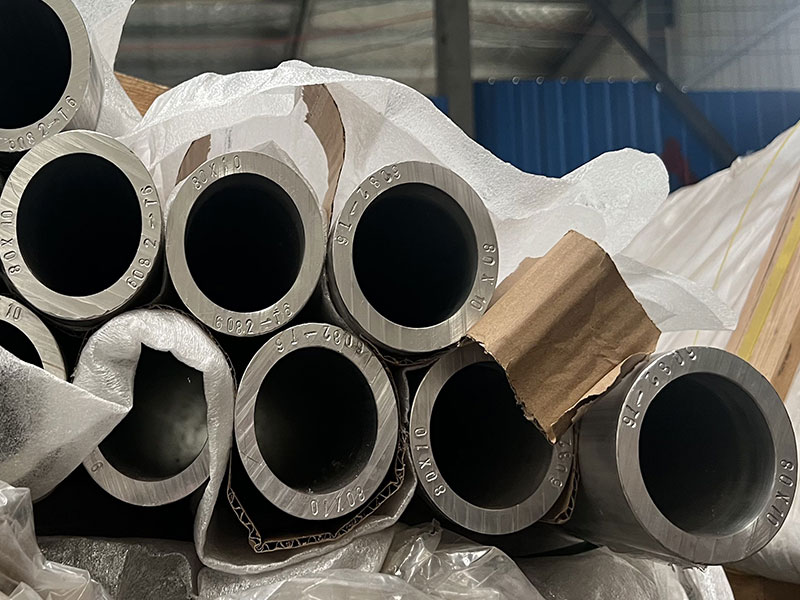
Marine aluminum hollow bars
Marine Grade Aluminum Hollow Bars are fabricated from high-quality alloys such as 5083, 5052, 6061, and 6082, all known for their exceptional resistance to seawater corrosion, salt spray, and marine atmospheres.
View Details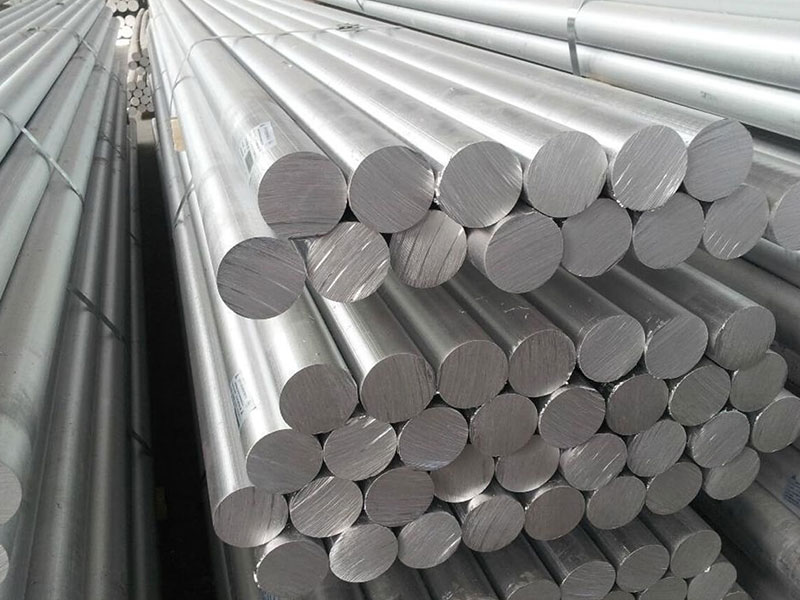
6082 marine aluminum rod & bar
6082 Aluminum Rods & Bars are extruded or rolled products manufactured from 6082 aluminum alloy — a thermally treated (typically T6 temper) aluminum-magnesium-silicon alloy that balances high tensile strength, good weldability, and excellent corrosion resistance.
View DetailsRelated Blog
6082 Marine Aluminum Hollow Bars for High Performance Marine Frames
Explore 6082 marine aluminum hollow bars for lightweight, durable marine frames, with alloy data, tempers, standards, fabrication guidance, and uses.
View Details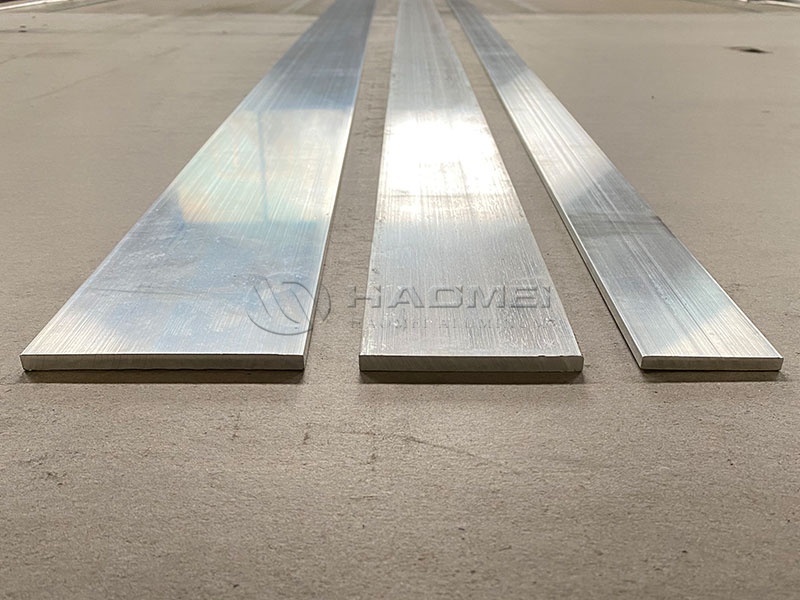
5052 Marine Aluminum Hollow Bars for Corrosion Resistant Offshore Solutions
5052 marine aluminum hollow bars combine low weight, weldability, and saltwater corrosion resistance for offshore piping, sleeves, rails, structural supports, and fittings.
View Details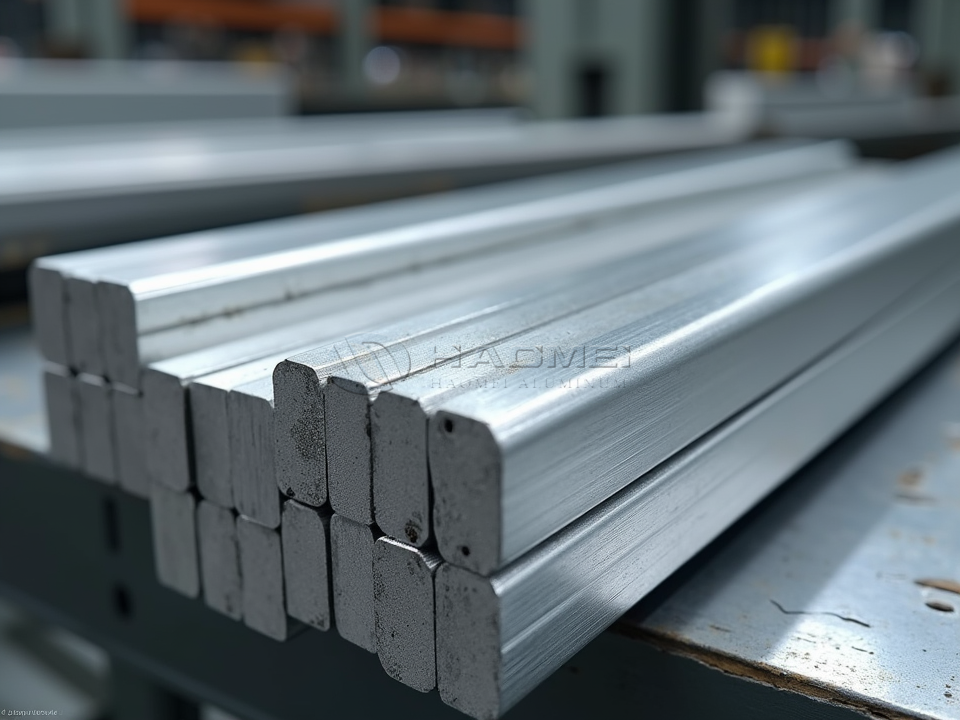
Marine Aluminum Hollow Bars for Custom Offshore Vessel Construction
Learn how marine aluminum hollow bars support lightweight, corrosion-resistant offshore vessel structures, fittings, piping supports, and custom machined parts.
View Details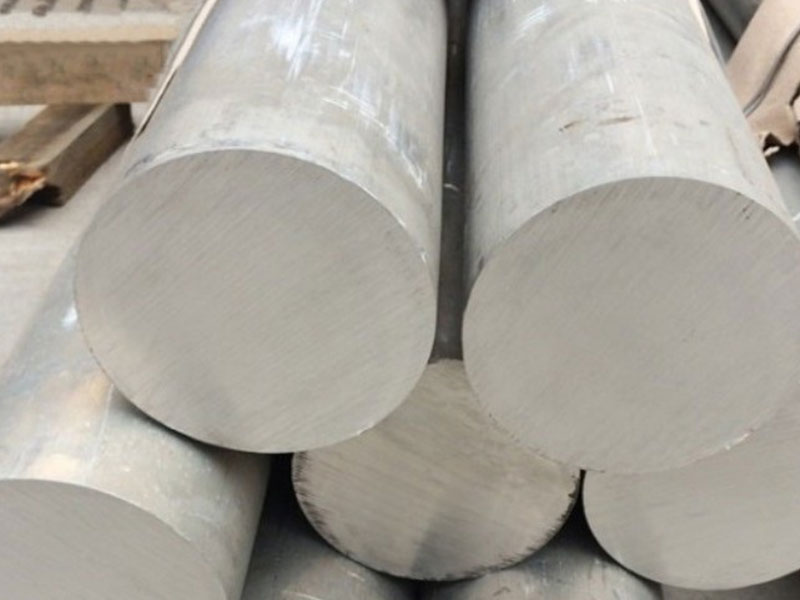
6061 Marine Aluminum Hollow Bars for Custom Boat Parts and Design
6061 marine aluminum hollow bars are an exceptional choice for custom boat parts and designs. Known for their strength, lightweight nature, and resistance to corrosion, these hollow bars are widely utilized in the marine industry.
View Details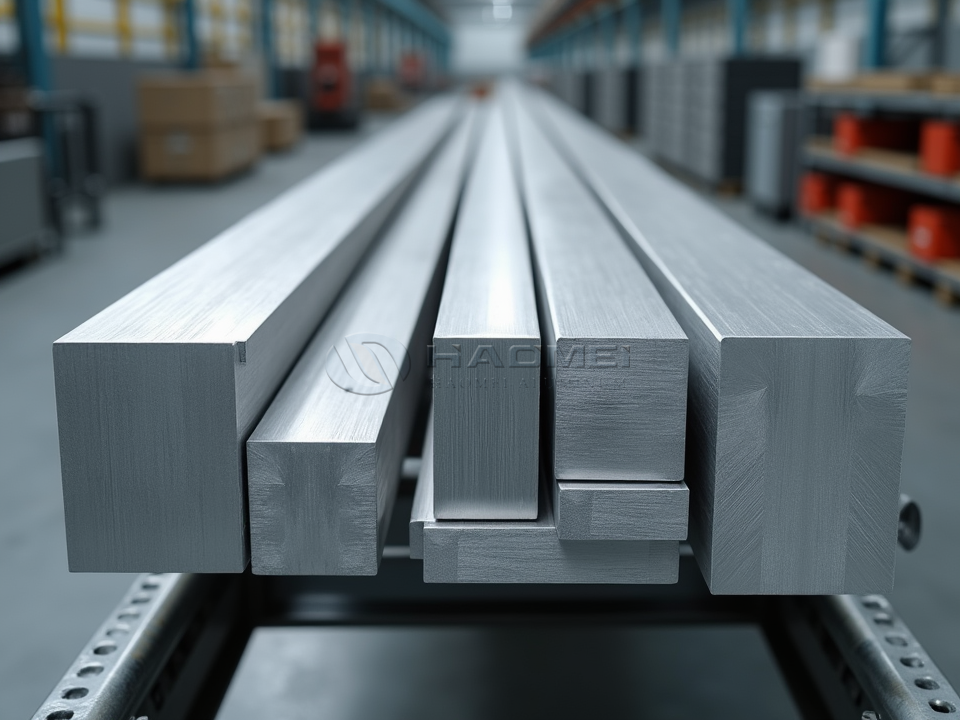
5083 Marine Aluminum Hollow Bars for High Strength Marine Engineering
Explore how 5083 marine aluminum hollow bars deliver strength, corrosion resistance, weldability, and weight savings for demanding sea structures.
View Details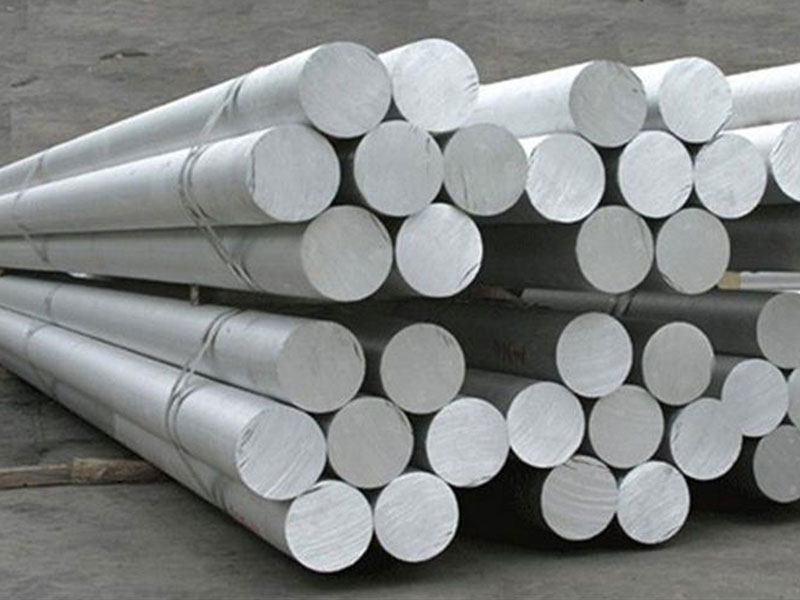
Marine Aluminum Hexagonal Bars for Boat Frame Design and Reinforcement
Marine environments demand materials that combine exceptional strength, corrosion resistance, and lightweight properties to ensure boat durability and reliability.
View Details
Leave a Message