
Marine Aluminum Bar for Custom Marine Boat Hull Reinforcements
A boat hull is more than a shell that keeps water outside. It is a continuously flexing structure that transfers impact, engine vibration, wave pressure, cargo weight, and lifting loads through a network of plates, frames, stringers, and brackets. In this system, a marine aluminum bar often performs the quiet but demanding job of directing force away from vulnerable areas.
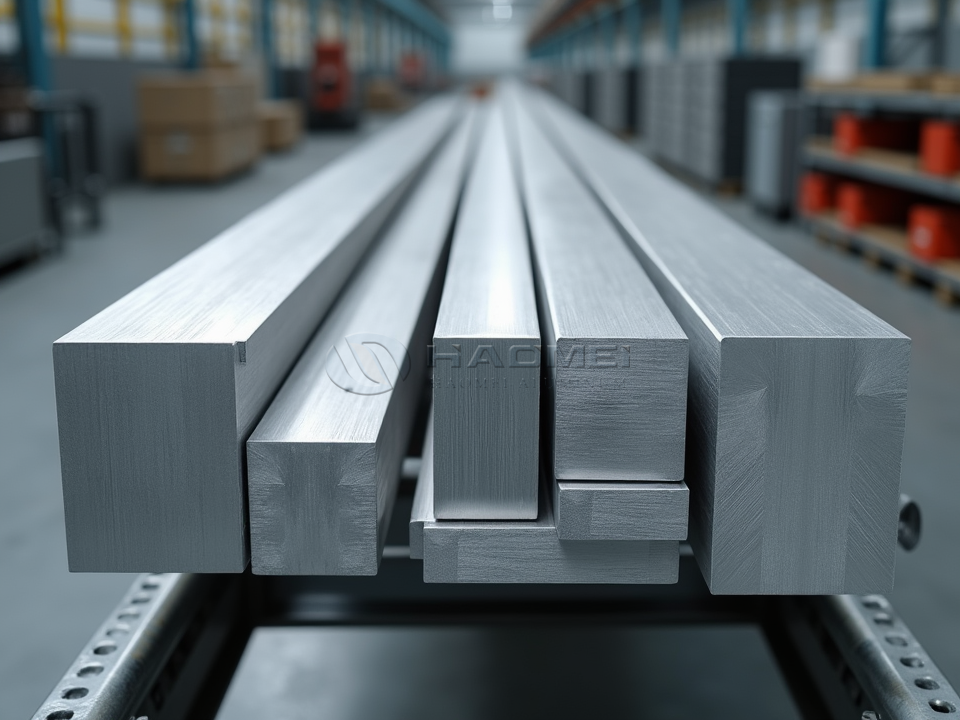
For custom marine boat hull reinforcements, aluminum flat bars, square bars, round bars, and solid extruded bars can strengthen high-stress zones without adding the weight penalty of steel. They are commonly fitted along hull seams, under deck supports, around transom openings, at engine beds, beneath cleats, and near collision-prone bow sections. The most successful reinforcement is not simply the thickest bar. It is the bar that matches the hull alloy, temper, forming method, welding plan, and corrosion environment.
Marine Aluminum Bar as a Load-Path Tool
A hull reinforcement bar should be viewed as a load-path tool. Instead of allowing a concentrated force to bend one small area of plate, the bar spreads that force across a longer and stronger section of the structure.
Flat bars are frequently welded to the inside of a hull plate as longitudinal stiffeners, backing strips, local doublers, or edge reinforcements. Their broad contact surface makes them effective for distributing load while keeping the profile relatively shallow. Square bars can provide firmer support at framework intersections, while round bars are often machined into pins, spacers, clevis parts, and custom mounting hardware. Hex bars are practical where corrosion-resistant threaded hardware or machined fittings are required.
In a workboat or fishing vessel, a bar may reinforce the inside of the transom where outboard thrust and trim-tab loads repeatedly act on the hull. In a high-speed patrol craft, reinforcement bars can support deck-to-hull connections and reduce local fatigue near seating, electronics cabinets, and rail bases. On aluminum landing craft, bars are often integrated into ramp structures, bow sections, and cargo-deck framing where impact loads are less predictable.
Selecting Marine Grade Aluminum Bars for these applications helps fabricators obtain material with the strength, weldability, and seawater resistance appropriate for demanding vessel service.
Alloy Choice Depends on Where the Bar Works
Marine aluminum alloys are not interchangeable. Their chemistry determines corrosion behavior, weld response, strength, and suitability for specific hull zones.
The 5xxx series, especially 5083, 5086, and 5052, is widely favored for welded hull structures because magnesium provides excellent resistance to seawater corrosion. Alloy 5083 is especially common for heavy-duty hull plates and structural reinforcements. Alloy 5086 offers similar marine corrosion performance and is often selected for welded hull components that need dependable strength. Alloy 5052 is easier to form and useful for lighter reinforcement work, interior structures, and less severe marine exposure.
The 6xxx series, particularly 6061-T6 and 6082-T6, is valuable for extruded structural bars, machined parts, brackets, and fittings. These alloys offer higher strength in the supplied T6 condition. However, welding significantly reduces strength in the heat-affected zone, so designers must account for the lower post-weld strength rather than relying only on parent-metal T6 data.
| Alloy | Main Alloying Elements, wt.% | Typical Marine Strength Position | Common Reinforcement Use |
|---|---|---|---|
| 5052 | Mg 2.2-2.8, Cr 0.15-0.35 | Moderate | Light stiffeners, formed supports, interior structures |
| 5083 | Mg 4.0-4.9, Mn 0.4-1.0, Cr 0.05-0.25 | High for welded marine structures | Hull stiffeners, transom reinforcement, heavy-duty frames |
| 5086 | Mg 3.5-4.5, Mn 0.2-0.7, Cr 0.05-0.25 | High corrosion resistance and good weldability | Hull bars, deck framing, local load distribution |
| 6061 | Mg 0.8-1.2, Si 0.4-0.8, Cu 0.15-0.40, Cr 0.04-0.35 | High in T6 before welding | Extrusions, brackets, engine supports, machined components |
| 6082 | Mg 0.6-1.2, Si 0.7-1.3, Mn 0.4-1.0 | High in T6 before welding | Heavy extrusions, fittings, structural bar applications |
Chemical values are typical specification ranges. Balance is aluminum, with controlled limits for iron, copper, zinc, titanium, and other residual elements.
For machined mounting blocks, structural rails, and larger hardware, 6082 marine aluminum rod & bar provides a strong extruded option when the joint design accounts for welding effects and galvanic isolation.
Temper Matters as Much as Alloy
Temper identifies the thermal or mechanical treatment used to achieve material properties. It is not merely a suffix on a purchase order. It determines how the bar behaves during bending, machining, welding, and service.
H116 and H321 are common tempers for 5xxx marine alloys used in seawater environments. They are strain-hardened and stabilized conditions designed to support strength and corrosion resistance. H112 is also used for certain structural products where dimensional capability and fabricated condition are relevant. When a bar will be welded directly to a 5083 or 5086 hull, matching the base alloy family can simplify corrosion management and preserve reliable welded performance.
T6 is the familiar temper for 6061 and 6082. It indicates solution heat treatment and artificial aging, producing high mechanical strength. Yet a welded 6061-T6 bar does not remain fully T6 beside the weld. The local area is softened by welding heat, which can substantially reduce yield strength. For that reason, welded 6xxx reinforcements need wider sections, shorter unsupported spans, or designs that shift peak stress away from the weld zone.
Practical Parameters for Hull Reinforcement Bars
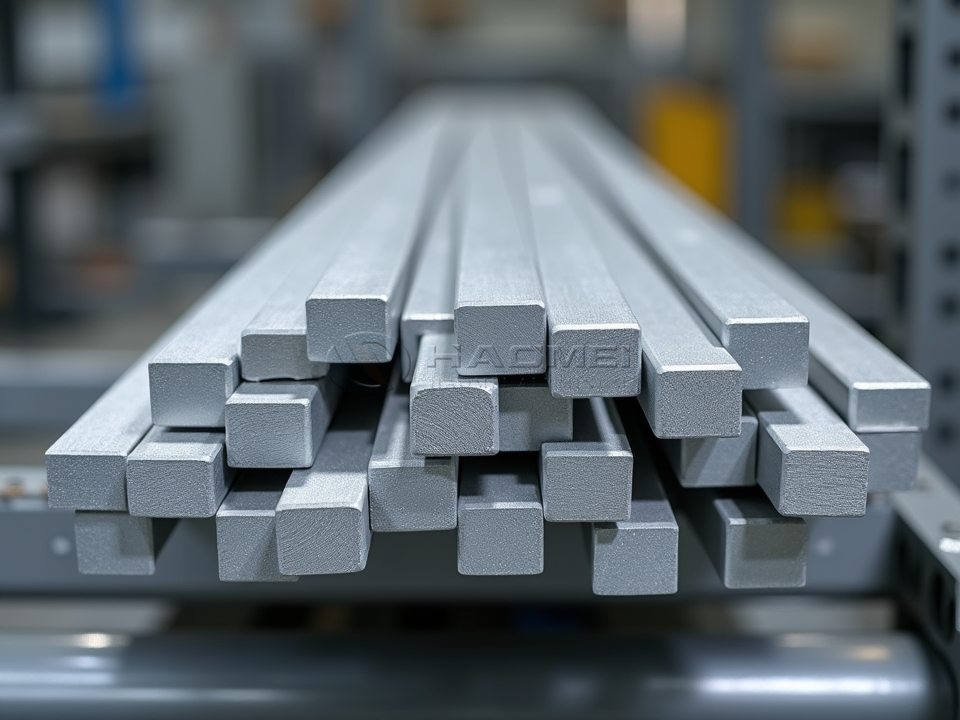
Dimensions should be set by structural calculations, hull geometry, and welding access. Common flat-bar thicknesses range from about 3 mm to 25 mm, while widths may range from 20 mm to 200 mm or more. Custom cut lengths reduce waste and limit unnecessary joints. For heavy hull repairs, a reinforcement bar should extend beyond the damaged or highly stressed area so the load can transition gradually into sound plate.
Important purchase parameters include alloy, temper, cross-section, width or diameter, thickness, length, dimensional tolerance, surface condition, edge condition, and certification requirements. Mill finish is normal for welded structural bar. Brushed, anodized, or precision-machined finishes may suit exposed hardware, but anodizing should generally be completed after fabrication rather than before welding.
Typical physical properties also influence design. Aluminum has a density near 2.66-2.71 g/cm³, approximately one-third that of steel. Its elastic modulus is about 69 GPa, much lower than steel, which means aluminum structures need thoughtful section sizing to control deflection. A reinforcement bar can therefore be thicker than a steel equivalent while still keeping weight low.
Standards and Traceability for Marine Work
Material standards provide a common language between the boatbuilder, fabricator, surveyor, and material source. Extruded aluminum bars and profiles are often supplied to ASTM B221 or EN 755 dimensional and mechanical requirements. Chemical composition may be verified against EN 573 or applicable ASTM alloy specifications. For critical vessel work, certification can include mill test reports showing heat number, chemistry, temper, tensile properties, and inspection results.
Welded aluminum hull construction should follow qualified procedures consistent with AWS D1.2, the Structural Welding Code for Aluminum, or the relevant shipbuilding class requirements. Depending on vessel type and project location, DNV, ABS, Lloyd's Register, or other marine-class rules may govern material approval and weld procedure qualification.
Installation Details That Protect the Hull
Good reinforcement design prevents corrosion traps as well as bending. Bars should not create narrow, unsealed pockets where saltwater can remain after drainage. Ends may be tapered or radiused to reduce abrupt stress concentrations. Drainage paths should remain open, especially in bilge and stringer areas.
Before welding, remove oxide, grease, moisture, paint, and contaminants from the joint area. Use filler metal compatible with the selected alloy, commonly 5183, 5356, or 5556 for many 5xxx marine applications. Controlled weld sequence helps limit distortion on thin hull plate. Continuous welds may be necessary in watertight zones, while intermittent welds can be suitable where drainage and fatigue design permit.
Where aluminum bars meet stainless steel, bronze, carbon steel, or other dissimilar metals, isolate the materials with nonconductive pads, coatings, sleeves, or sealants. This barrier reduces galvanic corrosion caused by saltwater acting as an electrolyte.
Marine aluminum bar reinforcement is most effective when treated as part of the hull's structural flow rather than as an added patch. The right alloy, temper, profile, certification, and installation method create a reinforcement that remains light, weldable, corrosion-resistant, and ready for long-term service at sea.

Related Products
6082 marine aluminum rod & bar
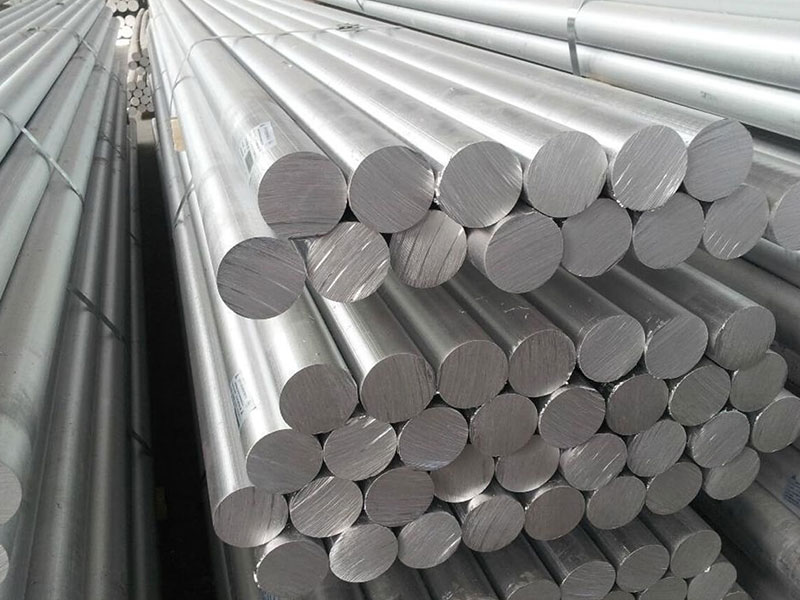
6082 Aluminum Rods & Bars are extruded or rolled products manufactured from 6082 aluminum alloy — a thermally treated (typically T6 temper) aluminum-magnesium-silicon alloy that balances high tensile strength, good weldability, and excellent corrosion resistance.
View Details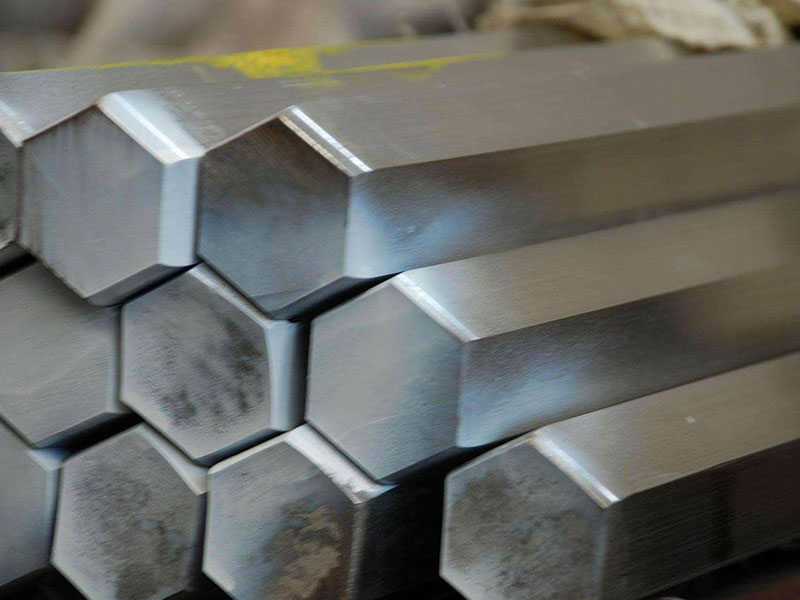
Marine aluminum hexagonal bars
Marine Grade Aluminum Hexagonal Bars are produced from premium corrosion-resistant aluminum alloys such as 5083, 5052, 6061, and 6082.
View Details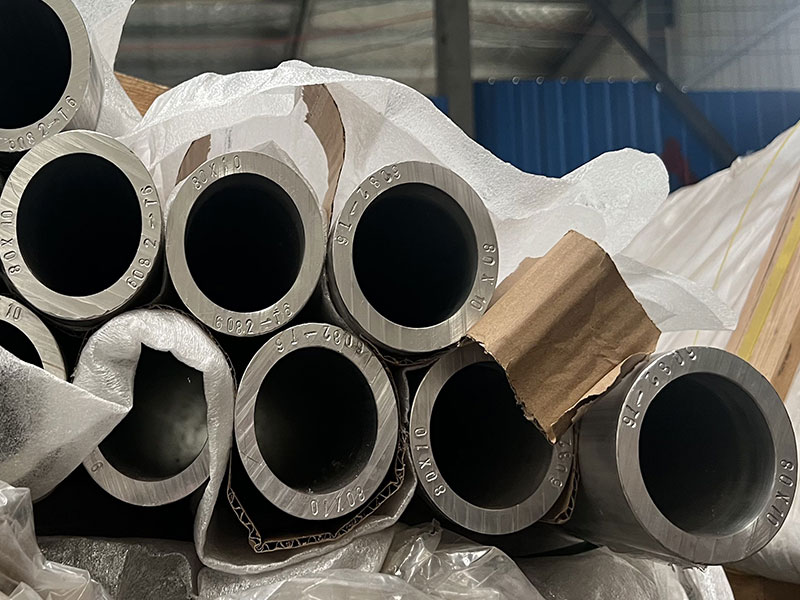
Marine aluminum hollow bars
Marine Grade Aluminum Hollow Bars are fabricated from high-quality alloys such as 5083, 5052, 6061, and 6082, all known for their exceptional resistance to seawater corrosion, salt spray, and marine atmospheres.
View Details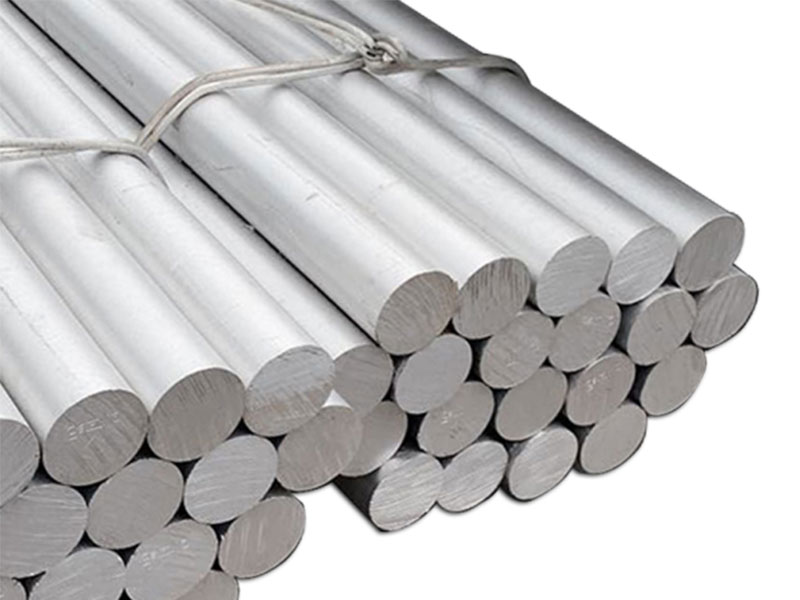
Marine grade aluminum solid bar
Marine Grade Aluminum Solid Bars are produced from premium aluminum alloys optimized for saltwater exposure, such as 5083, 5052, 6061, and 6082. These alloys offer unparalleled resistance to corrosion caused by seawater, salt spray, and marine atmospheres, while maintaining excellent mechanical strength and toughness.
View DetailsRelated Blog
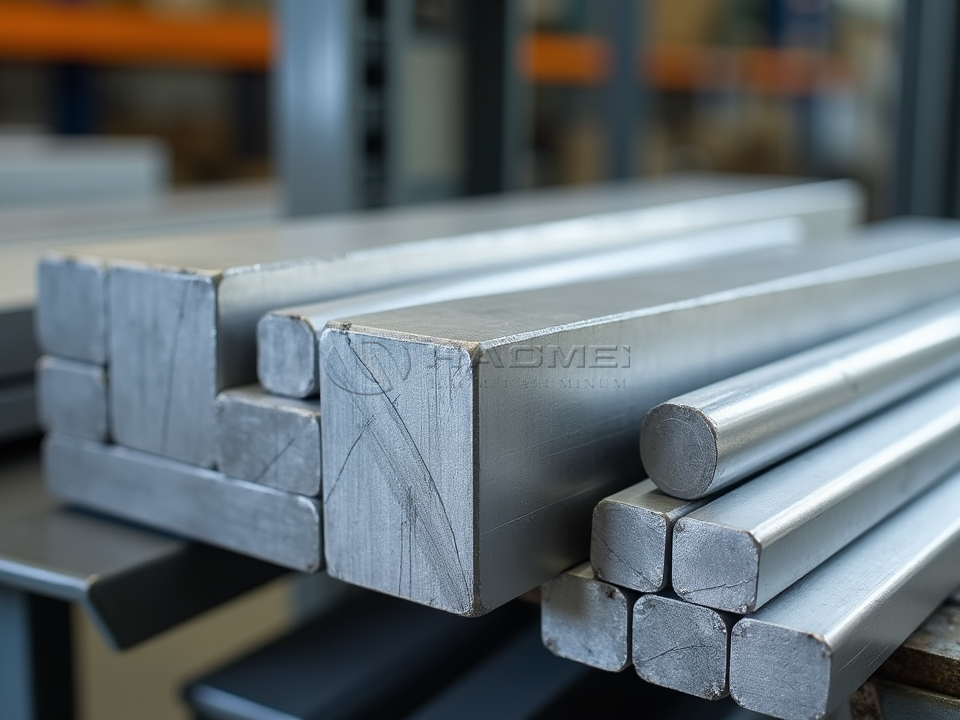
6061 Marine Grade Aluminum Solid Bar for Marine Equipment Customization
6061 marine grade aluminum solid bar offers strength, machinability, and corrosion control for custom boat fittings, frames, shafts, and deck hardware parts.
View Details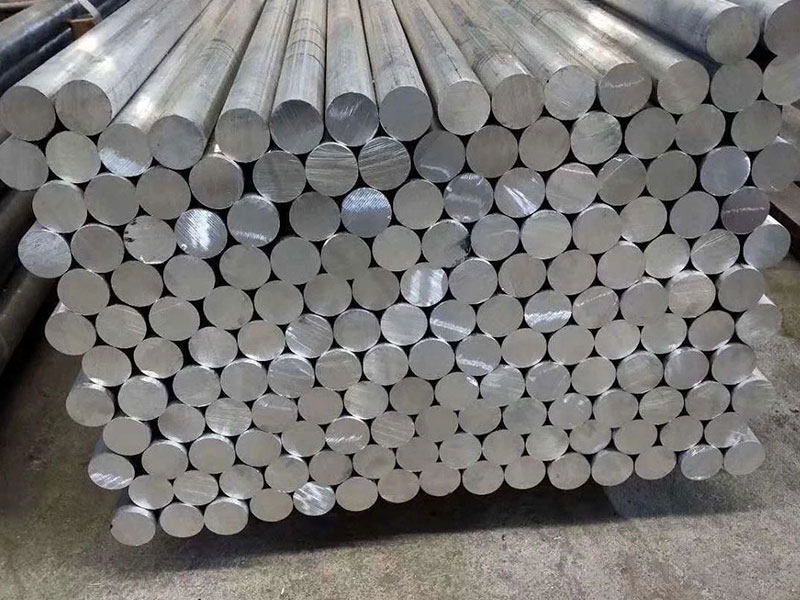
6082 Marine Aluminum Hollow Bars for Boat Hull and Deck Strengthening
6082 Marine Aluminum Hollow Bars for Boat Hull and Deck StrengtheningIn modern boatbuilding, strength is no longer measured only by how thick a plate looks or how heavy a frame feels.
View Details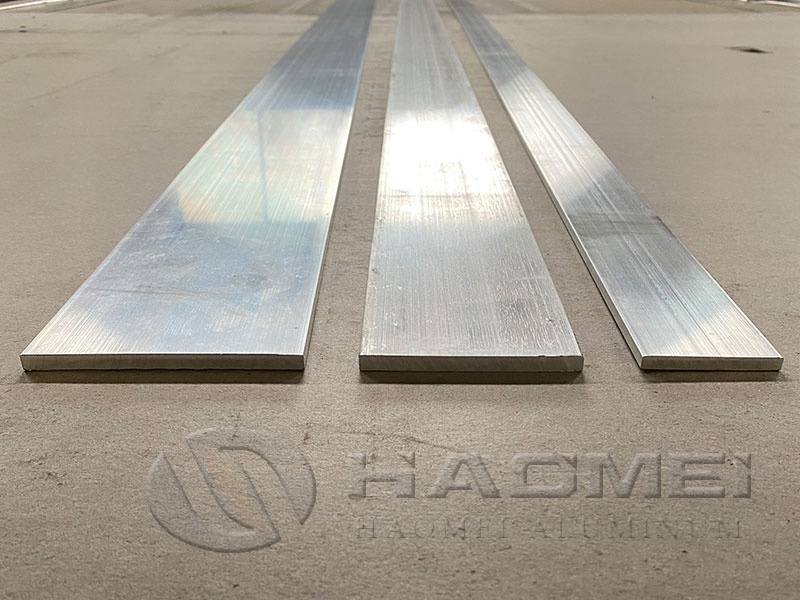
5083 Marine Aluminum Hollow Bars for Offshore Vessel Support Parts
Concise guide to 5083 marine aluminum hollow bars for offshore vessel support parts, covering specs, corrosion resistance, fabrication, uses, and buying notes.
View Details
5083 Marine Grade Aluminum Solid Bar for Custom Marine Construction
The 5083 Marine Grade Aluminum Solid Bar is a highly regarded alloy, specifically designed to meet the stringent demands of the marine environment. Renowned for its exceptionally high resistance to corrosion, strength, and weldability.
View Details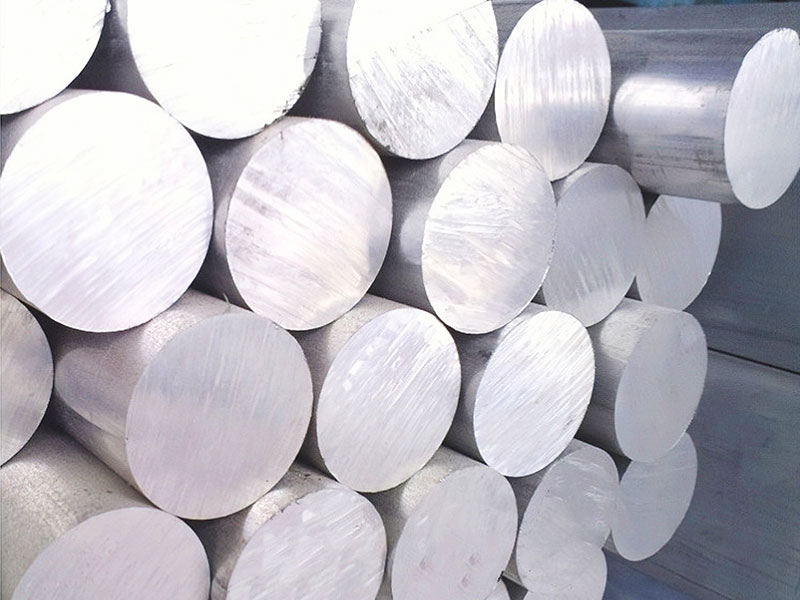
6061 Marine Aluminum Hollow Bars for Custom Boat Hull Parts
6061 Marine Aluminum Hollow Bars are a popular choice in the marine industry, recognized for their excellent mechanical properties and corrosion resistance. This specific alloy provides the ideal balance of strength and lightweight construction.
View Details
6061 Marine Grade Aluminum Solid Bar for Boat Hull and Deck Strengthening
When it comes to constructing or reinforcing boats, durability, strength, and corrosion resistance are non-negotiable attributes. Among the available materials in marine applications.
View Details
Leave a Message