
Aluminium sheet for boat
Aluminium sheet for boat construction is one of the most widely used materials in modern marine manufacturing. It combines light weight, high strength, excellent corrosion resistance, and good weldability, making it ideal for hulls, decks, cabins, superstructures, and interior marine components. For builders, repair yards, and boat owners, choosing the right marine aluminium sheet improves vessel durability, fuel efficiency, and long-term maintenance costs.
What Is Aluminium Sheet for Boat?
Aluminium sheet for boat refers to marine-grade rolled aluminium plate or sheet designed for use in seawater environments. Unlike ordinary aluminium products, marine aluminium is manufactured with alloys that can resist saltwater corrosion, stress, and fatigue loading while maintaining good fabrication performance.
The most common boat-building alloys are from the 5xxx series, especially 5083, 5086, 5052, and 5456, because these alloys contain magnesium and offer strong corrosion resistance in marine atmospheres. In some applications, 6xxx series alloys such as 6061 are also used for structural parts, frames, and fittings where machinability is important.
Main Functions of Aluminium Sheet in Boats
Aluminium sheet performs several critical functions in marine vessels:
- Hull structure support, providing the primary shell for strength and buoyancy
- Weight reduction, helping boats run faster and consume less fuel
- Corrosion resistance, especially in seawater and humid coastal environments
- Impact resistance, useful for workboats, patrol boats, fishing boats, and landing craft
- Fabrication flexibility, allowing cutting, bending, welding, and forming into complex marine shapes
- Low maintenance, reducing painting and repair frequency compared with some traditional materials
Because aluminium has a high strength-to-weight ratio, it is especially suitable for high-speed boats, passenger ferries, fishing vessels, pontoon boats, yachts, and offshore support craft.
Common Applications in Marine Industry
Marine aluminium sheet is used in both commercial and recreational vessels. Typical applications are shown below.
| Application Area | Typical Use | Recommended Alloys |
|---|---|---|
| Hull plating | Bottom shell, side shell, transom | 5083, 5086, 5456 |
| Decks | Main deck, working deck, walkways | 5083, 5052 |
| Superstructure | Wheelhouse, cabin, roof panels | 5052, 5083 |
| Bulkheads and partitions | Interior and structural separation panels | 5052, 5083 |
| Fuel tanks | Marine tank fabrication | 5052, 5083 |
| Hatches and doors | Lightweight access structures | 5052, 5083, 6061 |
| Interior panels | Decorative and functional panels | 5052 |
| Frames and supports | Extrusions and structural members | 6061, 6082 |
Why Marine Aluminium Sheet Is Preferred
Compared with steel, aluminium reduces vessel weight significantly. This helps improve speed, payload, and fuel economy. Compared with fiberglass, aluminium offers excellent impact resistance, recyclability, and structural reliability in demanding work environments.
Its natural oxide film also gives aluminium a protective barrier against corrosion. When the correct marine alloy is selected and fabrication is controlled properly, aluminium sheet performs exceptionally well in saltwater service.
Common Marine Aluminium Alloys and Tempers
Different alloys and temper conditions affect strength, formability, and weldability. For boats, the temper is important because welding can change the mechanical properties in the heat-affected zone.
| Alloy | Typical Temper | Main Features | Common Marine Use |
|---|---|---|---|
| 5052 | H32, H34 | Good corrosion resistance, good formability, moderate strength | Interior panels, tanks, deck parts |
| 5083 | H111, H116, H321 | Excellent seawater resistance, high strength, very good weldability | Hulls, decks, superstructures |
| 5086 | H111, H116, H321 | Very good marine corrosion resistance, strong welded performance | Hull plating, patrol boats, workboats |
| 5456 | H111, H116 | High strength, marine durability | Heavy-duty hull structures |
| 6061 | T6, T651 | Good machinability, medium corrosion resistance, structural use | Frames, fittings, supports |
Notes on temper conditions
| Temper | Meaning | Marine Relevance |
|---|---|---|
| H111 | Lightly strain-hardened | Good balance of formability and corrosion resistance |
| H116 | Specially processed for marine service | Improved resistance to exfoliation and seawater corrosion |
| H321 | Strain-hardened and stabilized | Good marine corrosion resistance and stable mechanical properties |
| T6 | Solution heat-treated and artificially aged | High strength, common for machined structural parts |
For welded boat structures, 5083-H116 and 5086-H116 are among the most preferred grades.
Chemical Composition of Typical Marine Aluminium Alloys
The chemical composition directly affects corrosion resistance, strength, and weldability.
| Alloy | Mg (%) | Mn (%) | Si (%) | Fe (%) | Cu (%) | Cr (%) | Zn (%) | Al (%) |
|---|---|---|---|---|---|---|---|---|
| 5052 | 2.2–2.8 | 0.10 max | 0.25 max | 0.40 max | 0.10 max | 0.15–0.35 | 0.10 max | Balance |
| 5083 | 4.0–4.9 | 0.40–1.0 | 0.40 max | 0.40 max | 0.10 max | 0.05–0.25 | 0.25 max | Balance |
| 5086 | 3.5–4.5 | 0.20–0.7 | 0.40 max | 0.50 max | 0.10 max | 0.05–0.25 | 0.25 max | Balance |
| 5456 | 4.7–5.5 | 0.50–1.0 | 0.25 max | 0.40 max | 0.10 max | 0.05–0.20 | 0.25 max | Balance |
| 6061 | 0.8–1.2 | 0.15 max | 0.4–0.8 | 0.70 max | 0.15–0.40 | 0.04–0.35 | 0.25 max | Balance |
Mechanical Properties of Typical Boat Aluminium Sheet
Actual values vary by thickness and specification, but the table below shows general reference data.
| Alloy / Temper | Tensile Strength (MPa) | Yield Strength (MPa) | Elongation (%) | Weldability | Corrosion Resistance |
|---|---|---|---|---|---|
| 5052-H32 | 210–260 | 130–180 | 7–12 | Excellent | Excellent |
| 5083-H111 | 275–350 | 125–165 | 12–16 | Excellent | Excellent |
| 5083-H116 | 305–385 | 215–305 | 10–15 | Excellent | Excellent |
| 5086-H116 | 290–365 | 200–290 | 10–14 | Excellent | Excellent |
| 5456-H116 | 315–390 | 230–305 | 8–12 | Very good | Excellent |
| 6061-T6 | 260–310 | 240–276 | 8–12 | Good | Good |
Technical Specifications of Aluminium Sheet for Boat
Marine aluminium sheet is available in a wide range of sizes to meet boat design and fabrication needs.
| Parameter | Typical Range |
|---|---|
| Thickness | 1.0 mm to 200 mm |
| Width | 1,000 mm to 2,500 mm |
| Length | 2,000 mm to 12,000 mm |
| Surface | Mill finish, brushed, anodized, tread plate |
| Supply form | Sheet, plate, coil, cut-to-size panel |
| Density | Approx. 2.66–2.70 g/cm³ |
| Melting range | Approx. 570–640°C depending on alloy |
| Thermal conductivity | Approx. 117–160 W/m·K |
| Electrical conductivity | Lower than pure aluminium, depends on alloy |
Implementation Standards for Marine Aluminium Sheet
Marine aluminium products are commonly manufactured and tested according to international standards and classification rules.
| Standard / Rule | Scope |
|---|---|
| ASTM B209 | Aluminium and aluminium-alloy sheet and plate |
| EN 485 | Aluminium sheet, strip and plate technical delivery conditions |
| EN 573 | Chemical composition of aluminium alloys |
| EN 515 | Temper designation system |
| DNV rules | Marine material approval and vessel classification |
| ABS rules | American Bureau of Shipping marine aluminium requirements |
| Lloyd's Register | Marine structural material certification |
| CCS / BV / NK / RINA | Ship classification and marine material approvals |
For boatbuilding, buyers often request class-approved aluminium sheet to meet shipyard or regulatory requirements.
Technical Considerations When Selecting Boat Aluminium Sheet
Choosing the right sheet depends on the part of the boat and the fabrication process.
| Selection Factor | Importance |
|---|---|
| Alloy grade | Determines corrosion resistance, strength, and weldability |
| Temper | Affects formability and final structural performance |
| Thickness | Must match hull load, impact, and stiffness requirements |
| Weld performance | Important for hull and deck fabrication |
| Surface quality | Relevant for visible panels and finishing |
| Certification | Necessary for commercial boats and classified vessels |
| Flatness and tolerance | Important for cutting, bending, and assembly accuracy |
For hull plating and seawater-exposed structures, 5083 and 5086 are usually the safest choices. For interior panels and tanks, 5052 is often economical and easy to form. For machined parts and extrusions, 6061 remains widely used.
Corrosion and Service Performance
Marine aluminium sheet performs well because magnesium-bearing alloys create strong resistance to marine corrosion. However, proper design still matters. Good boatbuilding practice includes:
- avoiding direct contact with dissimilar metals without insulation
- using compatible marine fasteners
- controlling welding quality and heat input
- preventing stagnant seawater trapping
- applying suitable protective coatings where needed
With correct alloy selection and fabrication, aluminium boats can provide long service life, low maintenance, and reliable structural integrity even in harsh coastal and offshore environments.

Related Products
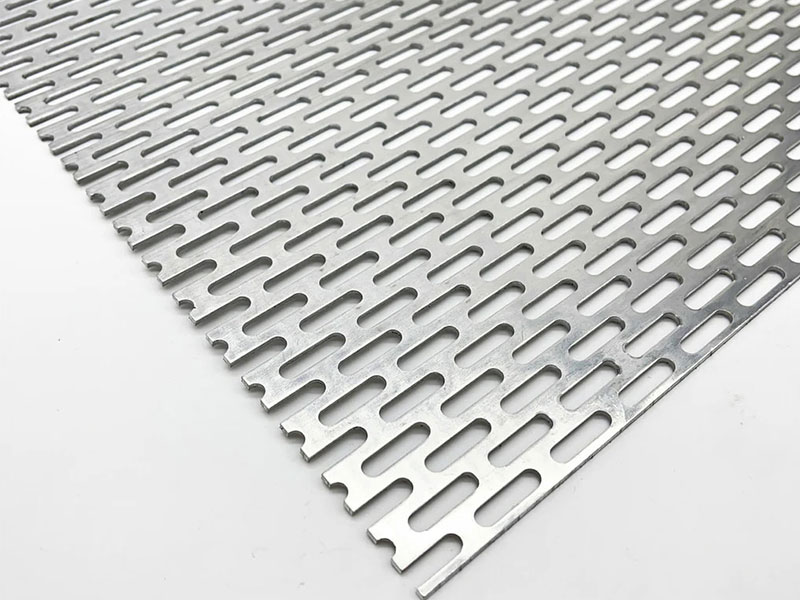
Marine perforated aluminum sheets
Marine Perforated Aluminum Sheets feature a series of uniform holes or shapes punched through the aluminum surface. These perforations can vary in size, pattern, and open area to tailor the sheets for specific applications.
View Details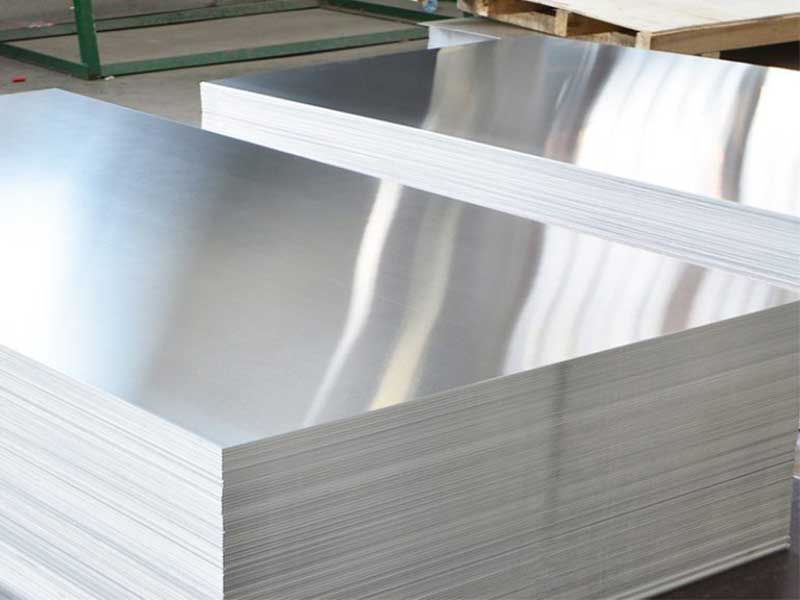
Marine anodized aluminum sheets
Marine Anodized Aluminum Sheets start with premium marine-grade aluminum alloys such as 5000 and 6000 series (typically 5083, 5052, and 6061).
View Details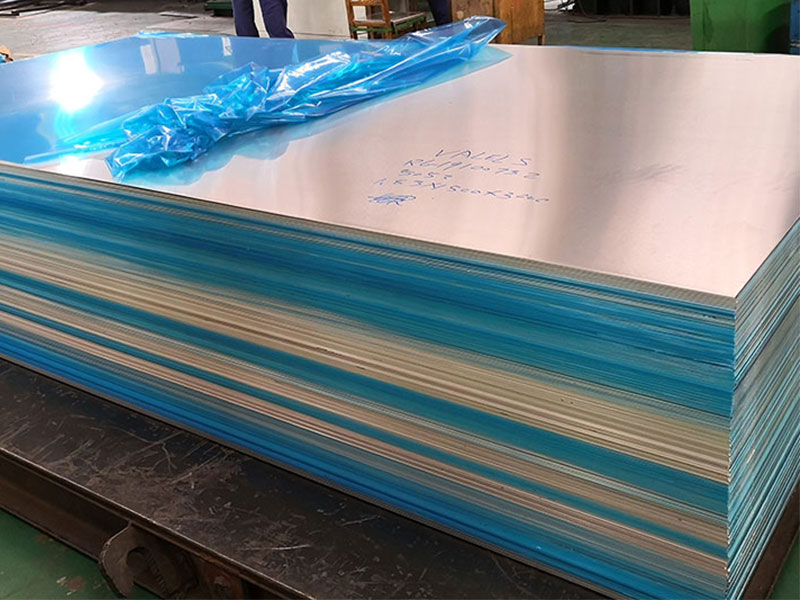
Marine 5059 aluminum sheet
5059 aluminum alloy is a strain-hardened material with a unique addition of magnesium and chromium, which provides outstanding resistance to localized corrosion like pitting and stress corrosion cracking.
View Details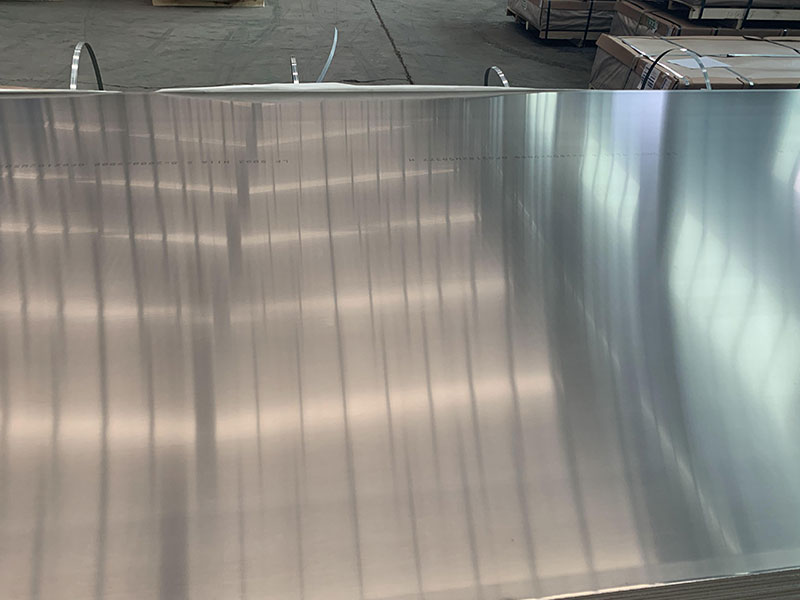
Marine 5383 aluminum sheet
5383 aluminum is a strain-hardened, non-heat-treatable alloy from the 5xxx series primarily alloyed with magnesium. It exhibits a unique balance of corrosion resistance and mechanical properties particularly suited for marine applications.
View Details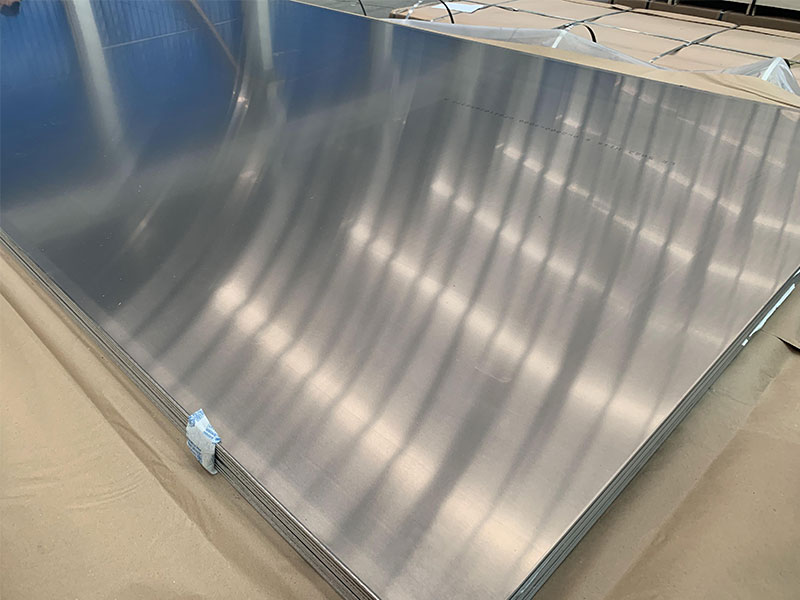
Marine 5052 aluminum sheet
Aluminum alloy 5052 is a non-heat-treatable, strain-hardened alloy with magnesium as the primary alloying element. It is designed to offer superior corrosion resistance in marine and saline environments, making it a dependable choice for components exposed directly to seawater or coastal atmospheric conditions.
View Details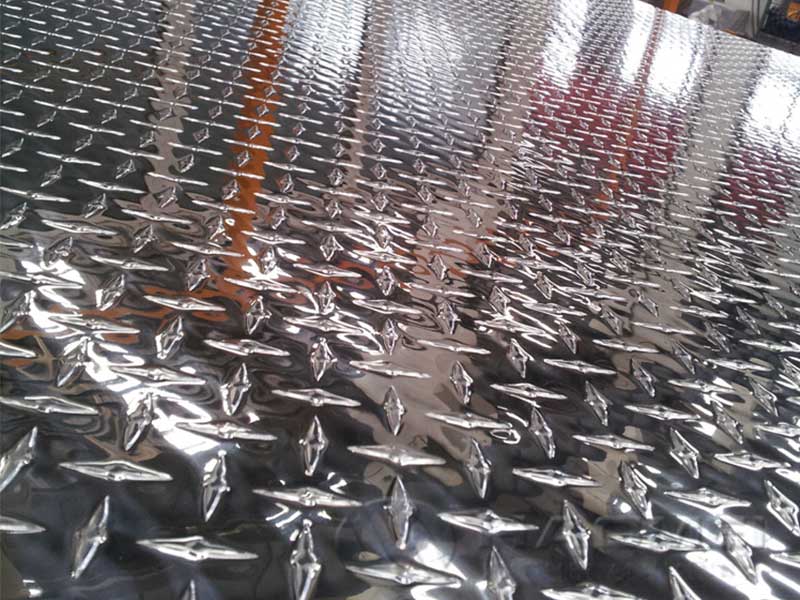
Marine Aluminum Tread Sheets
Marine Aluminum Tread Sheets are aluminum alloy plates featuring a raised surface pattern, commonly referred to as a tread design or diamond plate.
View DetailsRelated Blog
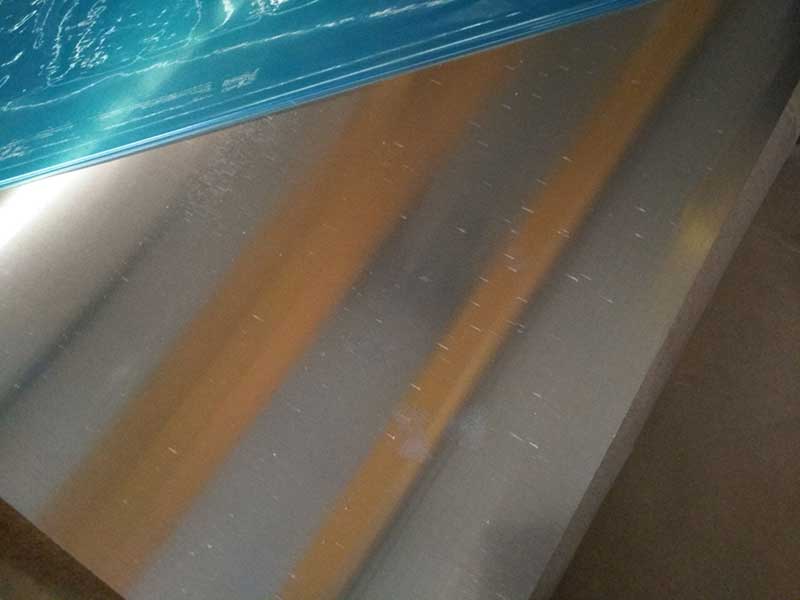
Aluminium sheet for ship building
Aluminium sheet for ship building is engineered to deliver a rare combination of light weight, corrosion resistance, high specific strength, and excellent fabricability in harsh marine environments.
View Details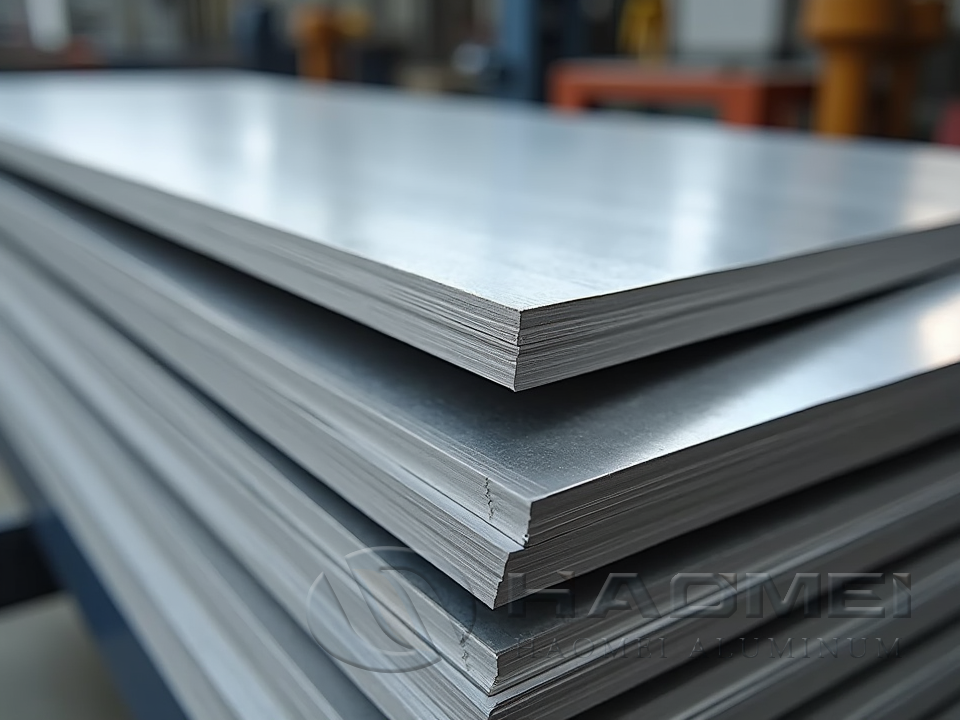
5059 Marine Heavy Duty Aluminum Plate
5059 marine heavy duty aluminum plate delivers high strength, weldability, and seawater corrosion resistance for hulls, decks, tanks, and patrol craft.
View Details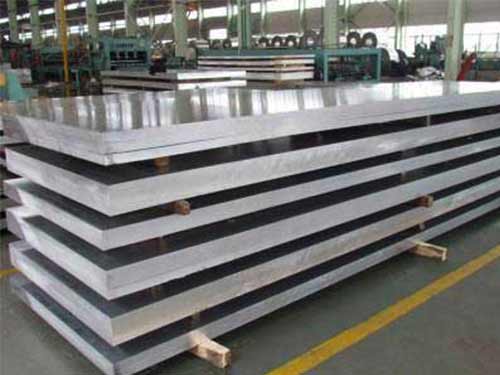
Marine 5083 Aluminum Sheet
Marine 5083 aluminum sheet delivers strong, weldable, seawater-resistant performance for hulls, decks, tanks, and offshore structures.
View Details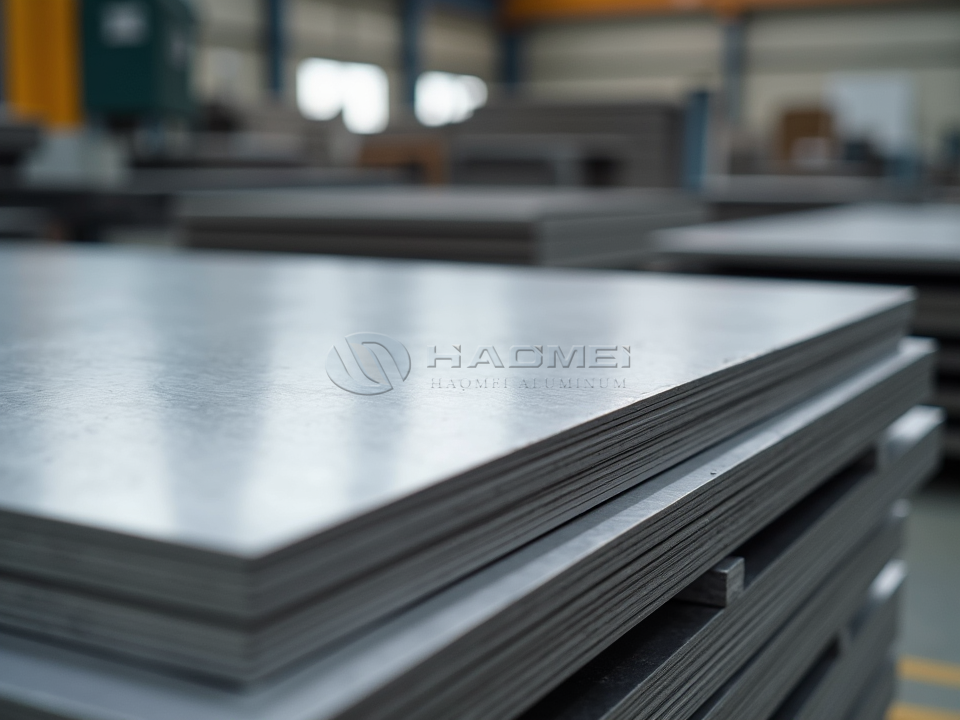
5052 Marine Anodized Aluminum Sheets
Learn how 5052 marine anodized aluminum sheets perform in saltwater, what anodizing changes, and how to choose temper, thickness, and finish for boats.
View Details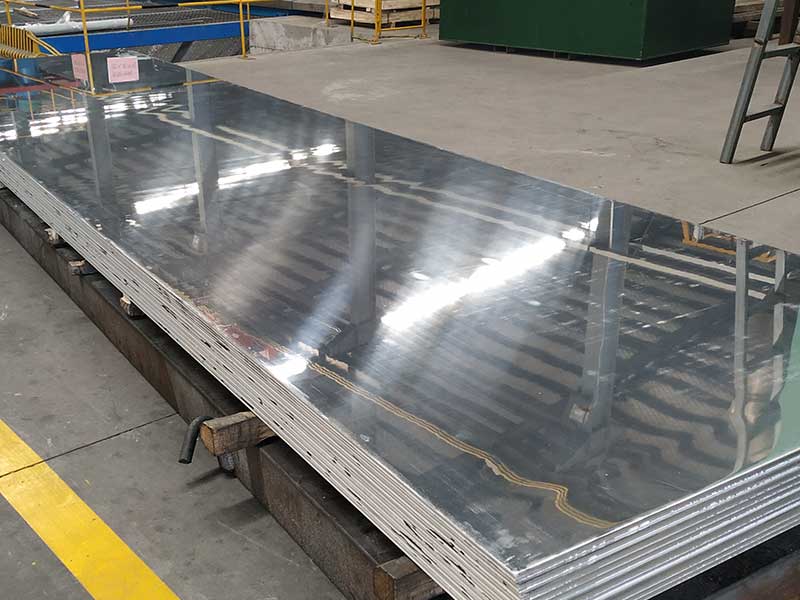
5083 marine aluminium sheet
Aluminum has emerged as a material in marine applications, primarily due to its excellent resistance to corrosion and lightweight properties. Among the various grades of aluminum.
View Details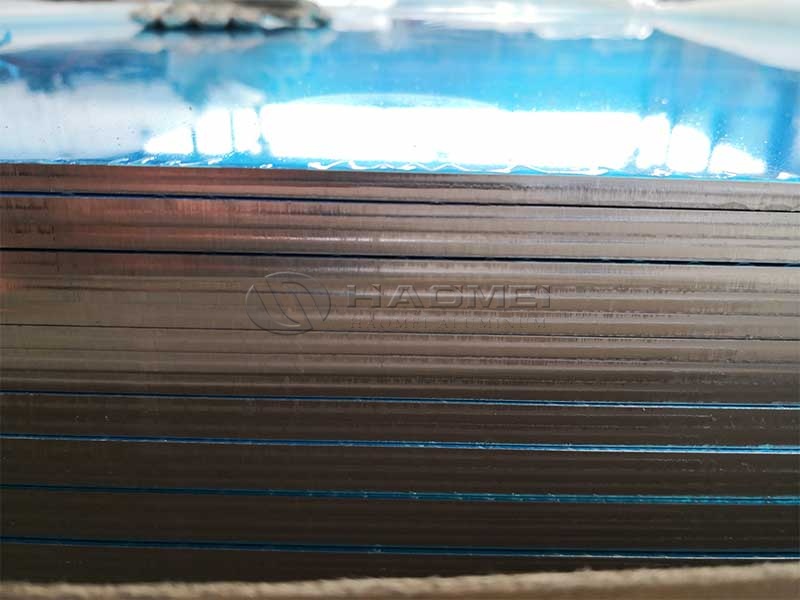
6061 Marine Perforated Aluminum Sheets
A practical guide to 6061 marine perforated aluminum sheets, covering alloy behavior, hole design, finishes, fabrication, and buying checks.
View Details
Leave a Message