
Marine Grade Building Material Aluminium Sheet
Marine grade building material aluminium sheet is designed for projects that need a strong balance of corrosion resistance, strength, workability, and long-term appearance. It is widely used in coastal architecture, waterfront infrastructure, ship-related construction, offshore support structures, and modern building envelopes exposed to humid or saline environments.
Compared with ordinary aluminium sheet, marine grade aluminium is produced from alloy families that perform better in aggressive conditions, especially where salt spray, moisture, and temperature fluctuation are constant challenges. For architects, fabricators, and contractors, it offers a practical solution that is lightweight, durable, and visually clean while also being easier to process than many alternative metals.
What Is Marine Grade Aluminium Sheet?
Marine grade aluminium sheet usually refers to aluminium alloys with excellent resistance to seawater corrosion and atmospheric attack. In the building materials sector, the most common choices belong to the 5xxx series, especially alloys containing magnesium. These alloys are valued because they maintain good mechanical strength while resisting pitting, rust-like degradation, and structural weakening in coastal service.
Typical marine grade options include 5052, 5083, 5086, and 5754 aluminium sheet. Each alloy has its own balance of strength, formability, weldability, and corrosion performance, allowing it to fit different construction needs.
Features at a Glance
| Feature | Benefit to Customers |
|---|---|
| Excellent corrosion resistance | Suitable for coastal, offshore, and humid environments |
| Low density | Reduces structural weight and eases installation |
| Good strength-to-weight ratio | Supports durable designs without excessive mass |
| Strong weldability | Ideal for fabricated panels, enclosures, tanks, and frames |
| Good formability | Easy to bend, cut, stamp, and shape for custom building use |
| Attractive surface finish | Fits decorative and architectural applications |
| Recyclability | Supports sustainable construction goals |
| Low maintenance | Helps reduce long-term service costs |
Common Alloy Grades
The choice of alloy depends on the required strength level, fabrication route, and service environment. The table below shows the most commonly used marine grade aluminium sheet alloys for building material applications.
| Alloy | Main Characteristics | Typical Building and Marine Uses |
|---|---|---|
| 5052 | Good corrosion resistance, very good formability, moderate strength | Interior and exterior panels, roofing, cladding, ducts, decorative parts |
| 5083 | Very high corrosion resistance, high strength, excellent for harsh marine environments | Structural panels, shipbuilding components, offshore platforms, heavy-duty enclosures |
| 5086 | High strength, excellent seawater resistance, strong weldability | Gangways, marine walkways, transport structures, coastal fabrication |
| 5754 | Good corrosion resistance, good surface quality, medium strength | Vehicle bodies, architectural panels, flooring, pressure vessels, façade systems |
Typical Chemical Composition
Chemical composition varies by grade, but magnesium is the element behind the corrosion resistance and strength of many marine alloys. Below is a simplified reference table for common grades.
| Alloy | Mg (%) | Mn (%) | Cr (%) | Si (%) | Fe (%) | Cu (%) | Zn (%) | Al |
|---|---|---|---|---|---|---|---|---|
| 5052 | 2.2–2.8 | 0.10 max | 0.15–0.35 | 0.25 max | 0.40 max | 0.10 max | 0.10 max | Balance |
| 5083 | 4.0–4.9 | 0.40–1.0 | 0.05–0.25 | 0.40 max | 0.40 max | 0.10 max | 0.25 max | Balance |
| 5086 | 3.5–4.5 | 0.20–0.7 | 0.05–0.25 | 0.40 max | 0.50 max | 0.10 max | 0.25 max | Balance |
| 5754 | 2.6–3.6 | 0.50 max | 0.30 max | 0.40 max | 0.40 max | 0.10 max | 0.20 max | Balance |
Mechanical and Physical Performance
Marine grade aluminium sheet is valued not only for corrosion resistance but also for reliable mechanical performance in fabrication and service.
| Property | 5052 | 5083 | 5086 | 5754 |
|---|---|---|---|---|
| Density (g/cm³) | 2.68 | 2.66 | 2.66 | 2.67 |
| Tensile strength, typical (MPa) | 210–260 | 290–350 | 260–330 | 190–260 |
| Yield strength, typical (MPa) | 130–200 | 145–280 | 125–260 | 80–180 |
| Elongation (%) | 10–20 | 10–16 | 10–17 | 12–22 |
| Thermal conductivity (W/m·K) | ~138 | ~121 | ~125 | ~130 |
| Electrical conductivity (% IACS) | ~35 | ~29 | ~30 | ~33 |
Actual values depend on temper, thickness, and production standard. Common tempers include H111, H112, H116, H32, and O.
Standard Technical Specifications
Marine grade building material aluminium sheet can be supplied in a broad range of dimensions and finishes to support fabrication efficiency.
| Item | Typical Range |
|---|---|
| Thickness | 0.5 mm – 200 mm |
| Width | 1000 mm – 2500 mm |
| Length | 2000 mm – 12000 mm |
| Temper | O, H111, H112, H116, H32, H34 |
| Surface finish | Mill finish, brushed, anodized base, coated, embossed |
| Flatness | According to agreed standard or project requirement |
| Standards | ASTM, EN, GB, AMS, marine society specifications |
| Processing options | Cutting, slitting, CNC machining, bending, welding preparation, protective film |
Why It Works Well in Marine and Coastal Construction
In marine and seaside building projects, materials face a difficult mix of salt-laden air, moisture retention, UV exposure, and cyclical heating and cooling. Steel may require heavy coating systems and ongoing maintenance. Some other metals are durable but expensive and heavy. Marine grade aluminium sheet offers a more balanced route.
Its naturally forming oxide layer helps protect the base metal. In magnesium-bearing aluminium alloys, this resistance becomes even stronger in many real-world environments. The result is a material that performs well for:
- exterior cladding near the coast
- marina structures and access systems
- roof and wall panels in humid zones
- ship-adjacent building components
- offshore equipment housings
- bridge, walkway, and platform covers
Because aluminium is lightweight, installers can handle large sheets more easily, often reducing labor intensity and support load. This is particularly useful for façade systems, prefabricated building elements, and modular construction.
Main Application Areas
Coastal Architecture
Marine grade aluminium sheet is widely used in façades, curtain wall backing panels, decorative cladding, soffits, roofing panels, and sun-shading systems. It helps maintain appearance and structural integrity where conventional materials may stain, corrode, or require frequent repainting.
Port and Waterfront Infrastructure
Terminals, ferry stations, boardwalks, railings, equipment cabinets, and service covers often rely on marine grade aluminium sheet. It performs well in locations where splash exposure and salt mist are common.
Ship-Related Building Materials
Workshops, storage rooms, control enclosures, marine access platforms, gangways, and dockside support structures benefit from the alloy's weldability and corrosion resistance. In these settings, the material serves both structural and protective roles.
Interior Wet or Hygienic Environments
Marine grade aluminium sheet is also useful in kitchens, food processing areas, laboratory fit-outs, and washdown spaces. Its clean surface, low maintenance needs, and resistance to humid conditions make it a practical option beyond the shoreline.
Surface Options for Building Use
The same alloy can present very different visual and functional results depending on surface treatment.
| Surface Option | Appearance | Practical Advantage |
|---|---|---|
| Mill finish | Natural metallic look | Cost-effective and suitable for industrial use |
| Brushed finish | Fine directional texture | Popular for modern architectural panels |
| Anodizing base | Clean, refined metallic surface | Improves decorative durability and surface hardness |
| PVDF or powder coated | Wide color range | Better weatherability and design flexibility |
| Embossed sheet | Textured surface | Enhanced slip resistance or decorative value |
For harsh outdoor exposure, coating selection and fabrication details are just as important as alloy selection. Proper edge sealing, drainage design, and compatible fasteners help extend service life.
Fabrication Advantages
Marine grade building material aluminium sheet is appreciated by processors because it combines durability with practical shop performance.
| Fabrication Method | Performance |
|---|---|
| Cutting | Clean cutting with standard industrial methods |
| Bending | Good bending performance, especially in softer tempers |
| Welding | Strong weldability for 5xxx series alloys |
| Punching | Suitable for perforated architectural panels |
| Forming | Good for curved and custom-shaped structures |
| Machining | Efficient processing with proper tooling |
This ease of fabrication supports both standard stock components and custom design projects, making the material attractive for engineering teams and architectural manufacturers alike.
Selection Tips
When choosing marine grade aluminium sheet, buyers should compare project conditions rather than selecting only by price.
| Consideration | Recommendation |
|---|---|
| High structural demand | Choose 5083 or 5086 |
| Strong forming requirement | Consider 5052 or 5754 |
| Decorative architectural use | Focus on surface quality and coating compatibility |
| Long outdoor coastal exposure | Confirm alloy, temper, fastener compatibility, and coating system |
| Welding-intensive fabrication | Prefer 5xxx series marine alloys with proven weld performance |

Related Products
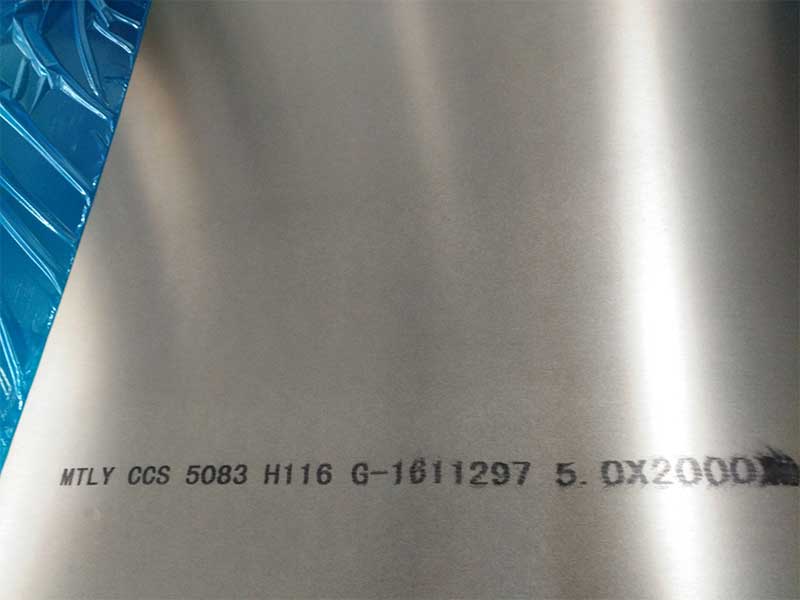
Marine 5083 aluminum sheet
Aluminum alloy 5083 is a non-heat-treatable alloy primarily composed of magnesium and trace elements that deliver outstanding protection against corrosion, particularly in seawater and saline atmospheres.
View Details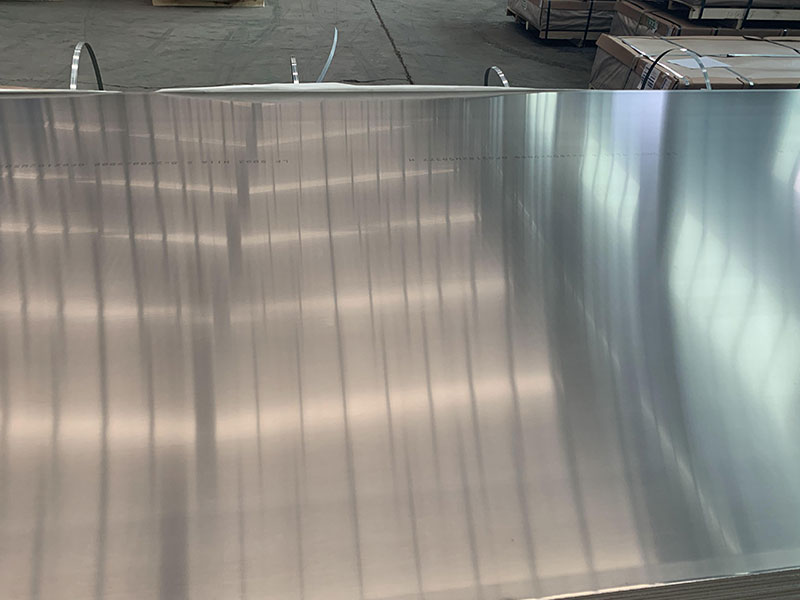
Marine 5383 aluminum sheet
5383 aluminum is a strain-hardened, non-heat-treatable alloy from the 5xxx series primarily alloyed with magnesium. It exhibits a unique balance of corrosion resistance and mechanical properties particularly suited for marine applications.
View Details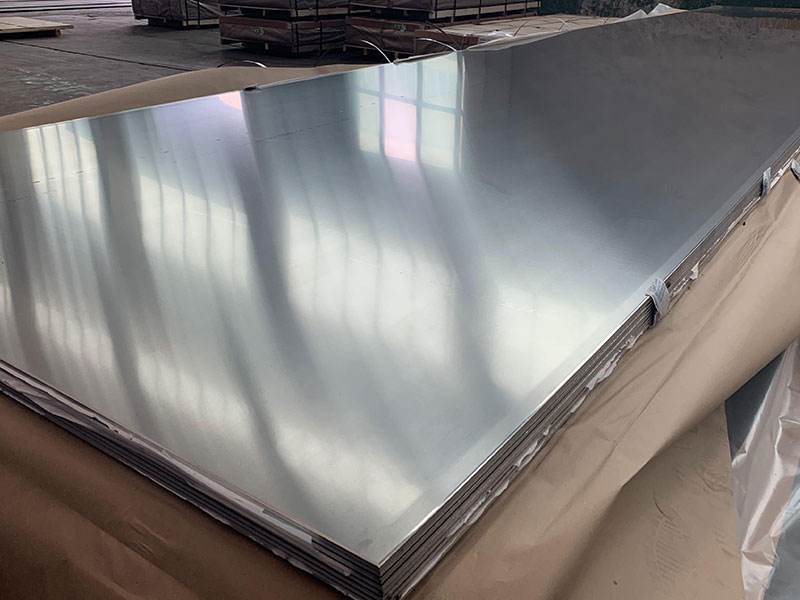
Marine 5086 aluminum sheet
This product article provides an in-depth and comprehensive understanding of Marine 5086 Aluminum Sheets, including their chemical composition, mechanical properties, corrosion resistance, fabrication capabilities, and typical marine applications.
View Details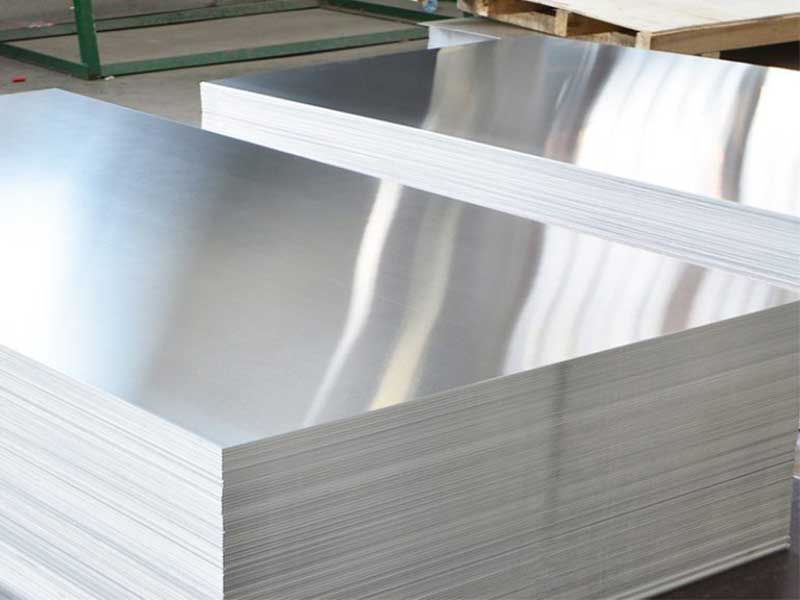
Marine anodized aluminum sheets
Marine Anodized Aluminum Sheets start with premium marine-grade aluminum alloys such as 5000 and 6000 series (typically 5083, 5052, and 6061).
View Details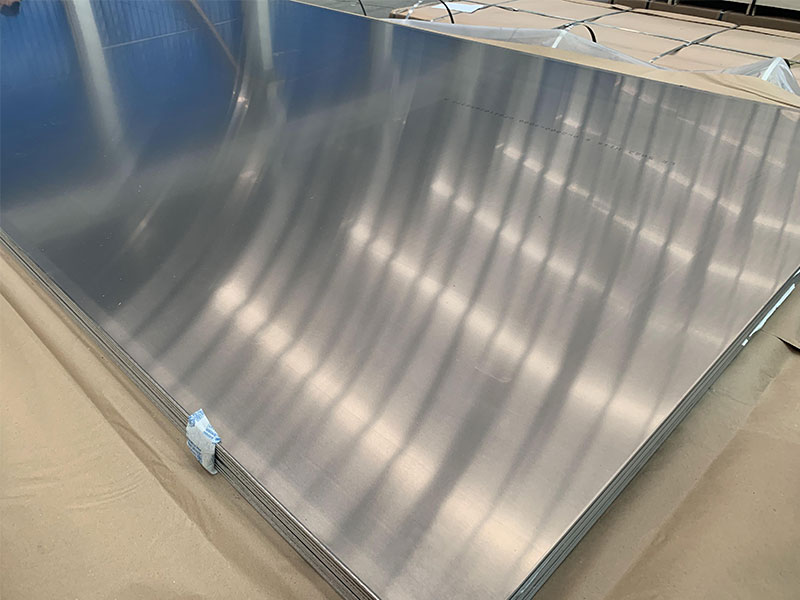
Marine 5052 aluminum sheet
Aluminum alloy 5052 is a non-heat-treatable, strain-hardened alloy with magnesium as the primary alloying element. It is designed to offer superior corrosion resistance in marine and saline environments, making it a dependable choice for components exposed directly to seawater or coastal atmospheric conditions.
View Details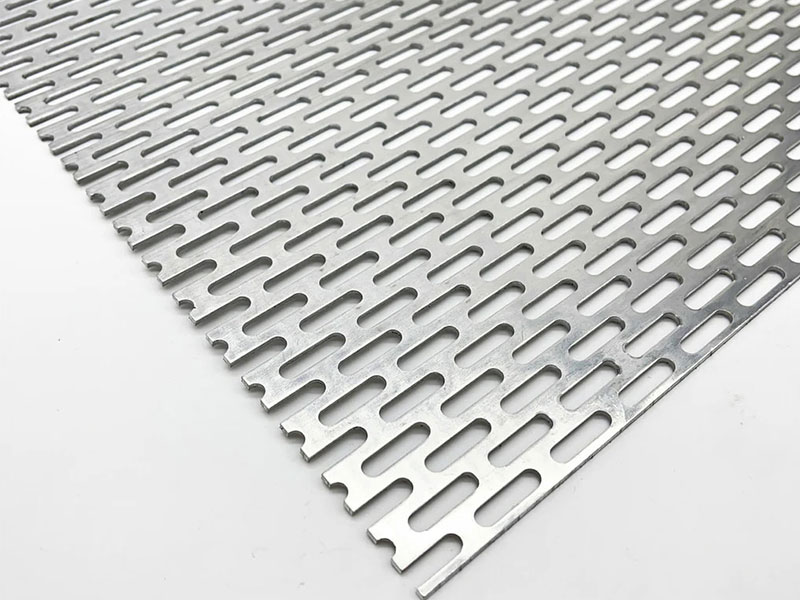
Marine perforated aluminum sheets
Marine Perforated Aluminum Sheets feature a series of uniform holes or shapes punched through the aluminum surface. These perforations can vary in size, pattern, and open area to tailor the sheets for specific applications.
View DetailsRelated Blog
Marine 5086 Aluminum Plate
Marine 5086 aluminum plate offers strong corrosion resistance, weldability, and stable strength for hulls, decks, tanks, and offshore use.
View Details
Aluminum foil 0.5mm Thick 5000 Series Marine Grade
Aluminum Foil 0.5mm Thick 5000 Series Marine Grade: A "Sealing Skin" for Real-World Marine WorkWhen people hear "aluminum foil," they often imagine thin kitchen wrap.
View Details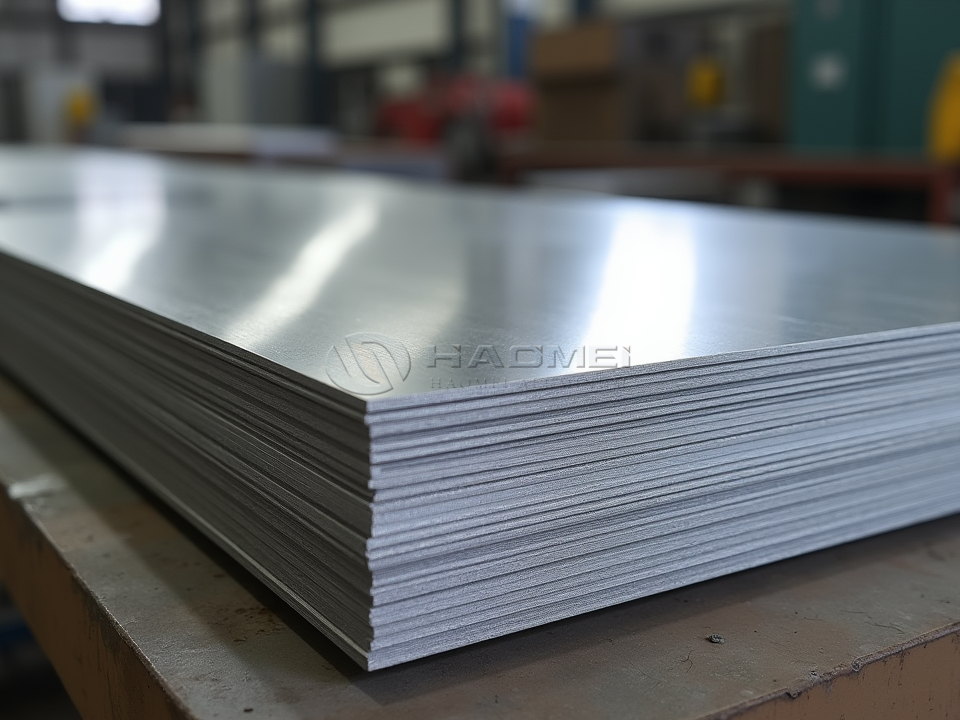
Ship Building Aluminum Plate 5083 H116 For Boat
5083 H116 ship building aluminum plate for boat hulls, covering standards, temper, properties, chemical composition, sizes, welding, corrosion and use.
View Details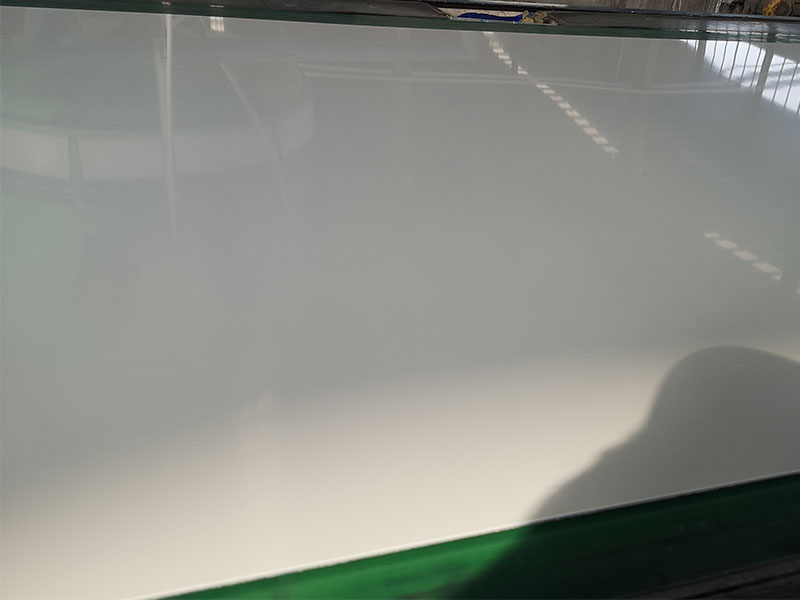
Aluminium sheet for the marine grade
Marine-Grade Aluminium Sheet: The Quiet Engineering Behind Reliable Boats and Offshore StructuresWhen people think about marine performance, they often picture hull shapes, propulsion systems, or advanced coatings.
View Details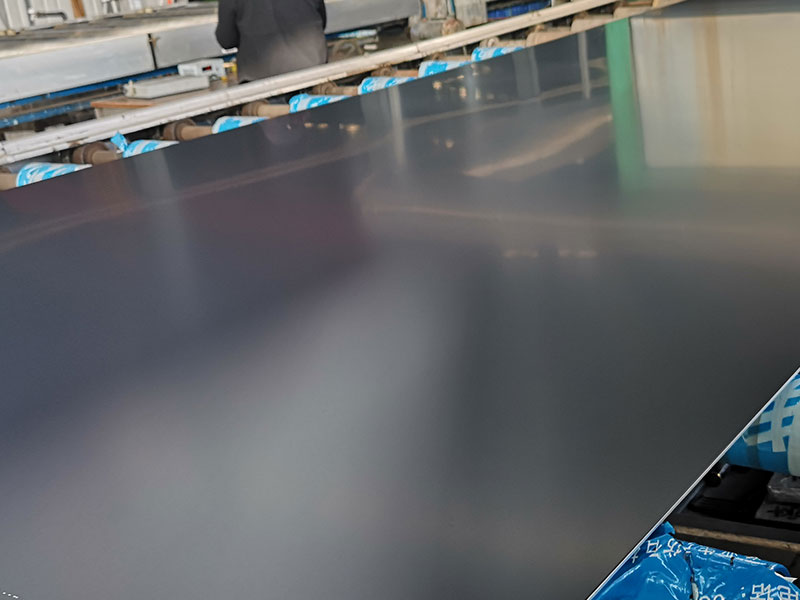
Aluminium Coil Or Sheet For Boat
When it comes to maritime design and construction, selecting materials that balance strength, weight, and corrosion resistance is critical.
View Details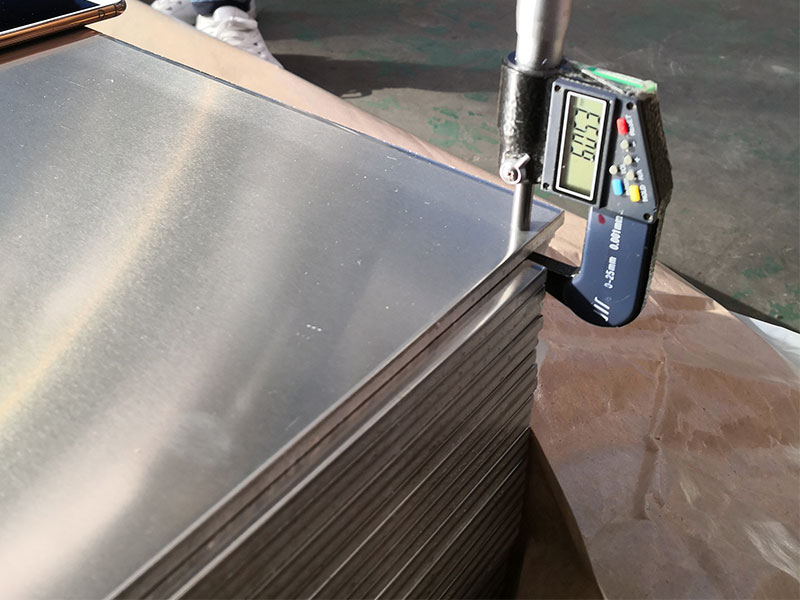
5754 2mm Anodized Aluminum Sheet For Boat Building
High-performance 5754 2mm anodized aluminum sheets designed specifically for boat building. Excellent corrosion resistance, superior strength, and durable finish ensure longevity in marine environments.
View Details
Leave a Message