
Aluminum Sheet For Boat 1mm Thick
A 1mm thick aluminum sheet for boat construction is a practical material for lightweight marine components that need reliable corrosion resistance, clean appearance, and easy fabrication. For this thickness, 5052 aluminum alloy is commonly selected because it performs well in humid, salt-laden, and freshwater environments while remaining easy to bend, cut, rivet, and form.
At only 1mm thick, the sheet is best suited to non-primary structural parts rather than heavy-duty hull plating. It provides an efficient solution for cabin linings, consoles, lockers, trim panels, splash guards, interior bulkheads, lightweight deck covers, and small craft fittings. Proper framing, support spacing, and fastening design are essential where stiffness is required.
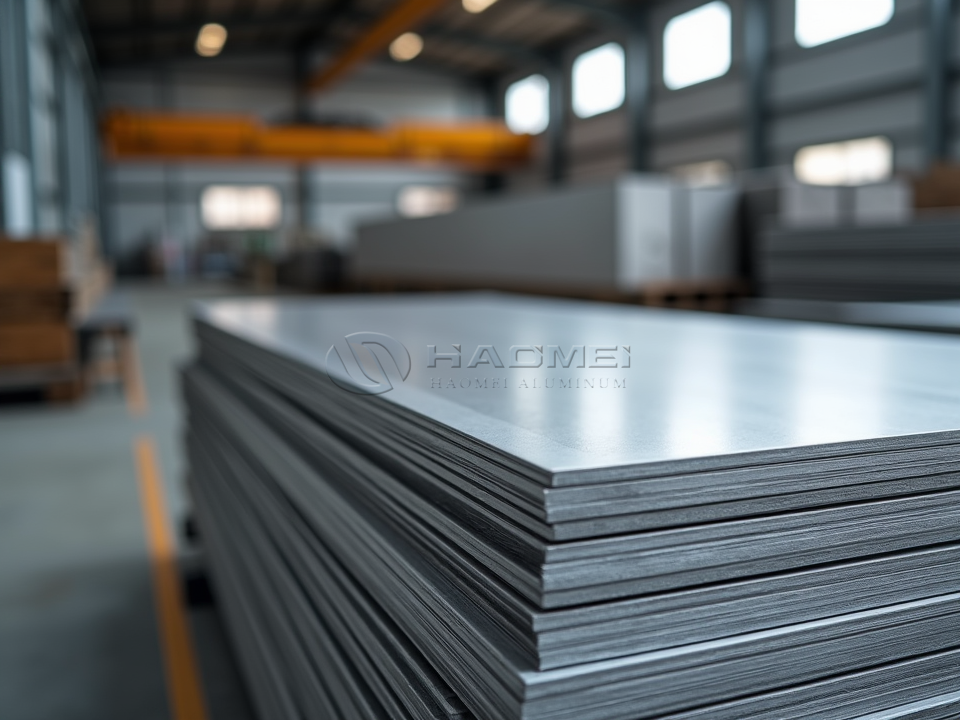
Why 1mm Aluminum Sheet Works Well on Boats
Aluminum has a density of approximately one-third of steel. A 1mm aluminum panel can therefore reduce weight significantly, supporting improved fuel economy, easier handling, and a lower center of gravity in small recreational and working boats. The material naturally develops a thin oxide layer that helps protect the surface from atmospheric attack.
Marine 5052 sheet contains magnesium and chromium, creating a balance of moderate strength, excellent forming behavior, and strong resistance to general corrosion. In comparison with ordinary commercial aluminum, marine-grade 5052 is better suited to wet compartments, coastal exposure, and areas where condensation may remain for extended periods.
| Benefit | Value for Boat Construction |
|---|---|
| Low density | Reduces component weight and handling effort |
| Marine corrosion resistance | Helps resist moisture, salt spray, and freshwater exposure |
| Good formability | Suitable for bends, folds, curved trims, and fabricated covers |
| Weldability | Compatible with suitable aluminum welding methods |
| Clean surface finish | Supports painting, powder coating, anodizing, or bare-metal appearance |
| Recyclability | Retains material value at end of service life |
Recommended Alloy and Temper
For thin boat panels, 5052-H32 and 5052-H34 are frequently specified. H32 provides a practical balance between strength and formability, while H34 offers somewhat higher strength with slightly reduced bending freedom. Temper selection should reflect the radius of bends, the number of forming operations, and required dent resistance.
Customers requiring different corrosion and strength characteristics can compare broader Marine Grade Aluminum Sheets for specialized vessel parts and operating conditions.
| Alloy / Temper | Typical Use | Forming Behavior | Relative Strength | Marine Suitability |
|---|---|---|---|---|
| 5052-O | Deep formed covers, curved panels | Excellent | Low | Very good |
| 5052-H32 | Cabin panels, lockers, trims, linings | Very good | Medium | Excellent |
| 5052-H34 | Flat covers, guards, stiffer panels | Good | Medium-high | Excellent |
| 5083-H116 | Heavier hull and structural plating | Moderate | High | Excellent |
A 1mm sheet should not be treated as a direct substitute for engineered hull plate. Hull shell thickness, framing, weld design, slamming load, and class requirements must be assessed by a qualified marine designer.
Technical Specifications
| Parameter | Typical Specification |
|---|---|
| Product | Aluminum sheet for boat fabrication |
| Nominal thickness | 1.00mm |
| Thickness tolerance | Subject to applicable mill standard and ordered width |
| Common alloy | AA 5052 |
| Common tempers | O, H32, H34 |
| Density | Approximately 2.68 g/cm³ |
| Standard widths | 1,000mm, 1,220mm, 1,250mm, 1,500mm, or custom slit width |
| Common lengths | 2,000mm, 2,440mm, 3,000mm, coil, or cut-to-length |
| Surface options | Mill finish, brushed, PVC-protected, painted, anodized |
| Fabrication methods | Cutting, bending, drilling, riveting, adhesive bonding, welding |
| Applicable standards | ASTM B209, EN 485, EN 573, or agreed customer specification |
The calculated mass of a 1mm 5052 sheet is approximately 2.68kg per square meter. This makes it far easier to transport and install than steel sheet of comparable dimensions.
| Sheet Size | Area | Approximate Weight at 1mm |
|---|---|---|
| 1,000mm x 2,000mm | 2.00m² | 5.36kg |
| 1,220mm x 2,440mm | 2.98m² | 7.98kg |
| 1,250mm x 2,500mm | 3.13m² | 8.38kg |
| 1,500mm x 3,000mm | 4.50m² | 12.06kg |
Typical Chemical Composition of 5052 Aluminum
The following values represent common AA 5052 composition limits. Actual mill certificates should be reviewed when chemistry control is required for a particular contract or fabrication process.
| Element | Content, % by Weight |
|---|---|
| Magnesium, Mg | 2.2 - 2.8 |
| Chromium, Cr | 0.15 - 0.35 |
| Iron, Fe | 0.40 max |
| Silicon, Si | 0.25 max |
| Copper, Cu | 0.10 max |
| Manganese, Mn | 0.10 max |
| Zinc, Zn | 0.10 max |
| Other elements | 0.05 each max, 0.15 total max |
| Aluminum, Al | Balance |
Mechanical and Physical Performance
Mechanical values vary with temper, sheet direction, testing method, and production standard. These figures are useful for preliminary material selection rather than final structural design.
| Property | 5052-H32 Typical Value | 5052-H34 Typical Value |
|---|---|---|
| Tensile strength | 210 - 260 MPa | 230 - 280 MPa |
| Yield strength | 130 - 195 MPa | 160 - 215 MPa |
| Elongation | 7 - 15% | 5 - 12% |
| Brinell hardness | Approx. 60 HB | Approx. 68 HB |
| Elastic modulus | Approx. 70 GPa | Approx. 70 GPa |
| Melting range | Approx. 605 - 650°C | Approx. 605 - 650°C |
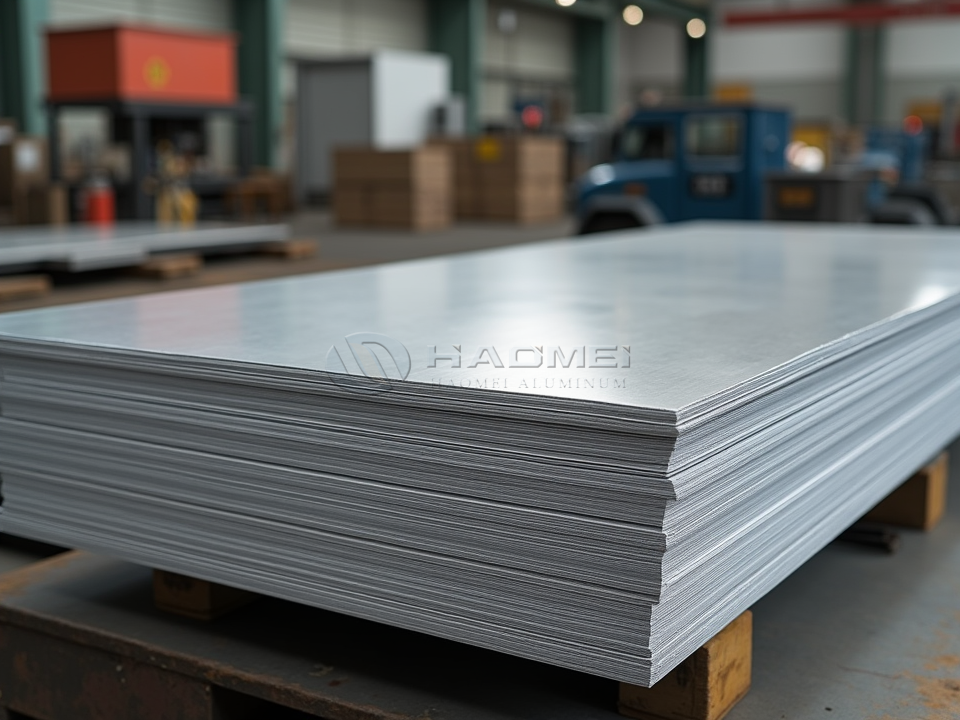
Boat Applications for 1mm Sheet
A 1mm marine aluminum sheet performs especially well where low weight and corrosion resistance matter more than high structural load capacity.
| Boat Area | Suitable 1mm Sheet Application |
|---|---|
| Cabin | Wall linings, ceiling panels, window surrounds, partition skins |
| Cockpit | Console faces, instrument panels, storage doors, splash panels |
| Deck equipment | Light covers, access panels, chain locker liners, protective guards |
| Interior | Galley backsplashes, cabinet panels, berth trim, locker liners |
| Utility craft | Tool boxes, lightweight enclosures, signage panels, equipment shields |
| Tender and small craft | Seat bases with support frames, trim sections, interior skins |
For walking surfaces where improved grip is required, Marine Aluminum Tread Sheets can be a stronger practical choice than smooth 1mm sheet, particularly in wet boarding or service areas.
Fabrication Guidance
Thin aluminum sheets can show oil-canning or surface waviness if formed without adequate support. Use broad backing surfaces during cutting and bending, and avoid excessive clamping pressure that may leave marks. A generous bend radius reduces the risk of edge cracking, especially with H34 temper.
Where sheets contact stainless steel, copper alloys, carbon steel, or wet timber, isolate the materials with approved non-conductive tape, sealant, gasket material, or coating. This reduces the chance of galvanic corrosion. Fasteners should be selected for marine service, and all drilled edges should be deburred to prevent stress concentration and coating damage.
For welded fabrication, clean the joining surfaces thoroughly and use a process appropriate for thin aluminum. Excessive heat input may distort 1mm sheet. Riveting, structural adhesive bonding, or screwed joints can be preferable for removable covers and lightly loaded assemblies.
Surface Protection and Service Life
Bare 5052 aluminum can perform well in many boat environments, but surface finishing may improve appearance, cleanability, and protection in aggressive service. Anodizing is useful for decorative trim and cabin components. Marine paint systems are appropriate when color matching or added barrier protection is required. PVC protective film can also be supplied to preserve the finish during fabrication.
Regular washing with fresh water removes salt deposits, while avoiding strongly alkaline cleaners helps preserve the surface. With sensible design, correct isolation of dissimilar metals, and appropriate drainage, a 1mm 5052 aluminum sheet offers a durable and economical material solution for lightweight boat parts.

Related Products
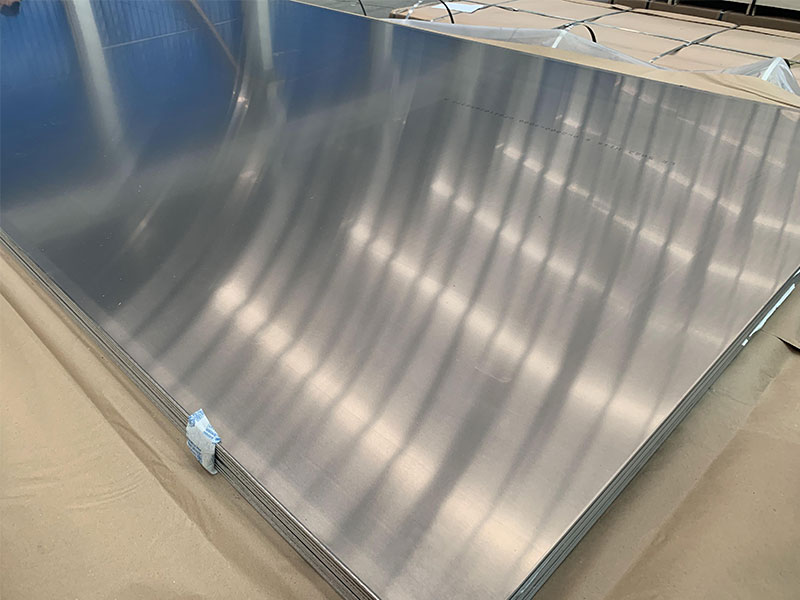
Marine 5052 aluminum sheet
Aluminum alloy 5052 is a non-heat-treatable, strain-hardened alloy with magnesium as the primary alloying element. It is designed to offer superior corrosion resistance in marine and saline environments, making it a dependable choice for components exposed directly to seawater or coastal atmospheric conditions.
View Details
Marine 5086 aluminum sheet
This product article provides an in-depth and comprehensive understanding of Marine 5086 Aluminum Sheets, including their chemical composition, mechanical properties, corrosion resistance, fabrication capabilities, and typical marine applications.
View Details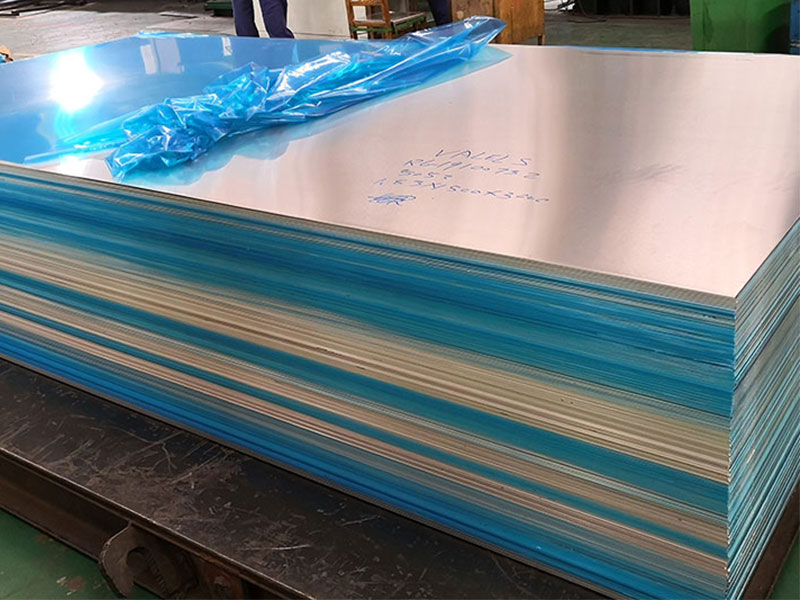
Marine 5059 aluminum sheet
5059 aluminum alloy is a strain-hardened material with a unique addition of magnesium and chromium, which provides outstanding resistance to localized corrosion like pitting and stress corrosion cracking.
View Details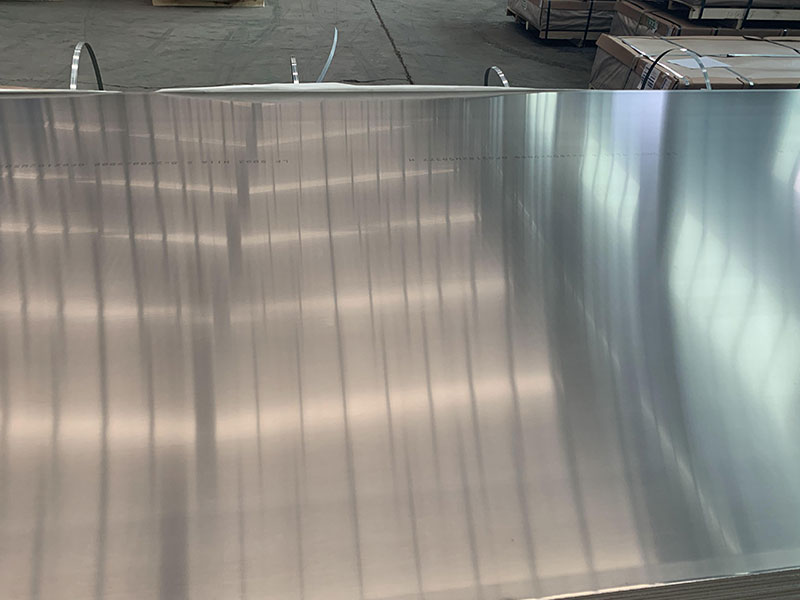
Marine 5383 aluminum sheet
5383 aluminum is a strain-hardened, non-heat-treatable alloy from the 5xxx series primarily alloyed with magnesium. It exhibits a unique balance of corrosion resistance and mechanical properties particularly suited for marine applications.
View Details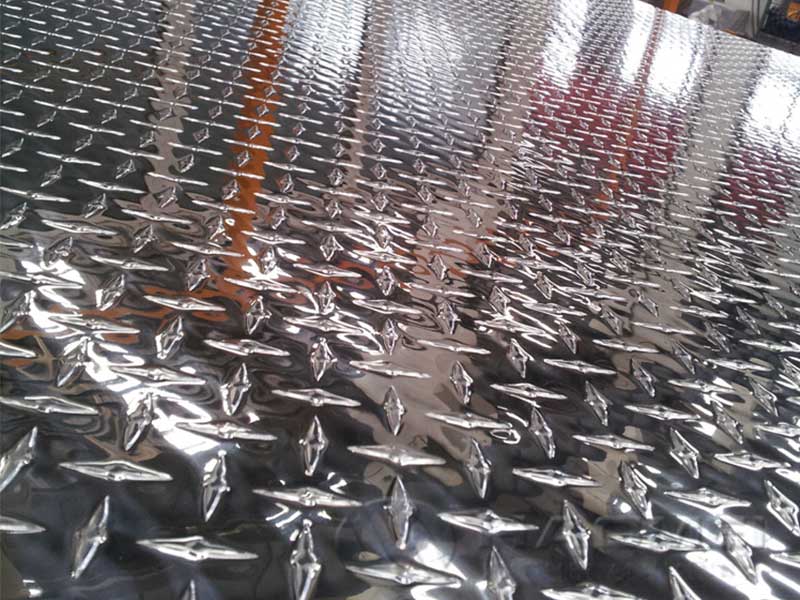
Marine Aluminum Tread Sheets
Marine Aluminum Tread Sheets are aluminum alloy plates featuring a raised surface pattern, commonly referred to as a tread design or diamond plate.
View Details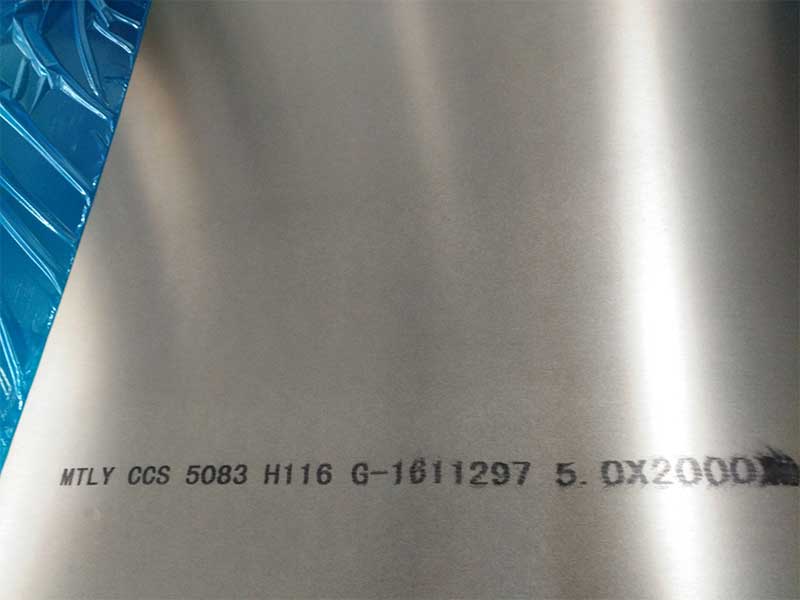
Marine 5083 aluminum sheet
Aluminum alloy 5083 is a non-heat-treatable alloy primarily composed of magnesium and trace elements that deliver outstanding protection against corrosion, particularly in seawater and saline atmospheres.
View DetailsRelated Blog
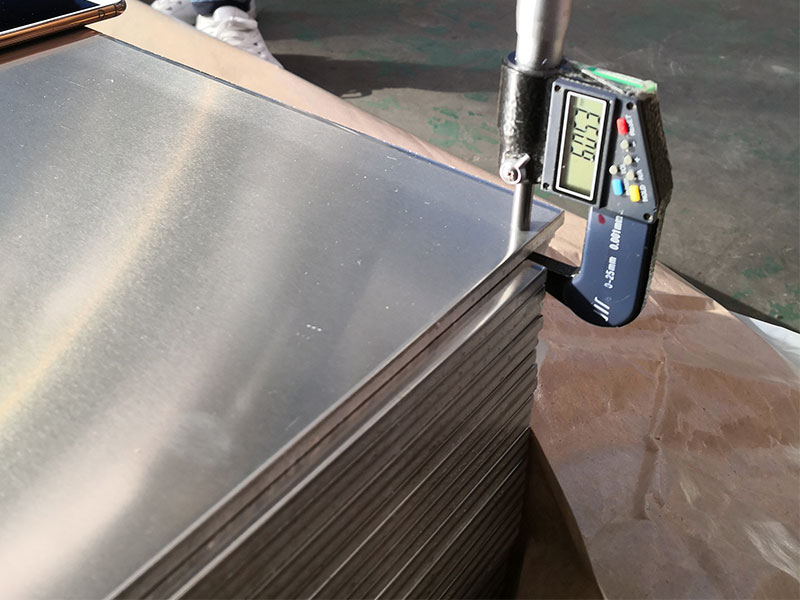
5754 2mm Anodized Aluminum Sheet For Boat Building
High-performance 5754 2mm anodized aluminum sheets designed specifically for boat building. Excellent corrosion resistance, superior strength, and durable finish ensure longevity in marine environments.
View Details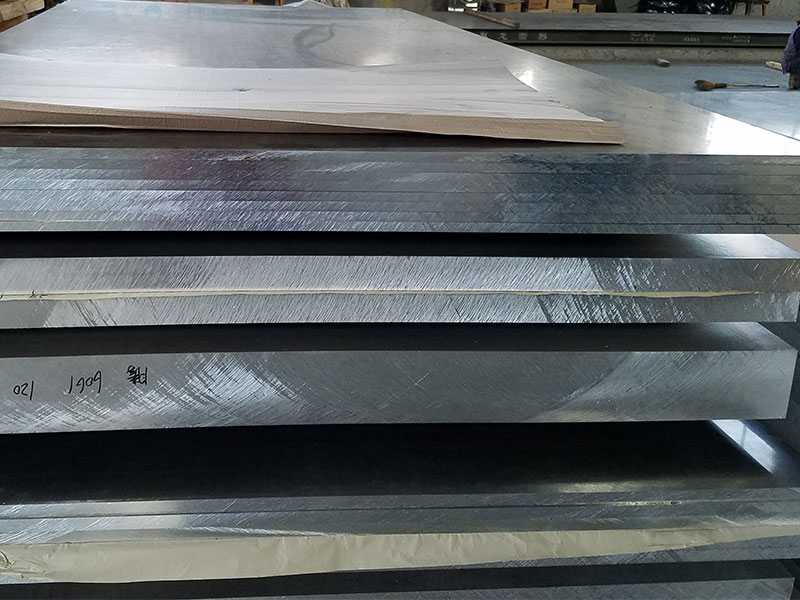
Marine Grade 5052 H112 Aluminum Coil
When it comes to marine construction and equipment, material choice plays a crucial role in determining durability, performance, and safety. Marine Grade 5052 H112 aluminum coil stands out as a superior option specially engineered for marine environments.
View Details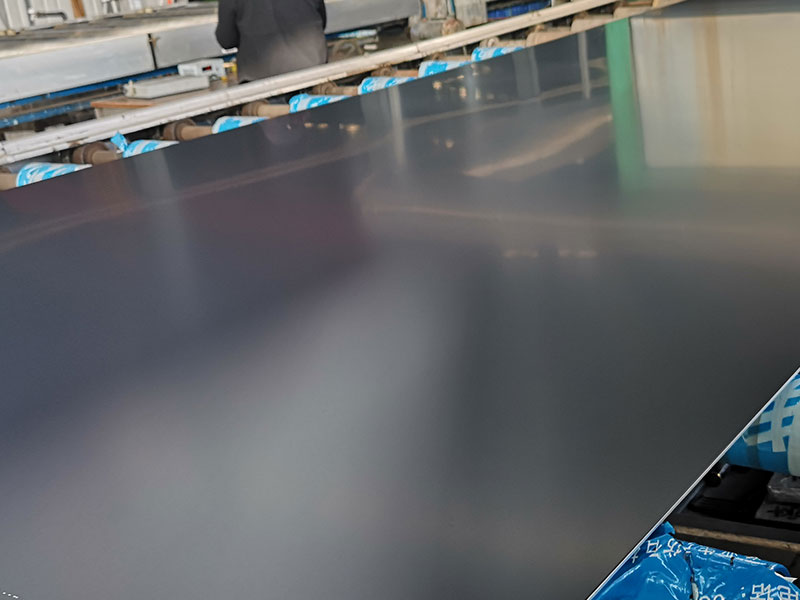
Marine 3 gauge 4 x 8 x 1 4 aluminum sheet
Marine 3 Gauge 4 x 8 x 1/4 Aluminum Sheet: A Seaworthy "Thickness Story" Told in MetalA marine 3 gauge 4 x 8 x 1/4 aluminum sheet is more than a size callout-it's a practical promise.
View Details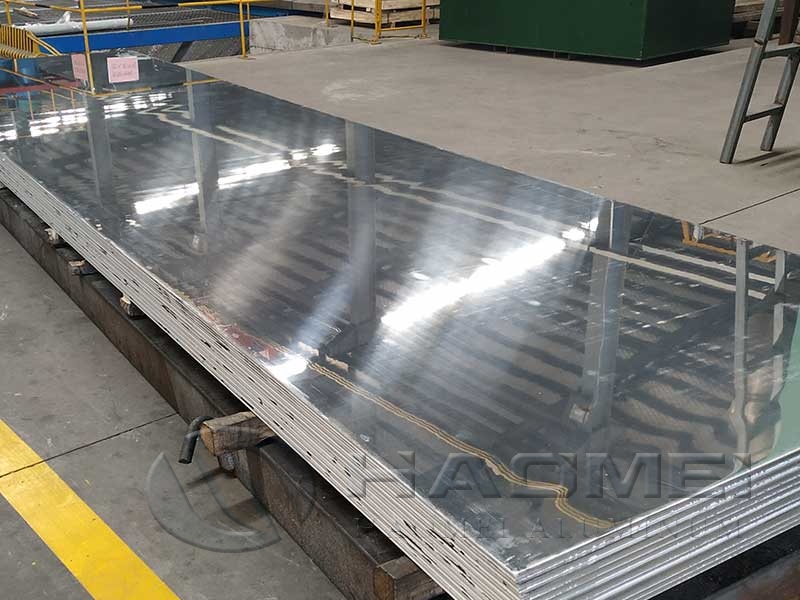
Marine 5052 Aluminum Plate
Marine 5052 aluminum plate offers excellent seawater corrosion resistance, high formability, and weldability for hulls, tanks, decking, and coastal fabrications.
View Details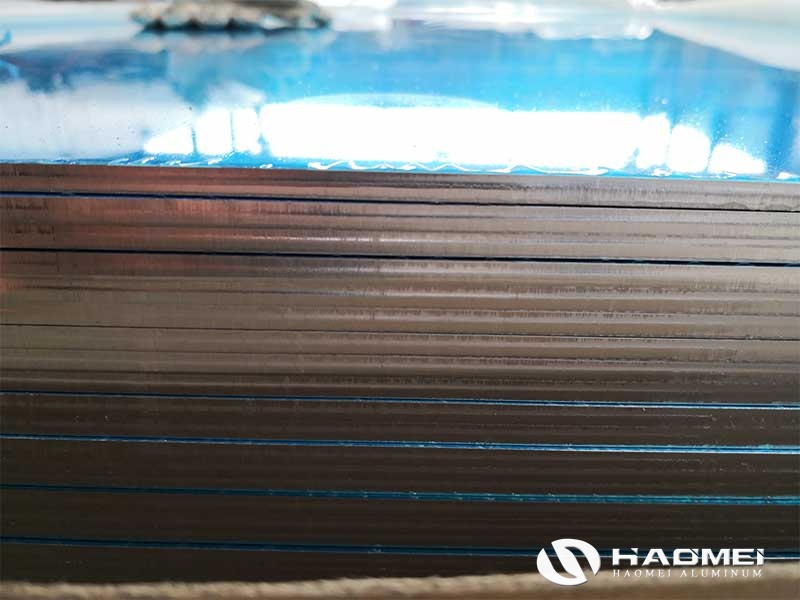
Marine 5052 Aluminum Sheet
Marine 5052 aluminum sheet offers excellent seawater corrosion resistance, easy forming, and reliable weldability for hulls, tanks, and deck components.
View Details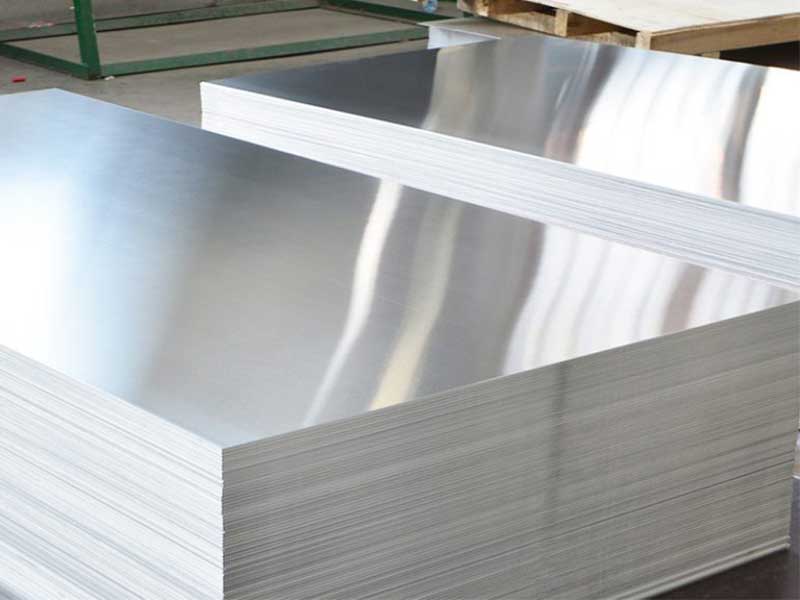
Naval Aluminium Sheet Marine 5052 H32
Naval Aluminium Sheet Marine 5052 H32 is a premium-grade aluminum alloy sheet specifically engineered for marine and naval applications. Known for its excellent corrosion resistance, high strength-to-weight ratio, and superior weldability.
View Details
Leave a Message