
Marine 3 gauge 4 x 8 x 1 4 aluminum sheet
Marine 3 Gauge 4 x 8 x 1/4 Aluminum Sheet: A Seaworthy "Thickness Story" Told in Metal
A marine 3 gauge 4 x 8 x 1/4 aluminum sheet is more than a size callout-it's a practical promise. It says the sheet is meant to live where salt, spray, impact, vibration, and long service cycles are normal conditions, not exceptions.
Before diving into alloys and standards, a quick clarification that matters in real procurement: "3 gauge" can be used loosely in the market. In marine aluminum contexts, buyers often intend a 0.250 inch (1/4") thickness. The safest practice is to specify thickness in inches or millimeters on the PO, because gauge systems vary by region and standard.
What "4 x 8 x 1/4" Really Buys You on the Water
A 4 ft x 8 ft sheet is the working canvas of marine fabrication-large enough for efficient nesting of parts, small enough for handling in many shops, and compatible with common CNC tables and press brake setups. 1/4 inch thickness sits in a sweet spot for many marine tasks: heavy-duty decks, transom components, gussets, bulkheads, structural liners, ramps, hatch surrounds, and equipment pads-places where you need stiffness and dent resistance without jumping to thick plate and the costs that come with it.
From a design viewpoint, 1/4 inch aluminum in a marine alloy behaves like a "calm-water stabilizer." It reduces oil-canning, supports welded assemblies with less distortion than thin sheet, and gives more weld throat flexibility-especially important when real-world welders are building real-world boats.
Typical Parameters for Marine 3 Gauge 4 x 8 x 1/4 Aluminum Sheet
The following are the parameters buyers and fabricators actually care about when the sheet hits the shop floor:
- Product form: Marine aluminum sheet (often supplied as plate-grade sheet depending on mill route)
- Nominal size: 48 in x 96 in x 0.250 in
- Metric equivalent: 1219 mm x 2438 mm x 6.35 mm
- Thickness tolerance: Depends on standard and mill; commonly governed by ASTM/EN plate or sheet tolerances
- Finish: Mill finish is common; can also be supplied with protective PVC film for cosmetic applications
- Edge condition: Sheared or saw-cut; deburred options may be available
- Flatness: Improved flatness options can be specified for CNC cutting and fit-up critical work
If your application is cosmetics-forward-polished interior panels, visible storage lids, decorative trims-film-protected sheets reduce scratches and rework time, especially in high-traffic fabrication shops.
The Marine Alloys That Make This Sheet "Marine" in the First Place
When people say "marine aluminum," they generally mean 5xxx series aluminum-magnesium alloys because magnesium strengthens the metal while retaining outstanding resistance to seawater corrosion. For a 4 x 8 x 1/4 marine sheet, the most common alloy choices are:
5083
Chosen when the job is harsh: higher strength, excellent seawater performance, widely used in hulls, decks, and structural marine components.
5086
A close marine cousin of 5083, popular for hull plating and welded structures, valued for strong corrosion resistance and good formability.
5052
Excellent corrosion resistance and great formability; often used for tanks, enclosures, and lighter-duty marine fabrications. In 1/4 inch, it can still serve structurally in many non-hull-critical parts.
The "distinctive viewpoint" is this: in marine environments, the alloy isn't just a strength choice-it's a corrosion strategy. You're selecting how the material will behave after years of chloride exposure, weld heat input, and crevice conditions around fasteners.
Tempering Conditions: Why Temper Is a Marine Performance Lever
Temper is where marine aluminum becomes a controlled material rather than just a metal sheet. Common tempers for marine-grade 5xxx sheet in this thickness include:
H116
Purpose-built for marine: improved resistance to exfoliation corrosion and stress corrosion cracking in seawater service. Frequently specified for 5083 in hull and structural applications.
H321
Stabilized after cold work; common for 5083. It offers a balance of strength and good performance in welded marine structures.
H111
A lower-strength, more formable condition, often used where bending and shaping matter more than peak strength.
In practical fabrication terms, temper influences how the sheet behaves under a brake, how it responds near welds, and how it holds up in service once chloride exposure and cyclic stress begin their long work.
Implementation Standards and Common Specification Language
A marine 4 x 8 x 1/4 aluminum sheet is typically ordered and certified under widely recognized standards. Availability varies by region and mill.
Common standards used in marine aluminum procurement include:
- ASTM B209 for aluminum and aluminum-alloy sheet and plate (widely used in North America)
- EN 485 series for aluminum sheet/plate tolerances and mechanical properties (common in Europe)
- EN 573 series for chemical composition (Europe)
- Classification society expectations may apply depending on vessel class and jurisdiction, such as DNV, Lloyd's Register, ABS, BV-often tied to alloy/temper selection and traceability
Shops building commercial vessels, patrol craft, and offshore structures typically ask for mill test certificates, heat numbers, and traceability. For marine projects, this paperwork is not bureaucracy-it's risk control.
Welding and Fabrication: The Shop-Floor Reality of 1/4 Inch Marine Sheet
At 1/4 inch, marine aluminum sheet is thick enough to weld with confidence but still responsive to heat management. Marine fabricators commonly use:
- GMAW (MIG) with appropriate marine filler selection
- GTAW (TIG) for controlled, high-quality welds on critical assemblies or where appearance matters
- Typical marine fillers include ER5356 or ER5183 depending on base alloy and performance targets, especially for 5083/5086 structures
Because 5xxx alloys gain strength primarily from magnesium rather than heat treatment, you're not "heat-treating your way back" after welding. That makes joint design, heat input control, and correct filler choice more important than many first-time buyers realize.
Chemical Properties Table: Typical Composition of Marine 5xxx Alloys
Chemical composition is the quiet foundation under every marine claim. Below are typical composition limits for common marine sheet alloys. Always confirm exact ranges on the mill certificate for the specific standard and heat.
Typical Chemical Composition (wt. %)
| Alloy | Mg | Mn | Cr | Si | Fe | Cu | Zn | Ti | Al |
|---|---|---|---|---|---|---|---|---|---|
| 5083 | 4.0–4.9 | 0.4–1.0 | 0.05–0.25 | ≤0.40 | ≤0.40 | ≤0.10 | ≤0.25 | ≤0.15 | Balance |
| 5086 | 3.5–4.5 | 0.2–0.7 | 0.05–0.25 | ≤0.40 | ≤0.50 | ≤0.10 | ≤0.25 | ≤0.15 | Balance |
| 5052 | 2.2–2.8 | ≤0.10 | 0.15–0.35 | ≤0.25 | ≤0.40 | ≤0.10 | ≤0.10 | ≤0.15 | Balance |
From a corrosion perspective, magnesium is the hero ingredient, but it also needs disciplined processing and the right temper to remain a hero in seawater over decades.
Why Buyers Specify "Marine" Instead of Just "Aluminum Sheet"
Marine service is not just about rust-free appearance. It's about resistance to:
- Pitting and crevice corrosion in chloride exposure
- Exfoliation corrosion in susceptible microstructures
- Galvanic corrosion when paired with stainless fasteners or dissimilar metals
- Weld zone performance, because the heat-affected area can become the weakest link if alloy/temper/filler choices are mismatched
A marine-grade 4 x 8 x 1/4 sheet-especially in 5083-H116 or 5083-H321-is often chosen because it keeps its integrity when the boat's life includes abrasion, impact, and constant salt cycling rather than occasional splashes.
Purchasing Notes That Prevent Costly Mix-Ups
When ordering a marine 3 gauge 4 x 8 x 1/4 aluminum sheet, the strongest purchase description includes:
- Alloy and temper clearly stated, such as 5083-H116 or 5083-H321
- Thickness in inches or mm, not gauge alone
- Standard compliance requested, such as ASTM B209 or EN 485/EN 573
- Certification requirements, including MTC, heat number traceability, and any classification society documentation if needed
- Surface protection, such as PVC film if cosmetic surfaces matter
These details eliminate the most common problems: wrong temper, wrong alloy, or "close enough" gauge substitutions that compromise stiffness or weld design assumptions.
The Bottom Line: A Marine Sheet Built for Real Service
A marine 3 gauge 4 x 8 x 1/4 aluminum sheet is best understood as a performance format: a standard footprint that feeds fabrication efficiency, paired with marine alloys and tempers engineered to resist seawater damage and hold strength where welds and vibration live. When specified as 5083-H116/H321 or 5086 under recognized standards and verified by chemical composition and certification, it becomes a reliable building block for marine structures that are expected to last.

Related Products
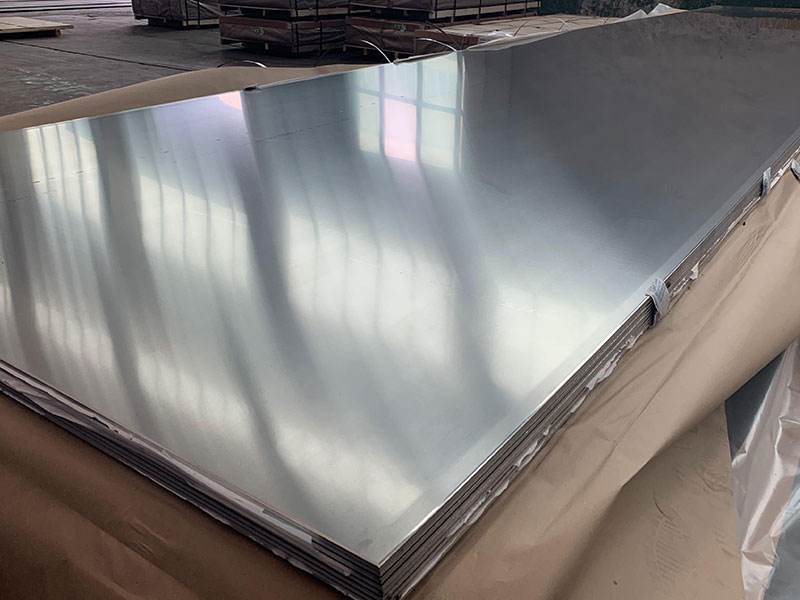
Marine 5086 aluminum sheet
This product article provides an in-depth and comprehensive understanding of Marine 5086 Aluminum Sheets, including their chemical composition, mechanical properties, corrosion resistance, fabrication capabilities, and typical marine applications.
View Details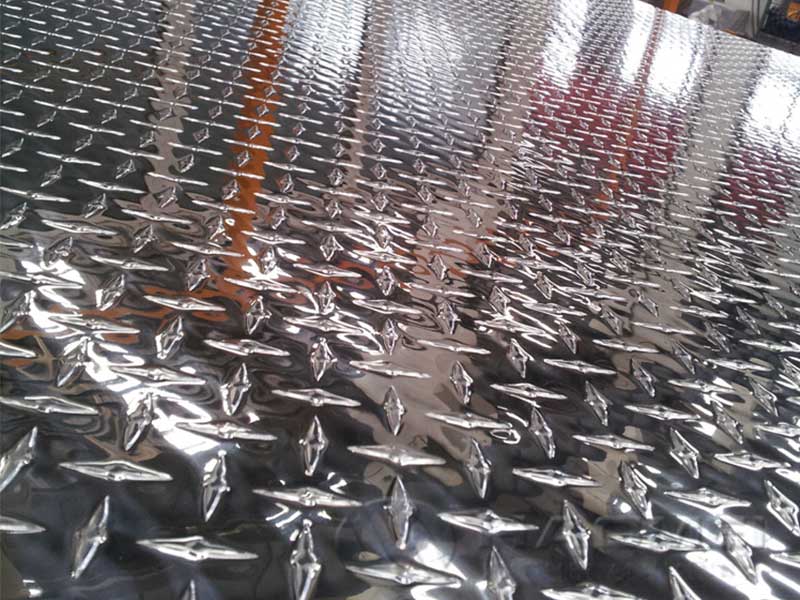
Marine Aluminum Tread Sheets
Marine Aluminum Tread Sheets are aluminum alloy plates featuring a raised surface pattern, commonly referred to as a tread design or diamond plate.
View Details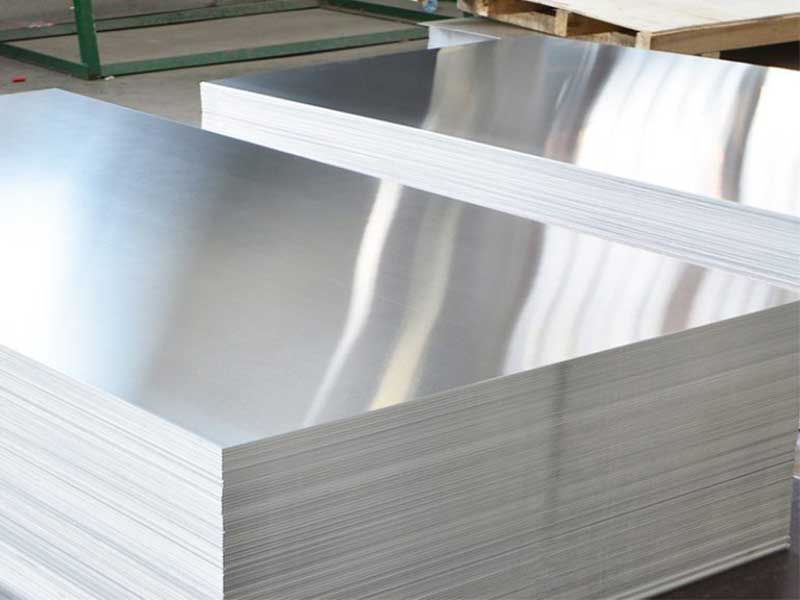
Marine anodized aluminum sheets
Marine Anodized Aluminum Sheets start with premium marine-grade aluminum alloys such as 5000 and 6000 series (typically 5083, 5052, and 6061).
View Details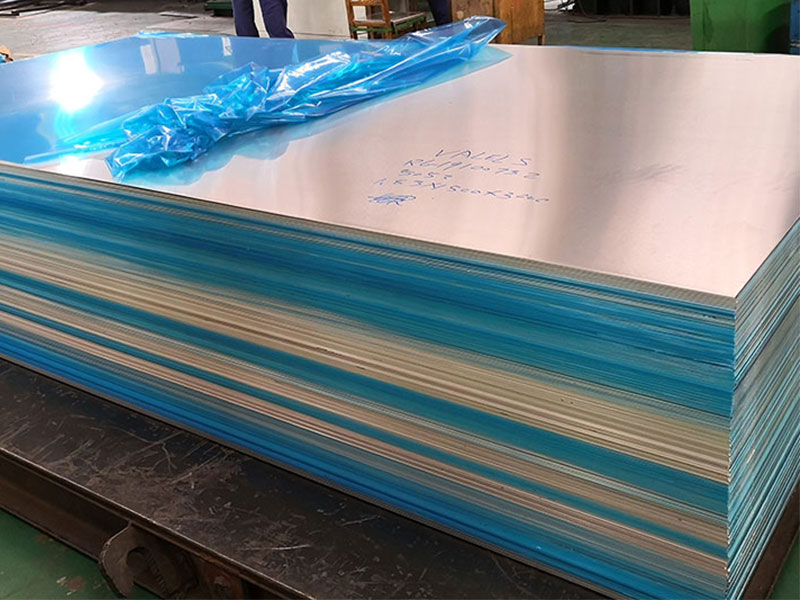
Marine 5059 aluminum sheet
5059 aluminum alloy is a strain-hardened material with a unique addition of magnesium and chromium, which provides outstanding resistance to localized corrosion like pitting and stress corrosion cracking.
View Details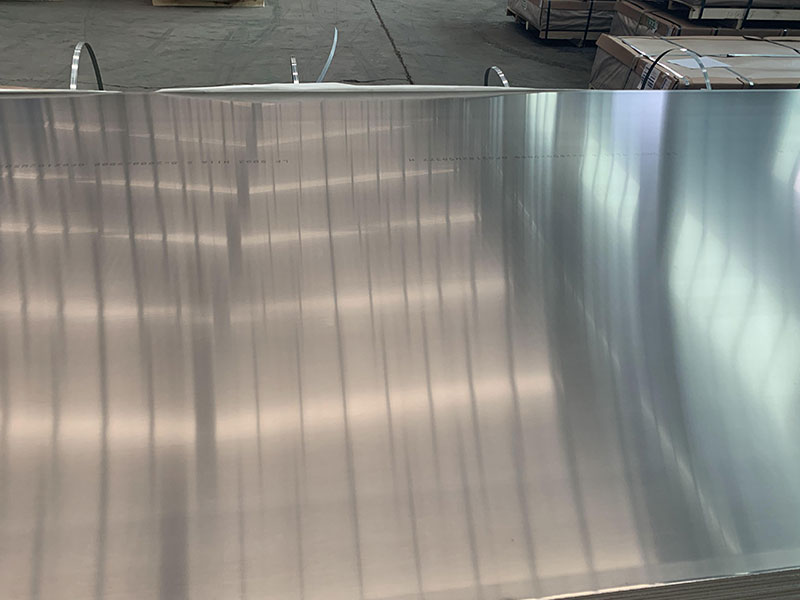
Marine 5383 aluminum sheet
5383 aluminum is a strain-hardened, non-heat-treatable alloy from the 5xxx series primarily alloyed with magnesium. It exhibits a unique balance of corrosion resistance and mechanical properties particularly suited for marine applications.
View Details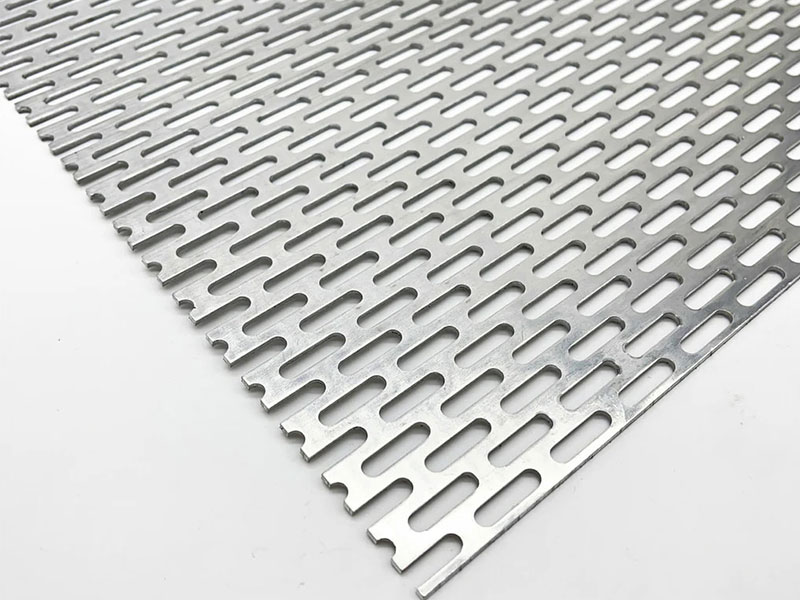
Marine perforated aluminum sheets
Marine Perforated Aluminum Sheets feature a series of uniform holes or shapes punched through the aluminum surface. These perforations can vary in size, pattern, and open area to tailor the sheets for specific applications.
View DetailsRelated Blog
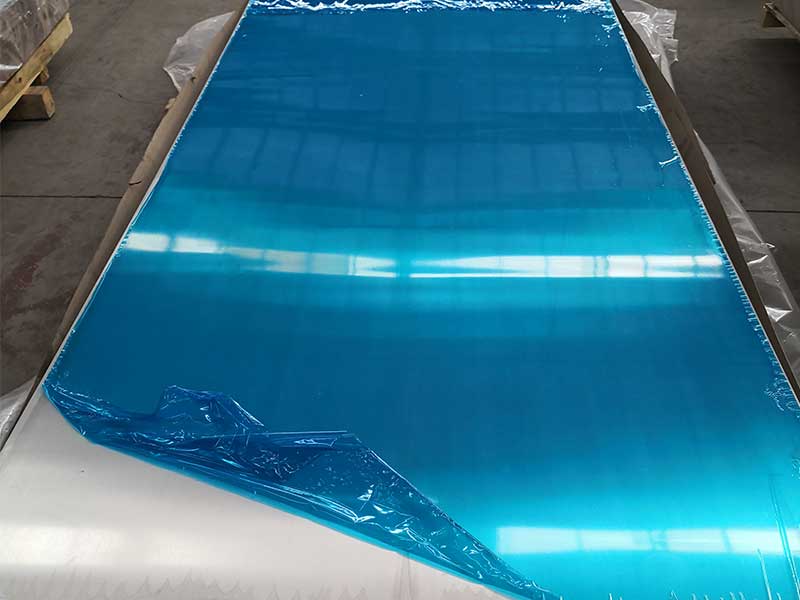
10mm 8mm 6mm Marine Aluminium Sheet
In the demanding maritime environment, material performance can decide the lifespan and safety of vessels and related structures. Marine aluminium sheets, particularly in 10mm, 8mm, and 6mm thicknesses, offer a unique combination of durability.
View Details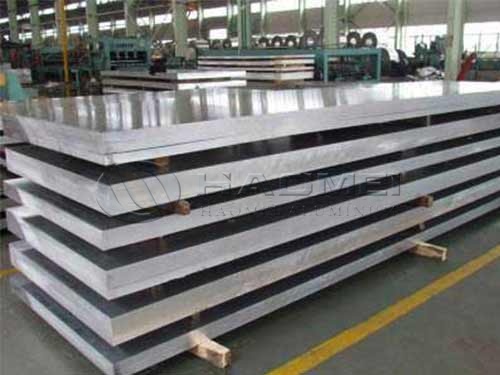
Hot Rolled Alloys Boat Aluminium Sheet Coil Strip 5083
Learn how hot rolled 5083 aluminium sheet, coil, and strip perform in boat hulls, welding, forming, seawater corrosion, and practical buying checks.
View Details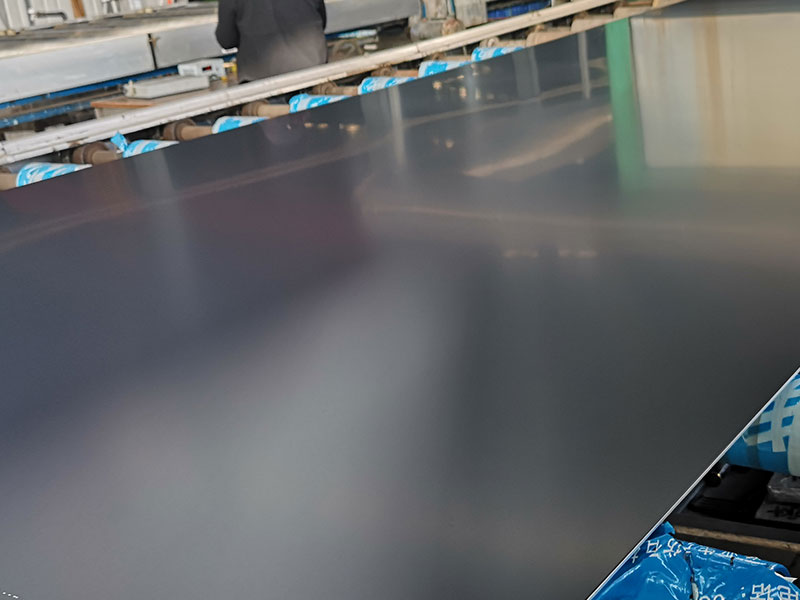
Marine 3 gauge 4 x 8 x 1 4 aluminum sheet
Marine 3 Gauge 4 x 8 x 1/4 Aluminum Sheet: A Seaworthy "Thickness Story" Told in MetalA marine 3 gauge 4 x 8 x 1/4 aluminum sheet is more than a size callout-it's a practical promise.
View Details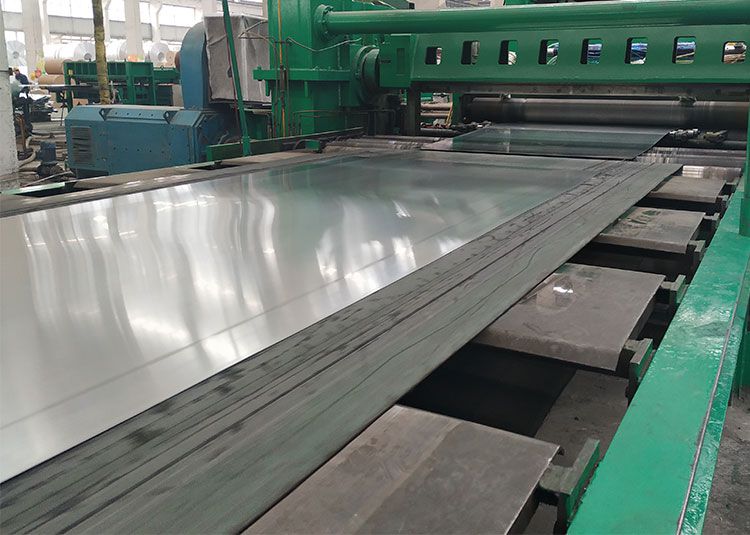
Marine grade aluminum for ship building aluminium sheet 5052 h111
Superior strength, corrosion resistance, and durability of marine grade aluminum 5052 H111 aluminum sheets, ideal for shipbuilding applications requiring high fatigue strength and excellent seawater performance.
View Details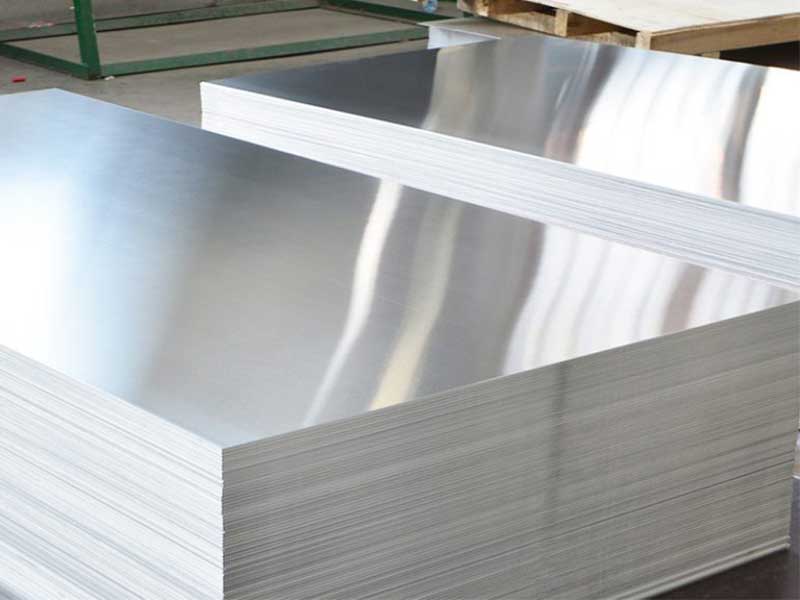
Naval Aluminium Sheet Marine 5052 H32
Naval Aluminium Sheet Marine 5052 H32 is a premium-grade aluminum alloy sheet specifically engineered for marine and naval applications. Known for its excellent corrosion resistance, high strength-to-weight ratio, and superior weldability.
View Details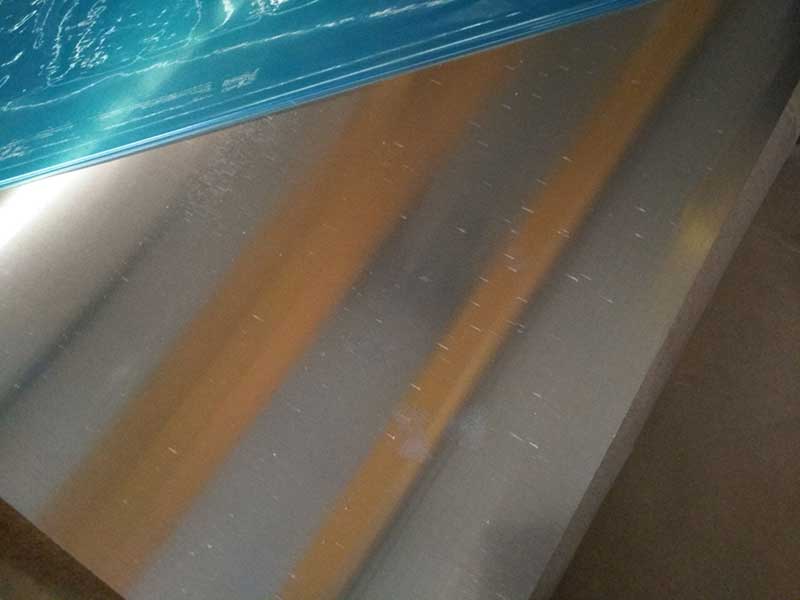
Marine aluminium alloy sheet
Marine aluminum alloy sheet is an indispensable material in the construction and maintenance of vessels, offshore platforms, and various marine infrastructure. Its unique combination of strength, corrosion resistance.
View Details
Leave a Message