
5083 Marine Aluminum Fencing and Railings for Heavy Duty Coastal Deck Protection
Coastal decks, marinas, waterfront walkways, ferry terminals, and industrial platforms face constant exposure to salt spray, humidity, wind-driven sand, and fluctuating temperatures. 5083 marine aluminum fencing and railings are engineered for these demanding environments, combining high strength with excellent resistance to seawater corrosion.
Made from a magnesium-rich 5xxx-series aluminum alloy, 5083 is widely used in marine structures where long service life, low structural weight, and dependable welded performance are required. It is an effective material for guardrails, perimeter fencing, handrails, balustrade frames, access barriers, boarding areas, and protective enclosures near the shoreline.
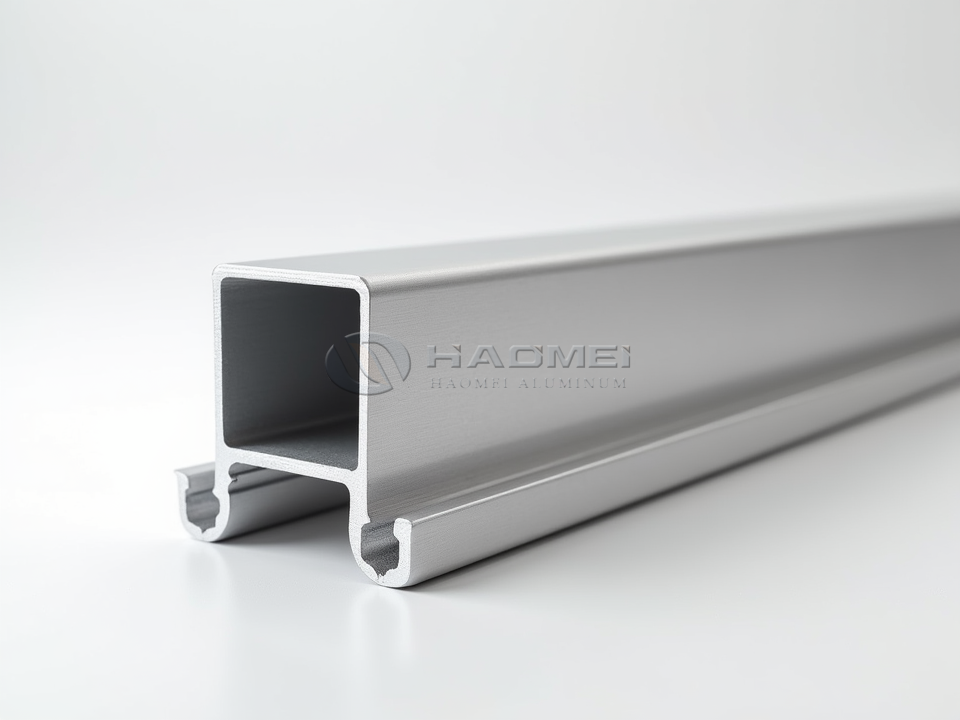
Why 5083 Aluminum Performs Well in Coastal Rail Systems
5083 aluminum develops a stable natural oxide film that helps protect the metal in saltwater and coastal atmospheres. Its magnesium content supports excellent corrosion resistance without relying on heavy paint systems for basic environmental protection. For exposed installations, anodizing, powder coating, or marine-grade paint can further improve appearance and reduce surface maintenance.
Compared with steel railing systems, 5083 aluminum dramatically reduces structural weight. This lowers loads on deck framing, improves handling during installation, and makes long railing sections easier to fabricate and position. Unlike untreated carbon steel, it does not require frequent rust removal and repainting in wet marine locations.
| Performance Factor | Benefit for Coastal Deck Protection |
|---|---|
| Seawater corrosion resistance | Suitable for splash zones, salt-laden air, and waterfront exposure |
| High strength-to-weight ratio | Supports robust railing designs without excessive deck loading |
| Weldability | Allows fabricated posts, top rails, brackets, and custom corner sections |
| Low maintenance demand | Reduces recurring corrosion-control work compared with carbon steel |
| Cold-forming capability | Supports curved rails, shaped guards, and custom fence panels |
| Non-magnetic material | Useful near marine electronics and specialized equipment areas |
| Recyclability | Supports lower-impact material recovery at end of service life |
Alloy Chemical Composition
The composition of 5083 is controlled to maintain corrosion resistance, welding performance, and mechanical reliability. Values shown are standard mass percentages for 5083 aluminum alloy.
| Element | Content, % |
|---|---|
| Silicon, Si | 0.40 max |
| Iron, Fe | 0.40 max |
| Copper, Cu | 0.10 max |
| Manganese, Mn | 0.40-1.00 |
| Magnesium, Mg | 4.00-4.90 |
| Chromium, Cr | 0.05-0.25 |
| Zinc, Zn | 0.25 max |
| Titanium, Ti | 0.15 max |
| Other elements, each | 0.05 max |
| Other elements, total | 0.15 max |
| Aluminum, Al | Balance |
Mechanical and Physical Properties
For heavy-duty fencing and railings, temper selection is important. H116 and H321 are commonly selected for severe marine exposure because they offer strong corrosion performance and reliable mechanical properties. H111 may be used where more forming flexibility is needed.
| Property | 5083-H116 / H321 Typical Value | Design Relevance |
|---|---|---|
| Density | 2.66 g/cm³ | Approximately one-third the weight of steel |
| Tensile strength | 275-350 MPa | Supports durable rail and post structures |
| Yield strength | 125-240 MPa | Depends on thickness and temper |
| Elongation | 10-16% | Helps absorb local deformation before fracture |
| Elastic modulus | 70 GPa | Used for deflection calculations |
| Melting range | 574-638°C | Relevant to fabrication and welding planning |
| Thermal conductivity | Approx. 117 W/m·K | Helps dissipate solar heat from exposed rails |
| Electrical conductivity | Approx. 29% IACS | Relevant where bonding and grounding are specified |
Actual mechanical values vary with product thickness, profile geometry, temper, and applicable material standard. Engineering calculations should account for railing height, post spacing, anchorage capacity, wind pressure, crowd loading, and local building or marine facility regulations.
Available Product Forms and Fabrication Options
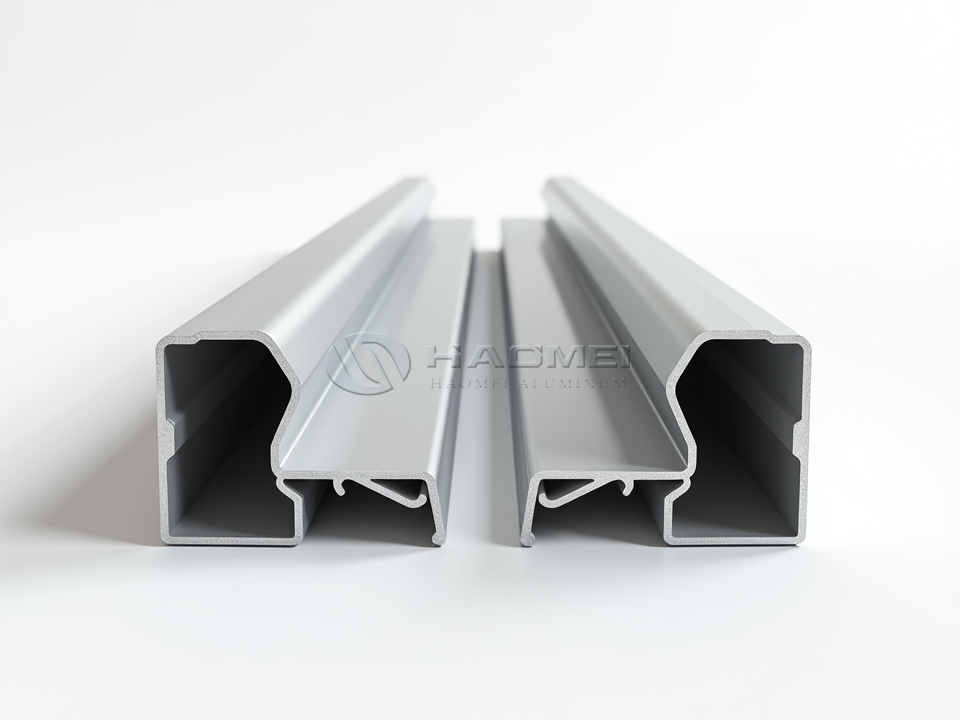
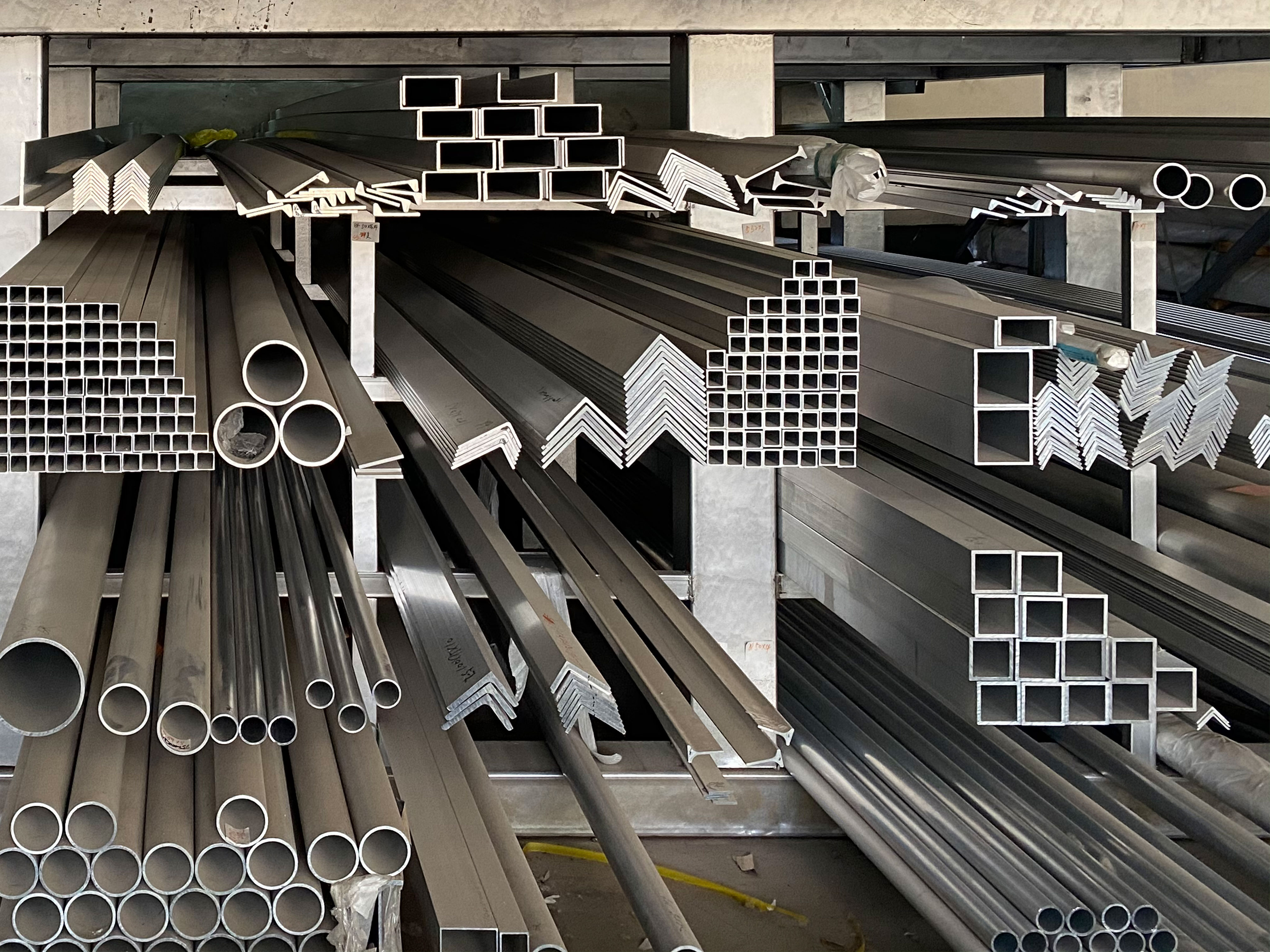
5083 marine aluminum fencing systems can be supplied as plate-fabricated rail assemblies, sheet panels, extruded companion components, tubular frames, channel sections, and custom welded modules. For projects needing complex geometry, compatible Marine aluminum customized shapes can be integrated into post bases, mounting brackets, infill frames, and deck-edge protection details.
| Component | Common Construction Option | Typical Function |
|---|---|---|
| Top rail | Round, rectangular, or formed aluminum section | Hand support and impact protection |
| Vertical posts | Welded plate, tube, or fabricated box section | Transfers railing loads to the deck structure |
| Infill panels | Perforated sheet, expanded metal, bars, or mesh frame | Prevents falls while allowing airflow |
| Base plates | 5083 plate with drilled mounting holes | Anchors posts to concrete, aluminum, or steel decks |
| Toe boards | Formed or welded aluminum plate | Helps prevent tools and loose objects from falling |
| Gates | Reinforced welded frame with corrosion-resistant hardware | Controls access to restricted waterfront areas |
Suitable Coastal and Marine Applications
5083 railing systems are suitable for both public-facing and industrial environments where corrosion, safety, and structural durability must be addressed together.
- Marina gangways, dock walkways, and floating pontoon access routes
- Coastal residential decks, hotel terraces, and waterfront viewing platforms
- Port terminals, loading piers, maintenance platforms, and vessel boarding zones
- Fishery facilities, aquaculture platforms, and offshore service structures
- Beachfront public paths, sea walls, observation decks, and pedestrian barriers
- Chemical handling areas and coastal utility installations with corrosive atmospheres
- Boat yards, repair docks, marine workshops, and equipment enclosures
Welding, Finishing, and Installation Considerations
5083 is readily welded using MIG or TIG processes. Filler alloys such as 5183, 5356, or 5556 are often selected to maintain corrosion resistance and strength across welded joints. Fabricators should use clean tooling and sound welding procedures to limit contamination, distortion, and unnecessary heat input.
| Installation Detail | Recommended Practice |
|---|---|
| Fasteners | Use marine-grade stainless steel or aluminum-compatible fasteners |
| Dissimilar metals | Isolate aluminum from carbon steel and copper-bearing metals using nonconductive barriers |
| Drainage | Provide drainage openings to avoid standing saltwater in hollow sections |
| Weld finishing | Remove weld spatter and sharp edges; smooth hand-contact surfaces |
| Coatings | Consider powder coating or marine paint for color retention and added protection |
| Base connections | Design anchorage for uplift, lateral load, vibration, and local substrate condition |
| Inspection | Periodically inspect joints, fasteners, coatings, and areas subject to trapped moisture |
Galvanic corrosion prevention is especially important around stainless fasteners, steel deck brackets, and copper-containing components. Isolation pads, washers, sealants, and carefully selected coatings help reduce direct electrical contact between dissimilar metals.
A Durable Choice for Exposed Deck Edges
5083 marine aluminum fencing and railings provide a strong, lightweight, and corrosion-resistant barrier solution for coastal infrastructure. Their weldability supports tailored layouts, while their seawater performance makes them well suited to long-term service in salt-laden environments. With proper alloy temper selection, drainage design, fastener isolation, and engineered anchorage, 5083 rail systems can protect people, equipment, and deck edges through years of demanding marine exposure.

Related Products
Marine aluminum fencing and railings
Marine Grade Aluminum Fencing and Railings are fabricated using marine-grade aluminum alloys such as 5083, 5052, and 6061, which are engineered specifically for protection against saltwater corrosion and marine atmospheric conditions.
View Details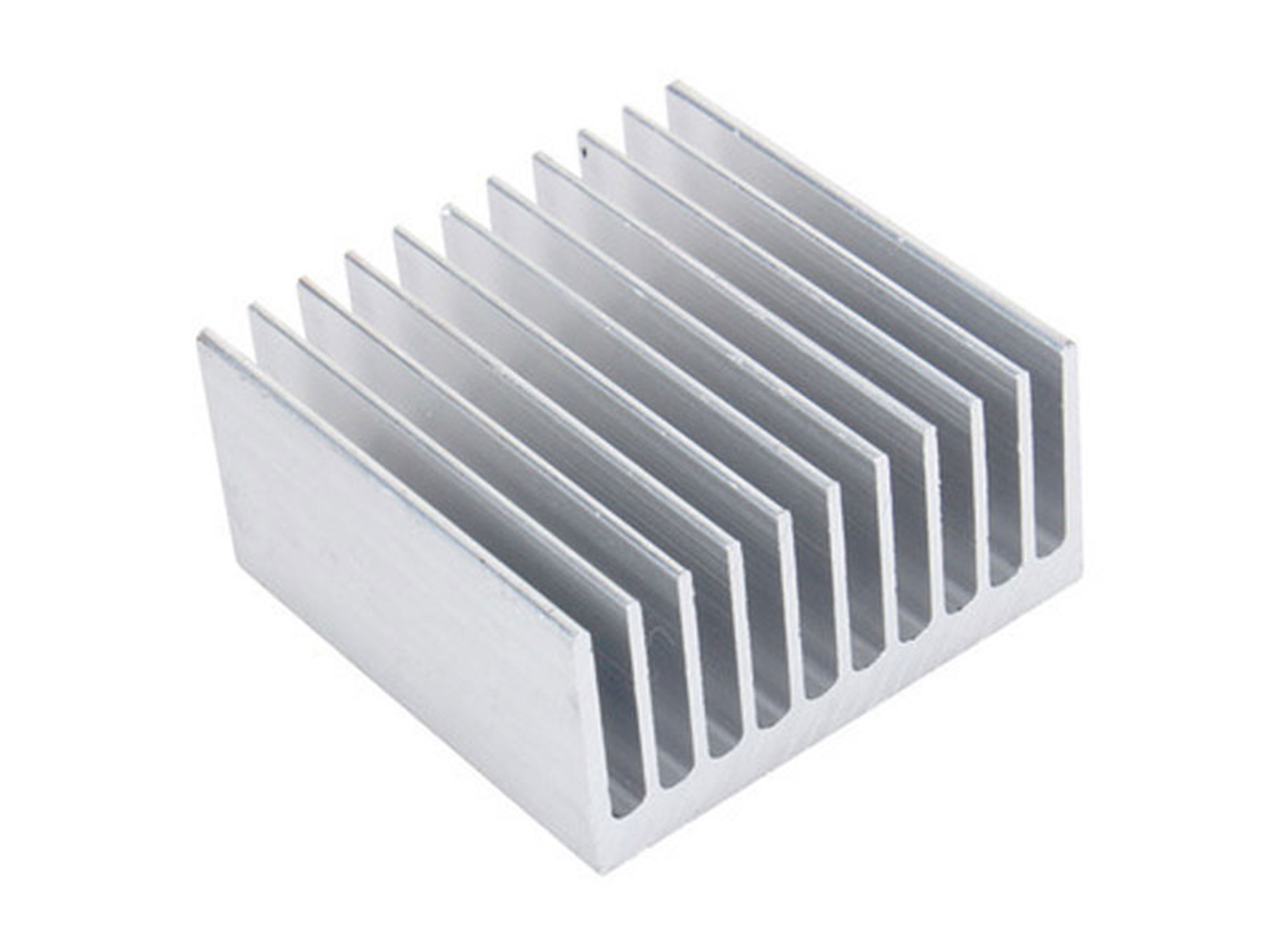
Marine aluminum heat sink profile
Marine Grade Aluminum Heat Sink Profiles utilize alloys such as 6061 and 6063 that not only exhibit high thermal conductivity but also possess excellent corrosion resistance required for saltwater exposure.
View Details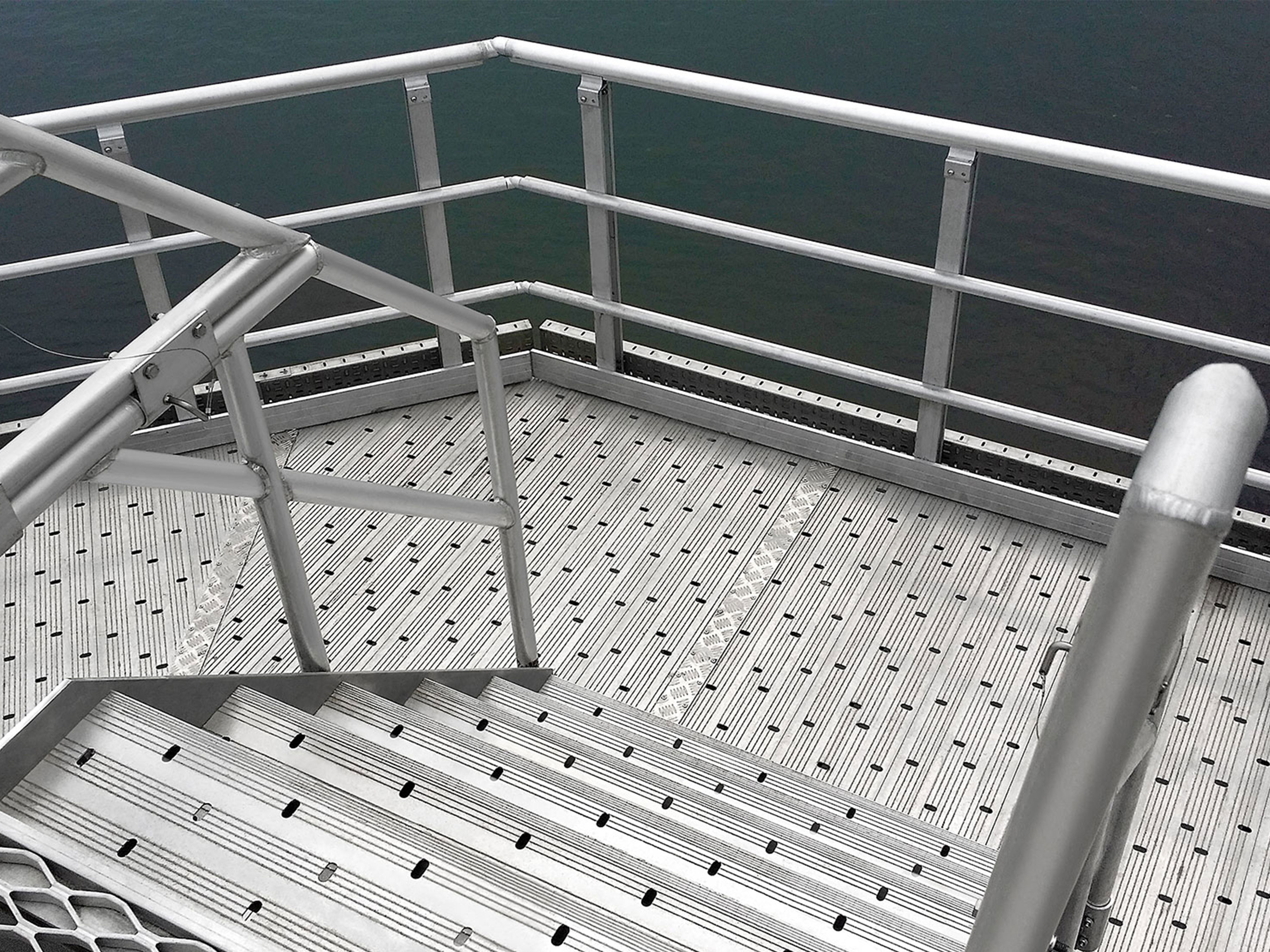
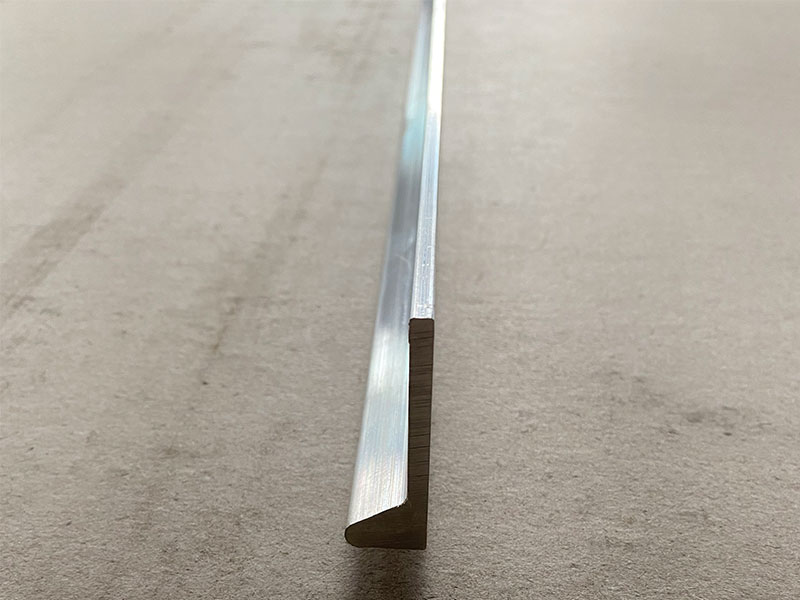
Marine aluminum customized shapes
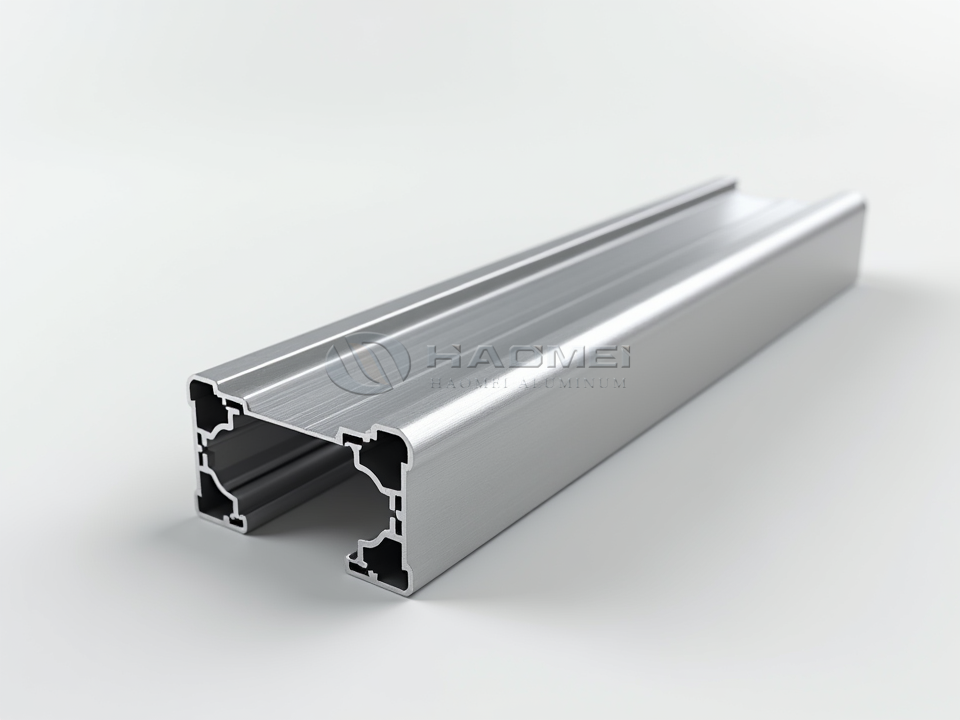
Marine Grade Aluminum Customized Shapes encompass a broad range of aluminum extrusions and fabrications engineered beyond standard profiles—such as channels, angles, tubes, and beams—into complex, project-specific geometries.
View DetailsRelated Blog
5083 Marine Aluminum Fencing and Railings for Lightweight Offshore Guardrail Systems
When it comes to offshore guardrail systems, ensuring safety, durability, and corrosion resistance are paramount. 5083 Marine Aluminum has emerged as an excellent material choice for fencing and railings in marine environments.
View Details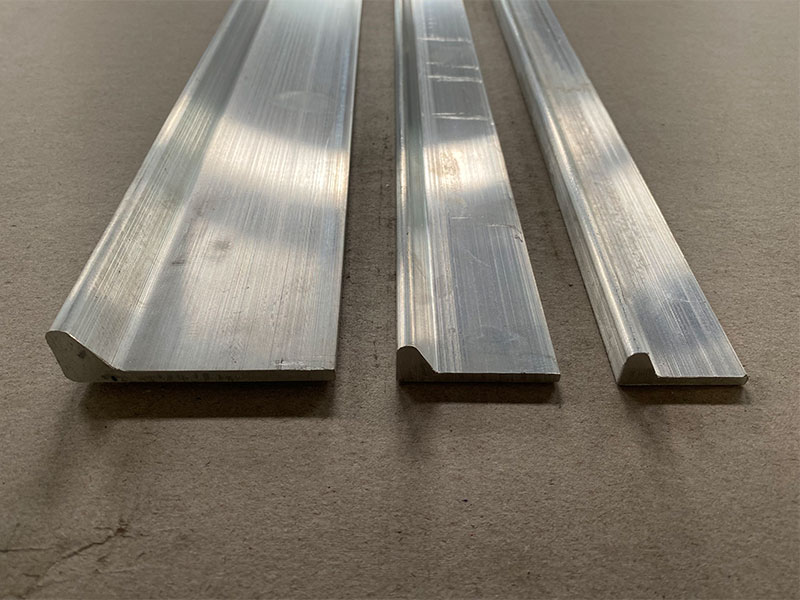
5083 Marine Aluminum Fencing and Railings for Seawater Resistant Marine Property Fencing
Marine properties demand fencing and railing systems that can survive salt spray, humidity cycles, UV exposure, and frequent washdowns without turning into a maintenance burden.
View Details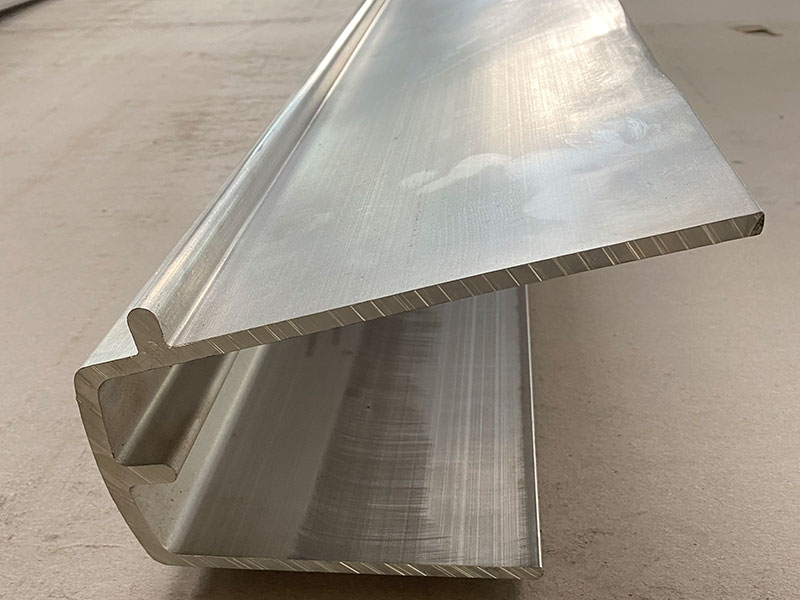
6063 Marine Aluminum Heat Sink Profile for Seawater Resistant Cooling Systems for Boats
When it comes to boats and marine systems, efficient heat dissipation combined with exceptional corrosion resistance is crucial for reliable operations.
View Details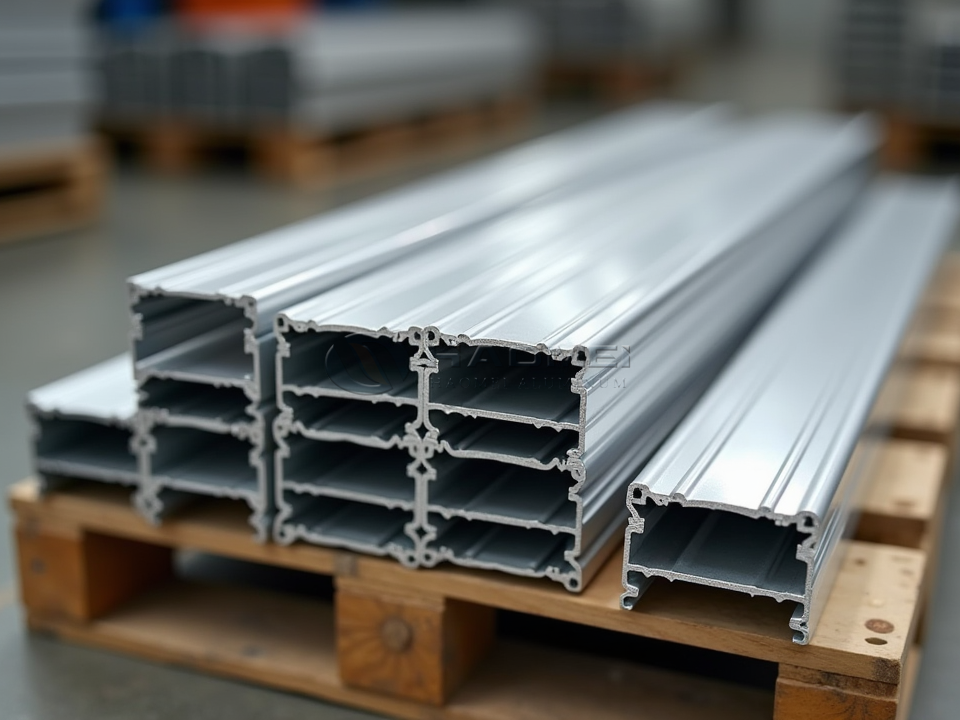
Marine Aluminum Fencing and Railings for Custom Safety Guardrails for Offshore Decks
Marine aluminum guardrails for offshore decks with alloy, temper, coating, load, fabrication, and compliance data for faster project planning.
View Details
5083 Marine Aluminum Fencing and Railings for Custom Marine Infrastructure Barriers
When it comes to building durable, high-performance marine infrastructure barriers such as fencing and railings, 5083 Marine Aluminum stands out as an industry-leading material.
View Details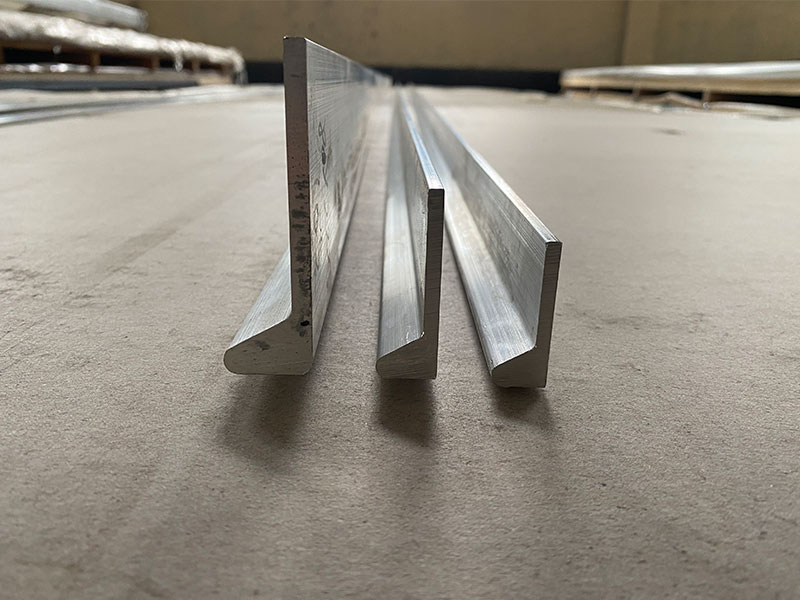
6061 Marine Aluminum Fencing and Railings for High Strength Boat Deck Railings
6061 Marine Aluminum Fencing and Railings for High Strength Boat Deck RailingsOn a modern boat or yacht, the deck railing is no longer just a decorative boundary.
View Details
Leave a Message