
Custom Marine Aluminum Elbow for Ship to Ship Fuel Transfer
In the intricate and highly demanding marine environment, efficient and reliable fuel transfer is paramount — especially during ship-to-ship (STS) operations. Central to this process is the often unsung hero: the custom marine aluminum elbow. Engineered specifically to withstand corrosive seawater, pressure variations, and harsh mechanical stresses, this specialized fitting is to ensuring safe, efficient, and leak-free fuel transfer at sea.
The Role of the Marine Aluminum Elbow in Ship-to-Ship Fuel Transfer
In STS fuel transfer operations, pipelines and hoses connect bunkering vessels and receiving ships, creating a flexible fluid dynamic system. Amid these connectors, marine aluminum elbows serve as critical junction components that redirect flow, change pipe direction, and maintain uninterrupted fuel delivery across curved sections preventing pipeline kinks or pressurization issues.
Functions:
- Directional flow management: Allows changing fluid flow direction anywhere from 15° to 180° in a pipeline system.
- Pressure containment: Must withstand varying fluid pressures typical in bunker fuel transfer—up to 150 psi and higher in specific configurations.
- Corrosion resistance: Made from marine-grade aluminum alloys to resist saltwater corrosion, cavitation erosion, and chemical exposure during fuel transfer.
- Structural integrity with lightweight advantage: Minimizes vessel load increase due to aluminum’s inherent strength-to-weight balance compared to steel fittings.
Custom manufacturing enables the fabrication of elbows tailored to exact size, wall thickness, and radius requirements ensuring impeccable integration in STS transfer rigs either on existing pipes or flexible hose connectors.
Custom marine aluminum elbows are manufactured adhering to stringent international marine standards such as ABS (American Bureau of Shipping), DNV GL, and ASTM standards. The fabrication involves well-defined parameters for optimal hydraulic performance and mechanical endurance.
| Parameter | Specification |
|---|---|
| Material | Marine Aluminum Alloy 5083-H321 |
| Elbow Angle Range | Standard: 30°, 45°, 60°, 90°, up to 180° |
| Outer Diameter Extraction | Custom sizes, typically 2” to 24” nominal pipe sizes (NPS) |
| Wall Thickness | Per ASME B31.3 ranging from 3 mm to 12 mm |
| Operating Pressure | Up to 150 psi (1.0 MPa) standard; higher pressure versions available |
| Surface Treatment | Anodizing or powder coating to enhance corrosion resistance |
| Manufacturing Tolerance | ISO 2768-m HB or as per client’s requirement |
The elbow is typically created using hot extrusion and meticulous CNC machining, ensuring tight form tolerances for flange fittings or butt-weld installations based on pipeline or hose fitting standards.
Alloy Details: Aluminum 5083-H321 for Marine Excellence
Aluminum alloy 5083-H321 is most widely employed due to its excellent welding characteristics and superior strength combined with unmatched corrosion endurance in saltwater. This makes it ideal for marine applications including fuel transfer elbows.
| Element | Percentage by Weight (%) |
|---|---|
| Aluminum (Al) | Bal. (approx 91.0 - 94.3) |
| Magnesium (Mg) | 4.0 to 4.9 |
| Manganese (Mn) | 0.4 to 1.0 |
| Iron (Fe) | 0.4 (max) |
| Chromium (Cr) | 0.05 to 0.25 |
| Silicon (Si) | 0.4 (max) |
| Copper (Cu) | 0.05 (max) |
| Zinc (Zn) | 0.25 (max) |
| Titanium (Ti) | 0.15 (max) |
Tempering (H321 Temper): This temper designation implies that the aluminum alloy is stabilized through strain hardening (cold working) and partially annealed. The process reduces susceptibility to creep and stress corrosion cracking—a vital quality for parts under dynamic marine and pressure stresses.
Implementation Standards and Testing for Custom Marine Aluminum Elbows
Marine accessories like aluminum elbows integrated on fuel lines must satisfy mechanical demands:
- Pressure testing: Hydrostatic testing to 1.5 times the maximum operating pressure ensuring material integrity under real-world operational overloads.
- Non-destructive testing (NDT): Dye penetrant and ultrasonic examination verify welded or joined sections free from cracks and defects.
- Corrosion evaluation: Salt spray tests following ASTM B117 confirm corrosion resistance over extensive usage.
- Dimensional accuracy checks: Per ASTM B221 specifications validate exterior dimension uniformity and flange bore correctness aiding interchangeability.
Applications Across Marine and Offshore Installations
Bunkering Operations: Vital elbow fittings allow precise routing of hoses for fuel transfer from tanker decks to fuel manifold connectors, compensating for complex motion between ships due to sea dynamics.
Fuel Supply System Retrofit: Aluminum elbows enable lightweight reconfiguration of onboard piping in older or newbuild ships ensuring compatibility with the latest STS fuel transfer technology.
Emergency Fuel Systems: Their resilience and fault tolerance let them be integral in quick-react indirect fuel pumping lines in offshore platforms or naval vessels.

Related Products
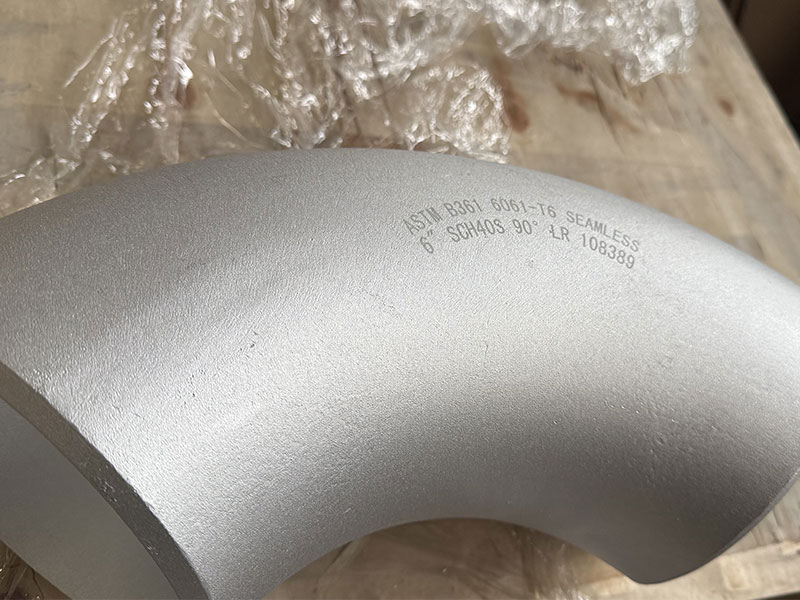
6061-T6 90-Degree Marine Aluminum Pipe Elbow
Manufactured from premium 6061-T6 marine-grade aluminum alloy, this elbow fitting is engineered to provide reliable and efficient pipe direction changes within shipbuilding, offshore platforms, and marine infrastructure systems.
View Details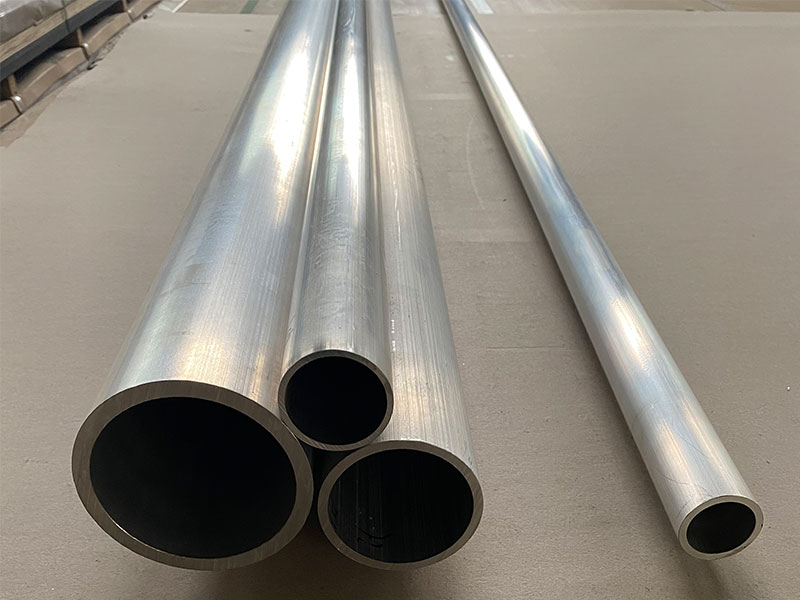
Marine aluminum round tubes
Marine Grade Aluminum Round Tubes are manufactured from premium marine alloys such as 5083, 5052, 6061, and 6082, all selected for their proven resistance to seawater corrosion and marine atmosphere degradation.
View Details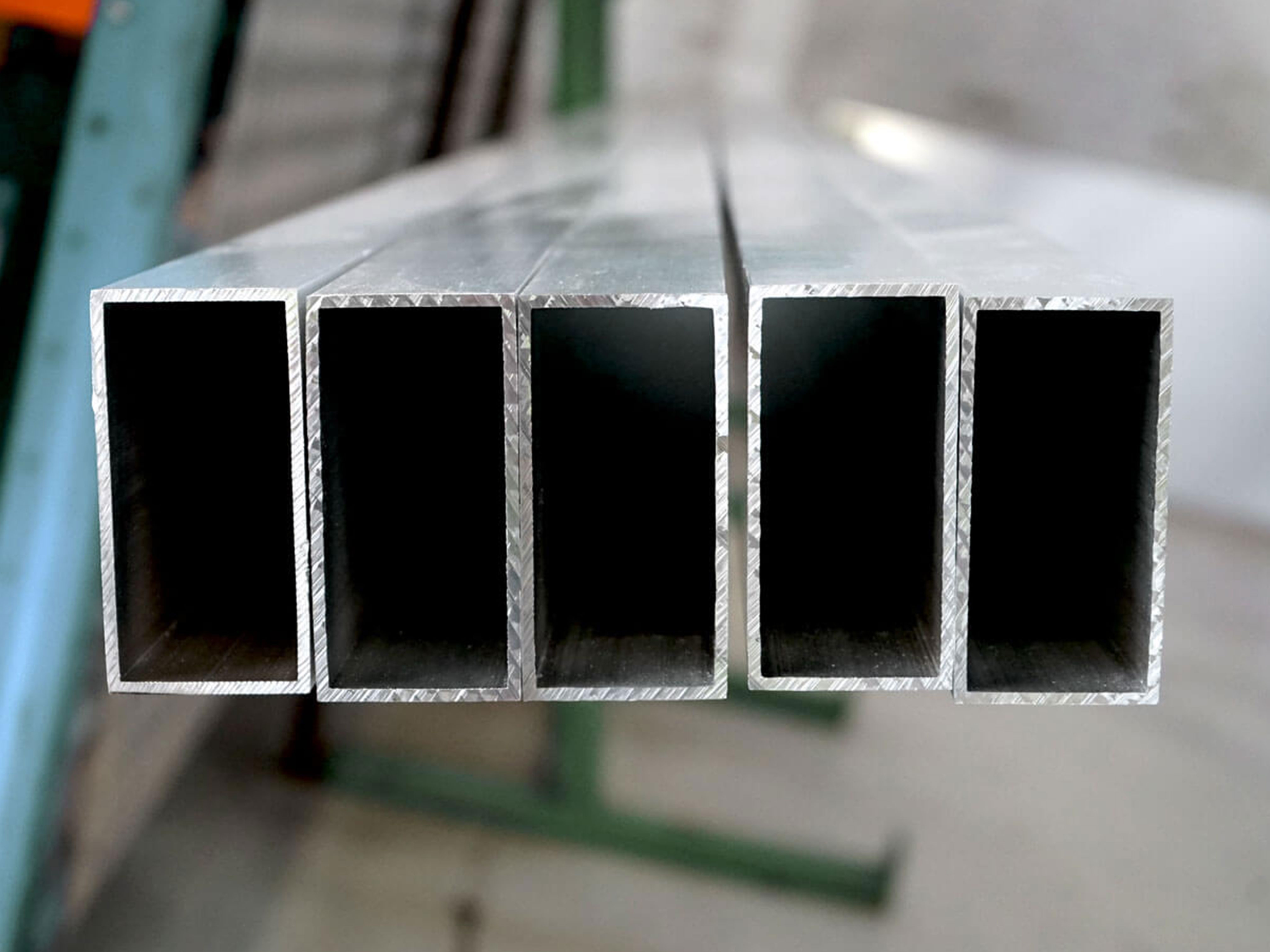
Marine aluminum rectangular tubes
Marine Grade Aluminum Rectangular Tubes are made from high-performance alloys such as 5083, 5052, 6061, and 6082. These alloys are renowned for their ability to resist corrosive seawater and marine atmospheres while providing excellent mechanical strength and toughness.
View Details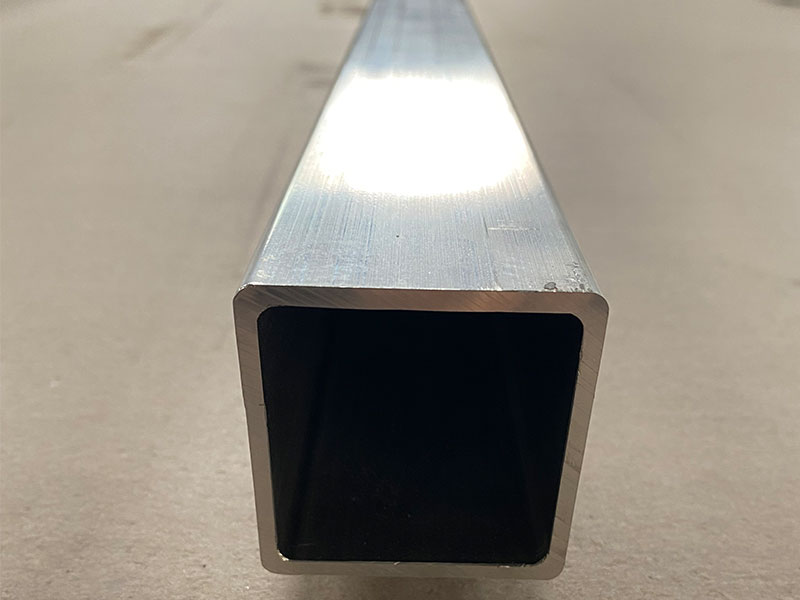
Marine aluminum square tubes
Marine Grade Aluminum Square Tubes are typically constructed from marine-grade alloys such as 5083, 5052, 6061, and 6082—well-known for their ability to withstand the aggressive effects of saltwater and marine atmospheres.
View Details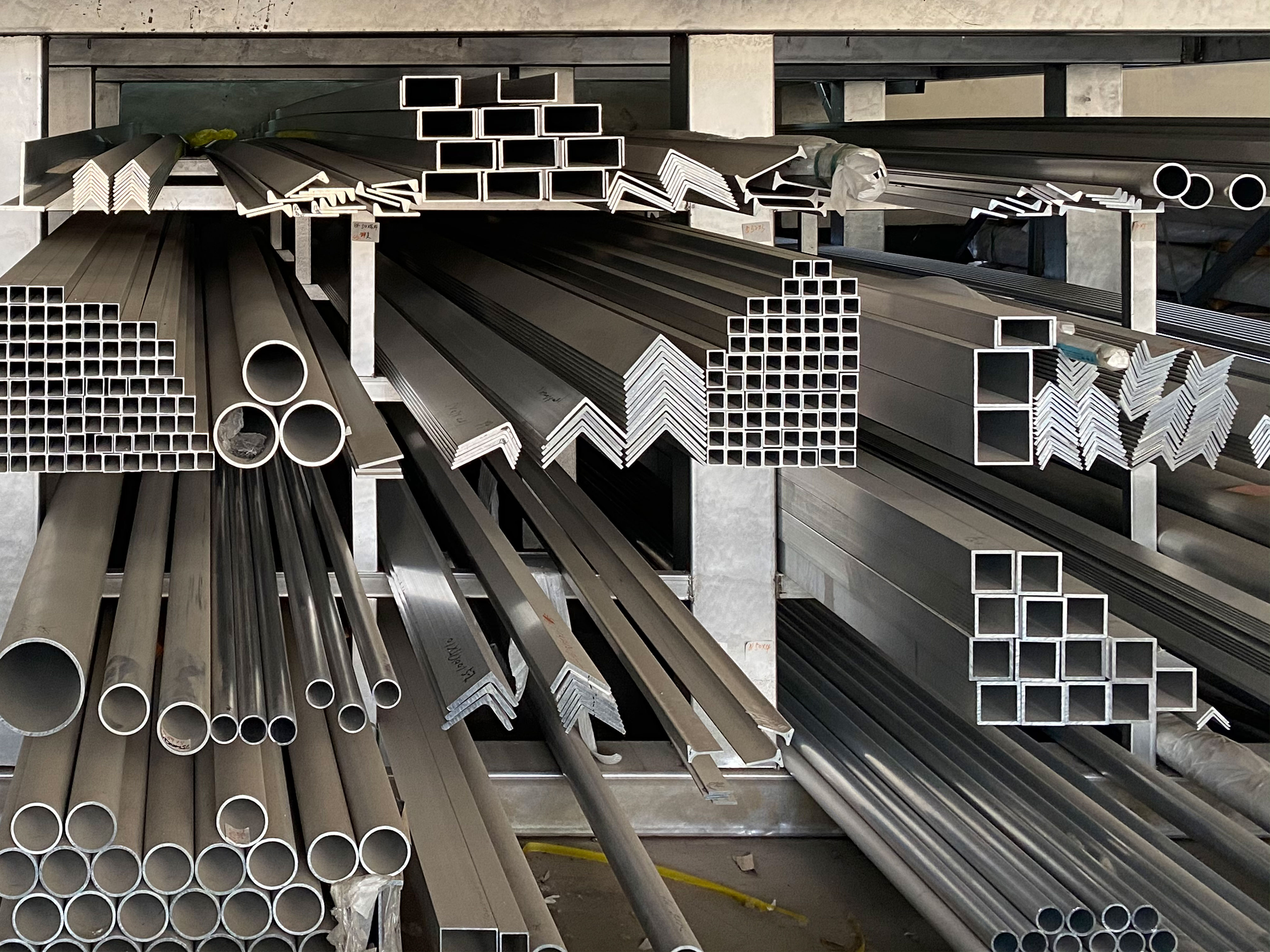
Custom marine aluminum profile tubes
Custom Marine Grade Aluminum Profile Tubes are manufactured from premium marine aluminum alloys such as 5083, 5052, 6061, and 6082.
View DetailsRelated Blog
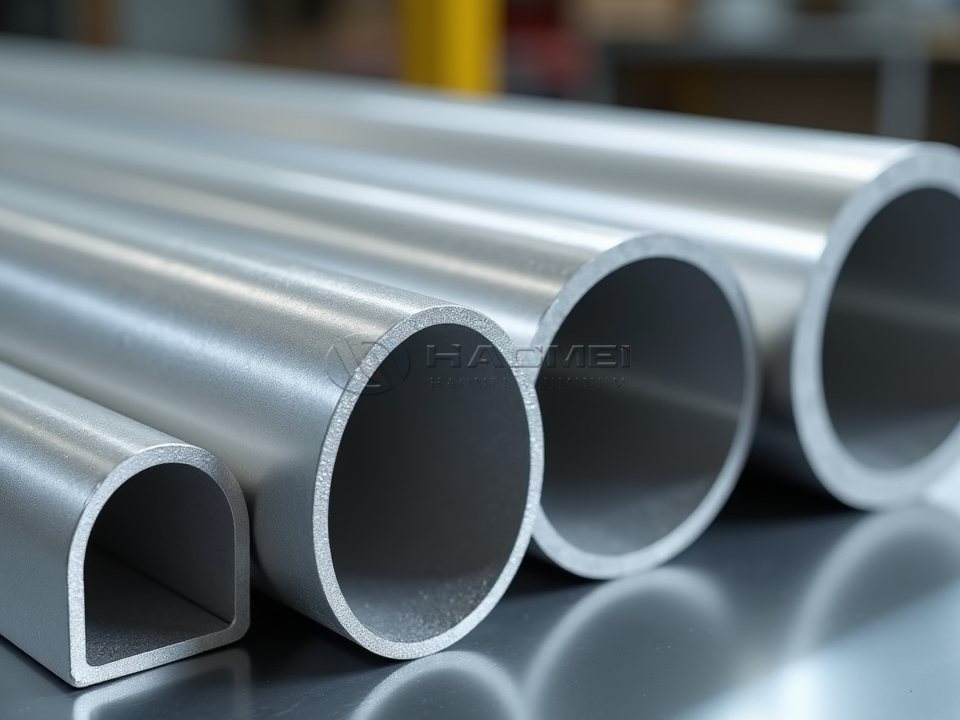
Marine Aluminum Elbow for Offshore Emergency Fluid Transfer Lines
Marine aluminum elbows for offshore emergency fluid transfer lines deliver corrosion resistance, controlled flow turns, and standards-ready specifications.
View Details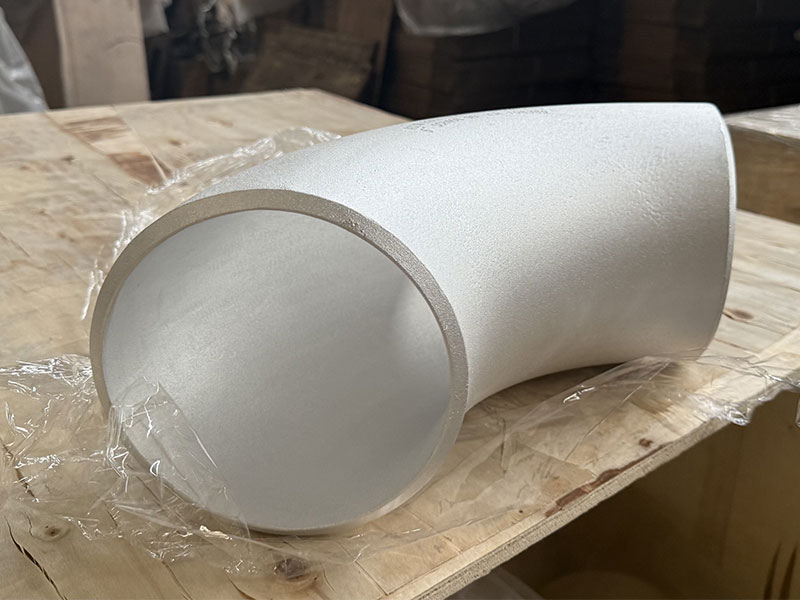
Heavy Duty Aluminum Elbow for Marine Piping Systems
In marine environments, robustness and reliability of piping systems are non-negotiable. The Heavy Duty Aluminum Elbow ($90^{\circ}, 45^{\circ}$ angles or customized) emerges as a critical junction component in marine piping installations.
View Details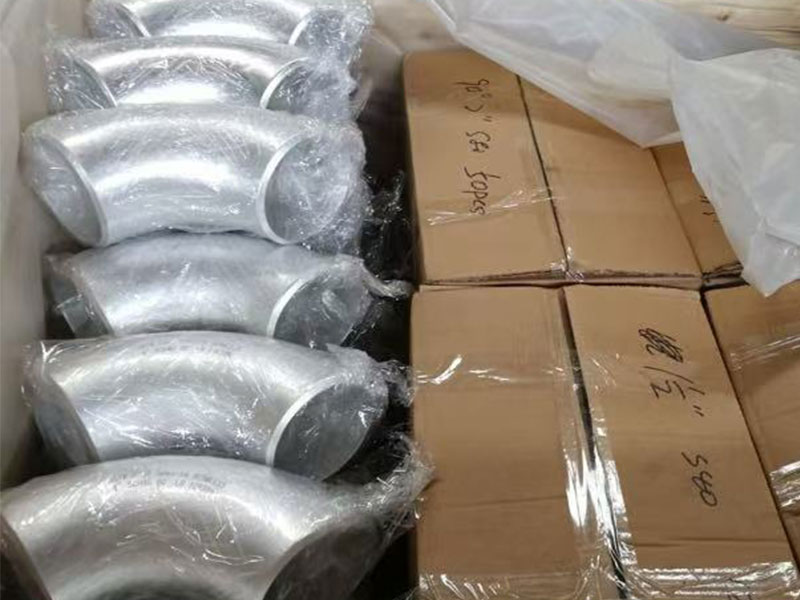
Seamless Marine Aluminum Pipe Elbow for Ship Applications
Seamless Marine Aluminum Pipe Elbow for Ship Applications: Where Metallurgy Meets Hydrodynamics In a ship’s piping system, the humble elbow is where fluid direction changes and engineering disciplines collide.
View Details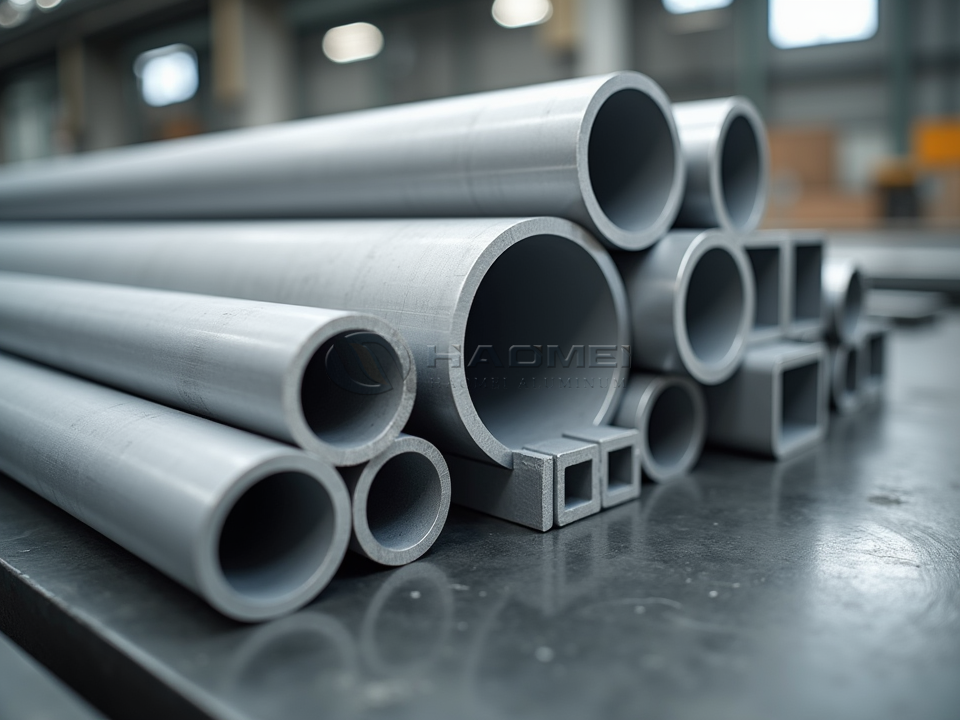
Aluminum Pipe Elbow for Fluid and Gas Pressure Systems on Ships
Marine aluminum pipe elbows deliver light, corrosion-resistant routing for shipboard fluid and gas pressure lines with weldable alloys and precise bends.
View Details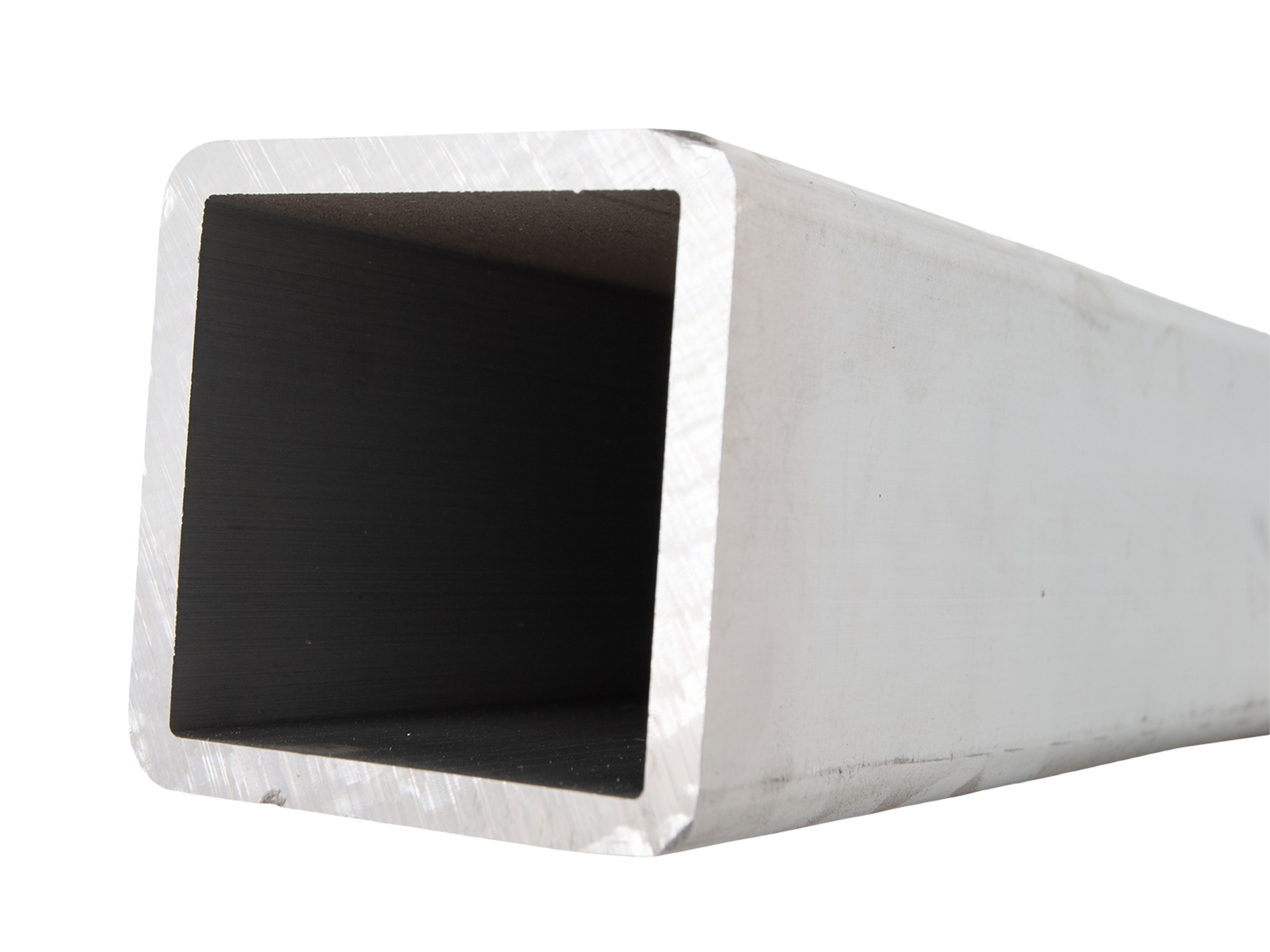
Marine Aluminum Tubes for Offshore Engineering Projects
Offshore engineering doesn't fail in one dramatic moment; it fails in tiny, repetitive conversations between metal, seawater, oxygen, temperature swings, vibration, and time.
View Details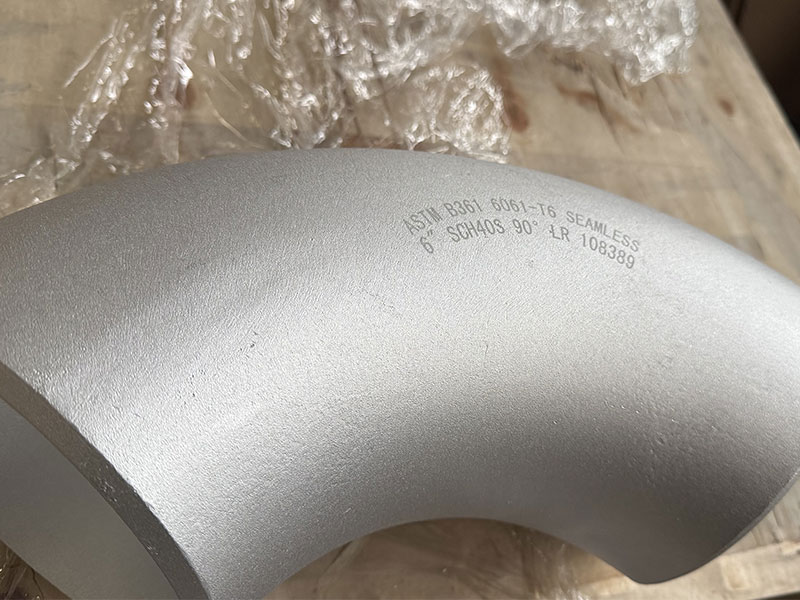
5083 Marine Aluminum Tubes for Saltwater Environment Durability
When it comes to marine applications, durability, corrosion resistance, and mechanical performance are paramount for structural materials. Among the various aluminum alloys available, 5083 aluminum alloy stands out as a premium choice.
View Details
Leave a Message