
Marine Grade Aluminium Alloy Sheet Plate
Marine Grade Aluminium Alloy Sheet Plate is engineered for the realities of saltwater service: persistent chloride exposure, wet/dry cycles, impact from handling, and the need for reliable fabrication at scale. Compared with general-purpose aluminium sheet, marine grades emphasize corrosion resistance, weldability, and strength retention in coastal and offshore environments-making them a preferred material for boats, ship superstructures, docks, gangways, offshore platforms, and seaside architectural components.
What "Marine Grade" Means in Practice
Marine grade typically refers to aluminium alloys that demonstrate strong resistance to pitting and crevice corrosion in chloride-rich environments, while remaining practical to fabricate and weld. In real-world marine fabrication, that translates into several customer-facing advantages:
- Excellent seawater corrosion resistance when properly selected and finished
- High strength-to-weight ratio, reducing payload penalties and easing installation
- Reliable welding behavior, especially for hulls, decks, and large assemblies
- Good formability for curved panels, tanks, and enclosures
- Low maintenance compared with carbon steel in similar exposure classes
Commonly, marine sheet/plate solutions center on 5xxx series (Al-Mg) alloys such as 5052, 5083, 5086, 5454, 5754, and 6xxx series (Al-Mg-Si) alloys such as 6061 for structural and machined components.
Recommended Alloy Grades for Marine Sheet & Plate
The table below highlights widely specified alloys and the "best-fit" use cases. Selection often depends on whether the part is primarily welded plate (hulls, decks) or structural/machined (frames, fittings).
| Alloy | Series | Typical Temper | Strengths for Marine Use | Common Applications |
|---|---|---|---|---|
| 5052 | 5xxx (Al-Mg) | H32, H34 | Excellent formability, very good corrosion resistance | Cabin panels, enclosures, fuel tank covers, formed brackets |
| 5083 | 5xxx (Al-Mg) | H111, H116, H321 | High strength, outstanding seawater corrosion resistance, great weld performance | Ship hull plating, superstructures, ramps, heavy-duty decks |
| 5086 | 5xxx (Al-Mg) | H111, H116, H32 | Strong corrosion resistance, good forming/welding balance | Hulls, pressure panels, gangways, marine plate work |
| 5454 | 5xxx (Al-Mg) | H32, H34 | Good resistance, excellent for certain chemical environments | Tankage, marine process equipment, containment components |
| 5754 | 5xxx (Al-Mg) | H111, H22/H24 | Good all-rounder, clean surface finish, formability | Coastal cladding, access panels, light structural sheet |
| 6061 | 6xxx (Al-Mg-Si) | T6, T651 | High structural strength, good machinability | Frames, extruded structures, machined parts, ladders |
Chemical Composition (Typical Ranges)
Marine performance begins with alloy chemistry, especially magnesium content and impurity control. The following table shows typical composition ranges commonly used for reference (standards may vary by ASTM/EN; confirm per purchase order).
| Alloy | Mg (%) | Mn (%) | Si (%) | Fe (%) | Cu (%) | Cr (%) | Zn (%) | Notes |
|---|---|---|---|---|---|---|---|---|
| 5052 | 2.2–2.8 | ≤0.10 | ≤0.25 | ≤0.40 | ≤0.10 | 0.15–0.35 | ≤0.10 | Strong forming alloy; widely used marine sheet |
| 5083 | 4.0–4.9 | 0.4–1.0 | ≤0.40 | ≤0.40 | ≤0.10 | 0.05–0.25 | ≤0.25 | Premium hull plate alloy; excellent seawater resistance |
| 5086 | 3.5–4.5 | 0.2–0.7 | ≤0.40 | ≤0.50 | ≤0.10 | 0.05–0.25 | ≤0.25 | Balanced for forming + welding in plate |
| 5454 | 2.4–3.0 | 0.5–1.0 | ≤0.25 | ≤0.40 | ≤0.10 | 0.05–0.20 | ≤0.25 | Often chosen for tank and process environments |
| 5754 | 2.6–3.6 | ≤0.50 | ≤0.40 | ≤0.40 | ≤0.10 | ≤0.30 | ≤0.20 | Clean, versatile sheet alloy |
| 6061 | 0.8–1.2 | ≤0.15 | 0.4–0.8 | ≤0.70 | 0.15–0.40 | 0.04–0.35 | ≤0.25 | Heat-treatable; great for structural parts |
Features Customers Notice on the Shop Floor
Corrosion resistance that holds up in real seawater
5xxx alloys resist chloride attack particularly well, especially when paired with appropriate finishing. For hull and deck plate, 5083 in H116/H321 is frequently specified because it is designed to perform in marine atmospheres and splash zones.
Weldability designed for large assemblies
Marine fabrication often involves long welds and complex joints. 5xxx alloys are known for stable weld behavior and good post-weld corrosion performance. Proper filler selection and heat control help preserve mechanical properties and prevent localized corrosion issues.
Strength without weight penalty
Aluminium's density is roughly one-third of steel. Marine plate leverages this to reduce vessel weight, improve fuel efficiency, and simplify lifting/installation-particularly for ramps, gangways, decks, and modular structures.
Formability for curved hull lines and enclosures
Alloys like 5052 and 5754 are popular when you need tight bending radii and clean formed surfaces, such as panels, lockers, and console housings.
Typical Mechanical Properties (Reference Values)
Properties depend on thickness, temper, and product standard. The figures below are common reference ranges that customers use early in selection; final design should follow certified mill test data.
| Alloy | Temper | Ultimate Tensile Strength (MPa) | Yield Strength (MPa) | Elongation (%) | Notes |
|---|---|---|---|---|---|
| 5052 | H32 | 210–260 | 130–180 | 8–15 | Excellent forming; strong general marine sheet |
| 5083 | H116/H321 | 300–360 | 200–260 | 10–16 | High strength; popular for hull plate |
| 5086 | H116/H32 | 275–345 | 180–240 | 10–16 | Strong all-purpose marine plate |
| 5754 | H111/H22 | 190–280 | 80–170 | 10–20 | Surface quality + formability |
| 6061 | T6 | 290–340 | 240–290 | 8–12 | Structural/machining alloy; not a hull plate default |
Technical Specifications Customers Commonly Request
Marine sheet and plate are usually purchased to ASTM/EN standards, with specific tempers and inspection requirements. Below is a practical "buyer spec" snapshot.
| Parameter | Typical Supply Range | Notes for Purchasing & QA |
|---|---|---|
| Thickness | 0.8–6.0 mm (sheet), 6–150 mm (plate) | Range depends on mill/stock; confirm tolerance class |
| Width | 1000–2500 mm | Wider plate often available by special order |
| Length | 2000–12000 mm | Cut-to-length supported; optimize for nesting |
| Temper options | H111, H116, H321, H32, T6 | H116/H321 common for marine plate; T6 common for 6061 |
| Surface finish | Mill finish, brushed, coated-ready | For visible parts, specify surface class and protective film |
| Standards (common) | ASTM B209, EN 485/EN 573 | Align with project spec and classification requirements |
| Certificates | EN 10204 3.1 (typical) | Confirm heat number traceability and test reporting |
| Flatness & camber | Controlled per standard | Important for CNC cutting and panel fit-up |
Applications: Where Marine Grade Sheet Plate Excels
Marine grade aluminium sheet/plate succeeds wherever salt exposure + fabrication efficiency matter.
| Application Area | Recommended Alloys | Why It Works |
|---|---|---|
| Boat and ship hull plating | 5083 (H116/H321), 5086 | Best combination of strength, weldability, seawater resistance |
| Superstructures and decks | 5083, 5086, 5754 | Weight savings with durable corrosion performance |
| Gangways, ramps, walkways | 5083, 5086 | High load capacity with excellent handling durability |
| Tanks and containment | 5454, 5052 | Strong corrosion resistance; good forming and welding |
| Coastal architecture and cladding | 5754, 5052 | Clean finish, formability, long service life near the sea |
| Offshore platforms and skids | 5083 plate, 6061 structural parts | Plate for welded panels; 6061 for machined/structural elements |
| Interior marine panels, cabinets | 5052, 5754 | Easy forming, stable appearance, practical for fast builds |
Processing, Finishing, and Service Notes
| Topic | Practical Guidance |
|---|---|
| Welding | Use appropriate marine fillers (commonly 5xxx fillers for 5xxx base metal); control heat input and clean oxide before welding |
| Galvanic corrosion | Avoid direct contact with copper/brass and carbon steel in wet conditions; isolate with coatings, gaskets, or dielectric barriers |
| Surface protection | Anodizing, marine coatings, or protective paint systems improve longevity; specify pre-treatment compatible with alloy/temper |
| Cutting & machining | Plate cuts cleanly by waterjet/plasma/saw; 6061 machines best, while 5xxx machines adequately with sharp tooling |
| Bending/forming | 5052 and 5754 are excellent; higher-magnesium plate needs correct bend radius and grain-direction planning |
If your project is welded hull or deck plate, 5083 (H116/H321) is often the first choice for performance in marine exposure. If you need formability and clean sheet work, 5052 or 5754 are dependable. If the job emphasizes structural strength and machining, 6061-T6 is a strong option-often paired with 5xxx plate for welded areas.
For accurate quotation and a tight specification, share your target alloy, temper, thickness, sheet size, standard requirement, certificate level, and intended exposure environment (splash zone, submerged, coastal atmospheric). This ensures the delivered Marine Grade Aluminium Alloy Sheet Plate matches both fabrication needs and long-term service expectations.

Related Products
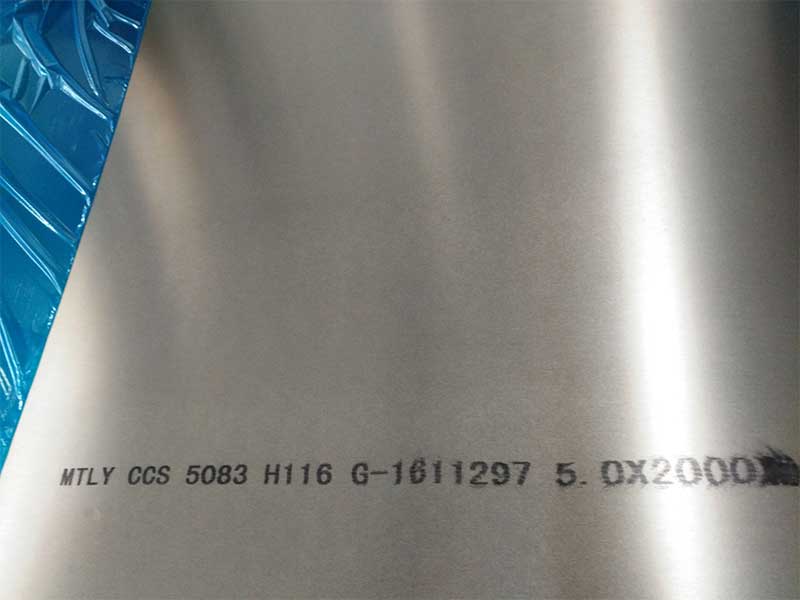
Marine 5083 aluminum plate
Marine 5083 Aluminum Plate belongs to the 5xxx series of aluminum-magnesium alloys and is classified as a non-heat-treatable alloy. Its high magnesium content (typically 4.0–4.9%) enhances its corrosion resistance, especially against seawater-related degradation such as pitting and stress corrosion cracking.
View Details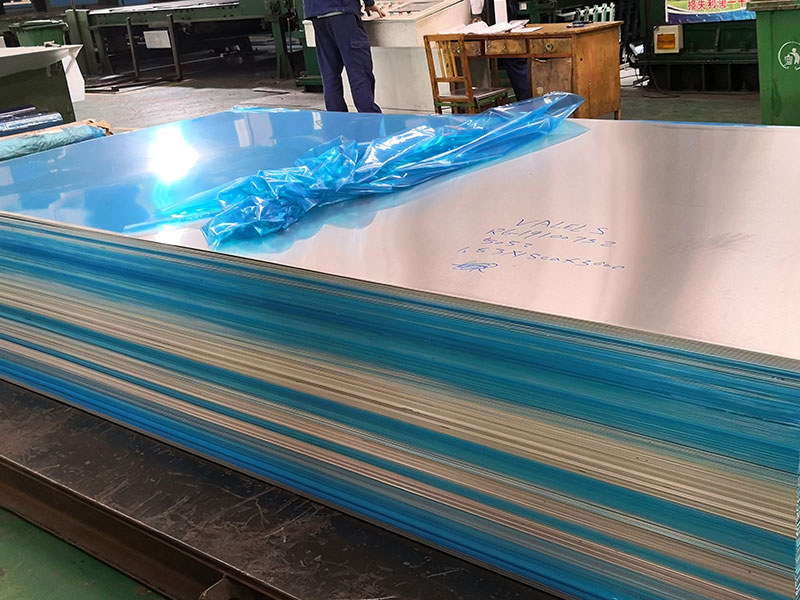
Marine 5059 aluminum plate
Marine 5059 Aluminum Plate is distinguished by its high magnesium content and carefully balanced alloying elements, designed to maximize strength without compromising corrosion resistance.
View Details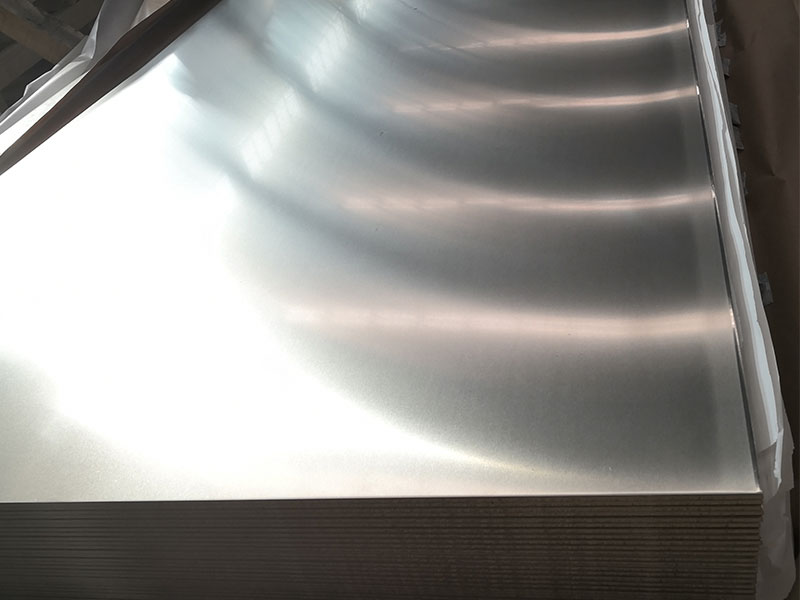
Marine 5052 aluminum plate
Marine 5052 Aluminum Plate is noted for its exceptional resistance to corrosion caused by seawater, salt spray, and marine atmospheres.
View Details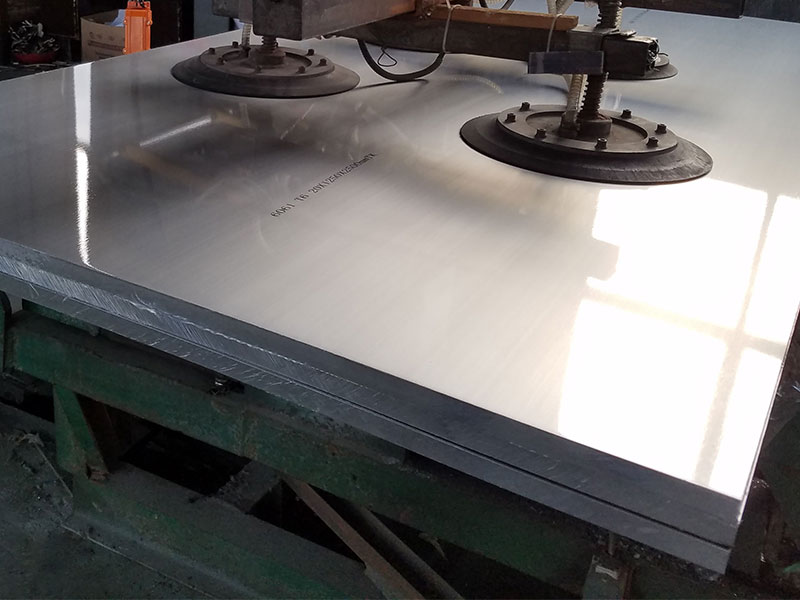
Marine heavy duty aluminum plate
Marine Heavy Duty Aluminum Plates Sheets generally refer to thick aluminum alloy plates and heavy gauge sheets produced from marine-grade alloys such as 5083, 5086, 5059, and 5383.
View Details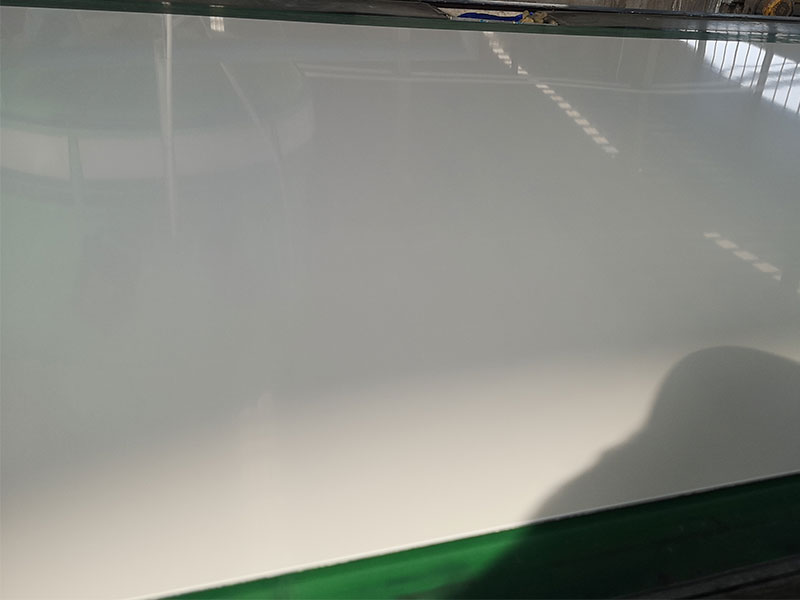
Marine 5086 aluminum plate
5086 Aluminum Plate belongs to the 5xxx series of aluminum-magnesium alloys. Its hallmark is a high magnesium content—generally between 4.0% and 4.9%—which delivers enhanced corrosion resistance, particularly against saltwater and marine atmospheric conditions.
View Details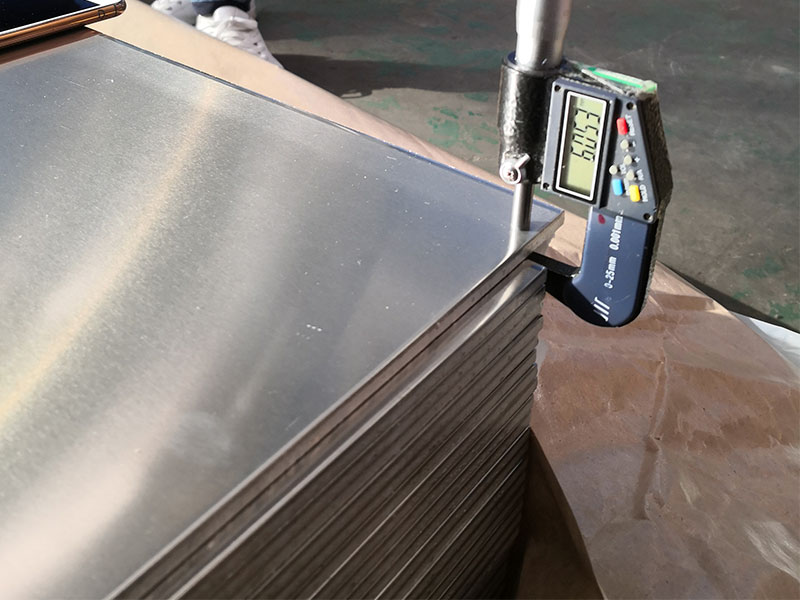
Marine 5383 aluminum plate
The 5383 aluminum alloy belongs to the 5xxx series of aluminum-magnesium alloys known for remarkable resistance to marine corrosion and high strength.
View DetailsRelated Blog
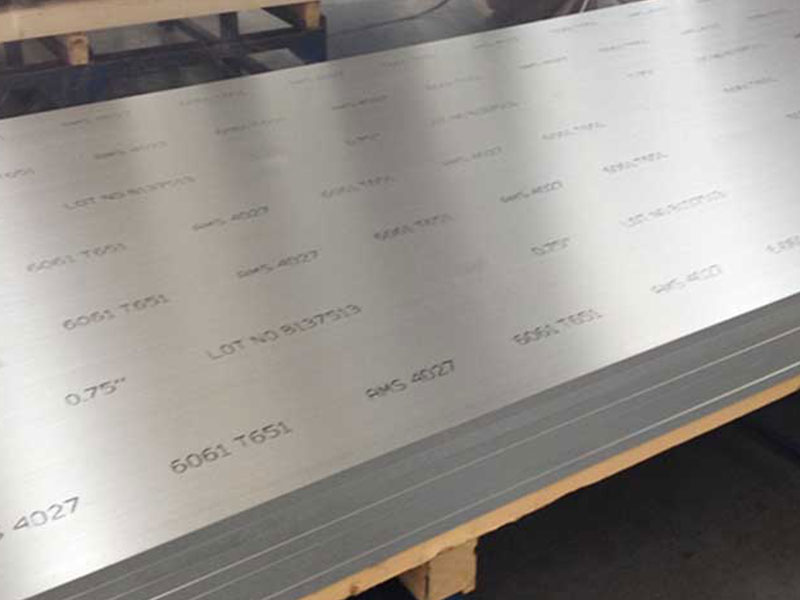
5083 5086 H116 Marine Aluminum Plate Sheet For Boat
Marine structures live in a world of salt spray, constant wet-dry cycles, vibration, and localized impacts. A "good" metal in a warehouse can fail quickly on a hull or deck if it can't resist corrosion and keep its strength after welding.
View Details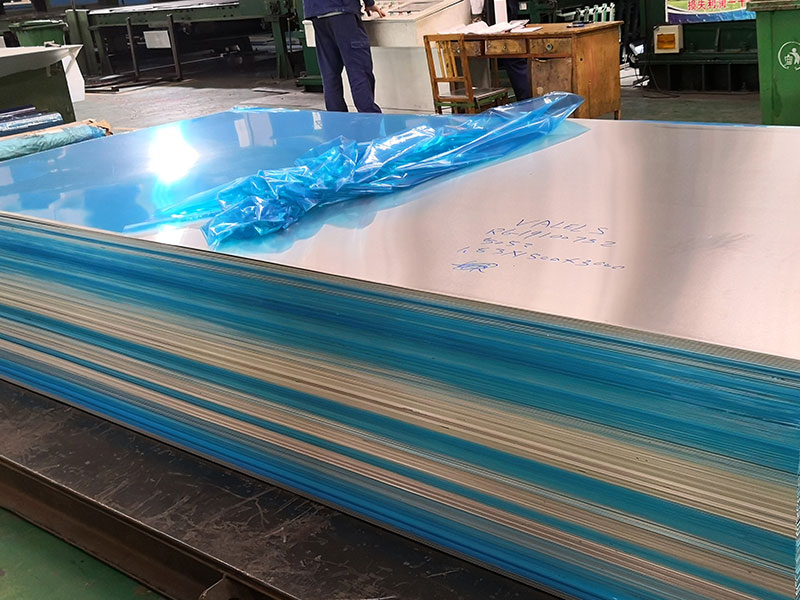
5052 H34 Aluminum Plate for Boat
When it comes to marine applications, specifically boat building and repair, selecting the right aluminum material is critical for long-lasting performance, corrosion resistance, and structural integrity.
View Details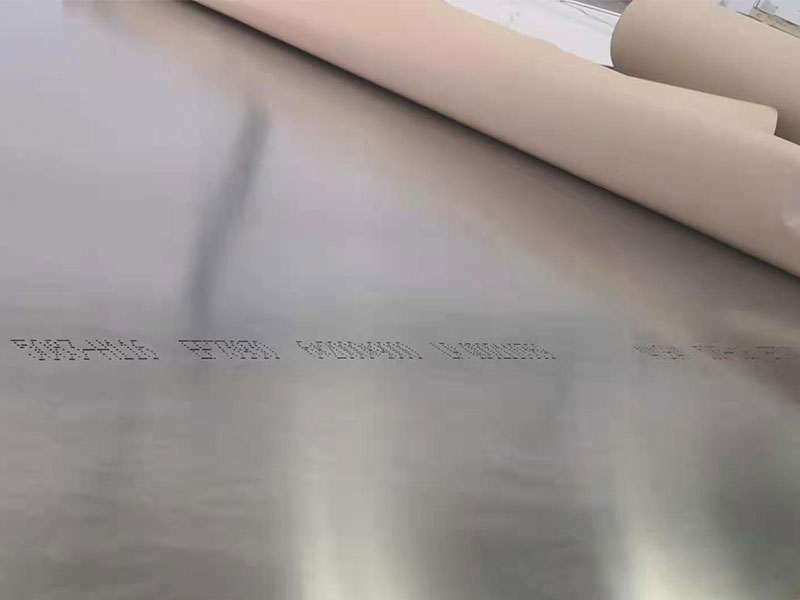
5383 Marine Aluminum Plate
5383 marine aluminum plate is a high‑strength, corrosion‑resistant aluminum‑magnesium alloy designed for demanding shipbuilding and offshore environments. With superior weldability, excellent seawater resistance, and .
View Details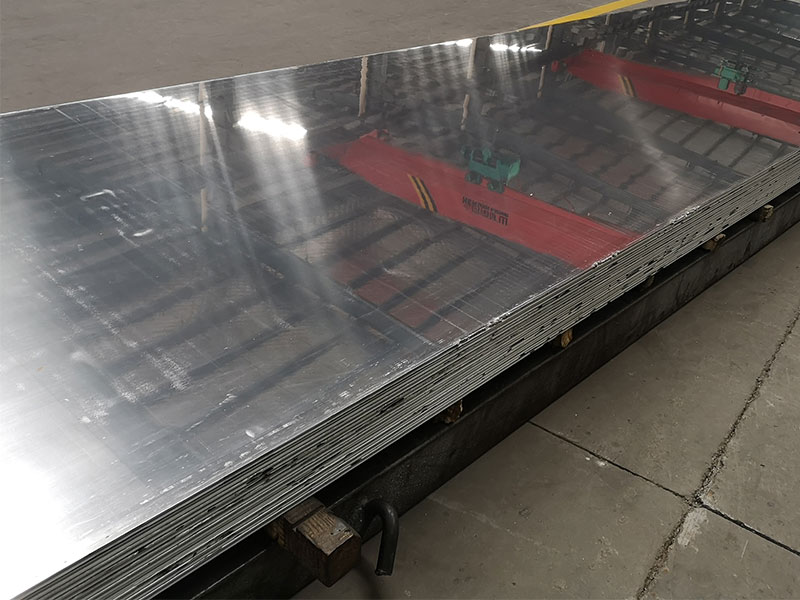
Marine grade aluminum 5083 sheet aluminum plate for boat using
When salt spray, wave impact, and long service hours meet a hull or deck structure, the material choice becomes the difference between "works on day one" and "keeps working for years.
View Details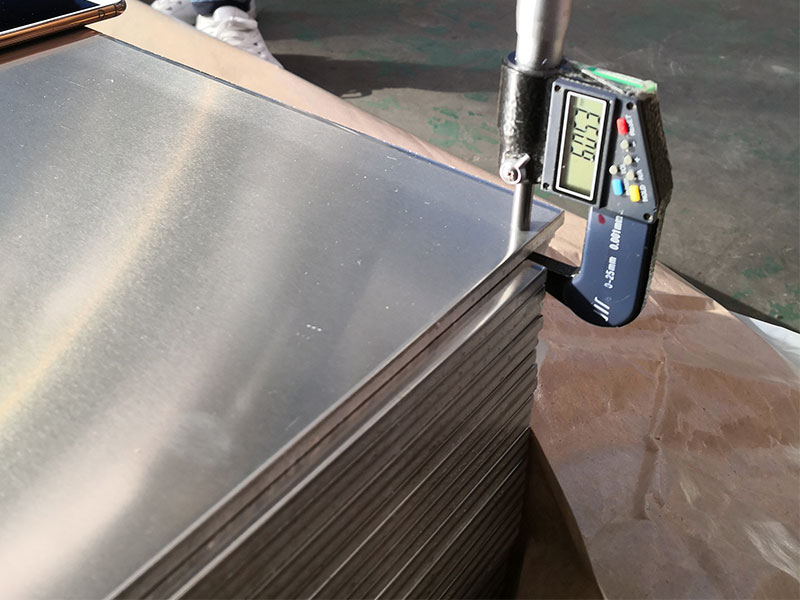
Aluminium plate marine grade
Marine environments are uniquely punishing: salt spray, humidity, temperature cycling, abrasion, and galvanic couples all work together to attack metal.
View Details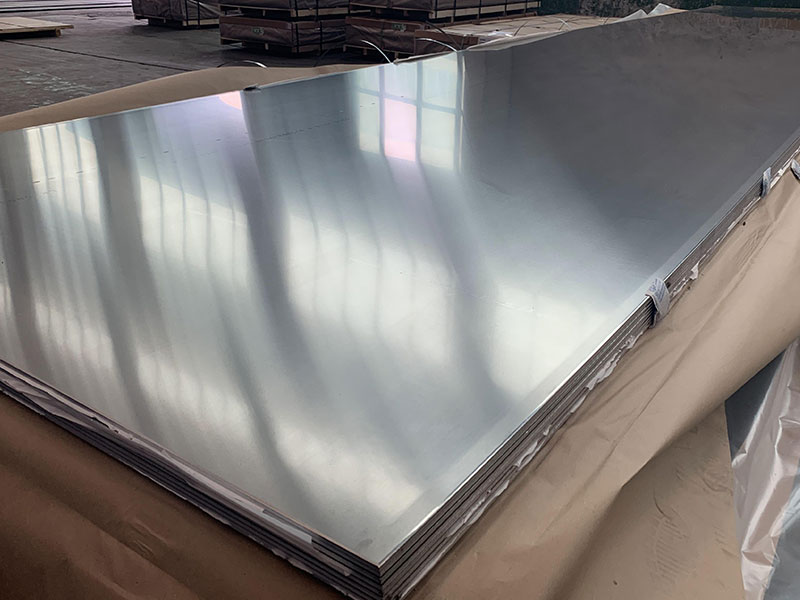
Mill Finish Plate Aluminum Sheet 5083 H116 For Boat
Mill Finish Plate Aluminum Sheet 5083 H116 For Boat: A Deep-Dive From The Hull’s Point Of View When naval architects choose materials, they are not merely reading charts; they are imagining how a plate of metal will live its entire life in salt water.
View Details
Leave a Message