
5083 Marine Aluminum Tubes for Saltwater Exposure Resistance
In the marine world, corrosion is never just a surface problem. It is a slow negotiation between metal, salt, oxygen, moisture, stress, and time. Among the aluminum alloys used in offshore structures, shipbuilding, dock systems, desalination equipment, and coastal engineering, 5083 marine aluminum tubes have earned a reputation not simply because they are "corrosion resistant," but because they perform where the ocean is most relentless. From a practical engineering perspective, 5083 is less about surviving contact with seawater and more about retaining structural confidence after years of exposure.
This is what makes 5083 marine aluminum tube such a compelling material choice. It combines high magnesium content, strong mechanical integrity, excellent weldability, and outstanding resistance to saltwater attack. For designers and fabricators looking for a balance between strength and durability in marine settings, it remains one of the most trusted non-heat-treatable aluminum alloys.
Looking at Saltwater Resistance from the Metal's Point of View
Saltwater exposure resistance is often discussed in broad terms, but the more useful question is this: what happens at the alloy surface when chloride ions are constantly present?
The answer begins with the natural oxide film that forms on aluminum. In ordinary environments, this film offers a decent barrier. In seawater, however, chloride ions attempt to break down that barrier and initiate localized corrosion. 5083 aluminum tubes respond better than many alternatives because their alloy design supports a more stable protective behavior in marine conditions. The magnesium-rich chemistry plays a role in improving corrosion resistance, especially in continuously wet, splash-zone, and intermittent immersion environments.
Unlike some higher-strength alloys that sacrifice durability for mechanical performance, 5083 marine grade aluminum tubing was developed with seawater service in mind. It shows strong resistance to general corrosion, excellent resistance in marine atmospheric exposure, and favorable performance against exfoliation and stress-related degradation when correctly processed and used.
Why 5083 Aluminum Tubes is know in Marine Applications
The distinctive value of 5083 marine aluminum tubes for saltwater exposure resistance lies in how evenly they solve multiple engineering problems at once.
They are strong enough for demanding marine structures, yet light enough to reduce total vessel or platform weight. They weld readily, which is crucial for marine fabrication where long assemblies, pressure-bearing sections, support frames, rail systems, and fluid transfer structures must often be joined on site. At the same time, they maintain excellent corrosion resistance in conditions where steel would require heavy protection systems and where less suitable aluminum alloys might deteriorate more quickly.
This makes 5083 tubes ideal for applications such as:
- boat and ship structural tubing
- offshore platform tubing systems
- marine handrails and ladders
- hull reinforcement sections
- dock, pier, and pontoon frameworks
- seawater piping and non-pressurized transfer lines
- desalination and coastal processing equipment
- transport tanks and cryogenic marine-related systems
In many of these uses, the tube is not merely a shape. It is a load path, a corrosion barrier, and a lifecycle cost decision.
The Chemistry Behind 5083 Marine Aluminum
From a metallurgical perspective, 5083 belongs to the Al-Mg-Mn family. Its corrosion resistance is strongly linked to its magnesium content, while manganese and chromium help refine structure and improve performance stability.
Below is a typical chemical composition table for 5083 aluminum alloy in accordance with commonly recognized standards.
Chemical Composition of 5083 Marine Aluminum Alloy
| Element | Content (%) |
|---|---|
| Magnesium (Mg) | 4.0 – 4.9 |
| Manganese (Mn) | 0.40 – 1.0 |
| Chromium (Cr) | 0.05 – 0.25 |
| Silicon (Si) | 0.40 max |
| Iron (Fe) | 0.40 max |
| Copper (Cu) | 0.10 max |
| Zinc (Zn) | 0.25 max |
| Titanium (Ti) | 0.15 max |
| Aluminum (Al) | Balance |
This chemistry explains why 5083 marine aluminum tubing performs so well in saline conditions. Low copper content is especially important, because copper-rich aluminum alloys usually show lower corrosion resistance in seawater environments. The controlled addition of magnesium raises strength while preserving excellent marine durability.
Mechanical and Physical Parameters That Matter in Seawater Service
When selecting 5083 aluminum tubes for marine use, corrosion resistance is only part of the story. Engineers also need confidence in strength, ductility, weld-zone behavior, and dimensional stability.
Typical parameters for 5083 aluminum tubes vary with temper, size, and production route, but the following values are commonly referenced.
Typical Mechanical Properties of 5083 Aluminum Tube
| Temper | Tensile Strength (MPa) | Yield Strength (MPa) | Elongation (%) |
|---|---|---|---|
| O | 270 – 350 | 110 – 160 | 12 – 20 |
| H111 | 290 – 350 | 125 – 170 | 10 – 18 |
| H112 | 270 – 340 | 110 – 150 | 10 – 16 |
| H32 | 305 – 385 | 215 – 305 | 8 – 14 |
| H116 | 305 – 365 | 215 – 305 | 10 – 16 |
| H321 | 305 – 380 | 220 – 305 | 10 – 14 |
Typical Physical Properties of 5083 Aluminum Alloy
| Property | Value |
|---|---|
| Density | 2.66 g/cm³ |
| Melting Range | 570 – 640°C |
| Elastic Modulus | 71 GPa |
| Electrical Conductivity | Approx. 29–32% IACS |
| Thermal Conductivity | Approx. 121 W/m·K |
| Coefficient of Thermal Expansion | 23.4 × 10⁻⁶ /°C |
For marine tube systems, this combination is highly practical. The relatively low density reduces structural mass. The alloy retains useful toughness at low temperatures, which is valuable for cold-region marine operations and cryogenic service. Good elongation also helps when fabrication involves bending, rolling, or forming.
Temper Conditions: A Real-World View of Performance
One of the most overlooked aspects of 5083 marine aluminum tubes is temper selection. In practice, the temper is not just a suffix on the specification. It is a statement about how the tube will behave during fabrication, welding, installation, and long-term service.
Because 5083 is a non-heat-treatable aluminum alloy, its strength comes from strain hardening and composition rather than precipitation hardening. That means temper conditions directly influence workability and final strength.
Common temper conditions include:
- O temper, which is annealed and offers the best formability
- H111, lightly strain hardened, often chosen when moderate strength and workable forming are both needed
- H112, used for products shaped from hot working or limited cold working
- H32, strain hardened and stabilized, offering higher strength
- H116, specially suited for marine environments with emphasis on resistance to exfoliation and intergranular corrosion
- H321, strain hardened and stabilized with controlled thermal treatment, also favored for marine service
For saltwater exposure resistance, tempers such as H116 and H321 are especially relevant in marine-grade supply. These tempers are associated with products intended for seawater service and are often specified in shipbuilding and offshore projects where corrosion performance under sustained exposure is critical.
Implementation Standards for 5083 Marine Aluminum Tubes
The reliability of marine aluminum depends not only on alloy chemistry but also on compliance with recognized standards. Buyers looking for 5083 marine aluminum tubes should verify dimensional, mechanical, and corrosion-related conformity according to the applicable market and project requirements.
Common implementation and reference standards include:
- ASTM B241/B241M for aluminum and aluminum-alloy seamless pipe and seamless extruded tube
- ASTM B429/B429M for aluminum-alloy extruded structural pipe and tube
- ASTM B210/B210M for drawn seamless tubes
- EN 573 for chemical composition of aluminum alloys
- EN 755 for extruded rod, bar, tube, and profiles
- EN 485 for sheet, strip, and plate properties, often referenced for alloy temper
- GB/T 3190 for chemical composition of wrought aluminum and aluminum alloys
- GB/T 4437 and related Chinese standards for extruded aluminum alloy tubes
- ABS, DNV, LR, BV, CCS and other classification society standards for marine and shipbuilding applications
In export-oriented marine projects, certification from classification societies can be especially important. It assures end users that the 5083 aluminum tube for saltwater use meets not only nominal alloy requirements but also industry-recognized marine quality expectations.
Corrosion Resistance in Saltwater: What "Marine Grade" Really Means
The phrase "marine grade" is often used too casually. In the case of 5083, it has real technical meaning.
When exposed to seawater, marine structures may suffer from pitting, galvanic corrosion, crevice attack, exfoliation, and stress-related corrosion problems. 5083 marine aluminum tubing performs well because it offers strong resistance to many of these risks when proper design and fabrication practices are followed.
Its resistance is particularly valued in:
- marine atmospheric exposure
- splash-zone conditions
- intermittent seawater contact
- fully humid coastal environments
- welded marine assemblies
That said, even a high-performance alloy benefits from smart engineering. Saltwater resistance is best preserved when designers avoid stagnant crevices, limit dissimilar-metal contact, use proper insulating washers or sealants where needed, and control fabrication cleanliness. In other words, 5083 aluminum tube is highly resistant, but the best results come when alloy selection and design logic work together.
Weldability and Fabrication Advantages
A marine tube is often only as good as its weld zone. This is another reason 5083 aluminum tubes remain highly preferred.
The alloy offers excellent weldability using standard methods such as MIG and TIG welding. Suitable filler alloys often include 5183, 5356, or 5556, depending on service conditions and design requirements. In marine fabrication, this is a major advantage because long tubular structures, supports, and fluid systems must often be welded without creating severe corrosion penalties.
The heat-affected zone can show reduced strength compared with the parent material, as is typical with work-hardened non-heat-treatable alloys. Still, 5083 remains one of the best-performing marine alloys for welded structures because its post-weld corrosion behavior remains favorable and its retained mechanical performance is sufficient for many demanding applications.
From a production standpoint, 5083 tubes can be supplied as:
- seamless extruded tubes
- drawn tubes
- structural tubes
- custom marine fabrication sections
Available dimensions typically include a broad range of outer diameters, wall thicknesses, and cut lengths, with customization possible for project-specific marine engineering requirements.
At first glance, material cost comparisons may lead some buyers to focus only on purchase price. But in marine environments, the true cost of tubing includes maintenance intervals, coating systems, repair downtime, replacement frequency, weight penalties, and installation complexity.
This is where 5083 marine aluminum tubes for saltwater exposure resistance offer a strong economic advantage. They may reduce the need for heavy corrosion protection systems. They simplify handling because of lower weight. They support efficient welding and fabrication. And they help extend service life in aggressive environments where material failure can be expensive and dangerous.
From a lifecycle viewpoint, 5083 is not merely an alloy with good chemistry. It is a strategic material for reducing risk in saltwater operations.
Typical Supply Conditions and Product Considerations
When sourcing 5083 marine aluminum tube, buyers typically evaluate several practical conditions in addition to alloy and temper.
These include:
- outer diameter and inner diameter tolerance
- wall thickness consistency
- straightness
- surface finish
- seamless or extruded production route
- mechanical test certification
- chemical analysis certification
- marine classification approvals
- custom cutting and fabrication readiness
For high-end marine applications, surface quality can be especially important. A clean and consistent tube surface supports better finishing, better inspection, and more reliable in-service performance.
How 5083 Compares with Other Marine Aluminum Alloys
A useful way to understand 5083 is to see it not as a generic aluminum tube, but as a carefully chosen point on the marine performance spectrum.
Compared with 5052, 5083 generally offers higher strength and stronger performance in heavy-duty marine structures. Compared with 6061, 5083 often provides superior corrosion resistance in direct saltwater environments, even though 6061 remains popular for general structural applications. Compared with 5086, 5083 is often selected where a higher combination of strength and corrosion resistance is desired in marine service.
This makes 5083 aluminum marine tubing particularly suitable for projects where exposure severity is high and reliability is more important than simply choosing a common structural alloy.
Choosing the Right 5083 Tube for Marine Service
The best tube selection depends on how the component interacts with seawater.
For structural frames and exposed deck hardware, corrosion resistance and weldability may dominate. For marine pipe systems, dimensional accuracy and surface quality may be more critical. For offshore support structures, fatigue behavior, welded performance, and classification certification may be central. For coastal process equipment, long-term resistance to saline humidity and spray can become the deciding factor.
In all of these scenarios, 5083 marine aluminum tubes offer a balanced answer because they do not force engineers to choose between strength and saltwater durability.

Related Products
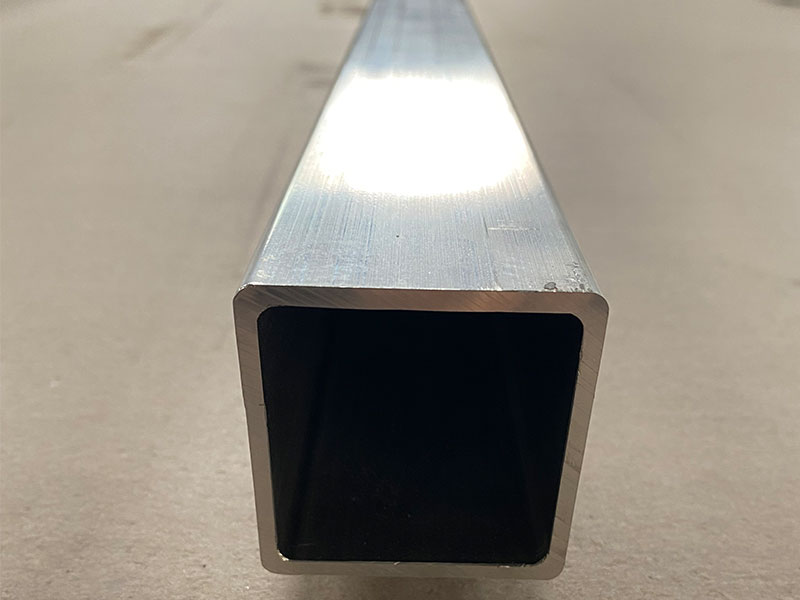
Marine aluminum square tubes
Marine Grade Aluminum Square Tubes are typically constructed from marine-grade alloys such as 5083, 5052, 6061, and 6082—well-known for their ability to withstand the aggressive effects of saltwater and marine atmospheres.
View Details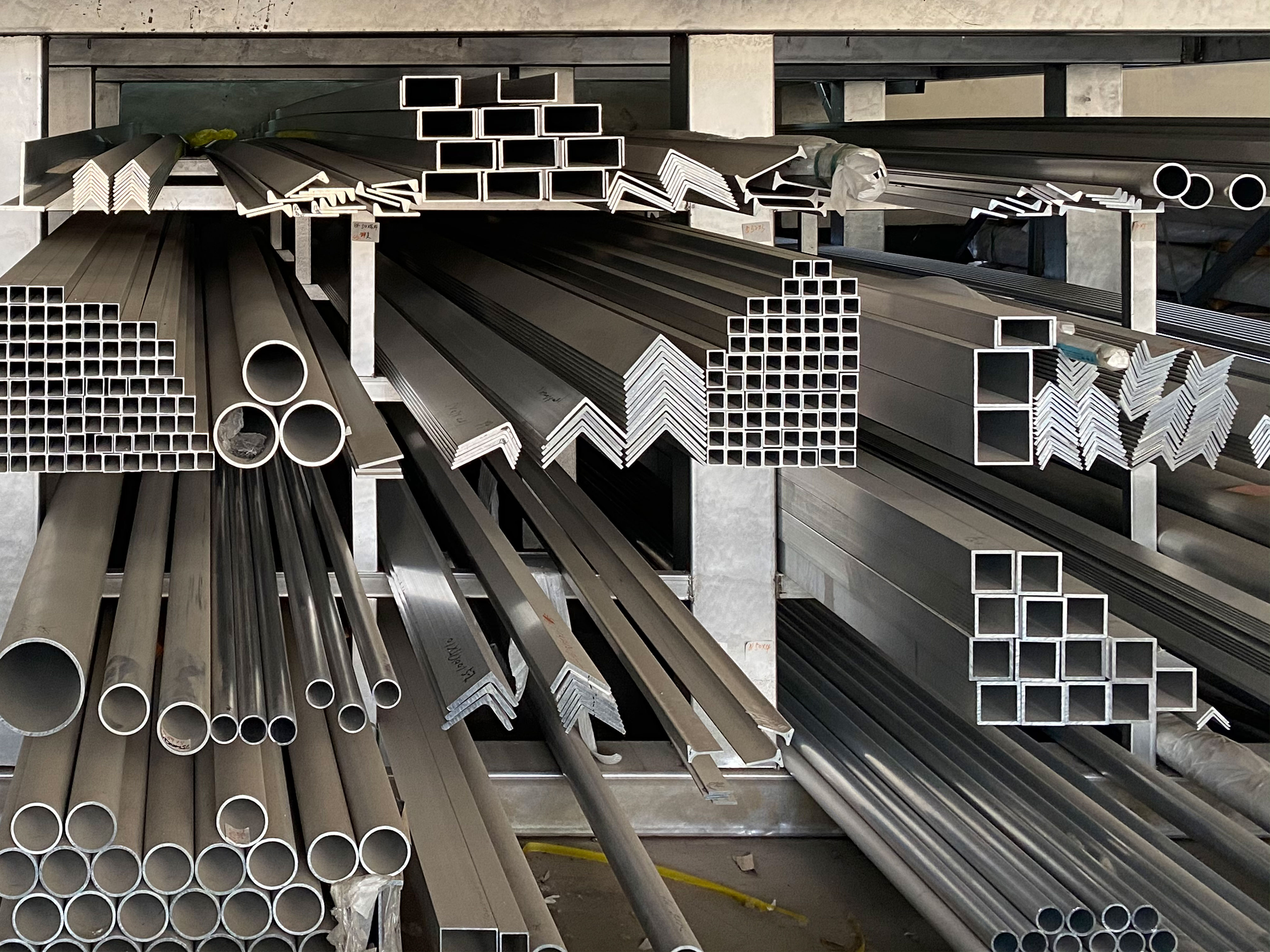
Custom marine aluminum profile tubes
Custom Marine Grade Aluminum Profile Tubes are manufactured from premium marine aluminum alloys such as 5083, 5052, 6061, and 6082.
View Details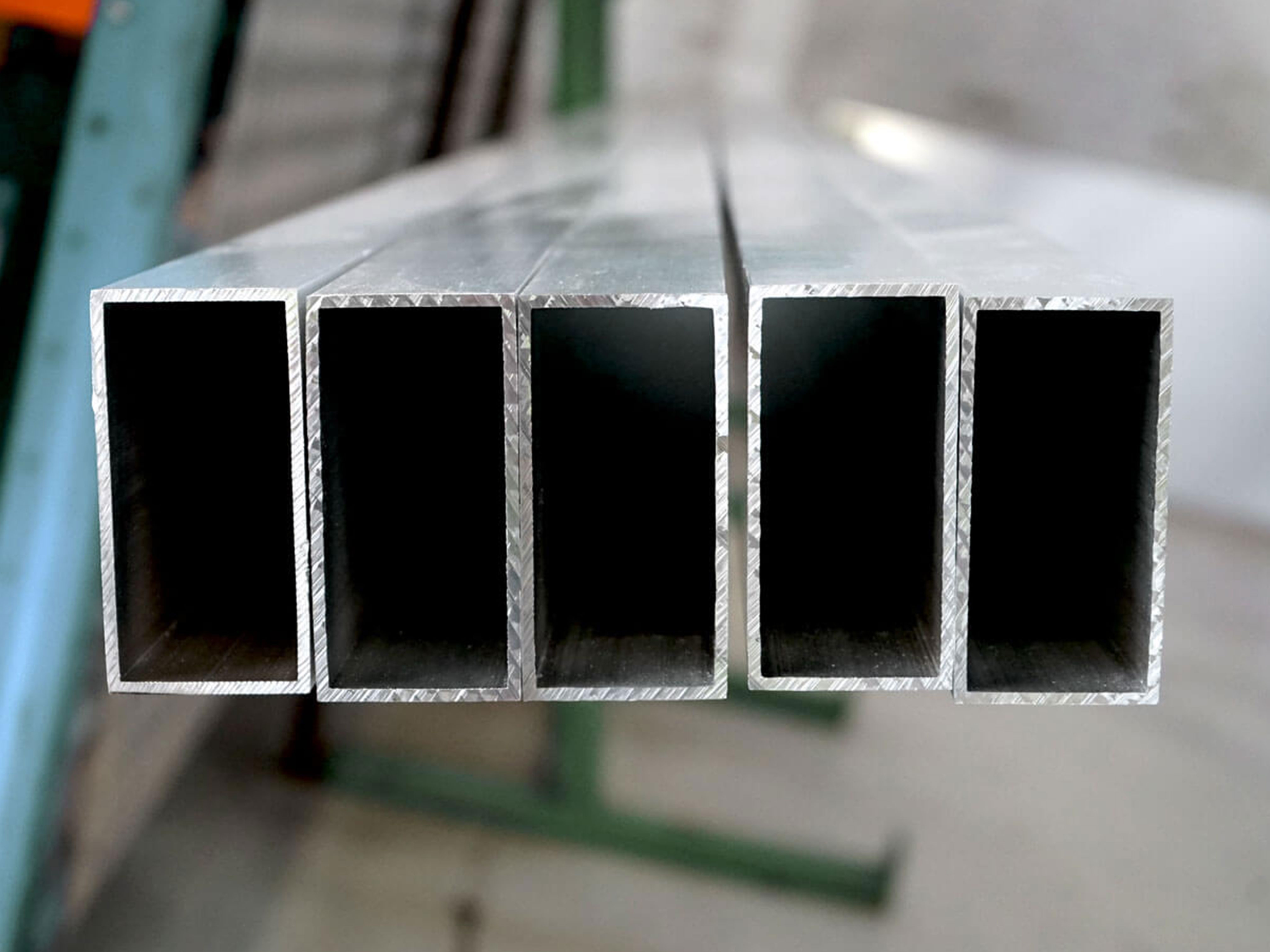
Marine aluminum rectangular tubes
Marine Grade Aluminum Rectangular Tubes are made from high-performance alloys such as 5083, 5052, 6061, and 6082. These alloys are renowned for their ability to resist corrosive seawater and marine atmospheres while providing excellent mechanical strength and toughness.
View Details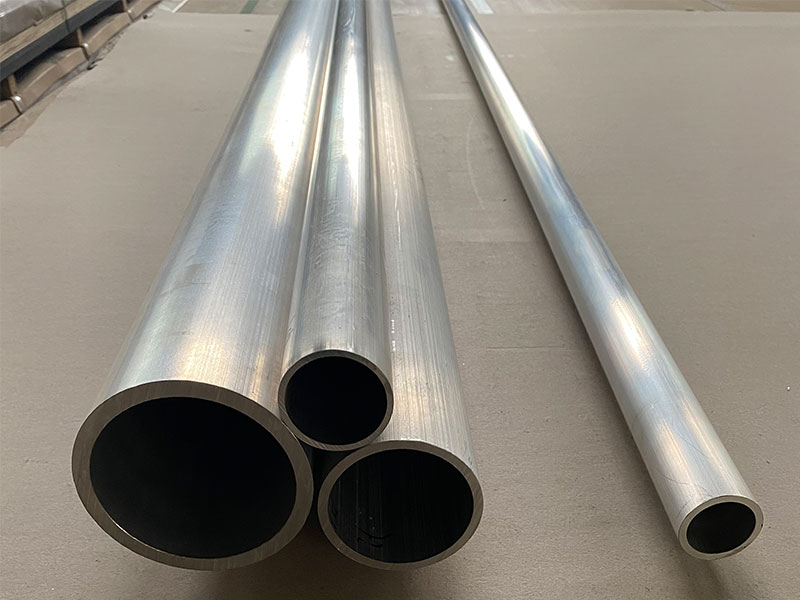
Marine aluminum round tubes
Marine Grade Aluminum Round Tubes are manufactured from premium marine alloys such as 5083, 5052, 6061, and 6082, all selected for their proven resistance to seawater corrosion and marine atmosphere degradation.
View Details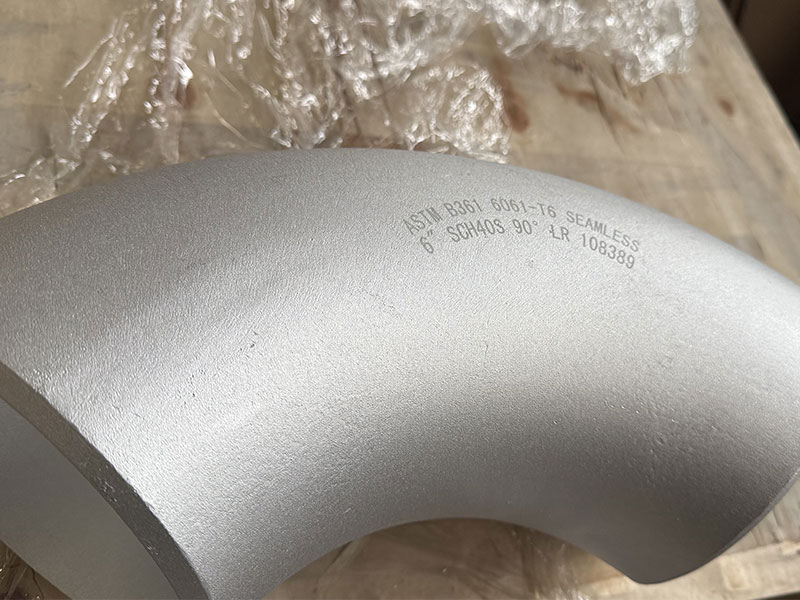
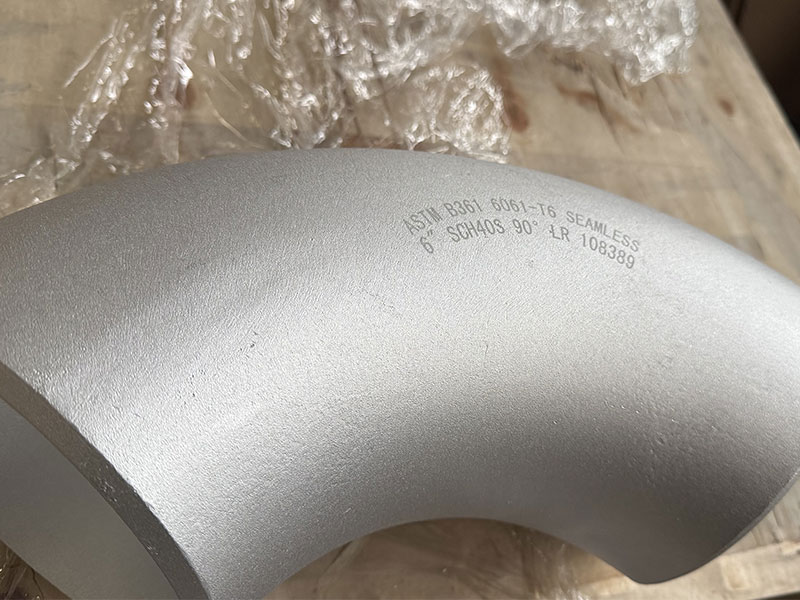
6061-T6 90-Degree Marine Aluminum Pipe Elbow
Manufactured from premium 6061-T6 marine-grade aluminum alloy, this elbow fitting is engineered to provide reliable and efficient pipe direction changes within shipbuilding, offshore platforms, and marine infrastructure systems.
View DetailsRelated Blog
5083 Marine Aluminum Tubes for Saltwater Environment Durability
When it comes to marine applications, durability, corrosion resistance, and mechanical performance are paramount for structural materials. Among the various aluminum alloys available, 5083 aluminum alloy stands out as a premium choice.
View Details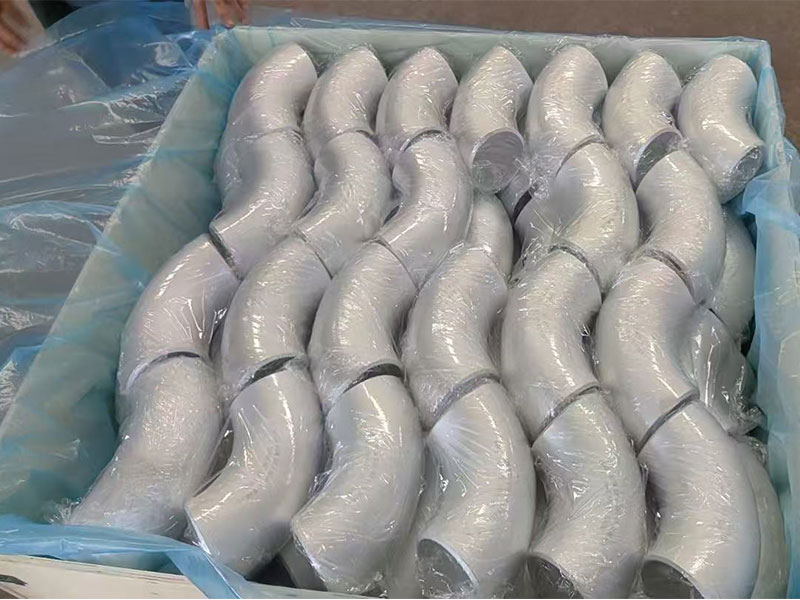
5083 Marine Aluminum Tubes for Saltwater Exposure Resistance
In the marine world, corrosion is never just a surface problem. It is a slow negotiation between metal, salt, oxygen, moisture, stress, and time. Among the aluminum alloys used in offshore structures, shipbuilding, dock systems, desalination equipment.
View Details
5083 Marine Aluminum Tubes for Coastal Boat Building
Marine Aluminum is a prominent material in the marine industry due to its exceptional properties, which makes it the perfect choice for constructing strong, lightweight vessels.
View Details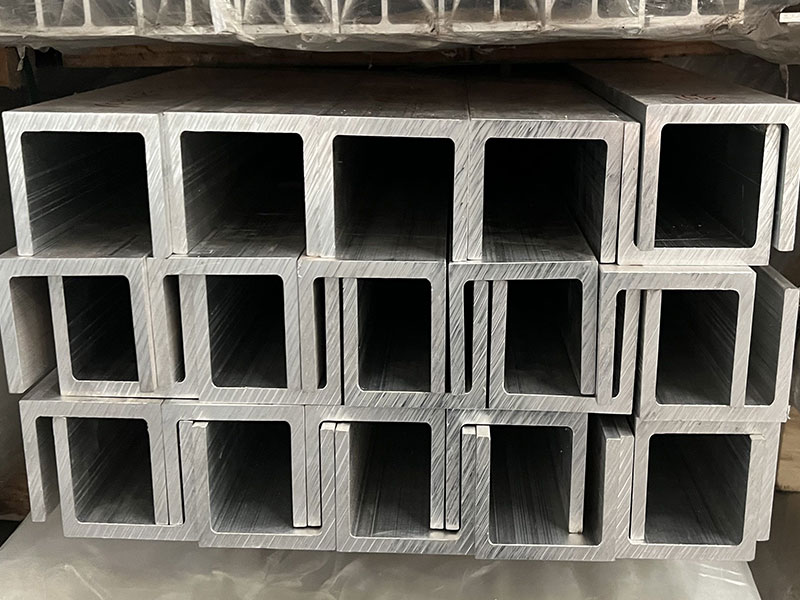
5083 Marine Aluminum Tubes for Boat Building and Fabrication
In the demanding environment of marine vessel construction and fabrication, the selection of high-quality materials is crucial for ensuring durability, safety, and superior performance.
View Details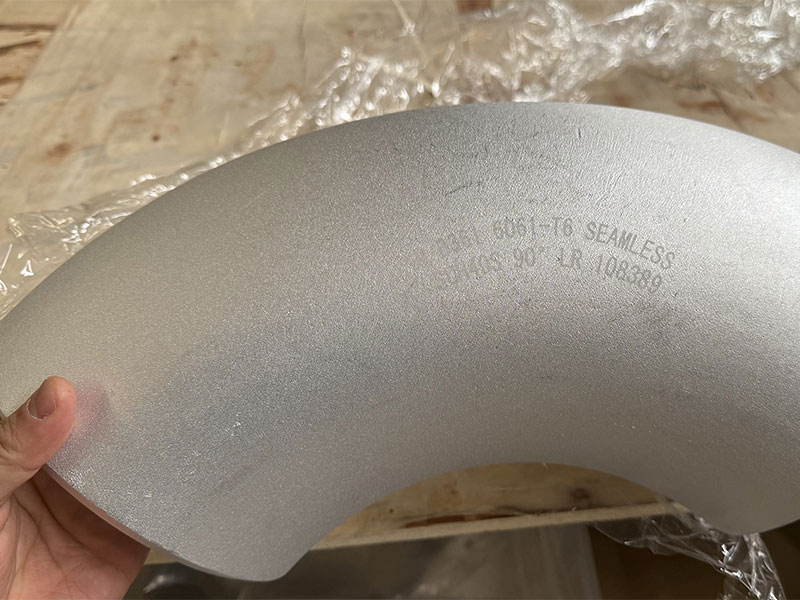
5083 Marine Aluminum Tubes for Marine Hull Construction
5083 aluminum alloy is one of the most widely used non-heat-treatable marine alloys. Designed for superior corrosion resistance, high strength, and excellent weldability, 5083 tubes are ideal for hull structures, superstructures, piping.
View Details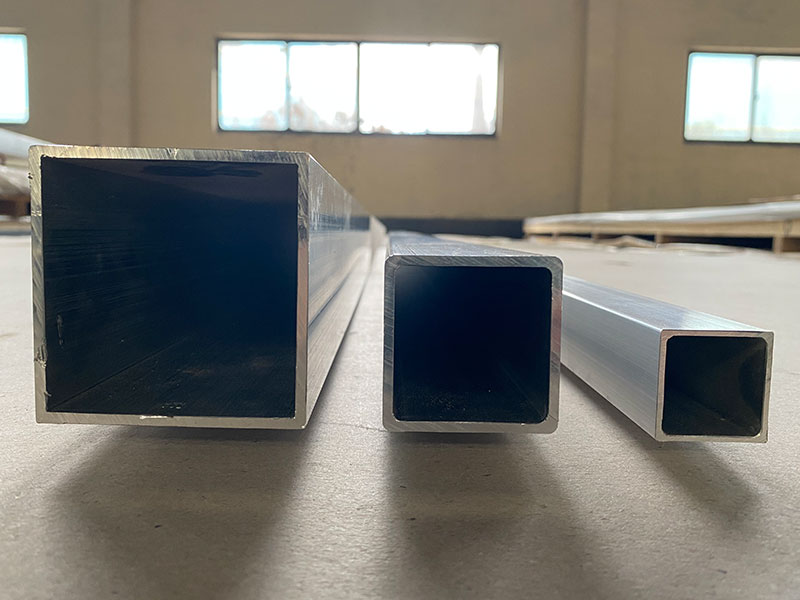
5083 Marine Aluminum Tubes for Commercial Marine Parts
When it comes to commercial marine parts, durability, corrosion resistance, and strength are non-negotiable. Among various materials used in the marine industry, 5083 marine aluminum tubes is know as a premium choice.
View Details
Leave a Message