
6061 Marine Aluminum Angles for Lightweight Boat Hull Frame Solutions
6061 Marine aluminum angles for Lightweight Boat Hull Frame Solutions: Strength You Can "Tune" Like a Hull Stringer
In a lightweight boat hull frame, an angle is rarely "just an angle." It behaves more like a structural hinge point between plating, stringers, bulkheads, and deck beams-quietly deciding whether the hull feels crisp and responsive or dull and fatigue-prone. From a distinctive engineering perspective, 6061 Marine aluminum angles are compelling because they let builders tune stiffness, weldability, and corrosion performance the way a naval architect tunes a hull: not by brute thickness, but by smart section geometry and predictable metallurgy.
6061 aluminum angle extrusions have become a practical backbone in modern marine fabrication because they deliver a highly workable balance: good mechanical strength, dependable extrusion quality, broad availability, and a temper system that can be selected around welding and service loads.
Why 6061 Marine Aluminum Angle Works So Well in Hull Frames
A boat hull frame is a living structure. It flexes under wave slam, torsion, engine vibration, trailering loads, and thermal cycling. In that environment, the "best" alloy is not necessarily the strongest on paper-it's the one whose strength remains reliable after fabrication, whose corrosion behavior is predictable, and whose heat-treatment response is manageable.
6061 marine aluminum angle excels because it is a precipitation-hardened Al-Mg-Si alloy. That chemistry creates a strength mechanism that can be engineered through temper choice, while the alloy remains friendly to machining and cutting. When used as angles in frames and supports, 6061 tends to offer:
- Efficient stiffness-to-weight in L-sections that stabilize plating edges and intersection joints
- Consistent extrusion tolerances for clean fit-up, especially in long runs for stringer reinforcement
- Good general corrosion resistance in marine atmospheres when combined with the right finishing system
- Widely understood welding behavior with established re-tempering and design allowances
This makes 6061 angles a "builder's alloy" for hull framing-especially for lightweight craft, workboats, and aluminum catamarans where structure must stay lean without feeling fragile.
In many hull frames, flat bar and tee profiles carry load in an obvious way. An angle behaves differently. It translates load paths between planes-turning a plating load into a frame web load, or converting local bending into distributed shear along a flange. That translation is why angles are so common at:
- Chine connections and knuckles
- Bulkhead-to-shell connections
- Deck-to-side interfaces
- Engine beds and equipment foundations
- Hatch coamings and stiffened openings
From this viewpoint, the angle's real advantage is that it can reduce peak stress by spreading load across two legs. That's not just structural efficiency-it's fatigue management. In aluminum boats, fatigue performance is often the long-term "truth test," and angles help soften stress concentrations if properly detailed.
Typical Parameters for 6061 Marine aluminum angles
Marine aluminum angles are typically supplied as extrusions. The most common selection variables are leg size, thickness, corner radius, length, temper, and surface condition.
Common practical ranges (availability varies by mill and region):
- Equal-leg angles such as 20×20 mm up to 150×150 mm
- Unequal-leg angles such as 25×40 mm, 50×75 mm, 100×150 mm
- Thickness often from 3 mm to 12 mm for hull framing duties
- Standard lengths often 6 m, sometimes 12 m for production yards
- Corner radii and straightness controlled by extrusion tolerance standards
For hull frames, designers often like the way an angle adds stiffness without adding a full web like a channel. That matters when weight targets are strict and access for welding or inspection is limited.
Tempering Choices: Designing Around Welding Reality
6061 is frequently specified in T6 or T651 for maximum strength in the delivered product. However, in marine hull fabrication, the heat-affected zone around welds reduces strength locally. This isn't a weakness of 6061-it's a predictable metallurgical consequence of precipitate changes during welding.
Common tempers you'll see for Marine aluminum angles:
- 6061-T6: Solution heat-treated and artificially aged; high strength; widely stocked
- 6061-T651: Like T6 but stress-relieved (typically by stretching); improved dimensional stability during machining
- 6061-T4: Solution heat-treated and naturally aged; lower strength but more formable
- 6061-T5: Cooled from hot working and artificially aged; properties depend on extrusion practice
In welded hull frames, many builders specify T6 for the base material while designing weld areas using conservative allowables, because after welding the local properties can approach a T4-like condition. Some high-end production workflows include post-weld heat treatment, but that is often impractical for large hull assemblies. The more common approach is intelligent joint detailing, weld sequencing, and using angles where their geometry lowers stress concentration.
Implementation Standards and Common Marine Fabrication References
For a "marine aluminum angle" to behave like marine-grade structure, it's not enough to buy 6061; the supply and fabrication standards matter.
Commonly referenced standards include:
- ASTM B221 for aluminum and aluminum-alloy extruded bars, rods, wire, profiles (typical basis for angles and custom extrusions)
- ASTM B241/B241M for seamless pipe and tube when angles interface with tubular framing systems
- AWS D1.2 Structural Welding Code – Aluminum (reference for welding procedures, qualifications, and workmanship)
- ISO 6362 for wrought aluminum extruded rods/bars/profiles (often used internationally)
- Classification society expectations from DNV, Lloyd's Register, or ABS when building classed vessels, especially regarding welding quality, design allowables, and inspection scope
In practice, the "standard" that most changes outcomes is the welding code application. Proper filler selection, cleanliness, fit-up, and heat control can do more for long-term durability than an extra millimeter of thickness.
Corrosion Behavior in Marine Use: The Truth Is in the System
6061 has good general corrosion resistance, but "marine" is a system-level requirement: alloy, weld metal, galvanic pairing, coatings, and drainage design.
points to make 6061 angles thrive in saltwater environments:
- Avoid galvanic traps by isolating from stainless steel where possible, or use proper insulating washers/barriers
- Design for drainage and drying; trapped seawater defeats many alloys
- Use appropriate marine coatings or anodizing where aesthetics and lifespan demand it
- Consider sacrificial anodes and bonding strategy on vessels with mixed-metal systems
If your boat uses significant 5xxx series plate (such as 5083/5086) with 6061 framing members, that combination is common in real-world yards. The critical step is managing welding transitions and minimizing galvanic coupling in wet crevices.
Mechanical Properties (Typical) for 6061 Aluminum Angle by Temper
Values vary by product form and thickness; always confirm mill test certificates for design-critical work.
| Property (Typical) | 6061-T6 / T651 | 6061-T4 |
|---|---|---|
| Ultimate tensile strength | ~290 MPa (42 ksi) | ~240 MPa (35 ksi) |
| Yield strength | ~240 MPa (35 ksi) | ~145 MPa (21 ksi) |
| Elongation | ~8–12% | ~12–18% |
| Density | 2.70 g/cm³ | 2.70 g/cm³ |
| Modulus of elasticity | ~69 GPa | ~69 GPa |
In lightweight hull frame solutions, the elastic modulus matters because stiffness governs "feel" and vibration, while yield governs survival under slam loads. Angles help with both by shaping the section for better stiffness distribution.
Chemical Composition of 6061 Marine Aluminum (Typical Limits)
6061 is defined by its chemistry; those controlled additions of magnesium and silicon create the Mg₂Si strengthening phase that makes tempering effective.
| Element | Composition (% by weight) |
|---|---|
| Aluminum (Al) | Balance |
| Magnesium (Mg) | 0.80–1.20 |
| Silicon (Si) | 0.40–0.80 |
| Copper (Cu) | 0.15–0.40 |
| Chromium (Cr) | 0.04–0.35 |
| Iron (Fe) | ≤ 0.70 |
| Manganese (Mn) | ≤ 0.15 |
| Zinc (Zn) | ≤ 0.25 |
| Titanium (Ti) | ≤ 0.15 |
| Others (each) | ≤ 0.05 |
| Others (total) | ≤ 0.15 |
This chemistry is why 6061 angles are so consistent in extrusion quality and respond well to heat treatment, making them an excellent structural "connector" alloy in hull framing.
Welding and Filler Considerations for 6061 Angles in Hull Frames
6061 is routinely welded using GTAW (TIG) and GMAW (MIG). The best filler depends on strength targets, crack sensitivity, and corrosion considerations.
Common fillers used in marine fabrication include:
- ER5356: Often chosen for better as-welded strength and good marine reputation
- ER4043: Often chosen for smooth welds and reduced crack sensitivity, though strength is typically lower than 5356
Because the heat-affected zone softens, experienced builders use angles to place welds in lower-stress regions where possible, or increase local section where unavoidable. The angle's geometry is a subtle advantage here: it can relocate the weld toe away from the highest bending fiber.
Where 6061 Marine aluminum angles Fit Best in Lightweight Boat Hull Frames
6061 aluminum angles shine when you need clean geometry, predictable fit-up, and multi-plane stiffness:
- Frame-to-plating reinforcement at chines and corners
- Light structural supports for decks, consoles, seating bases, and lockers
- Bulkhead edging and cutout reinforcement where stiffness must "turn a corner"
- Modular subframes that are pre-fabricated and then welded into the hull
They are also ideal when you want to keep hull interiors open and serviceable; angles provide stiffness without blocking access like deeper channels might.
The Takeaway: 6061 Angles Are a Builder's Tool for Smart, Lightweight Structure
A lightweight boat hull frame succeeds when loads move smoothly, welds stay unpunished, and corrosion has no hiding places. 6061 Marine aluminum angles support that outcome not by being the exotic choice, but by being the controllable one: known chemistry, selectable tempers, reliable extrusions, and standards-backed fabrication practices.

Related Products
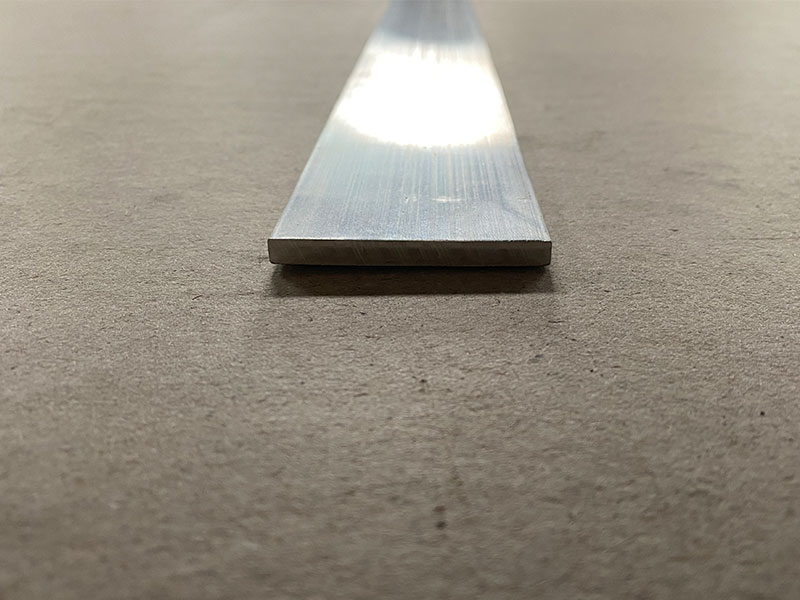
5083 marine aluminum flat bar
5083 aluminum flat bars belong to the 5xxx series of aluminum-magnesium alloys, known primarily for their superior resistance to seawater corrosion and salt spray.
View Details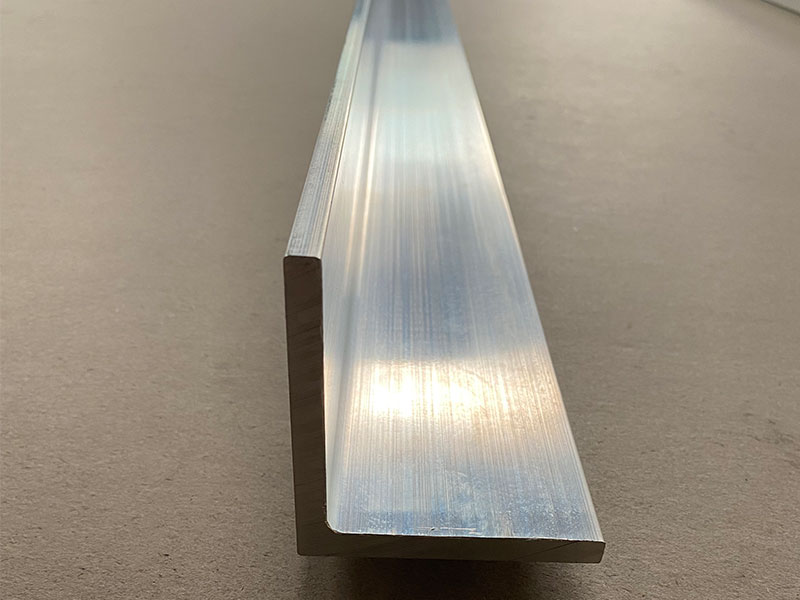
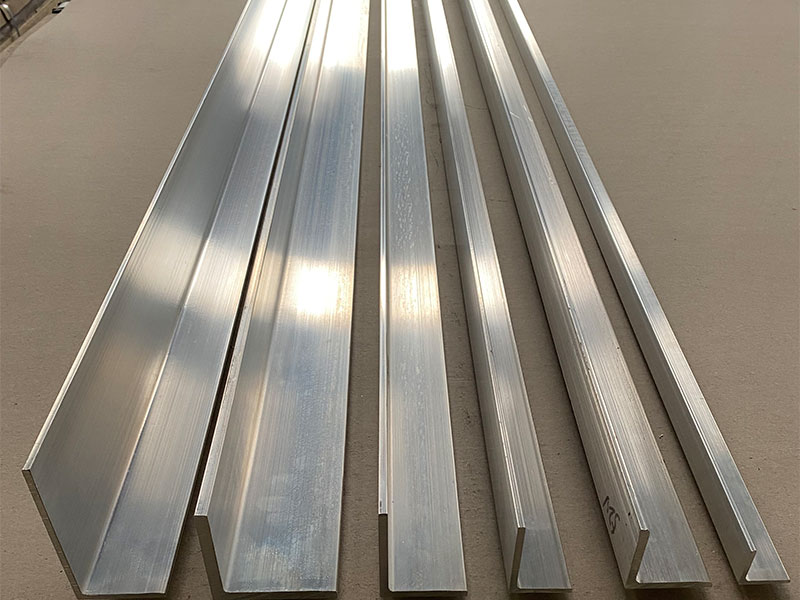
Marine aluminum angles
Marine Aluminum Angles are L-shaped cross-sectional aluminum profiles produced from marine-grade aluminum alloys such as 5083, 5052, and 6061.
View Details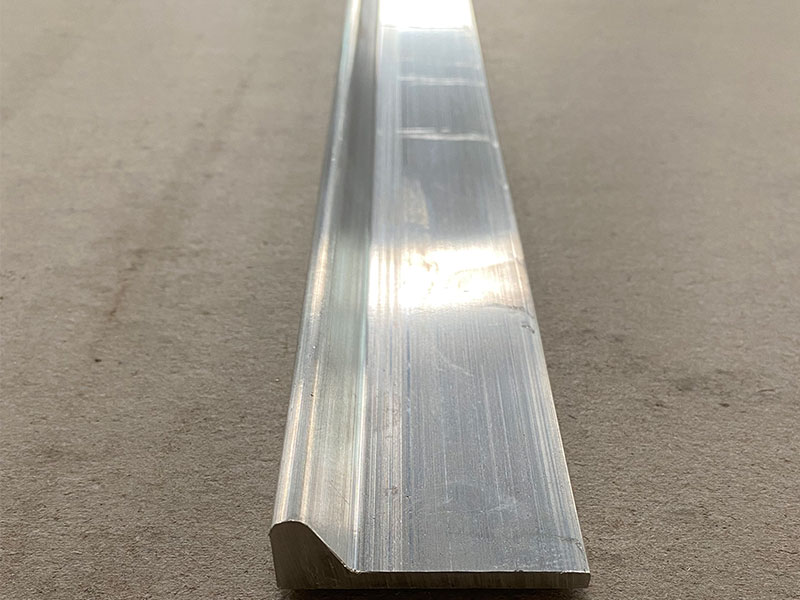
Marine aluminum I-beams
Marine Aluminum I-Beams feature the traditional “I” cross-sectional profile fabricated from marine-grade aluminum alloys like 5083, 5086, and 6061. These alloys are renowned for their outstanding corrosion resistance, especially in saltwater and marine atmospheres, making them ideal for offshore and naval construction.
View Details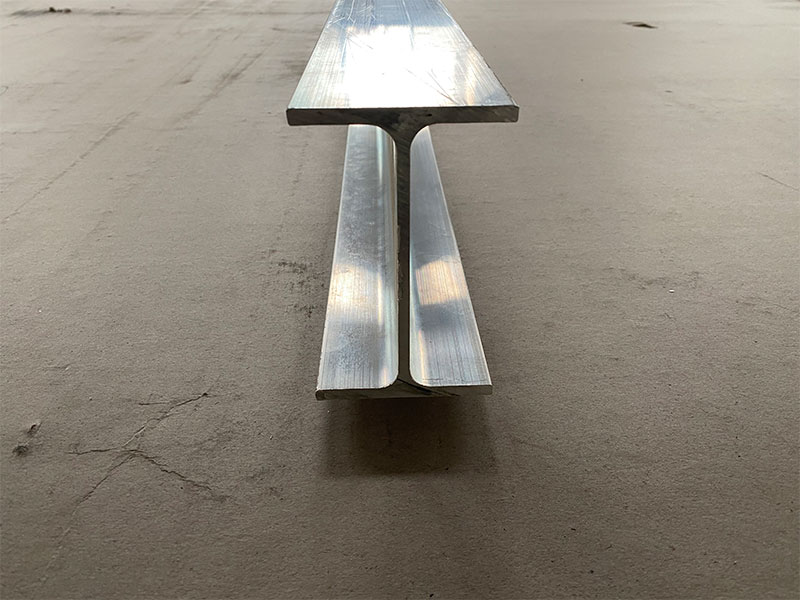
Marine aluminum Z-shaped sections
Marine Aluminum Z-shaped Sections are fabricated from premium marine-grade aluminum alloys such as 5083, 5052, and 6061. These alloys are well-regarded for their superior corrosion resistance in seawater and marine atmospheres, along with good mechanical strength and excellent weldability.
View Details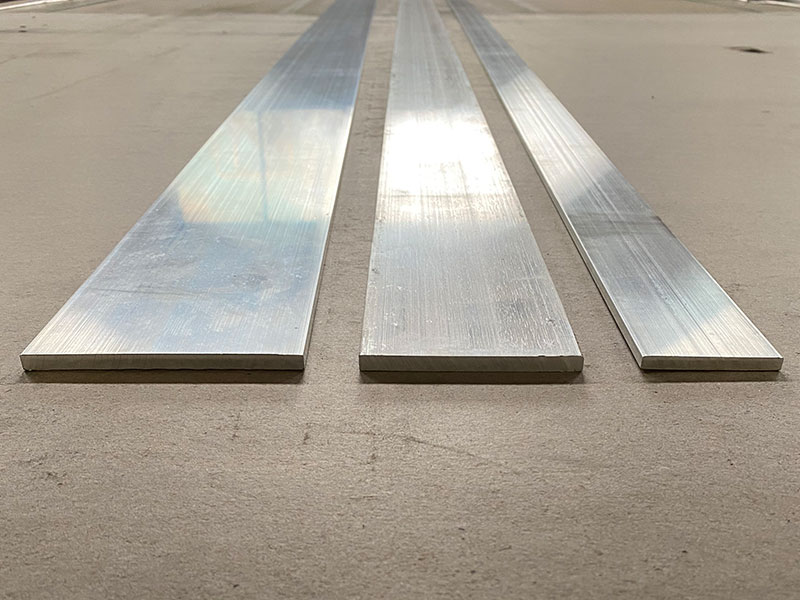
6061 T6 marine aluminum flat bar
6061 aluminum is classified as a heat-treatable 6xxx series alloy, alloyed primarily with magnesium and silicon. The T6 temper designation indicates that the flat bar has been solution heat-treated and artificially aged to achieve optimum strength and hardness.
View Details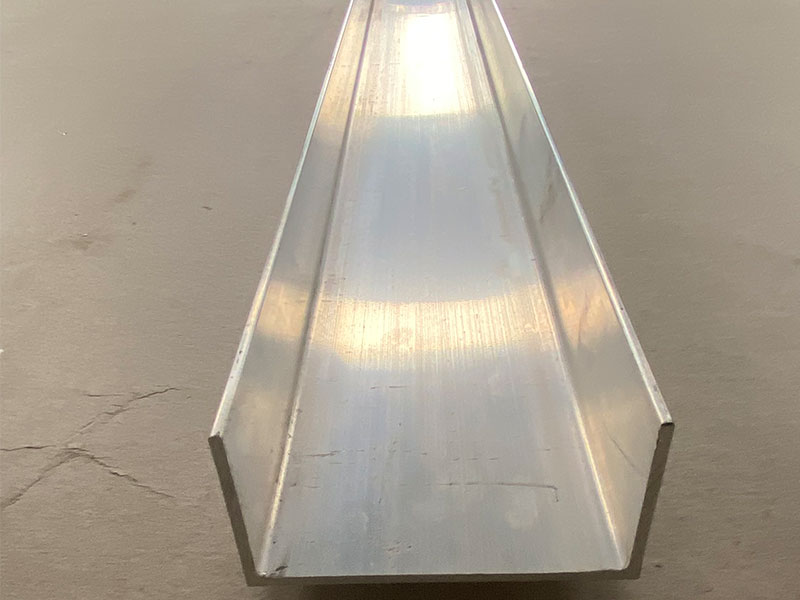
Marine aluminum channels
Marine Aluminum Channels are U-shaped aluminum profiles produced from alloys such as 5083, 5052, and 6061, known for their excellent marine corrosion resistance and superior mechanical strength.
View DetailsRelated Blog
6061 Marine Aluminum Flat Bar for Custom Boat Frame Engineering
6061 Marine Aluminum Flat Bar for Custom Boat Frame Engineering: Designing Strength You Can Feel, Not Just CalculateIn custom boat frame engineering, the most important structural parts rarely look dramatic.
View Details
6061 Marine Aluminum Angles for High Strength Coastal Marine Parts
6061 Marine Aluminum Angles are premium-grade structural aluminum components widely used in the marine industry due to their exceptional strength, corrosion resistance, and versatility.
View Details
6061 Marine Aluminum Round Bar for Seawater Resistant Boat Parts
When it comes to constructing durable, lightweight, and seawater resistant boat parts, 6061 Marine Aluminum Round Bar stands out as a top choice in the marine industry.
View Details
6061 Marine Aluminum Round Bar for Custom Marine Frame Fabrication
Marine environments are unforgiving — they demand resilience, lightweight strength, and excellent corrosion resistance from the materials we use in boat and frame fabrication.
View Details
5083 5086 6061 6082 marine aluminum channel
IntroductionMarine aluminum channel is an essential structural product in shipbuilding, offshore platforms, marine fittings, and related coastal infrastructure. Compared with steel.
View Details
6061 Marine Aluminum Rod & Bar for Durable Marine Engineering
6061 marine aluminum rod and bar, engineered for strength, corrosion resistance, and performance in harsh marine environments. Detailed specifications, chemical composition, temper conditions, and industrial standards included.
View Details
Leave a Message