
Marine Aluminum Heat Sink Profile for Seawater Resistant Marine Equipment Cooling
Marine electronics and power systems increasingly operate in harsh, salt-laden atmospheres where thermal control and corrosion resistance must be engineered together-not traded off. The Marine aluminum heat sink profile is an extruded aluminum thermal-management solution optimized for seawater-adjacent environments (spray, mist, high humidity, galvanic risk) and designed to deliver stable heat dissipation, long service life, and low maintenance for marine equipment cooling.
1) What the Product Is
A heat sink profile is an aluminum extrusion with engineered fins, bases, and mounting features that maximize heat transfer area while maintaining mechanical rigidity. In marine applications, the profile must also resist:
- Chloride-induced pitting and crevice corrosion
- Galvanic coupling to dissimilar metals (stainless fasteners, copper busbars, etc.)
- Surface fouling and coating damage from vibration and salt cycles
This product is typically manufactured from marine-grade 6xxx-series aluminum (commonly 6063 for high extrudability and surface quality, or 6082/6061 for higher strength) with controlled process conditions and protective surface treatment.
2) Features (Designed for Marine Duty)
Seawater-resistant alloy selection
- 6063-T5/T6: excellent extrudability → thin, tall fins and consistent geometry for predictable thermal performance.
- 6082-T6 / 6061-T6 options: higher strength for heavier modules and rugged enclosures.
Corrosion control by design
- Fin spacing and base geometry can be tuned to avoid salt trap zones, improve drainage, and reduce crevice corrosion risk.
- Surface finishing (anodizing, hard anodizing, marine coatings) enhances resistance to salt spray and humidity cycling.
Stable thermal performance
- High thermal conductivity and low mass enable quick response to load changes (power electronics, inverters, chargers).
- Extrusion enables repeatable fin geometry, maintaining consistent airflow and heat transfer across batches.
Manufacturing flexibility
- Compatible with CNC machining, drilling/tapping, cut-to-length, and integration of mounting grooves or cable channels.
- Optional friction stir welding or mechanical joining to form larger thermal plates.
3) Typical Technical Specifications (Customizable)
Values below represent common engineering ranges for marine heat-sink extrusions; final design depends on fin density, base thickness, and required load.
| Parameter | Typical Range / Option | Notes |
|---|---|---|
| Alloy options | 6063, 6061, 6082 | 6063 for complex fins; 6061/6082 for strength |
| Temper | T5 / T6 | T6 for higher strength; T5 for easier extrusion on complex shapes |
| Profile width | 20–400 mm | Multi-cavity extrusion possible |
| Base thickness | 3–20 mm | Higher thickness improves spreading resistance |
| Fin thickness | 0.8–2.5 mm | Thin fins increase area; must maintain rigidity |
| Fin height | 10–80+ mm | Taller fins improve convection if airflow supports it |
| Length (cut-to-size) | 50–6000 mm | Standard saw cut; CNC end machining optional |
| Flatness (after machining) | ≤0.10–0.30 mm (typ.) | Depends on length and base thickness |
| Surface finish options | Mill, anodized, hard anodized, painted/powder coated | Marine-grade sealing recommended |
| Mounting features | Slots, dovetails, tapped holes | For modular assembly and vibration resistance |
4) Chemical Composition (Marine-Grade 6063 as Reference)
6063 is widely used for heat-sink extrusions due to its excellent extrudability and good corrosion behavior in coastal exposure. For higher strength requirements, 6061/6082 may be selected, but 6063 often wins on fin detail and surface quality.
| Element | Typical 6063 Composition (wt%) |
|---|---|
| Si | 0.20–0.60 |
| Mg | 0.45–0.90 |
| Fe | ≤0.35 |
| Cu | ≤0.10 |
| Mn | ≤0.10 |
| Cr | ≤0.10 |
| Zn | ≤0.10 |
| Ti | ≤0.10 |
| Al | Balance |
5) Mechanical Properties (Temper-Dependent)
Mechanical requirements in marine equipment are often underestimated. Heat sinks may become structural members, supporting power modules, fans, covers, and shock loads. Typical values:
| Property | 6063-T5 (typ.) | 6063-T6 (typ.) | Why it matters |
|---|---|---|---|
| Ultimate tensile strength (MPa) | 160–190 | 205–240 | Resistance to handling damage and deformation |
| Yield strength (MPa) | 110–140 | 170–200 | Thread integrity and base rigidity |
| Elongation (%) | 8–12 | 6–10 | Toughness under vibration |
| Brinell hardness (HBW) | 55–65 | 70–80 | Wear during assembly |
If your design uses heavy clamping loads or long unsupported spans, consider 6061/6082-T6 variants for additional structural margin.
6) Thermal Performance Considerations (What Customers Should Know)
Heat sink performance is not just "material conductivity." In marine use, performance must remain stable under salt film, humidity, and variable airflow.
Main thermal pathways
- Spreading in the base (module → base)
- Convection and radiation (fins → air)
- Interface resistance (TIM selection and flatness)
Surface treatment vs heat dissipation
- Anodizing improves corrosion resistance and can increase emissivity (radiation component), which is helpful in low airflow.
- Excessively thick or poorly sealed coatings can add thermal resistance-so the process must be controlled for heat-sink duty.
| Item | Typical Choice | Practical impact |
|---|---|---|
| Surface for coastal exposure | Anodized + sealed | Improves pitting resistance and service life |
| Best for radiation | Black anodized | Higher emissivity; better passive cooling |
| Contact interface | Thermal grease/pad + controlled flatness | Lowers junction-to-sink temperature |
7) Marine Applications (Where This Profile Fits Best)
This profile is intended for equipment that must keep running in corrosive, vibration-prone environments:
- Marine power converters (DC/DC, AC/DC rectifiers, inverters)
- Battery energy storage on vessels (BMS cooling plates, charger heat sinks)
- Navigation and radar electronics enclosures
- LED marine lighting (high-lumen floodlights, deck lighting)
- Shore power and dock-side power modules
- Instrument housings in engine rooms and high-humidity compartments
For highly aggressive conditions (direct seawater splash, persistent wetting), customers often pair this profile with:
- robust sealing design (gaskets, drip edges)
- isolation strategies to manage galvanic coupling
- periodic washdown recommendations
8) Benefits for Customers (Value You Can Measure)
Longer service life in coastal environments
Marine-grade alloy + appropriate surface treatment reduces:
- pitting initiation
- white rust-like corrosion product buildup
- premature replacement of thermal modules
Predictable thermal headroom
Consistent extrusion geometry and controlled machining enable stable:
- base flatness
- mounting pressure distribution
- repeatable temperature margins across production lots
Lower total cost of ownership
Extruded profiles provide an efficient balance of:
- low material waste
- scalable manufacturing
- fast customization (slots, holes, length changes)
Easy integration into marine equipment
The profile can be designed to support:
- fan shrouds and airflow ducts
- EMI shields and enclosure walls
- modular mounting rails for quick service
9) Selection Guide (Quick Use-Case Matching)
| Scenario | Recommended Alloy/Temper | Surface Recommendation | Notes |
|---|---|---|---|
| Complex fin geometry, high-volume production | 6063-T5/T6 | Sealed anodizing (black optional) | Best extrusion detail and appearance |
| Heavy equipment, shock/vibration, structural loading | 6061-T6 / 6082-T6 | Hard anodizing or marine coating | Higher strength for rugged assemblies |
| Passive cooling (low airflow) | 6063-T6 | Black anodized | Emissivity helps; ensure fin spacing avoids clogging |
| High airflow forced convection | 6063-T5 | Sealed anodizing | Optimize fin pitch for pressure drop |
The Marine aluminum heat sink profile for Seawater Resistant Marine Equipment Cooling is engineered to deliver reliable thermal performance while resisting the corrosion mechanisms common to marine environments. By combining marine-appropriate alloy selection, extrusion-optimized fin geometry, and controlled surface protection, it provides a practical, scalable heat dissipation solution for marine power electronics, lighting, and control systems-helping customers extend equipment life, reduce maintenance, and preserve thermal margins in salt-rich conditions.

Related Products
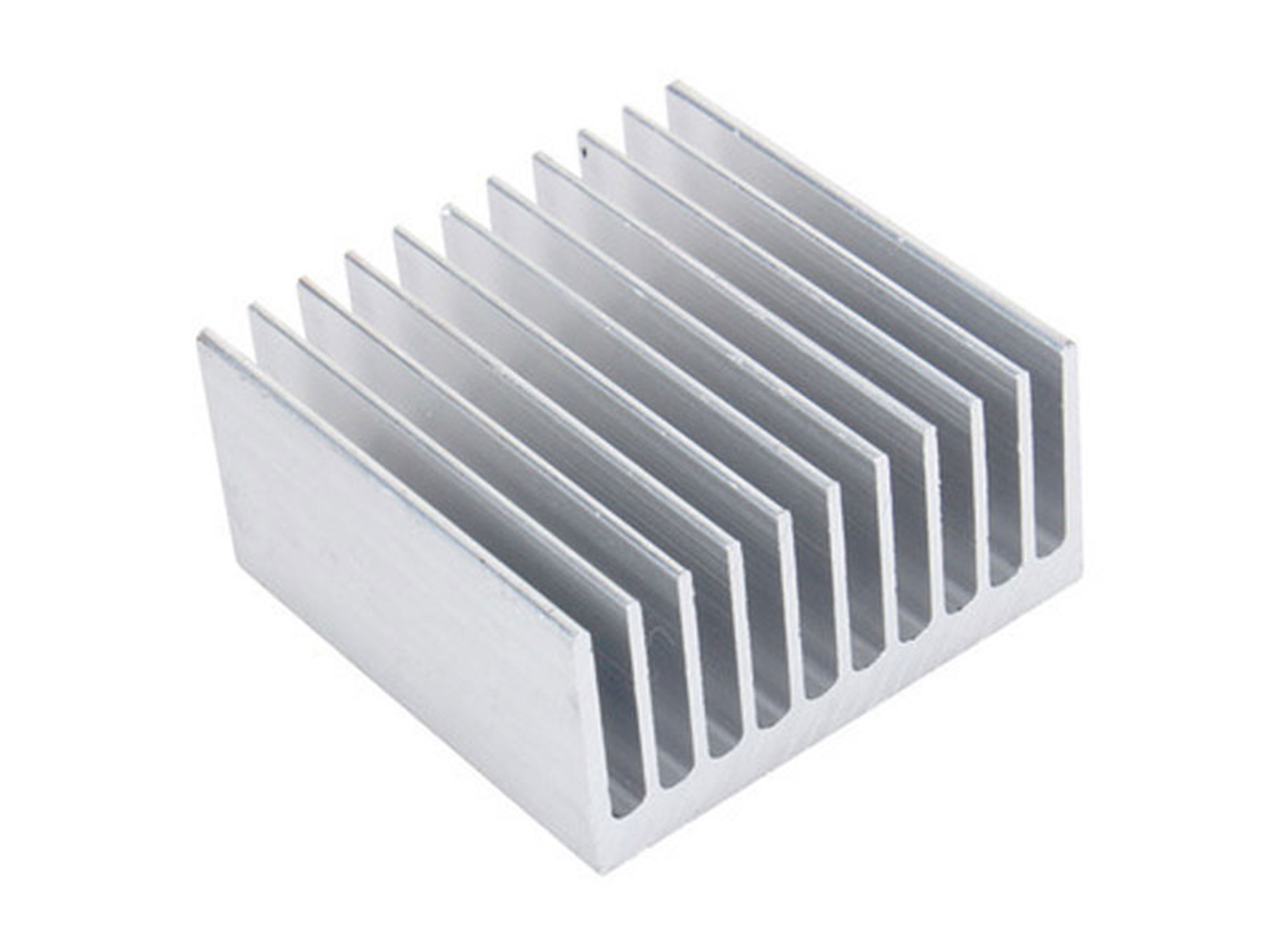
Marine aluminum heat sink profile
Marine Grade Aluminum Heat Sink Profiles utilize alloys such as 6061 and 6063 that not only exhibit high thermal conductivity but also possess excellent corrosion resistance required for saltwater exposure.
View Details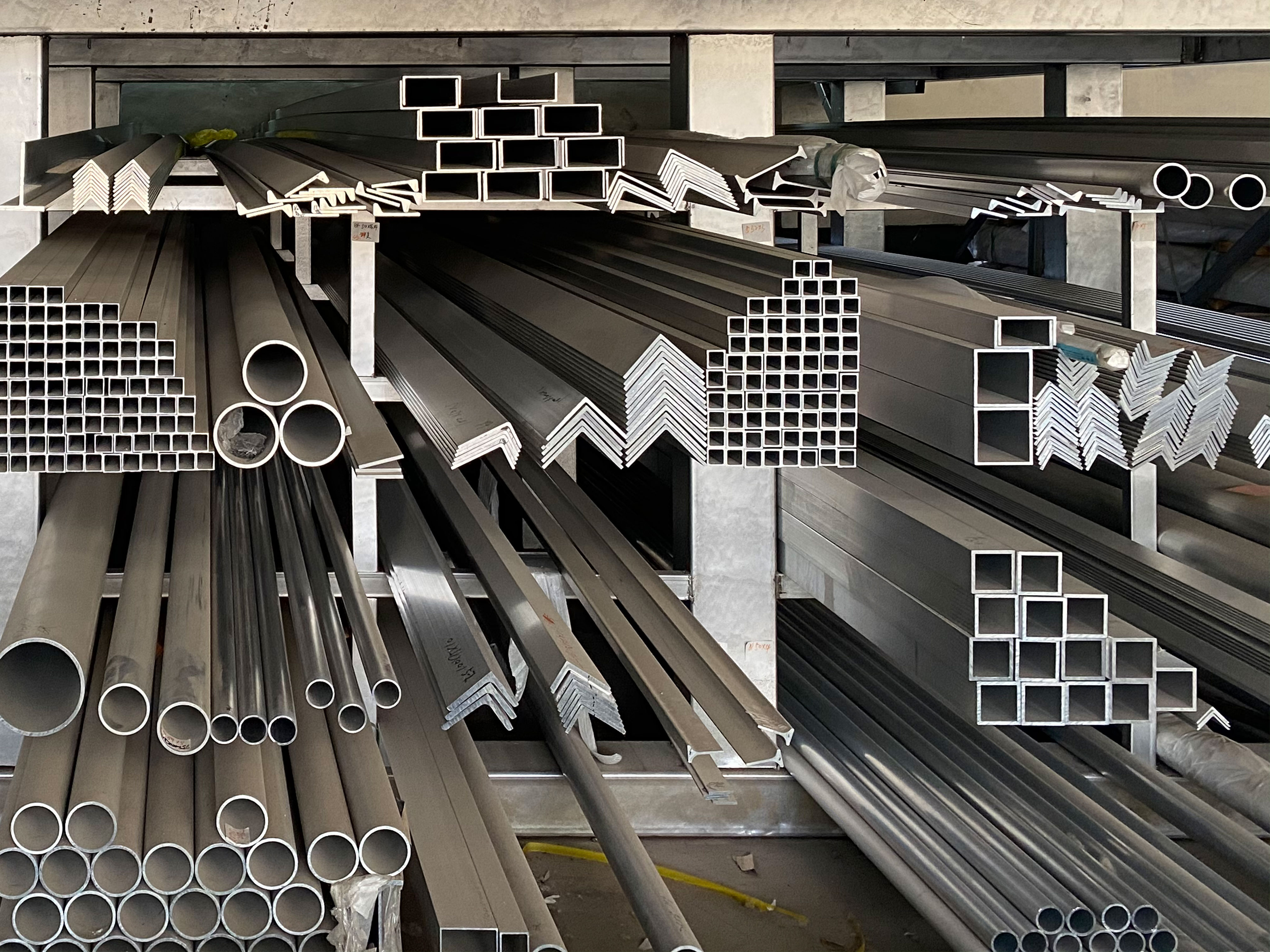
Marine aluminum fencing and railings
Marine Grade Aluminum Fencing and Railings are fabricated using marine-grade aluminum alloys such as 5083, 5052, and 6061, which are engineered specifically for protection against saltwater corrosion and marine atmospheric conditions.
View Details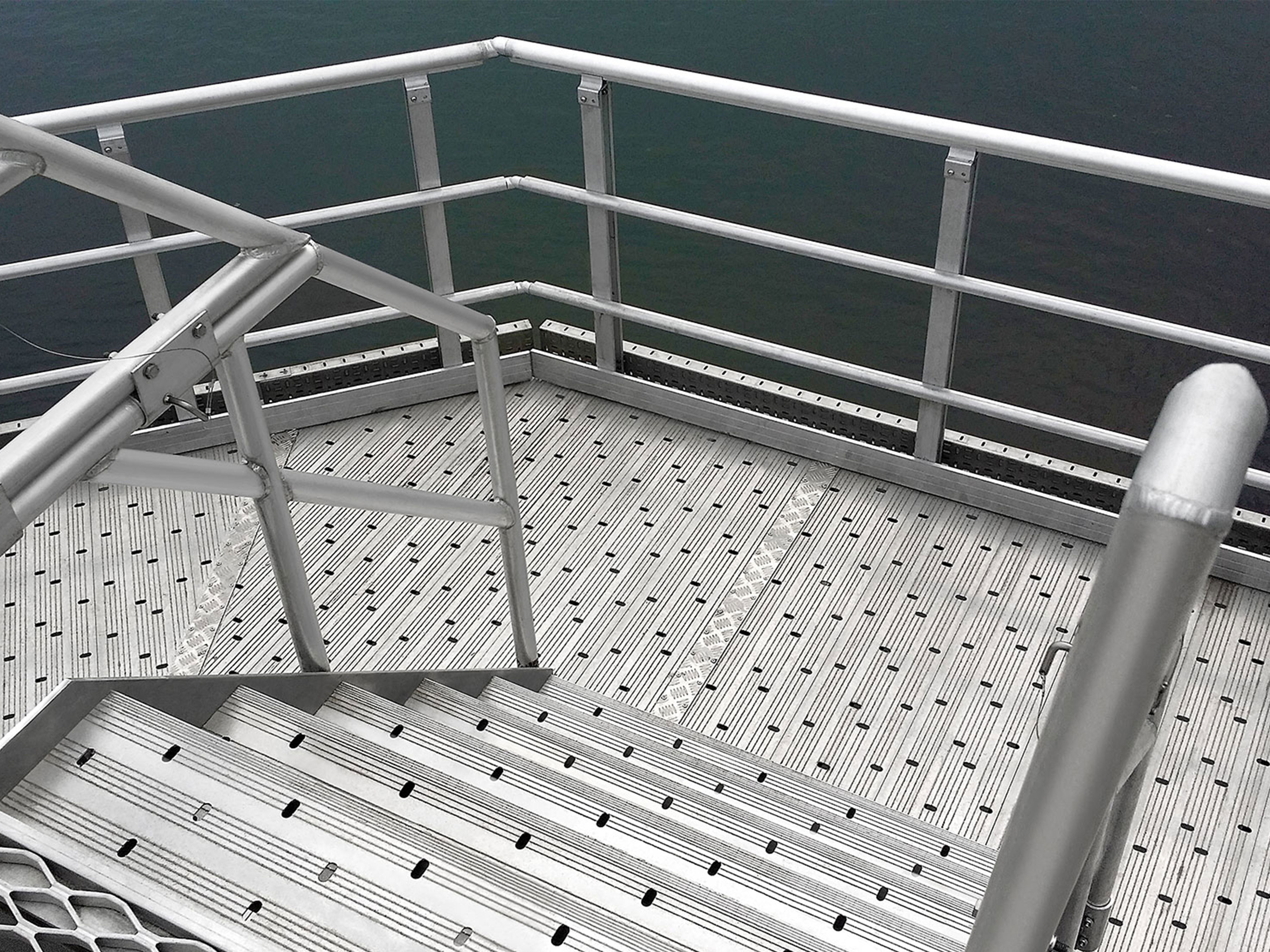
Marine aluminum customized shapes
Marine Grade Aluminum Customized Shapes encompass a broad range of aluminum extrusions and fabrications engineered beyond standard profiles—such as channels, angles, tubes, and beams—into complex, project-specific geometries.
View DetailsRelated Blog
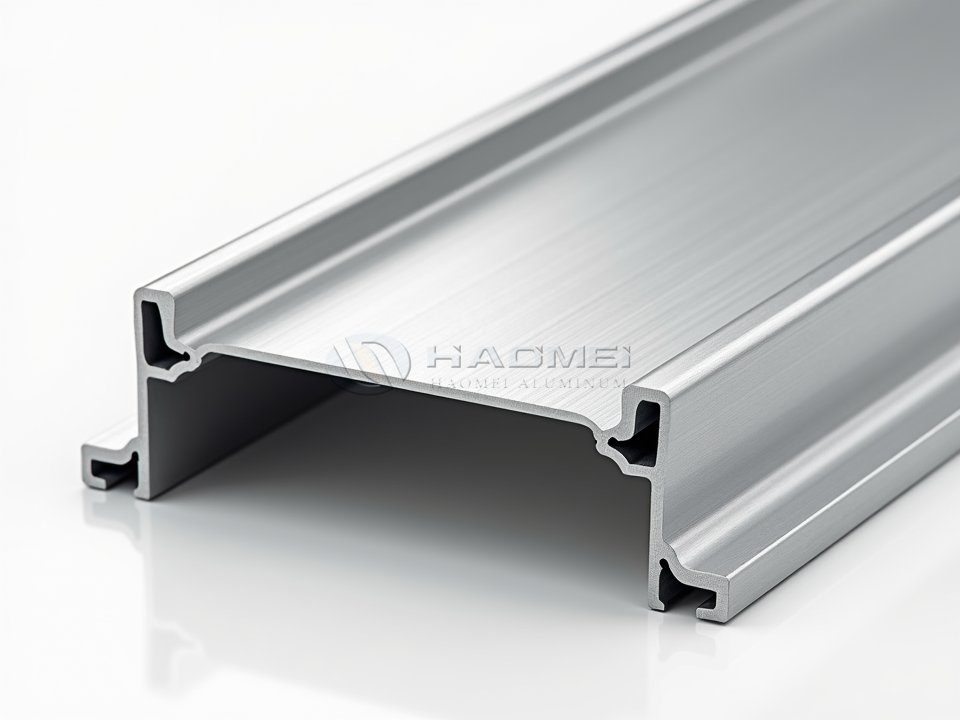
6061 Marine Aluminum Fencing and Railings for Durable Offshore Platform Guardrails
6061 marine aluminum fencing and railings deliver corrosion resistance, weldability, low weight, and dependable strength for offshore platform guardrails.
View Details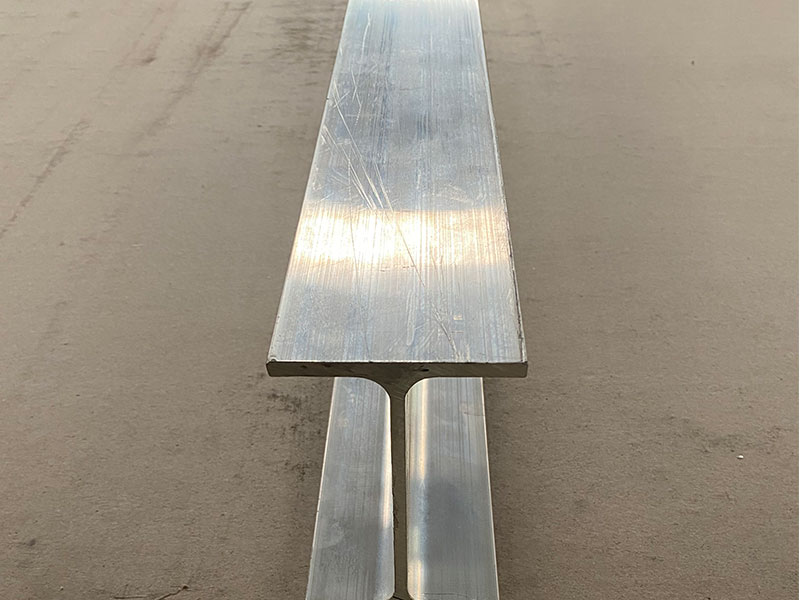
Marine Aluminum Heat Sink Profile for Cooling Offshore Marine Electrical Systems
In the ever-demanding offshore marine environment, electrical systems are subjected to extreme conditions—saltwater corrosion, temperature fluctuations, mechanical stresses, and continuous operation.
View Details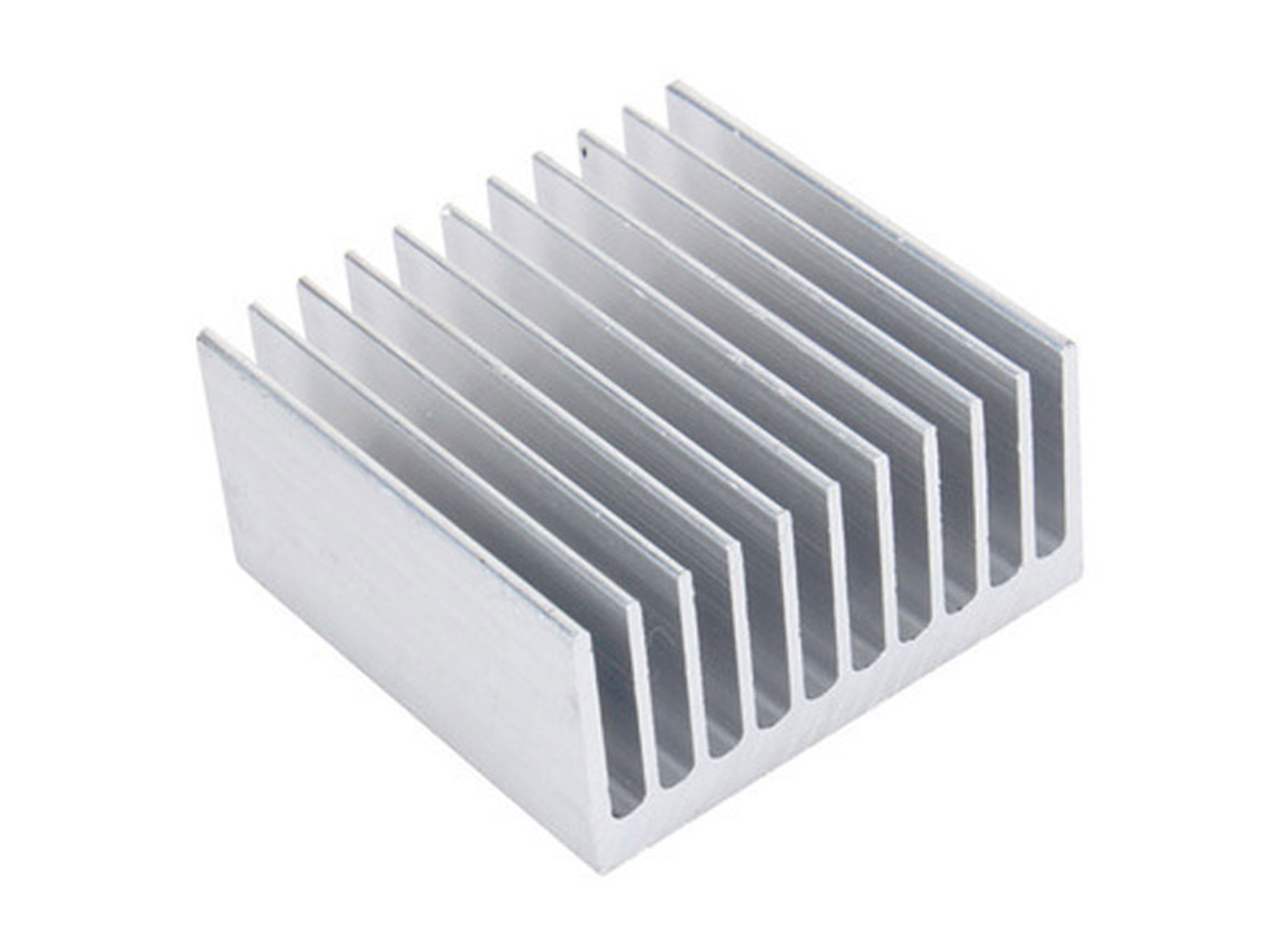
Marine Aluminum Heat Sink Profile for High Performance Heat Transfer in Coastal Equipment
High-performance Marine Aluminum Heat Sink Profile specially engineered for coastal equipment, offering superior corrosion resistance, thermal conductivity, and durability to ensure optimal heat transfer even in harsh marine environments.
View Details
Marine Aluminum Heat Sink Profile for Offshore Marine Equipment Heat Dissipation
Offshore platforms, coastal substations, deck machinery, and marine electronics all share the same thermal challenge: high heat load in an aggressive saltwater atmosphere.
View Details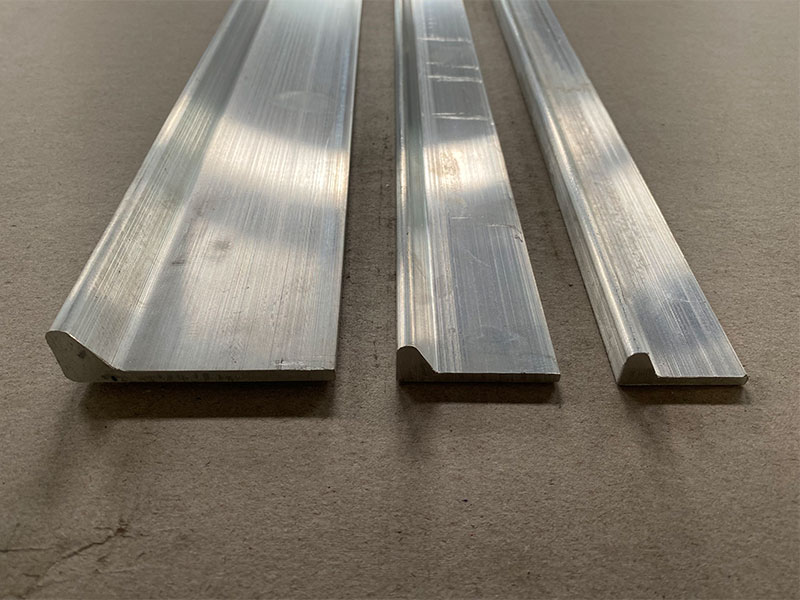
5083 Marine Aluminum Fencing and Railings for Custom Marine Infrastructure Barriers
When it comes to building durable, high-performance marine infrastructure barriers such as fencing and railings, 5083 Marine Aluminum stands out as an industry-leading material.
View Details
Marine Aluminum Heat Sink Profile for Custom Marine Electronics Cooling Solutions
In the world of marine applications, maintaining optimal temperature for electronic components is critical. As our energetic boating and yachting operations evolve, so does our need for innovative cooling solutions.
View Details
Leave a Message