
Marine Aluminum Alloy 5083 Sheet Mirror
A Marine Aluminum Alloy 5083 Sheet Mirror is more than a reflective metal panel. It is a marine-grade aluminum sheet engineered to work in wet, salty, demanding environments while presenting a clean, polished appearance. The mirror finish gives 5083 aluminum a decorative dimension, but the material beneath that surface remains a high-strength Al-Mg alloy designed for real structural and semi-structural service.
For boatbuilders, interior fabricators, yacht outfitters, and equipment manufacturers, this product offers an appealing balance: low weight, corrosion resistance, weldability, and a surface that can brighten enclosed spaces. It is often selected where a traditional painted or stainless steel panel would add unnecessary weight or require more maintenance.
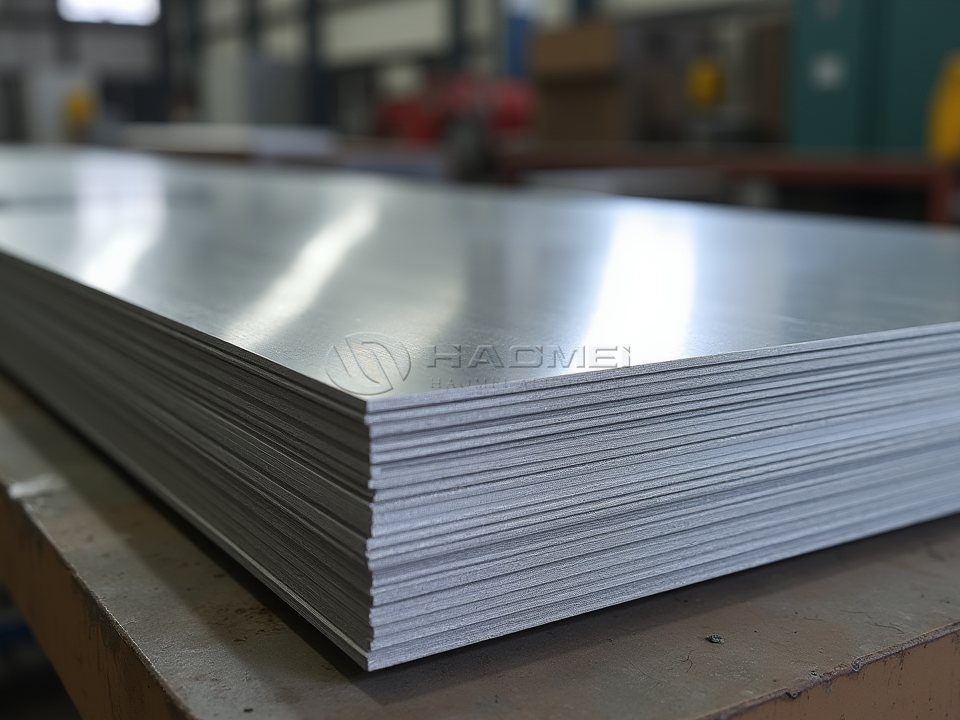
What Makes 5083 Mirror Sheet Different?
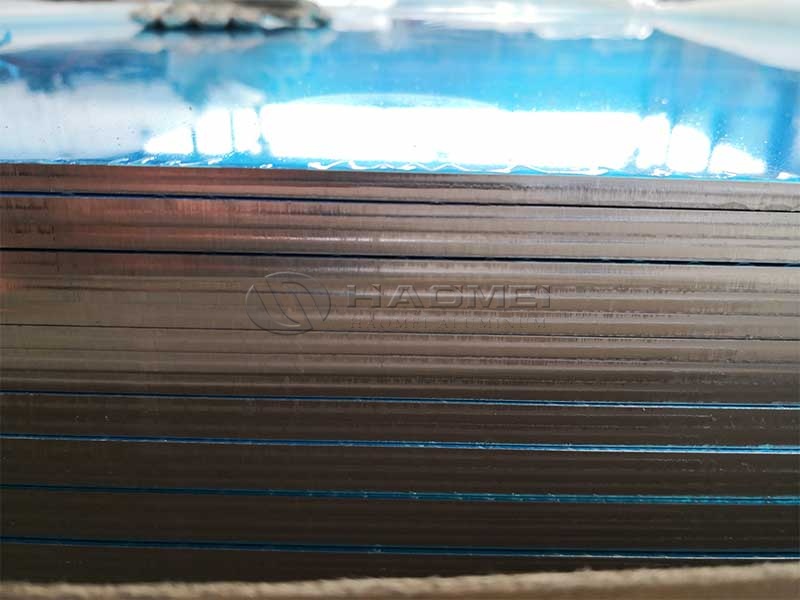
The word "mirror" refers to the surface treatment, not a change in the alloy chemistry. A 5083 sheet may be mechanically polished, bright rolled, or finished with a protective film to create high reflectivity. The polished face can be used for marine interiors, wall cladding, instrument surrounds, cabin furniture accents, galley panels, signage, and protective decorative covers.
Unlike ordinary reflective aluminum, 5083 has a high magnesium content. Magnesium improves strength and makes the alloy especially suitable for seawater exposure. This is why 5083 is widely recognized in hull plating, deck structures, superstructures, tanks, and offshore fabrications. For applications requiring both visual impact and marine durability, a mirror-finished Marine 5083 aluminum sheet is a practical material choice.
A polished finish should be specified carefully. It may show fingerprints, scratches, and forming marks more readily than mill finish material. Protective PVC film is therefore commonly applied during transport, cutting, bending, and installation.
Standard Parameters for Marine Aluminum Alloy 5083 Sheet Mirror
The available size range depends on production capability, surface grade, temper, and minimum order requirements. Mirror products are commonly ordered in sheet form, although coil may be possible for thinner gauges.
| Parameter | Typical Specification |
|---|---|
| Alloy | AA 5083 / AlMg4.5Mn0.7 |
| Product form | Sheet, plate, cut-to-size panel |
| Surface | Mirror polished, bright finish, protective film optional |
| Thickness | 0.5 mm to 6.0 mm for polished sheet; heavier plate available on request |
| Width | 1,000 mm to 2,000 mm |
| Length | 2,000 mm to 6,000 mm, or custom cut length |
| Temper | O, H111, H112, H116, H321 |
| Density | Approximately 2.66 g/cm³ |
| Melting range | Approximately 570°C to 640°C |
| Corrosion resistance | Excellent in marine and industrial atmospheres |
| Weldability | Excellent with suitable aluminum filler metals |
For highly reflective architectural or interior panels, flatness and surface protection deserve as much attention as thickness. A reflective panel can reveal minor waviness that may not be visible on a standard mill-finish sheet. Confirm allowable flatness, gloss expectation, film type, and permitted surface defects before placing an order.
Chemical Composition of Aluminum Alloy 5083
The chemical composition of 5083 is controlled to provide strength, corrosion resistance, and stable welding behavior. Magnesium is the principal alloying element, while manganese supports grain structure and improves resistance to corrosion-related degradation.
| Element | Composition, % by Weight |
|---|---|
| Silicon, Si | 0.40 max |
| Iron, Fe | 0.40 max |
| Copper, Cu | 0.10 max |
| Manganese, Mn | 0.40 - 1.00 |
| Magnesium, Mg | 4.00 - 4.90 |
| Chromium, Cr | 0.05 - 0.25 |
| Zinc, Zn | 0.25 max |
| Titanium, Ti | 0.15 max |
| Other elements, each | 0.05 max |
| Other elements, total | 0.15 max |
| Aluminum, Al | Balance |
This chemistry explains why 5083 performs so well near seawater. Its corrosion resistance is strong when the material is properly fabricated, cleaned, isolated from dissimilar metals, and protected from standing contaminants. The mirror face adds visual value, while the alloy composition provides the marine foundation.
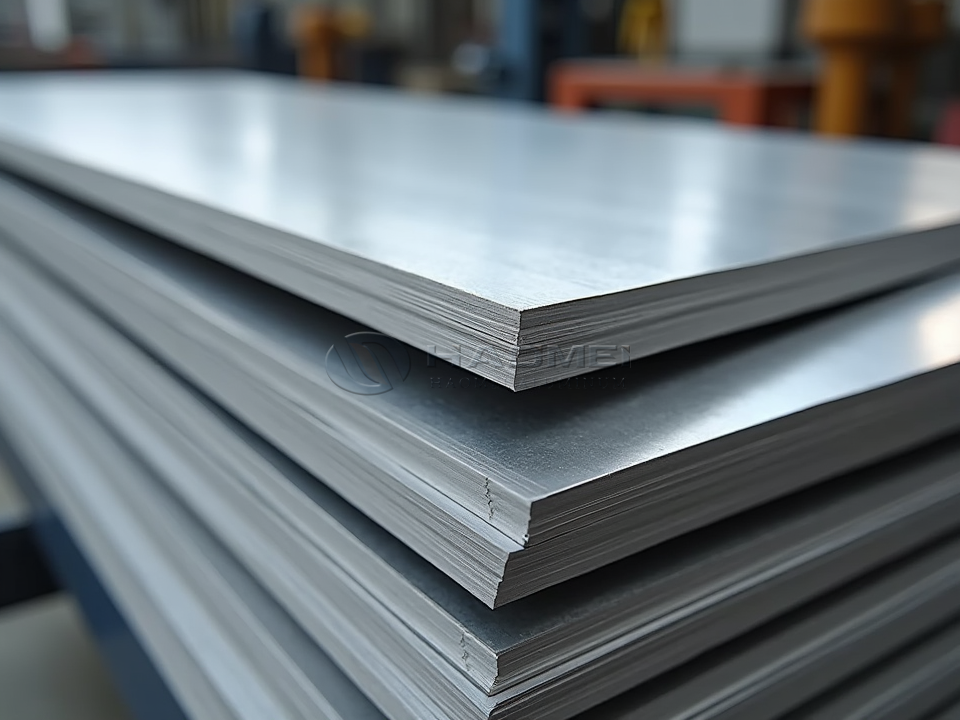
Temper Selection and Its Effect on Fabrication
Temper selection changes how a Marine Aluminum Alloy 5083 Sheet Mirror behaves during bending, welding, and service. It should be selected according to the forming radius, panel shape, strength requirement, and operating environment.
| Temper | Condition | Typical Use |
|---|---|---|
| O | Fully annealed, soft condition | Deep drawing, curved trim, complex forming |
| H111 | Slightly strain hardened | General fabrication with good workability |
| H112 | As fabricated or strain hardened | Thick plate and welded structural parts |
| H116 | Strain hardened and stabilized for marine exposure | Hulls, decks, offshore panels, saltwater service |
| H321 | Strain hardened and stabilized | Marine structures requiring stable corrosion performance |
O temper offers the highest formability, making it suitable for curved interior facings and decorative marine components. H116 and H321 are more common when the sheet must resist long-term seawater conditions and retain greater mechanical strength. For polished products, bending trials are recommended because a mirror surface may make even minor stretch marks visible.
Standards and Marine Compliance
A 5083 mirror sheet can be produced and supplied in accordance with recognized aluminum product standards. The exact certificate requirement should be stated during procurement, particularly for vessel construction or classification work.
Common implementation standards include ASTM B209 for aluminum sheet and plate, EN 485 for tolerances and mechanical properties, EN 573 for chemical composition, and ISO 6361 for wrought aluminum sheet products. Marine projects may also require documentation aligned with DNV, ABS, Lloyd's Register, BV, CCS, or other classification society rules.
Material test certificates should identify alloy, temper, dimensions, heat number, chemical analysis, mechanical results, and applicable standard. When mirror appearance is important, surface inspection terms should be included in the purchase specification rather than assumed from the alloy designation alone.
Fabrication Notes for a Lasting Reflective Surface
5083 aluminum can be cut by saw, shear, CNC router, laser, waterjet, or plasma equipment. Waterjet cutting is often preferred for exposed decorative edges because it avoids a heat-affected zone. During fabrication, use clean tools and non-contaminating work surfaces. Carbon steel particles transferred onto aluminum may cause staining or localized corrosion later.
Welding is feasible using 5183 or 5356 filler wire, depending on design requirements. However, welding close to a polished display face can alter reflectivity and leave heat tint. When appearance matters, locate welds on the reverse side where possible, or plan for post-weld refinishing.
For walking areas and high-contact exterior zones, a reflective sheet is usually less suitable than textured material. In these areas, Marine Aluminum Tread Sheets offer stronger slip resistance and better tolerance of daily abrasion.
Care, Packaging, and Application Value
Mirror-finished 5083 should be supplied with interleaving paper or protective film, moisture-resistant packaging, edge protection, and stable pallet support. Store sheets indoors, dry, and away from condensation. Remove protective film soon after installation if the project environment allows, since extended exposure to sunlight or heat can make adhesive removal more difficult.
In service, wash the surface with clean water and mild neutral detergent. Avoid aggressive alkaline cleaners, steel wool, and abrasive pads. Regular cleaning removes salt deposits that can dull the finish and preserves the bright appearance that makes Marine Aluminum Alloy 5083 Sheet Mirror stand out in modern marine fabrication.
The result is a material that acts like polished architectural metal while retaining the practical character expected from 5083: light in weight, resilient in salt air, workable in fabrication, and ready for marine spaces where appearance and performance must travel together.

Related Products
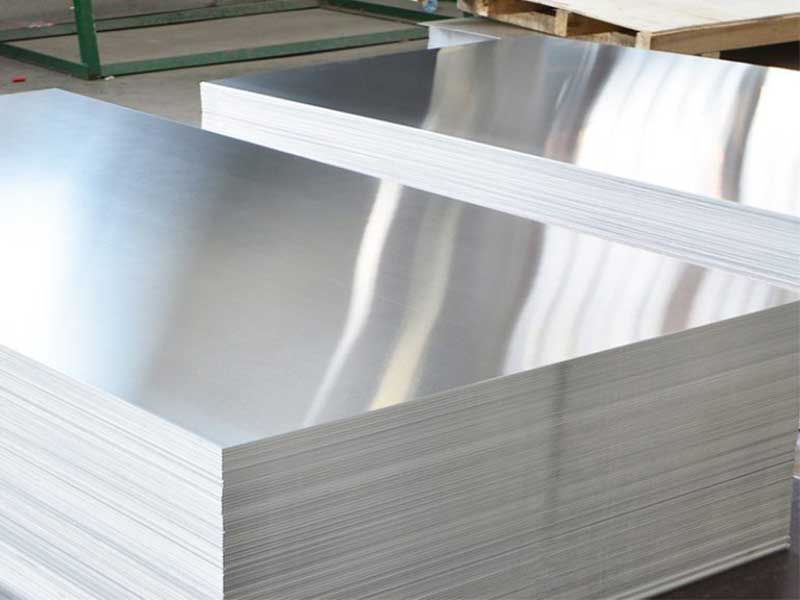
Marine anodized aluminum sheets
Marine Anodized Aluminum Sheets start with premium marine-grade aluminum alloys such as 5000 and 6000 series (typically 5083, 5052, and 6061).
View Details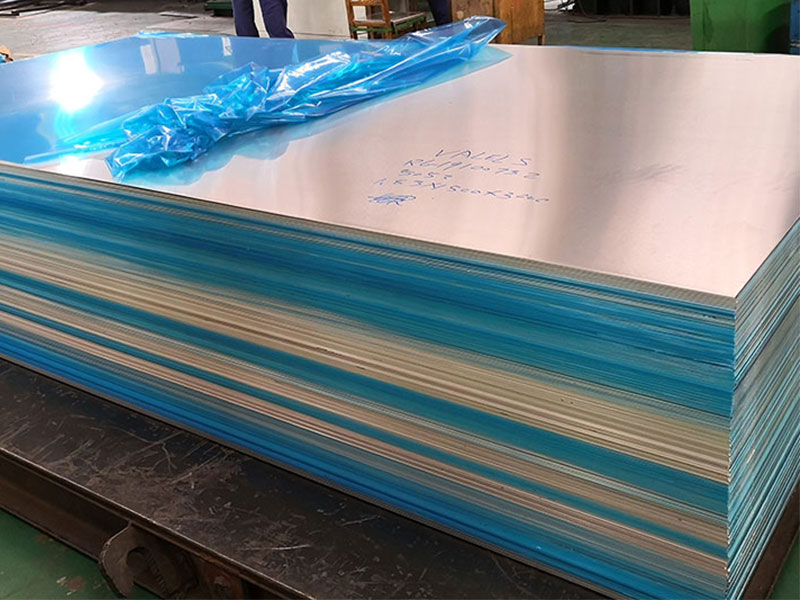
Marine 5059 aluminum sheet
5059 aluminum alloy is a strain-hardened material with a unique addition of magnesium and chromium, which provides outstanding resistance to localized corrosion like pitting and stress corrosion cracking.
View Details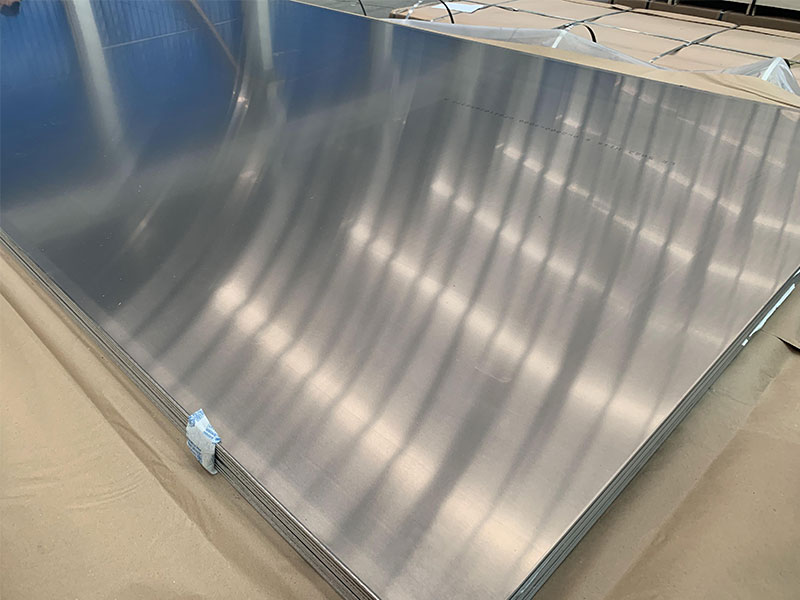
Marine 5052 aluminum sheet
Aluminum alloy 5052 is a non-heat-treatable, strain-hardened alloy with magnesium as the primary alloying element. It is designed to offer superior corrosion resistance in marine and saline environments, making it a dependable choice for components exposed directly to seawater or coastal atmospheric conditions.
View Details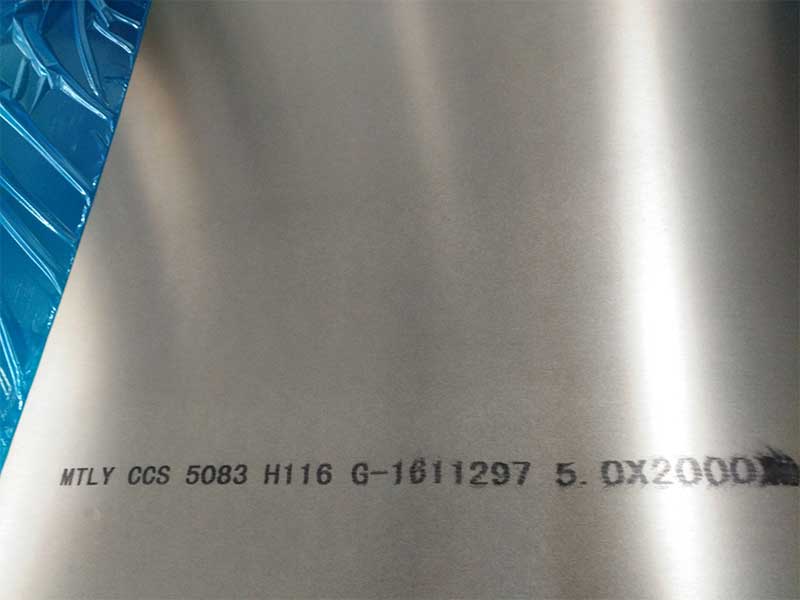
Marine 5083 aluminum sheet
Aluminum alloy 5083 is a non-heat-treatable alloy primarily composed of magnesium and trace elements that deliver outstanding protection against corrosion, particularly in seawater and saline atmospheres.
View Details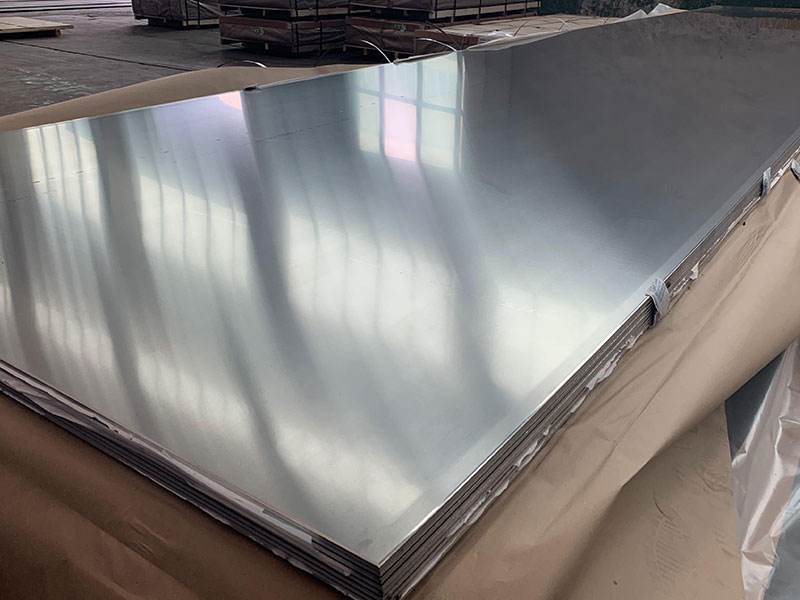
Marine 5086 aluminum sheet
This product article provides an in-depth and comprehensive understanding of Marine 5086 Aluminum Sheets, including their chemical composition, mechanical properties, corrosion resistance, fabrication capabilities, and typical marine applications.
View Details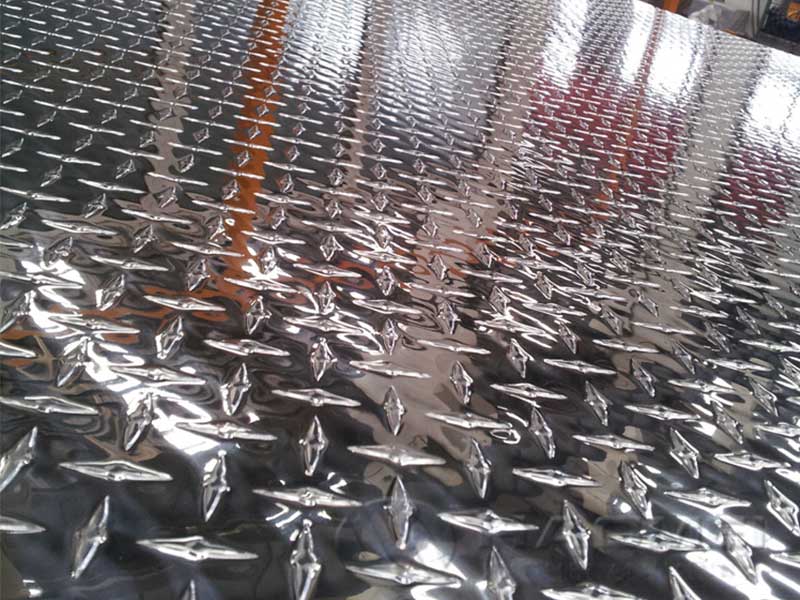
Marine Aluminum Tread Sheets
Marine Aluminum Tread Sheets are aluminum alloy plates featuring a raised surface pattern, commonly referred to as a tread design or diamond plate.
View DetailsRelated Blog
5000 Series Marine Grade Aluminum Sheet
Explore 5000 Series marine grade aluminum sheet, including alloy options, corrosion resistance, welding performance, specifications, and boatbuilding uses.
View Details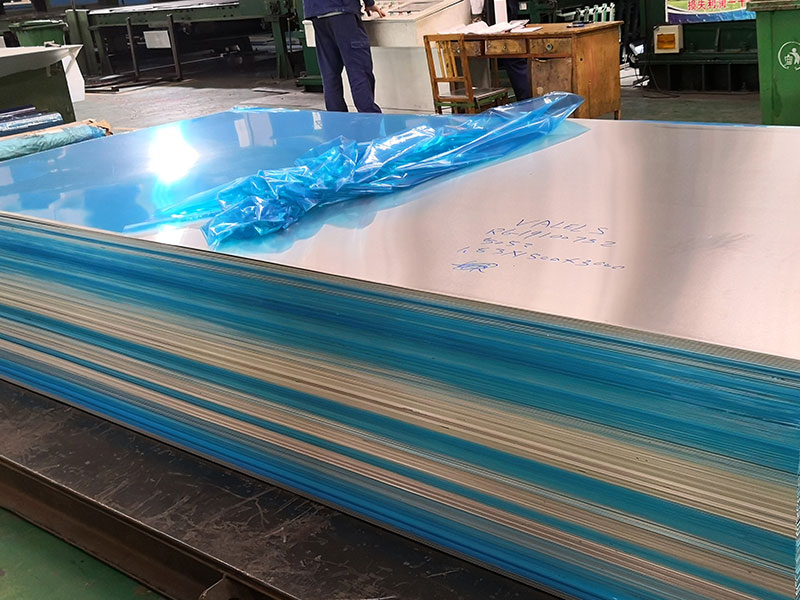
6061 6063 7071 5083 7075 alloy aluminum sheet for boat
Boat builders choose aluminum sheet when they need a hull or structure that stays light, resists corrosion, and remains workable in fabrication. This product range-6061, 6063, 7071, 5083.
View Details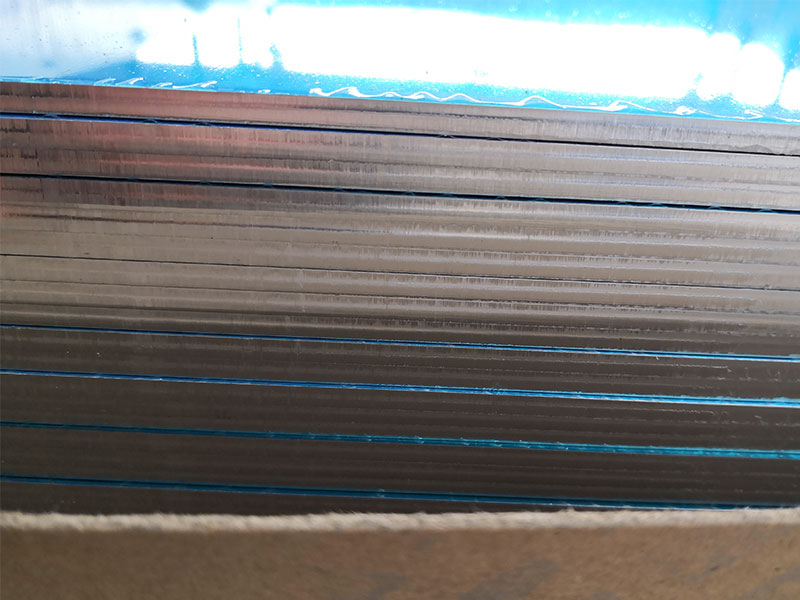
2mm 3mm 4mm marine grade 5052 h32 aluminum sheet
5052 H32 aluminum sheet is a marine-grade, non-heat-treatable wrought alloy with excellent corrosion resistance, good formability, and moderate strength. It is widely used for applications exposed to coastal and saltwater environments.
View Details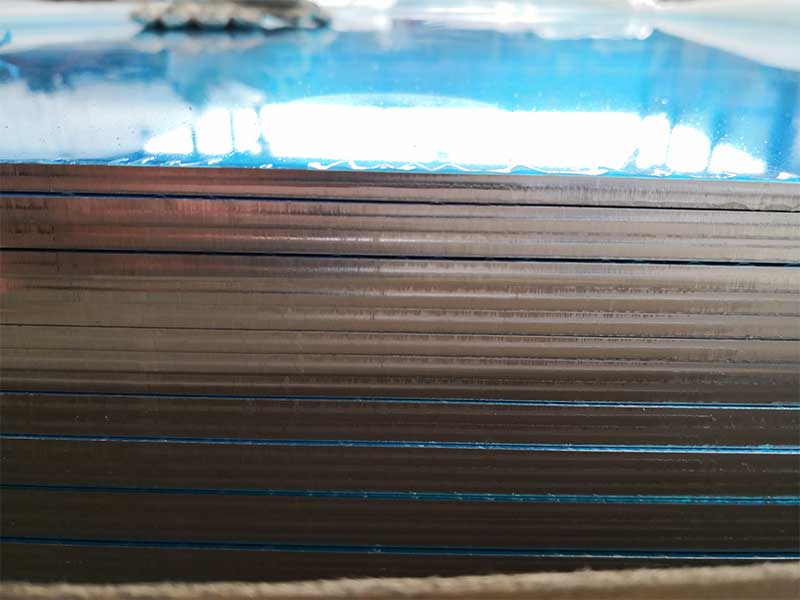
0.3mm 0.4mm 0.5mm 1.6mm Thickness Roll Aluminium Coil Sheet 5052 h32 For Boat
When it comes to marine applications, selecting the right material is crucial for performance, durability, and safety. Enter the 5052 H32 marine aluminum coil sheet, available in thicknesses ranging from 0.
View Details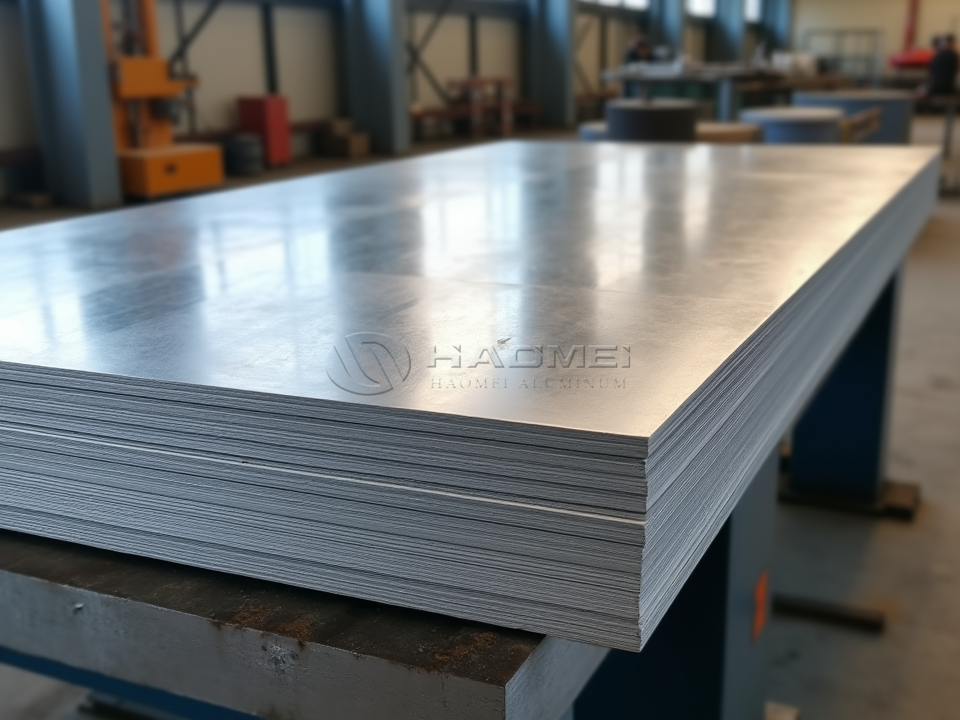
Marine Grade Aluminium Sheets 5083 H111 H116
Explore 5083 H111 and H116 marine grade aluminium sheets, including chemistry, tempers, standards, dimensions, corrosion resistance, and marine uses.
View Details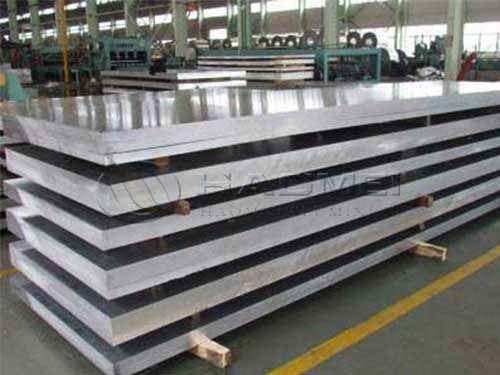
Marine Grade Aluminum Plate Sheet
Marine grade aluminum plate sheet combines low weight, weldability, and seawater corrosion resistance for hulls, decks, cabins, and offshore equipment.
View Details
Leave a Message