
Aluminum Plate Marine 5052 Aluminum Checker
A boat may be judged by its hull, but crews experience it through the deck. Wet boots, fish scales, hydraulic oil, spray, sand, and repeated traffic all meet the walking surface first. This is where Marine 5052 aluminum checker plate earns its place. It is not simply a decorative sheet with a raised pattern. It is a practical working surface designed to provide grip, tolerate marine exposure, and keep maintenance realistic for vessel owners.
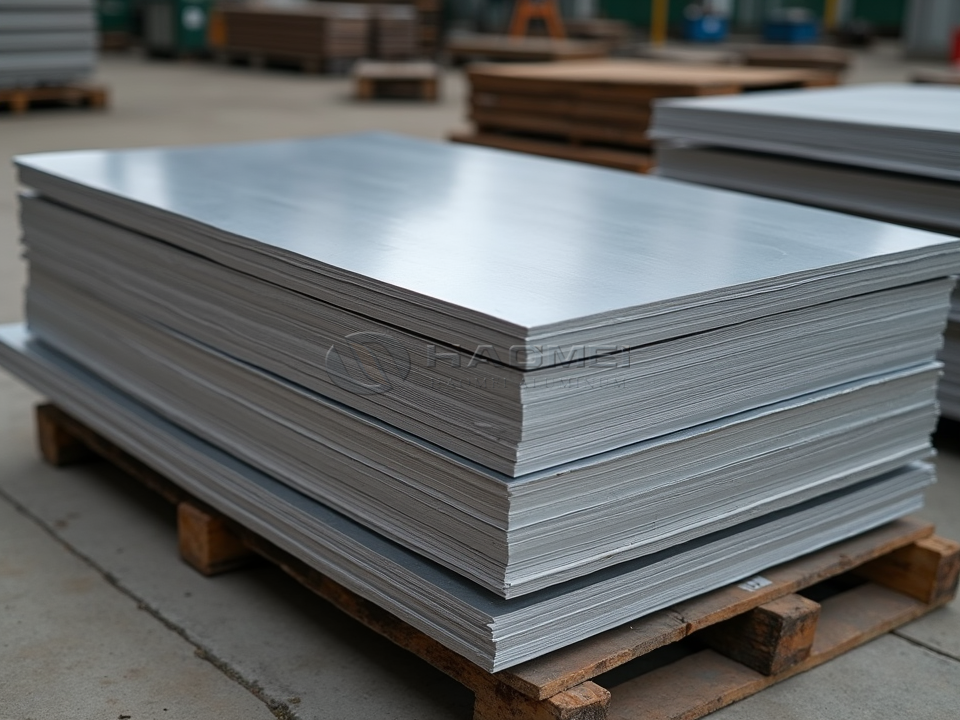
The most useful way to assess 5052 checker plate is from the perspective of a person moving across the vessel in rough conditions. A flat sheet can become slippery when wet. The raised tread pattern creates small contact points that improve footwear grip and help water move away from the main walking plane. On access steps, engine-room covers, cockpit floors, gangways, dock ramps, and service platforms, this surface texture can make a meaningful operational difference.
Why 5052 Performs Well Around Saltwater
5052 is an aluminum-magnesium alloy. Its magnesium content gives it much better corrosion resistance than many general-purpose aluminum grades, especially in wet and mildly salty environments. It forms a natural oxide film that protects the underlying metal, helping the sheet resist the dulling and surface attack associated with daily marine use.
For deck equipment and non-hull structures, 5052 offers an effective balance between strength, formability, weldability, and cost. It is commonly supplied in H32 or H34 temper. H32 is often selected where moderate strength and some forming capacity are required. H34 offers a firmer sheet for applications where dent resistance and surface stiffness matter more. The best temper depends on whether the plate will be bent into steps, wrapped around a hatch edge, or installed as a flat tread panel.
Customers comparing materials should recognize that 5052 checker plate is generally intended for working surfaces, fittings, and deck components rather than heavily loaded primary hull plating. For larger hull structures exposed to severe stress and continual seawater contact, alloys such as 5083 or 5086 may be more suitable. The correct choice starts with the job, not the alloy name alone.
The Tread Pattern Is a Functional Detail
Checker plate is also called tread plate, diamond plate, or five-bar plate depending on the raised design. The pattern is rolled into the sheet, not attached later. This matters because the raised bars remain integral with the aluminum substrate and can handle repeated foot traffic without separating.
The tread pattern does more than add traction. It also reduces the apparent visibility of minor scratches, scuffs, and dents that accumulate in a commercial or recreational marine setting. A brushed or smooth sheet can show every drag mark from a toolbox or deck chair. Checker plate is more forgiving visually, which is valuable on fishing boats, workboats, tenders, trailers, and utility vessels where appearance must remain presentable without constant refinishing.
When ordering, confirm whether the stated thickness refers to the base metal thickness or the total thickness including the raised pattern. This is especially important for hatch covers, replacement panels, and framed openings where clearance is tight. A plate that appears correct on paper may sit proud of surrounding surfaces if tread height has not been considered.
Selecting Thickness from Use, Not Habit
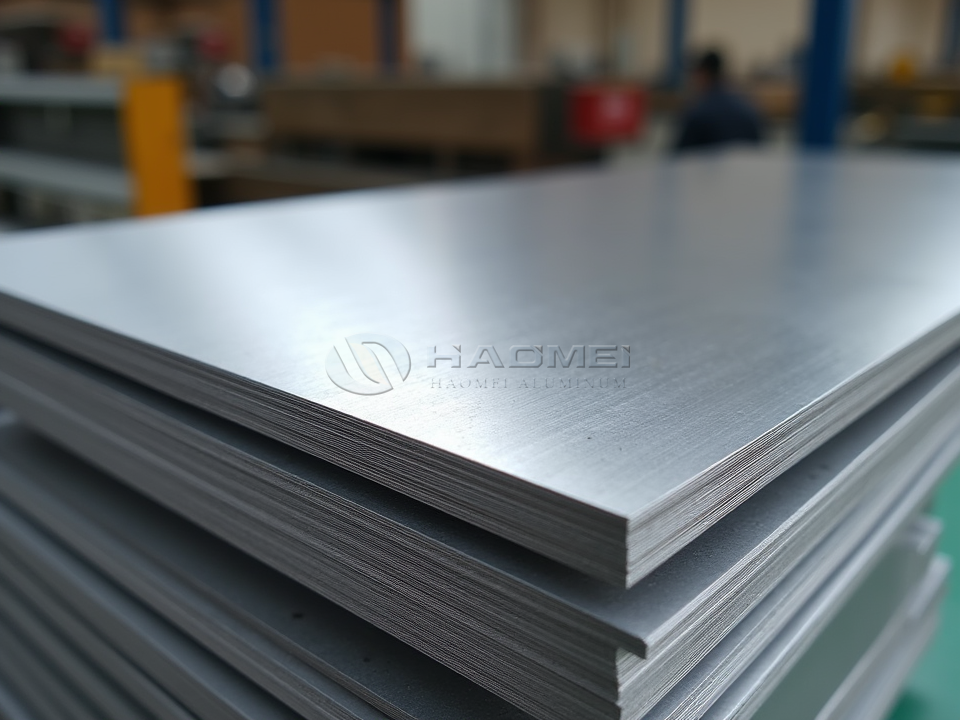
Thickness should follow span, support spacing, load, and expected impact. Thin checker sheet can work well as a cladding layer over a rigid deck or plywood core. It is often used where the purpose is traction and appearance rather than structural support. A thicker plate is more appropriate for unsupported hatch lids, removable floor panels, equipment platforms, trailer decks, and service walkways.
A common purchasing mistake is choosing the thickest material available without considering weight. Aluminum is far lighter than steel, but unnecessary thickness still adds weight high on the vessel, affects handling during installation, and increases cost. Conversely, a sheet that is too thin may oil-can, vibrate, or dent under point loads. The right specification balances rigidity with weight efficiency.
For a broader selection of thicknesses, tempers, and sheet forms, Marine Grade Aluminum Sheets can help buyers compare materials intended for different areas of a vessel.
Fabrication Practices That Preserve Marine Performance
5052 checker plate can be cut, drilled, bent, and welded using standard aluminum fabrication methods. Clean cutting tools are important because embedded steel particles can create staining and localized corrosion. After cutting, deburr edges carefully. Sharp aluminum edges are hazardous on a moving boat and can also damage sealing materials or wiring.
For welded assemblies, compatible filler wire such as 5356 is often used, subject to the fabricator's procedure and design requirements. Welding softens the heat-affected zone in strain-hardened tempers, so a welded panel should not be judged only by the original H32 or H34 temper designation. If the panel carries substantial load, the entire design, including weld placement, stiffeners, and support structure, should be reviewed.
Fasteners deserve equal attention. Stainless steel bolts against aluminum can encourage galvanic corrosion when saltwater creates an electrolyte. Use insulating washers, suitable sealants, protective coatings, or isolation tapes where practical. Avoid trapping water under the plate. A well-fitted panel with drainage and sealed penetrations usually lasts longer than a thicker sheet installed with poor water management.
Where 5052 Checker Plate Delivers the Most Value
Marine 5052 aluminum checker plate is especially effective where people walk, climb, stand, or move equipment. Common installations include cockpit deck overlays, boarding steps, cabin entry thresholds, battery-box lids, locker covers, swim platforms, dock bridges, wheelhouse steps, and trailer fenders. It also works well for equipment guards and utility panels where a robust industrial appearance is appropriate.
For applications focused specifically on slip-resistant flooring and access surfaces, Marine Aluminum Tread Sheets provide practical options for vessel and dock projects.
Its limitations should also be respected. Raised tread is harder to clean than smooth sheet when mud, bait residue, or fine debris becomes lodged around the bars. In barefoot areas, aggressive patterns can feel less comfortable than a coated smooth deck. On high-end yachts, owners may prefer marine flooring systems that prioritize visual finish and barefoot comfort. In those cases, checker plate may still be an excellent choice for hidden service areas, machinery spaces, lockers, and work zones.
Maintenance Is Simple but Not Optional
Routine freshwater rinsing removes salt deposits before they concentrate in corners and crevices. Mild detergent and a soft brush will generally clean the pattern without harming the metal. Avoid harsh alkaline cleaners, chloride-containing products, and abrasive steel wool. These can damage the oxide layer, embed contaminants, or leave the surface looking uneven.
Marine 5052 aluminum checker plate is a sensible material when the goal is dependable footing, corrosion resistance, manageable weight, and a surface that accepts hard use. Specified with the right thickness, temper, drainage plan, and fastener isolation, it becomes more than a metal panel. It becomes a reliable part of the vessel's daily safety system.

Related Products
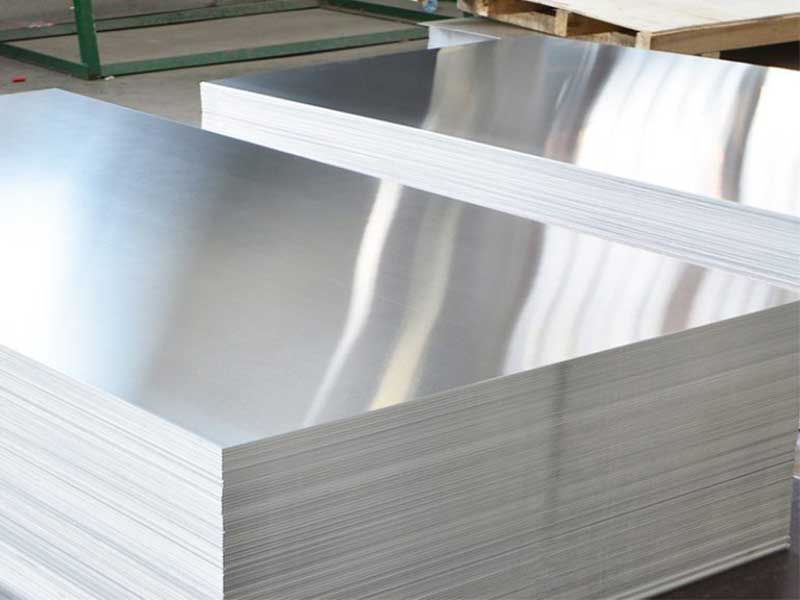
Marine anodized aluminum sheets
Marine Anodized Aluminum Sheets start with premium marine-grade aluminum alloys such as 5000 and 6000 series (typically 5083, 5052, and 6061).
View Details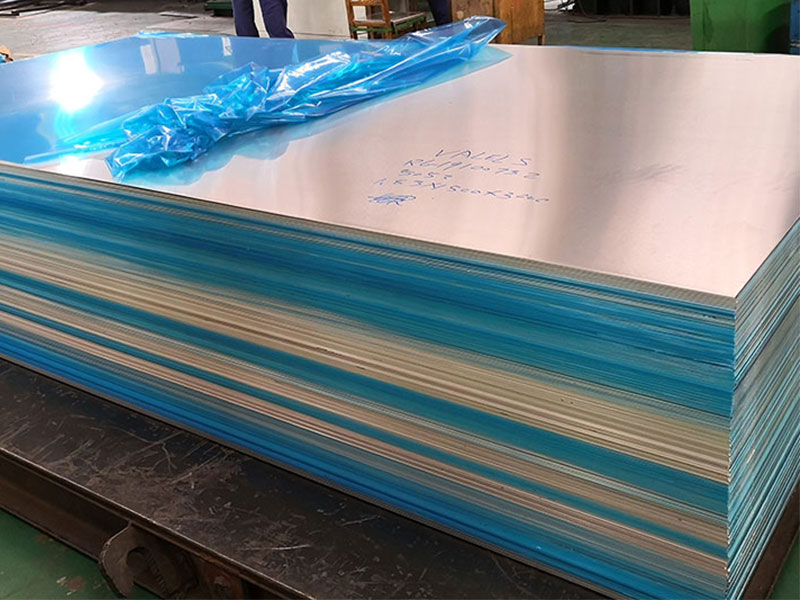
Marine 5059 aluminum sheet
5059 aluminum alloy is a strain-hardened material with a unique addition of magnesium and chromium, which provides outstanding resistance to localized corrosion like pitting and stress corrosion cracking.
View Details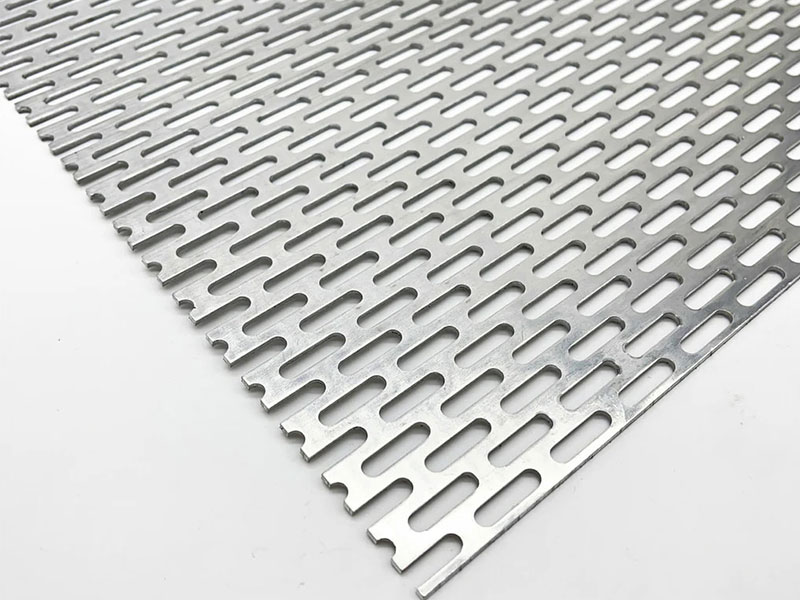
Marine perforated aluminum sheets
Marine Perforated Aluminum Sheets feature a series of uniform holes or shapes punched through the aluminum surface. These perforations can vary in size, pattern, and open area to tailor the sheets for specific applications.
View Details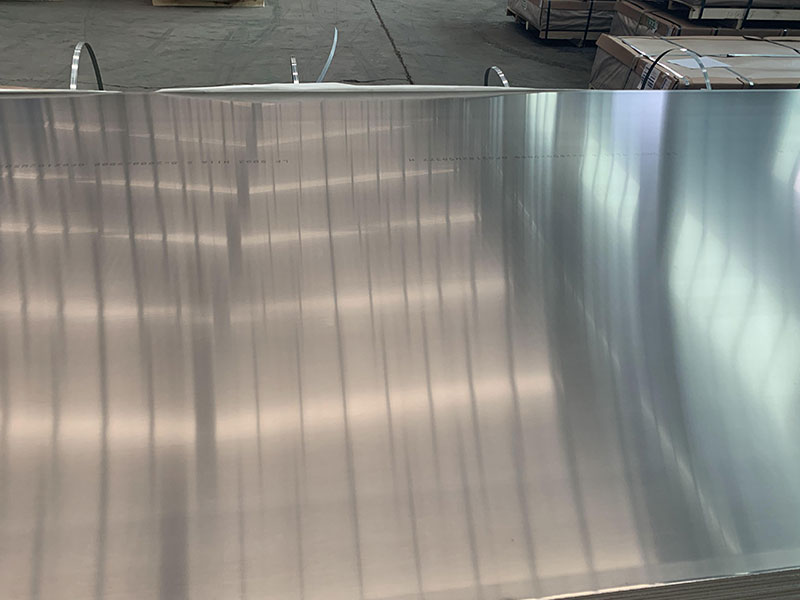
Marine 5383 aluminum sheet
5383 aluminum is a strain-hardened, non-heat-treatable alloy from the 5xxx series primarily alloyed with magnesium. It exhibits a unique balance of corrosion resistance and mechanical properties particularly suited for marine applications.
View Details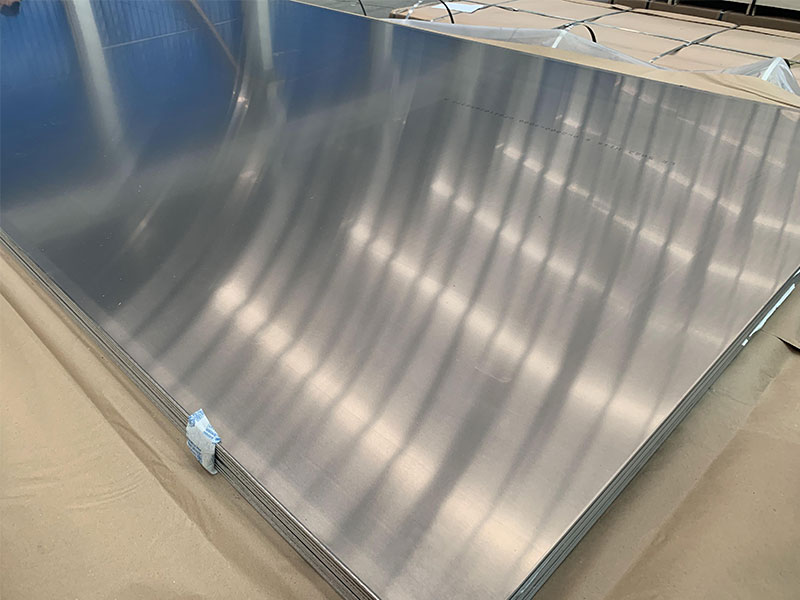
Marine 5052 aluminum sheet
Aluminum alloy 5052 is a non-heat-treatable, strain-hardened alloy with magnesium as the primary alloying element. It is designed to offer superior corrosion resistance in marine and saline environments, making it a dependable choice for components exposed directly to seawater or coastal atmospheric conditions.
View Details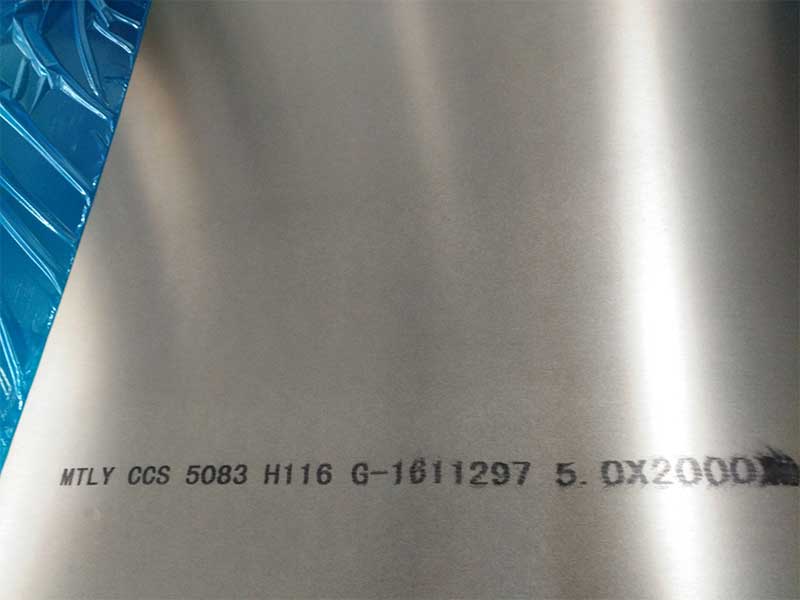
Marine 5083 aluminum sheet
Aluminum alloy 5083 is a non-heat-treatable alloy primarily composed of magnesium and trace elements that deliver outstanding protection against corrosion, particularly in seawater and saline atmospheres.
View DetailsRelated Blog
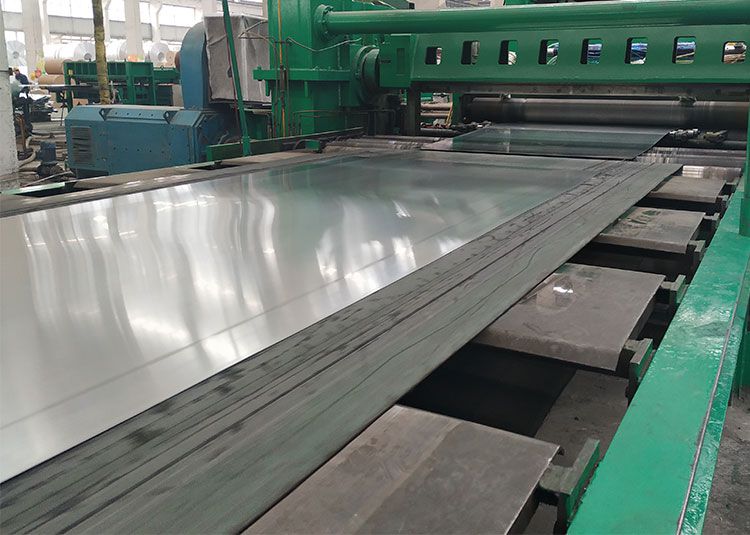
Marine grade aluminum for ship building aluminium sheet 5052 h111
Superior strength, corrosion resistance, and durability of marine grade aluminum 5052 H111 aluminum sheets, ideal for shipbuilding applications requiring high fatigue strength and excellent seawater performance.
View Details
Embossed Aluminum Sheet 5454 O H111 H112 Marine Grade
Embossed 5454 marine aluminum sheet delivers grip, drainage, formability, and corrosion resistance for decks, ramps, lockers, and saltwater vessel interiors.
View Details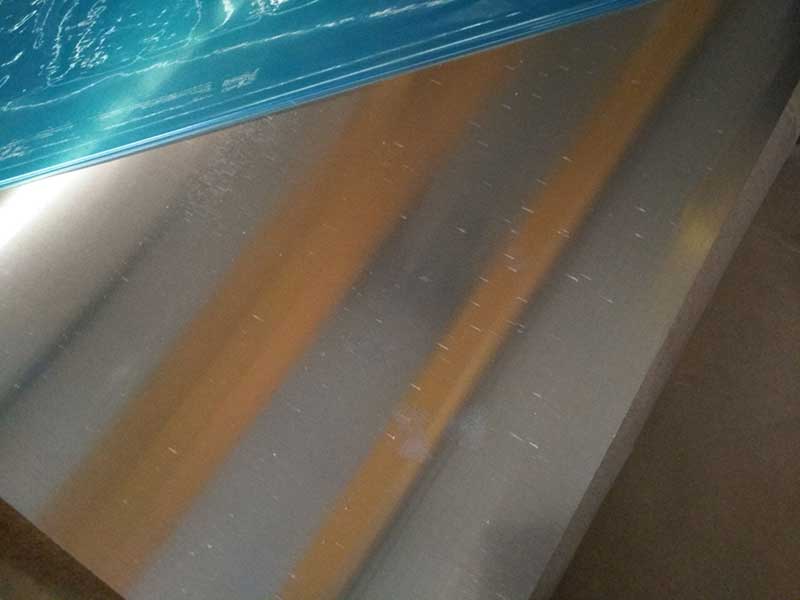
Marine aluminium alloy sheet
Marine aluminum alloy sheet is an indispensable material in the construction and maintenance of vessels, offshore platforms, and various marine infrastructure. Its unique combination of strength, corrosion resistance.
View Details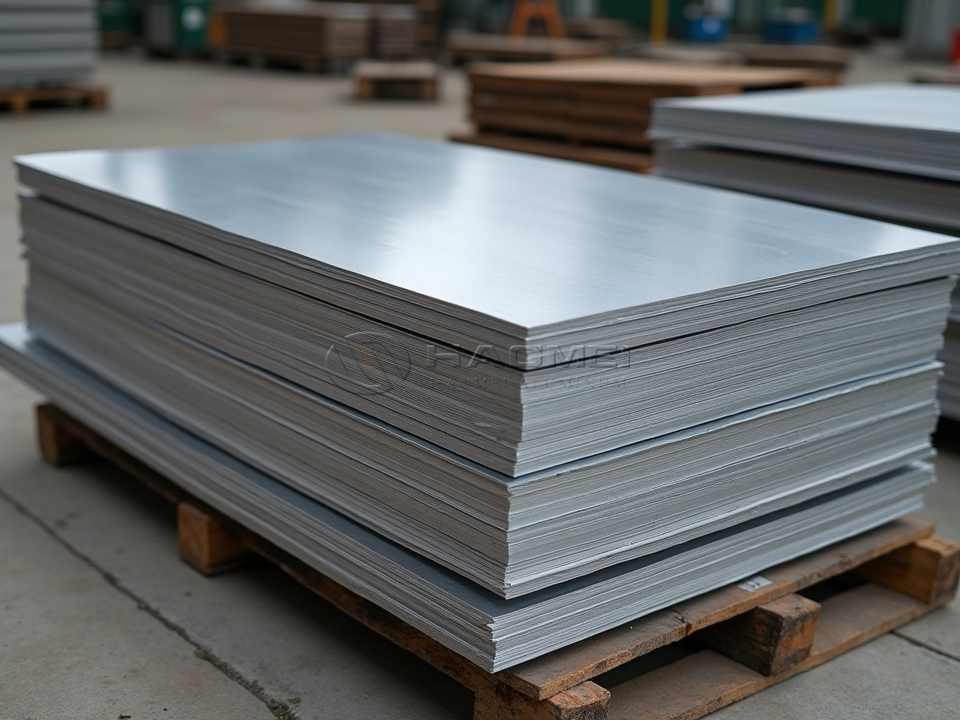
5052 Marine Aluminum Tread Sheets
5052 marine aluminum tread sheets offer corrosion resistance, slip control, low weight, and easy forming for decks, ramps, docks, cabins, and service platforms.
View Details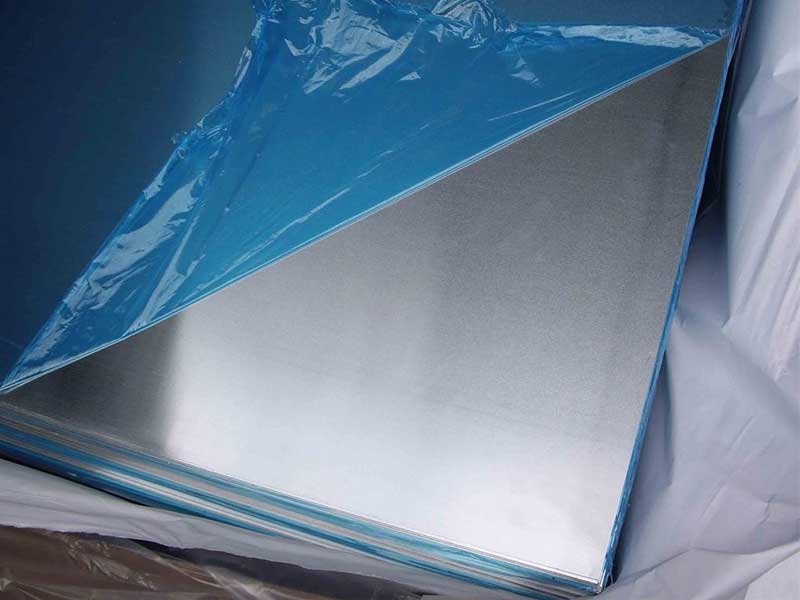
ASTM B209 aluminum sheet 5083 for ship
ASTM B209 Aluminum Sheet 5083 for Shipbuilding: A Functional View from the Waterline Up When ship designers choose materials, they are not just selecting metal; they are choosing how a vessel behaves at sea over decades.
View Details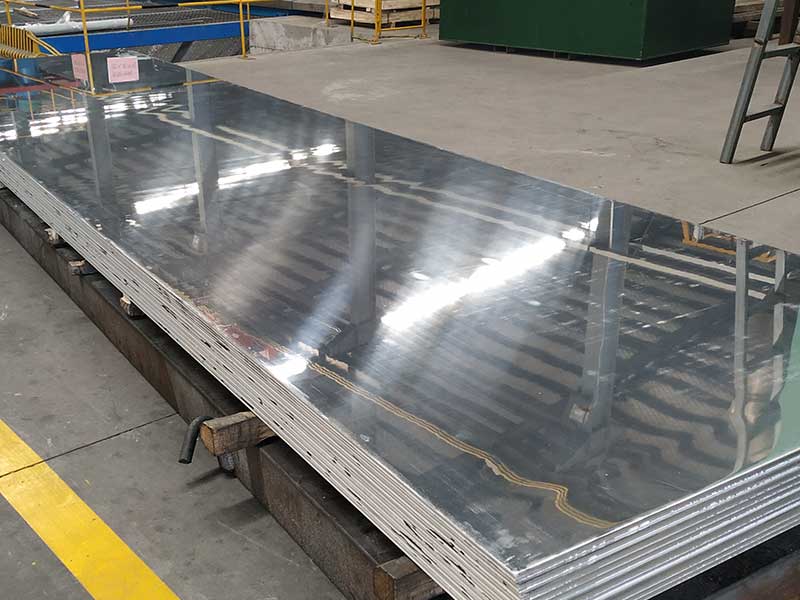
5083 marine aluminium sheet
Aluminum has emerged as a material in marine applications, primarily due to its excellent resistance to corrosion and lightweight properties. Among the various grades of aluminum.
View Details
Leave a Message