
6061 Marine Aluminum Fencing and Railings for Durable Offshore Platform Guardrails
6061 marine aluminum fencing and railings are engineered for offshore platform guardrails where safety, corrosion control, weight reduction, and long service life must work together. For platforms exposed to salt spray, wind, vibration, wet decks, and frequent maintenance traffic, 6061 aluminum provides an excellent balance of strength, machinability, weldability, and surface finish performance.
Compared with carbon steel guardrails, 6061 aluminum railing systems reduce installed weight, simplify handling at height, and minimize coating maintenance. With proper alloy temper selection, drainage design, isolation from dissimilar metals, and marine-grade surface treatment, 6061 fencing and railing profiles can serve reliably on offshore walkways, access platforms, stair towers, equipment decks, and perimeter safety barriers.
Product Profile
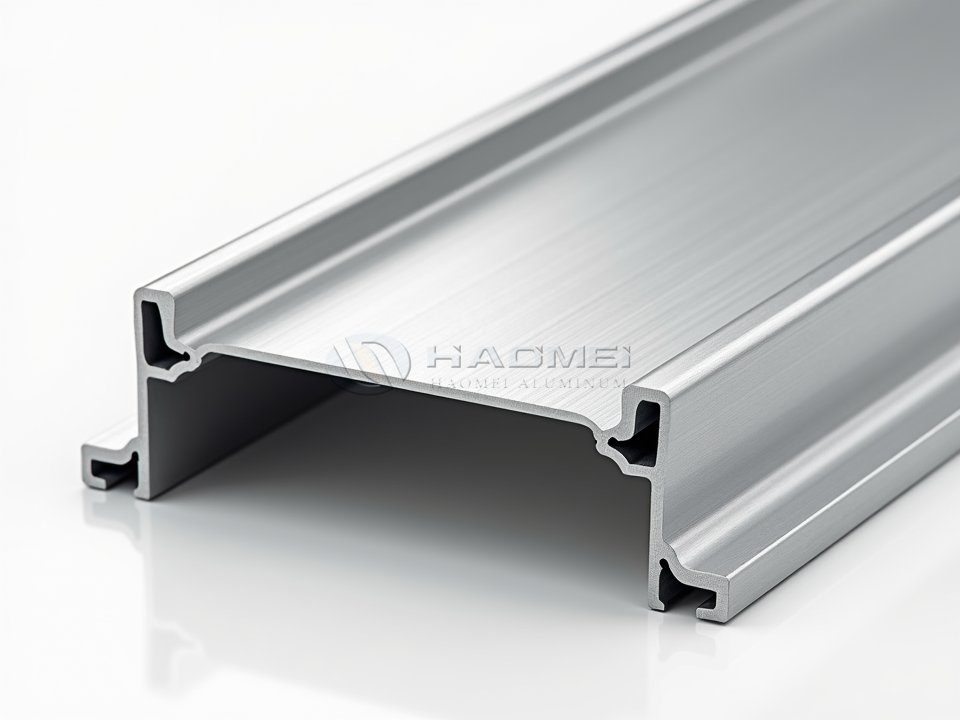
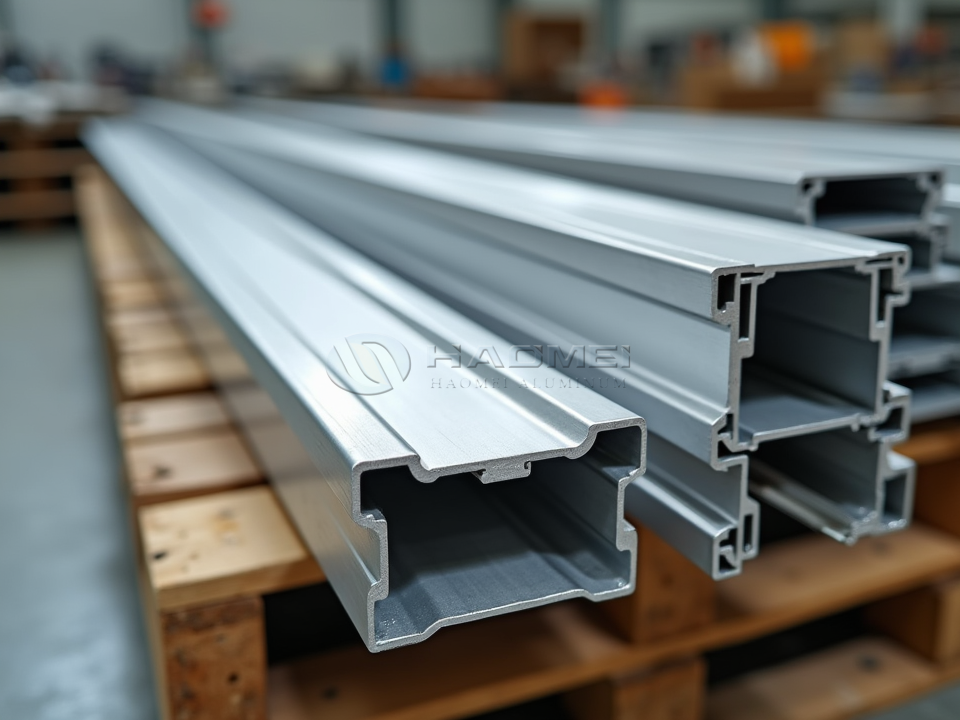
6061 is an Al-Mg-Si alloy widely used for structural extrusions, railings, ladders, frames, and modular safety systems. In marine guardrail applications, it is commonly supplied as round tube, square tube, rectangular tube, handrail profile, kick plate, post, base plate, connector, and custom extrusion.
For offshore projects, Marine aluminum fencing and railings can be fabricated into welded assemblies or modular bolted systems depending on site installation requirements.
| Item | Typical Configuration |
|---|---|
| Alloy | 6061 marine aluminum |
| Common tempers | T5, T6, T651, T6511 |
| Product forms | Extruded tube, handrail profile, post, plate, bracket, custom section |
| Finish options | Mill finish, anodized, powder coated, PVDF coated, epoxy primer system |
| Joining methods | TIG welding, MIG welding, bolting, mechanical sleeves, riveted fittings |
| Service area | Offshore platforms, marine terminals, ship decks, dock structures |
Core Features for Offshore Guardrails
6061 aluminum is valued in offshore safety railing systems because it delivers high usable strength while remaining light enough for efficient installation. The alloy responds well to extrusion, so complex handrail shapes can be produced with smooth edges, internal ribs, drainage channels, and concealed fastening features.
| Feature | Customer Benefit |
|---|---|
| High strength-to-weight ratio | Reduces deck load and lifting effort during installation |
| Good corrosion resistance | Suitable for salt spray environments when finished correctly |
| Excellent extrudability | Allows clean rail shapes, grip profiles, and modular connectors |
| Strong machinability | Supports accurate drilling, slotting, tapping, and bracket fabrication |
| Good weldability | Enables welded railing panels, posts, and base frames |
| Non-sparking and non-magnetic | Useful around sensitive offshore equipment zones |
| Recyclable material | Supports lower lifecycle environmental impact |
6061 should not be treated as a bare-metal solution for every seawater condition. For splash zones, fastener interfaces, and areas with trapped chlorides, protective finishing and good detailing are essential. Drain holes, sealed joints, smooth weld transitions, and stainless fastener isolation pads help extend service life.
Chemical Composition of 6061 Aluminum
The performance of 6061 comes from magnesium and silicon, which form the Mg2Si strengthening phase during heat treatment. Chromium contributes grain control and corrosion performance.
| Element | Composition Range, % |
|---|---|
| Silicon, Si | 0.40-0.80 |
| Iron, Fe | 0.70 max |
| Copper, Cu | 0.15-0.40 |
| Manganese, Mn | 0.15 max |
| Magnesium, Mg | 0.80-1.20 |
| Chromium, Cr | 0.04-0.35 |
| Zinc, Zn | 0.25 max |
| Titanium, Ti | 0.15 max |
| Other each | 0.05 max |
| Other total | 0.15 max |
| Aluminum, Al | Balance |
Mechanical Properties by Temper
Mechanical values vary with product form, wall thickness, extrusion geometry, and standard used. The figures shown are typical references for preliminary selection. Final values should be confirmed by mill certificate and project specification.
| Temper | Tensile Strength, MPa | Yield Strength, MPa | Elongation, % | Typical Use |
|---|---|---|---|---|
| 6061-T5 | 240-260 | 200-220 | 8-10 | General extruded rail profiles |
| 6061-T6 | 290-310 | 240-275 | 8-12 | High-strength posts and handrails |
| 6061-T651 | 290-310 | 240-275 | 8-12 | Plate base pads and machined brackets |
| 6061-T6511 | 290-310 | 240-275 | 8-12 | Stress-relieved extruded shapes |
For welded rail assemblies, the heat-affected zone will have reduced strength compared with parent T6 material. Offshore guardrail design should consider weld location, post spacing, tube size, and load direction rather than relying only on base metal values.
Technical Specifications
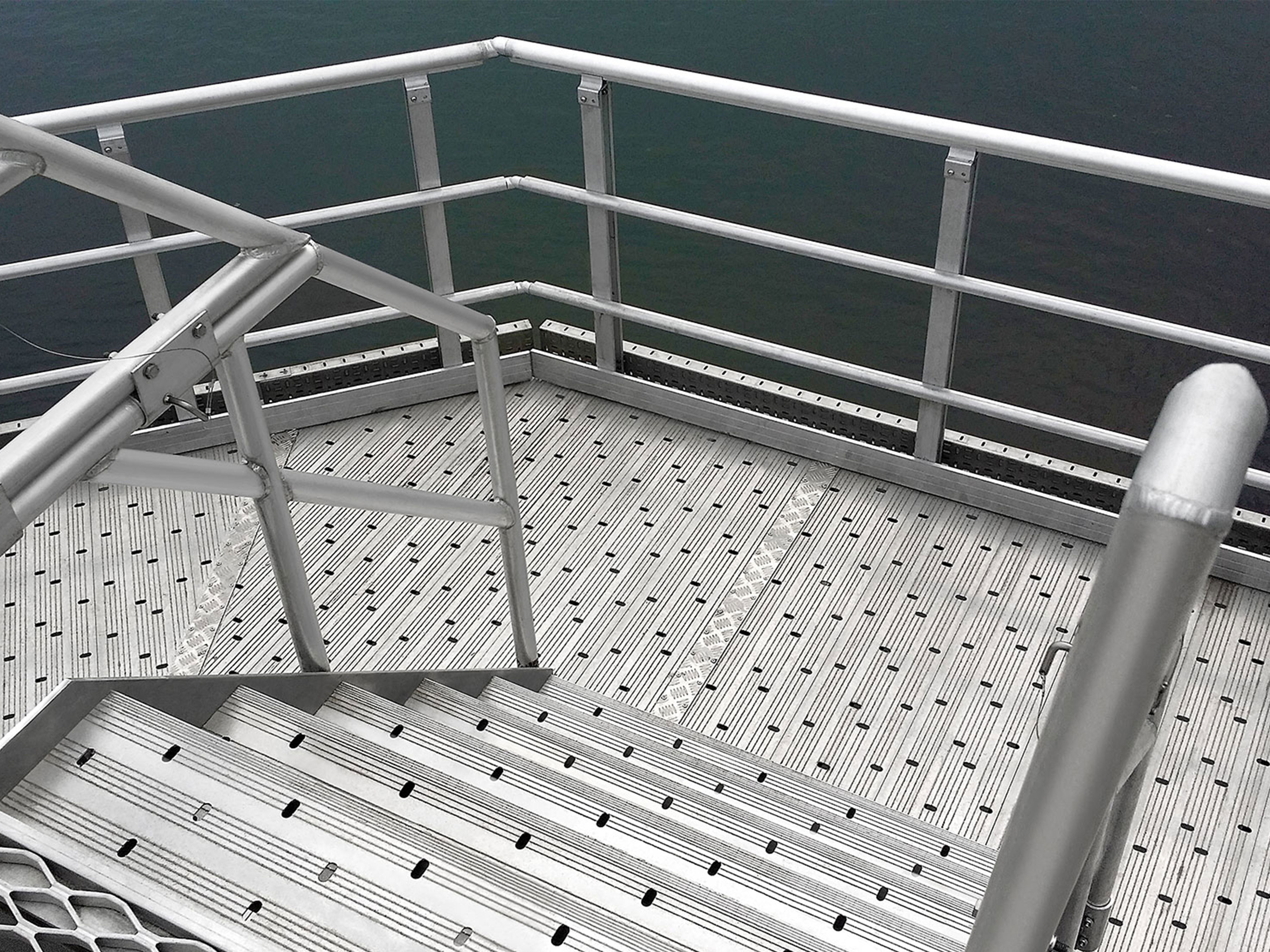
The exact railing geometry depends on platform layout, code requirements, and operator safety standards. Common offshore guardrail systems use a top rail, mid rail, vertical posts, toe board, and base plates fixed to steel or aluminum deck structures.
| Parameter | Common Range or Option |
|---|---|
| Top rail height | 1000-1200 mm, project dependent |
| Post spacing | 1000-1500 mm typical |
| Round tube diameter | 32-60 mm |
| Square tube size | 40 x 40 mm to 80 x 80 mm |
| Wall thickness | 2.5-6.0 mm |
| Toe board height | 100-150 mm |
| Base plate thickness | 8-20 mm |
| Standard length | 3 m, 6 m, or cut to drawing |
| Fabrication tolerance | Per drawing or applicable extrusion standard |
| Surface roughness | Mill finish or finished to coating specification |
Surface Protection Choices
A well-selected finish is critical for offshore durability. 6061 aluminum naturally forms an oxide film, but marine exposure demands stronger protection, especially around cut edges and fasteners.
| Finish | Typical Thickness | Best Use |
|---|---|---|
| Clear anodizing | 10-25 microns | Moderate marine exposure, clean appearance |
| Hard anodizing | 25-50 microns | High wear areas, hand contact zones |
| Polyester powder coating | 60-100 microns | Colored guardrails and walkways |
| Marine powder coating system | 80-120 microns | Salt spray and offshore exterior use |
| Epoxy primer plus topcoat | Project specified | Heavy-duty corrosion protection |
| PVDF coating | 25-35 microns per coat system | UV-resistant exterior finish |
For bolted installation on steel platforms, insulating washers, sleeves, sealant, or barrier pads are recommended to reduce galvanic corrosion. Fasteners are often 316 stainless steel, but they should be electrically isolated where practical.
Applications
6061 marine aluminum fencing and railing systems are suitable for many offshore and coastal structures. Their light weight is especially helpful where modules are lifted by crane or installed by technicians working on elevated deck areas.
| Application Area | Typical Components |
|---|---|
| Offshore production platforms | Perimeter rails, stair rails, equipment access barriers |
| Wind power service platforms | Maintenance walkway guardrails and ladder landing rails |
| Marine terminals | Dockside barriers, pedestrian separation rails |
| Floating platforms | Lightweight modular rail sections and toe boards |
| Vessel superstructures | Deck rails, boarding rails, handrail frames |
| Helideck access areas | Safety rails around stairs and transfer zones |
| Desalination and coastal plants | Corrosion-resistant access railings |
Fabrication and Installation Notes
6061 aluminum is easy to cut, drill, bend within proper radius limits, machine, and weld. TIG welding provides clean appearance for visible joints, while MIG welding is preferred for higher productivity in larger railing assemblies. After welding, surfaces should be cleaned thoroughly to remove contamination before coating.
| Process | Recommendation |
|---|---|
| Cutting | Use carbide-tipped saws or CNC cutting for clean edges |
| Drilling | Deburr holes and protect exposed metal before assembly |
| Welding | Use compatible filler such as 4043 or 5356 based on design needs |
| Bending | Apply suitable radius to avoid cracking, especially in T6 temper |
| Coating preparation | Degrease, etch, rinse, and dry before anodizing or coating |
| Site assembly | Use isolating pads between aluminum and carbon steel supports |
Inspection and Quality Control
Reliable offshore railing systems require more than good material. Dimensional control, weld quality, coating adhesion, and fit-up consistency all influence field performance.
| Inspection Item | Purpose |
|---|---|
| Mill certificate | Confirms alloy, temper, and mechanical properties |
| Dimensional check | Ensures posts, rails, and brackets match drawings |
| Weld inspection | Verifies continuity, penetration, and surface finish |
| Coating thickness test | Confirms protection level meets specification |
| Salt spray testing | Evaluates finish performance for marine exposure |
| Trial assembly | Reduces installation delays at offshore site |
Why Choose 6061 for Offshore Platform Guardrails
6061 marine aluminum fencing and railings offer a practical combination of structural performance, corrosion resistance, fabrication flexibility, and visual quality. The alloy is strong enough for demanding guardrail systems, light enough for efficient installation, and adaptable enough for both standard and custom offshore layouts.
When paired with marine-grade finishing, proper drainage, isolated fasteners, and well-designed joints, 6061 aluminum guardrails provide a durable safety barrier for harsh offshore service. For platform owners, fabricators, and maintenance teams, this means easier handling, cleaner appearance, lower coating burden, and dependable protection around critical working areas.

Related Products
Marine aluminum customized shapes
Marine Grade Aluminum Customized Shapes encompass a broad range of aluminum extrusions and fabrications engineered beyond standard profiles—such as channels, angles, tubes, and beams—into complex, project-specific geometries.
View Details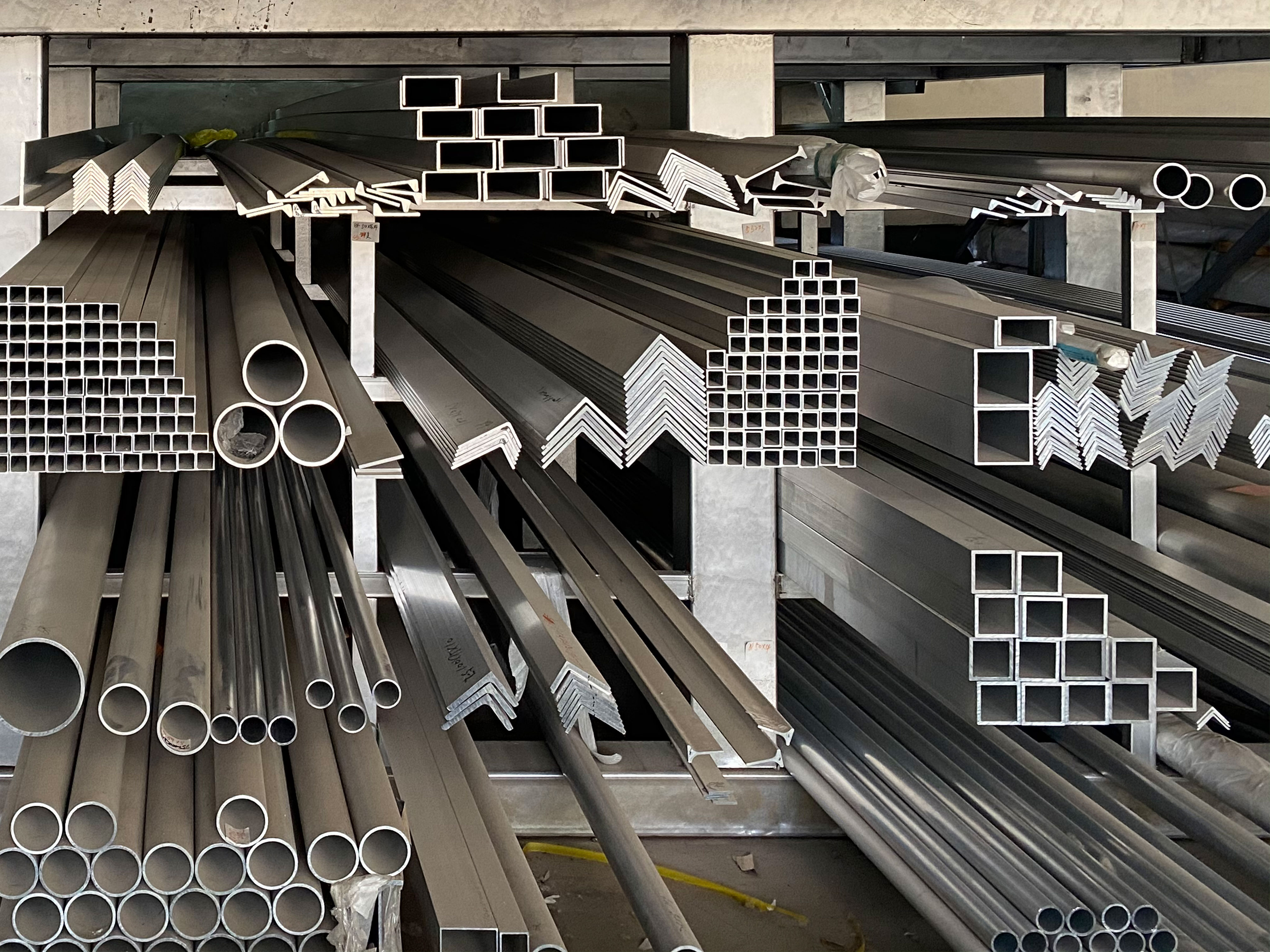
Marine aluminum fencing and railings
Marine Grade Aluminum Fencing and Railings are fabricated using marine-grade aluminum alloys such as 5083, 5052, and 6061, which are engineered specifically for protection against saltwater corrosion and marine atmospheric conditions.
View Details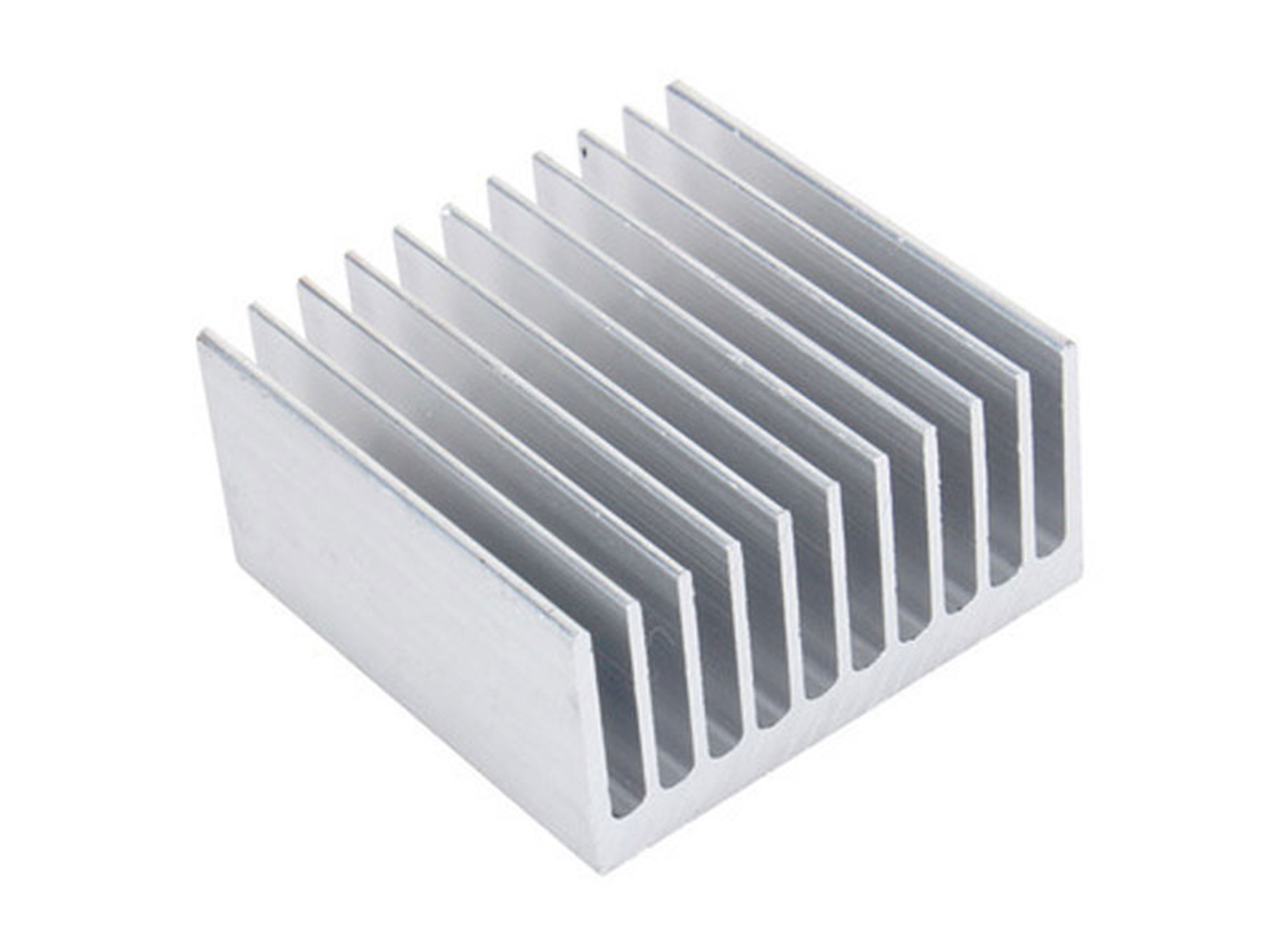
Marine aluminum heat sink profile
Marine Grade Aluminum Heat Sink Profiles utilize alloys such as 6061 and 6063 that not only exhibit high thermal conductivity but also possess excellent corrosion resistance required for saltwater exposure.
View DetailsRelated Blog
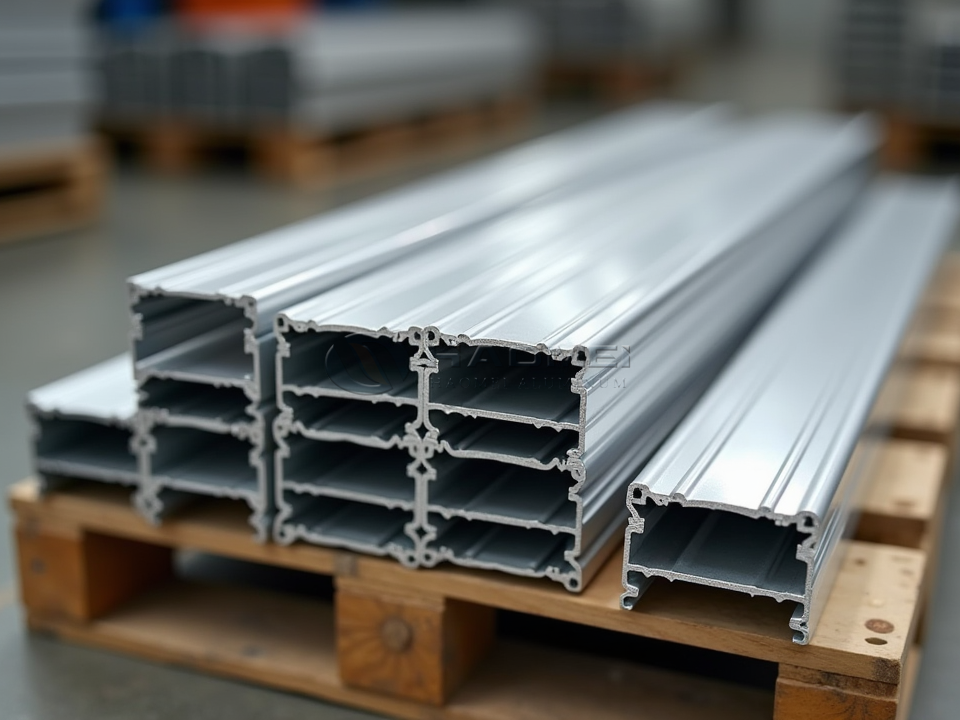
Marine Aluminum Fencing and Railings for Custom Safety Guardrails for Offshore Decks
Marine aluminum guardrails for offshore decks with alloy, temper, coating, load, fabrication, and compliance data for faster project planning.
View Details
Marine Aluminum Fencing and Railings for Custom Boat Deck Guardrails
Marine Aluminum Fencing and Railings: The Ultimate Choice for Custom Boat Deck GuardrailsWhen it comes to constructing custom boat deck guardrails, marine aluminum fencing and railings are emerging as the industry’s top choice.
View Details
Marine Aluminum Fencing and Railings for Durable Marine Property Deck Enclosures
Marine aluminum fencing and railings deliver corrosion resistance, clean styling, and long service life for docks, decks, marinas, and waterfront enclosures.
View Details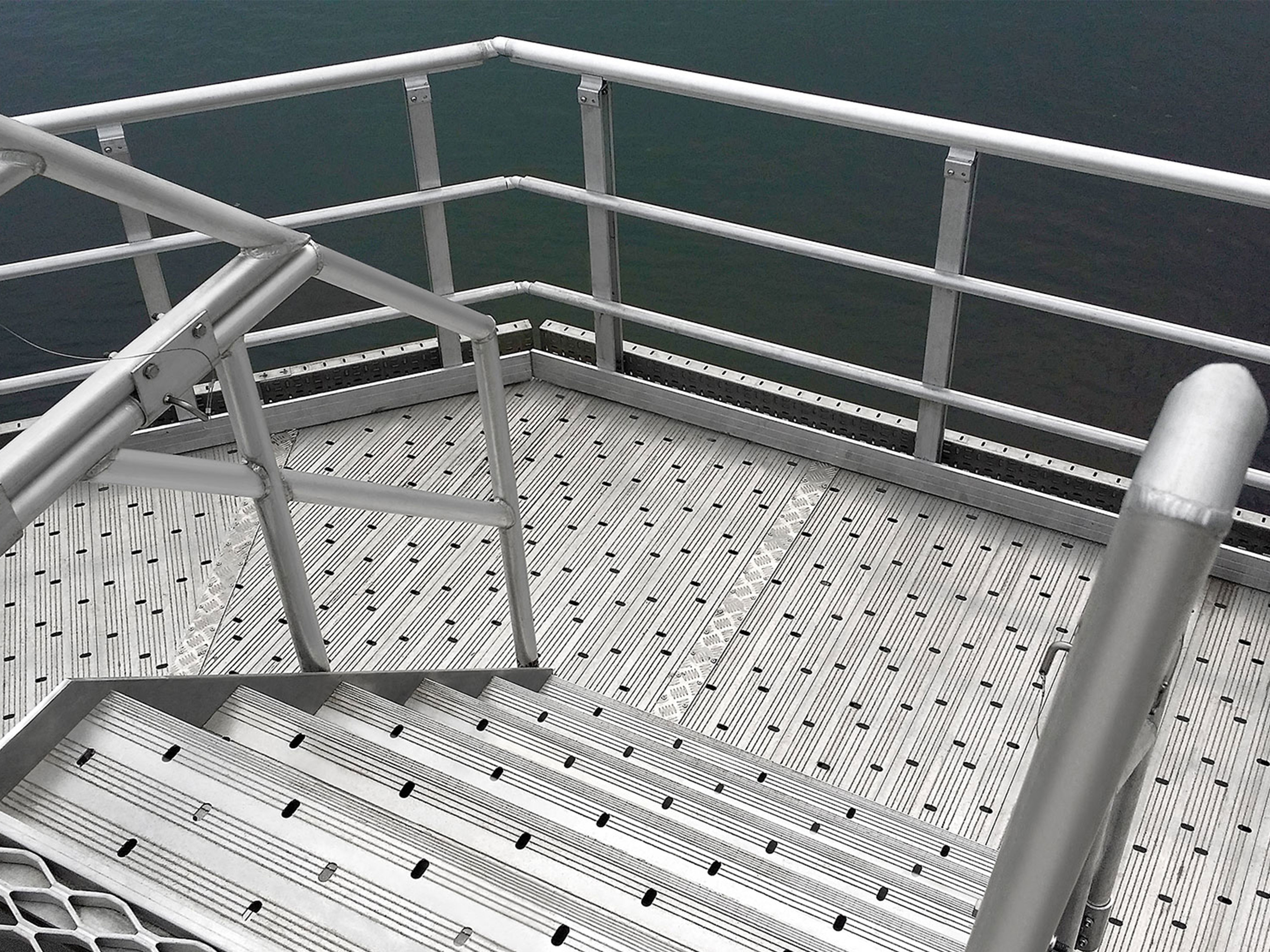
5052 Marine Aluminum Customized Shapes for Custom Marine Frame Solutions
5052 marine aluminum is a high-strength, corrosion-resistant alloy suitable for environments exposed to seawater and high humidity conditions. This alloy is particularly valuable for crafting customized marine frames, decking.
View Details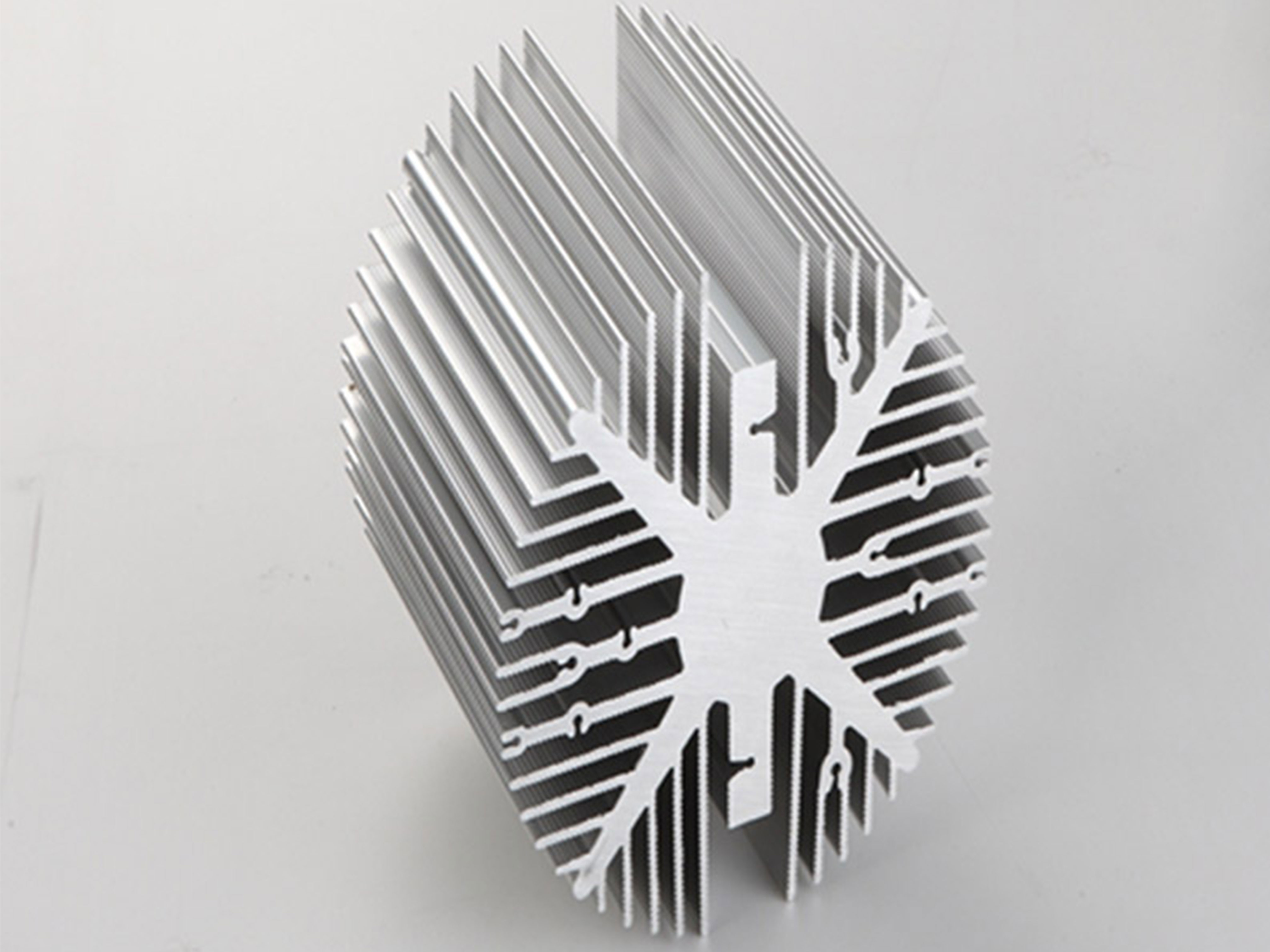
Marine Aluminum Fencing and Railings for Durable Coastal Deck Protection
Coastal environments present unique challenges for construction materials, with high exposure to saltwater, humidity, and fluctuating temperatures. Marine aluminum fencing and railings have become the preferred choice for durable coastal deck protection.
View Details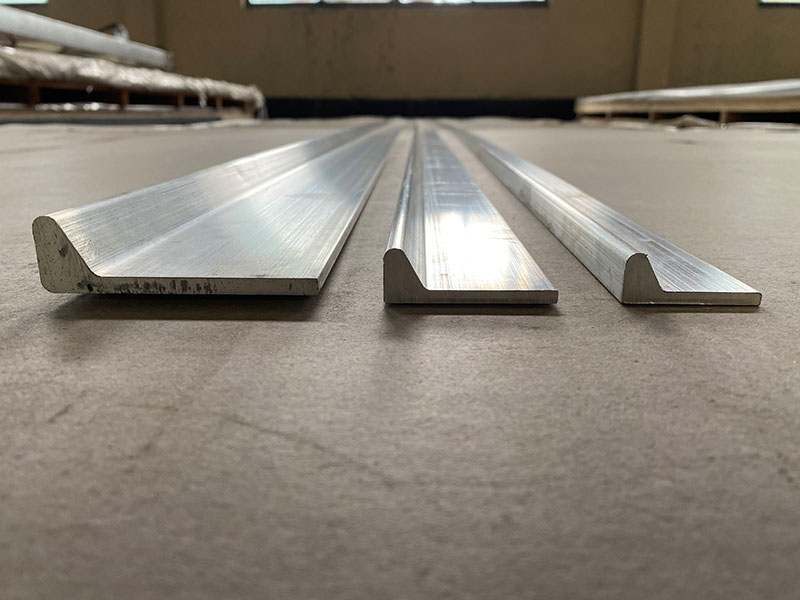
5083 Marine Aluminum Fencing and Railings for Durable Coastal Property Barriers
When a coastal property owner chooses fencing and railings, the conversation usually revolves around style, code compliance, and budget. The ocean, however, has its own priorities: salt, moisture, wind, and UV radiation.
View Details
Leave a Message