
5052 5083 5754 Marine Aluminum Sheet
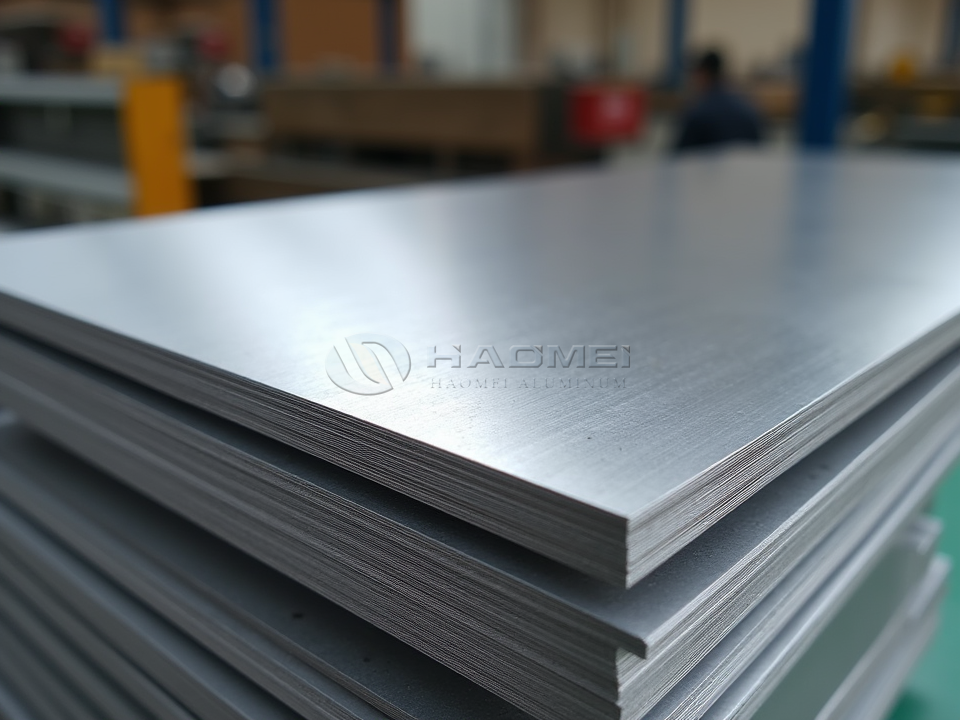
5052, 5083, and 5754 marine aluminum sheets are aluminum-magnesium alloys engineered for long-term service in saltwater, humid coastal air, and demanding marine environments. Their low density, excellent corrosion resistance, dependable weldability, and practical forming performance make them widely used in vessels, offshore equipment, port facilities, and transport structures.
Compared with steel, marine aluminum can significantly reduce structural weight while helping improve fuel economy, payload capacity, vessel speed, and handling efficiency. The correct alloy selection depends on the structural load, thickness, fabrication route, corrosion exposure, and required surface appearance.
Alloy Selection at a Glance
| Alloy | Primary Strength | Typical Tempers | Best-Fit Marine Uses | Relative Strength | Formability |
|---|---|---|---|---|---|
| 5052 | Corrosion resistance and easy fabrication | O, H32, H34 | Interior panels, tanks, cabins, small boat parts | Medium | Excellent |
| 5083 | High strength in welded marine structures | O, H111, H116, H321 | Hulls, decks, bulkheads, superstructures | High | Good |
| 5754 | Balanced strength, formability, and surface quality | O, H22, H24, H111 | Flooring, vehicle decks, panels, marine equipment | Medium | Excellent |
5052 is often selected for thin-gauge and formed components. It bends readily, has stable corrosion resistance, and is suitable for fuel tanks, cabinetry, accommodation areas, interior fittings, and lightweight panels. For projects requiring a versatile sheet product, Marine 5052 aluminum sheet provides an efficient material option for fabricated marine components.
5083 is a higher-magnesium alloy recognized for its strong performance in demanding seawater exposure. It is a preferred material for welded hull plates, deck structures, transverse frames, bulkheads, landing craft, patrol boats, fishing vessels, and offshore modules. H116 and H321 tempers are particularly valued for resistance to exfoliation corrosion in marine plate applications.
5754 offers a practical middle ground between strength and workability. It is commonly used for formed marine panels, deck coverings, shipboard equipment housings, truck bodies used near coastal areas, and general fabrication requiring a clean finish and good bending behavior.
Chemical Composition
The chemical balance of magnesium, manganese, chromium, and minor alloying elements determines corrosion resistance, strength, weld behavior, and formability. Values shown are typical composition limits in accordance with commonly used international alloy standards.
| Element, % | 5052 | 5083 | 5754 |
|---|---|---|---|
| Silicon, Si | 0.25 max | 0.40 max | 0.40 max |
| Iron, Fe | 0.40 max | 0.40 max | 0.40 max |
| Copper, Cu | 0.10 max | 0.10 max | 0.10 max |
| Manganese, Mn | 0.10 max | 0.40-1.00 | 0.50 max |
| Magnesium, Mg | 2.20-2.80 | 4.00-4.90 | 2.60-3.60 |
| Chromium, Cr | 0.15-0.35 | 0.05-0.25 | 0.30 max |
| Zinc, Zn | 0.10 max | 0.25 max | 0.20 max |
| Titanium, Ti | - | 0.15 max | 0.15 max |
| Aluminum, Al | Balance | Balance | Balance |
The higher magnesium content of 5083 contributes to its superior strength, particularly in large welded structures. 5052 and 5754 contain moderate magnesium levels, supporting good corrosion behavior while preserving excellent forming characteristics.
Mechanical and Physical Performance
Mechanical properties vary with thickness, temper, production standard, and testing direction. The following figures are representative values for commonly supplied sheet and plate tempers.
| Property | 5052-H32 | 5083-H116 | 5754-H22 |
|---|---|---|---|
| Tensile strength, MPa | 210-260 | 275-350 | 190-240 |
| Yield strength, MPa | 130 min | 215 min | 100 min |
| Elongation, % | 10-14 | 10-14 | 10-16 |
| Density, g/cm³ | 2.68 | 2.66 | 2.66 |
| Melting range, °C | 605-650 | 570-640 | 600-650 |
| Thermal conductivity, W/m·K | Approx. 138 | Approx. 117 | Approx. 132 |
| Elastic modulus, GPa | Approx. 70 | Approx. 70 | Approx. 70 |
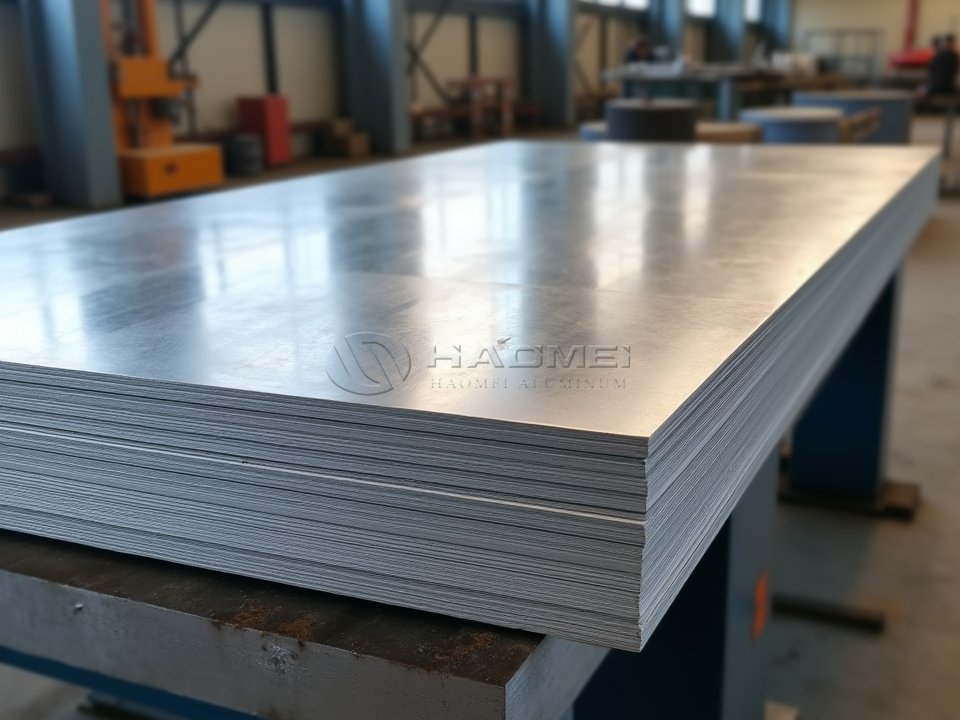
Marine aluminum is non-magnetic, has good low-temperature toughness, and maintains useful performance in cold and wet service. Its natural oxide film provides a protective barrier; however, good design and fabrication practice remain essential. Crevices, trapped saltwater, incompatible fasteners, and poor drainage can accelerate localized corrosion in any alloy.
Available Specifications
| Parameter | Typical Supply Range |
|---|---|
| Product form | Sheet, plate, coil, cut-to-size blanks |
| Thickness | 0.5-6.0 mm sheet; 6.0-200 mm plate, subject to alloy and mill capability |
| Width | 1,000-2,500 mm |
| Length | 2,000-12,000 mm or customized cutting |
| Tempers | O, H111, H112, H22, H24, H32, H34, H116, H321 |
| Surface | Mill finish, brushed, PVC protected, anodized-ready, coated on request |
| Standards | EN 485, EN 573, ASTM B209, ASTM B928, relevant classification requirements |
| Inspection options | Chemical analysis, tensile test, dimensional inspection, ultrasonic testing, material certificates |
For hull plating and other safety-critical structures, 5083 in H116 or H321 is frequently specified to meet marine corrosion expectations. Projects with anti-slip walking surfaces can pair flat sheets with Marine Aluminum Tread Sheets for gangways, stair treads, engine-room floors, and working decks.
Marine Applications
| Application Area | Recommended Alloy | Material Benefit |
|---|---|---|
| Boat hulls and side shells | 5083 | High welded strength and seawater resistance |
| Decks and bulkheads | 5083, 5754 | Structural reliability with manageable fabrication |
| Fuel, oil, and water tanks | 5052, 5083 | Good corrosion resistance and weldability |
| Cabin panels and interiors | 5052, 5754 | Easy bending, clean surface, low weight |
| Gangways and access platforms | 5754, 5052 | Formability and corrosion resistance |
| Fishing boats and workboats | 5083 | Toughness for heavy-duty service |
| Coastal transport bodies | 5754 | Lightweight construction and durable finish |
| Offshore equipment covers | 5052, 5754 | Weather resistance and easy fabrication |
Fabrication Benefits and Handling Guidance
All three alloys can be welded using suitable aluminum filler metals and controlled procedures. MIG welding is widely used for thicker marine plate, while TIG welding is common for thinner sheets and precision work. 5083 welded zones naturally experience some strength reduction, so structural design should account for welded-condition properties rather than base-metal values alone.
5052 and 5754 are especially suitable for bending, stamping, rolling, and deep drawing. When bending harder tempers, use an appropriate inside bend radius to reduce the risk of edge cracking. Clean tools and segregated fabrication areas help prevent iron contamination, which may lead to surface staining or corrosion initiation.
For maximum marine durability, specify proper drainage, seal overlapping joints, isolate aluminum from copper-bearing materials, and use compatible stainless-steel or aluminum fasteners with suitable insulating washers where needed. Protective coatings, anodizing, or marine paint systems can provide further defense in splash zones and highly abrasive service.
Why These Marine Aluminum Sheets Deliver Value
5052, 5083, and 5754 marine aluminum sheets provide a flexible material family for light-duty fabricated parts through to high-strength welded hull structures. Their combination of reduced weight, seawater corrosion resistance, weld compatibility, and long service potential supports lower maintenance needs and efficient vessel construction.
Selecting 5052 for formed components, 5083 for heavily loaded hull structures, and 5754 for balanced sheet-metal fabrication enables designers to match alloy performance to the real operating demands of each marine project.

Related Products
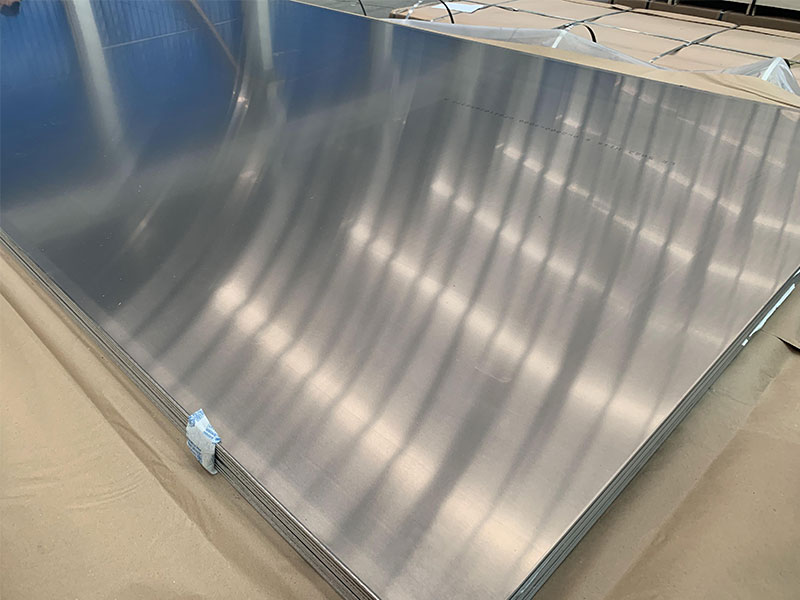
Marine 5052 aluminum sheet
Aluminum alloy 5052 is a non-heat-treatable, strain-hardened alloy with magnesium as the primary alloying element. It is designed to offer superior corrosion resistance in marine and saline environments, making it a dependable choice for components exposed directly to seawater or coastal atmospheric conditions.
View Details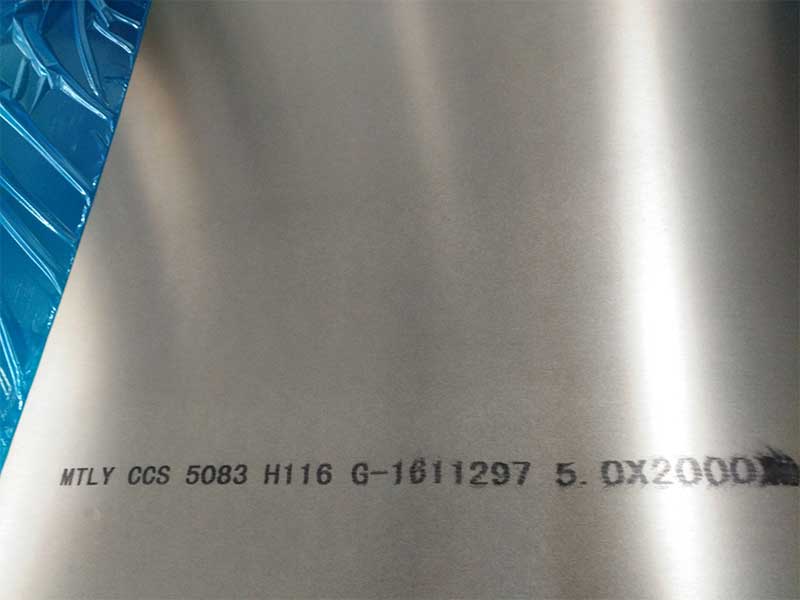
Marine 5083 aluminum sheet
Aluminum alloy 5083 is a non-heat-treatable alloy primarily composed of magnesium and trace elements that deliver outstanding protection against corrosion, particularly in seawater and saline atmospheres.
View Details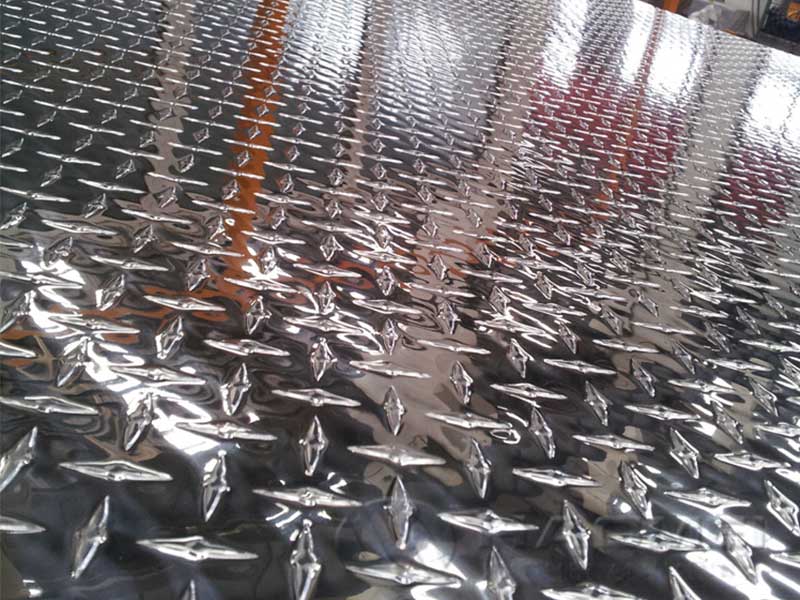
Marine Aluminum Tread Sheets
Marine Aluminum Tread Sheets are aluminum alloy plates featuring a raised surface pattern, commonly referred to as a tread design or diamond plate.
View Details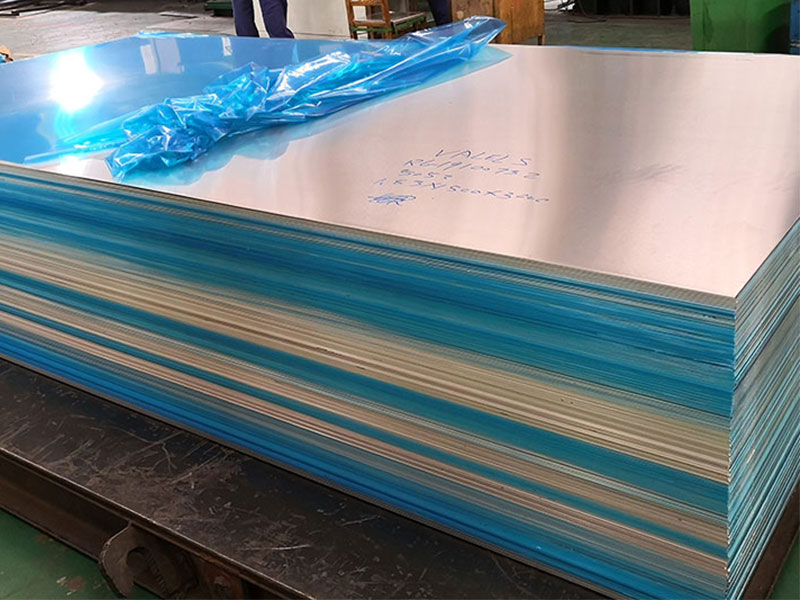
Marine 5059 aluminum sheet
5059 aluminum alloy is a strain-hardened material with a unique addition of magnesium and chromium, which provides outstanding resistance to localized corrosion like pitting and stress corrosion cracking.
View Details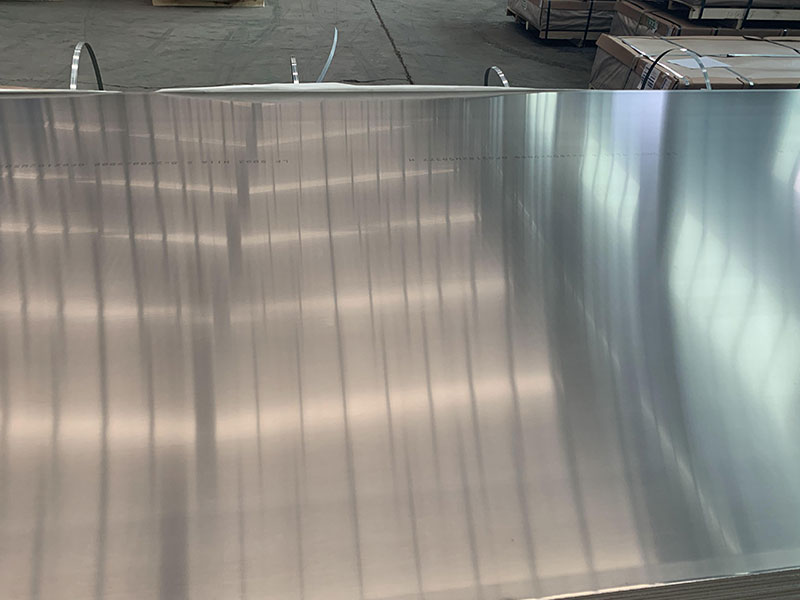
Marine 5383 aluminum sheet
5383 aluminum is a strain-hardened, non-heat-treatable alloy from the 5xxx series primarily alloyed with magnesium. It exhibits a unique balance of corrosion resistance and mechanical properties particularly suited for marine applications.
View Details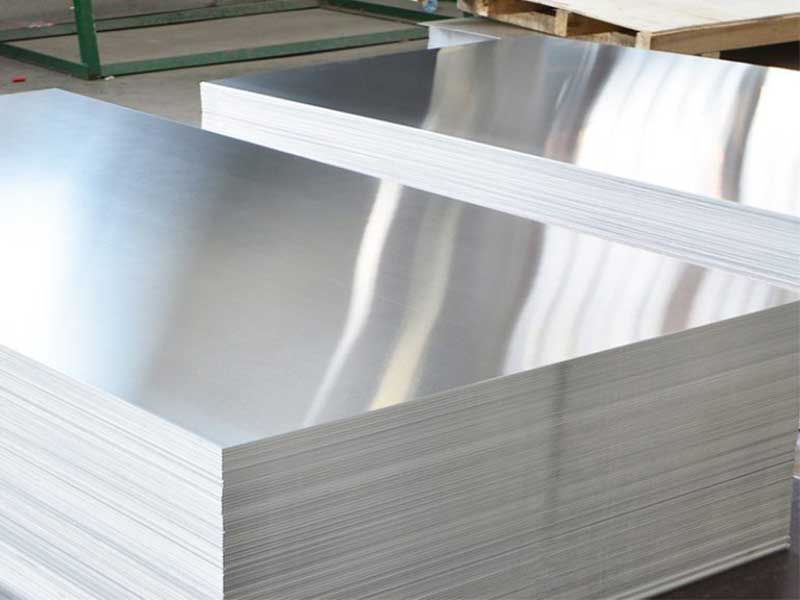
Marine anodized aluminum sheets
Marine Anodized Aluminum Sheets start with premium marine-grade aluminum alloys such as 5000 and 6000 series (typically 5083, 5052, and 6061).
View DetailsRelated Blog
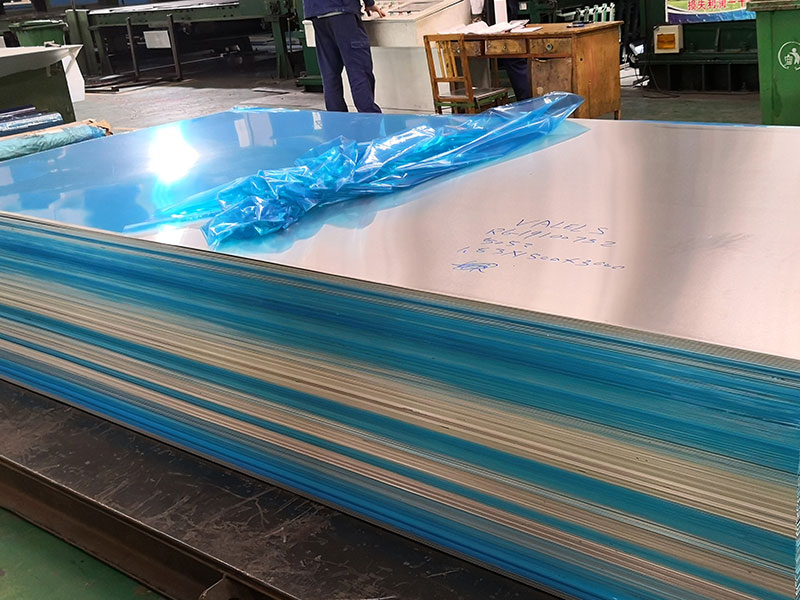
Marine Grade Building Material Aluminium Sheet
Marine grade building material aluminium sheet is designed for projects that need a strong balance of corrosion resistance, strength, workability, and long-term appearance.
View Details
5000 Series Marine Grade Aluminum Sheet
Explore 5000 Series marine grade aluminum sheet, including alloy options, corrosion resistance, welding performance, specifications, and boatbuilding uses.
View Details
ASTM B221 5754 5052 5083 O H111 Aluminium Alloy Plate for Marine Application
Explore 5754, 5052, and 5083 marine aluminium plate in O and H111 tempers, with ASTM scope, composition, properties, fabrication, and vessel uses.
View Details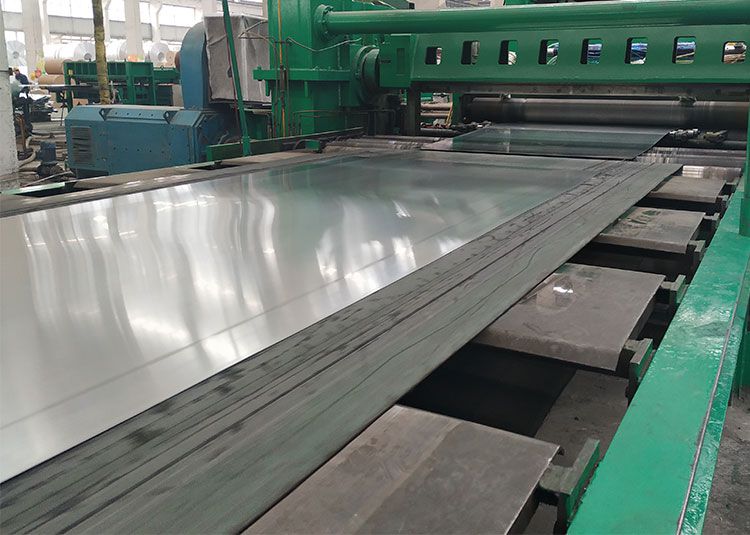
3mm Thickness 8x4 Aluminum Sheet 5083 For Boat
Marine builders choose materials that survive salt spray, wave impact, and years of cyclic loading without becoming a maintenance burden. 3mm thickness 8x4 aluminum sheet 5083 is a proven marine-grade plate/sheet option used worldwide for boat hulls.
View Details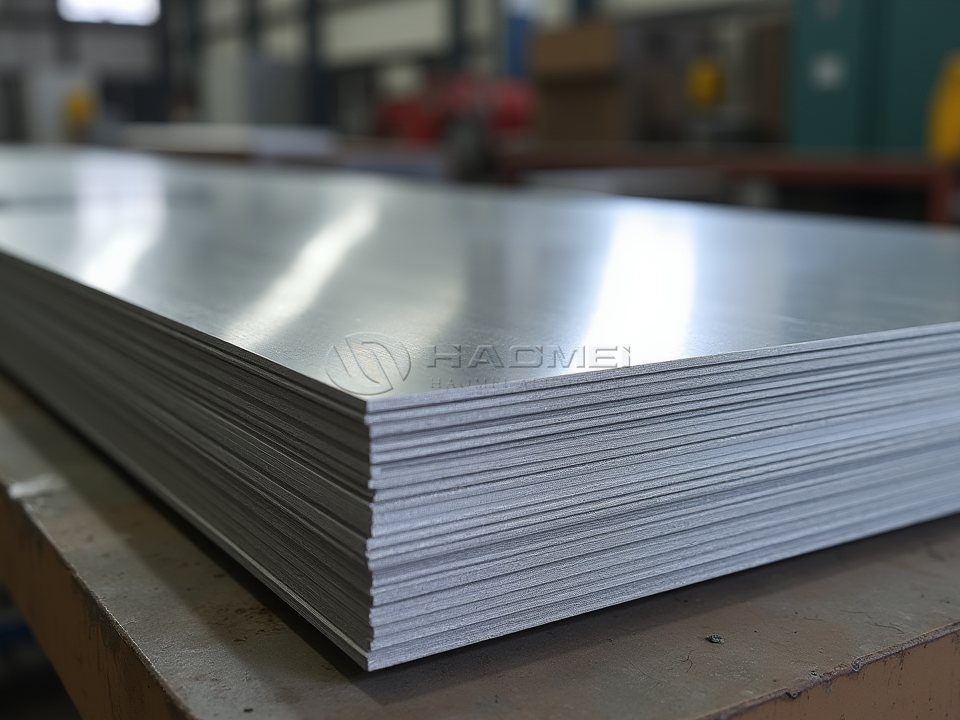
Marine Aluminum Alloy 5083 Sheet Mirror
Marine Aluminum Alloy 5083 Sheet Mirror combines a bright polished surface with high magnesium strength, corrosion resistance, temper options, and marine standards.
View Details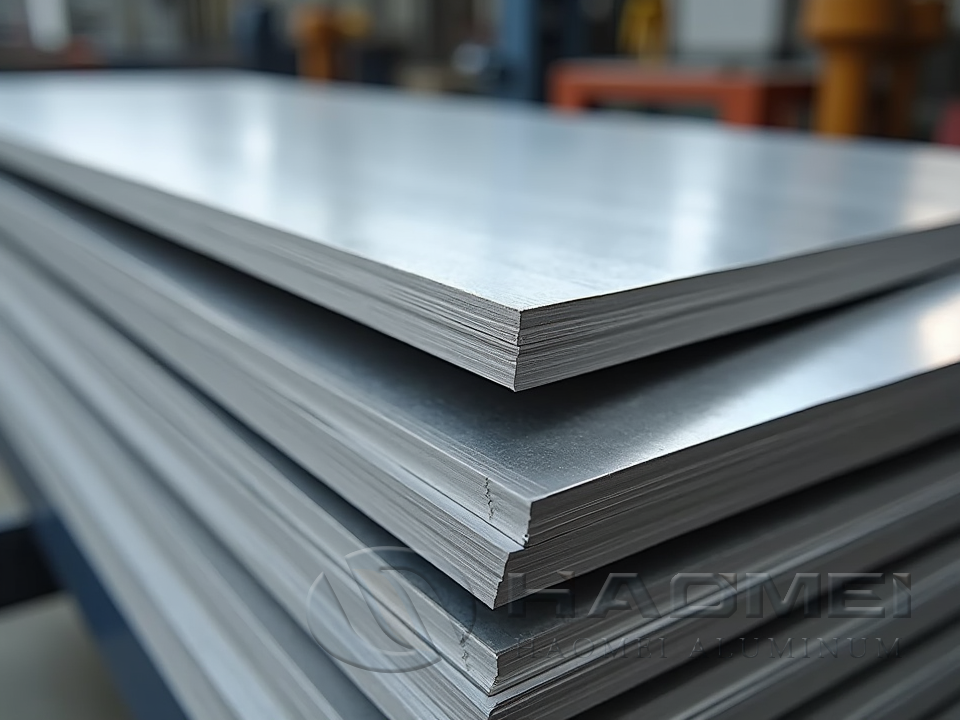
5059 Marine Heavy Duty Aluminum Plate
5059 marine heavy duty aluminum plate delivers high strength, weldability, and seawater corrosion resistance for hulls, decks, tanks, and patrol craft.
View Details
Leave a Message