
5454 Aluminum Plate Sheet Aluminum Sheets for Tanker Marine Use
5454 aluminum plate sheet is a non-heat-treatable Al-Mg alloy developed for equipment exposed to demanding corrosive environments and moderate elevated temperatures. Its balance of magnesium and manganese delivers dependable strength, excellent forming behavior, and strong resistance to rusting in marine air, splash zones, and tank transportation service.
For road tankers, chemical tank bodies, fuel transport equipment, ship structures, and fabricated marine components, 5454 aluminum sheets provide a lightweight alternative to steel while helping reduce maintenance requirements. The alloy is especially valued where welded construction, curved panels, and repeated vibration are part of the design.
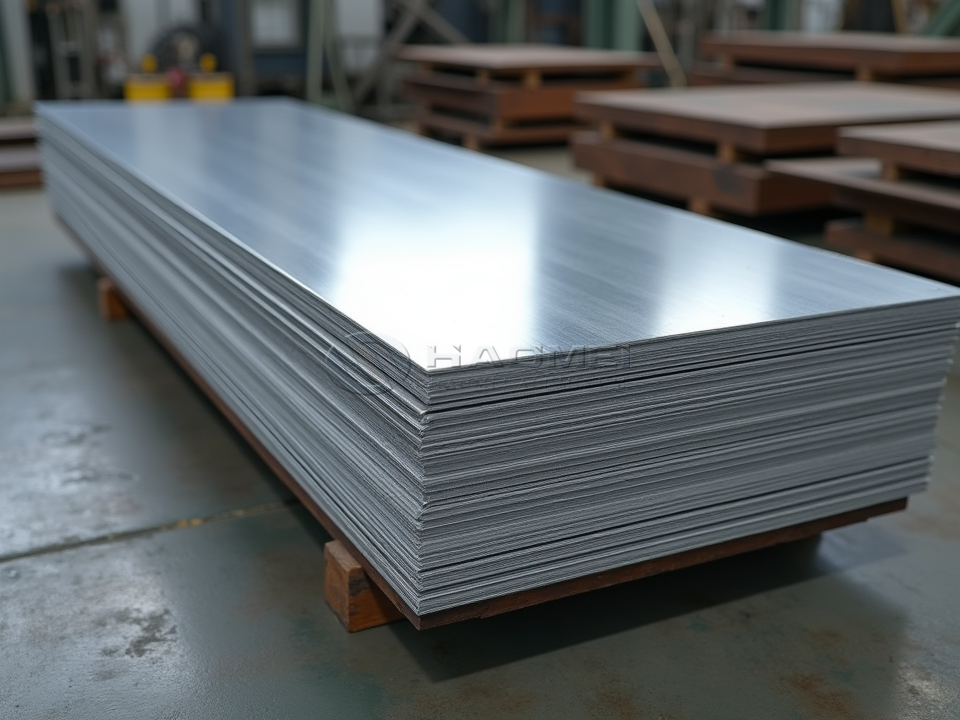
Performance Features
5454 aluminum plate offers useful mechanical strength without sacrificing fabrication efficiency. It can be bent, rolled, stamped, welded, and formed into curved tanker shells, baffles, compartments, protective panels, and marine fittings. Its magnesium-bearing composition forms a stable oxide film that supports corrosion resistance in humid, salt-laden, and industrial atmospheres.
| Performance Factor | 5454 Aluminum Sheet Benefit | Value for Tanker and Marine Fabrication |
|---|---|---|
| Corrosion resistance | Strong resistance to atmospheric and marine exposure | Suitable for coastal transport equipment and vessel components |
| Weldability | Readily welded by MIG and TIG processes | Supports leak-tight tank seams and structural assemblies |
| Formability | Good bending, rolling, pressing, and deep forming capability | Helps produce cylindrical shells, covers, and shaped panels |
| Weight efficiency | Density is about one-third of carbon steel | Reduces vehicle tare weight and supports higher payload potential |
| Moderate-temperature behavior | Better stability at elevated service temperatures than 5052 in many applications | Useful for heated tanks and industrial transport equipment |
| Surface quality | Available with mill finish, brushed finish, or protective film | Supports fabrication and decorative exterior applications |
Compared with higher-strength 5xxx marine alloys, 5454 is frequently selected when formability and tanker-oriented service performance take priority over maximum hull strength. For projects requiring heavier-duty marine structural material, Marine Grade Aluminum Sheets are available in a broader range of alloys and tempers.
Chemical Composition
The chemical composition of 5454 aluminum is controlled to achieve its corrosion resistance, weld response, and mechanical consistency. Magnesium provides solid-solution strengthening, while manganese contributes to structure stability and resistance to softening during service.
| Element | Composition, % by Weight |
|---|---|
| Silicon, Si | 0.25 max |
| Iron, Fe | 0.40 max |
| Copper, Cu | 0.10 max |
| Manganese, Mn | 0.50 - 1.00 |
| Magnesium, Mg | 2.40 - 3.00 |
| Chromium, Cr | 0.05 - 0.20 |
| Zinc, Zn | 0.25 max |
| Titanium, Ti | 0.20 max |
| Other elements, each | 0.05 max |
| Other elements, total | 0.15 max |
| Aluminum, Al | Balance |
Available Tempers and Mechanical Properties
5454 is strengthened through strain hardening rather than heat treatment. Temper selection should match the forming radius, panel geometry, pressure requirement, and welding plan. O temper is normally preferred for severe forming, while H32 and H34 provide higher strength for general tanker sidewalls, covers, and structural panels.
| Temper | Typical Condition | Tensile Strength, MPa | Yield Strength, MPa | Elongation, Typical Use |
|---|---|---|---|---|
| O | Annealed, soft condition | 195 - 240 | 85 min | High; deep drawing and complex forming |
| H22 | Strain hardened and partially annealed | 220 - 265 | 125 min | Moderate forming with improved strength |
| H32 | Strain hardened and stabilized | 240 - 285 | 170 min | Tank shells, marine panels, formed structures |
| H34 | Higher strain-hardened condition | 255 - 305 | 205 min | Stiffer panels and lower-forming applications |
| H111 | Slightly strain hardened from fabrication | 195 - 250 | 95 min | General fabricated components |
Mechanical values vary with thickness, applicable product standard, and testing direction. Purchase specifications should define the required standard, temper, dimensions, tolerances, inspection scope, and minimum certified properties.
Product Dimensions and Supply Conditions
5454 aluminum sheets and plates can be supplied in coil-cut sheets, standard plates, or custom-cut blanks. Wider panels help reduce longitudinal weld seams in tanker fabrication, while precision-cut material can improve production efficiency for baffles, end caps, access doors, and reinforcement parts.
| Item | Common Supply Range |
|---|---|
| Thickness | 0.5 - 200 mm |
| Sheet width | 1,000 - 2,600 mm |
| Plate width | Up to 3,000 mm, subject to production capability |
| Length | 2,000 - 12,000 mm or custom cut length |
| Common tempers | O, H111, H22, H32, H34 |
| Surface | Mill finish, brushed, PVC-film protected, customer-specified finish |
| Edge condition | Mill edge, slit edge, trimmed edge |
| Documentation | Mill test certificate, chemical analysis, mechanical test data, dimensional inspection report |
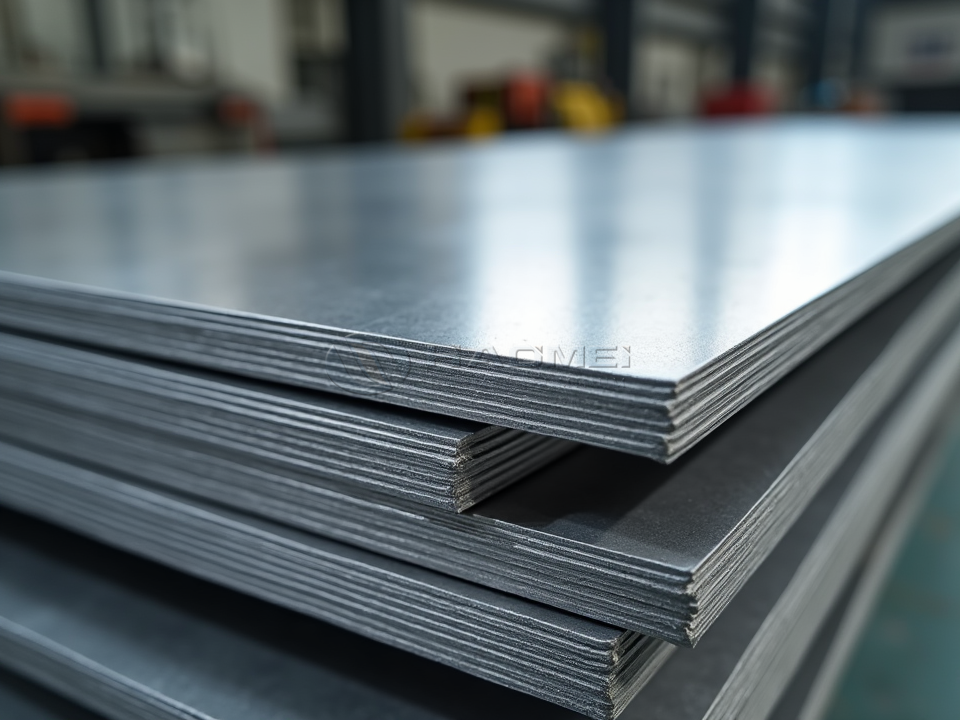
Tanker Applications
The alloy is widely used in transport systems where weight reduction, cleanability, corrosion control, and dependable welding performance are important. Its service profile suits both inland logistics equipment and marine-connected transport operations.
| Application Area | Typical 5454 Aluminum Components |
|---|---|
| Fuel and chemical tankers | Tank shells, compartment walls, baffles, manhole covers, protective skirts |
| Food-grade transport tanks | External shells, covers, support panels, non-product-contact fabricated parts |
| Marine vessels | Deckhouse panels, interior partitions, lockers, gangway components, equipment enclosures |
| Port and dock equipment | Access panels, housings, covers, lightweight fabricated assemblies |
| Industrial process vessels | Protective panels, liquid handling equipment, formed containers and guards |
For product-contact service involving aggressive chemicals, cargo compatibility must be verified by the tank designer and end user. Aluminum performance depends on chemical concentration, temperature, moisture content, cleaning cycle, and contamination control.
Fabrication and Welding Guidance
5454 aluminum plate sheet machines and forms efficiently with suitable tooling and clean handling practices. Large bend radii, controlled forming pressure, and appropriate lubrication reduce surface marking and minimize the risk of cracking in harder tempers. O temper gives the greatest flexibility for deep or tight-radius shapes.
MIG and TIG welding are common joining methods. Matching 5xxx filler alloys such as 5356 or 5556 may be considered according to design requirements, service temperature, and applicable welding procedure. Before welding, remove oil, oxide, moisture, and shop contamination from the joint area. Heat input should be controlled because weld zones in strain-hardened material will soften locally.
| Fabrication Process | Suitability | Practical Note |
|---|---|---|
| MIG welding | Excellent | Efficient for long tanker seams and thicker sections |
| TIG welding | Excellent | Suitable for detailed work and thin-gauge assemblies |
| Bending | Good to excellent | Select temper according to bend radius and thickness |
| Roll forming | Excellent | Well suited to cylindrical and curved tanker panels |
| Machining | Good | Use sharp tools, coolant, and secure clamping |
| Anodizing | Possible | Appearance may vary due to alloy chemistry |
Handling, Protection, and Quality Control
Aluminum sheets should be stored in a dry, ventilated area and kept away from standing water, alkaline residues, steel dust, and copper-bearing contamination. Protective film is recommended for visible exterior panels and parts that will undergo transport, laser cutting, or repeated handling.
Incoming inspection commonly includes thickness measurement, width and length verification, flatness checks, surface inspection, temper confirmation, and review of the mill test certificate. For pressure-related tanker projects, additional requirements may include ultrasonic testing, traceability marking, weld procedure qualification, and third-party inspection.
5454 aluminum plate sheet gives tanker and marine fabricators a practical material choice: lightweight, corrosion-resistant, easily welded, and readily formed into reliable transport and vessel components.

Related Products
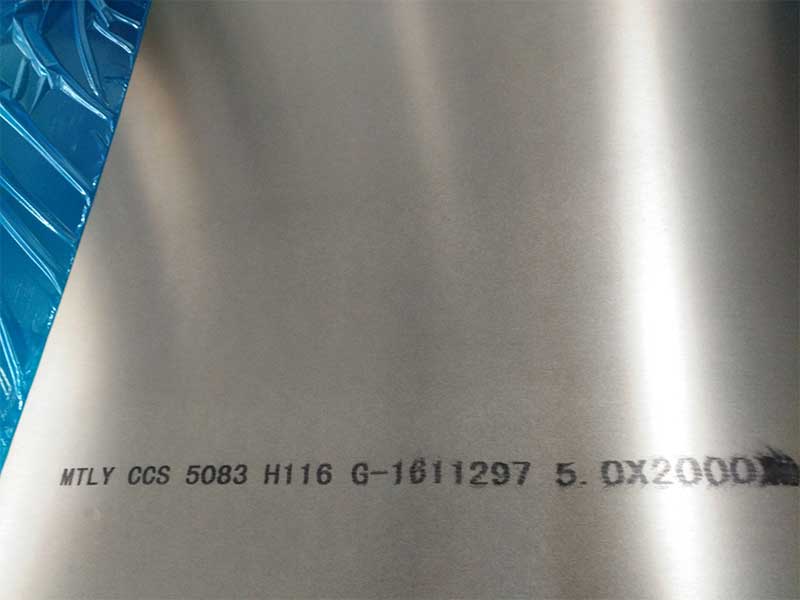
Marine 5083 aluminum sheet
Aluminum alloy 5083 is a non-heat-treatable alloy primarily composed of magnesium and trace elements that deliver outstanding protection against corrosion, particularly in seawater and saline atmospheres.
View Details
Marine 5086 aluminum sheet
This product article provides an in-depth and comprehensive understanding of Marine 5086 Aluminum Sheets, including their chemical composition, mechanical properties, corrosion resistance, fabrication capabilities, and typical marine applications.
View Details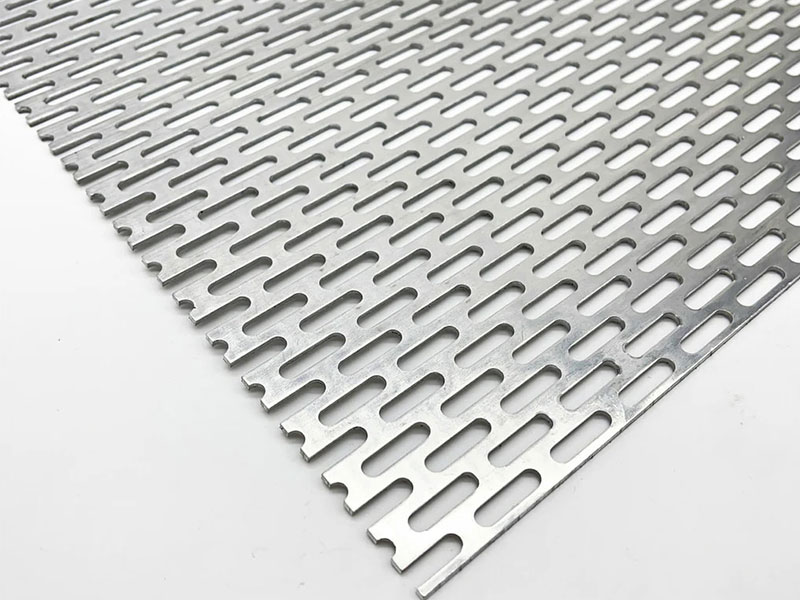
Marine perforated aluminum sheets
Marine Perforated Aluminum Sheets feature a series of uniform holes or shapes punched through the aluminum surface. These perforations can vary in size, pattern, and open area to tailor the sheets for specific applications.
View Details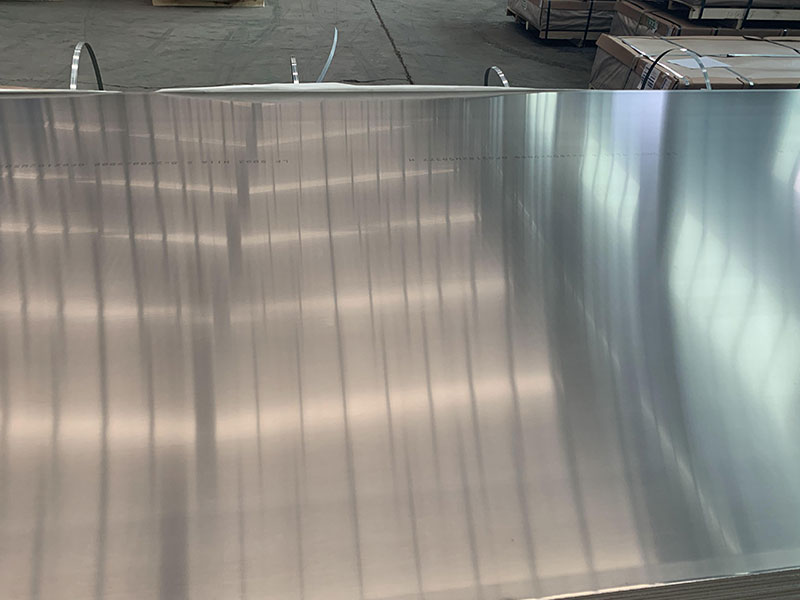
Marine 5383 aluminum sheet
5383 aluminum is a strain-hardened, non-heat-treatable alloy from the 5xxx series primarily alloyed with magnesium. It exhibits a unique balance of corrosion resistance and mechanical properties particularly suited for marine applications.
View Details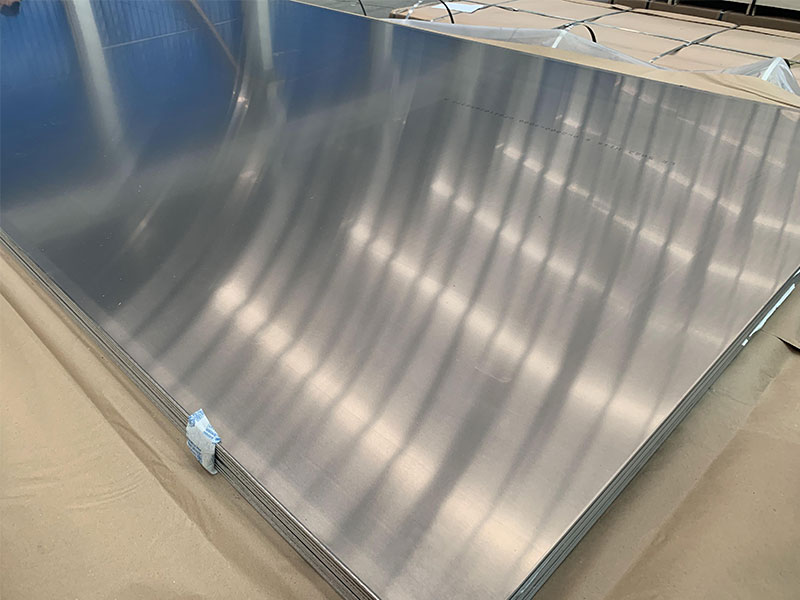
Marine 5052 aluminum sheet
Aluminum alloy 5052 is a non-heat-treatable, strain-hardened alloy with magnesium as the primary alloying element. It is designed to offer superior corrosion resistance in marine and saline environments, making it a dependable choice for components exposed directly to seawater or coastal atmospheric conditions.
View Details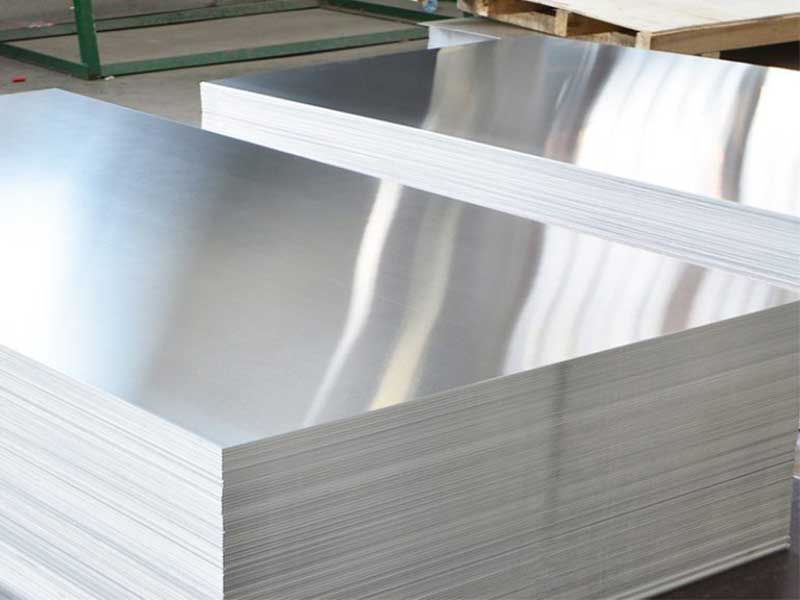
Marine anodized aluminum sheets
Marine Anodized Aluminum Sheets start with premium marine-grade aluminum alloys such as 5000 and 6000 series (typically 5083, 5052, and 6061).
View DetailsRelated Blog
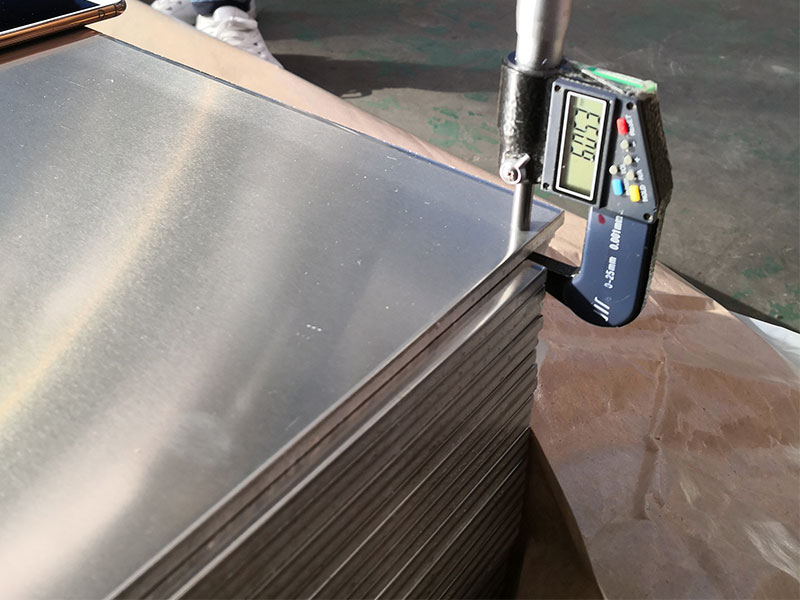
5052 5083 marine grade aluminium sheet for boat
Marine grade aluminium alloys 5052 and 5083 are among the most widely used non-heat-treatable alloys for shipbuilding, small vessels, and marine components. They combine good corrosion resistance in seawater, excellent weldability and formability.
View Details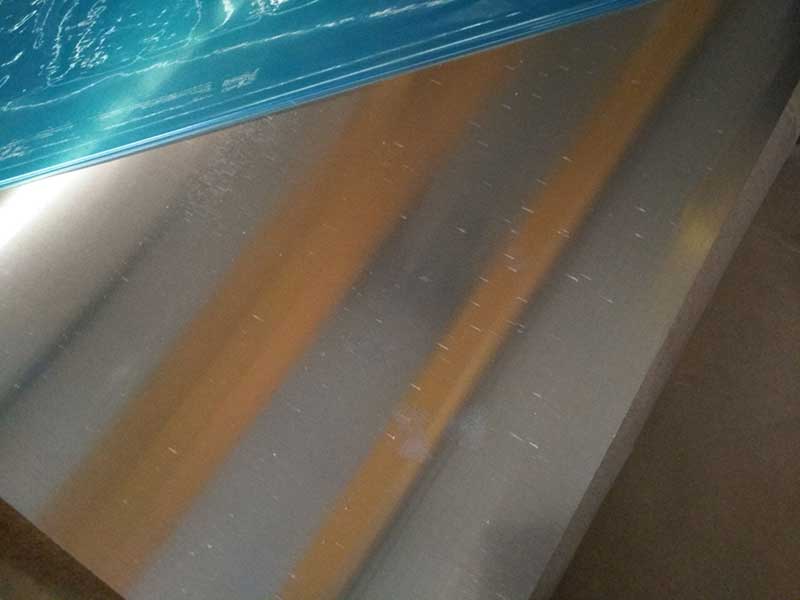
5083 H321 Marine Grade Aluminium Sheet
5083 H321 Marine Grade Aluminium Sheet: The "Working Hull Skin" That Thrives Where Steel Gets TiredIn marine design, the ocean is not just a backdrop-it is a relentless testing machine.
View Details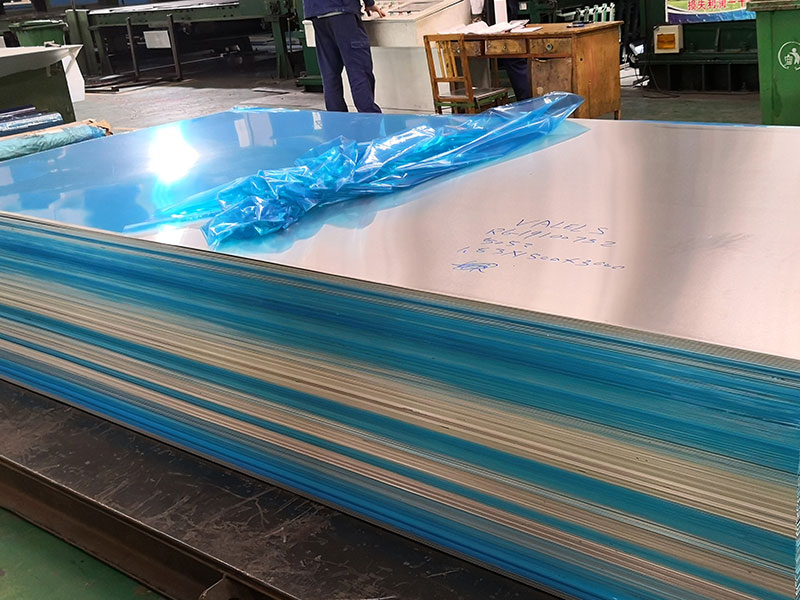
3003 Aluminum sheet for Marine boat construction
Marine boat builders need materials that balance corrosion resistance, formability, weight, and cost-especially for interior structures, cabins, consoles, storage lockers, bulkhead liners, and trim parts.
View Details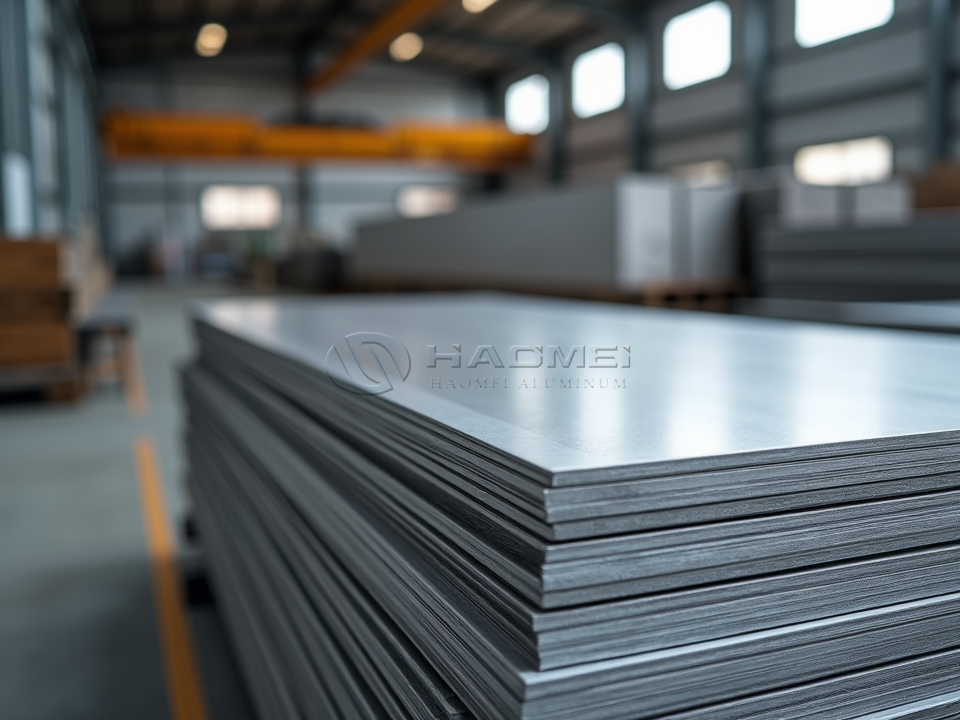
Marine Grade Aluminium 5052 3mm Aluminium Sheet Sizes
A practical guide to 5052 3 mm marine aluminium sheet sizes, properties, corrosion resistance, fabrication benefits, and boatbuilding applications for buyers.
View Details
Mill Finish Aluminium Sheet for Ship building
When it comes to shipbuilding, choosing the right materials is pivotal for ensuring both durability and optimal performance. Among various options, mill finish aluminium sheet stands out as a superior choice.
View Details
Aluminium Coil Or Sheet For Boat
When it comes to maritime design and construction, selecting materials that balance strength, weight, and corrosion resistance is critical.
View Details
Leave a Message