
Marine Grade Aluminum Solid Bar for Offshore Vessel Reinforcements
Offshore vessels operate in a demanding environment where materials are judged not only by initial strength, but by how they behave after years of salt spray, vibration, impact, wet-dry cycles, and difficult maintenance access. A marine grade aluminum solid bar can be a practical reinforcement material for these conditions when it is selected as part of a complete structural and corrosion-control plan.
The most useful way to view a solid aluminum bar is not as a simple piece of stock material. On an offshore vessel, it is often a small but important load-path component. It may stiffen a local frame, support deck hardware, reinforce a handrail base, connect equipment brackets, form a machined pin or spacer, or add strength around a high-use opening. Its job is frequently modest in size but significant in consequence: carry concentrated load without adding unnecessary mass or creating a corrosion problem that becomes expensive to repair at sea.
Reinforcement Starts With the Load Path
The best reinforcement is not automatically the heaviest bar. It is the bar placed where force can travel smoothly into the surrounding structure. When a davit base, pipe support, ladder platform, antenna bracket, or machinery guard transmits load into a thin aluminum panel, a solid bar can spread that force across a larger area. This helps reduce local distortion, cracking around fasteners, and repeated flexing at welded details.
For offshore work, designers should consider static load, wave-induced movement, vibration from machinery, personnel impact, and occasional overload. A reinforcement that appears adequate for a calm-water service vessel may experience much higher fatigue demand on a supply vessel or fast patrol craft. Bar geometry matters as much as alloy selection. Rounded transitions, adequate edge distance, and clean fit-up reduce stress concentration. Sharp notches, abrupt thickness changes, and poorly aligned welded attachments do the opposite.
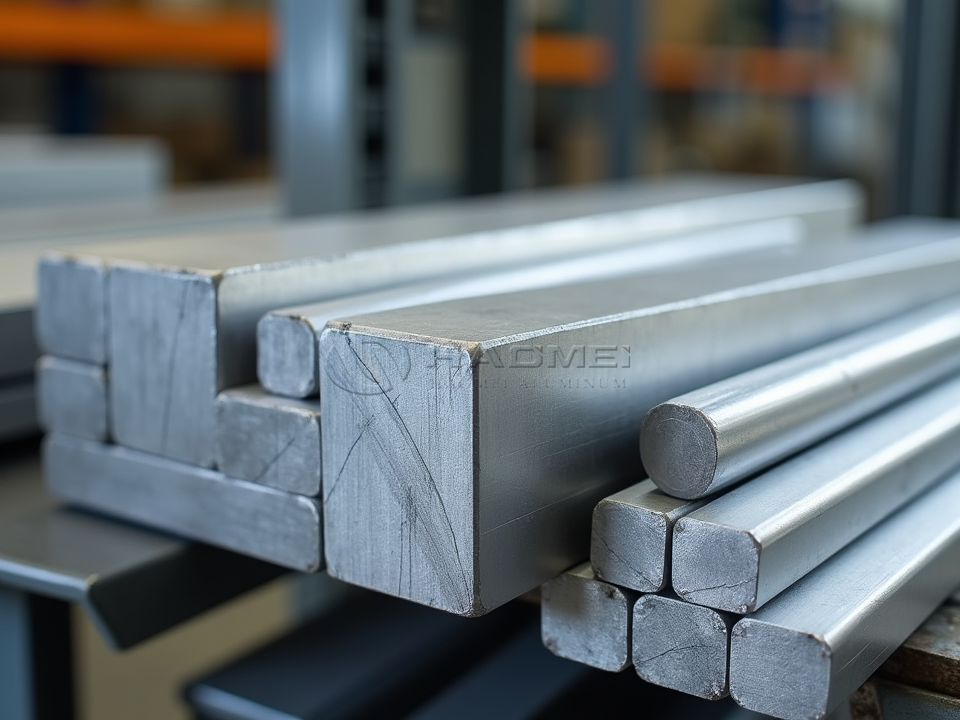
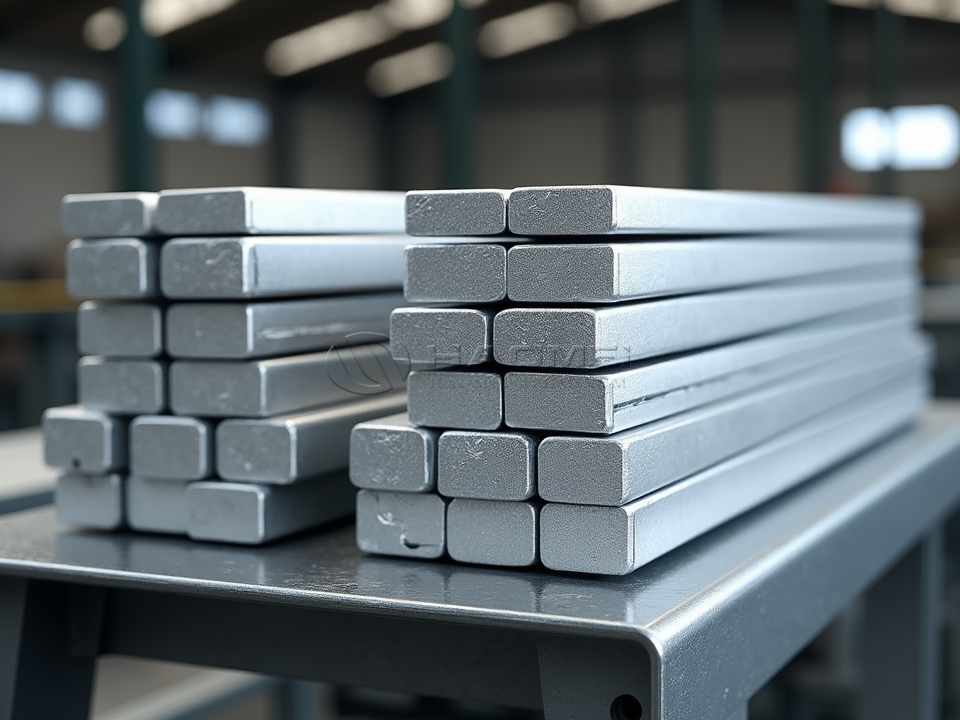
Flat bars are commonly used behind brackets and along frames because they distribute force across a broad contact area. Round bars are suitable for pins, shafts, standoffs, grab points, and machined components. Square and hexagonal profiles can simplify certain fabricated or bolted fittings where resistance to rotation is required. The right profile should follow the load and fabrication method rather than habit.
Alloy Choice Depends on Where the Bar Will Work
Marine aluminum alloys do not all perform the same way in offshore service. For welded structural reinforcements exposed directly to seawater, 5xxx-series alloys such as 5083, 5086, and 5052 are widely valued for corrosion resistance and weldability. They are especially appropriate when the bar will be welded to compatible marine aluminum plate or extrusions.
6061-T6 is often selected for solid bars requiring good machinability, useful strength, and dimensional consistency. It is widely used for hardware supports, brackets, structural fittings, and precision-machined reinforcement parts. However, its corrosion performance and welded heat-affected properties require closer attention than a typical 5xxx-series marine alloy. In a highly exposed zone, a 6061 component may need suitable coating, isolation from dissimilar metals, and well-planned drainage.
For applications requiring higher mechanical performance, 6082 marine aluminum rod & bar can be considered for engineered fittings and machined reinforcement elements. Its suitability should always be checked against the vessel specification, joining method, temper, class requirements, and actual exposure conditions.
Welding Changes the Question
A common purchasing mistake is to evaluate a solid bar only by the strength shown on the mill certificate. For welded reinforcement, the finished assembly is what matters. Heat from welding can reduce the strength of heat-treatable alloys near the weld, while poor weld sequence can pull a panel out of alignment or introduce residual stress.
A practical approach is to select bar size based on the properties of the completed welded joint, not merely the unwelded parent material. Fabricators should use qualified welding procedures, clean oxide and contamination from joint surfaces, and avoid excessive heat input. Proper sequencing is particularly important when reinforcing thin deck plate or side shell panels, where distortion can create water traps or make adjacent equipment difficult to install.
Where possible, design reinforcements so they are accessible for welding, inspection, coating, and future repair. A bar that is strong but sealed into a damp crevice can create a maintenance liability. Good fabrication includes smooth weld toes, sealed or drained interfaces where appropriate, and enough clearance to wash away salt deposits.
Corrosion Control Is a Design Detail, Not an Afterthought
Aluminum naturally forms a protective oxide layer, but offshore service can defeat this protection at crevices, damaged coatings, salt-retaining joints, and connections with more noble metals. Stainless steel bolts, copper-bearing materials, and carbon steel fittings can accelerate galvanic corrosion if directly coupled with wet aluminum.
Use insulating washers, sleeves, compatible sealants, and protective coatings where dissimilar metals meet. Avoid trapping seawater between a solid bar and a plate. If a reinforcement must sit against a surface, consider sealing the mating area or providing a drainage route based on the vessel's coating and inspection strategy. Fastener holes should be cleanly machined, protected as specified, and checked for fretting caused by vibration.
This maintenance-minded perspective is particularly valuable offshore. A reinforcement located behind equipment may be difficult to inspect for years. Selecting a corrosion-resistant alloy, avoiding moisture traps, and allowing access for visual checks can save far more than a minor reduction in material cost.
Specify More Than Size and Length
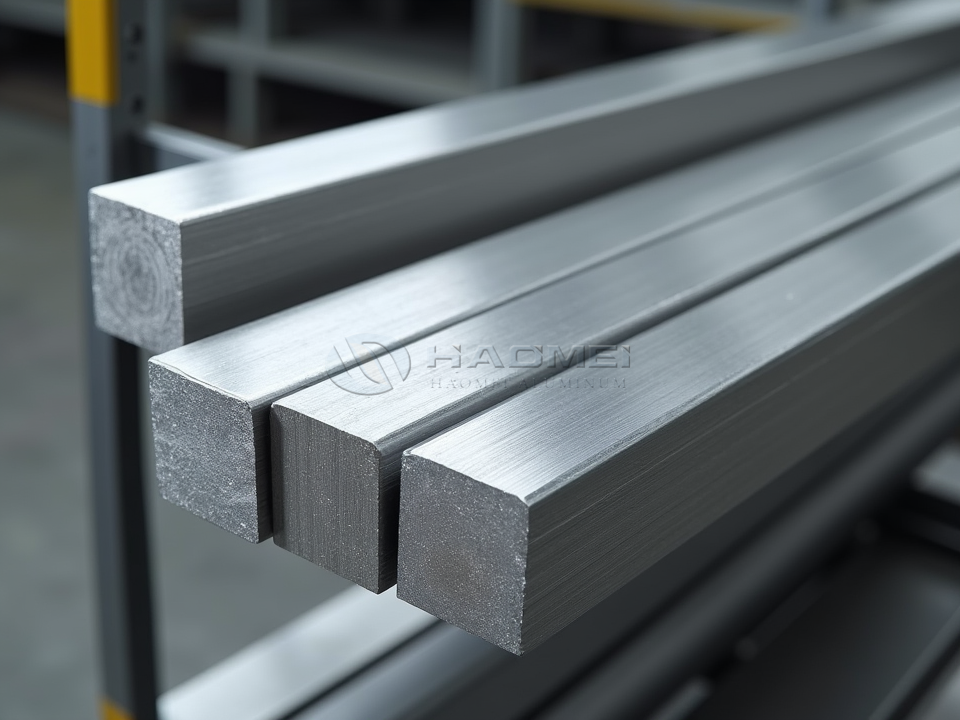
When ordering a marine grade aluminum solid bar, clear specifications prevent fabrication delays and material mismatch. State the alloy, temper, profile, dimensions, length tolerance, surface condition, applicable standards, and documentation requirements. For critical vessel work, traceability to heat or lot, chemical composition records, and mechanical test information may be required by the shipyard, owner, or classification authority.
Straightness and surface quality are also important. A bar intended for machining needs enough stock allowance and a surface free from deep scratches, dents, or corrosion staining. A bar intended for visible deck hardware may require a smoother finish or anodizing and coating compatibility. Confirm whether the bar will be welded, bent, threaded, drilled, anodized, painted, or left bare, because each downstream operation influences the preferred alloy and temper.
A Durable Reinforcement Is Easy to Inspect
The most dependable offshore reinforcement is one that can be understood by the crew and inspected without dismantling half the vessel. During routine checks, look for coating breakdown, white corrosion products, cracks near weld ends, loose fasteners, abrasion from moving equipment, and standing water around attachments. Areas subject to vibration deserve particular attention because fatigue damage usually begins at a detail, not in the middle of a sound bar.
Marine grade aluminum solid bar gives offshore vessel builders a lightweight, corrosion-conscious way to reinforce localized structures. Its true value comes from matching alloy, bar profile, joining method, corrosion isolation, and inspection access to the working conditions. When those details are addressed together, a compact aluminum reinforcement can deliver long service life with less weight, less maintenance burden, and greater confidence in demanding offshore operations.

Related Products
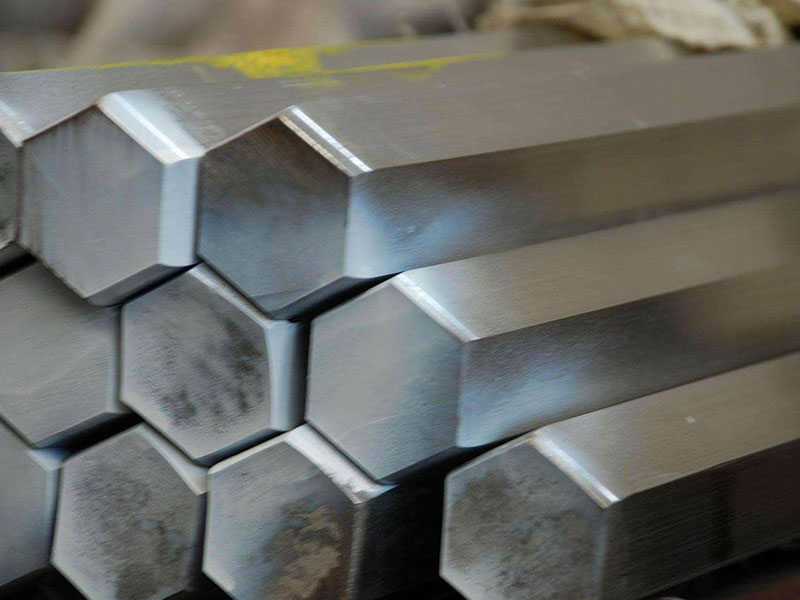
Marine aluminum hexagonal bars
Marine Grade Aluminum Hexagonal Bars are produced from premium corrosion-resistant aluminum alloys such as 5083, 5052, 6061, and 6082.
View Details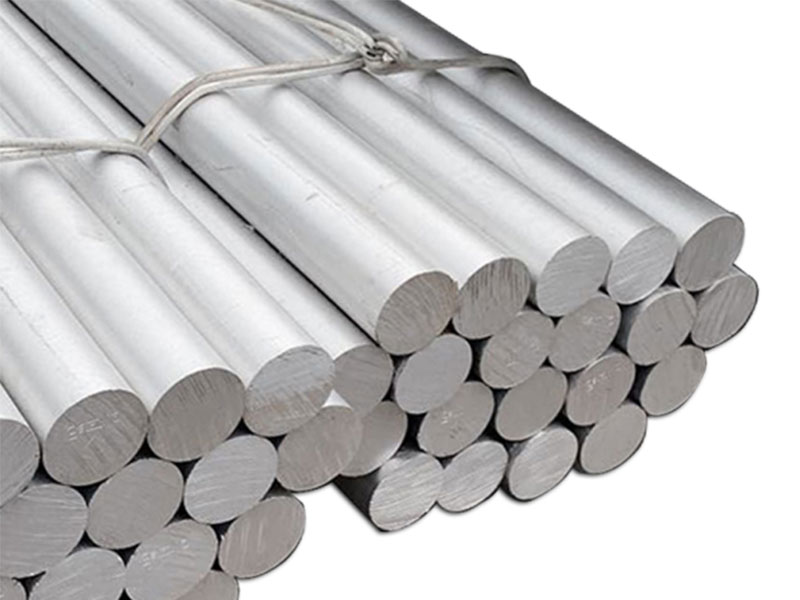
Marine grade aluminum solid bar
Marine Grade Aluminum Solid Bars are produced from premium aluminum alloys optimized for saltwater exposure, such as 5083, 5052, 6061, and 6082. These alloys offer unparalleled resistance to corrosion caused by seawater, salt spray, and marine atmospheres, while maintaining excellent mechanical strength and toughness.
View Details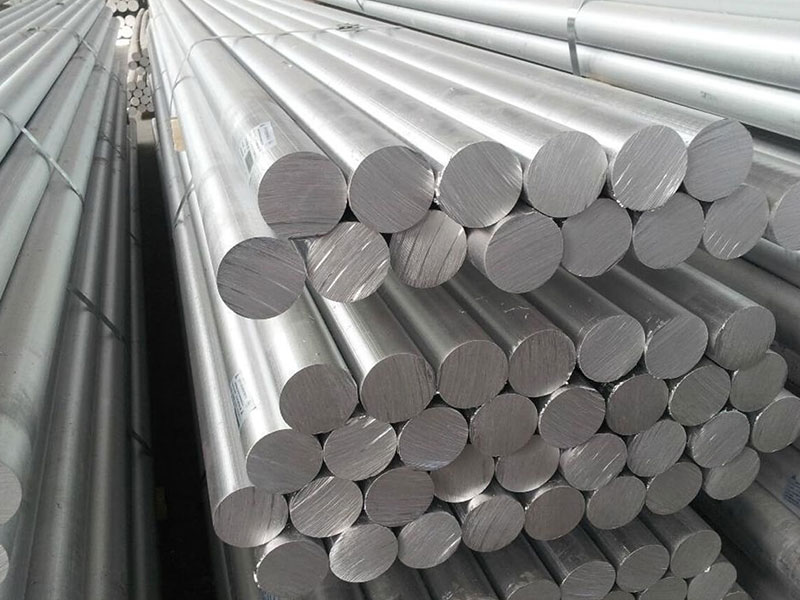
6082 marine aluminum rod & bar
6082 Aluminum Rods & Bars are extruded or rolled products manufactured from 6082 aluminum alloy — a thermally treated (typically T6 temper) aluminum-magnesium-silicon alloy that balances high tensile strength, good weldability, and excellent corrosion resistance.
View Details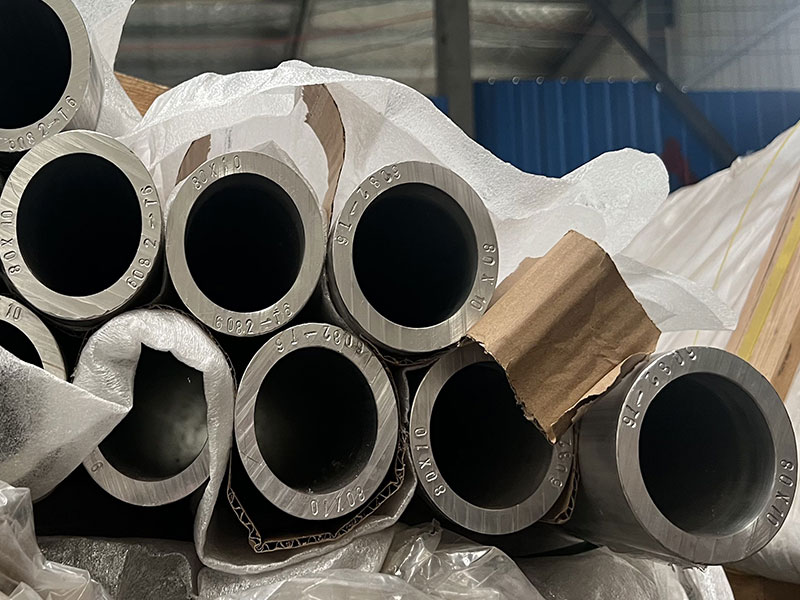
Marine aluminum hollow bars
Marine Grade Aluminum Hollow Bars are fabricated from high-quality alloys such as 5083, 5052, 6061, and 6082, all known for their exceptional resistance to seawater corrosion, salt spray, and marine atmospheres.
View DetailsRelated Blog
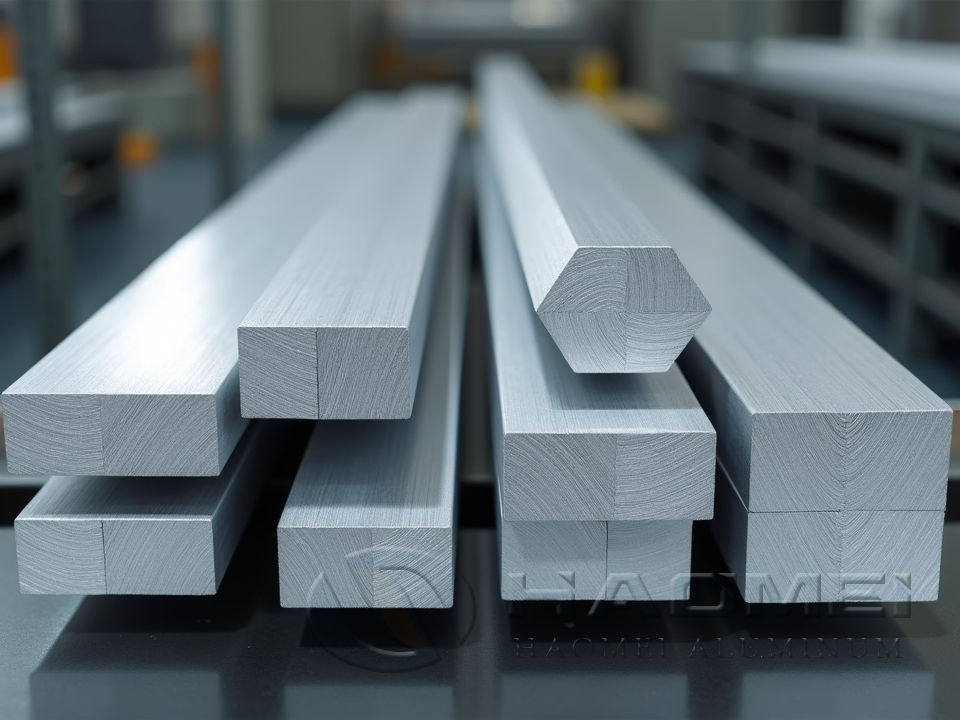
6082 Marine Aluminum Hexagonal Bars for Custom Boat Hull Engineering
6082 marine aluminum hexagonal bars deliver T6 strength, corrosion resistance, and precise machinability for custom boat hull fittings and frames projects.
View Details
Marine Grade Aluminum Solid Bar for Offshore Vessel Reinforcements
Learn how marine grade aluminum solid bar supports offshore vessel reinforcements through smart alloy selection, fabrication, corrosion control, and inspection.
View Details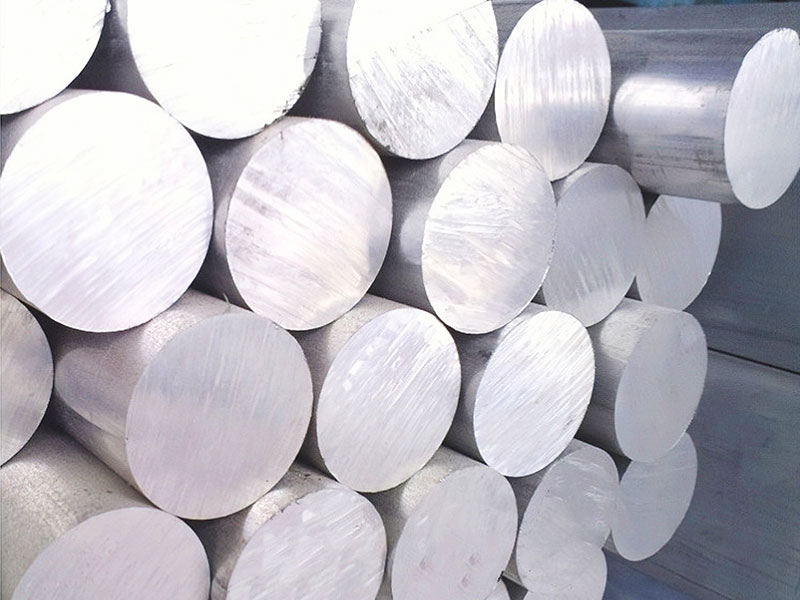
6061 Marine Grade Aluminum Solid Bar for Boat Hull and Deck Strengthening
When it comes to constructing or reinforcing boats, durability, strength, and corrosion resistance are non-negotiable attributes. Among the available materials in marine applications.
View Details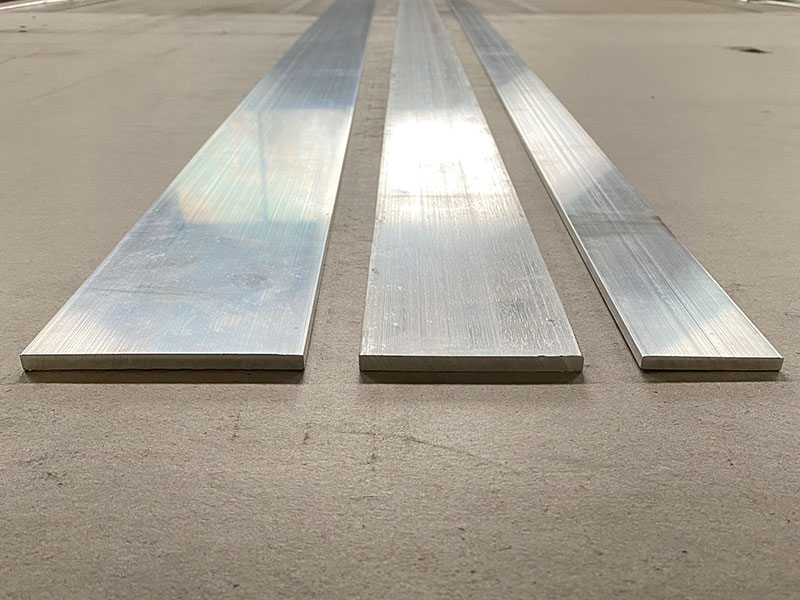
5083 Marine Aluminum Bar for High Strength Marine Vessel Parts
5083 Marine Aluminum Bar for High Strength Marine Vessel Parts: Durability Meets PerformanceWhen it comes to constructing high-performance marine vessels, material selection is paramount.
View Details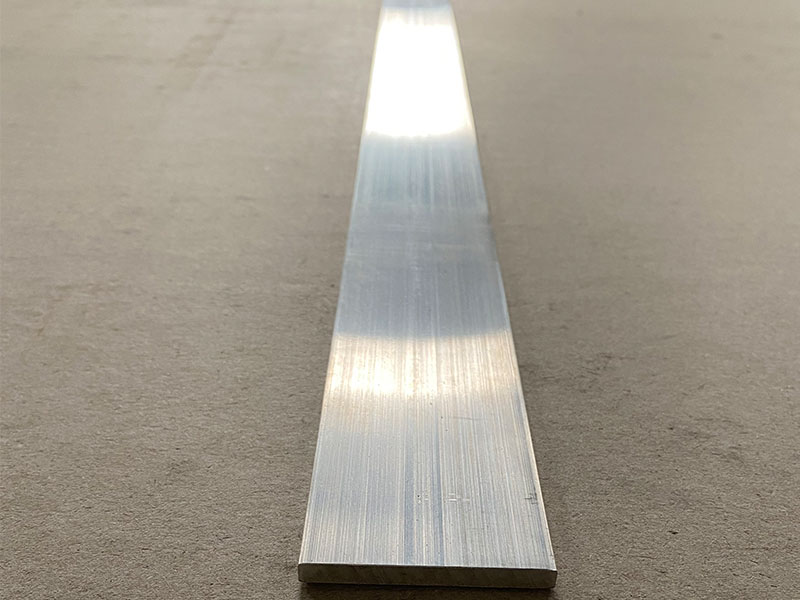
Marine Aluminum Hollow Bars for Shipbuilding and Marine Applications
Marine environments punish materials relentlessly: salt spray, cyclic loading, stray currents, impacts, and long service intervals where maintenance access is limited.
View Details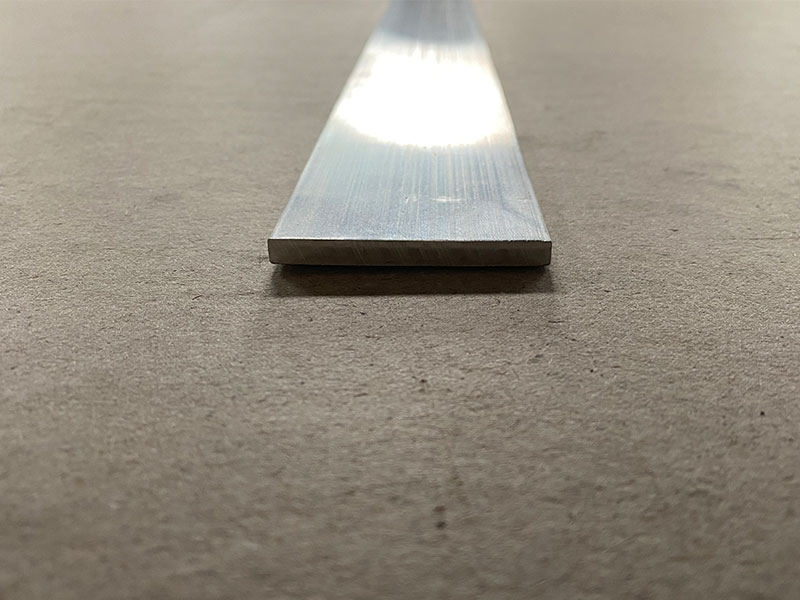
5083 Marine Grade Aluminum Solid Bar for Offshore Vessel Frame Parts
In the demanding environment of offshore vessels, structural integrity, durability, and corrosion resistance are critical factors that determine overall vessel performance and safety.
View Details
Leave a Message