
6082 Marine Grade Aluminum Solid Bar
A vessel is often judged by its hull, yet many of the most demanding loads pass through smaller solid components: cleats, brackets, hinge blocks, rail supports, davit parts, ladder fittings, mounting plates, and machined structural connectors. This is where 6082 marine grade aluminum solid bar earns its place. It is not merely a length of metal stock. It is the starting material for marine hardware expected to remain rigid, accurate, and dependable under vibration, spray, impact, and repeated loading.
6082 is a heat-treatable aluminum-magnesium-silicon alloy in the 6000 series. Its higher manganese content gives it stronger mechanical performance than many common architectural aluminum grades. When supplied in T6 condition, it provides an attractive balance of strength, machining behavior, weldability, and corrosion resistance for marine engineering.
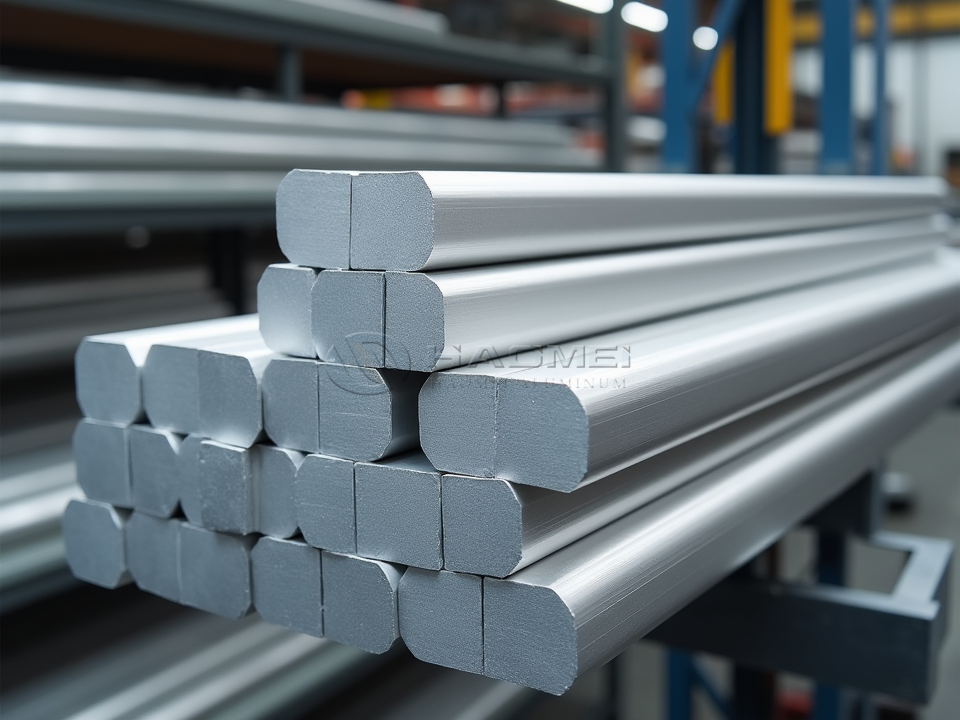
Why 6082 Works Differently in Marine Projects
The value of 6082 lies in its role as a precision structural alloy. It is especially suitable where a component must be machined from a solid section and retain dimensional stability. A marine cleat base, for example, may need threaded holes, radiused edges, counterbores, and a load-bearing profile. Starting with solid 6082 bar allows these features to be produced in one robust part rather than assembled from several thinner pieces.
Its corrosion resistance comes from aluminum's naturally formed oxide film, but the phrase "marine grade" should be understood correctly. 6082 performs well in marine atmospheres and freshwater or sheltered seawater applications when sound fabrication and surface protection are used. For permanently immersed structures or highly exposed hull plating, 5xxx series alloys such as 5083 or 5086 are often more appropriate. For fittings, frames, machined connectors, and above-waterline hardware, 6082 offers substantially higher strength than many non-heat-treatable marine alloys.
Galvanic corrosion deserves attention. When 6082 aluminum contacts stainless steel, copper alloys, or carbon steel in a wet salt environment, electrical isolation is recommended. Use non-conductive washers, suitable sealants, protective coatings, and drainage-friendly joint design to keep water from remaining in crevices.
Typical Forms and Supply Parameters
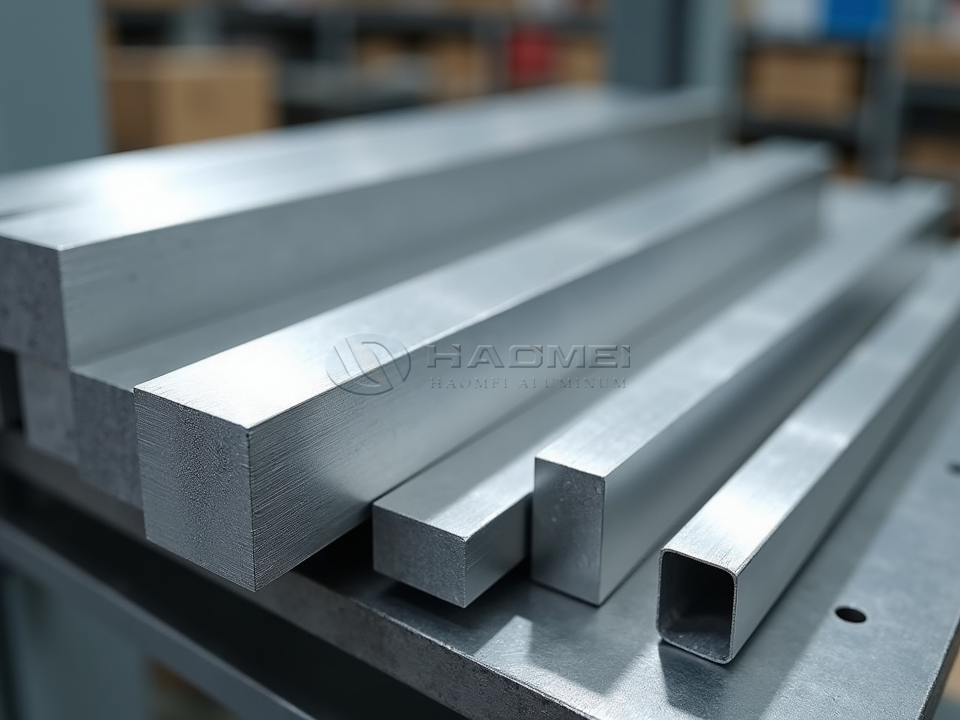
A 6082 marine grade aluminum solid bar can be produced as round bar, square bar, rectangular bar, flat bar, and hexagonal bar. The best shape depends on the finished part and the amount of machining required. Round stock is practical for shafts, pins, collars, and turned components. Square and rectangular sections reduce waste when producing brackets, blocks, and structural mounts. Hexagonal bar is useful for nuts, couplings, and wrench-operated components.
| Parameter | Typical Range or Condition |
|---|---|
| Alloy | EN AW-6082 / AA 6082 |
| Product forms | Round, square, flat, rectangular, hexagonal solid bar |
| Common temper | T6 |
| Other available tempers | T4, T5, T651, T6511, O, subject to section and mill capability |
| Typical round bar diameter | 6 mm to 250 mm or larger by agreement |
| Typical flat bar thickness | 3 mm to 100 mm or customized |
| Density | Approx. 2.70 g/cm³ |
| Melting range | Approx. 555°C to 650°C |
| Electrical conductivity | Approx. 25% IACS in T6 condition |
| Surface options | Mill finish, brushed, polished, anodized, coated, precision-cut |
Dimensional tolerances should always be confirmed before purchasing, particularly for CNC machining. A bar intended for a close-tolerance bearing seat may require saw-cut allowance, straightness control, ultrasonic inspection, or specific diameter tolerances beyond standard extruded-product limits.
For projects requiring several alloy options, Marine Grade Aluminum Bars can help engineers compare shapes and material choices for marine fabrication.
Chemical Composition of 6082 Aluminum
The chemistry of 6082 is designed around magnesium and silicon, which form magnesium silicide during heat treatment. This precipitation-hardening response gives the alloy its useful T6 strength. Manganese supports grain structure and strength, while tightly controlled copper and zinc levels help preserve corrosion behavior.
| Element | Composition, % by Weight |
|---|---|
| Silicon, Si | 0.70 - 1.30 |
| Iron, Fe | 0.50 max |
| Copper, Cu | 0.10 max |
| Manganese, Mn | 0.40 - 1.00 |
| Magnesium, Mg | 0.60 - 1.20 |
| Chromium, Cr | 0.25 max |
| Zinc, Zn | 0.20 max |
| Titanium, Ti | 0.10 max |
| Other elements, each | 0.05 max |
| Other elements, total | 0.15 max |
| Aluminum, Al | Balance |
Values should be verified against the mill test certificate for each production batch, since certified chemistry is the material record used for traceability and specification compliance.
Temper Conditions and Mechanical Performance
Temper is not a minor suffix after the alloy name. It changes how the bar behaves under load, during machining, and after welding.
T6 is the most requested condition for 6082 solid bar. The material is solution heat treated, quenched, and artificially aged to develop high strength. It is commonly selected for machined deck equipment, support arms, frame members, and brackets where stiffness matters.
T5 is artificially aged after cooling from an elevated-temperature shaping process. It can provide good properties, though values may differ from T6 depending on product geometry and processing route.
T4 is solution heat treated and naturally aged. It is softer than T6 and may be selected where additional forming is needed before final aging.
T651 or T6511 indicates stress-relieved material, commonly by controlled stretching, followed by artificial aging. This condition can be beneficial for precision-machined parts because it reduces the risk of distortion after significant material removal. The exact designation depends on the product form and applicable standard.
| Property, Typical 6082-T6 Solid Bar | Indicative Value |
|---|---|
| Tensile strength | 310 MPa or higher, section dependent |
| Yield strength, 0.2% proof | 260 MPa or higher, section dependent |
| Elongation | Approx. 8% or higher, section dependent |
| Brinell hardness | Approx. 95 HB |
| Elastic modulus | Approx. 69 GPa |
Mechanical values vary with bar diameter, shape, temper, and governing standard. Larger cross-sections may have different minimum requirements than smaller extrusions. For safety-critical marine parts, specify the required minimum tensile strength, proof strength, elongation, and inspection documents at the ordering stage.
Implementation Standards and Documentation
6082 aluminum solid bars are commonly produced and inspected according to standards such as EN 573-3 for chemical composition, EN 755-2 for mechanical properties of extruded rod, bar, tube, and profiles, and EN 755-3 for dimensional tolerances. For North American projects, ASTM B221/B221M is frequently referenced for extruded aluminum-alloy bars, rods, wire, profiles, and tubes.
A complete purchase specification can include alloy designation, temper, section dimensions, length tolerance, applicable standard, surface requirement, required documentation, and testing level. Mill test certificates should identify the heat number, chemical analysis, mechanical results, and product condition. When parts will be used in commercial vessels, offshore equipment, or class-controlled fabrication, additional requirements from the relevant classification society may apply.
Fabrication Notes for Marine Hardware
6082-T6 machines cleanly and is well suited to drilling, milling, turning, tapping, and CNC profiling. Sharp carbide tooling, appropriate coolant, and controlled cutting speeds help produce smooth surfaces with low burr formation. Edges should be radiused rather than left sharp, as rounded transitions improve handling and reduce localized stress concentration.
The alloy is weldable by MIG and TIG processes, often with 5356 or 4043 filler selection based on service requirements. However, welding reduces strength in the heat-affected zone because the T6 temper is locally altered. Designers should allow for this reduction or place welds away from peak-load areas. Post-weld heat treatment is not always practical for large marine assemblies.
For a direct material option tailored to this application, explore 6082 marine aluminum rod & bar for machined fittings and structural components.
A properly selected 6082 marine grade aluminum solid bar gives marine builders something valuable: a strong, machinable foundation for the components that connect systems, transfer load, and keep equipment secure long after launch.

Related Products
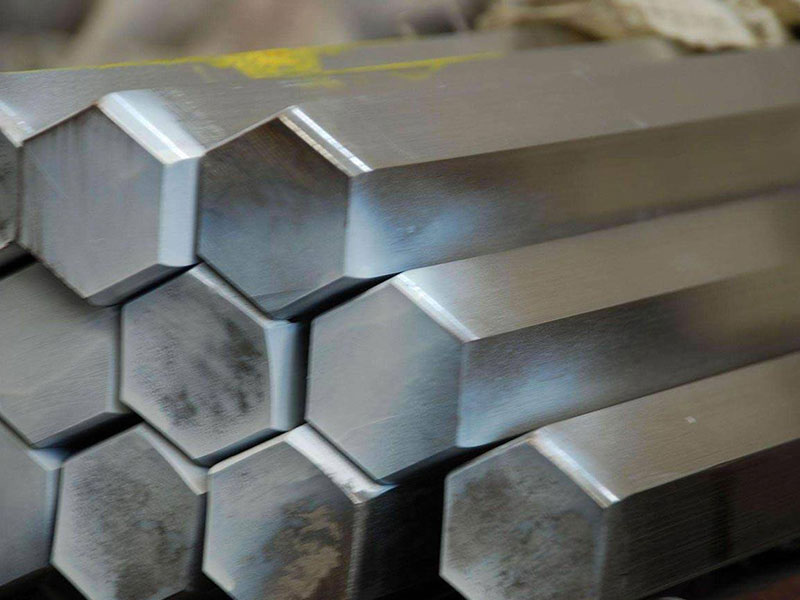
Marine aluminum hexagonal bars
Marine Grade Aluminum Hexagonal Bars are produced from premium corrosion-resistant aluminum alloys such as 5083, 5052, 6061, and 6082.
View Details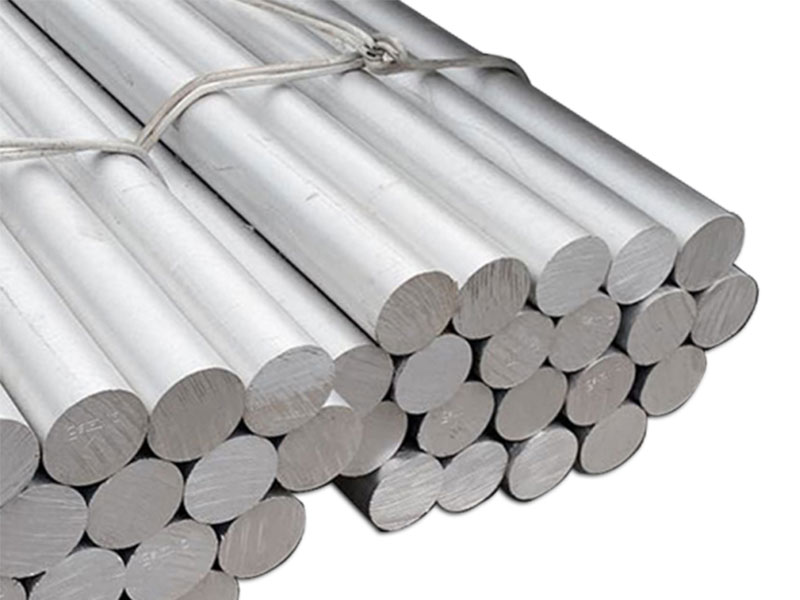
Marine grade aluminum solid bar
Marine Grade Aluminum Solid Bars are produced from premium aluminum alloys optimized for saltwater exposure, such as 5083, 5052, 6061, and 6082. These alloys offer unparalleled resistance to corrosion caused by seawater, salt spray, and marine atmospheres, while maintaining excellent mechanical strength and toughness.
View Details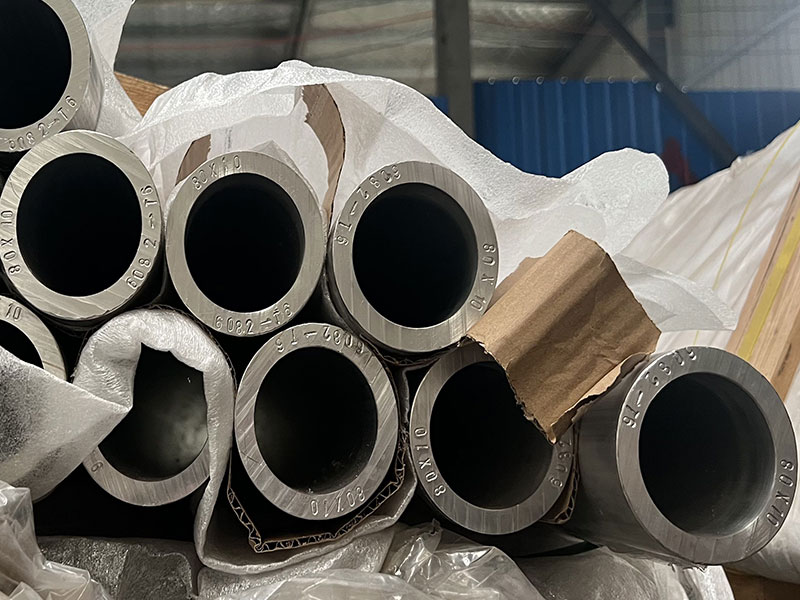
Marine aluminum hollow bars
Marine Grade Aluminum Hollow Bars are fabricated from high-quality alloys such as 5083, 5052, 6061, and 6082, all known for their exceptional resistance to seawater corrosion, salt spray, and marine atmospheres.
View Details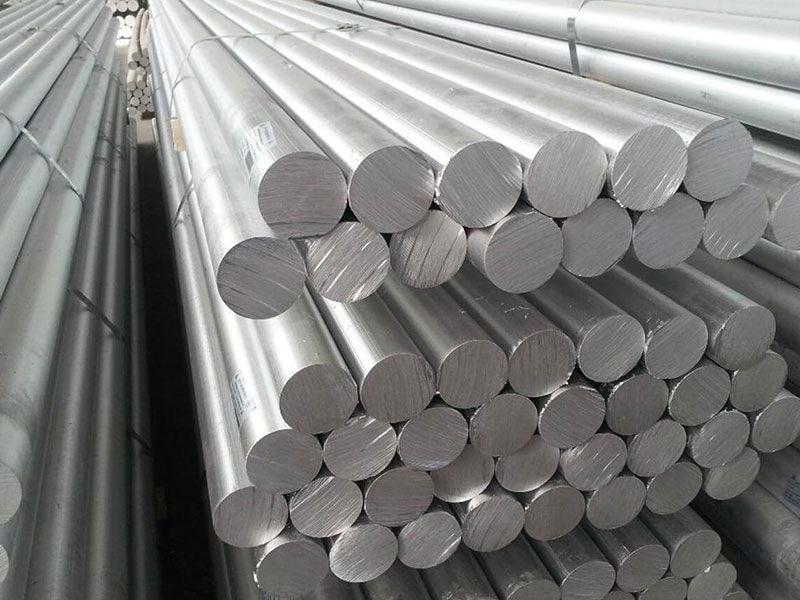
6082 marine aluminum rod & bar
6082 Aluminum Rods & Bars are extruded or rolled products manufactured from 6082 aluminum alloy — a thermally treated (typically T6 temper) aluminum-magnesium-silicon alloy that balances high tensile strength, good weldability, and excellent corrosion resistance.
View DetailsRelated Blog
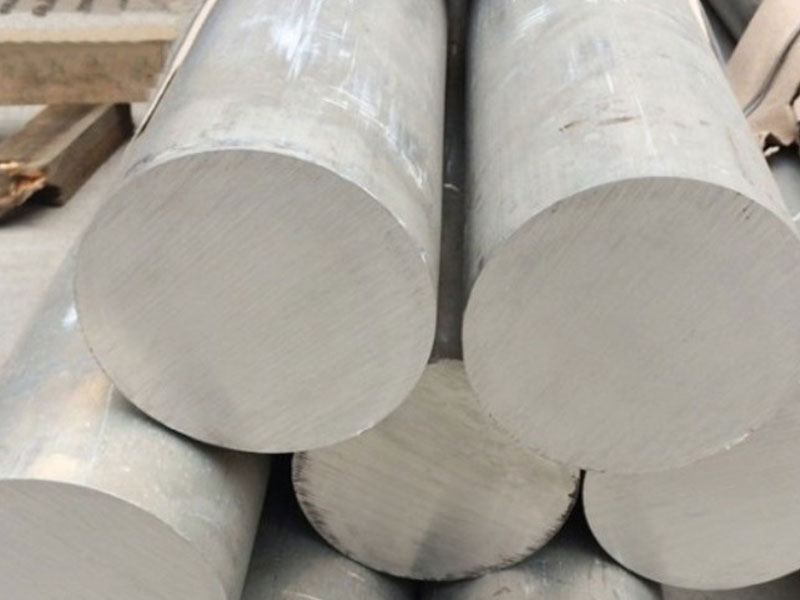
6082 Marine Aluminum Bar for Custom Boat Fabrication and Reinforcement
When it comes to custom boat fabrication and structural reinforcement in marine environments, material choice is paramount. The 6082 Marine Aluminum Bar stands out as a superior solution that combines strength, corrosion resistance.
View Details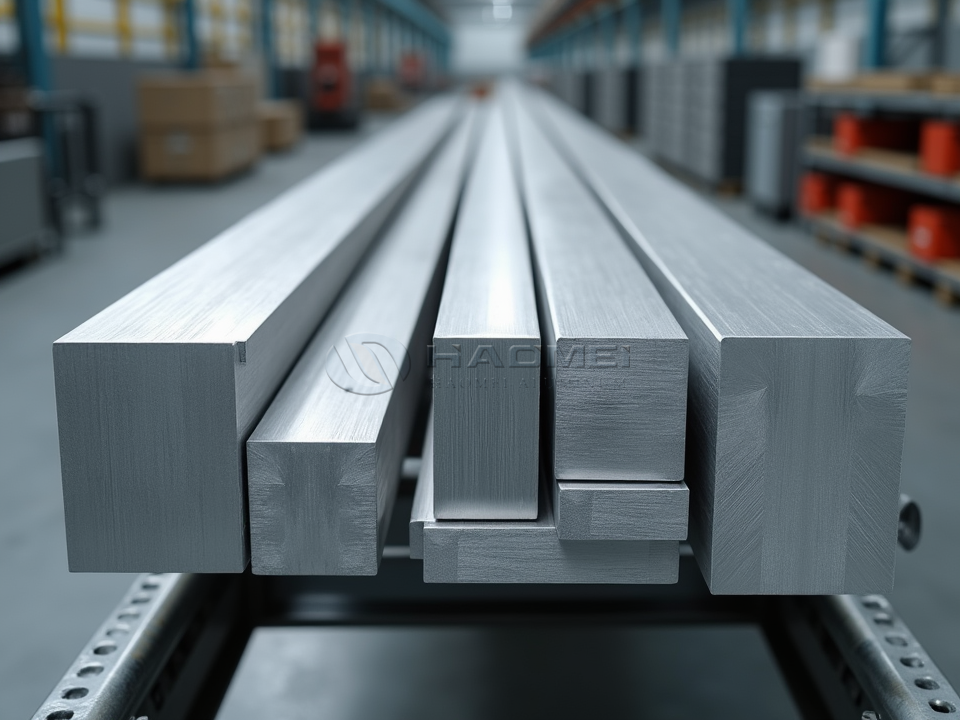
5083 Marine Aluminum Hollow Bars
5083 marine aluminum hollow bars deliver high seawater corrosion resistance, weldability, and strength for boat frames, fittings, and offshore structures.
View Details
6082 Marine Grade Aluminum Solid Bar
Learn how 6082 marine grade aluminum solid bar supports durable marine fittings, with chemical composition, tempers, standards, properties, and use guidance.
View Details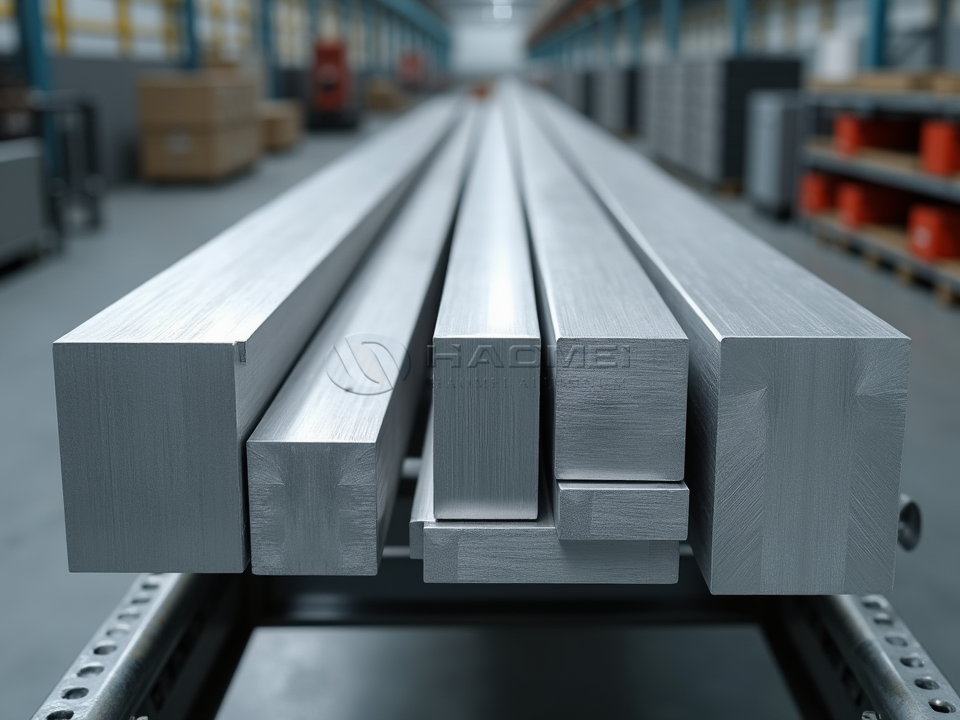
Marine Aluminum Bar for Custom Marine Boat Hull Reinforcements
Learn how marine aluminum bars reinforce custom boat hulls through alloy selection, temper control, welding practice, corrosion protection, and standards.
View Details
6061 Marine Grade Aluminum Solid Bar for Offshore Vessel Design
Learn how 6061 marine grade aluminum solid bar supports offshore fittings, structural details, machining, corrosion control, and reliable specification.
View Details
Marine Aluminum Hollow Bars for Boat Frame Customization
Learn how marine aluminum hollow bars support custom boat frames with alloy choices, tempers, standards, dimensions, and corrosion data.
View Details
Leave a Message