
Marine Grade Aluminum Solid Bar
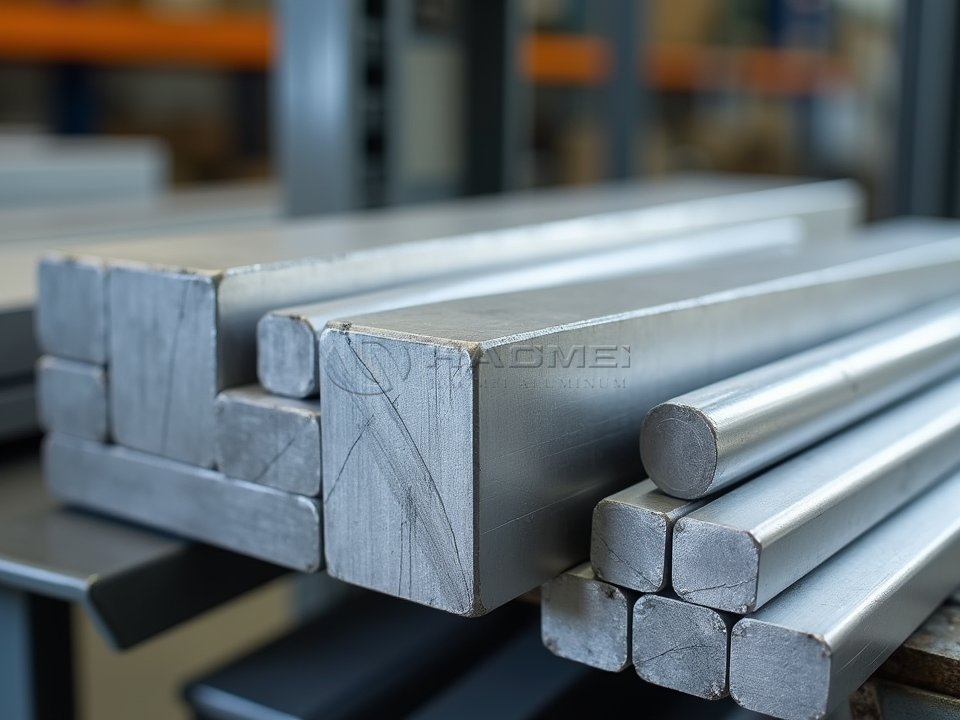
Marine grade aluminum solid bar is engineered for components that must remain strong, light, and dependable in wet, salt-laden environments. Produced in round, square, flat, and hexagonal profiles, these bars are widely machined into boat hardware, structural brackets, cleats, railing parts, shafts, fittings, and offshore equipment components.
Compared with carbon steel, aluminum solid bar greatly reduces weight while maintaining useful mechanical strength. Its natural oxide film provides an initial barrier against corrosion, and carefully selected marine alloys offer much better protection against salt spray, bilge moisture, and atmospheric exposure. The result is a practical material for vessel builders, repair yards, marine fabricators, and equipment manufacturers seeking long service life with manageable fabrication costs.
Built for Saltwater Service
The term marine grade does not refer to a single alloy. It describes aluminum grades selected for their corrosion resistance, mechanical behavior, weldability, or machinability in marine conditions. The proper choice depends on whether the solid bar will be welded into a hull structure, machined into a precision fitting, anodized for appearance, or exposed directly to seawater.
The 5xxx series, especially 5052, 5083, and 5086, is valued for excellent resistance to seawater corrosion. These magnesium-containing alloys are often selected for welded structures, support members, and fabricated parts. The 6xxx series, such as 6061-T6 and 6082-T6, offers higher strength and cleaner machining performance. It is commonly used for marine hardware, frames, mounting plates, deck fittings, and engineered machined parts.
For a wider material selection, Marine Grade Aluminum Bars are available in profiles suited to structural fabrication and precision component production.
Main Features of Marine Aluminum Solid Bar
A marine aluminum solid bar combines several properties that matter on water. Low density helps reduce vessel displacement and supports improved payload capacity or fuel efficiency. Aluminum weighs approximately one-third as much as steel, making it particularly useful for elevated structures where excess mass can affect stability.
Corrosion resistance is another major advantage. Magnesium-rich 5xxx alloys perform particularly well in seawater, while 6xxx alloys can achieve reliable marine service when appropriate design, finishing, and isolation practices are used. Anodizing, marine-grade coatings, and proper drainage further extend service life.
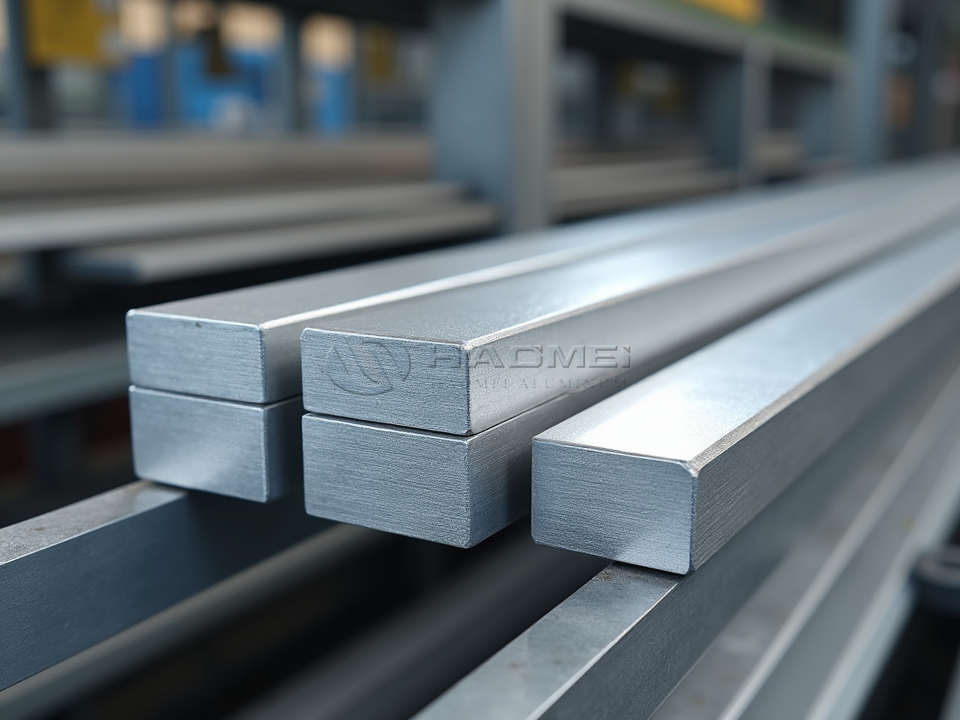
Solid bars are also highly versatile in fabrication. Flat bars can be cut and welded into frames, stiffeners, and supports. Round bars can be turned into pins, bushings, shafts, and custom fasteners. Square and hexagonal bars provide stable geometry for brackets, fittings, valve parts, and machined hardware.
| Feature | Marine Service Benefit |
|---|---|
| Low density | Reduces structural weight and handling effort |
| Seawater corrosion resistance | Supports long-term use in salt spray and humid areas |
| Good strength-to-weight ratio | Enables strong parts without heavy steel construction |
| Machinability | Suitable for drilled, milled, turned, and threaded components |
| Weldability | Supports fabricated frames and structural assemblies |
| Surface finishing capability | Compatible with anodizing, powder coating, and marine coatings |
Common Alloy Choices
| Alloy and Temper | Typical Strength Level | Corrosion Resistance | Suitable Marine Uses |
|---|---|---|---|
| 5052-H32 | Medium | Excellent | Light brackets, trim, supports, fabricated fittings |
| 5083-H111/H116 | Medium to high | Excellent | Heavy-duty welded structures, offshore supports, deck components |
| 5086-H111/H116 | Medium to high | Excellent | Structural fabrications, marine frames, seawater-exposed parts |
| 6061-T6 | High | Good with protection | Machined hardware, rails, brackets, shafts, mounting blocks |
| 6082-T6 | High | Good with protection | High-strength fittings, frames, engineered marine components |
| 6063-T5/T6 | Medium | Good | Decorative rails, trim, anodized profiles, light-duty fittings |
The chemical composition is controlled to balance strength, fabrication behavior, and corrosion performance. Magnesium is especially important in 5xxx alloys, while magnesium and silicon form strengthening phases in 6xxx alloys.
| Alloy | Principal Alloying Elements | Typical Composition Range, % |
|---|---|---|
| 5052 | Magnesium, chromium | Mg 2.2-2.8, Cr 0.15-0.35 |
| 5083 | Magnesium, manganese, chromium | Mg 4.0-4.9, Mn 0.4-1.0, Cr 0.05-0.25 |
| 5086 | Magnesium, manganese, chromium | Mg 3.5-4.5, Mn 0.2-0.7, Cr 0.05-0.25 |
| 6061 | Magnesium, silicon, copper, chromium | Mg 0.8-1.2, Si 0.4-0.8, Cu 0.15-0.40 |
| 6082 | Magnesium, silicon, manganese | Mg 0.6-1.2, Si 0.7-1.3, Mn 0.4-1.0 |
Where Marine Grade Aluminum Solid Bar Performs Best
On recreational boats, aluminum solid bar is often machined into handrail bases, T-top fittings, rod holders, boarding ladder parts, deck supports, cleats, hinges, and trailer components. Its light weight simplifies installation and reduces the load carried by hull panels or superstructures.
Commercial vessels use heavier sections for workboat frames, equipment mounts, winch supports, hatch structures, pipe brackets, guardrails, and machinery foundations. In offshore environments, solid bar can serve as raw stock for custom brackets, instrumentation supports, access platforms, and corrosion-resistant mechanical parts.
6061-T6 is a popular option where accurate machining and higher strength are needed. For demanding fittings and structural parts, consider 6082 marine aluminum rod & bar, which offers strong mechanical performance for fabricated and machined marine assemblies.
Selecting the Right Bar Shape and Finish
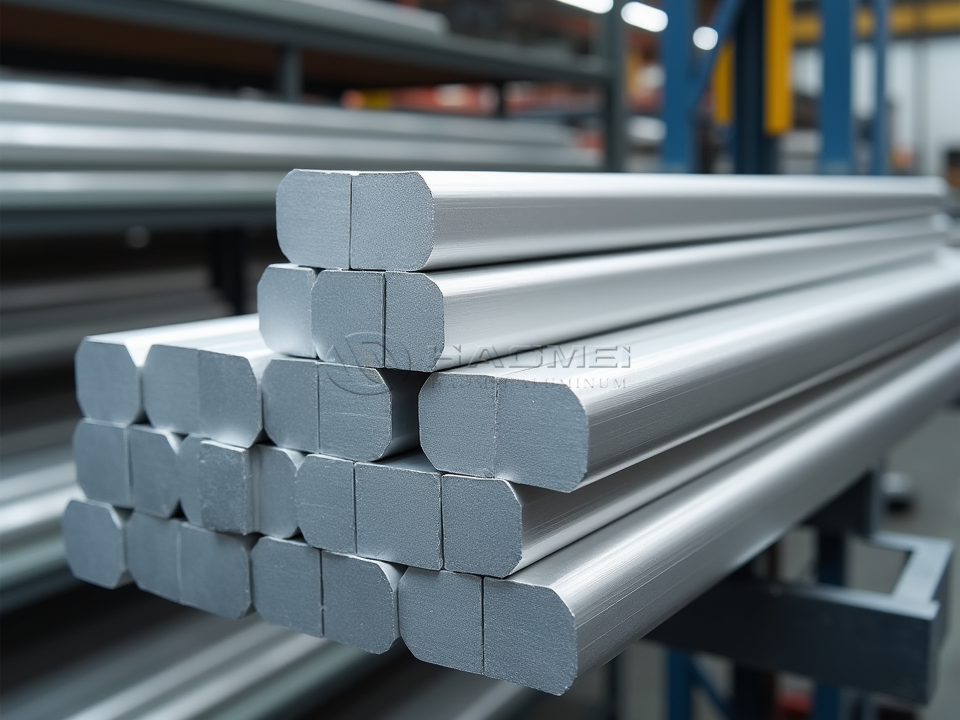
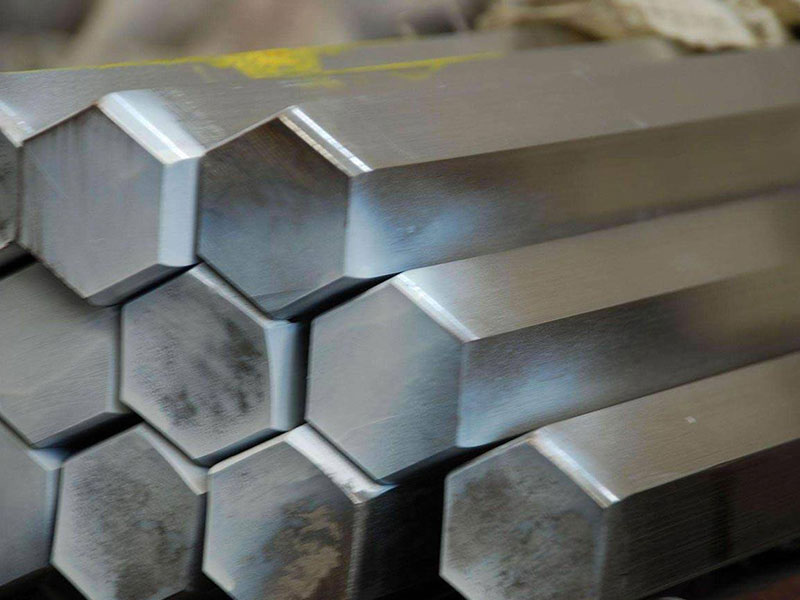
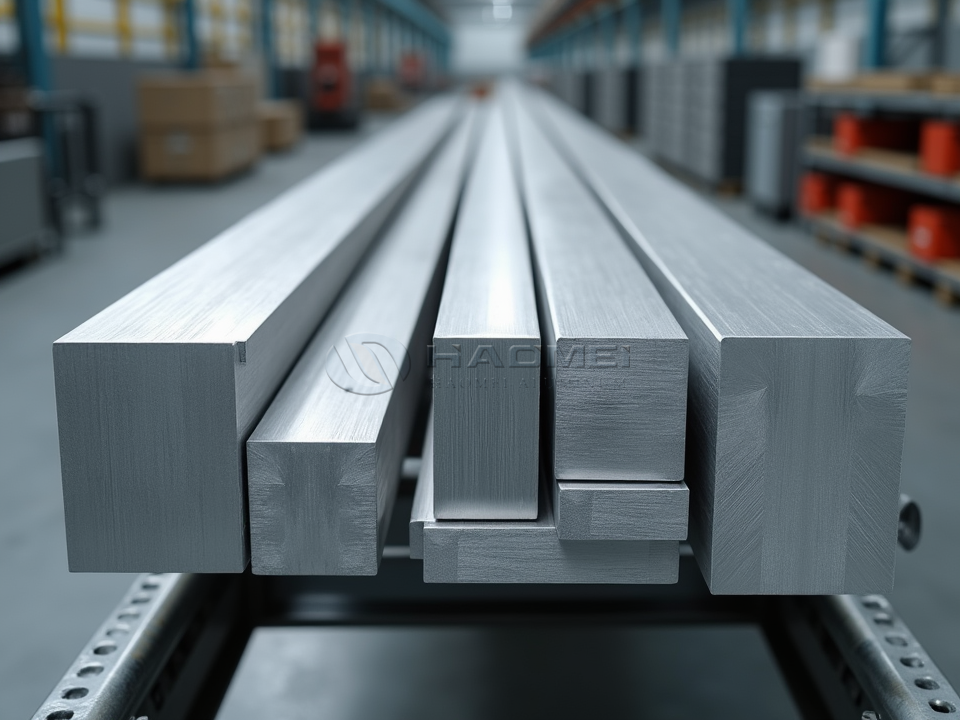
Round bar is well suited to turned parts such as pins, spacers, shafts, and bushings. Flat bar is efficient for brackets, mounting strips, stiffeners, and welded supports. Square bar provides straight edges for frames and block-style machined components, while hexagonal bar is useful for nuts, couplings, and wrench-operated fittings.
Dimensions should be selected according to loading, machining allowance, welding requirements, and final component geometry. Tight-tolerance applications may require precision sawn lengths or machining-grade bar stock. Surface condition also matters. Mill finish is suitable for many internal or coated parts, while polished, brushed, or anodized finishes are often preferred for visible marine hardware.
Fabrication and Corrosion-Control Practices
Marine aluminum performs best when fabrication details respect the material. Use compatible aluminum filler metals for welded alloys, remove contamination before welding, and avoid trapping stagnant saltwater in crevices. Drainage holes and accessible cleaning surfaces help prevent localized corrosion.
Galvanic corrosion must also be considered whenever aluminum contacts stainless steel, copper alloys, or carbon steel in the presence of an electrolyte. Electrical isolation washers, nonconductive gaskets, protective coatings, and suitable sealants reduce this risk. Stainless fasteners should be isolated where practical, especially in continuously wet areas.
A marine grade aluminum solid bar delivers a balanced combination of low weight, corrosion resistance, strength, and processing flexibility. With the right alloy, profile, temper, and protective design, it becomes a durable foundation for boat structures, marine fittings, and offshore equipment built to withstand demanding waterborne service.

Related Products
Marine aluminum hexagonal bars
Marine Grade Aluminum Hexagonal Bars are produced from premium corrosion-resistant aluminum alloys such as 5083, 5052, 6061, and 6082.
View Details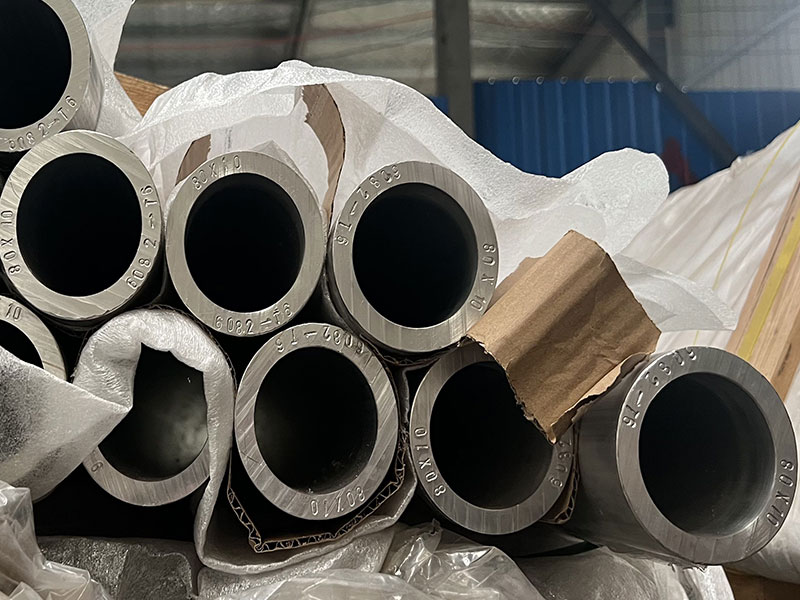
Marine aluminum hollow bars
Marine Grade Aluminum Hollow Bars are fabricated from high-quality alloys such as 5083, 5052, 6061, and 6082, all known for their exceptional resistance to seawater corrosion, salt spray, and marine atmospheres.
View Details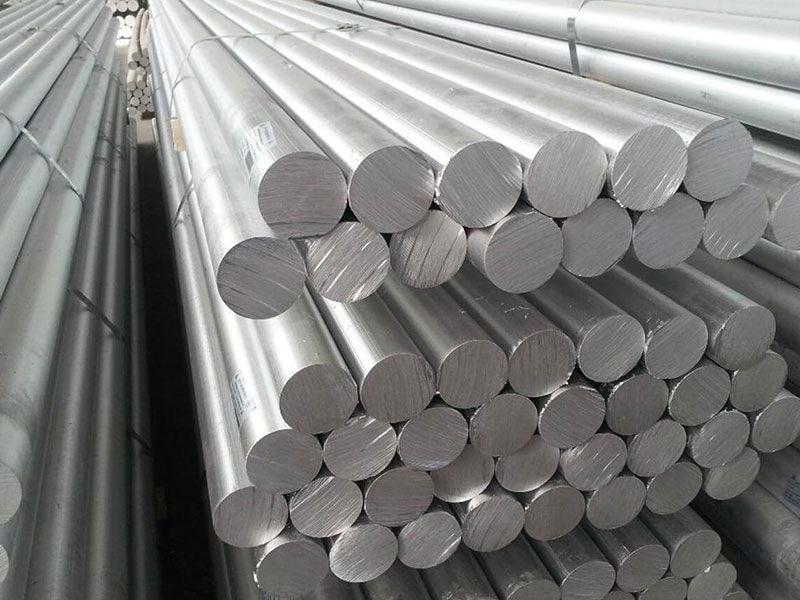
6082 marine aluminum rod & bar
6082 Aluminum Rods & Bars are extruded or rolled products manufactured from 6082 aluminum alloy — a thermally treated (typically T6 temper) aluminum-magnesium-silicon alloy that balances high tensile strength, good weldability, and excellent corrosion resistance.
View Details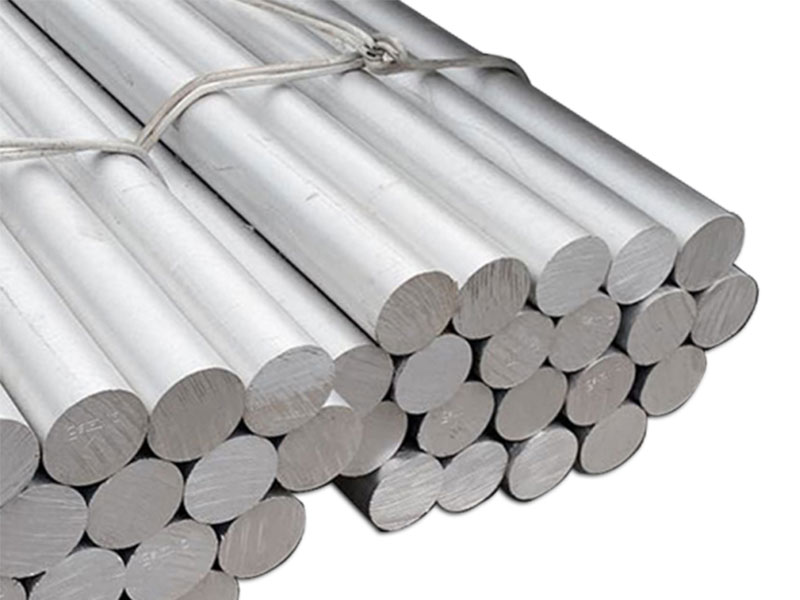
Marine grade aluminum solid bar
Marine Grade Aluminum Solid Bars are produced from premium aluminum alloys optimized for saltwater exposure, such as 5083, 5052, 6061, and 6082. These alloys offer unparalleled resistance to corrosion caused by seawater, salt spray, and marine atmospheres, while maintaining excellent mechanical strength and toughness.
View DetailsRelated Blog
5083 Marine Aluminum Hollow Bars
5083 marine aluminum hollow bars deliver high seawater corrosion resistance, weldability, and strength for boat frames, fittings, and offshore structures.
View Details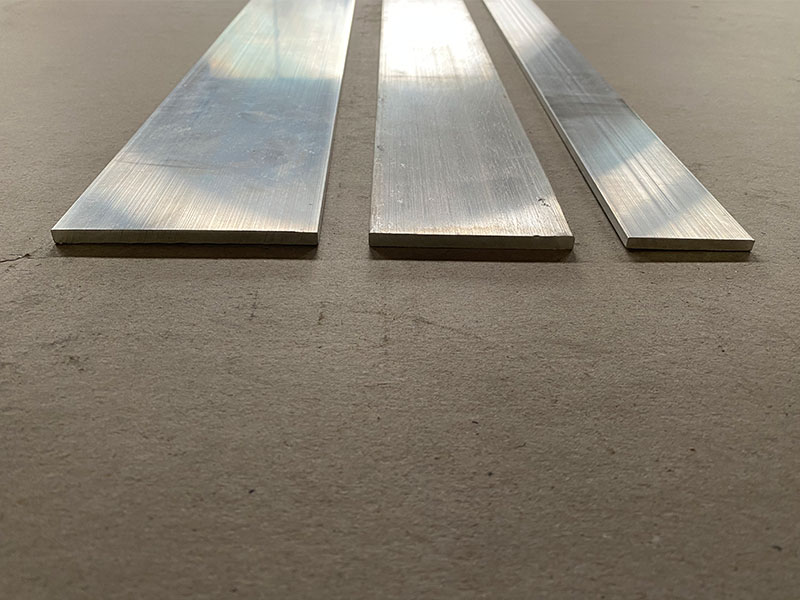
6082 Marine Aluminum Hollow Bars for Custom Boat Frame Solutions
6082 Marine Aluminum Hollow Bars for Custom Boat Frame Solutions In modern boatbuilding, frame design has evolved from heavy, overbuilt structures to lightweight, precision-engineered systems.
View Details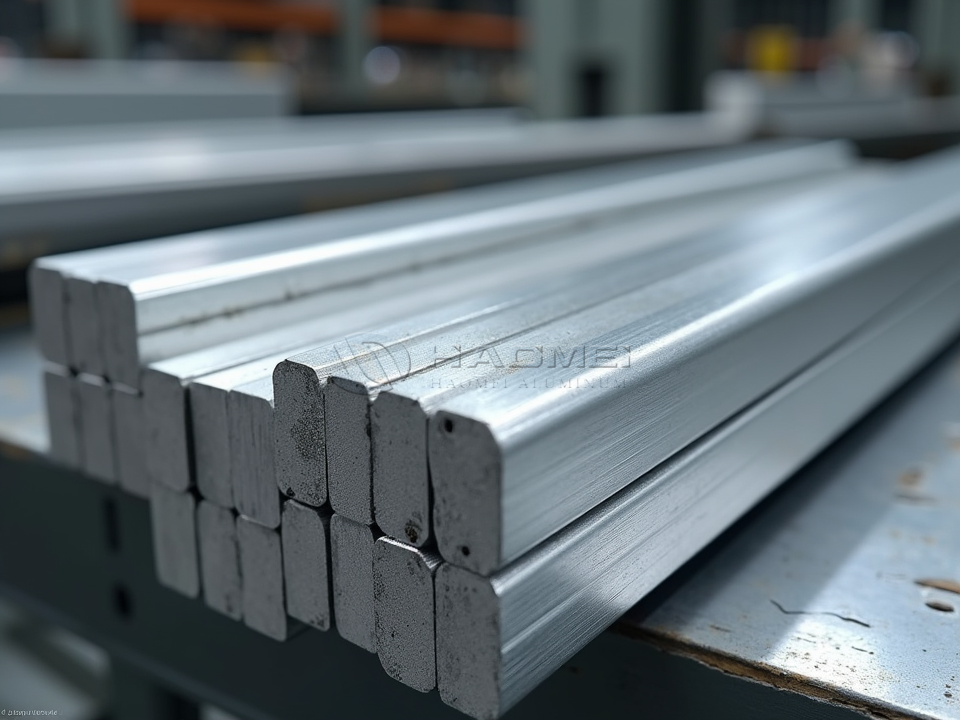
Marine Grade Aluminum Solid Bar for Custom Boat Hull Reinforcement Parts
Marine grade aluminum solid bar delivers corrosion resistance, dependable strength, and machinability for custom boat hull reinforcement parts.
View Details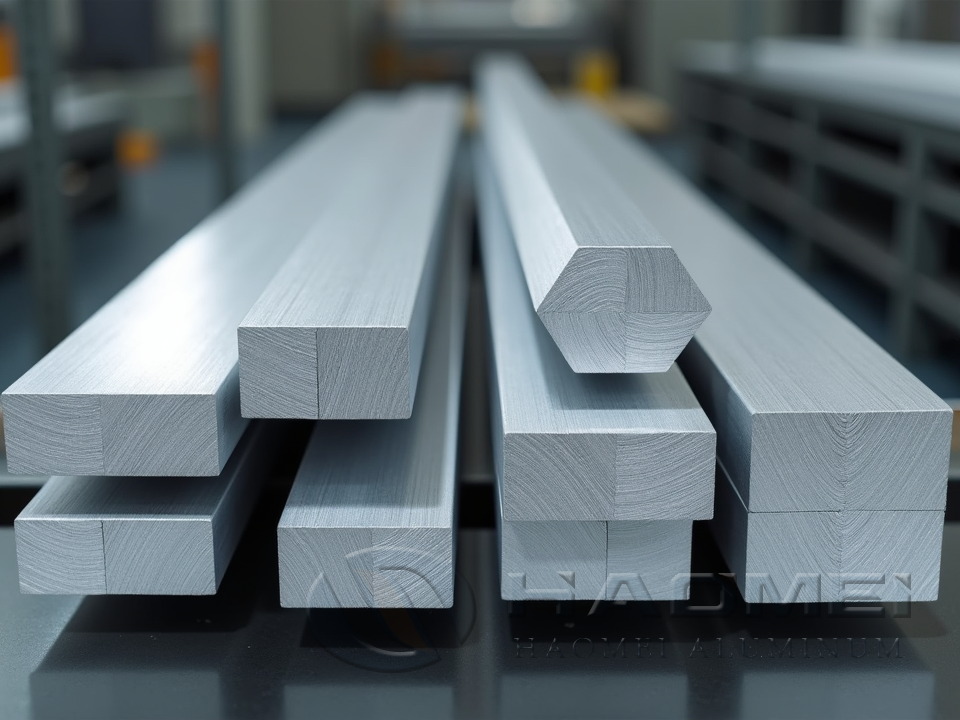
6082 Marine Aluminum Hexagonal Bars for Custom Boat Hull Engineering
6082 marine aluminum hexagonal bars deliver T6 strength, corrosion resistance, and precise machinability for custom boat hull fittings and frames projects.
View Details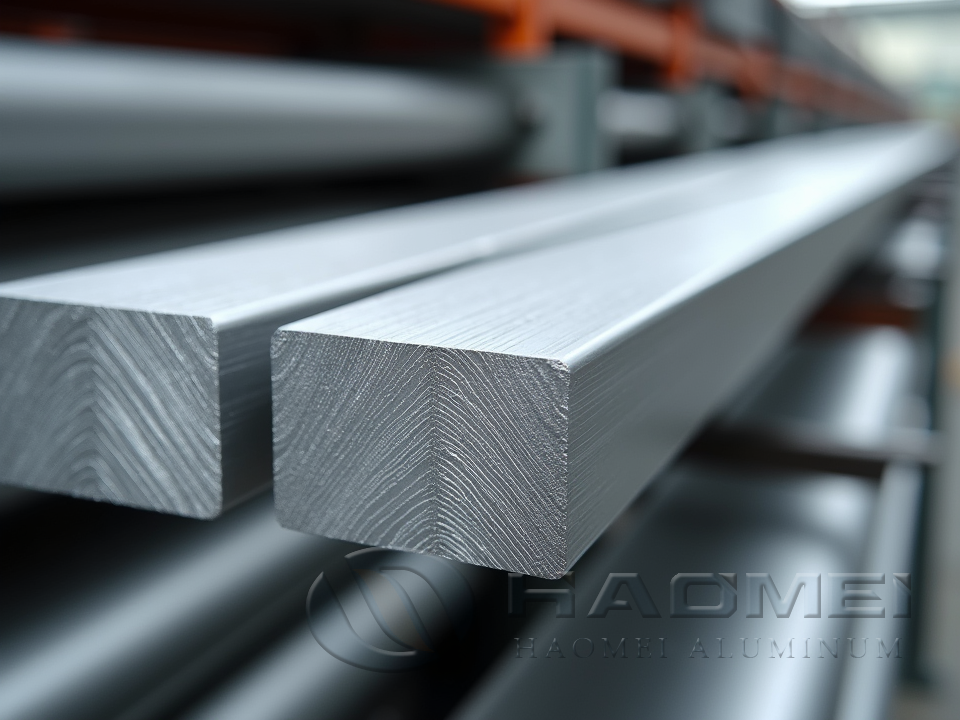
5083 Marine Aluminum Hexagonal Bars for Durable Marine Engineering Parts
5083 marine aluminum hexagonal bars deliver seawater resistance, machinability, and stable strength for boat fittings, shafts, brackets, and deck parts.
View Details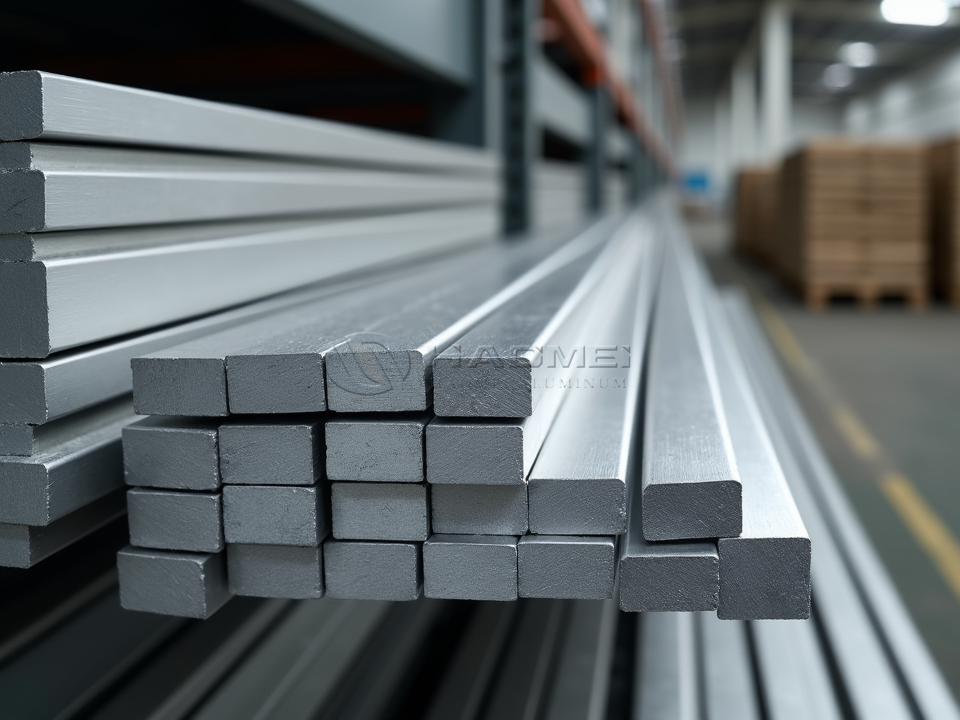
5083 Marine Aluminum Hollow Bars for Saltwater Resistant Marine Frames
5083 marine aluminum hollow bars provide lightweight, weldable, saltwater-resistant strength for boat frames, rails, platforms, and offshore structures.
View Details
Leave a Message