
5052 Marine Boats Aluminium Bar Rod
5052 marine boats aluminium bar rod is a magnesium-alloyed aluminum product designed for demanding wet, salty, and high-humidity environments. It combines low weight, dependable corrosion resistance, strong forming behavior, and reliable weldability, making it a practical material for boatbuilders, marine repair yards, fabricators, and hardware manufacturers.
Compared with carbon steel, 5052 aluminum significantly reduces structural weight while avoiding the routine rust protection requirements associated with ferrous materials. Its naturally formed oxide film helps protect the surface in marine atmospheres, splash zones, and freshwater service. For boat components that require bending, welding, machining, or long-term exposure to moisture, 5052 bar and rod offer an efficient balance of performance and fabrication economy.
Material Characteristics for Marine Service
Alloy 5052 belongs to the non-heat-treatable 5xxx aluminum family. Magnesium is the principal alloying element, supported by chromium additions that help improve corrosion resistance and material stability. Strength is developed mainly through strain hardening rather than solution heat treatment.
The alloy is especially valued where the material must tolerate seawater contact, marine air, deck washdown, bilge humidity, and intermittent chemical exposure. It is not generally selected for highly loaded precision shafts or heavy-duty structural parts requiring maximum strength; in those cases, 6082 or 6061 may be considered. However, 5052 is often the better choice when corrosion resistance and forming quality are the priority.
| Performance factor | 5052 marine boats aluminium bar rod benefit |
|---|---|
| Saltwater resistance | Good resistance to marine atmosphere and seawater exposure |
| Weight | Density around one-third of steel, helping reduce vessel mass |
| Weldability | Suitable for common aluminum welding processes |
| Formability | Performs well in bending, rolling, pressing, and shaping operations |
| Surface quality | Smooth metallic finish suitable for coating, polishing, or anodizing |
| Maintenance demand | No red-rust formation and reduced need for frequent repainting |
| Recyclability | Fully recyclable without losing the basic value of the metal |
Chemical Composition
The composition of 5052 aluminum is controlled to produce corrosion resistance, weldability, and moderate strength. Values can vary slightly according to the applicable standard, order specification, and mill certification requirements.
| Element | Typical specified range, % by weight | Function in the alloy |
|---|---|---|
| Magnesium, Mg | 2.2-2.8 | Improves strength and marine corrosion resistance |
| Chromium, Cr | 0.15-0.35 | Supports corrosion performance and grain structure control |
| Iron, Fe | 0.0-0.40 max | Controlled impurity element |
| Silicon, Si | 0.0-0.25 max | Controlled impurity element |
| Copper, Cu | 0.0-0.10 max | Kept low to preserve corrosion resistance |
| Manganese, Mn | 0.0-0.10 max | Minor strengthening contribution |
| Zinc, Zn | 0.0-0.10 max | Restricted residual element |
| Aluminum, Al | Balance | Base metal |
Forms, Tempers, and Technical Specifications
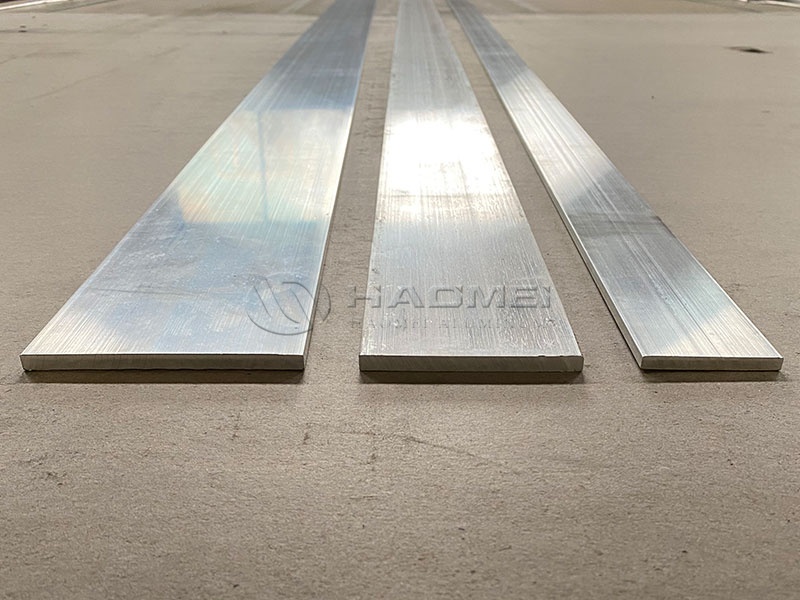
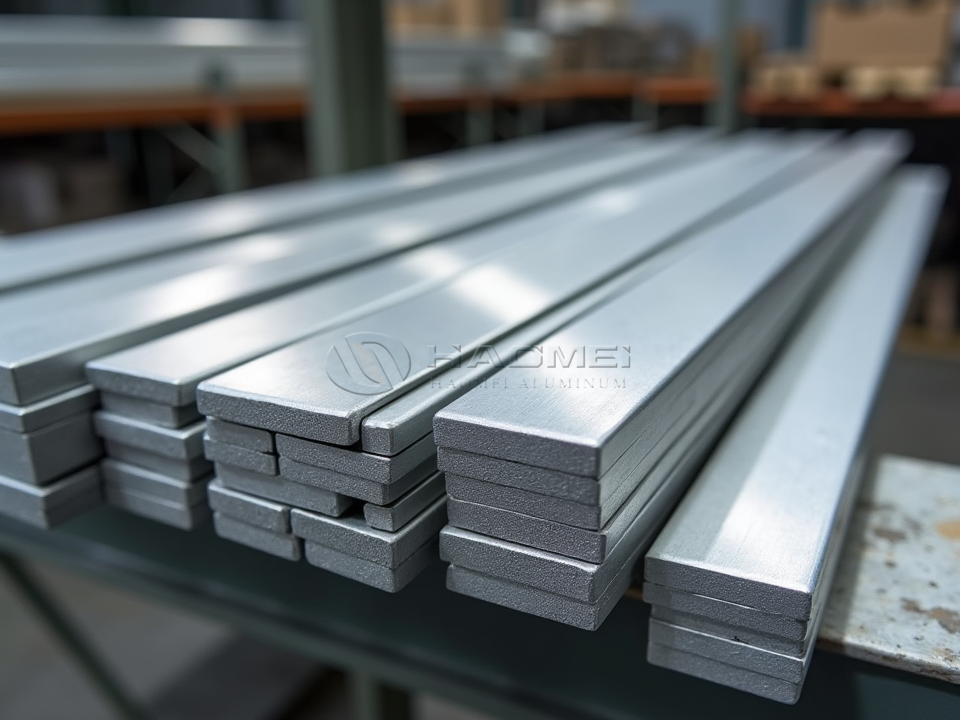
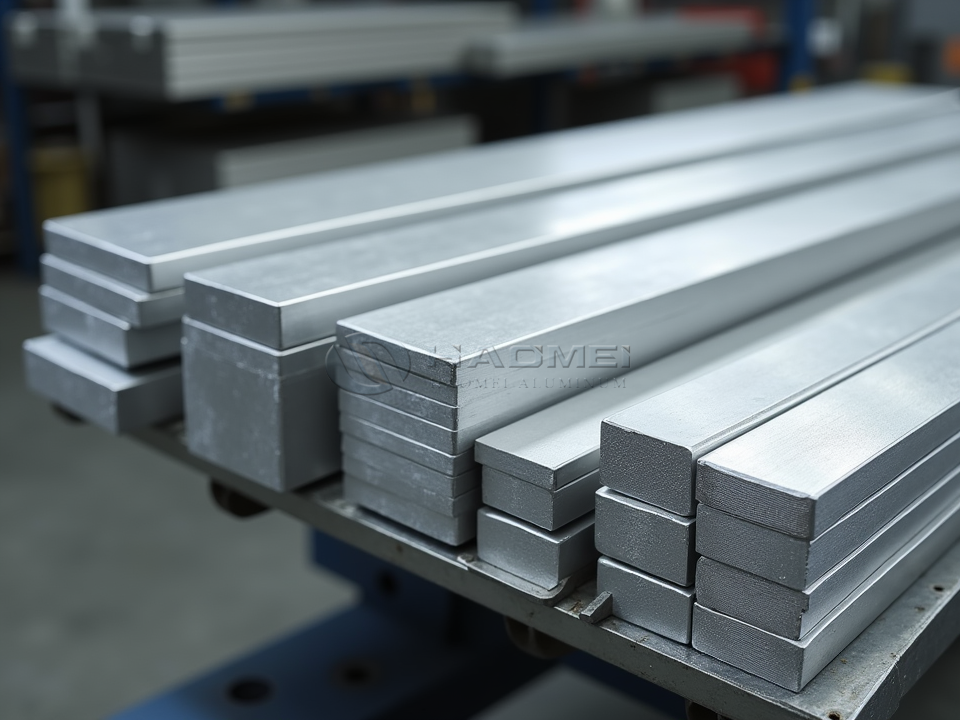
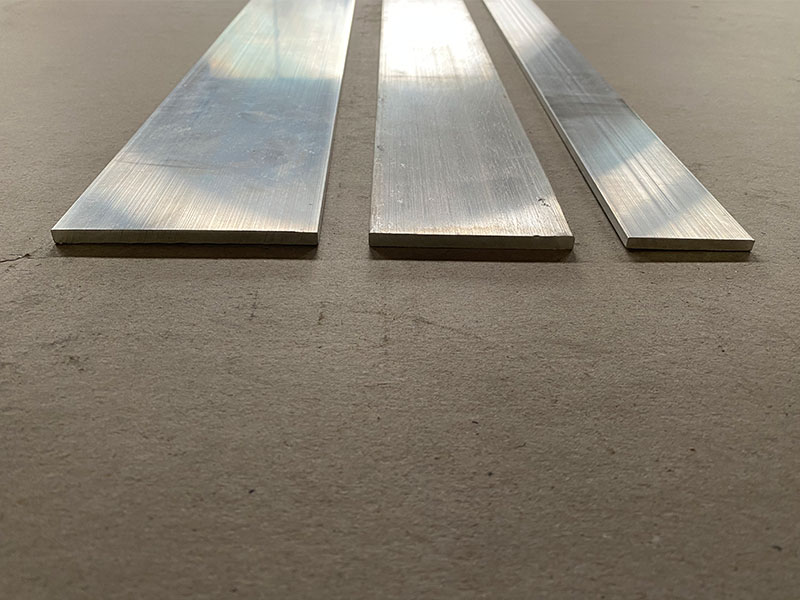
5052 marine bar is commonly supplied as flat bar, round rod, square bar, or custom-cut solid section. Flat profiles are frequently used for brackets, reinforcing members, trim rails, flooring supports, and hatch components. Round rod is well suited to machined pins, bushings, spacers, light-duty fittings, and custom marine hardware.
| Specification item | Common supply condition |
|---|---|
| Alloy | AA 5052 / EN AW-5052 |
| Product forms | Flat bar, round rod, square bar, rectangular solid section |
| Common tempers | O, H32, H34, H112, subject to form and size |
| Flat bar thickness | Approx. 3-100 mm, with custom sizes available |
| Flat bar width | Approx. 10-300 mm, depending on production method |
| Round rod diameter | Approx. 6-200 mm, subject to mill capability |
| Standard lengths | 2 m, 3 m, 6 m, or cut-to-length service |
| Surface options | Mill finish, brushed, polished, protective film, coated finish |
| Typical standards | ASTM B209, ASTM B221, EN 485, EN 755, or customer specification |
| Quality documents | Mill test certificate, dimensional inspection, packing record on request |
Dimensional tolerance should be agreed before production, particularly for machined parts, close-fitting assemblies, or long components where straightness is important. Cut ends can be deburred to improve handling safety and shorten preparation time at the fabrication site.
Mechanical Properties
Mechanical values depend on profile geometry, production route, thickness or diameter, and temper. The figures shown are practical reference values for commonly requested 5052 conditions and should be confirmed against the material certificate for an individual order.
| Property | 5052-O, typical | 5052-H32, typical | Engineering relevance |
|---|---|---|---|
| Tensile strength | 170-215 MPa | 210-260 MPa | Resistance to pulling loads |
| Yield strength | 65-90 MPa | 130-195 MPa | Load level before permanent deformation |
| Elongation | 15-25% | 8-15% | Capacity for forming and impact absorption |
| Brinell hardness | Approx. 47 HB | Approx. 60 HB | Relative resistance to indentation |
| Density | 2.68 g/cm³ | 2.68 g/cm³ | Supports lightweight design |
| Elastic modulus | Approx. 70 GPa | Approx. 70 GPa | Deflection behavior under load |
| Melting range | Approx. 605-650°C | Approx. 605-650°C | Relevant during thermal processing |
Boatbuilding Applications
5052 marine boats aluminium bar rod is a versatile choice for components that benefit from a lightweight, corrosion-resistant solid section. It is frequently used in small craft, workboats, pontoon systems, fishing vessels, passenger boats, yacht accessories, and marine infrastructure.
| Application area | Typical 5052 bar or rod use |
|---|---|
| Deck equipment | Cleats, mounting pads, brackets, rail supports, backing strips |
| Interior fittings | Seat frames, cabinet supports, trim, lightweight partitions |
| Hull-adjacent parts | Reinforcement strips, splash-zone brackets, access-panel frames |
| Pontoon fabrication | Cross members, braces, edge sections, connection details |
| Marine hardware | Spacers, pins, sleeves, light-duty machined fittings |
| Repair work | Replacement brackets, corrosion-damaged trim, custom adapters |
| Docks and gangways | Handrail components, walkways, support members, fastening plates |
For projects requiring other shapes or broader size options, Marine Grade Aluminum Bars can support material selection across flat, round, square, and specialty profiles. Where a higher-strength heat-treatable alloy is needed for fittings or mechanically loaded parts, 6082 marine aluminum rod & bar may be a suitable alternative.
Fabrication and Joining Advantages
5052 is widely appreciated by fabricators because it can be cut, drilled, bent, stamped, and welded without the difficulty often associated with harder structural alloys. Standard saw cutting, shearing, waterjet cutting, CNC milling, and drilling can be used with tools suited to aluminum.
MIG and TIG welding are commonly used for 5052 components. Filler alloys such as 5356 or 5183 are frequently selected for marine work, depending on joint design and applicable welding procedure. Clean surfaces, suitable joint preparation, controlled heat input, and removal of welding contaminants help preserve long-term corrosion performance.
When joining aluminum to stainless steel, copper alloys, or carbon steel, electrical isolation is important. Non-conductive washers, sealants, coatings, and compatible fastener systems can reduce galvanic corrosion risk in wet service. Drainage should also be considered during design so that saltwater cannot remain trapped in crevices.
Value for Marine Projects
The value of 5052 marine boats aluminium bar rod extends beyond its initial material cost. Lower vessel weight can improve fuel efficiency, payload capacity, handling, and ease of installation. Its resistance to red rust reduces maintenance interruptions, while its forming ability allows fabricators to produce curved, folded, and custom-shaped details with less risk of cracking.
For long-lasting boat hardware, reinforcement details, trim systems, and corrosion-conscious fabricated parts, 5052 aluminum bar and rod provide a durable and practical marine solution. Selecting the correct temper, dimensions, surface condition, and joining method ensures the material delivers dependable service from fabrication through years of operation on the water.

Related Products
Marine grade aluminum solid bar
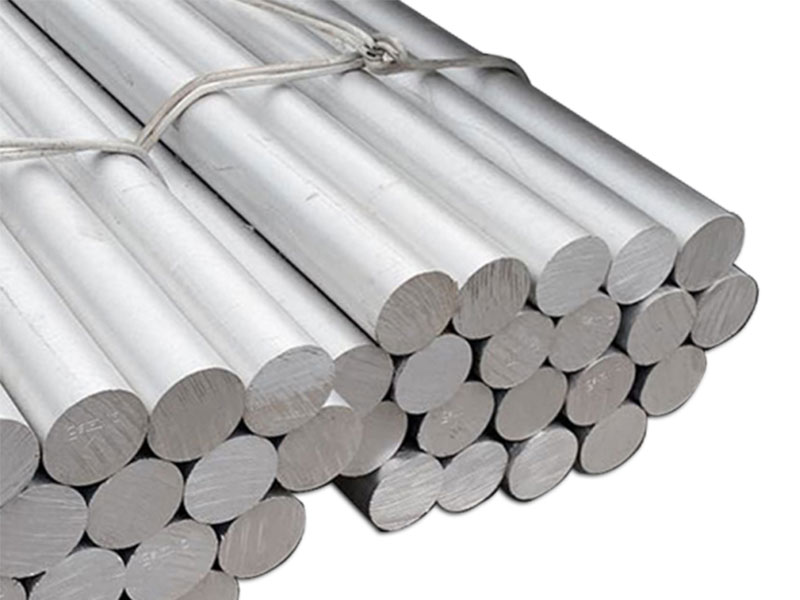
Marine Grade Aluminum Solid Bars are produced from premium aluminum alloys optimized for saltwater exposure, such as 5083, 5052, 6061, and 6082. These alloys offer unparalleled resistance to corrosion caused by seawater, salt spray, and marine atmospheres, while maintaining excellent mechanical strength and toughness.
View Details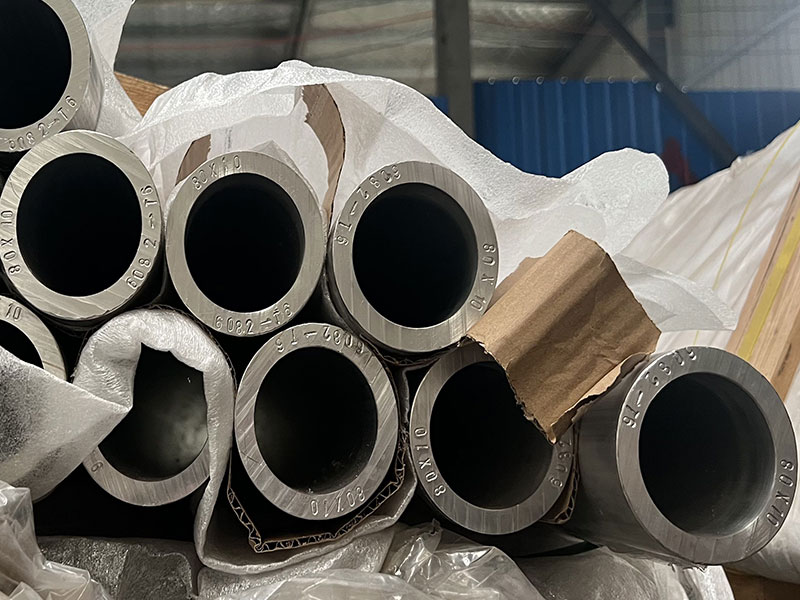
Marine aluminum hollow bars
Marine Grade Aluminum Hollow Bars are fabricated from high-quality alloys such as 5083, 5052, 6061, and 6082, all known for their exceptional resistance to seawater corrosion, salt spray, and marine atmospheres.
View Details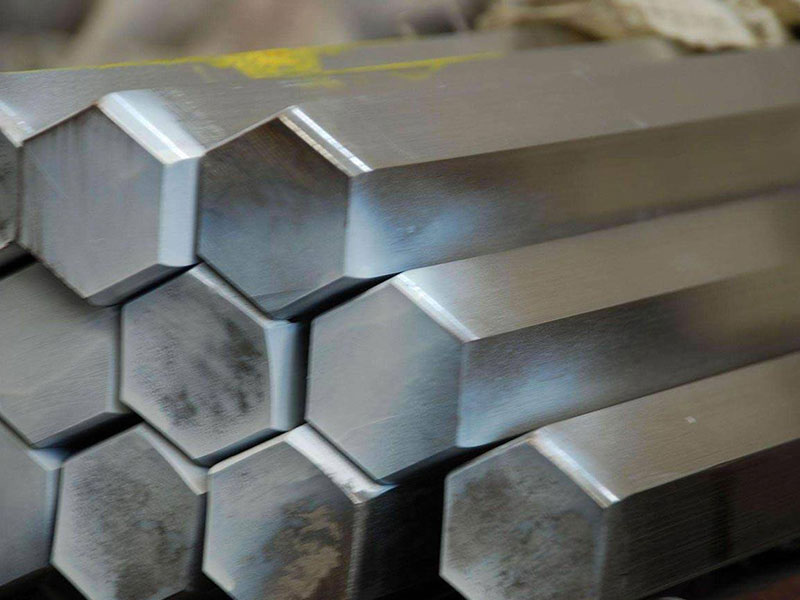
Marine aluminum hexagonal bars
Marine Grade Aluminum Hexagonal Bars are produced from premium corrosion-resistant aluminum alloys such as 5083, 5052, 6061, and 6082.
View Details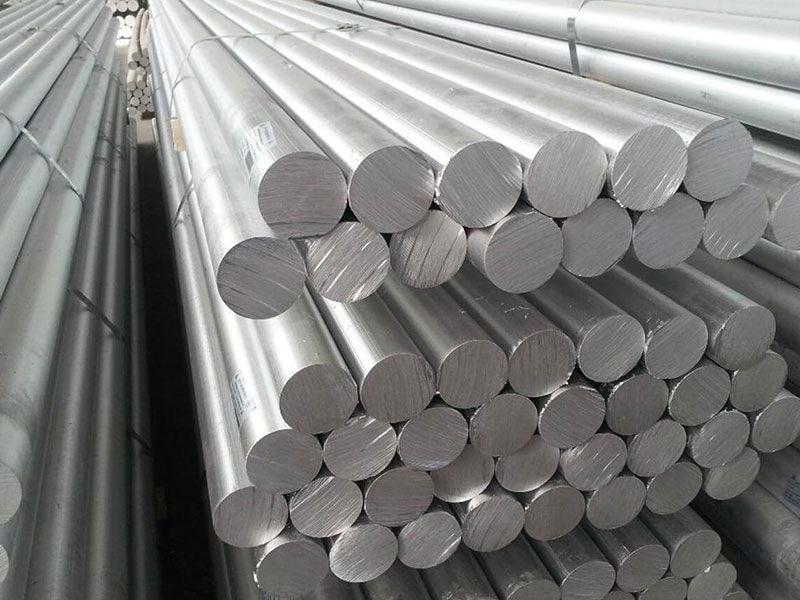
6082 marine aluminum rod & bar
6082 Aluminum Rods & Bars are extruded or rolled products manufactured from 6082 aluminum alloy — a thermally treated (typically T6 temper) aluminum-magnesium-silicon alloy that balances high tensile strength, good weldability, and excellent corrosion resistance.
View DetailsRelated Blog
Marine Aluminum Hollow Bars for Custom Marine Equipment Reinforcement
Marine environments punish materials in quiet, relentless ways: salt spray creeps into joints, vibration works fasteners loose, and cyclic wave loading turns small stress risers into cracks.
View Details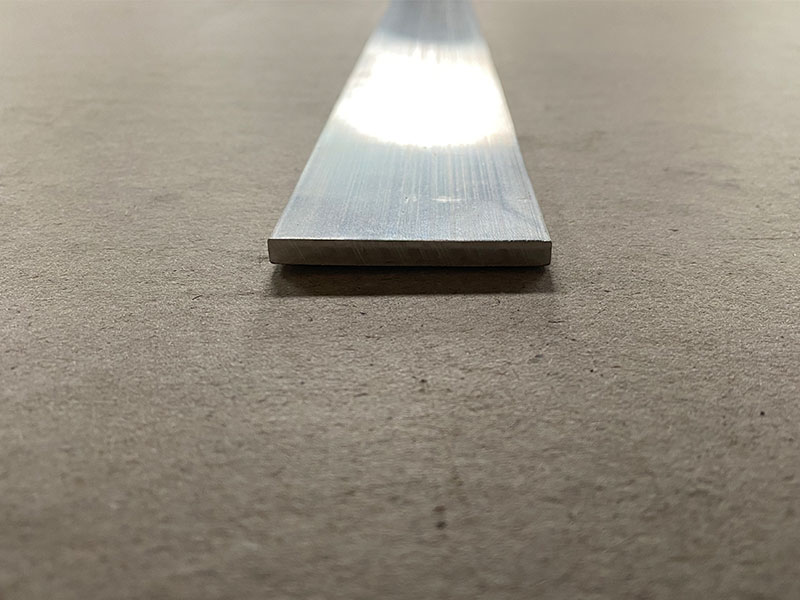
5083 Marine Grade Aluminum Solid Bar for Offshore Vessel Frame Parts
In the demanding environment of offshore vessels, structural integrity, durability, and corrosion resistance are critical factors that determine overall vessel performance and safety.
View Details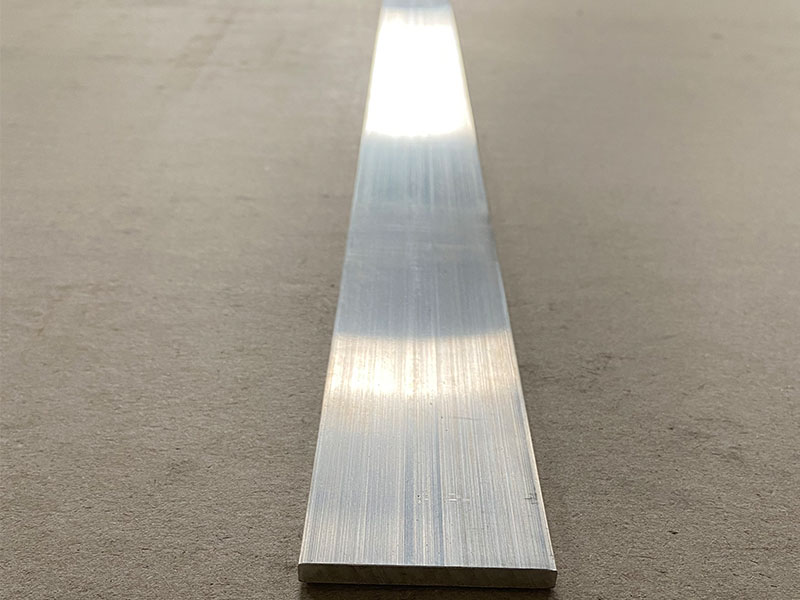
5052 Marine Grade Aluminum Solid Bar for Marine Component Durability
5052 Marine Grade Aluminum Solid Bar: A Durability Mindset, Not Just a Material ChoiceShipbuilders rarely talk about aluminum as “just metal.” In modern marine engineering, 5052 marine grade aluminum solid bar is more like a design philosophy: a .
View Details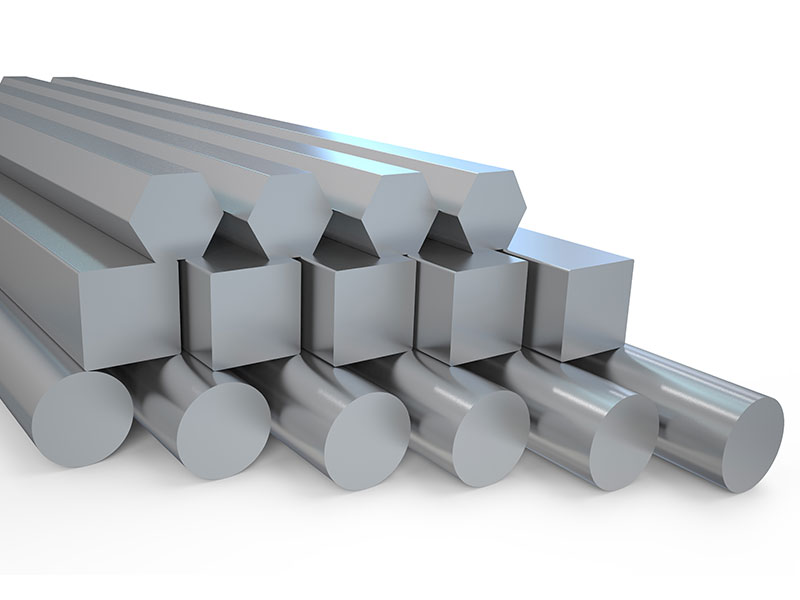
5083 Marine Aluminum Bar for Long Term Marine Equipment Support
Marine applications demand materials that can withstand harsh environments, conduct excellent performance, and provide durability for long-lasting use. One such product that has gained prominence in the marine industry is the 5083 Marine Aluminum Bar.
View Details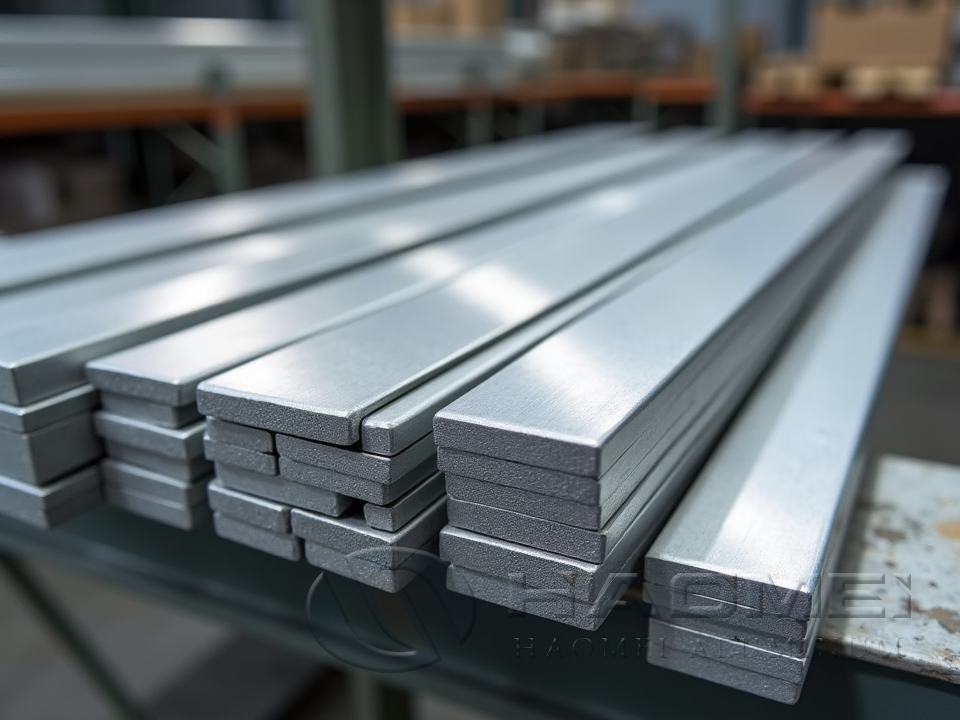
5052 Marine Aluminum Hexagonal Bars for Custom Boat Hull Reinforcement
Learn how 5052 marine aluminum hexagonal bars reinforce custom boat hulls with corrosion resistance, weldability, stable tempers, and practical machining.
View Details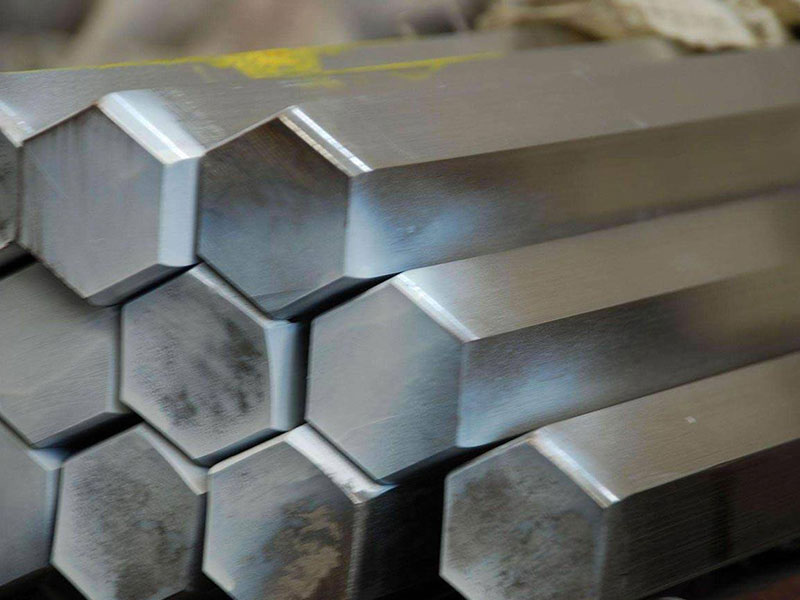
5083 Marine Aluminum Hexagonal Bars for Durable Offshore Support Parts
Explore premium 5083 marine aluminum hexagonal bars tailored for offshore support applications. their superior corrosion resistance, alloy composition, mechanical properties, and industry implementation standards.
View Details
Leave a Message