
5052 Marine Aluminum Fencing and Railings for High Strength Offshore Safety Barriers
Offshore safety barriers do not live an easy life. They stand where salt spray, wind vibration, wet hands, impact loads, and constant temperature changes meet every day. In this environment, fencing and railings are more than boundary lines. They are working safety systems that must stay stable, clean, repairable, and resistant to corrosion long after installation.
5052 marine aluminum has become a practical material for offshore fencing and railings because it offers a rare balance: strong enough for protective structures, light enough for fast installation, and naturally suited to marine exposure. Instead of depending only on coating thickness for survival, 5052 starts with a corrosion-resistant alloy base rich in magnesium. That matters when the structure is installed on platforms, docks, ships, marinas, fishery facilities, or coastal industrial walkways.
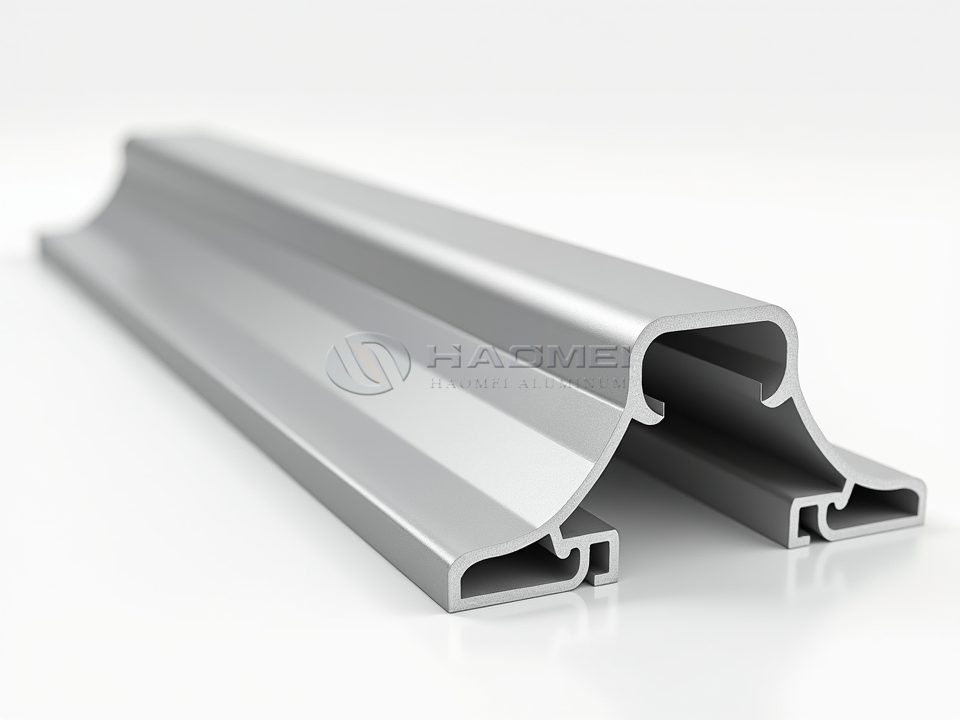
Why 5052 Feels Different in an Offshore Barrier
A safety barrier is judged by how it behaves after years of service, not only by how it looks on the delivery day. Steel railings may offer high rigidity, but they bring heavier handling, stronger rust-prevention demands, and more complex maintenance cycles. 5052 aluminum fencing and railing sections reduce dead weight on decks and support frames, which is especially valuable where the total load of offshore equipment is closely controlled.
The alloy also has good formability. Curved guardrails, rounded handrails, welded posts, base plates, toe boards, and custom infill panels can be made without forcing the design into overly simple shapes. For projects that require shaped extrusions, sheet parts, or mixed assemblies, Marine Grade Aluminum Profiles can be used to create a cleaner connection between safety performance and appearance.
5052 is not a heat-treatable alloy. Its strength comes mainly from strain hardening, which is why temper selection is important. For offshore safety barriers, common choices include H32, H34, H36, and O temper, depending on the forming, bending, welding, and final load requirements.
Typical Product Forms for Fencing and Railings
5052 marine aluminum can be supplied as sheets, plates, tubes, extruded profiles, posts, rails, kick plates, perforated panels, or welded barrier modules. The most common barrier structure combines vertical posts, upper handrails, mid rails, bottom rails, mounting feet, and optional infill plates or mesh panels.
For high-traffic offshore zones, a railing system may use thicker wall tubes and reinforced base plates. For vessel access areas, smoother edges and rounded profiles are preferred to reduce injury risk and prevent rope or clothing snagging. In marine tourism docks or yacht facilities, anodized or powder-coated finishes can add visual consistency while the base alloy continues to provide corrosion resistance underneath.
Designers often combine 5052 plates with extruded components. This approach keeps flat surfaces economical while allowing hand-touch areas to use comfortable profiles. Purpose-built Marine aluminum fencing and railings are especially useful when the project needs repeatable sections, predictable assembly, and reduced on-site welding.
Common Parameters for 5052 Offshore Barrier Components
| Item | Common Range or Condition |
|---|---|
| Alloy | 5052 marine aluminum |
| Temper | O, H32, H34, H36, H38, depending on forming and strength demand |
| Sheet or plate thickness | 2.0 mm to 12.0 mm for panels, base plates, and brackets |
| Tube wall thickness | 2.0 mm to 6.0 mm for handrails and posts |
| Profile length | Usually 3 m to 6 m, custom cut available |
| Surface finish | Mill finish, brushed, anodized, powder coated, marine coating |
| Typical railing height | 900 mm to 1200 mm, project dependent |
| Connection method | TIG welding, MIG welding, bolting, riveting, modular clamps |
| Service environment | Offshore platforms, docks, vessels, marinas, coastal walkways |
These ranges are not fixed limits. The final specification should match local safety codes, platform layout, live load requirements, wind conditions, and installation method.
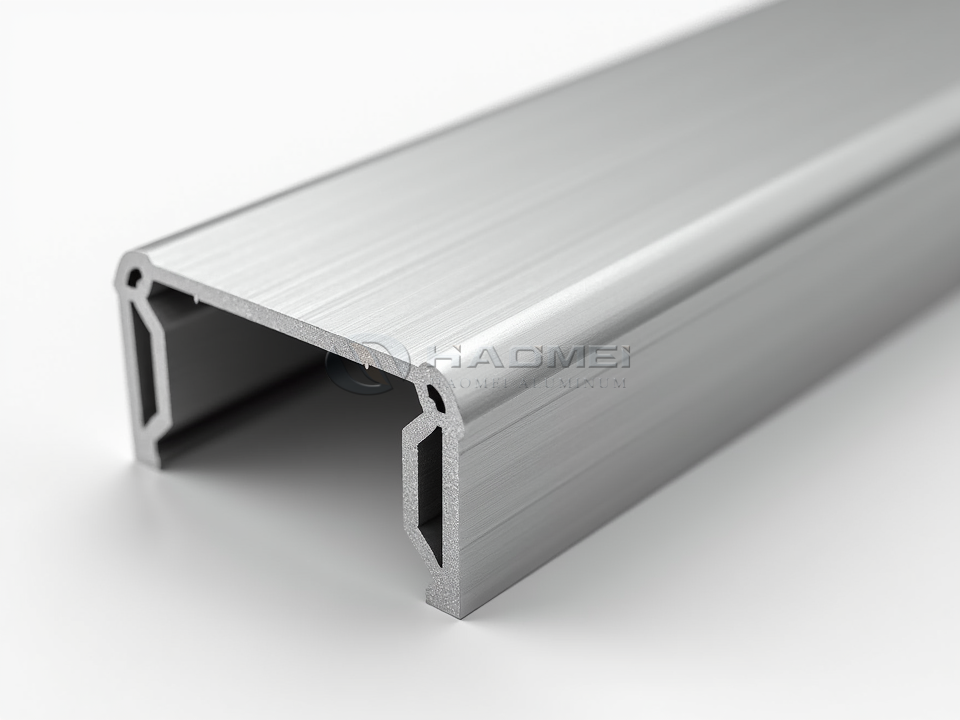
Chemical Composition of 5052 Aluminum
The marine behavior of 5052 comes mainly from its magnesium content, supported by controlled chromium addition. The alloy avoids high copper levels because copper can reduce corrosion resistance in seawater conditions.
| Element | Content, % by Weight |
|---|---|
| Aluminum, Al | Balance |
| Magnesium, Mg | 2.2 - 2.8 |
| Chromium, Cr | 0.15 - 0.35 |
| Iron, Fe | 0.40 max |
| Silicon, Si | 0.25 max |
| Manganese, Mn | 0.10 max |
| Copper, Cu | 0.10 max |
| Zinc, Zn | 0.10 max |
| Other elements, each | 0.05 max |
| Other elements, total | 0.15 max |
This composition gives 5052 its well-known resistance to saltwater corrosion, good weldability, and stable performance in humid marine air.
Mechanical Performance and Temper Choice
The temper tells the engineer how much the material has been strain hardened. Softer O temper bends easily and suits complex forming. H32 and H34 are popular for railing components because they preserve formability while giving higher strength. H36 and H38 offer more strength but are less forgiving during tight bending.
| Temper | Typical Tensile Strength | Typical Yield Strength | Elongation Character |
|---|---|---|---|
| O | 170 - 215 MPa | 65 - 90 MPa | High, best for deep forming |
| H32 | 210 - 260 MPa | 130 - 160 MPa | Good for bent rails and panels |
| H34 | 235 - 285 MPa | 160 - 200 MPa | Balanced strength and forming |
| H36 | 255 - 305 MPa | 190 - 230 MPa | Higher rigidity for straight sections |
| H38 | 270 - 320 MPa | 220 - 260 MPa | Stronger, limited forming radius |
For welded offshore barriers, it is important to remember that the heat-affected zone may lose some strain-hardened strength. Good design compensates through section size, weld layout, gussets, base plate thickness, and proper post spacing rather than relying only on nominal material strength.
Implementation Standards and Inspection References
5052 marine aluminum fencing and railings are commonly produced and inspected with reference to recognized aluminum and marine standards. Depending on region and project type, applicable documents may include ASTM B209 for aluminum sheet and plate, ASTM B221 for extruded bars and profiles, EN 485 for sheet and strip, EN 755 for extruded products, and AWS D1.2 for aluminum welding.
For ships and offshore installations, classification society rules may also apply, such as ABS, DNV, LR, BV, CCS, or other project-specified marine authorities. Safety railing dimensions can be influenced by OSHA, ISO, local port rules, offshore platform standards, or client engineering specifications. Surface treatment may follow Qualanod, Qualicoat, AAMA, or project coating systems when anodizing or powder coating is required.
A reliable barrier package should include material certificates, dimensional inspection records, weld inspection results when required, surface finish checks, and packaging methods suitable for marine transport.
Fabrication Notes That Affect Service Life
Good 5052 aluminum can still perform poorly if fabrication is careless. Sharp corners should be avoided where hands touch the rail or where stress concentration may occur. Drainage holes help prevent trapped seawater inside tubes. Dissimilar metal contact with carbon steel should be isolated using gaskets, washers, sleeves, or coatings to reduce galvanic corrosion.
Welding should use compatible filler metals, often 5356 for marine aluminum applications. Clean joint preparation is essential because aluminum oxide, oil, and moisture can create weld defects. After welding, exposed areas should be cleaned, and if the railing is anodized or coated, the finish plan should account for welded zones.
Bolted assemblies need marine-grade fasteners, usually stainless steel with proper isolation from aluminum. In high-vibration zones, locking nuts, spring washers, thread-locking compounds, or mechanical locking systems help maintain long-term tightness.
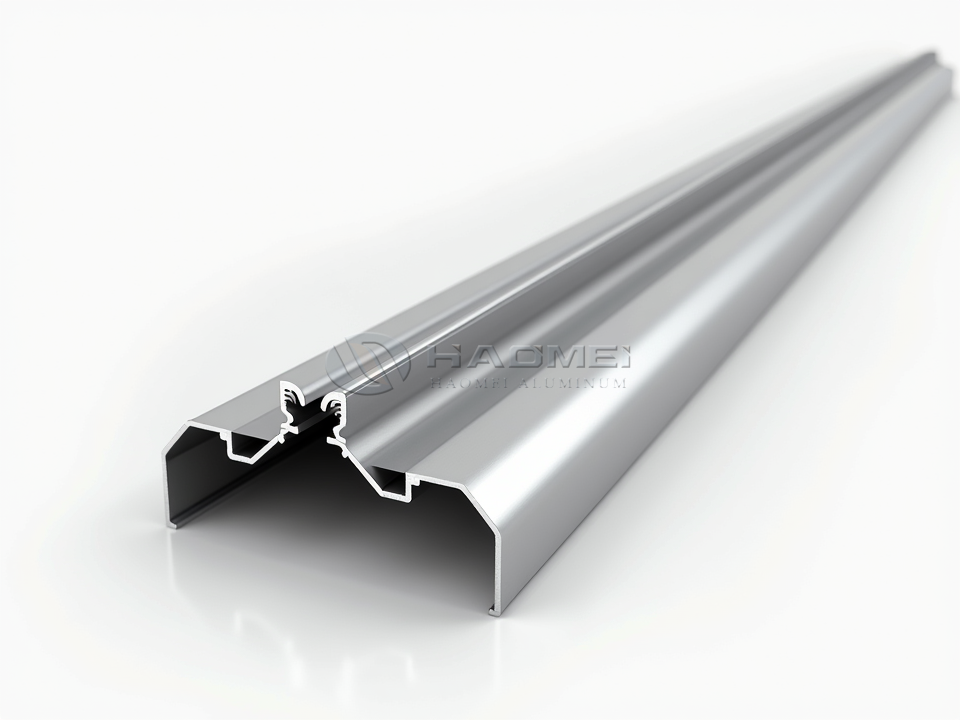
Where 5052 Marine Aluminum Barriers Work Best
5052 fencing and railings fit many offshore safety applications: platform perimeter protection, gangway rails, marina pedestrian fences, vessel deck guardrails, fish farm walkways, floating dock barriers, offshore maintenance platforms, and coastal industrial access paths. In each case, the material reduces maintenance pressure while giving crews a safer, cleaner structure to work around.
Its greatest value appears where corrosion resistance, weldability, and moderate-to-high strength must work together. It may not be the absolute strongest aluminum alloy, but for many marine barrier systems, it offers the right strength with fewer compromises. That is why engineers often choose 5052 when the goal is not only to build a railing, but to build a safety boundary that stays dependable in saltwater service.
Final Thought for Buyers
When selecting 5052 marine aluminum fencing and railings for offshore safety barriers, focus on the full system: alloy, temper, thickness, welding plan, surface finish, fasteners, installation environment, and inspection standard. A well-designed 5052 barrier does more than separate safe and unsafe zones. It becomes part of the offshore structure's long-term safety language, speaking through clean lines, lighter weight, corrosion resistance, and steady performance in demanding marine conditions.

Related Products
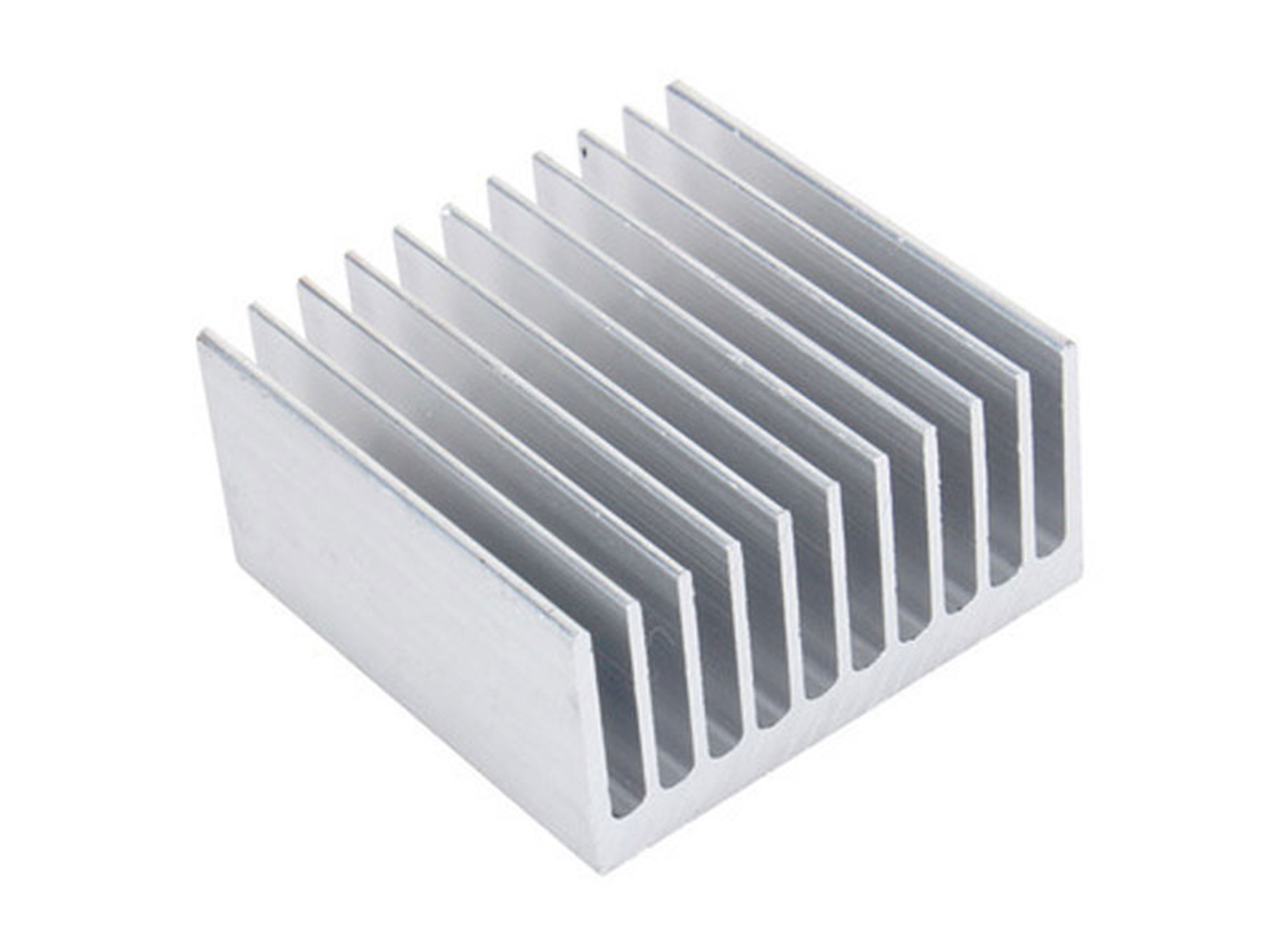
Marine aluminum heat sink profile
Marine Grade Aluminum Heat Sink Profiles utilize alloys such as 6061 and 6063 that not only exhibit high thermal conductivity but also possess excellent corrosion resistance required for saltwater exposure.
View Details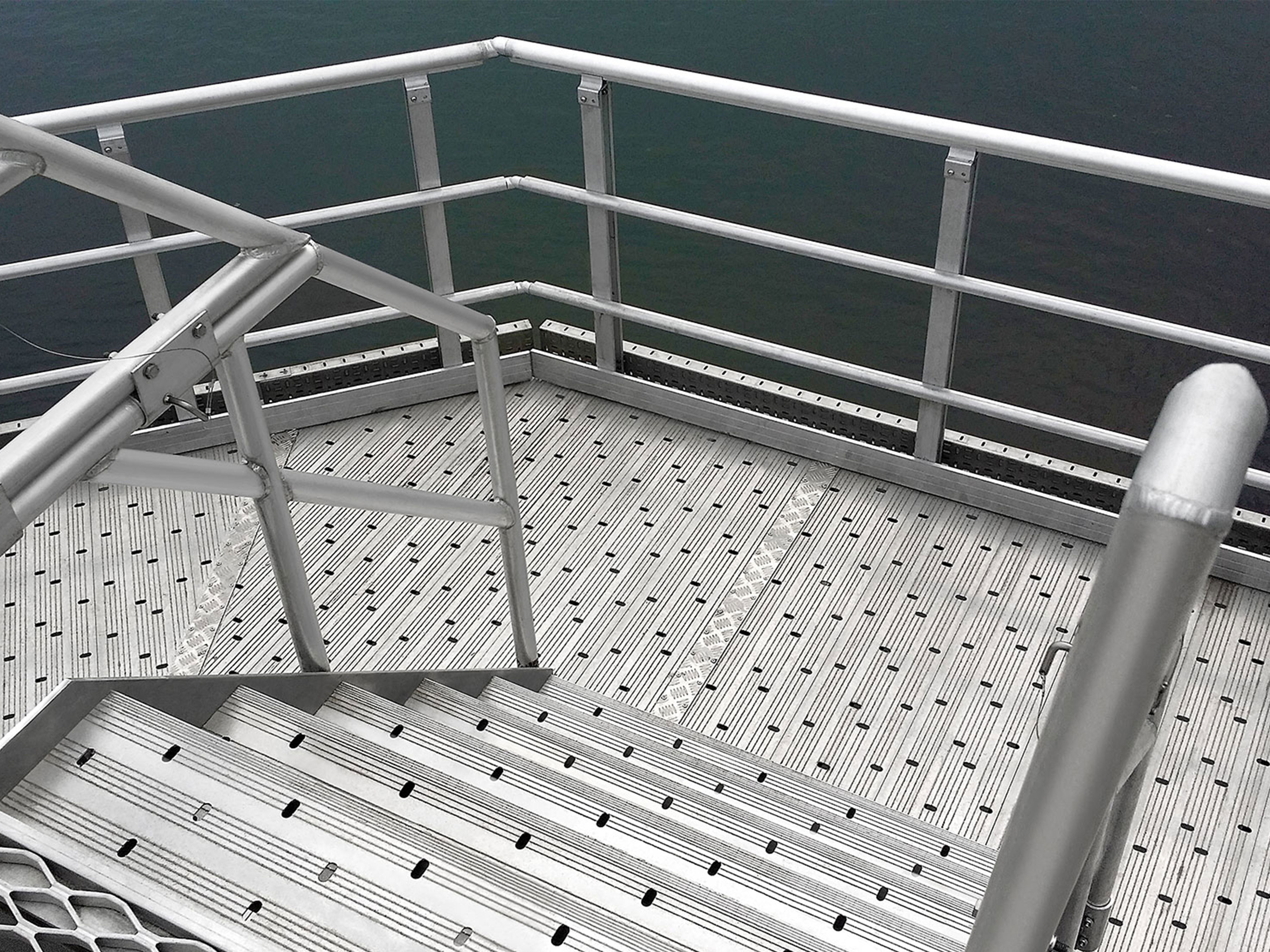
Marine aluminum customized shapes
Marine Grade Aluminum Customized Shapes encompass a broad range of aluminum extrusions and fabrications engineered beyond standard profiles—such as channels, angles, tubes, and beams—into complex, project-specific geometries.
View Details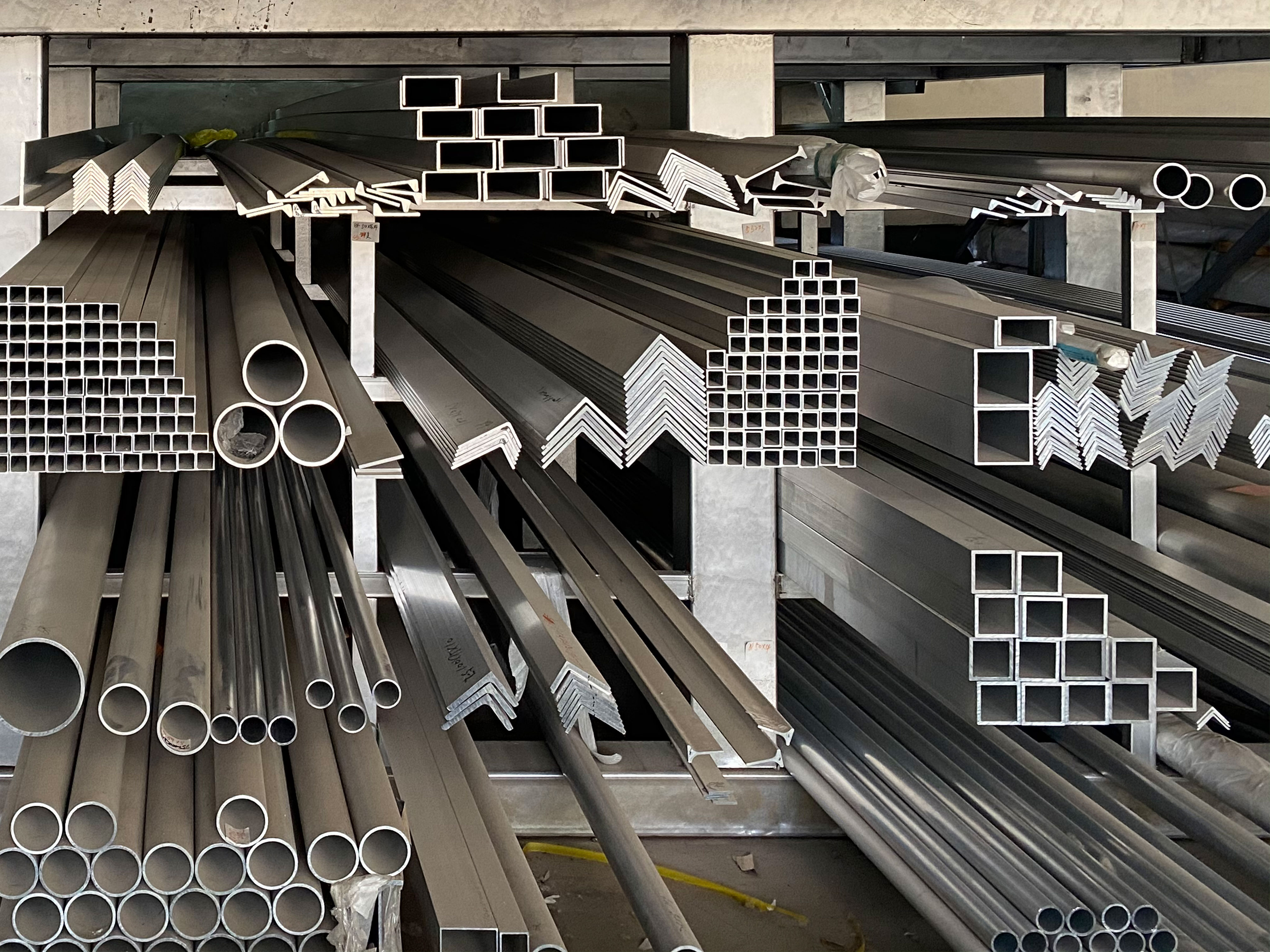
Marine aluminum fencing and railings
Marine Grade Aluminum Fencing and Railings are fabricated using marine-grade aluminum alloys such as 5083, 5052, and 6061, which are engineered specifically for protection against saltwater corrosion and marine atmospheric conditions.
View DetailsRelated Blog
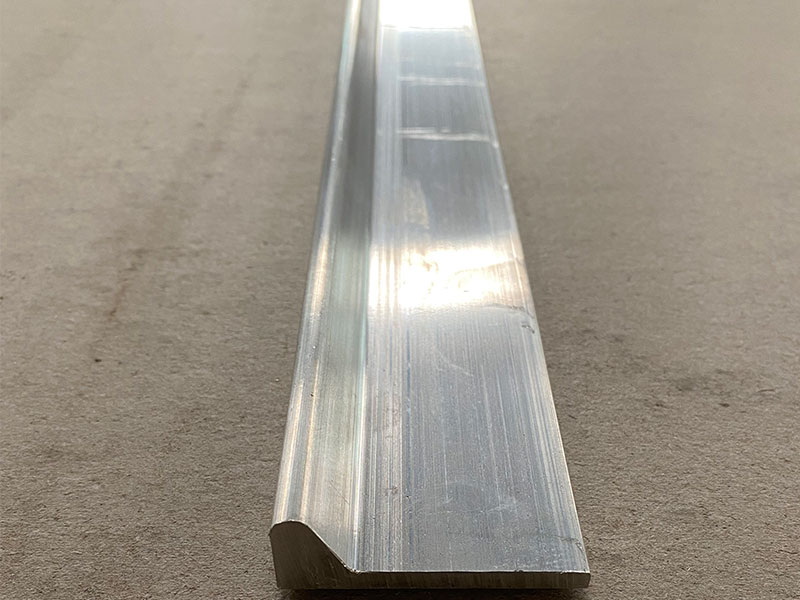
Marine Aluminum Customized Shapes for Marine Engineering Custom Fabrications
High-quality marine aluminum customized shapes tailored for marine engineering custom fabrications. Enhance durability, corrosion resistance, and structural integrity with precision-engineered aluminum solutions designed specifically for maritime applicat
View Details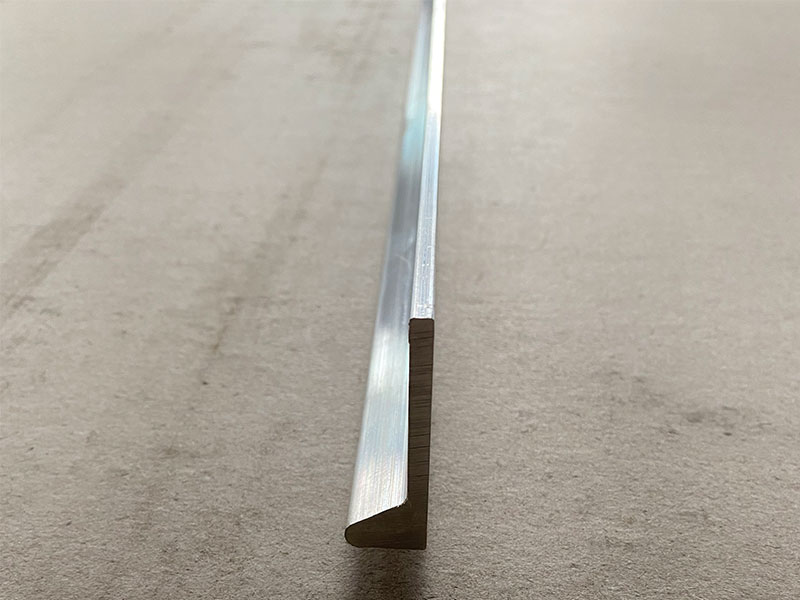
6061 Marine Aluminum Customized Shapes for Saltwater Resistant Marine Equipment Design
In the maritime industry, the durability and performance of vessels and related equipment are non-negotiable. Among the numerous materials utilized, 6061 marine aluminum has continually proven to be a premier choice.
View Details
5083 Marine Aluminum Fencing and Railings for Lightweight Offshore Guardrail Systems
When it comes to offshore guardrail systems, ensuring safety, durability, and corrosion resistance are paramount. 5083 Marine Aluminum has emerged as an excellent material choice for fencing and railings in marine environments.
View Details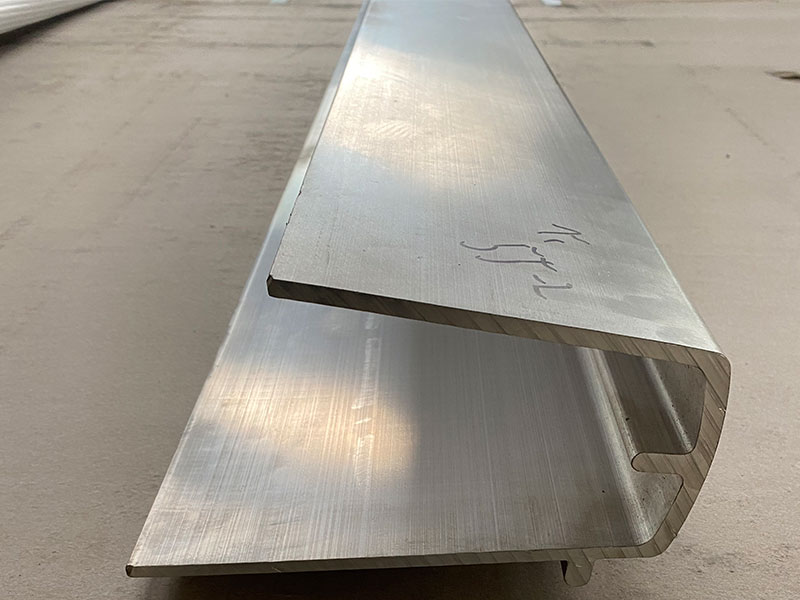
6061 Marine Aluminum Fencing and Railings for Lightweight Coastal Deck Railings
6061 marine aluminum is renowned for its excellent qualities, making it one of the top choices for lightweight coastal deck railings and fencing solutions. Designed specifically for marine environments, its exceptional resistance to corrosion.
View Details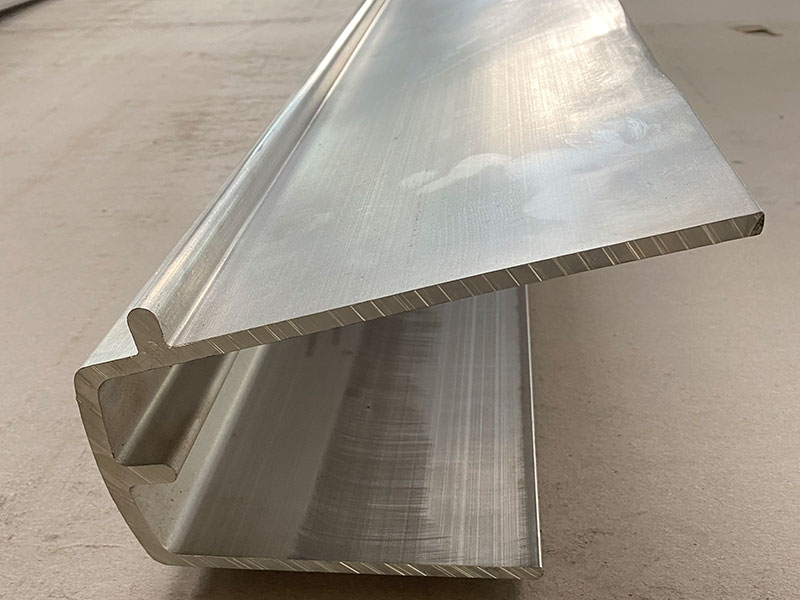
Marine Aluminum Customized Shapes for Custom Boat Frame Construction and Design
When it comes to constructing custom boats, marine aluminum rises to the occasion—offering versatility, rigidity, and corrosion resistance needed for aquatic environments.
View Details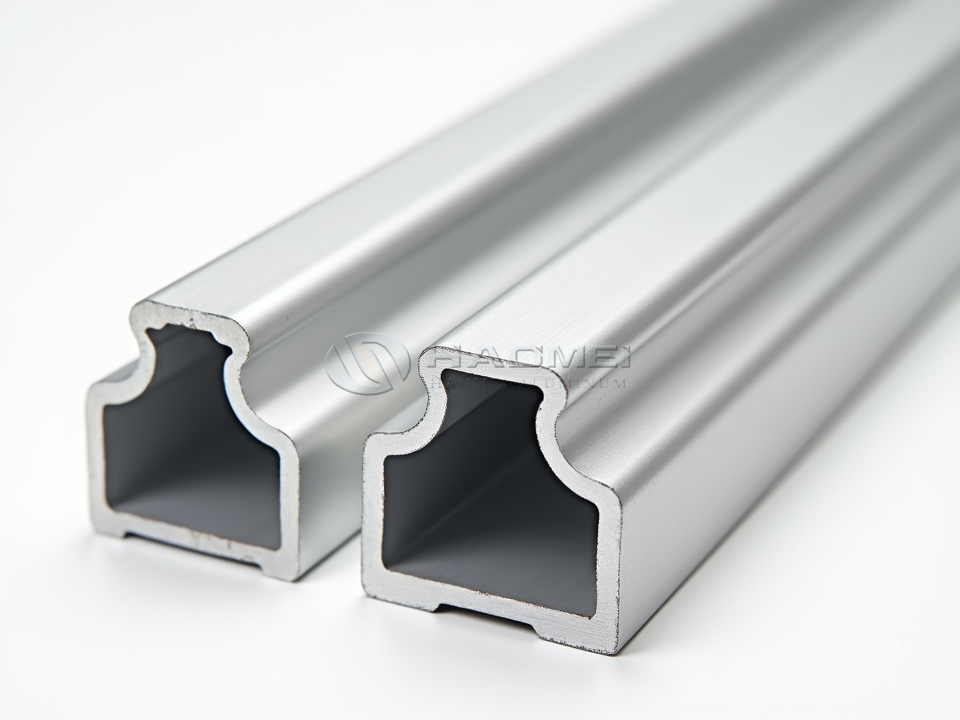
5052 Marine Aluminum Fencing and Railings for Custom Offshore Railing Construction
Practical guidance on 5052 marine aluminum fencing and railings for offshore decks, covering corrosion, forming, welding, custom fit, and long service life.
View Details
Leave a Message